Posted in Sunday Songs

Sunday Songs: 9/20/26

Happy Sunday, bibliophiles! I hope this week has treated you well.

This week: women getting weird with it is a common theme here, but the vibe you gravitate towards is your choice today. Plus, Tall Dwarfs get lost in the woods.

Enjoy this week’s songs!
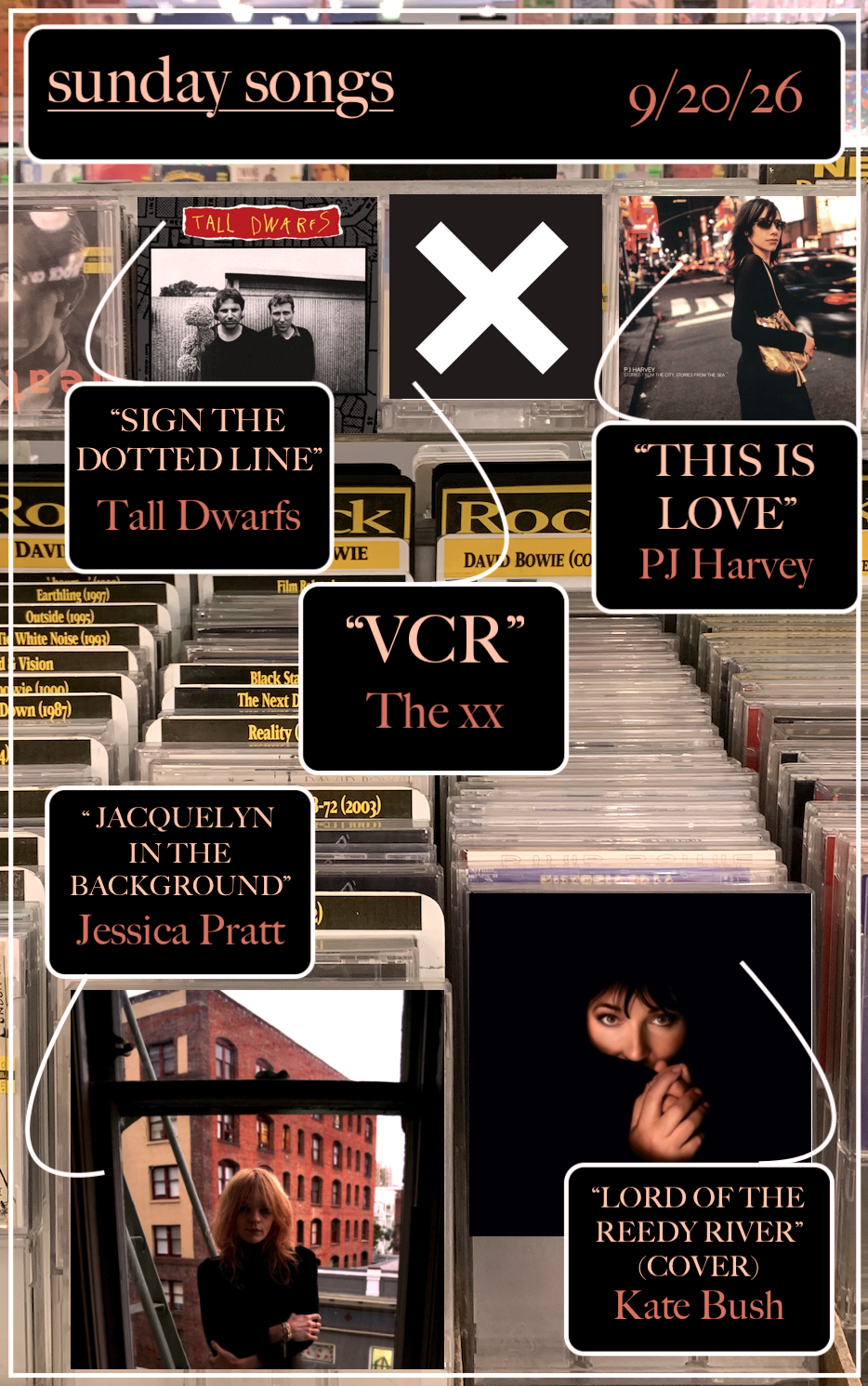
SUNDAY SONGS: 9/20/26

“Jacquelyn in the Background” – Jessica Pratt

Talking to Radio 6 Music for BBC, Clari Freeman-Taylor of mary in the junkyard described Jessica Pratt’s album On Your Own Love Again as “the kind of music that frogs would make on lily pads” and Pratt herself as “an alien.” And just like that, I was sold. Both of Freeman-Taylor’s descriptions are right on the money. There’s a charming, familiar yet alien quality to Pratt’s music. The first comparison that jumped out at me was early Cate Le Bon, before she’d gone full-throttle into sensory synth maximalism; St. Vincent circa Marry Me comes to mind as well. Their joint wavelengths of quirkiness manifest in similar ways, with folk skewed enough out of the ordinary to sound like something timeless but new.

I’ll always love a woman vocalist with an unabashedly unconventional voice. Pratt’s voice is nasally at the best of times, and that’s part of what makes Freeman-Taylor’s frog comparison genius: she totally sounds like she could be an extra on Over the Garden Wall, or something. Against the delicate pluckings of an acoustic guitar, “Jacquelyn in the Background” weaves a story that seems innocuous—just a folksy tale of mundane friendship—with flickers of uncertainty that belie some sort of imaginary friend narrative. Jacquelyn is in the background, but the image of her shifts colors, morphing as Pratt catches glimpses of her between shadows in her room. My favorite part of the song comes when the music catches up to the meaning: at 2:41, the pitch suddenly shifts and wobbles all over the place, dopplering in and out of the realm of the ordinary before tripping head over heels back into normalcy. Twitches of pitch-shifting fleck the rest of “Jacquelyn in the Background” until it ends. I was on board from the beginning, but that flourish of genius, connecting the narrative to the music itself, is what sold me on Jessica Pratt. If my never-ending album bucket list is anything to go by, it’ll be a long time coming, but something tells me that this isn’t the last time I’ll talk about her on here.

…AND A BOOK TO GO WITH IT:
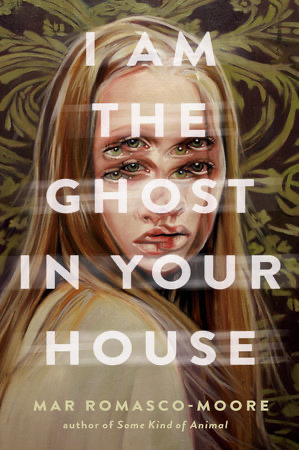
I Am the Ghost in Your House – Mar Romasco-Moore – “Ode to Jacquelyn, I see you coming through/See the changes in your smile/In the background, you’re coming in colors now/Leave your bad news for a while…”

“Lord of the Reedy River” (Donovan cover) – Kate Bush

I’m biased, since I listened to the Kate Bush version first and I really don’t know much of anything about Donovan. (To be fair, not all of her covers hit the mark—see her weirdly pseudo-reggae cover of Elton John’s “Rocket Man.” If that concept makes you go huh?, you’re not alone. To be fair, it’s not bad, it’s just a combination that doesn’t fully work.) But this cover elevates Donovan’s original song so much. Donovan’s version, a retelling of the Greek myth of Leda and the Swan, is eerie to begin with. It has that uneasiness that you find with a lot of ’60s folk songs, this kind of whispery discomfort that hints at unsaid things beneath the surface. But for a song about a myth about a mortal woman getting raped by Zeus in the form of a swan, the lyrics don’t suggest anything all that distressing, other than the waver in Donovan’s voice.

Kate Bush had to be keen on that undertone. Swapping Donovan’s acoustic guitar for flutes and a ghostly choir, her interpretation of “Lord of the Reedy River,” without changing the lyrics, makes it clear how inherently chilling the story is. There’s a quivering anxiety everything, shadows concealing feathers and uncertainty afoot. The male choir that Bush often used in her early years (to mixed results) hums discordantly, groaning and murmuring as though they’re spirits watching from the underworld itself. The only change is that Bush switches Donovan’s “she” to the more personal “I,” and that might be the most crucial change of all; closing the distance between Leda and the listener makes the mounting fear—and the implications of the myth itself—much more immediate.

…AND A BOOK TO GO WITH IT:
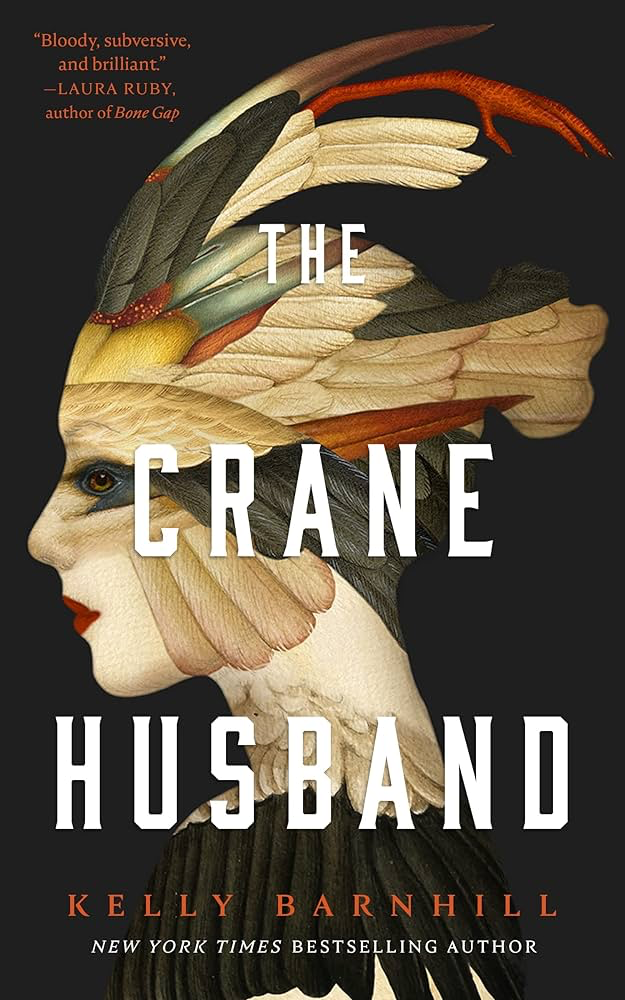
The Crane Husband – Kelly Barnhill – even with all of the Greek myth retellings I’ve read, I’ve never come across one of Leda and the Swan; and listen, fully admitting to double-dipping with this one, but it’s the first book that came to mind with eerie birds and uneven power dynamics (to put it lightly).

“Sign the Dotted Line” – Tall Dwarfs

“Sign the Dotted Line” has a strangely childlike quality to me, but it’s a very specific brand of childlike. Other than the grim territory that some of the lyrics verge into, it feels like it should be soundtracking the quest of a band of feral children with bindles wielding big sticks as swords with dirt smeared on their knees, like something out of Calvin and Hobbes. (I’m imagining at least one of them is wearing a colander as a helmet.) The looping background percussion—which reviewer Roger Shepherd derogatorily likened to a “burping mud pool” (ouch)—adds to that feeling; if there were any more instrumentation other than guitars and said loop, it ought to be a washboard or a shaker made out of an rusty can filled with gravel. The jangly rhythm has the measured march of gallivanting through the woods with some glorious purpose, which is where the enduring charm of it comes to me: “Let’s descend through fog and rain/And see if we can find the same way out/Of this whole mess/It’s not as if we’d lose our lives/Or be impaled by carving knives just yet.” Knox’s lyricism is undeniably pretty sarcastic, but it has the kind of glee that comes along with losing your way and embracing it. Of course, that’s my interpretation—Shepherd, writing for Flying Nun (the Tall Dwarfs’s label), posited that “[it] could equally be about a musician signing up to a record company” or, based on this illustration by Knox in Weeville‘s liner notes, “a commentary on the willingness of people to surrender their lives to religion.”
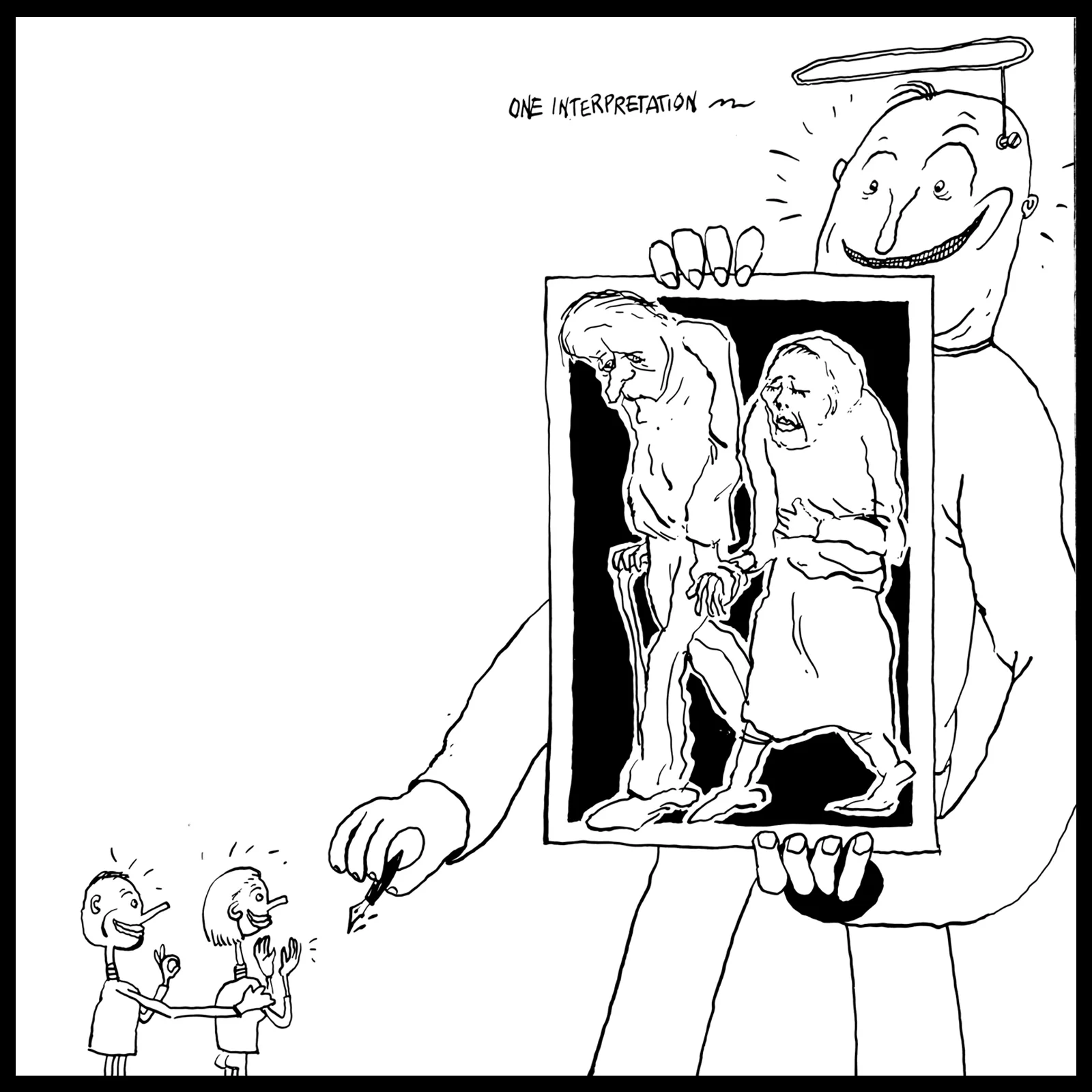
art by Chris Knox, from the liner notes of Weeville

The screwed-on halo makes the whole drawing for me. (As do the dubious three arms.) Knox draws exactly how he writes songs—I love it when artists have that touch that’s so distinctly them that it translates across mediums. Either way, I’d take “Sign the Dotted Line” to be about willingness, earned or unearned—the “sign the dotted line” is undeniably sarcastic, but what awaits our heroes on the other side? That’s for you to decide.

…AND A BOOK TO GO WITH IT:
The Art of Prophecy – Wesley Chu – “Let’s descend through fog and rain/And see if we can find the same way out/Of this whole mess…”

“VCR” – The xx

“VCR” is inherently comforting. In the simplicity that The xx crafted out of some loops, guitars, and bass, they created a kind of nest where life is easy and romantic. Like the couple tearing off pieces of an abandoned building in the music video, it’s a song that’s for making you (and somebody else) feel like you’re the only people in the world. It’s a late-night blanket fort of a song, relishing in the quiet, cozy moments shared between two people: “And we, we live half in the day time/And we, we live half at night/Watch things on VCRs/With me and talk about big love/I think we’re superstars/You say you think we are the best thing/But you, you just know.” Falling asleep to this song on my beat-up, 13-year-old iPod feels like the best way to listen to “VCR”—it’s a song that nestles in those warm, half-asleep moments between dreaming and waking.

…AND A BOOK TO GO WITH IT:
The Sound of Stars – Alechia Dow – “Watch things on VCRs, with me and talk about big love/I think we’re superstars, you say you think we are the best thing/But you, you just know, you just do…”

“This Is Love” – PJ Harvey

“This Is Love” rocks. Sometimes you don’t need so many paragraphs to describe how potent a song is, and this track is one of them. It’s just pure rock n’ roll, from the raw sensuality of the lyrics (very much giving meaning to the original meaning of rock n’ roll as a sexual slang term in the early 20th century) to the confidence she oozes with every shred of the guitar. Sure, I think women will never fully be free of the scrutiny that men don’t get when writing unabashedly sexy material, but PJ Harvey at least makes it feel like we’ve gotten somewhere, no matter what conservative panics may rise and fall. “This Is Love” is horny as fuck, and nothing but. And it rocks. The music video enhances that confident, sensual energy. It’s a simple setup, but every deliberate choice—PJ Harvey’s Dolly Parton-looking suit, that red lipstick, the bedazzled heels, the classic black and white tele she plays, the black and white background—exudes the confidence of somebody who already knew full well that she was an icon. It’s so gloriously in-your-face. Some songs scream “rock star” more than others—PJ Harvey, in this moment, was as emblematic of the term as you could possibly get.

…AND A BOOK TO GO WITH IT:
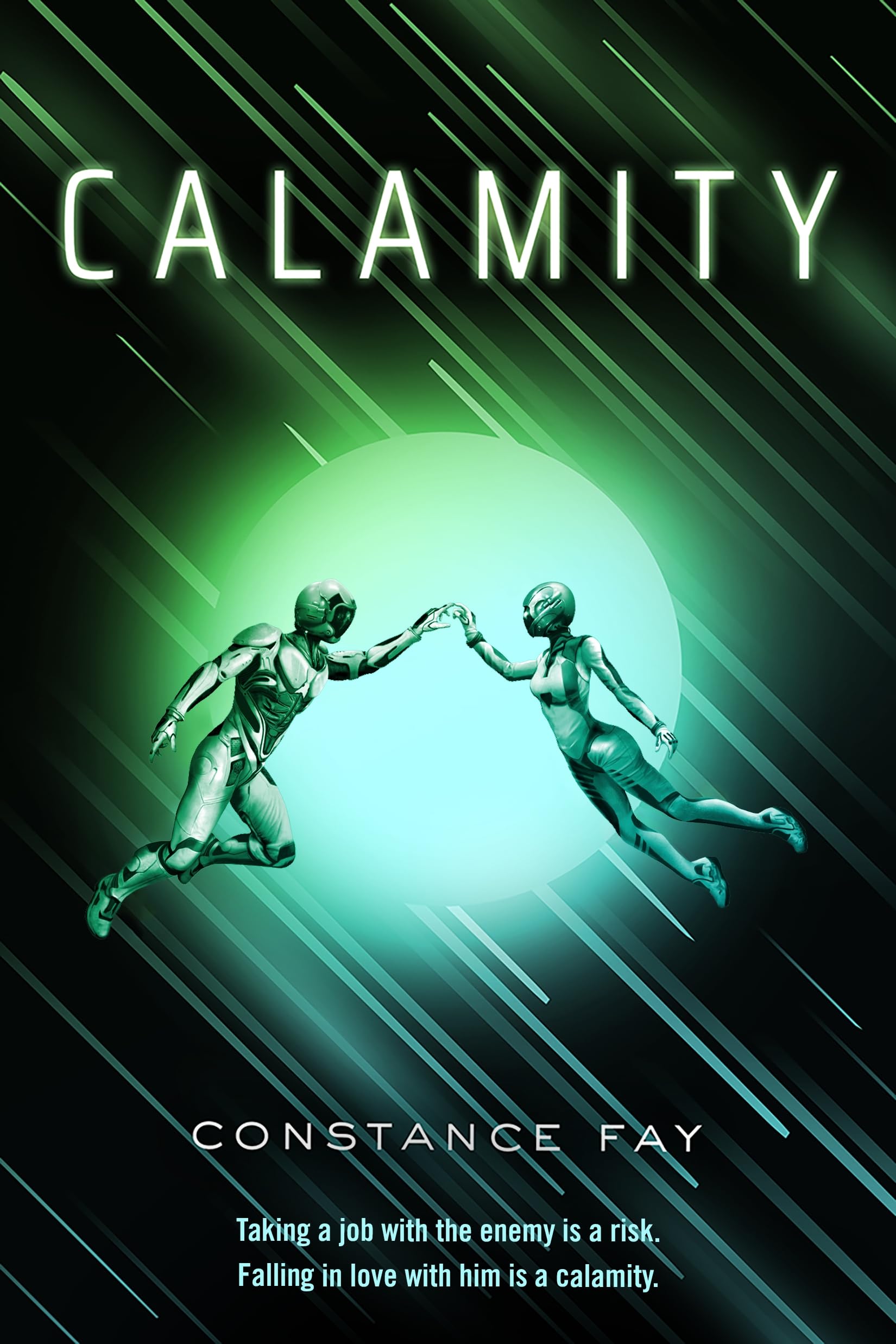
Calamity – Constance Fay – “I can’t believe life’s so complex/When I just want to sit here and watch you undress…”

Since this post consists entirely of songs, consider all of them to be today’s song.

That’s it for this week’s Sunday Songs! Have a wonderful rest of your day, and take care of yourselves!

Posted in Sunday Songs

Sunday Songs: 9/13/26

Happy Sunday, bibliophiles! I hope this week has treated you well.

This week: at this rate, I could probably condense material from several previous posts to just have a whole album review of Pompeii. Plus, Bill Callahan gets existential, Lisa Germano gets sarcastic, and The Ladybug Transistor gets…very Elephant 6.

Enjoy this week’s songs!

SUNDAY SONGS: 9/13/26

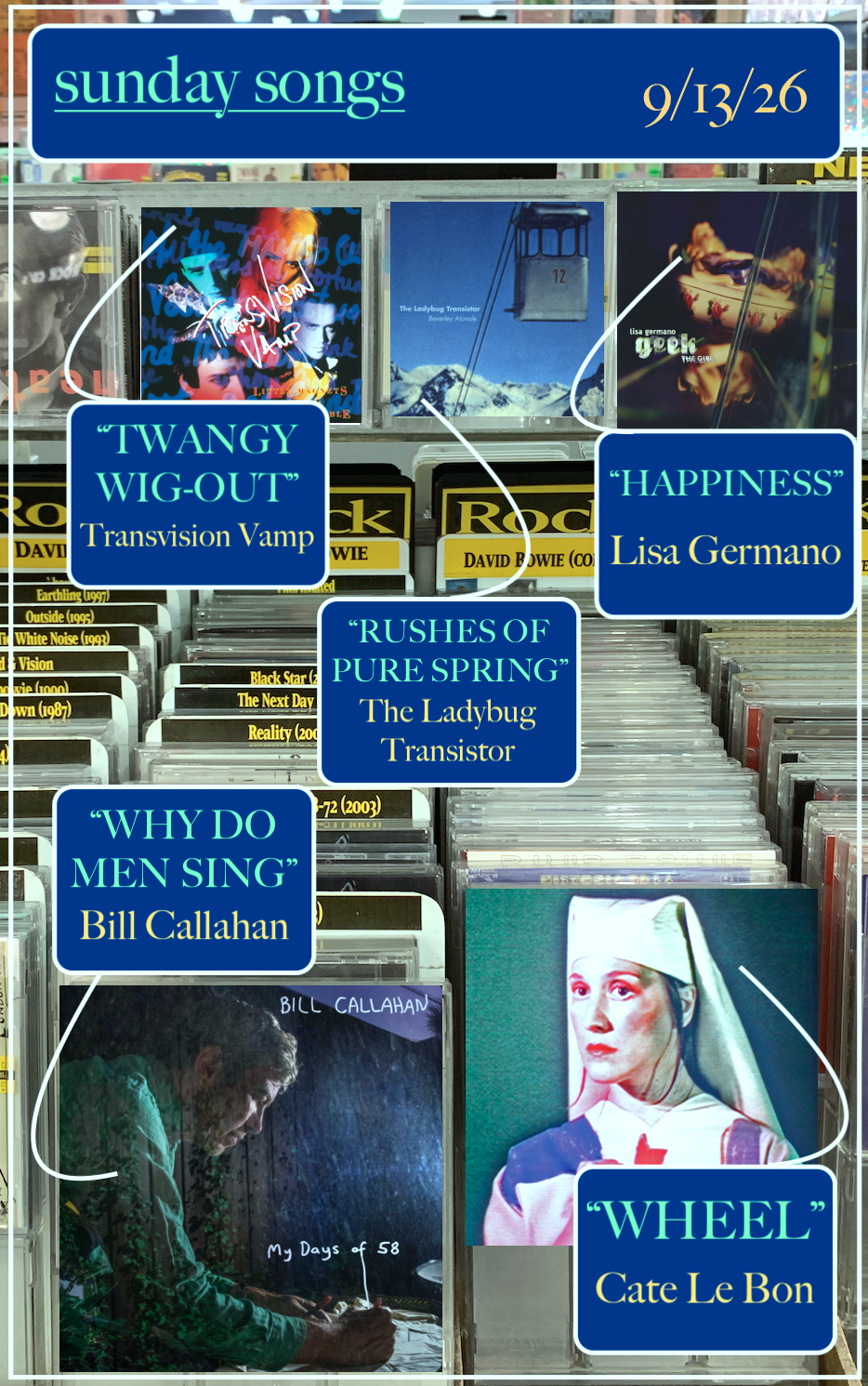
“Why Do Men Sing” – Bill Callahan

Last week, I was concerned about Bill Callahan going through it back during the era of Red Apple Falls. That sense of isolation thankfully seems to be behind him, but these days, it seems like he’s having a different kind of existential crisis. His newest album, My Days of 58, came out in February of this year, and it seems he had a mission to pick apart all of the questions that seem to emerge in the midst of a midlife crisis. “Why Do Men Sing,” the album’s opener, gets right to the meat of it: why is he still attached to this craft in the first place? I love the slowly-building meander of it, the acoustic strummings that are gradually strung with horns, harmonies, and electric guitars—it’s a song that languishes in all seven of its minutes, giving a weight to its stream-of-consciousness stylings. Callahan doesn’t necessarily answer his central question—it’s repeated over and over in the chorus, but he leaves the answer in the realm of ambiguity. But if there’s ever a sign that you’re artistically on the right track, it’s the visitation from Lou Reed beyond the veil that Callahan describes. (He even adopts a bit of Reed’s New York affect in several places in the song, which is a lot of fun.) His advice? “It’s cool, baby. Just got to let it ride.” First off, that sounds exactly like something he’d say, but I think that’s where the not-answer lies. There’s no one, concrete answer to the question Callahan poses. Creativity’s meaning is unique to you, but more importantly, the many meanings come from the winding journey you’re on. Let it ride, baby.

…AND A BOOK TO GO WITH IT:

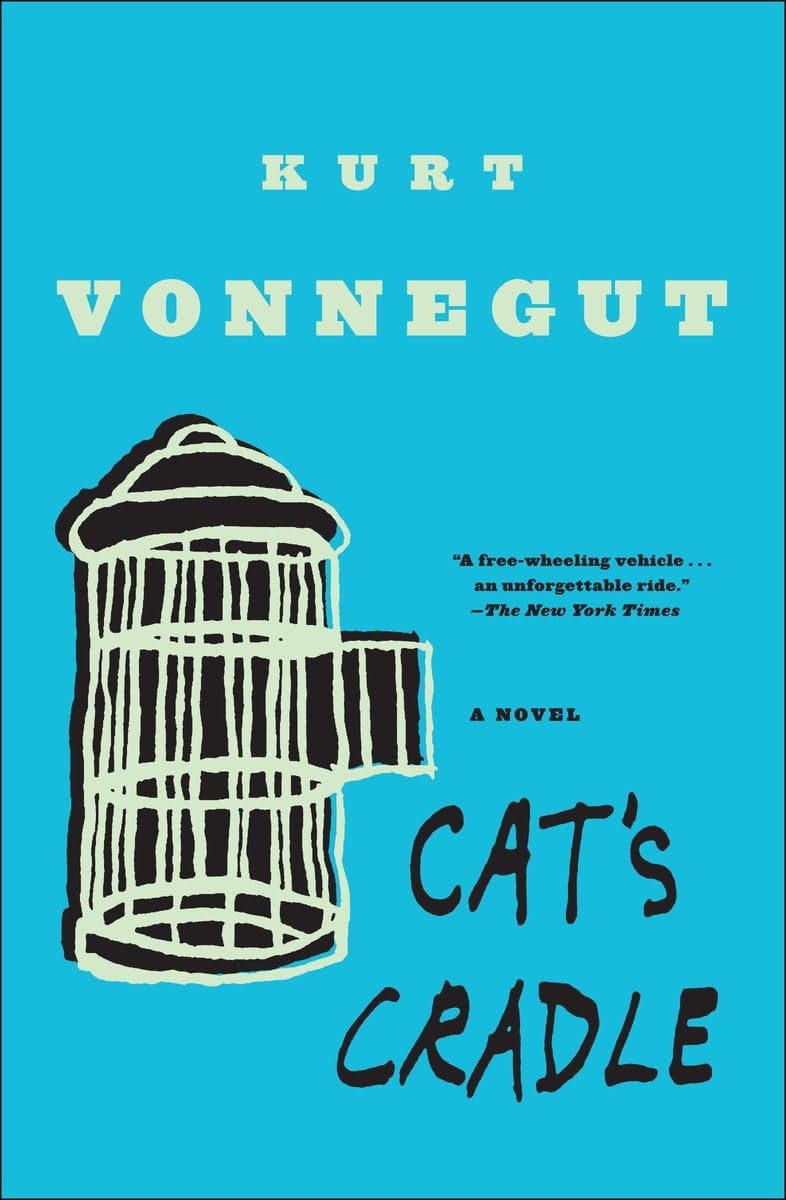
Cat’s Cradle – Kurt Vonnegut – the existential absurdity of this track feels very Vonnegut, in spirit if nothing else.

“Wheel” – Cate Le Bon

Shit, I’ve probably talked about at least half of Pompeii at this point. I’ve run the whole gamut of emotions about it; at first, it was more just “this is a great album, but the second half lags a bit” to “wait, that second half really doesn’t lag” to now, where I’m certain that it’s at least a top 10 album for me. The more I dissect everything about it—the origins, the lyrics, the aesthetic, the Cate Le Bon of it all—the more I adore it as an exercise in processing loneliness and isolation.

From the start, I loved “Wheel” as a closing track. Like its namesake, the blasts of distorted saxophone feel like the melody is eating itself, being born, dying, and being reborn in the space of a few beats. The synthy sway of it reminds me of St. Vincent at her weirdest. Its echoing lament made the track feel like it was ushering the end of the narrative into the fog, as ephemeral as the glow of a lighthouse. But it took me years to get why this album—and this song—got me. I think it was because I found it during a time when I was mired in some woefully self-imposed self-isolation, and something about that sensation planted a beacon in me, one that slowly but surely helped clear the fog. I loved the music, then I loved the aesthetic charm, and then wham: here comes “I do not think that you love yourself/I’d take you back to school/And teach you right/How to want a life/But it takes morе time than you’d tender.” FUCK.

Le Bon told Apple Music that this track was “more direct than the rest of the record. I was struggling to call people over the pandemic. What do you say?…I missed him, but couldn’t pick up the phone.” The circular feel of the melody now gives the image of somebody stumbling time after time over the same, self-imposed hurdle, like feeling your mouth clamming up before you can say what you desperately need to say. And it lodged itself in me deeply—even outside of said self-isolation, I relate painfully to that feeling of knowing that you want to connect more deeply with people, but agonizing so much over what to say, what to do, that it comes too late. Somehow, it feels more digital—especially given the pandemic context—it’s a feeling I experience way more when connecting with people over texts. I feel the urge spill over, desperate to say everything that you want to say, but then that mental barrier clogs your repository of words, anxiety freezing your hands. That previous lyric I referenced (beginning with “I do not think that you love yourself”) perfectly encapsulates that feeling of having an armful of things to say and do, but feeling inadequate when the time comes to condense them into something comprehensible, even if it’s just “hey man, do you want to hang out on Thursday?” Back to “I do not think that you love yourself”—I feel like it’s both Le Bon addressing these friends, but also herself, in a way: seeing yourself suspended in your current state, but frozen in the moment, you’re just observing yourself pacing in circles.

In this light, the outro of “no prisoner, no peace” feels like a call to arms. I’m still chewing on it. The prisoner is, to my understanding, herself, locked in these patterns: from there, “no peace” is the resulting state from being the prisoner of your own patterns. Le Bon repeats it like a storm warning, letting it crash against the waves: you’ll have no peace while you’re still a prisoner of these unsaid thoughts. And to end Pompeii, a study of being stir-crazy and vulnerably self-reflective in Le Bon’s childhood home during the pandemic, feels like the solution to claw through the dirt and see the light of day again. No prisoner, no peace indeed.

…AND A BOOK TO GO WITH IT:

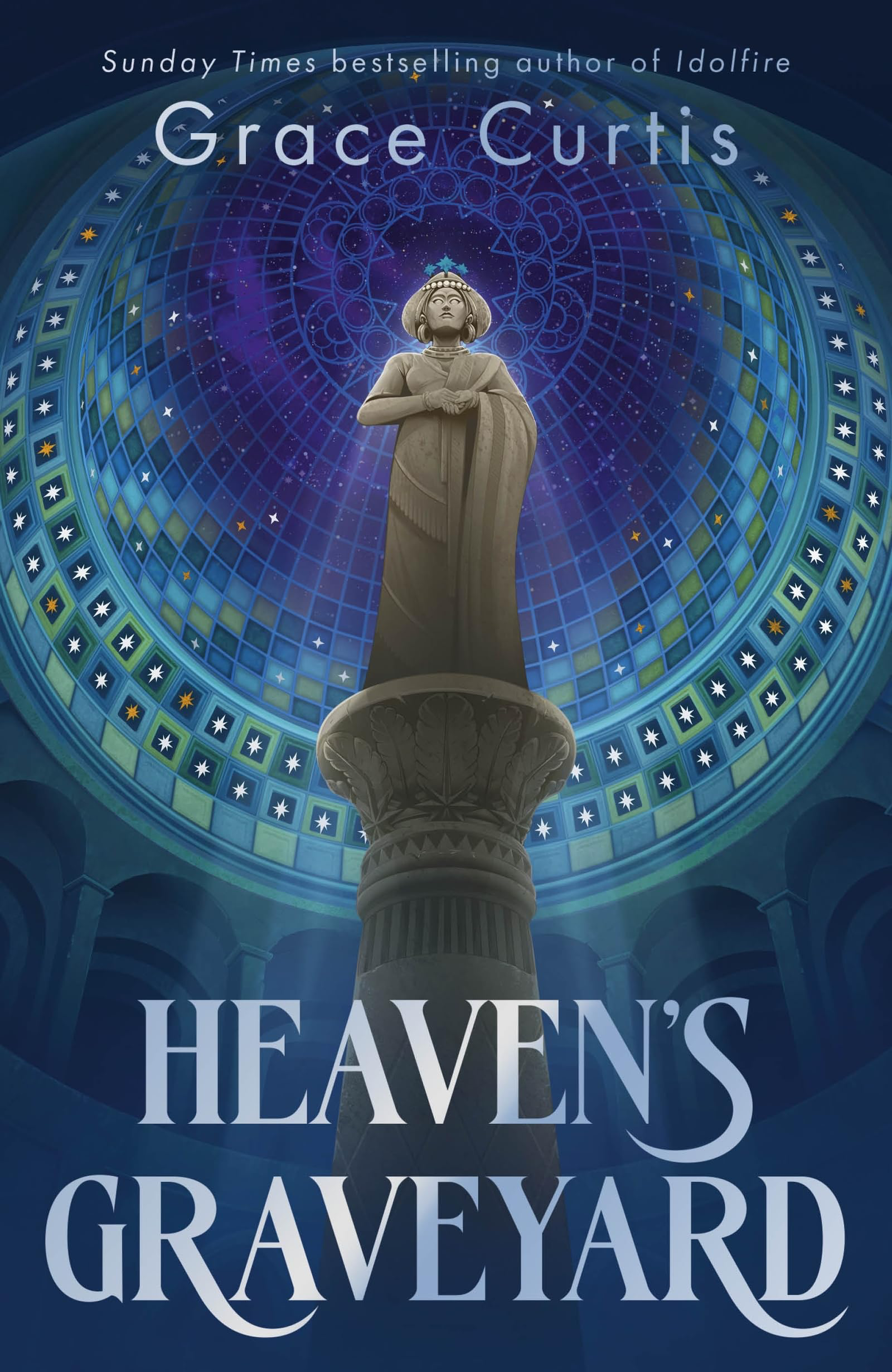
Heaven’s Graveyard – Grace Curtis – “It’s been a mild winter here/And I’ve buckled like a wheel/Sucked the life from god’s routine/Broke the royal we…”

“Twangy Wig-Out” – Transvision Vamp

I’d only heard of Transvision Vamp from songs off of their final album, Little Magnets Versus the Bubble of Babble, so it came as a surprise to discover that this album was their critically panned finale after several years of UK Number One singles in the ’80s. Of course, it’s reportedly pretty different from a lot of their earlier work, hence why it was initially barred from release in the UK by their record label. There’s nothing here that would suggest that Wendy James and co. were pop stars—I could see them being underground neo-psychedelia legends only going off of this. But it seems like that’s exactly what they wanted to do, after years of smearing by the UK music press (often at James’s expense, with many a misogynist insult hurled in her direction). “Twangy Wig-Out” has some pop genealogy, but it’s pure, British psychedelia—you can’t get much trippier than this. Its dreamlike prediction makes you feel like you’re stumbling through somebody else’s movie-montage drug trip, complete with lyrics that are the exact kind of thing you could only find deep if you got really, really stoned. (“‘Art is the mind set free’/She says, I don’t know any real artists?’ Shiiiiit, dude, that’s deep…[cough] pass the blunt…”) On its own, it’s a real fun track, but as a stylistic rebellion against a label (and a country) that wanted to kick them to the curb, it’s even more enjoyable.

…AND A BOOK TO GO WITH IT:

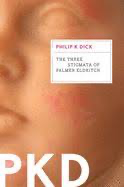
The Three Stigmata of Palmer Eldritch – Philip K. Dick – admittedly, I didn’t particularly like this novel, but you can’t get much druggier than this.

“Rushes of Pure Spring” – The Ladybug Transistor

Right off the bat: The Ladybug Transistor is an awesome band name. It also sounds like the kind of name you’d make up for a fake band to sound more pretentious than you are at a party. Oh, you haven’t heard of The Ladybug Transistor? Name three songs, poser. Their song and album titles only accentuate the vibe. Oh, you clearly haven’t heard of their critically acclaimed album Beverley Atonale and the lead single “Your Wagging Tail (Single Space).” Pitchfork gave it an 8.6, you know. Well, they actually didn’t, and that wasn’t the lead single, but you get what I mean. Apparently, they’re so niche that Beverley Atonale didn’t even get reviewed by Pitchfork. Who’s the poser now?

To me, that’s the mark of a fantastic band name/general aesthetic, because it’s a sign that they’re doing nothing but them. The Ladybug Transistor is another member of Elephant 6, and the influence is clear: like many of the other bands in their company, they were producing charming, ’60s-flavored indie pop. From my limited experience, they seem gentler and more slow-paced than some of their peers, but I love the atmosphere that “Rushes of Pure Spring” creates. Unlike a lot of other Elephant 6 bands, the ’60s comparison doesn’t jump out at me, but what does is another band from the ’90s—that being Luna. Aside from the fact that Gary Olson and Dean Wareham’s vocal styles are similar, it has that same gentle, observant quality to it; both the lyrics and the misty instrumentals sound like the results of a steady hour of journaling while staring out a window during a spring rain shower. My only complaint is that I found out about this song after I started taking the bus to school regularly, because this is prime bus commute music. There’s always tomorrow.

…AND A BOOK TO GO WITH IT:

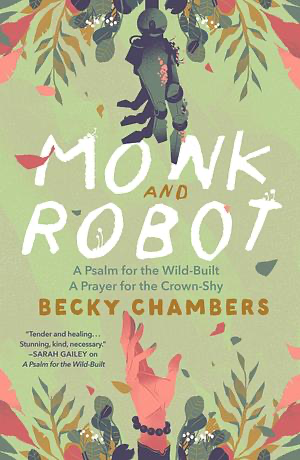
Monk and Robot – Becky Chambers – “Beverly Road brings/Rushes of pure spring/I hear the day sing/It’s alright…”

“Happiness” – Lisa Germano

If you’re coming into a Lisa Germano song called “Happiness” and expecting it to reflect any semblance of happiness…strap yourself in. Don’t say I told you so.

A lot of Lisa Germano’s songs have a childlike quality to them. It’s not in the sense of purity, but more in the sense of feeling like a nine-year-old hearing their parents fighting through the walls, learning some choice words, then misspelling them in their diary. There’s an almost-innocence to it, but it reflects a twisted mirror of childhood, a theme that recurs in a lot of her songs. (It’s especially evident in songs like “My Secret Reason,” whose plain lyrics paint images of rot through simplistic language: “But I know this/As dumb as I am/When I was young/And it was winter/In our yard/There used to be snow there.”) It’s a kind of reversion to lost childhood in adulthood, since that childhood wasn’t properly provided. A lot to unpack, to say the least.

“Happiness” has that same eerie simplicity to it. Germano intones the lyrics like she’s unenthusiastically regurgitating advice from a therapist: “Happiness/Is like TV/On or off/It’s up to me.” The subsequent ones are darkly childlike, with the sarcastic bent of a children’s songwriter with an acoustic guitar gathering everybody for a singalong: “Mom and dad/Are like my head/I won’t listen to them/Until they’re dead/Or I’m dead.” There’s a deliberate bit of gallows humor, a smirk evident when she sings “C’mon, everybody—sing!” and the next verse begins with “Pain and sadness/Are real to me.” (“Everybody!”) I wouldn’t go so far to say that “Happiness” is a funny song, but there’s a rotten sarcasm to it that only became more refined with time in Germano’s catalog. The chorus’s repetition of “Inconsiderate bitch, inconsiderate bitch,” sung in a similar singsong quality, is deeply wry and eerie, reflecting both the hollow platitudes people tend to give to suffering people (especially women) and the consequences of questioning them. Oh, you’re not just deciding to be happy? You’re not depressed! You’re just a selfish, inconsiderate bitch. Just turn on the happiness and be a docile, obedient woman, why don’tcha?

…AND A BOOK TO GO WITH IT:

The Crane Husband – Kelly Barnhill – “Relationships
Are like a cow/Growing strong/Just for now/Poor little cow…”

Since this post consists entirely of songs, consider all of them to be today’s song.

That’s it for this week’s Sunday Songs! Have a wonderful rest of your day, and take care of yourselves!
Posted in Sunday Songs

Sunday Songs: 3/15/26

Happy Sunday, bibliophiles!

This week: inside you, there are three wolves: one is only skin, one is only in my dreams, and the other is only you…

Enjoy this week’s songs!

SUNDAY SONGS: 3/15/26

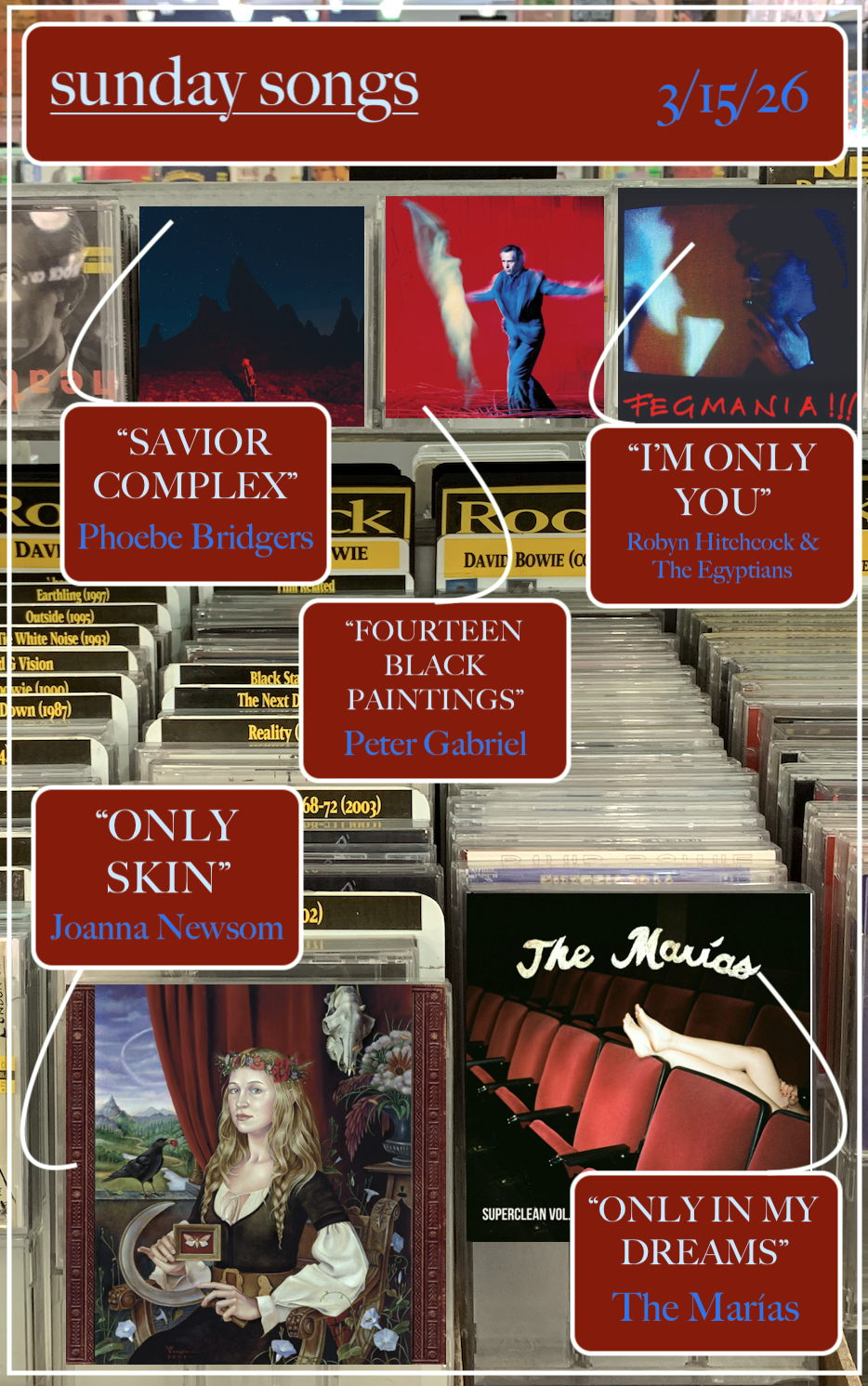
“Only Skin” – Joanna Newsom

This song’s a way-homer, but it’s a hell of a long way home. It’s difficult to pitch this song, because yeah, how do you convince somebody to willingly listen to a nearly 17-minute long song whose main instrument is the harp with a decidedly squeaky-voiced vocalist? I doubt it’d convince you further if I said that it took me at least two listens to really get it. But when I did, I got it. I don’t think I’ve ever been captivated by a song this long, or this proggy. I say “prog” because there’s an element of this that its detractors would probably dismiss as self-indulgent, artsy-fartsy bullshit, and that its defenders would call epic. Prog of any subgenre is hit or miss for me, but I think what’s valuable about it is that it emphasizes art for art’s sake—it’s not afraid to get sprawling in service of creating music that defies mainstream traditions. I doubt that there was anything else like the harp-dominated, esoteric folk of Joanna Newsom released in 2005. Most of the imagery surrounding it feels medieval, and there’s a certain bardlike quality to how Newsom presents herself (especially on the album cover of Ys). But to me, it strikes me as strangely Appalachian, more rooted in the pioneer times of the U.S. in the 19th century than anything—particularly in this song, it’s the more folky instrumentation, the mentions of somewhat modern war imagery (even if it’s in an in-song dream sequence), and, somewhat irrelevantly, the way that Newsom says “swimmin’ hole.”

But really, “Only Skin” has genuinely made me go a bit bananas. Admittedly, I was exposed to this song through separate TikTok trends, but frankly, it’s wild that a song as weird as this got any traction. But this song is downright captivating. At best, I feel like I’m picking it apart in the same way that I would some esoteric classic in my English classes; other times, I feel like the voice in my head is about to bust a vein, announcing different elements of the track like a WWE announcer: “AND THERE’S ANOTHER TEMPO CHANGE! FELLAS, WE’VE GOT ANOTHER TEMPO CHANGE—AND HERE COMES BILL CALLAHAN WITH THE STEEL CHAIR!” (And yeah, that was wild to find out too—he has a brief but prominent feature about 13 minutes into the song.) Newsom has this distinct voice that squeaks so much in the first few seconds of the song that I genuinely though it was studio feedback, but I love that nontraditional quality of it—she peeps and howls and mewls, defying all notions of how the feminine voice is supposed to sound. She has this kind of sprite-like quality about her that makes her already stunning lyricism even more like a fable or a fairytale—there’s whole handfuls of lyrics that stop me in my tracks: “Back on the patio/watching the bats bring night in,” “The retreat of their hairless and blind cavalry,” “And I watched as the water was kneading so neatly/Gone treacly” are just a handful of the gems that Newsom has scattered through the rich earth of this track. I could probably go on for at least two paragraphs longer just picking apart all of the poetic devices scattered throughout, but this part of the post is already getting unwieldily long. But the real emotional oomph is the juxtaposition with the more devastatingly bare lines, things like the waver in her voice when she repeats the motif of “That’s an awfully real gun.” It all has a very Kate Bush quality about it, both in the vocal and lyrical styles—as well as her stories of women.

She breathes wonder and fear and devotion and snapped rage into every line—it’s so dense that I can only scrabble for certain meanings. As far as I can tell, Newsom is the kind of enigmatic artist who ostensibly does write true stories, but obfuscates them under at least seven layers of fiction so that they’re all but impenetrable. There’s hints of personal relationship turmoil, something that her ardent fans have been desperately trying to puzzle out in the 20 years since this album was released. In my mind, I can see some kind of 19th-century narrative of a desperate woman married to a man wracked by trauma. She breaks her back trying to provide for him, and he only responds with demanding more and more still of her, without any thought to what she’s going through. I don’t blame said TikTok trends for choosing the part that they did: the part beginning at 13:02 (yeah, sorry) is the most striking part of the song, the climax where the woman reaches her breaking point. You’ve heard me ramble about the watering-down of female rage…but if you want real, desperate, breaking-point female rage? Step right up. Holy shit. This part is the musical equivalent of the straw that broke the camel’s back, the final response of the protagonist as she confronts him about how much she sacrificed just to keep him happy: “All my bones, they are gone, gone, gone/Take my bones, I don’t need none.” I get goosebumps every time I listen to it. This is why it’s worth all 16 minutes and 53 seconds—even if you don’t appreciate the highs and lows of the journey itself, the payoff from that buildup is worth every note. Like Oingo Boingo’s “Change,” it goes through movements, but all in service of a staggeringly intricate musical narrative.

I think those reminders of Oingo Boingo and Kate Bush, at least in terms of their mindset if not in their musical style, is what makes “Only Skin” such a spectacular song to me. Art for art’s sake implies a kind of self-indulgent quality, but there’s nothing much more admirable to me than putting out art that’s nothing but the vision in your brain, removed from all sense of trend-chasing or conventionality. If not for the musical freaks of the world, we wouldn’t have art as singularly unique as this. Art needs not appeal to everybody—just you, in the end. And if it finds an anchor in somebody else, then all the better. But it’s got to be for you.

…AND A BOOK TO GO WITH IT:

The Crane Husband – Kelly Barnhill – “All my bones, they are gone, gone, gone/Take my bones, I don’t need none/Cold, cold, cupboard, lord, nothing to chew on/Suck all day on a cherry stone…”

“Only In My Dreams” – The Marías

What I appreciate about The Marías’s Tiny Desk Concert was that María Zardoya did what I love with a Tiny Desk Concert from an act that’s been around long enough to accumulate a larger discography; she called the setlist a “tasting menu” of their career, with selections spanning from their newest album to their earliest releases. It gave me the perfect jumping-off points for getting into their music. “Only In My Dreams” is off of their very first EP, Superclean, Vol. 1. It’s always so intriguing when you can see the nascent signs of a band’s sound beginning to solidify so early on. Sure, the lyrics aren’t as refined (and the music video veers on being corny), but already, their distinctive flavor of dream pop was right there, waiting to be chiseled away. If this track is proof of anything, it’s that when you have a clear vision of what’s you, it’ll always shine through in the music, and time will only expose it further—it certainly did so for The Marías.

…AND A BOOK TO GO WITH IT:

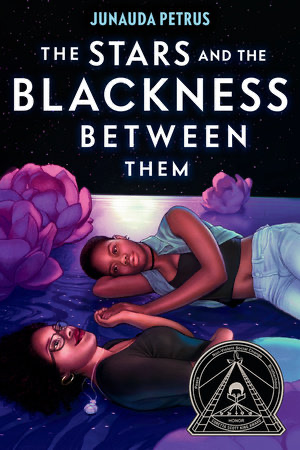
The Stars and the Blackness Between Them – Junauda Petrus – “You’re everything I need/To bare this fear/The demons in my bedThey’re always here/It’s only just a dream…”

“Savior Complex” – Phoebe Bridgers

“Savior Complex” was a favorite of mine when Punisher came out…what do you mean, almost 6 years ago? I remember watching that music video in December of 2020 and, as I did with everything in reach, looked at it with a very Fargo Season 4 lens, but to be fair, they have the commonality of a black and white vignette of a bloodied Irish man in a sketchy hotel with a dog that follows him everywhere. (Rabbi Milligan is everywhere for those with eyes to see him.) Listening back to this song is making me marvel at just how immersive Phoebe Bridgers’ atmospheres are. Her best songs feel like being inside of snow globes, but every snowflake feels just as real as one would in the outside world. There’s an ice-skating rink somewhere in that snow globe, somewhere in the middle of a city, where the flickering lights of the skyscrapers illuminate the ice. “Savior Complex” evokes the palate of the dead of night in December, with starry flourishes from the celeste, Rob Moose’s orchestral arrangements, and the understated murmur of Bridgers’s acoustic guitar. Like the album cover, it evokes the feeling of being absolutely alone, out in the middle of nowhere—lonely and liberating in equal measure. Yet Bridgers’s wintry whisper of a voice is what anchors “Savior Complex” in the end, with her stripped-to-the-bone lyrics: “I’m a bad liar/With a savior complex/All the skeletons you hide/Show me yours, and I’ll show you mine.” As poisonous as the relationship sounds, every utterance of “show me yours, and I’ll show you mine,” feels like a secret you’re being let in on.

…AND A BOOK TO GO WITH IT:

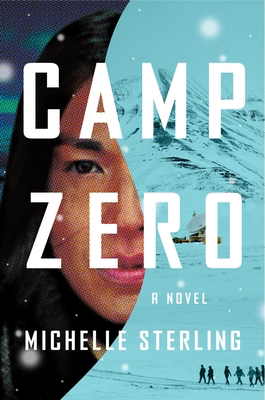
Camp Zero – Michelle Min Sterling – “Baby, you’re a vampire/You want blood and I promised/I’m a bad liar/With a savior complex…”

“Fourteen Black Paintings” – Peter Gabriel

Us is full of gems. I almost called them hidden gems, but most of them are pretty easy to identify as gems on the first listen. But amongst gems, some songs get overshadowed in the process. Practically every song on this album hits me like a train, so it’s exceedingly difficult to compete when about half of the album makes me feel like this after I listen to it. But I’ve found that in the three and a half years since I’ve listened to the album, there’s always another layer to peel back. “Fourteen Black Paintings” doesn’t necessarily have the gut punch of “Come Talk to Me” or “Secret World” or even the grooves of “Digging in the Dirt,” but to me, it thrives on simplicity. It’s one of the sparser songs on the album, but all of the lyrics speak for themselves, plain and simple:

“From the pain come the dream/From the dream come the vision/From the vision come the people/From the people come the power/From this power come the change.”

That’s it. That’s the entirety of the lyrics in this four and a half minute-long song, other than Gabriel’s hypnotic murmuring. It has the same, dense arrangements and international instrumentation (that haunting instrument you hear at the beginning is a duduk, an Armenian flute), and yet, it’s all so muted and subtle that it tends to relegate itself to the background. Yet it’s proof that even Gabriel’s most seemingly simple songs are anything but throwaways; though it doesn’t have the same striking emotional highs as some of the other tracks on the album, Gabriel’s soaring vocals make up for any need for them. In fact, it’s quite like the fourteen black paintings that Gabriel is referencing in the first place: fourteen black paintings by Rothko, all housed in the Rothko Chapel in Houston, Texas; though they seem like blocks of solid black to the casual observer, the brushstrokes within prove their deliberate and intricate construction. Quietly throbbing and pulsating, “Fourteen Black Paintings” remains an upfront declaration on the nature of power and resistance.

…AND A BOOK TO GO WITH IT:

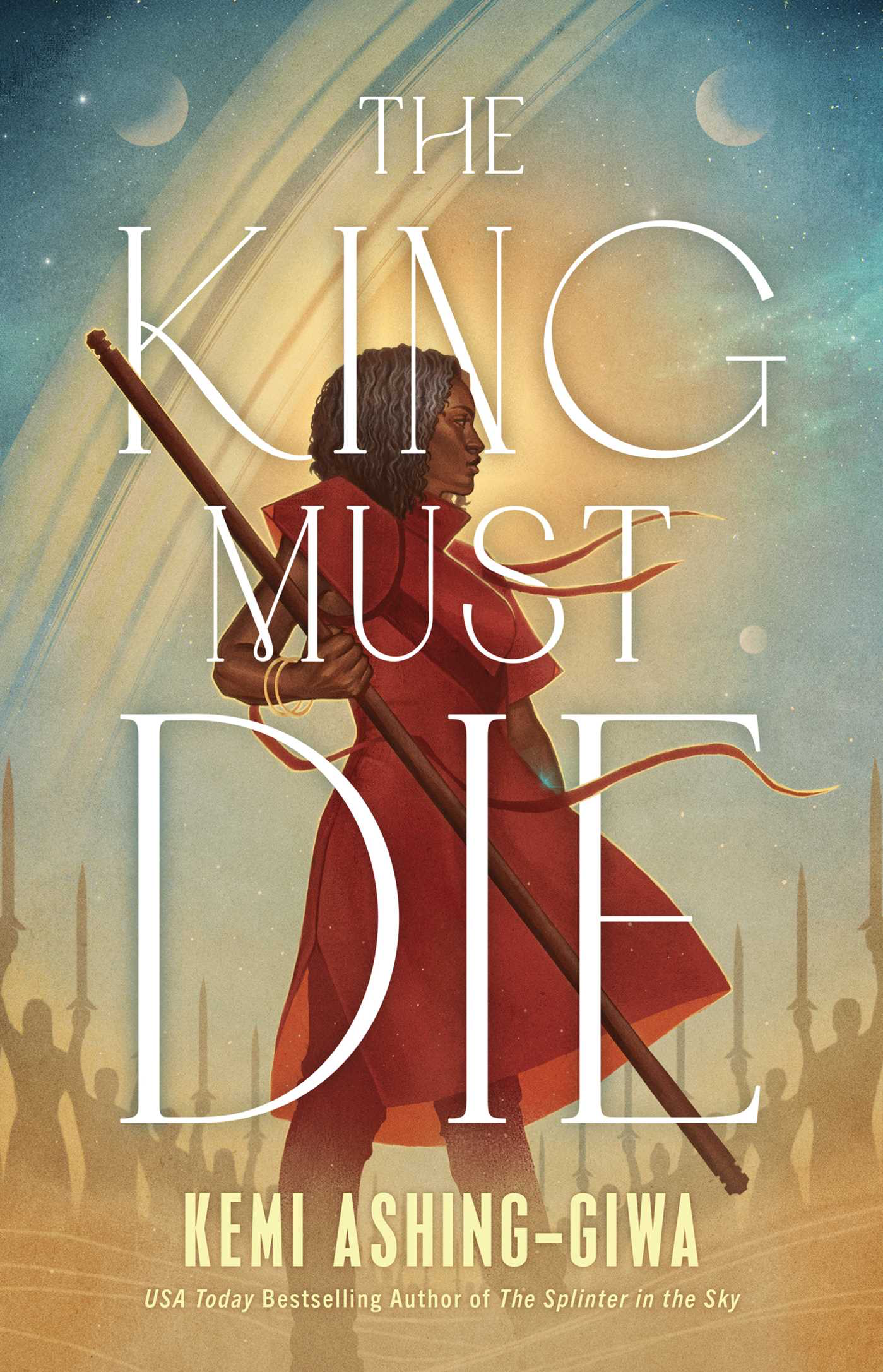
The King Must Die – Kemi Ashing-Giwa – “From the vision come the people/From the people come the power/From this power come the change.”

“I’m Only You” – Robyn Hitchcock & The Egyptians

Consider this the millionth post where the gist just ends up being “Jesus, can Robyn Hitchcock leave some of that top-tier songwriting for the rest of us?” Predictably, I’m still stuck on the show I saw him at back in February, and I was delighted to learn that pretty much every other member of my family got as knocked off their feet as I was after hearing the line “I’m a house that burns down every night for you.” There’s a line that’ll stick in your head forever. Here’s the real kicker about “I’m Only You,” though: I’d say at least 95% of the lines are like that. “I’m a policeman working in an empty house?” “I’m a snow-covered mountain in an empty room?” “I’m a liquid you’re dissolving in?”

There’s so much in here about empty structures and becoming a vessel just to hold somebody else, but I found an interesting dichotomy with the lyrics: they’re all either about being said vessel (“I’m a liquid you’re dissolving in”) or being built for a purpose, but being abandoned (“I’m a distant steeple on a long-deserted plain”). It’s such a striking contrast between becoming empty or being surrounded by emptiness—and what a stunning metaphor for being devoted to somebody to the point of total self-sacrifice, only to find that you’re only a shell without them there.

…AND A BOOK TO GO WITH IT:

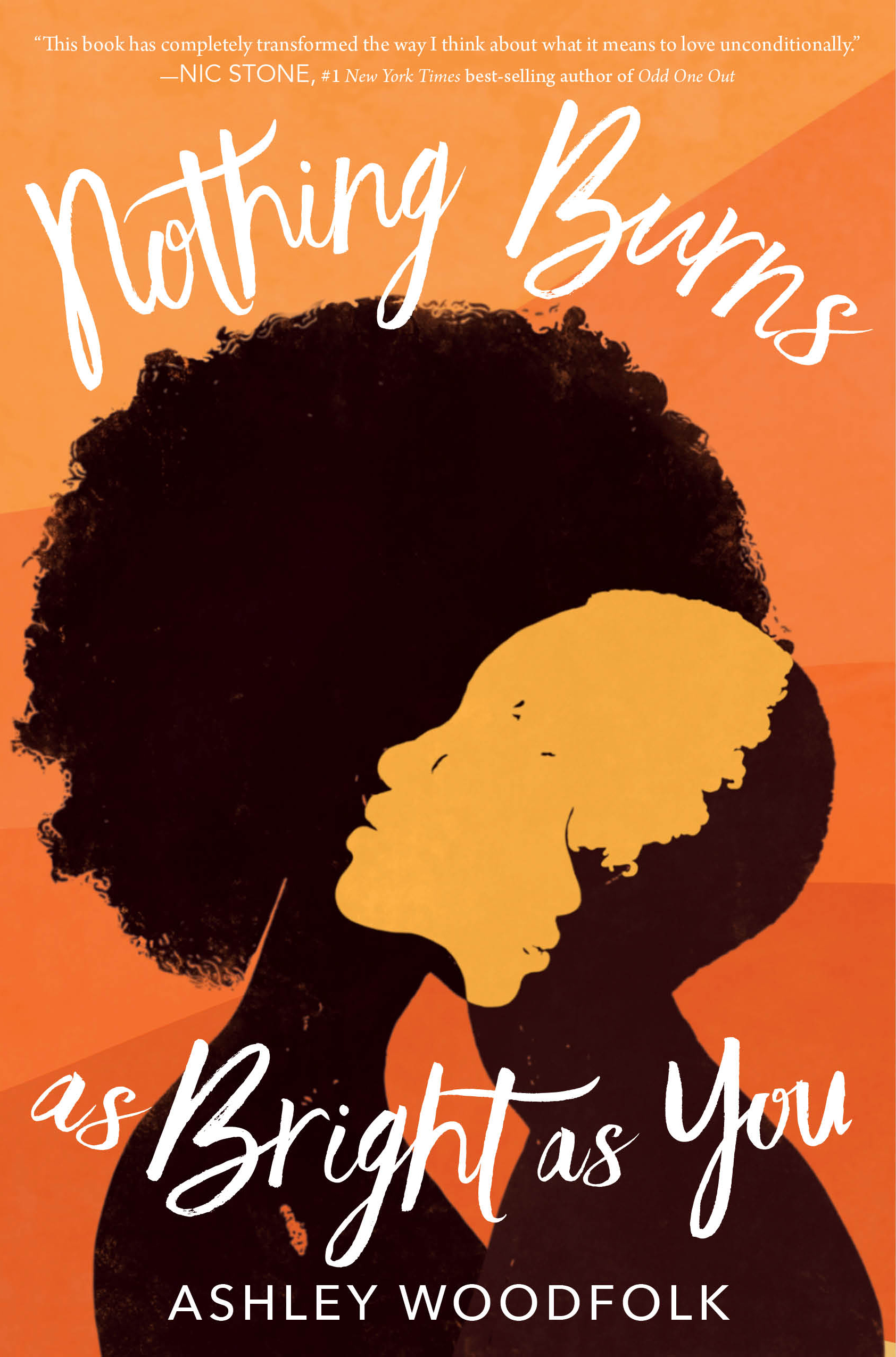
Nothing Burns as Bright as You – Ashley Woodfolk – “I’m a mirror cracked from side to side/I’m a snow-covered mountain in an empty room/I’m a house that burns down every night for you…”

Since this post consists entirely of songs, consider all of them to be today’s song.

That’s it for this week’s Sunday Songs! Have a wonderful rest of your day, and take care of yourselves!
Posted in Sunday Songs

Sunday Songs: 9/22/24

Happy Sunday, bibliophiles! I hope this week has treated you well.

This week: I apologize in advance for every single driving mention and/or pun that I made in this post. I didn’t even notice it at a certain point…I just couldn’t…stop…

1:58-2:07

Enjoy this week’s songs!

SUNDAY SONGS: 9/22/24

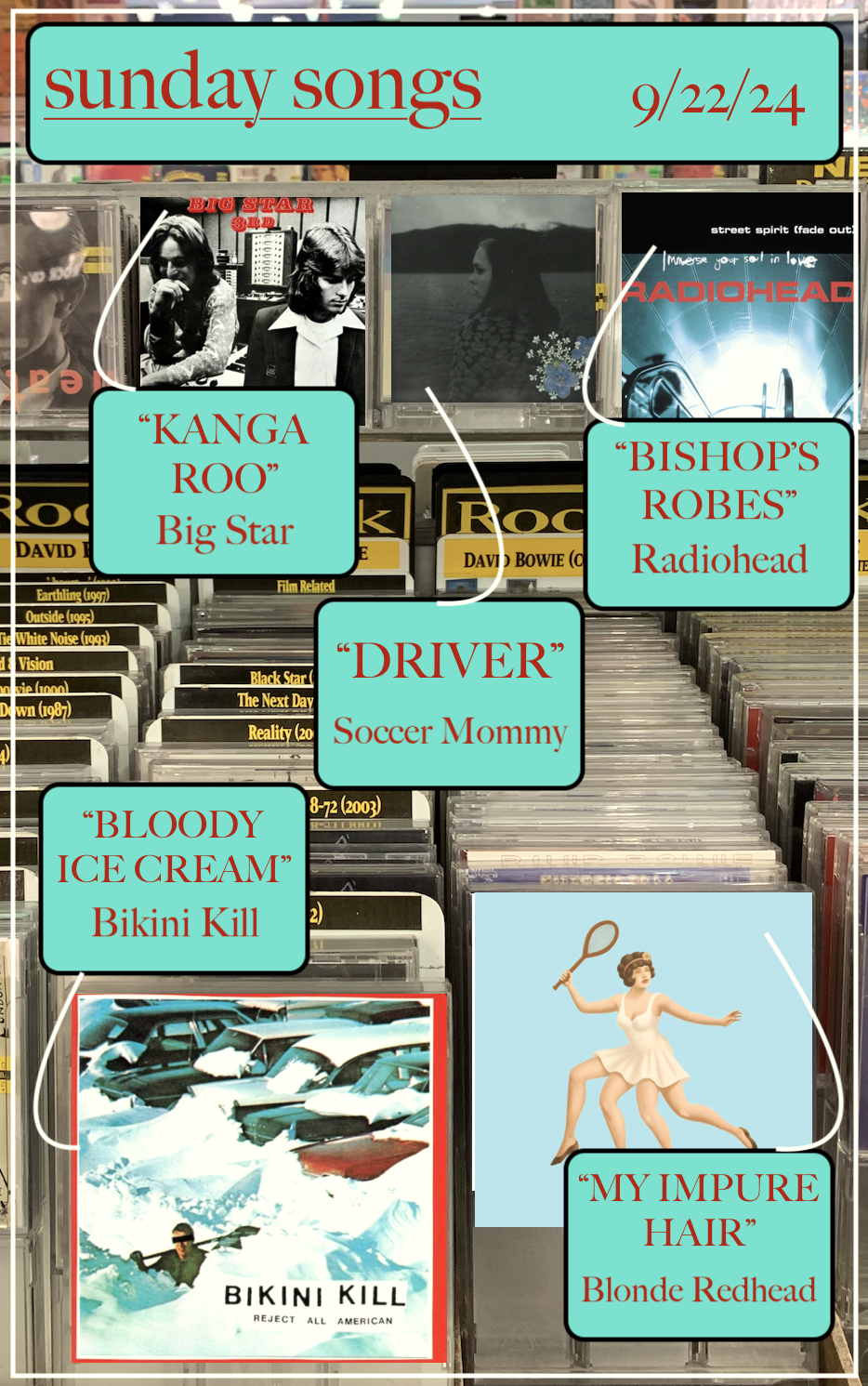
“Bloody Ice Cream” – Bikini Kill

It’s been just under a month since I had the privilege of seeing Bikini Kill live, and even as someone who isn’t a hardcore fan of the band, I had SUCH a wonderful time! That’s owed in no small part to the commanding presence of Kathleen Hanna, not just in the history she carries, but in just how real she was. There she was, a pioneer of feminist punk, just onstage joking about how her bra was too tight and recounting a memory of rich girls pelting her with squirt guns before she walked into a job interview. Never at any moment was there a pretense of acting cool or punk. It was nothing but Kathleen Hanna, in all of her smudged-mascara and sequined glory. Bless Kathleen Hanna, really.

So when she introduced this song, which I was familiar with only in name, by saying that it was dedicated to “all woman writers,” you bet that I stood up and saluted her like it was the national anthem. And even as a fan on the sidelines, I’d accept “Bloody Ice Cream” as a new kind of anthem. It articulates in less than one and a half minutes what so many creators—chiefly women—are told about the profession: “The Sylvia Plath story is told/To girls who write/They want us to think/That to be a girl poet/Means you have to die.” The unspoken doctrine of your craft not being valid unless you sobbed and suffered over it permeates all kinds of media. I’ve been around so many people who think that trauma is the secret to good writing, whether it’s slapping it onto their characters or thinking that their hope in their message is invalid because it doesn’t show the bleakness of the real world. Counterpoint: ever experience happiness? Even once? Was that not in the real world?

The modern world may be far from perfect, but we have an understanding that could nurture and heal the Sylvia Plaths and Virginia Woolfs of tomorrow. And we have the recognition that there is no power greater than joy. In and outside of the writer’s world, we’re taught that to feel downtrodden is to experience the real world, competing each other for how exhausted we are, how much we have on our plates, and how sad and gloomy our projects are. Is this really what creativity is? It’s not like there’s no value in showing the darker aspects of life, but for how much it clogs the literary world, I feel like so many people have forgotten that writing—and imagination—isn’t just a contest for who can work themselves to the bone the most artfully. I write to put out the energy I want to see reflected in the world around me. And that energy is joy. The systems of oppression that surround us want to see people like us being so downtrodden that we have no energy to question them. So write. Write joy. Write what’s in your heart. Scream and dance like Kathleen Hanna. And don’t underestimate the value of kindness. They hate to see you joyous.

…AND A BOOK TO GO WITH IT:

The Crane Husband – Kelly Barnhill – “Who was it/That told me/All girls who write/Must suicide?”

“My Impure Hair” – Blonde Redhead

The best shoegaze sounds like you’re slipping in and out of a dream, that limbo best experienced from 1-4 in the morning when you’ve woken up from a dream, your eyes are gummy, and you’re not sure if the hazy shapes forming the walls and bed around you are part of another dream you’ve yet to wake up from. I guess that’s why it’s so easy for people to get high to this kind of music, but like…well, all things, sobriety is better suited to experiencing them. “My Impure Hair” is the closing track on 23 (I’m not even a diehard fan, but I just LOVE that album cover), and even from this tiny taste, it feels like an artfully placed closing track. It has the quality of a lullaby; every element, from the soft instrumentation to Kazu Makino’s vocals, is whispered, as though not to disturb a swaddled baby drifting off in their crib. Once you think you’ve heard a distinct sound, it bleeds into another like spilled watercolors, creating a pale wisp that floats, airless, on the passing wind.

…AND A BOOK TO GO WITH IT:

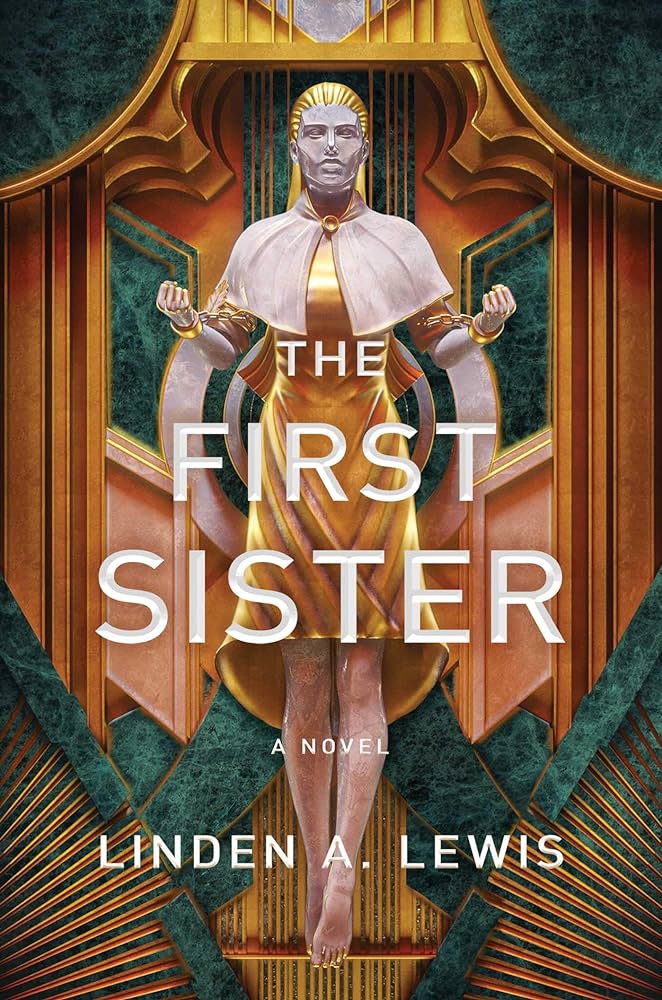
The First Sister – Linden A. Lewis – “But in the end/We defend our decadence/You never wept like that/Whatever lost, I won’t forget about you…”

“Kanga Roo” – Big Star

Nothing baffles me more about “Kanga Roo” than the fact that, although it didn’t officially see the light until 1978, it was recorded sometime in 1974. I suppose there’s some ’60s psychedelic bands that got close to the sound here, but this kind of deterioration feels so modern. It doesn’t sound like 1974! It sounds like a less fuzzy Spacemen 3 or the first take of a Bends-era Radiohead b-side. One of the top comments on the official audio called it “the rough draft for Wilco’s Yankee Hotel Foxtrot,“ which is the most astute description I’ve ever seen ascribed to it—I don’t know how it never clicked, but suddenly, “Ashes of American Flags” makes eons more sense.

I can only imagine what hearing this in 1978 felt like—probably the musical equivalent of “mom, come pick me up, I’m scared” after expecting something more like “In The Street.” Jesus. That feeling certainly crept into me when I first heard this song, while driving home from a concert late at night, navigating a winding canyon road in near-pitch black. All of the shrill mechanical squeals sound much more menacing when you’re barely awake. “Kanga Roo” sounds like it’s actively pulling itself apart at the seams, a threadbare rag only attached to its halves by a few strands of fraying string. The drums are never on beat or consistent in volume, somebody’s banging on a cowbell for about 15 seconds, and all the electric guitars are doing is getting scratched and squealed into oblivion. It’s a bizarre experience, watching a song crumble like charcoal in a dead firepit the morning after a campfire. Yet there’s an innocence to it; Alex Chilton’s voice is the only clear sound in “Kanga Roo.” You’re hearing the instruments fighting for their lives while Chilton’s plainly singing “You was at a party/Thought you was a queen.” The iconic line that gave the song its name (“oh, I want you/Like a kangaroo”) almost makes no sense, and I’m not sure if Chilton has ever offered up an explanation, but somehow, I see it. I imagine one of those towering, buck kangaroos standing at full height, and feeling the desire to grasp someone in your arms with the strength of such a creature.

I included This Mortal Coil’s cover of “Kangaroo” in one of my past Sunday Songs that I didn’t get around to writing because I was occupied with moving and school; I have too much homework to fully go into who’s coming out victorious if we’re pitting the original against this one, but I’m at least partial to it for how sparse it feels, even with the soaring strings. It’s much more put-together than the original (not to disparage the artful chaos), but there’s something to be said for what it does with the negative space that the Big Star version drowns out. What can I say? They got me. They got me with the big feels.

…AND A BOOK TO GO WITH IT:

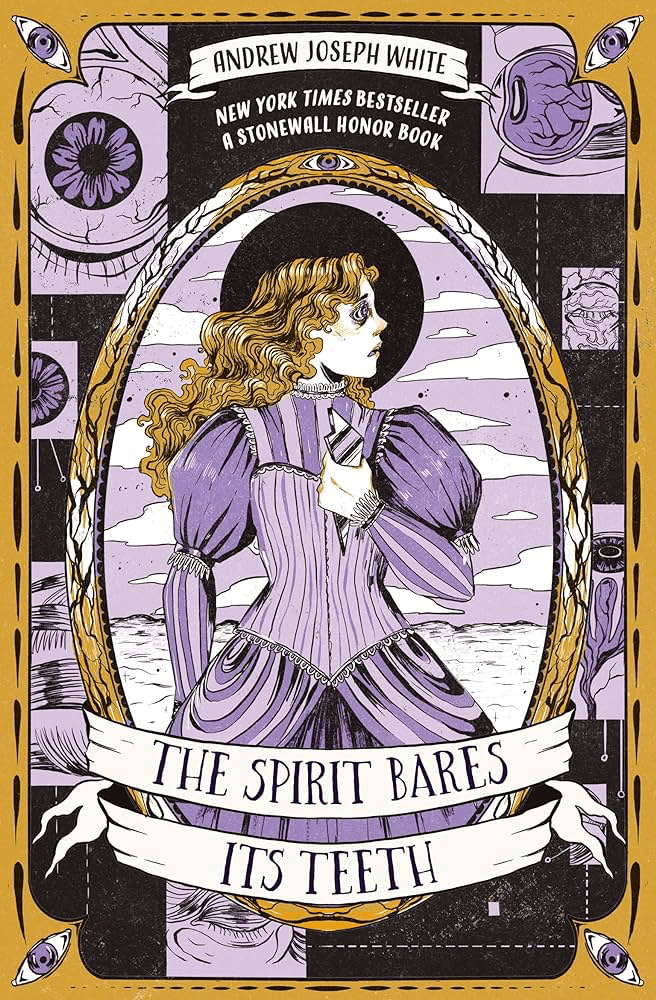
The Spirit Bares Its Teeth – Andrew Joseph White – the lyrics could match up with any number of books, but it’s the creaking, uneasy atmosphere that puts it squarely in this novel’s company.

“Driver” – Soccer Mommy

I’m so glad that Soccer Mommy has become a prominent enough artist that she has the means to do funny marketing campaigns, because whoever came up with the one for “Driver” had a stroke of genius. By calling a number that Sophie Allison posted, you could get a snippet of the track before it came out, followed by “how’s my driving?”-style call prompt. Maybe we are in an okay timeline.

Without a doubt, Sophie Allison has never been more sure of herself at the wheel. A departure from the expression of beauty in lingering grief that were the two lead singles, “Lost” and “M,” “Driver” presents a more lighthearted detour to the landscape of Evergreen. The backing guitars and effects have gained a grungier, grimier edge, but Allison’s sunshine puts them all in a dusty, golden light. As the guitars and drums thrum like gravel skipping across a dirt road, Allison turns her attention to the present loves of her life. You almost get the feeling that she’s slipping into the self-deprecation of her early career, but there’s nothing but affection for herself, but more in terms of her partner, who puts up with her “losing [her] concentration on every whim.” Allison presents herself as the more emotional, scatterbrained half of the couple, which her partner is playful about, but is also the one to ground her when she gets too far into her head with a reminder of “where are we going now?” She’s never completely blameless, but she’s full of nothing but love for her anchor that keeps her from veering off the path; it’s not like some of her earlier songs, like this would indicate that she’s in danger of slipping away entirely, but it’s an exercise in learning to rein yourself in—and find somebody who isn’t afraid to rest a hand on your shoulders and remind you where your feet are planted.

…AND A BOOK TO GO WITH IT:

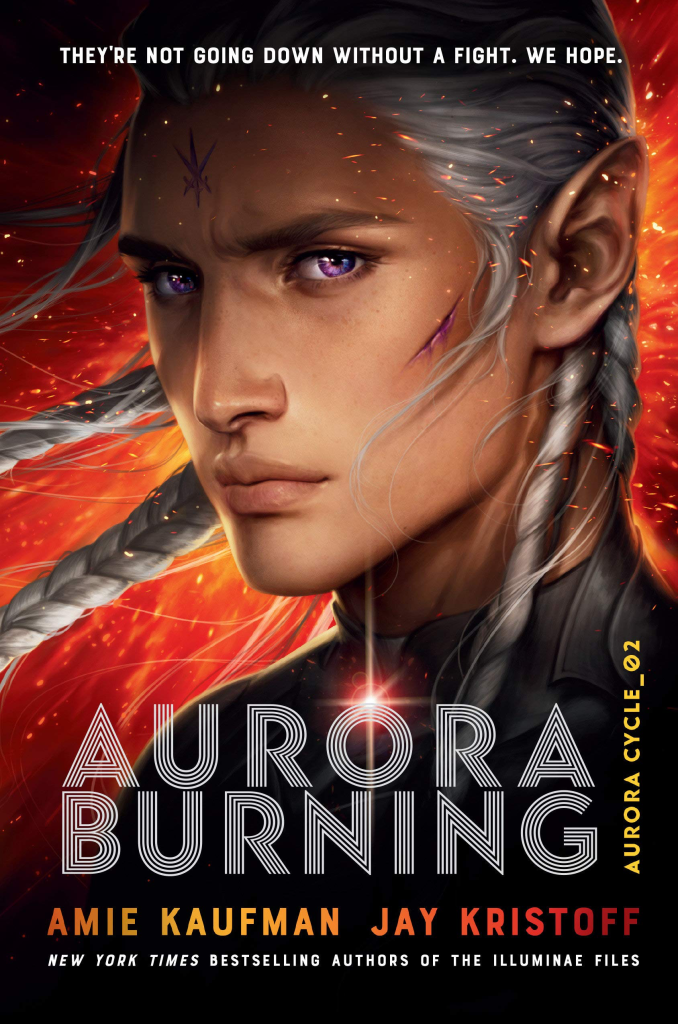
Aurora Burning (The Aurora Cycle, #2) – Amie Kaufman and Jay Kristoff – not to get all 2020 Madeline on you all, but…the Kalauri in this song…I’m gonna keel over…

“I’m a five foot four engine waiting to move/I’m a test of his patience with all that I do/‘Cause I’m hot and he stays cool, I don’t know why/But he puts up with my moods/And he makes me smile when he says/’Where are we going now?'”

“Bishop’s Robes” – Radiohead

The connection of inspiration between Radiohead and The Smiths never surprises me, but sometimes, with bands that inspire another, you find a single song that you know is the missing link in the evolutionary tree, the line of ancestry concretely delineating their music as kin. More specifically, it makes sense next to their cover of “The Headmaster Ritual,” though “Bishop’s Robes” takes a much more subdued turn.

Yorke’s raw lyricism thrives in both simplicity and complexity; he can weave any number of stories with denser, more prosey lyrics, but he knows just what kind of simple, unadorned phrases to stab you in the gut with. In this case, it’s the chorus, repeated like a shaky-voiced prayer in a dark corner: “I am not going back.” It becomes more of a reminder than a statement, as though to convince his brain that no, he’s not back in his pre-teen years under the reign of his “bastard Headmaster.” Volumes have been written about the horrors and abuse of the British education system back in the day (see: pretty much anything by Pink Floyd)—and some continuing into now, I would imagine—but what sets “Bishop’s Robes” apart is the mood. It might be more accurate to call it a lack, as the most overwhelming feeling you get from this track is not anger but numbness. There’s a resignation to it, weighing down the music, as though, even in adulthood, the experience has sapped him: Yorke doesn’t have the energy to fling insults along the lines of “spineless swines” or “belligerent ghouls” at his abusive childhood tormentors—all he can do is “bastard.” And it’s that eyebagged, forlorn crawl that sells the lasting effect it had on him. After years of unyielding discipline, I can imagine the fear of not raising your voice—a haunting presence that permeates every note of this track, constantly looking over its shoulder to guard innocent contraband that doesn’t exist.

…AND A BOOK TO GO WITH IT:

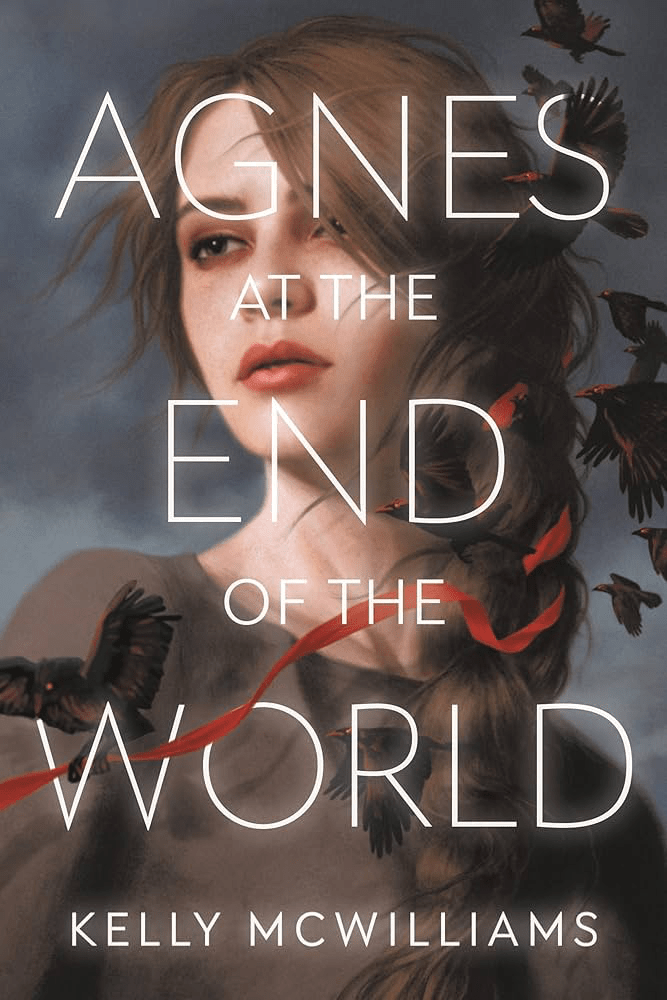
Agnes at the End of the World – Kelly McWilliams – secrecy, escape, and the horrors of a perverted version of Christianity in the hands of the wrong man.

Since this post consists entirely of songs, consider all of them to be today’s song.

That’s it for this week’s Sunday Songs! Have a wonderful rest of your day, and take care of yourselves!
Posted in Books

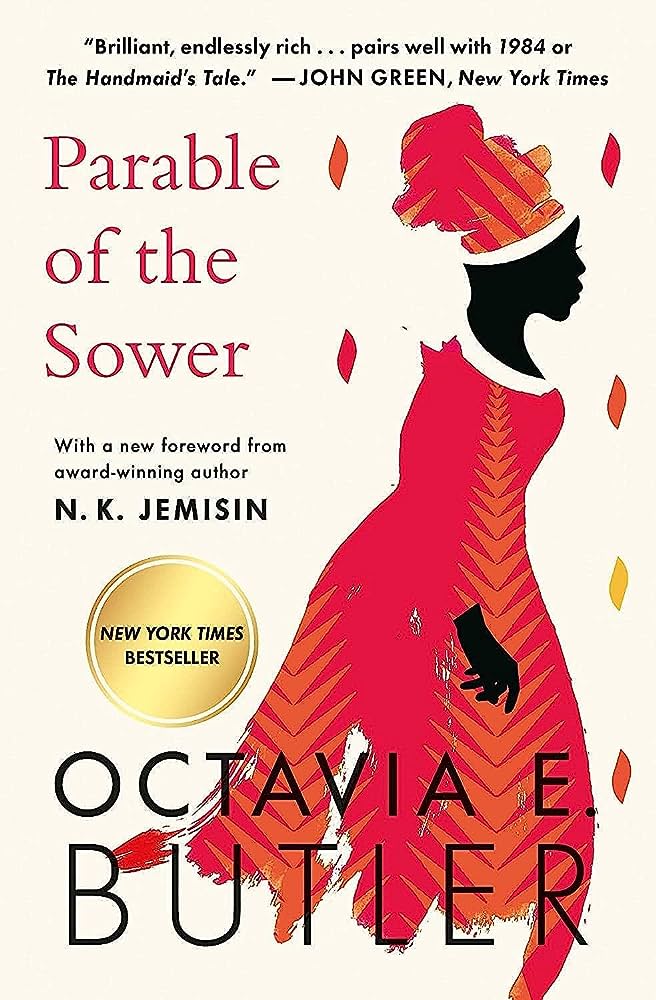
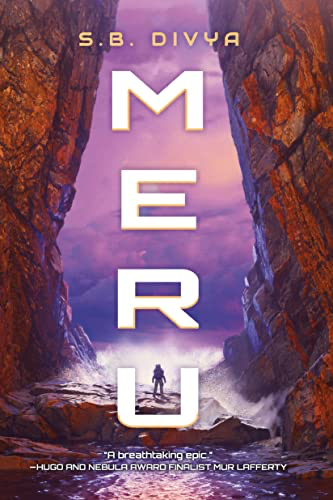
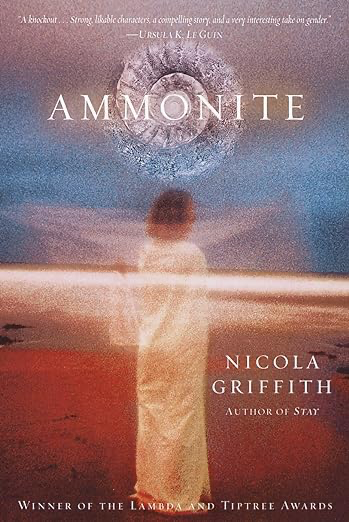
The Bookish Mutant’s Feminist Books for Women’s History Month (2024 Edition)

Happy Friday, bibliophiles, and more importantly, Happy International Women’s Day!

Here in the U.S., March is Women’s History Month! In the years since I’ve started making these posts, the amount of attacks on women—in terms of laws attacking our bodily autonomy (as well as the bodily autonomy of trans and nonbinary people) and worldwide violence—has only increased. And amidst all of this turmoil, all I can take from this is that now, more than ever, we need feminism. We need to educate people, we need to help people to become less ignorant about the litany of issues plaguing marginalized groups here in the states and elsewhere. That, to me, is the most insidious consequence of the book bans spreading across the country: you take away a child’s ability to learn about perspectives outside of their own, and you produce an ignorant generation that does not question authority. In the absence of sound authority figures, books, more than ever, are our most valuable teachers.

Another change from my lists in previous years is that since my reading tastes have expanded, I’ve added adult and nonfiction books to this list—all of which I believe are just as valuable to feminism as any other book I’ve included. Enjoy!

For my previous lists, click below:

Let’s begin, shall we?

THE BOOKISH MUTANT’S FEMINIST BOOKS FOR WOMEN’S HISTORY MONTH (2024 EDITION)

SCIENCE FICTION:

FANTASY:

*NOTE: The Siren, The Song, and the Spy is book 2 in a series, but I feel it should be included on this list for the feminist themes included in this book in particular.

REALISTIC FICTION:

NONFICTION:

TELL ME WHAT YOU THINK! Have you read any of these books, and if so, what did you think of them? What are your favorite feminist books? Let me know in the comments!

Today’s song:

never thought I’d go through this whole album bc I was so Kate Bush’d out in 2022 but this one’s fantastic almost all the way through

That’s it for this list! Have a wonderful rest of your day, and take care of yourselves!
Posted in Book Tags

🍏 Apple Book Tag 🍎

Happy Thursday, bibliophiles!

I’ve been wanting to do a book tag for a few days now, but I’ve been having to figure out my routine again what with school starting back up. I’ve gotten to a point where I’ve been productive enough that I’ve got some free time, so I figured I’d do this one now. I found this one over at The Corner of Laura, and the tag was originally created by Literary Gladiators on YouTube. This one’s super specific, but I’d be lying if I told you that I didn’t like apples from time to time—and it’s fun for a tag! Also, I learned about a few apple varieties that I had no idea existed.

Let’s begin, shall we?

🍎APPLE BOOK TAG🍏

GRANNY SMITH: An overbearingly sweet book or character

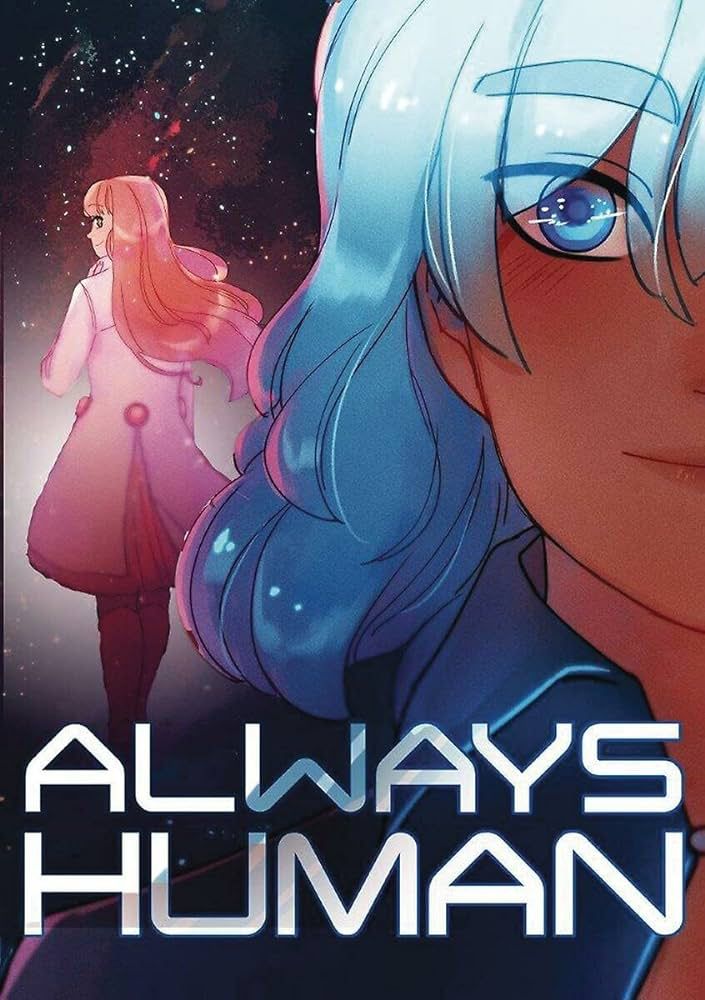
Although I wasn’t the biggest fan of Always Human, it’s a good palate-cleanser if you need something light and candy-colored to read.

FUJI: A book about a mountain

It took me a while to think of a book for this prompt, but I’m glad I remembered this one! Even the Darkest Stars centers around a trek up a foreboding and deadly mountain, and it was an incredibly engrossing read.

RED DELICIOUS: A book that would be perfect if it was only judged by its cover

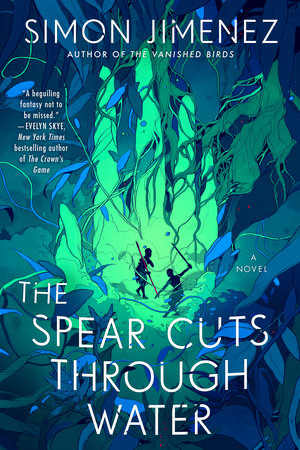
The Spear Cuts Through Water has a gorgeous cover full of some of my favorite colors, but unfortunately, the book was too convoluted and full of itself for my liking. I did enjoy The Vanished Birds though (by the same author), so at least there’s that.

GOLDEN YELLOW: A book with yellow on the cover

All That’s Left in the World has a cover with a yellow background! A very tender book about the apocalypse.

MCINTOSH: A writer that has influenced or would influence your writing

I’ve probably said this over and over in tags over the years, but I’ll always cite Tony DiTerlizzi and The Search for WondLa as the whole reason that I wanted to make a career out of writing, especially science fiction. These books never get old.

HONEYCRISP: A book you have read that is in great demand

At the time I read The Thursday Murder Club, it took forever for me to find a copy—I think it was around the time that book four in the series came out, so it was on hold in almost every place imaginable! I’m glad that I got around to reading it, though—it wasn’t a surprise that Richard Osman’s writing was just as clever as he was on Taskmaster!

BALDWIN: A writer you feel needs recognition

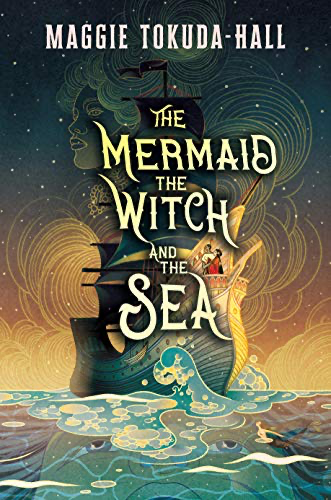
I can’t speak for her picture books since I haven’t read any of them, but Maggie Tokuda-Hall deserves all the praise in the world for her YA novels! She writes with such an unflinching approach to issues that many authors skirt around, and her characters are truly vibrant and full of life. I hope she writes so much more in the YA genre in the future—especially fantasy!

EMPIRE: A book about or set in New York

What Happened to Ruthy Ramirez is set in Staten Island!

GALA: A book that fits under many genres

The Crane Husband is magical realism, dystopia, and so much more all rolled into one.

AMBROSIA: A long book that was easy to follow

For an epic fantasy book that’s over 500 pages, The Stardust Thief was refreshingly easy to follow and free of unnecessary, convoluting elements! I can’t wait for The Ashfire King to come out.

JAZZ: A book written in or after 2010 that demonstrates freshness and originality

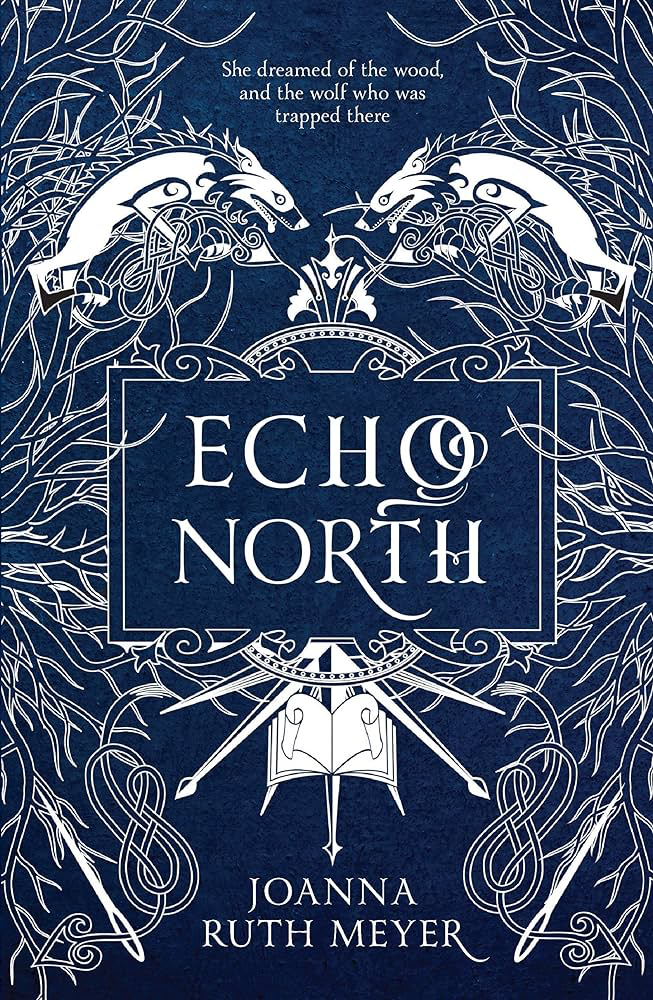
Even though Echo North is an amalgamation of several fairytales retold (namely Beauty and the Beast), Joanna Ruth Meyer imbued this novel with no shortage of unique elements that made it truly stick with me.

MUTSU: A big book that you indulged in

Dune is probably one of the longest books that I’ve ever read. I’m a fast reader—it generally takes me about 2-3 days to finish a book, but this one took me over a week. Worth, it though. Fear is the mind killer.

WHAT IS YOUR FAVORITE APPLE?

Gotta go with honeycrisp. I never get sick of how pleasantly sweet they are!

APPLE TREE: WHO DO YOU TAG?

I tag anyone who wants to participate!

Today’s song:

That’s it for this book tag! Have a wonderful rest of your day, and take care of yourselves!
Posted in Monthly Wrap-Ups

November 2023 Wrap-Up 🍲

Happy Thursday, bibliophiles!

Here we are, and once again, the year is nearly over…at least we have season 5 of Fargo to distract us from the inevitable passage of time.

Let’s begin, shall we?

GENERAL THOUGHTS:

Break aside, November has been on the busier side, but it’s been a productive one for me. It’s been chaos as far as my workload has gone, but part of that chaos was the editing that led me to send off two of my short stories for consideration to be published in some school literary journals! I won’t hear back for several months, but I’m so excited!! The initial impostor syndrome has faded (it’ll probably come back in a few months, mark my words…I’ve got my NyQuil ready), but either way, I’m really proud for taking this first step. Now, the workload chaos is in the form of looming final projects, which is not nearly as fun, but at least I don’t have to take a stats final at the crack of dawn like last year.

My reading has been a bit slower this month (see above), but as far as enjoyment goes, I’ve had a much more successful month! I had another 5-star read in the form of Ceremony (me when mixed-race experience and themes of storytelling), and I only had one book in the 2-star range for this whole month! I ended up reading a ton of literary and literary-leaning fiction for no particular reason, but the ones I read this month were almost all hits. I’ve had some more time to blog, what with break and whatnot, so it’s been fun to write more frequently before finals hits me like a train.

Other than that, I’ve just been trying to draw and play guitar (when I can), watching Taskmaster and The Great British Bakeoff (hEY NOW NO SPOILERS US AMERICANS HAVE TO WAIT UNTIL FRIDAY FOR THE FINAL), trying to ignore how cold the weather is, and rejoicing the return of Fargo! FARGO! I FEEL ALIVE AGAIN!

…say, are we gonna talk about how utterly insane episode 3 was? Just me?

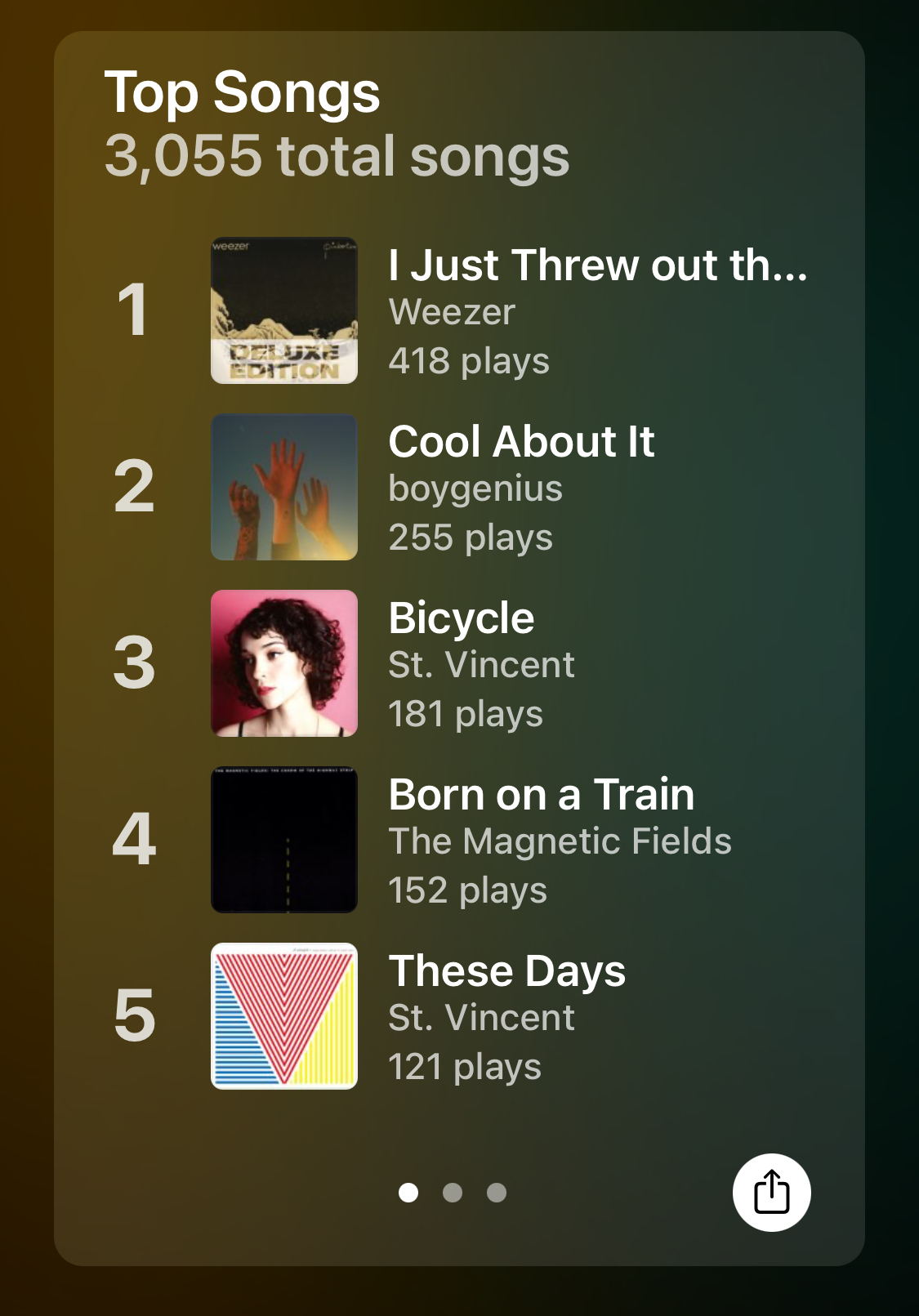
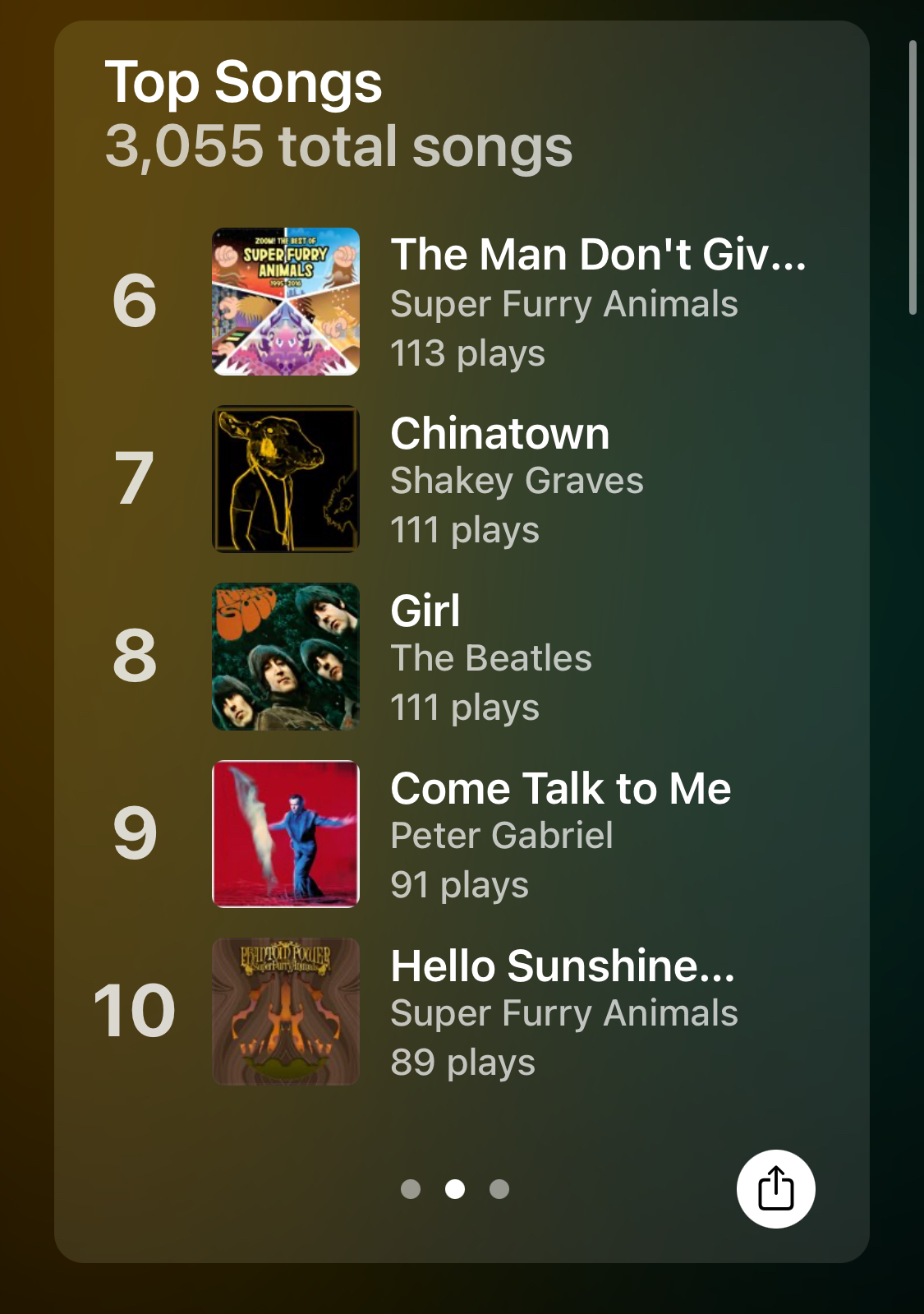
Also, for your casual amusement, here’s the mess that is my Apple Music Replay for this year:

READING AND BLOGGING:

I read 15 books this month! Again, slower than normal, but it’s impressive to me, given how much editing and pre-finals chaos has consumed me this month.

2 – 2.75 stars:

Everyone in My Family Has Killed Someone

3 – 3.75 stars:

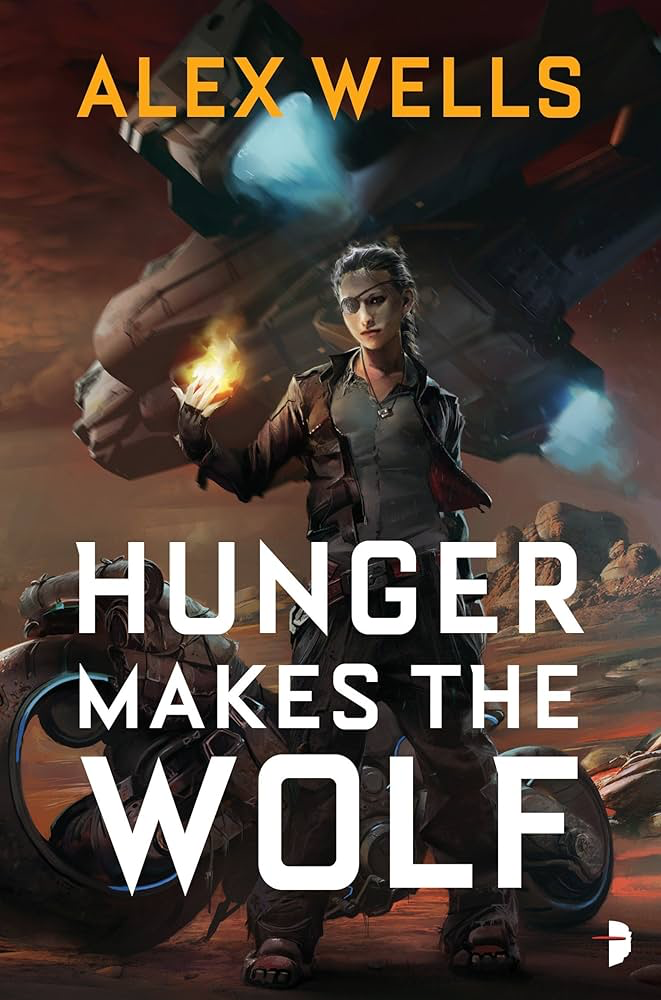
Hunger Makes the Wolf

4 – 4.75 stars:

Our Wives Under the Sea

5 stars:

Ceremony

POSTS I’M PROUD OF:

POSTS FROM OTHER WONDERFUL PEOPLE THAT I’VE ENJOYED:

SONGS/ALBUMS THAT I’VE BEEN ENJOYING:

NEW IDLES IN FEBRUARY LET’S GO
finally got through the rest of Peter Gabriel’s non-soundtrack albums WOO
my first Arlo Parks album!! wonderful, summery stuff
DOI-OI-OI-OI-OING
so whimsically creepy
NEW SMILE IN JANUARY I’M GONNA PASS OUT

Today’s song:

hnnnnnngh 70’s guitars

That’s it for this month in blogging! Have a wonderful rest of your day, and take care of yourselves!
Posted in Book Review Tuesday

Book Review Tuesday (11/14/23) – The Crane Husband

Happy Tuesday, bibliophiles!
Brief rant: don’t you love it when Goodreads posts the nominees for the “YA Fantasy & Science Fiction” category and…there’s no science fiction books on the list? Not a single one? Thank you Goodreads 🥰

It’s been years since I’ve read anything by Kelly Barnhill; I read a fair amount of her middle-grade novels when I was younger, and there were hits (The Girl Who Drank the Moon) and misses (Iron-Hearted Violet). But either way, the road has taken me back to her adult novella, a chilling retelling of “The Crane Wife” that I thoroughly enjoyed.

Enjoy this week’s book review!

The Crane Husband – Kelly Barnhill

In a distant future, a fifteen-year-old girl lives on one of the few remaining farms in the United States, growing cloned crops in order to make a living. Her father passed away when she was young, and now she manages the farm with her mother and takes care of her six-year-old brother, Michael. But when her mother brings home a new suitor, the girl is appalled to find that the suitor happens to be a giant crane—a crane intent on working her mother to the bone in order to produce tapestries to sell. As her mother succumbs to the wills of the crane and her family grows poorer, the girl knows that the only way out is to rid the house of the crane—and she’ll do anything to make sure the bird is out of the farm.

TW/CW: death of a parent, blood, abuse, animal death, child endangerment

It’s been at least seven or eight years since I’ve read anything by Kelly Barnhill, and I was pleasantly surprised to find that when faced with the (quite large) jump from stylistic choices between age groups, she does so with eery grace! The Crane Husband was a disturbing treat, quick but chilling.

I only had a vague notion of the original Japanese folktale of the Crane Wife that this book subverts, but even without that background, Barnhill weaves a haunting, dystopian fairytale like no other. It’s that lovely kind of book that falls into science fiction, but has just enough trappings of other genres to pass as something else. The magical realism element is heavier than the rest, and it rules the book—rightfully so, given the subject matter. But like a good fairytale, Barnhill’s ability to suspend disbelief made The Crane Husband all the scarier—scenes that would have otherwise seemed charmingly quirky or absurd were downright horrifying under her lens.

Barnhill’s writing was what sold how horrific the events of The Crane Husband truly were. The way she captured the voice of the unnamed, fifteen-year-old protagonist as she had to take her livelihood into her own hands in the face of the invading crane husband had such a tangible desperation, making the conflict feel real as all get out. Tension crept out from every word, and I found myself keeping my Kindle in a vice grip as I read. And that tension never wanes—in only 118 pages, Barnhill built up monumental tension that books three times the length have failed to uphold. The Crane Husband really was nail-bitingly eerie, and it was worth it all the way.

The way that Barnhill used this tangibly uncomfortable atmosphere to drive the point of this folktale’s subversion home was also masterful. The main twist in this iteration is, hence the title, that the protagonist’s mother brings home a giant crane who she takes as her husband. And instead of the crane wife wasting away to produce beautiful tapestries, it’s the human mother being forced by the crane husband to churn out tapestries like a machine. Abusive relationships were the main theme of the novella, and Barnhill’s depiction of abuse through this lens felt as authentic as it could be, from the strained, forced silence of the women of the family and the lack of support that the protagonist finds when she tries to seek help. Beyond that, The Crane Husband’s message about suffering for art was equally powerful and important; the emphasis on how the protagonist’s mother works to the point of near-death in order to create something that people will think of as “transformative” was commentary that I wasn’t expecting from the novel, but enjoyed wholeheartedly. Needs to be said.

That being said, my only major problem with this novella was that it directly referenced the original folktale that it’s retelling. Though it was in a flashback scene, it felt tacky and unnecessarily meta to hand it to you right there—and not only that, but basically delivering the twist right at your doorstep. I will admit that I loved the line about cranes making other creatures do the work for them, but at that point, it isn’t even foreshadowing anymore—it’s just whacking you over the head with the twist that it’s supposed to be hiding from you. It made me more than a little mad, but the rest of the novella was so good that I could almost let it slide. Almost.

All in all, a timely and truly disturbing retelling that packed a stinging punch with an impressively short page count. 4 stars!
The Crane Husband is a standalone; Kelly Barnhill is also the author of many books for children, including The Witch’s Boy, The Girl Who Drank the Moon, and Iron-Hearted Violet. She is also the author of When Women Were Dragons, her first full-length novel for adults.

Today’s song:

NEW SMILE ALBUM IN JANUARY EVERYBODY STAY CALM

That’s it for this week’s Book Review Tuesday! Have a wonderful rest of your day, and take care of yourselves!