Posted in Book Review Tuesday

Book Review Tuesday (7/7/26) – Climate of Chaos

Happy Tuesday, bibliophiles!

I wanted to kick off Disability Pride Month with something positive, but unfortunately, I don’t think that it’ll be the case. Whoops. They can’t all be bangers. I was intrigued by the concept of Climate of Chaos, and excited by the premise of a disabled main character navigating a dystopian world. Unfortunately, Climate of Chaos was not the Hunger Games successor that it purported itself to be.

Enjoy this week’s review!

Climate of Chaos – Cassandra Newbould

Fox LaRosa lives in the climate-ravaged wilderness of what was once Seattle. While the rich get to live in luxurious, climate-proof domes made by the infamous Aegis Corp, people like Fox and her sister Rabbit live on the edge of death—made worse by the mounting medical debt that Fox has been carrying ever since she became disabled. To make matters worse, a strange new virus is creeping its way up north, and if it hits Fox and her commune, it could spell disaster. But when Rabbit is kidnapped on a routine heist for medical supplies, Fox must fight her way into the rotten heart of Aegis Corp in order to find her sister—and figure out what Aegis wants with her.

TW/CW: medical trauma, violence, pandemic/epidemic, ableism, loss of loved ones, police brutality, loss of loved ones

The other day, I was watching BookLeo’s retrospective on the YA dystopian craze of the late 2000’s-early 2010’s, and she mentioned that one the most common plot elements throughout the books is that the inciting incident is that the protagonist has to find their missing sibling. I never even considered that, but it’s everywhere. If anything, Climate of Chaos is proof that the trope is alive and kicking today. It’s a foolproof inciting incident. Pour one out for all of the missing brothers and sisters that get put through the wringer for the plot in YA dystopias.

As a whole, I was disappointed by Climate of Chaos, but I’d like to acknowledge the positives, because there were some great aspects of this novel. We’re at least a decade out from the huge wave of Hunger Games copycats, but the issue that a lot of people had with them was that their dystopian worlds tended to be removed from real forms of oppression and didn’t make sense. Climate of Chaos, however, grounds its dystopia in two very real-world issues: climate change and medical debt. Newbould did an excellent job of going into all manner of ways that climate change could negatively impact our world in the future, from the more obvious weather changes to the spread of new diseases, the latter of which becomes very relevant to the plot. The discussions around medical debt and the poor treatment of disabled people under our healthcare system were very timely, and it pointed out that conditions for many disabled people are as dystopian today as they are in this fictional, far-flung future. And while I had my issues with Fox as a character, it’s so wonderful to see a disabled girl kicking butt in a YA book like this. Her cane being able to extend out of her belt and fold back into itself was indisputably badass, as was the fact that the cane had an extendable blade at the end.

Aside from those points, Climate of Chaos was unfortunately weak. There was some serious work that needed to be done with the characters. I hate to say it, but I think the only reason that Fox stands out from other teen dystopian protagonists is the fact that she’s disabled. Her entire personality is that unnecessarily gritty, edgy persona that you get when you’re trying to make a character sound “hardened,” to the point that it was overexaggerated. Half of her dialogue sounded straight out of Zack Snyder’s DC movies. It got old quickly. Apart from that, most of the characters were hardly characterized beyond a few base traits, and some—even the main characters—were only distinguished by the fact that Fox is friends with them. Cely at least had a distinct personality, but Asher and Eamon, despite being some of the central characters, didn’t get much beyond “boys who are friends with Fox.” Towards the end, there was also a faint indication that Asher and Fox had some sort of romantic chemistry, which felt forced, but more importantly, completely unearned—their relationship is a complete plateau from the beginning to the end of the book, and there was nothing that convinced me that there was any sort of romance brewing between them. It was all just the absolute bare minimum of character work.

The worldbuilding was largely hit or miss. I think Newbould did a decent job of establishing how the world (particularly Seattle) got to where it is in Climate of Chaos, and the structure of the different rungs of society made sense. The themes of inequality between disabled people and poor people were the only things keeping Aegis Corp from falling into the “the government is bad, but we’re not going to tell you anything except for that it’s bad” trap, but it was pretty close. Without spoiling, I think the reveal about Aegis Corp and the Vi (yes, that’s what they call the virus 🫩 peak YA dystopian cornball terminology lives, folks) was the most nonsensical part of the plot; with the established plot about the Harvest House, I feel like that erased all of the rationale for why Aegis Corp used the Vi in the way they did. At a certain point, there’s things that don’t even make sense for a comically mustache-twirling fictional government to do, just because the stuff that they’re doing would be such an unnecessary and unjustifiable drain on their resources.

Ultimately, I think the biggest issue with Climate of Chaos was that I never once felt like Fox or any of the other main characters were truly in danger. Despite them undergoing the notoriously dangerous Storm Runner trials with a ridiculously slim survival rate, all of the main characters came out without a scratch. Seriously! The main characters had a laughable amount of plot armor, and after about the halfway point, I just gave up on caring about any of them—Fox, Asher, Eamon, Cely, Trew, and all of the other main characters are completely fine, even though they’ve been exposed to a deadly virus, been in danger of being killed by their bloodthirsty teammates, and were almost gunned down by their Storm Runner superiors. Eamon is inside a factory that nearly explodes, and he comes out unscathed…give me a break. It just reeked of Newbould liking them too much and refusing to let any of them even get the smallest scrape on their knees. I didn’t even care that Fox had been taken to the Harvest House, because I knew by then that she’d come out the other side completely fine—and guess what? SHE DID. Along with the worldbuilding, this is what made me lose faith that any of the characters were actually in danger in this supposedly dystopian world.

A related sidenote: I don’t have chronic pain, so take this with a grain of salt, but other than Fox having to use her cane in a few situations, wouldn’t she be in excruciating pain during something as taxing as the Storm Runner trials? It’d be exhausting even for a nondisabled person. Granted, I remember an instance of her sneaking painkillers, but I feel like even that wouldn’t erase the pain of having to fight a bunch of other teenagers to the death day-in and day-out.

All in all, a YA dystopia that had its heart in the right place, but failed to make its dystopian world fully believable. 2.5 stars.

Climate of Chaos is a standalone, but Cassandra Newbould is also the author of Things I’ll Never Say and the editor of the anthology Every Body Shines: Sixteen Stories about Living Fabulously Fat.

Today’s song:

That’s it for this week’s Book Review Tuesday! Have a wonderful rest of your day, and take care of yourselves!

Posted in Book Review Tuesday

Book Review Tuesday (2/10/26) – This Great Hemisphere

Happy Tuesday, bibliophiles!

This book came up in several searches I found looking for speculative fiction authors that I hadn’t heard of. It seemed more on the literary side of dystopia/sci-fi, but the premise seemed interesting enough, so I took the leap. Unfortunately, This Great Hemisphere falls into the same trap as many other literary sci-fi novels: all literary, hardly any sci-fi—or basic worldbuilding to speak of.

Enjoy this week’s review!

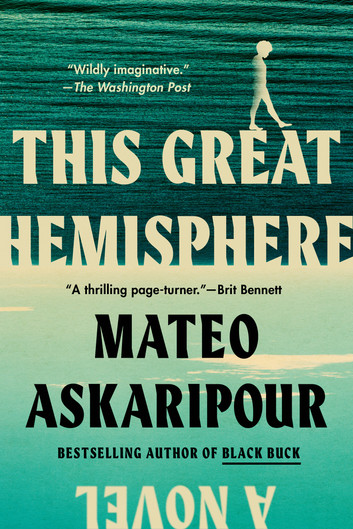
This Great Hemisphere – Mateo Askaripour

In the 26th century, Earth has become unrecognizable, and so have its people. Parts of the population have become Invisible; those who cannot be seen are relegated to manual labor and pushed to the margins of society. Sweetmint, and Invisible woman, has worked her entire life to ensure that she becomes more than another statistic, securing a top apprenticeship with a legendary non-Invisible businessman. But when her missing brother becomes the prime suspect in a politically-motivated murder, Sweetmint sets off to find him—and convince the rest of the world of his innocence.

TW/CW: racism, misogyny, violence, sexual assault, murder

I really just need to steer clear of literary sci-fi, at this point. Once in a blue moon, you’ll get something incredible, but I feel like authors who go from literary fiction straight into sci-fi forgo world/character building and just slap the same faux-deep prose into a vaguely speculative setting. To Mateo Askaripour’s credit, This Great Hemisphere goes slightly further than that, but beyond the basic premise, there’s not much about this novel that holds water.

Overall, This Great Hemisphere left a lot to be desired in terms of the worldbuilding, which I’ll get to later. That being said, the one part I really enjoyed about the novel was how fleshed-out the concepts of the Invisibles were. It’s the only bit of worldbuilding we really get, but at least what we have was somewhat substantial. I loved how Askaripour outlined not just how Invisibles are marginalized in this far-future society, but their own cultural quirks; I love the “scent-prints” that Invisibles recognize each other by without sight, and the fact that some paint themselves in order to be visible in DP society was fascinating to me. Askaripour fleshed out their social world well, and it made that part of the novel feel real. From the get-go, it’s easy to see how this becomes allegorical for racism. I found the allegory a little shallow, personally—it doesn’t go far beyond “racism is bad and it’s systemic,” and I would have liked it to have more nuance—say, the psychological effects of it or how a character like Sweetmint might view herself because she’s been socialized around this racism. But as it was, it was a decent way of showing how racism could manifest in a speculative setting.

However, the Invisibles concept is where my praise for This Great Hemisphere ends. One of my biggest issues with this novel is that all of the characters were flat, and as a result, I had significant trouble connecting to any of the characters. Sweetmint was the protagonist who we were supposed to root for, but she had no personality outside of being an object of marginalization; I know that she gets beaten up and wants to save her brother, but those aren’t character traits. Strip the plot away, and Sweetmint would be nothing. The same applied to most of the other characters in the novel, who were either hollow caricatures of various kinds (ex. Croger was an eccentric billionaire, the Rainbow Girls were gossipy, catty women), or just not given any personality traits at all. This was most detrimental when it came to Sweetmint’s brother; since we spend the whole novel searching for him, surely we’ll get a taste of what his personality is like, as well as his relationship with Sweetmint, right? Apparently not…once again, he’s just there to move the plot along. This Great Hemisphere could have been a solid novel with the bones that it stood on, but without any substantial characters, it was practically skeletal.

Beyond the Invisibles, there’s almost no worldbuilding, and what’s there makes almost no sense. It’s the 26th century, and we’re in…a forest of some sort. Climate change has affected…something, but Askaripour refuses to tell you what. There aren’t any major technological innovations in 500 years, seemingly—and even if this were some kind of society where everybody had become luddites for whatever reason, that’s not explained either! Chief Architect Croger is the one responsible for molding modern society into what it is, but do we know how? Also no. There’s a government, and it’s bad, and they have…elections? That’s about all I know. There’s just absolutely no scaffolding for any of the worldbuilding, nor is there context for it. If Askaripour hadn’t said anything about the time period, I fully would’ve assumed that this was set, at the furthest, at the end of the 21st century. If This Great Hemisphere had been set in a climate-ravaged 2080’s, or something, half of these problems wouldn’t even exist—but it would still take at least some modicum of effort to convince us that this was set past 2024. It was just blatantly clear that Askaripour did very little work to make his speculative fiction truly speculative—it felt so modern, and that continued negligence for the worldbuilding made suspending my disbelief exceedingly difficult.

I’m always wary of male authors writing from the perspective of female characters, and This Great Hemisphere reminded me of why I have those fears in the first place. Don’t worry—we don’t get into “her boobs breasted boobily” territory here, but it’s not great, either. The bar is in the Mariana Trench, but Askaripour is still somewhere in the twilight zone at best. Already, the characters were developed poorly and presented little opportunity to get attached, so Sweetmint, regardless of gender, was not a compelling character. But her gender factored greatly into the discrimination in this novel, which is where it gets messy. There are so many scenes with her being beaten up, groped, and otherwise abused, which bordered on gratuitous. And yes, This Great Hemisphere is about a (somewhat) fictional kind of discrimination, but Askaripour didn’t seem to reflect at all about how gender would intersect with this fictional marginalization. Instead, we got page after page of Sweetmint facing gender-based violence with no nuanced reflection on it. It just rubbed me the wrong way that these things were being done so thoughtlessly to a female character. It wasn’t gratuitous enough to be torture porn, but it came close to it. In addition, when the female characters weren’t underdeveloped entirely, they felt rather shallow; I did appreciate that Askaripour kind of humanized a few of the Rainbow Girls, but they were very much a caricature of gossiping, oversexualized women in the end. Again! He could’ve made some very potent commentary on that, but no, apparently this novel needed the same caricature in every color of the rainbow…for some reason.

All in all, a speculative dystopia that talked the talk in terms of its themes and metaphors, but largely failed to walk the walk and follow through on its own ideas. 2.5 stars.

This Great Hemisphere is a standalone, but Mateo Askaripour is also the author of Black Buck.

Today’s song:

That’s it for this week’s Book Review Tuesday! Have a wonderful rest of your day, and take care of yourselves!

Posted in Books

Popular YA Books I Couldn’t Get on Board With

Happy Wednesday, bibliophiles!

I’ve been wanting to do a post like this for a little while, so here goes nothing…

We all know the feeling. We’ve picked up a book because of the seemingly endless 4 and 5 star reviews and the high praise from friends and fellow readers and book bloggers, and then it turns out to be a steaming disappointment. For me, popular YA books live up to the hype about 50% of the time for me, and the other 50% is either just…not feeling anything from it, or not liking it at all. And there’s plenty of hyped books that I’ve loved! But sometimes, a lot of these books just haven’t worked for me.

And before I start, I just wanted to say this – if you liked any of these books, this post isn’t meant to shame anybody’s reading preferences at all. If you liked them, good for you! These are just my opinions here, and as per the Latin proverb, to each, their own is beautiful. I just wasn’t a fan of these books.

Let’s begin, shall we?

My Disappointment Is Immeasurable And My Day Is Ruined | Know Your Meme

😕POPULAR YA BOOKS I COULDN’T GET ON BOARD WITH😕

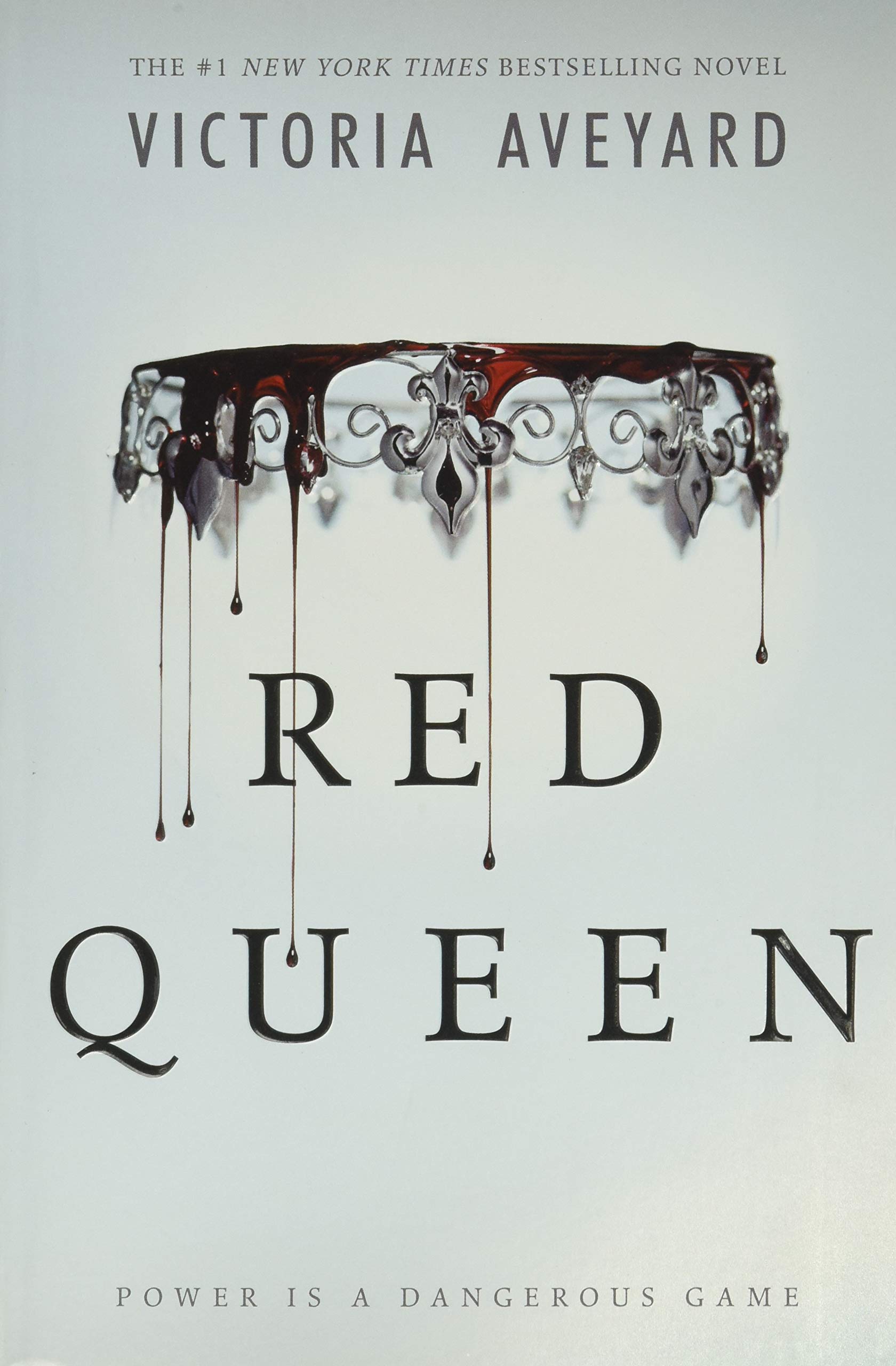
Red Queen (Red Queen, #1) – Victoria Aveyard

Amazon.com: Red Queen (Red Queen, 1) (9780062310644): Aveyard, Victoria:  Books

MY RATING: ⭐️ (DNF)

It’s been about three years since I’ve read this one, but it was a pretty quick DNF for me. Red Queen felt like every bad YA trope melted into a single book – an unoriginal dystopian world with the “plain heroine that doesn’t realize how beautiful she is and is THE CHOSEN ONE” and gets into an insta-love romance…gah, I forget how long it took before I put it down, but this was just painful.

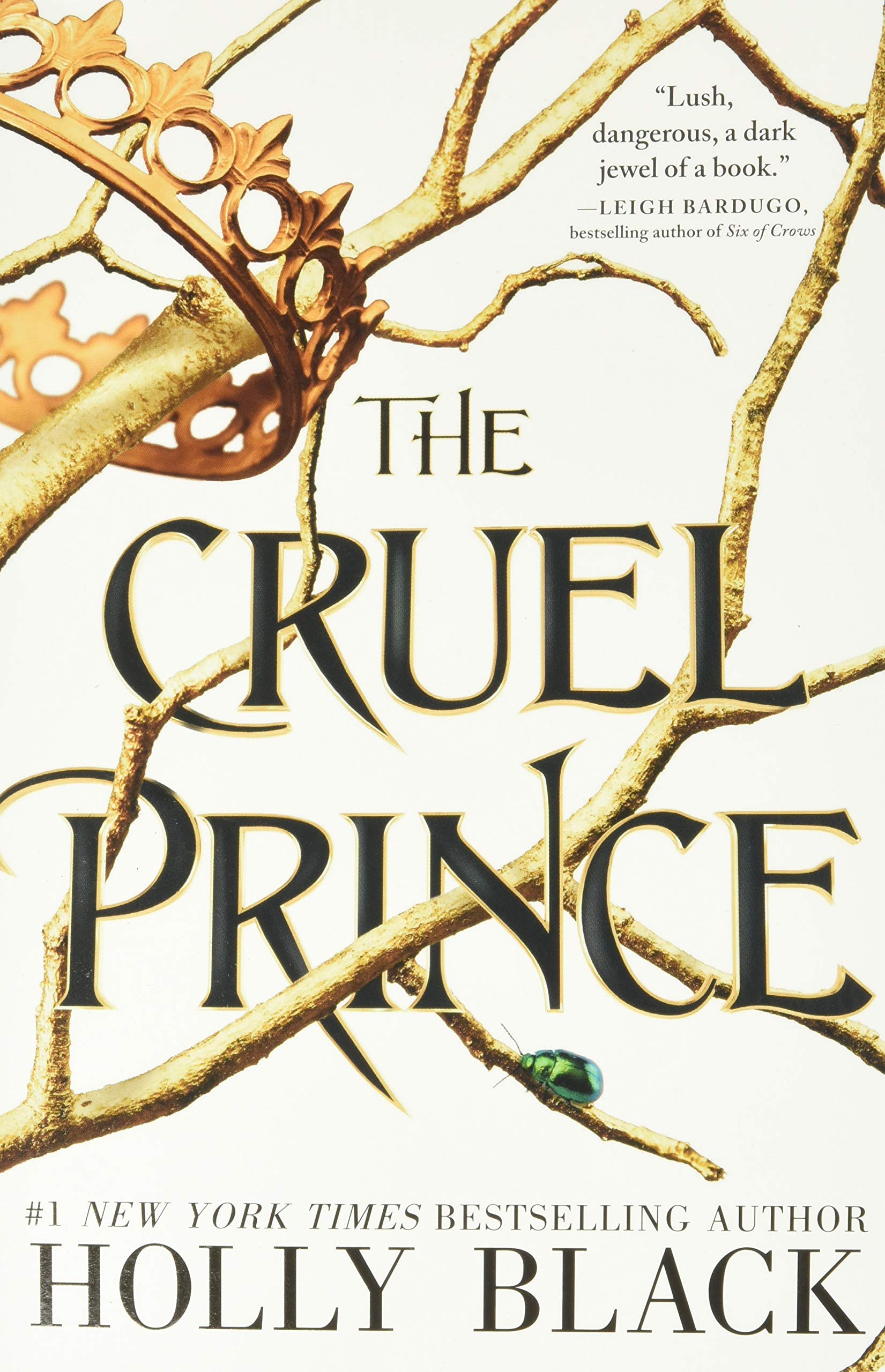
The Cruel Prince (The Folk of the Air, #1) – Holly Black

Amazon.com: The Cruel Prince (The Folk of the Air, 1) (9780316310314):  Black, Holly: Books

MY RATING: ⭐️⭐️

Holly Black is a hit-or-miss author for me, but The Cruel Prince definitely fell among the misses for me. The worldbuilding was great here (and I loved the little ink drawings at the beginnings of the chapters!), but all of the characters were astronomically unlikable. Everybody just seemed intent on bullying and backstabbing everybody else, and there wasn’t any balance with a character with a slightly better moral compass. And don’t get me started on Jude and Cardan being a thing…WHY? If I remember correctly, Cardan spends about 3/4 of the book relentlessly degrading Jude, and then gets down on his knees and tells her that he loves her…HUH?

IOS 14.5 – And ATT Enforcement – Is Finally Coming Next Week | AdExchanger

HOW MUCH MORE TOXIC CAN YOU GET? And somehow, Cardan’s up there with Kaz Brekker and that dude from ACOTAR (I don’t remember his name, I haven’t read the books and don’t intend to) with the brooding YA dudes that everybody fawns over? Makes me lose a little faith in humanity sometimes…

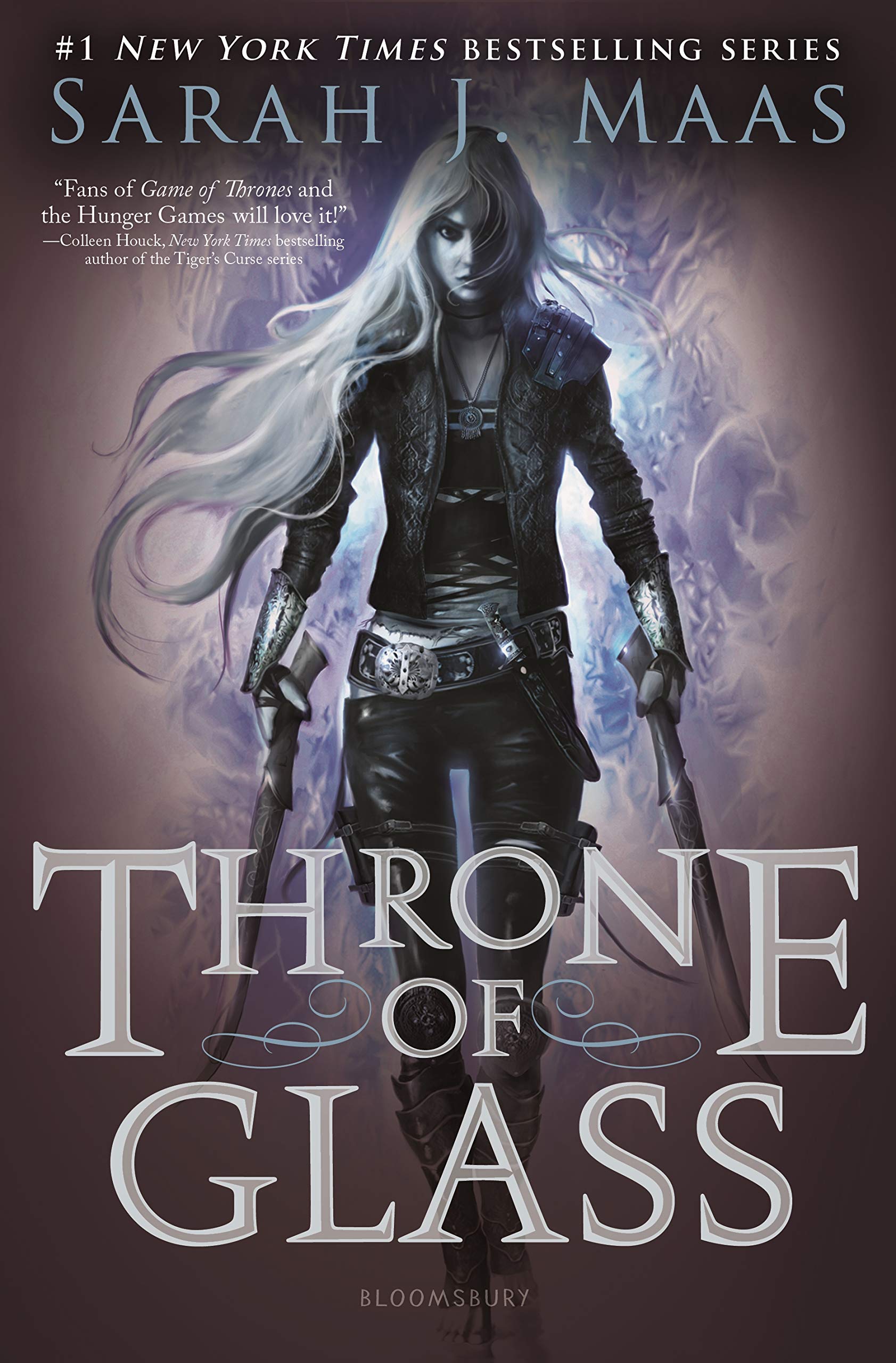
Throne of Glass (Throne of Glass, #1) – Sarah J. Maas

Amazon.com: Throne of Glass (Throne of Glass, 1) (9781599906959): Maas,  Sarah J.: Books

MY RATING: ⭐️⭐️

Here’s one that everybody recommended to me…should of listened to that guy in my class in middle school who did a book report on this one and didn’t like it

Okay. Maybe this one’s a little skewed. I read most of Throne of Glass when I was home sick with a stomachache, but even then, I think I wouldn’t have been a fan. The ✨fantasy names✨ were a pain to pronounce, Calaena came off as a very static character with very little development, if any, and everything seemed to worked out a little *too* well for her in the end. The worldbuilding was interesting, though. I guess. Probably not gonna pick this one up, but I don’t think I’ll go for ACOTAR or Crescent City either. Meh.

Spinning Silver – Naomi Novik

Amazon.com: Spinning Silver: A Novel (9780399180989): Novik, Naomi: Books

MY RATING: ⭐️⭐️

My main problem was the same one I had with The Cruel Prince – the toxicity of the main relationship. Mirnatius spends about 3/4 of the book being borderline abusive towards Miryem, and then, ✨poof!✨ Happy relationship!

Schitts Creek Excuse Me GIF - SchittsCreek ExcuseMe WeekendVibe - Discover  & Share GIFs | Funny relatable memes, Schitts creek, Relatable

Yeah, no, that’s just weird. Also, wasn’t there a significant age gap between the two of them? Final nail in the coffin, really…

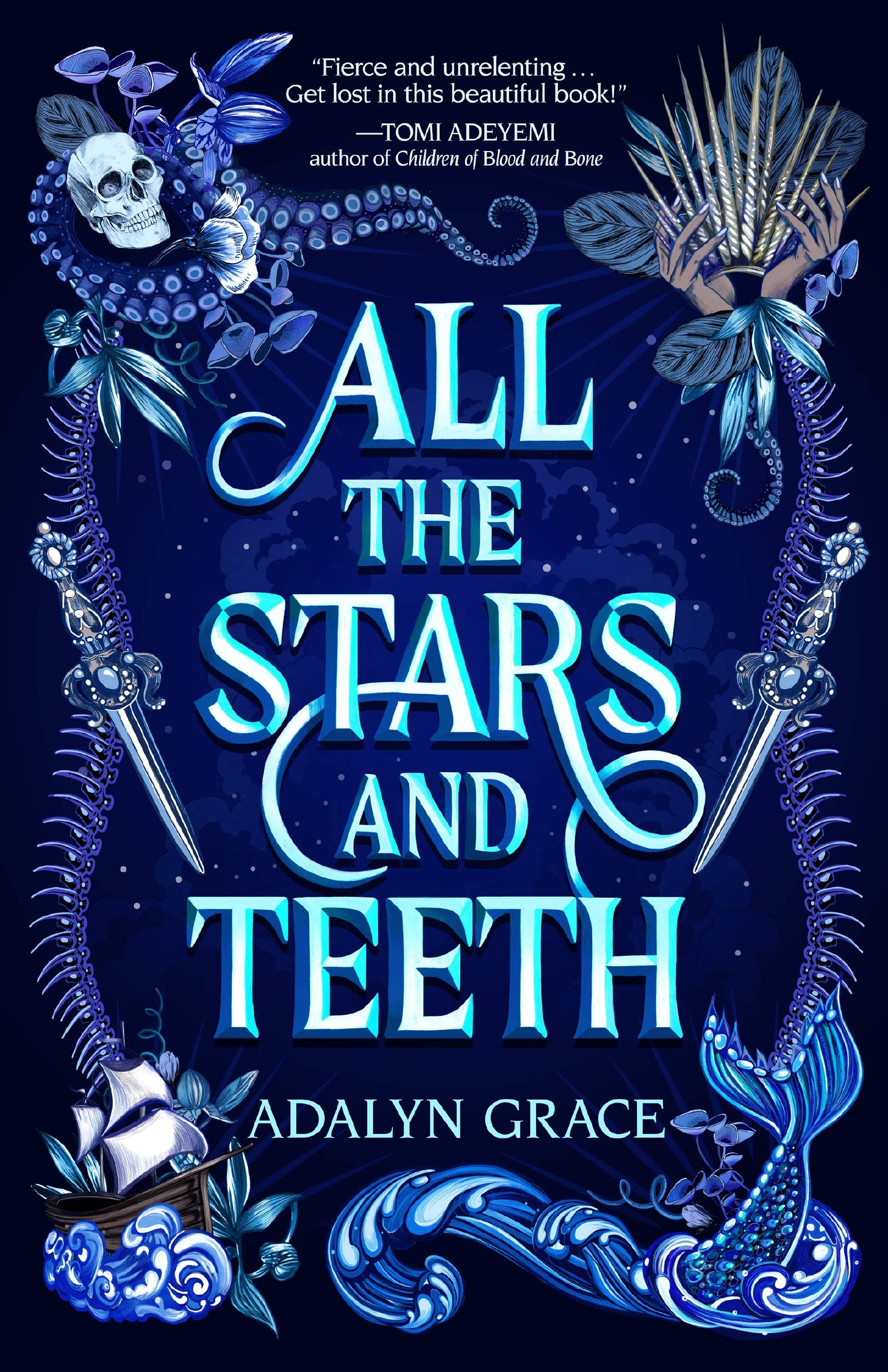
All the Stars and Teeth – Adalyn Grace

Buy All the Stars and Teeth: 1 (All the Stars and Teeth Duology, 1) Book  Online at Low Prices in India | All the Stars and Teeth: 1 (All the Stars  and

MY RATING: ⭐️⭐️

This one lured me in with a gorgeous cover and the promise of mermaids, and…well, we got a mermaid, but the rest of the book didn’t make up for it.

All the Stars and Teeth felt very formulaic for me, right down to the conveniently-placed puppet show to explain the worldbuilding. We’ve got a protagonist with dangerous magic, the mysterious love interest…it just felt like every other YA fantasy in the last few years. Not much to distinguish it from the others, if anything at all.

Cinderella is Dead – Kalynn Barron

Amazon.com: Cinderella Is Dead (9781547603879): Bayron, Kalynn: Books

MY RATING: ⭐️⭐️.5

Out of all of the books here, Cinderella is Dead is probably the one that I had the highest expectations for. I mean, what could possibly go wrong with a book with a sapphic, POC lead taking down the patriarchy in a world sculpted from the myth of Cinderella?

…several things, as it turned out.

I found the worldbuilding to be full of holes, none of the characters were very distinct, the villain was an irredeemable caricature, and all of the attempts commentary on abuse and misogyny and such relied way too much on telling, as opposed to showing. For me Cinderella is Dead was just a case of a great idea, but poor execution. Shame…

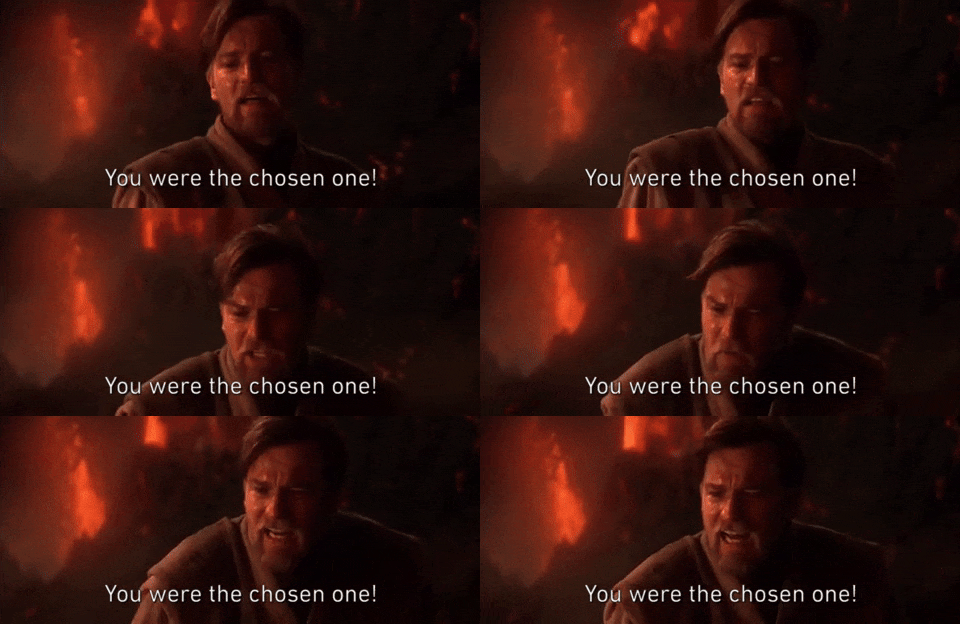
Revenge Of The Sith Episode 3 GIF by Star Wars - Find & Share on GIPHY

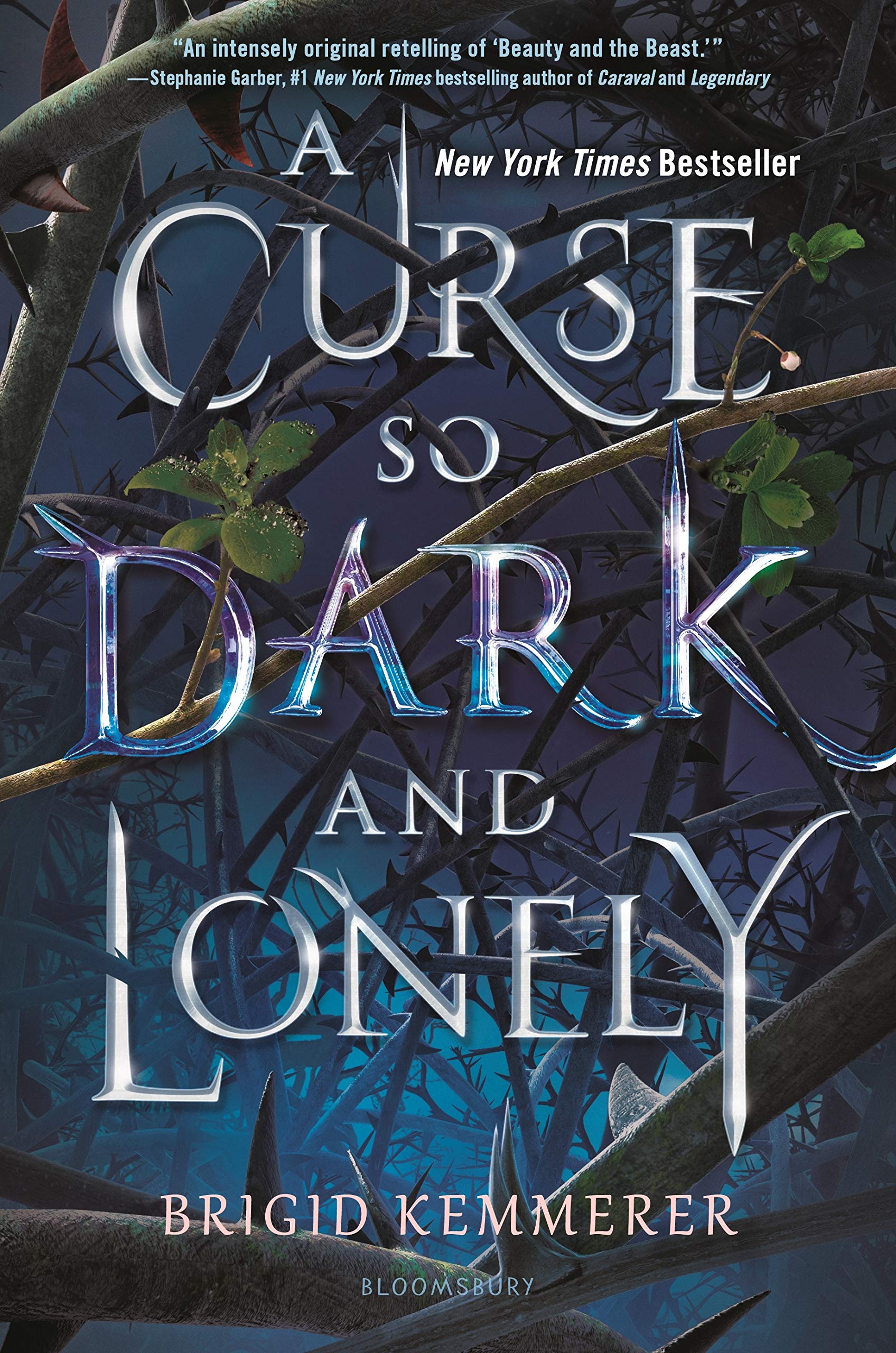
A Curse so Dark and Lonely (Cursebreakers, #1) – Brigid Kemmerer

Amazon.com: A Curse So Dark and Lonely (The Cursebreaker Series)  (9781681195087): Kemmerer, Brigid: Books

MY RATING: ⭐️ (DNF)

This one was another DNF for me about two years ago. I still really appreciate that Kemmerer chose to have a disabled character at the forefront of a YA fantasy (Harper has cerebral palsy – not sure how accurate the rep is, though), but otherwise…meh. On top of the obvious attempt to make this Beauty and the Beast retelling as Dark And Gritty™️ as possible, the love triangle (and both love interests, if memory serves) put me off in the end.

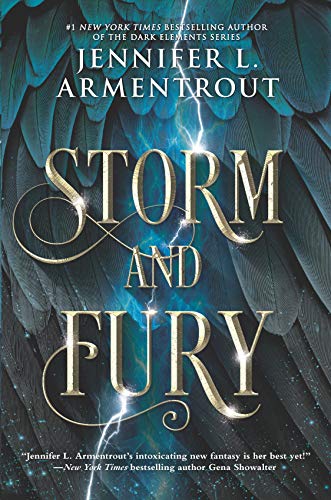
Storm and Fury (The Harbinger, #1) – Jennifer L. Armentrout

Storm and Fury (The Harbinger Series Book 1)- Buy Online in Antigua and  Barbuda at antigua.desertcart.com. ProductId : 134271270.

MY RATING: ⭐️ (DNF)

Ugh, this one was a mess…

This was my first exposure to Jennifer L. Armentrout, and I don’t think I’ll be reading anything of hers after this. Again, this falls into almost every YA trope that I hate – the Chosen One who is so very clearly Not Like Other Girls, the Sarcastic Bad Boy Love Interest (Zayne still makes me squirm)…I forget where I DNF’d this one, but I just could not take another page. Yikes.

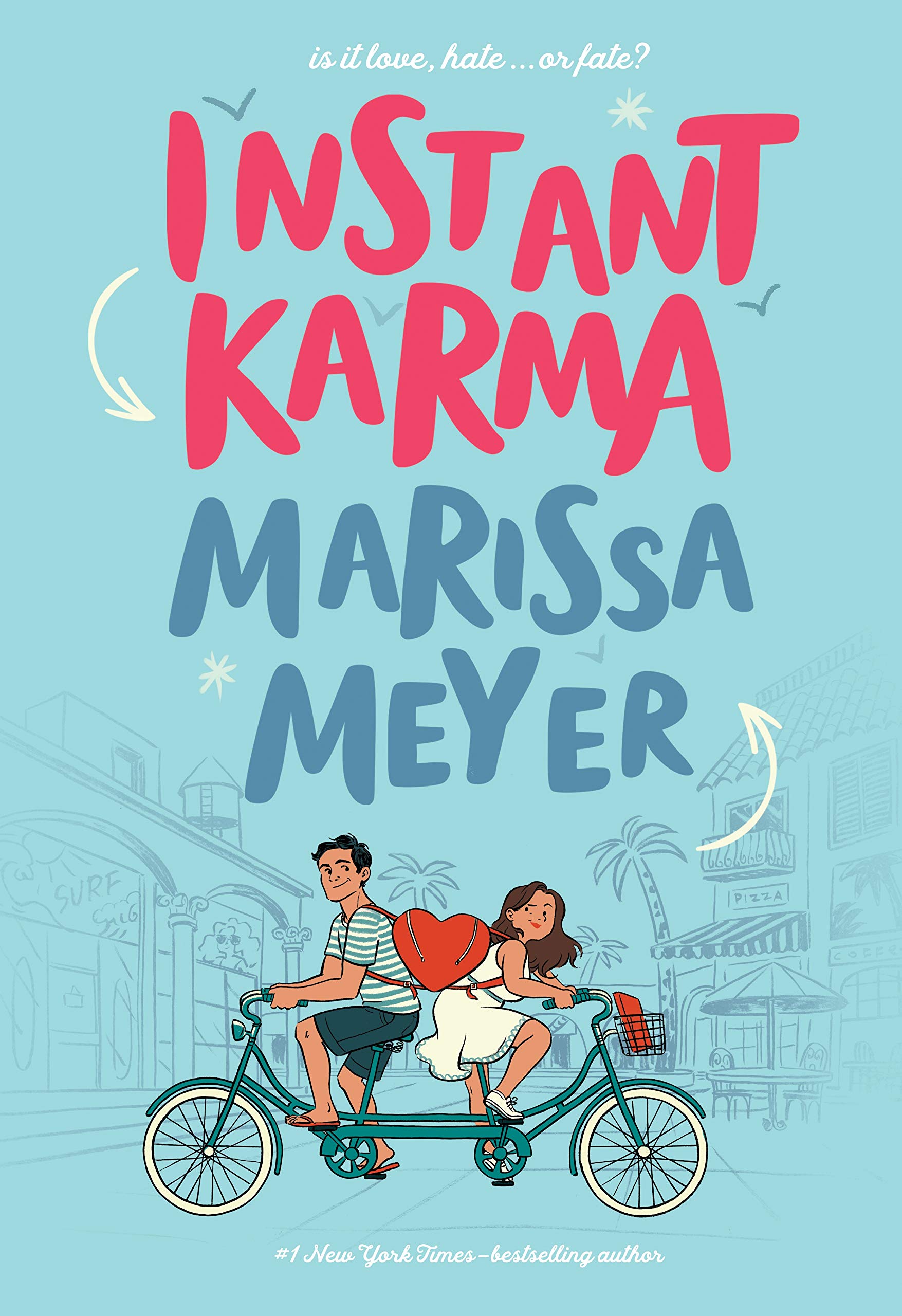
Instant Karma – Marissa Meyer

Amazon.com: Instant Karma (9781250618818): Meyer, Marissa: Books

MY RATING: ⭐️⭐️

Instant Karma was a sore disappointment…I’ve loved almost everything else of Marissa Meyer’s, but I just didn’t click with this one. I loved the premise of a magical-realism rom-com and all of the Beatles references were great, but Pru really got on my nerves, and the romance never made me feel anything.

TELL ME WHAT YOU THINK! What were your thoughts on these books? What’s a popular YA book that you didn’t like?

Huge Mistake GIFs - Get the best GIF on GIPHY

Today’s song:

That’s it for this post! Have a wonderful rest of your day, and take care of yourselves!

Posted in Book Review Tuesday, Books

Book Review Tuesday (12/1/20)–Six Angry Girls

Happy Tuesday, bibliophiles, and happy December! I’m so glad that 2020’s almost over…and it definitely feels like December where I am! There’s been snow falling for a good hour or so, and it looks fittingly wintry outside my window.

Arrested development coffin GIF on GIFER - by Painsinger

And I won this year’s NaNoWriMo yesterday! 35,051 of my goal of 35,000! [pats self on the back]

Well, now then, I guess I should get to the review now, right?

This one is another 2020 release (August 18), and I forget exactly how it came on my radar, but I decided to put it on hold because I wanted a nice feminist book in my life. And…well, the good intentions were all there and the representation’s great, but much of the book ended up being a mess, unfortunately.

Enjoy this week’s review!

Six Angry Girls by Adrienne Kisner

Six Angry Girls–Adrienne Kisner

Raina and Millie have rarely spoken to each other, but they both have one thing in common–a promising senior year that got derailed. For Raina, it’s her boyfriend not only dumping her, but cheating on her, and being ousted as co-president of the Drama Club. For Millie, it’s her being voted out of the all-boys Mock Trial team, and her controlling father growing worse by the day.

After she writes to a romance advice columnist, Raina finds new solace in a knitting circle who specializes in political activism, and soon, she, Millie, and four other girls united to dismantle the patriarchy of their school, piece by piece.

Smh Disappointed GIF - Smh Disappointed HeadShake - Discover & Share GIFs |  Robin, Stranger things wallpaper, Stranger things

My expectations were average for Six Angry Girls, what with being in the midst of a reading slump that I’ve just now managed to emerge from, but I’m sad to say that this novel only stretched the slump out longer.

Let’s start with what I liked, because I should be at least a little positive here. And there were a few things I did like about this book. The cast of Six Angry Girls is a lot more diverse than most contemporary feminist YA I’ve come across–in the main cast of six, we have several sapphic characters (including Millie), a sapphic asexual character, two POC characters, and a trans character who uses both she/her and they/them pronouns. So props to Kisner for including lots of authentic and casual representation! (Plus, I don’t think I’ve seen any characters–if any at all–who use multiple pronouns, like Izzy does, so that’s always a win!) Kisner also handled the subject of Millie’s abusive father well; those parts were certainly hard to read, but they were handled with aplomb and felt (disturbingly) authentic.

Unfortunately, it all went downhill from here…

First off, let’s talk about the writing. My main issue is that none of the teenagers read like authentic teenagers, and it mainly came down to the dialogue. Other than “I’m” and “I’ve,” there were almost no contractions to be found. Anywhere. As a result, the dialogue felt clunky and inauthentic. Additionally, many of the plot points that were built up for most of the books were rushed, and events that had been alluded to for a good chunk of the book were resolved in two pages or left, so I often found myself lost and thinking “wait, that already happened? That quickly?”

There’s also the issue of a main cast of six. Normally, I’m all for casts of this size–IF every single character is used equally. Millie and Raina were the only characters who narrated, but other than Grace, most of the characters were just…there. Izzy, Veronica, and Nikita didn’t seem to serve much of a purpose, other than diversity and positions in the mock trials. We had zero character development for any of them, and we have only the faintest idea of their personalities. Grace has slightly more of a purpose, at least, but I think that’s in part because she was in a relationship with Millie by the 75% mark.

But my main criticism of Six Angry Girls comes down to the depiction of feminism. I LOVE how Kisner tried to portray all of the feminism, patriarchy-smashing, and nonviolent protesting, but it all seemed…somewhat shallow. There were a variety of issues covered (sexism, homophobia, transphobia, etc.), but neither of them were discussed beyond the surface level, giving it an almost shallow appearance. The mock trial and knitting plots felt loosely tied together, and almost entirely unrelated, and I found myself wondering why the two plots existed. Raina’s and Millie’s stories could have frankly worked as two separate books, and that would have made for a lot less confusion.

And the motives behind most everything seemed to be revenge, which I really didn’t like as it related to feminism. For me, feminism is about seeing injustices and inequality within a community, and fighting back against it. Sure, some of it is about getting back at the oppressor, but ultimately, it’s about creating an equal playing field. In Six Angry Girls, most of the motivations behind all of the plot points were centered around revenge–against Brandon (Raina’s cheating ex), against the Drama Club, and against the Mock Trial team. I’m sure Kisner’s intentions were good, but having the feminist aspects of the book being portrayed as more of a revenge plot than anything else didn’t sit well with me.

All in all, a light and diverse feminist YA that suffered from stilted dialogue, characters without purposes, and a depiction of feminism that was full of holes. 2.5 stars.

Season 2 Shame GIF by Gilmore Girls - Find & Share on GIPHY

Six Angry Girls is a standalone, but Adrienne Kisner is also the author of two other novels, Dear Rachel Maddow and The Confusion of Laurel Graham.

Today’s song:

GAAAH…I’ve been listening to this one since I finished the season finale of Fargo last night…when I tell you that this scene made me SOB…(YOU CAN GUARANTEE A REVIEW ON MY END OF THIS SEASON OF FARGO THIS WEEK!)

That’s it for this week’s Book Review Tuesday! Have a wonderful rest of your day, and take care of yourselves!

Posted in Book Review Tuesday, Books

Book Review Tuesday (9/8/20)–Cinderella is Dead

Happy Tuesday, bibliophiles!

It’s been a bit of a chaotic day for me–I couldn’t get into one of my zoom meetings for one of my classes, and it’s snowing. The latter is deeeeefinitely kind of worrying–here in Colorado, it usually doesn’t start to snow until mid to late October, and persists until late May.

IT’S THE SECOND WEEK OF SEPTEMBER. Yep, friendly reminder that climate change isn’t just global warming, but unpredictable weather patterns like this. Climate change is still very real, folks.

Anyway, I’ll step off that soapbox for a minute…only to get right back onto another one.

Ever since I found out about it in May, Cinderella is Dead was one of my most anticipated releases of this summer. A Black, sapphic protagonist, a multiracial wlw relationship, and a dystopian society based on the tale of Cinderella? I was FASCINATED. And while this novel did deliver in the aforementioned aspects, it was dragged down by the poor execution of nearly everything else.

Prepare for a rant review, folks…

Enjoy this week’s review!

Amazon.com: Cinderella Is Dead (9781547603879): Bayron, Kalynn: Books

Cinderella is Dead–Kalynn Bayron

Everybody knows the tale of Cinderella, the dismissed orphan who was visited by a fairy godmother and lived happily ever after with the dashing Prince Charming. But do you know what happened 200 years later?

In Sophia Grimmins’ world, the tale of Cinderella is now the backbone of every tradition in town. Every year, all of the eligible girls must attend the Annual Ball, to be picked and chosen by the men. But for as long as she can remember, Sophia has never wanted a man–she’s wanted a woman. She flees the ball with her life, only to find herself in the tomb of Cinderella herself. There, she finds Constance, the last surviving descendant of Cinderella, who seeks to help bring down the patriarchal kingdom. Sophia and Constance join forces, and sparks soon fly between them–but the truths they thought about Cinderella are far from true…

Seriously Disappointed GIF by The Resident on FOX - Find & Share on GIPHY
My range of emotions through the course of this book

Let me be perfectly honest: it truly pains me to give this book such a low rating. It’s such a joy to see #OwnVoices books outside contemporary and historical fiction with POC/LGBTQ+ leads, and we certainly need more of those out in the world. But even though Cinderella is Dead boasted great representation all around, it failed to meet my expectations in almost every other aspect.

I’ll start off with the good before the bad: representation! This dystopian fantasy is absolutely an #OwnVoices book, with a Black, lesbian protagonist, a lesbian love interest, and a gay side character who has a semi-prominent role. Throughout the book, there’s themes of contradicting patriarchal tradition, abuse, and misogyny, and it’s always wonderful to see a sapphic couple kicking sexist butt, so that’s always a win. But even then…Sophia wasn’t a very distinct character. I struggle to find any traits that would make her much of an individual, other than the desire to smash the patriarchy. (Don’t we all, though? Can’t go wrong with that.) I liked Constance a little bit better, but their relationship felt very rushed and glossed over. And the themes I just talked about it? They felt very forced, relying more on telling than showing. There wasn’t very much subtlety or creativity in the ways that they were tackled, making the commentary…almost not worth it. I appreciate Bayron’s attempt to discuss these issues, but there are so many ways that they could have been handled better.

All of the Cinderella mythos had SO MUCH potential, from the punchy title to the concept itself. It was still reasonably spine-chilling in execution, but other than the fact that the tale has been weaved into the world’s operating system, the worldbuilding was…wait a minute…[picks up a telescope] wait a minute, where’d it go? A little help here?

…okay, that was probably harsh, but it was RIDDLED with holes.

Coming Lets Go GIF by The Detour - Find & Share on GIPHY
Me @ the worldbuilding

[spreads out a sheet of paper] Okay, let’s see. We’ve got a country ruled by a monarchy, with some forests around it, presumably. It’s hinted that it’s a bit more antiquated technology-wise, but we don’t get any sense of where society has gone as far as technology, transportation, all of that. There’s a little bit of evidence to suggest that magic exists, but the only wielder we know of is the Fairy Godmother. (So is there some sort of ban on magic? Has nobody else been able to find it? Who knows…) The character’s names range from ones that were popular in the 19th century to those in the 21st century, but most of them fall into the latter. (ex. Liv, Isla, Sophia) So…wait, what? It’s been a good two and a half weeks since I’ve read Cinderella is Dead, and I STILL have no idea what’s going on there. I NEED ANSWERS. PLEASE. THIS IS A MESS.

Confused Screaming | Filthy Frank | Know Your Meme

The worldbuilding is my main criticism, but other than that, my issues are a little more nit-picky. Things like Sophia having very few defining traits (if any) and the telling method of tackling the issues, the villains had very lackluster, overdone motives and no redeemable qualities to speak of. The dialogue also had a tendency to be overly stiff, and nobody had a distinct voice.

Again, I feel so bad for giving this book such a low rating. #OwnVoices books are so pertinent and important in this day and age, but…there are so many better ones that you could be reading than this one. I could chalk this rating up to my high expectations, but other than the representation and concept, Cinderella is Dead was such a mess. Amazing concept, terrible execution. 2.5 stars, but the half star is likely just for seeing a multiracial wlw couple smashing the patriarchy. [sad harmonica noises]

Let Down GIF - LetDown Disappointed YouHaveLetMeDownALot - Discover & Share  GIFs

Cinderella is Dead is Kalynn Bayron’s YA debut, but she has several other adult and nonfiction works. Cinderella is Dead is likely a standalone, but I’ve heard a rumor about spin-offs set in the same universe, but I haven’t been able to confirm their validity.

Today’s song:

That’s it for this week’s Book Review Tuesday! I promise that the next reviews I write will be more positive. Have a wonderful rest of your day, and take care of yourselves!