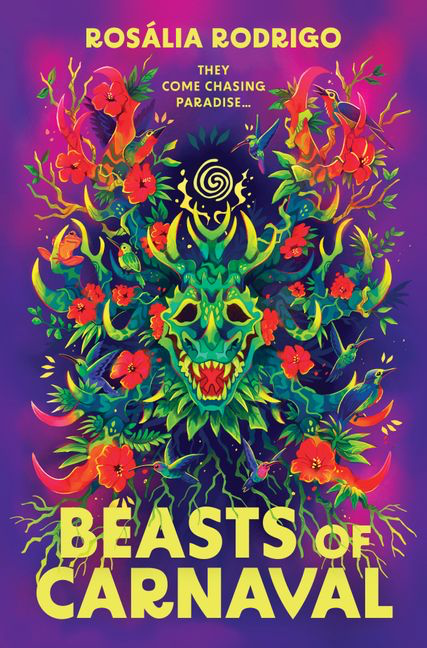
Continuing with Latine Heritage Month, here’s a new release that caught my eye! The cover and premise seemed stunning, and I was intrigued by the inclusion of Taíno mythology. On almost all of those fronts, Beasts of Carnaval delivered instantly—I was hooked from page one!
Sofía has heard legends of Isla Bestia since she was a child. They say that enchanting performances and mysterious people populate the mysterious island, and those who come there are too entranced to ever return to the real world. Sofía is sensible enough to not believe the rumors. But when her twin brother goes missing, her trail leads to Isla Bestia. There, she’s drawn into a bizarre, luscious world of magic and shifting alliances. Caught up in a tangled web of intrigue, Sofía must keep her wits about her if she wants to find out which of her new allies are men—and which of them are monsters.
TW/CW: colonialism/imperialism themes, loss of loved ones (past), panic attacks, religious bigotry, blood, murder, racism/slavery themes, misogyny
Before I get into gushing about everything I adored about Beasts of Carnaval, I’ll get my one major pet peeve out of the way: fantasy worlds that are named so closely to reality that they basically are reality. Rodrigo’s world is essentially the Caribbean, except that the countries are named slightly differently—their colonizers are Hisperian, for instance. Real-word terms such as mestiza are used, so at that point…I dunno, it’s so close to historical reality, so why not just set it in the Caribbean of the past and just establish that there’s magic and some minor changes? Alternate history, anyone? I guess there’s a ton of fantasy novels that do that for European countries, but honestly, I’ve never liked it no matter the country that inspired the setting.
I dunno, the commentary would come across no matter the setting. Beasts of Carnaval isn’t the first book to have this, but for me, even though it peeved me, it didn’t take away from how lush the worldbuilding was; beyond the real-world hierarchies that were present, I loved the magic in this world, and it was integrated into the real world almost effortlessly. It’s a very fleshed out world rooted in historical themes and cultures, enlivened by vibrant and vivid magic inspired by Indigenous Taíno mythologies.
After reading Beasts of Carnaval, I’m absolutely going to be looking out for anything else that Rosália Rodrigo writes, because the prose of this novel was truly captivating! A Carnaval-inspired setting is bound to have some fun imagery, but Rodrigo wrung every ounce of magic out of it. With her prose, Isla Bestia wasn’t just abstractly a place that nobody wants to leave—she really makes you feel the seductive enchantment of the entire island! From the first description of the hummingbird dancer at the beginning, I was nothing short of captivated—I was hooked from start to finish, and I loved every minute of exploring the world that Rodrigo had crafted!
Compelling prose needs a compelling protagonist, and Sofía was just that! I adored her character, and she just seemed to leap off the page for me. From the start, I loved the many facets of her personality; she was strong-willed, determined, sensible, and sometimes practical to a fault, but I loved watching her adventures. Especially in contrast to the other characters around her, she was so focused on her mission of finding her missing brother that I got sucked in immediately. Hidden beneath her practical exterior, her deep caring for Sol made me root for her instantly, and I loved the way she fought back against the micro (and very much macro)aggressions that she experienced in daily life for being mixed-race. It’s rare that I love a character from the get-go, but Sofía captured my heart immediately!
A part of Sofía’s character that I also appreciated was the discussion of her mixed-race/mestiza identity! As a mixed-race person myself (though I’m very white-passing), I loved the nuanced discussions surrounding her conflicting feelings about her identity and how it positioned her in the highly stratified world around her. Rodrigo also had some excellent discussions about passing privilege and the treatment that Sofía got as this universe’s version of an Afro-Latina woman, especially with her being a former slave; Rodrigo did an excellent job of balancing her pride with the hurt she carries from enduring decades of racism from her peers and having to justify being a part of either of the communities she’s descended from. It was also especially poignant to have her arc revolving around discovering the magic of her Indigenous ancestors, inspired by Taíno mythology! It’s always so fulfilling to connect with one’s culture (speaking from experience), and to have that be physically manifested as healing magic was nothing short of emotional. I couldn’t get enough of it!
Overall, an enchanting and emotional novel that hooked me instantly. 4 stars!
Beasts of Carnaval is Rosália Rodrigo’s debut novel.
Today’s song:
MICHELANGELO DYING MY BELOVED
That’s it for this week’s Book Review Tuesday! Have a wonderful rest of your day, and take care of yourselves!
This song came out at the tail end of a terrible day for me…even though I’d experienced some pretty awful events in the past 24 hours, at least there was Gorillaz at the end of it. And a new album with Sparks, IDLES, and Yasiin Bey on it??? EVERYBODY SAY THANK YOU, GORILLAZ! March can’t come soon enough…
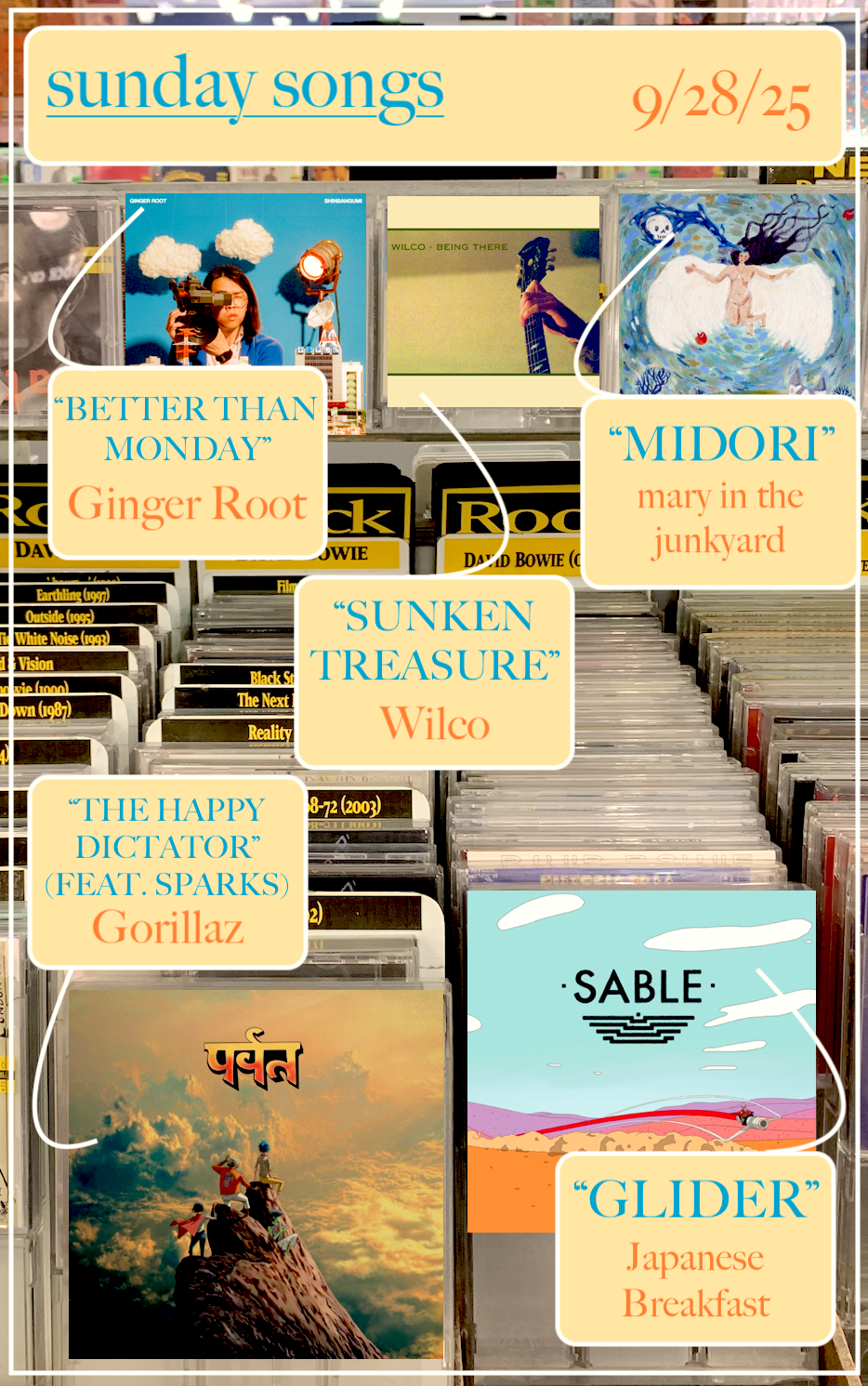
From the looks of it, Sparks are having a better 2025 than most of us, what with releasing MAD! and an accompanying EP—collaborating with Gorillaz just seems to be the cherry on top for them. It’s surprising that it’s taken so long for them to collaborate. Either way, they’ve come together to sprinkle some healthy satire and upbeat tunes on this dystopian hellscape, and I am all the better for it. As always, Albarn has an eye trained on…well, the trajectory of most of the world right now, but he weaves a tale of opulent tyranny, of dictators who shroud their dirty deeds in illusions of placidity, peace, and universal happiness; it was specifically inspired by a visit to Turkmenistan with his daughter, where the former dictator, Saparmurat Niyazov, “wanted everyone in Turkmenistan to only think happy thoughts and sleep unaffected by the doom of the world, and just keep everything upbeat, so he kind of banned all bad news.” Even though his rule ended decades ago, echoes of it can be heard the world over, and Gorillaz is once again here to critique them: “In a world of fiction, I am a velvet glove/I am your soul, your resurrection, I am the love.” It’s…well, frankly, if I emptied out all the parallels, this post would be impossibly long and I would be even more dismal about the news than I already am. At least, in these turbulent times, we can count on Gorillaz to weave some excellent art out of the collective suffering. Plus, if Russell Mael is the dictator in this situation, then y’know what? All hail our new overlord.
I promise I’ll stop blabbering about Japanese Breakfast soon, but the concert’s had me on such a kick of their music since the beginning of the month. I wasn’t familiar with any of Michelle Zauner’s soundtrack work before the concert, and I wasn’t familiar with the video game Sable at all. (I’m fairly video game illiterate, but it looks super cool, honestly—from what I can tell, you’re basically exploring the ruins of an ancient civilization on a desert planet, and the art was inspired by Moebius. You had me at Moebius!) This game was Zauner’s first foray into soundtracks.
At the Japanese Breakfast show, Zauner whipped this one out of nowhere solely because she’d heard somebody humming it before the show, which should tell you everything about how cool she is as a person. The instrumentation is fairly different than most of her work—it’s much more synth-based, but it works well with something like “Posing in Bondage.” It has a chiming, starry quality to it, just the kind of music I’d imagine hearing while wandering the desert on a sci-fi glider. Once her lyrics fade out of the recognizable and into the more abstract, pulled apart like putty by autotune and editing, it takes on an almost Cocteau Twins quality to it, but if they had been transposed into glaring sunlight and not the wintry sound palettes I usually associate with them. “Glider” is weightless, always looking skyward, yearning and hoping.
…AND A BOOK TO GO WITH IT:
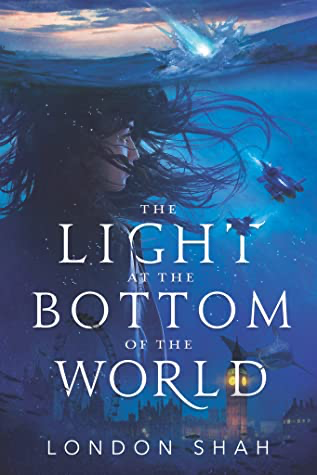
The Light at the Bottom of the World – London Shah – I feel like “Glider” fits in a multitude of sci-fi settings, but somehow, it feels particularly at home in London Shah’s vision of a flooded England and submersible races.
Opening bands are always a gamble, but somehow, I’ve had unusually good luck with them this year—Hana Vu, Tyler Ballgame, and Black Country, New Road are some of the standouts. I went to Japanese Breakfast with a dear friend of mine, and neither of us really knew Ginger Root, and the only person we knew who knew him was a mutual friend. We looked on his Spotify bio, where he described his music as “aggressive elevator soul.” So, in a word, our expectations were…lowered? But we were morbidly curious.
Honestly? I wouldn’t go back and listen to everything of Ginger Root’s, but at the end of the day, I can’t deny how creative of a guy Cameron Lew is. Not only does he have this very polished indie pop act going, he’s also got an entire short film, which he played excepts of during his show. He’s a talented musician, and his band is too, and god, he’s got his hyperspecific vibe down to a science, so I can’t fault him for that. It ventured from more soul-oriented songs to instrumentals that sounded like they should’ve been in the background of MarioKart, but dammit, the guy’s got a vibe going. Plus, anyone who puts absolutely everything into getting an action shot of a melodica solo has my approval…as much as I hate to admit it. “Better Than Monday” was my immediate standout—the bassline is just so propulsive and bouncy, and it’s just such a bright, sleek song. It’s one of those songs where you know from the get-go how much fun Lew and company had making it—the enthusiasm radiates from every note, and that was half of the fun of their opening set. Catchy songs are great on their own, but they’re even catchier when you know that every part of the process was a blast.
…AND A BOOK TO GO WITH IT:
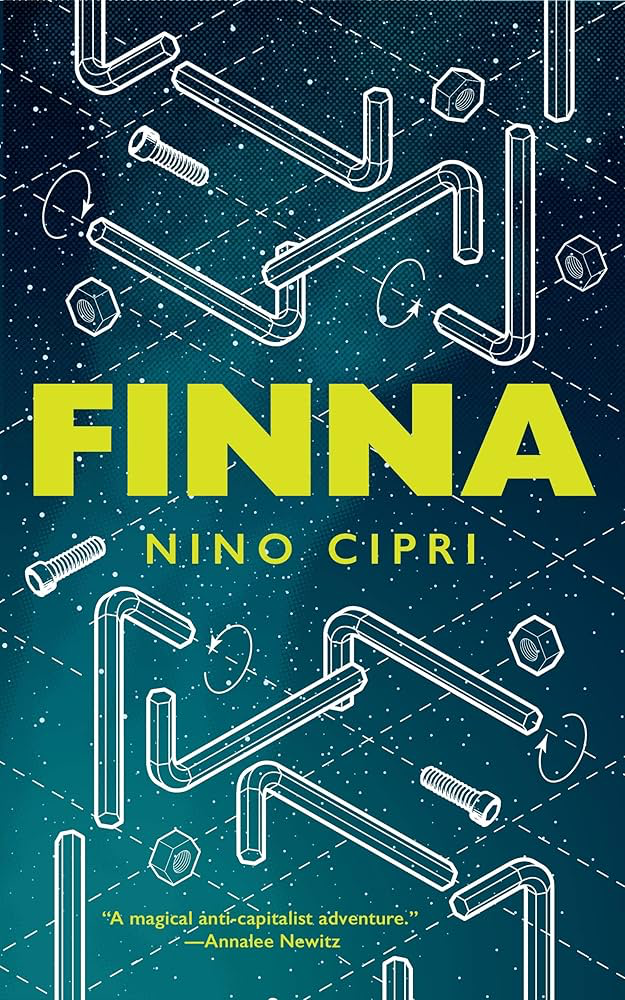
Finna – Nino Cipri – it feels odd to say that Ginger Root works perfectly for a book set in an inter-dimensional, legally-distinct IKEA, but life is full of surprises.
A song with the line “music is my savior” and a refrain repeating adages about rock n’ roll is bound to be a crowd favorite—hook, line, and sinker. Yet none of this song strikes me as cliched. Just because it rouses a crowd doesn’t mean there’s no truth to it. And who could be better than that than Jeff Tweedy?
That’s not even the real sunken treasure of “Sunken Treasure.” I’d only remembered this song when I saw Wilco play it live back in August, but it’s so jam-packed with showstopping lyrics that it made me astounded that I hadn’t listened to it more attentively when I’d heard it in my dad’s car…because I definitely had. It was an inevitability that I’d come back to this gem. Just…okay, it’s about to be a “just copying and pasting the lyrics” moment, because my god:
“There’srows and rows of houses/With windows painted blue/With the light from a TV/Running parallel to you/But there is no sunken treasure/Rumored to be/Wrapped inside my ribs/In a sea, black with ink…”
The fact that I’m now picturing the Muppet talking houses notwithstanding, I am once again asking Jeff Tweedy to save some poetic talent for the rest of us. Come on. It’s one of those songs with such a near-universal theme—melancholy and relationships sputtering out—and painted it in a way no other artist has. To some extent, we all go through a handful of the same experiences in our lives, and yet nobody can retell it in the exact same way as the person next to them, despite sharing 99% of their DNA with them. “Sunken Treasure” makes me think of that, because I doubt anybody else would pair that feeling with “If I had a mountain/I’d try and roll it over.” Roiling in the background is a veritable red-hot pot of soup boiling over—it feels like a quieter precursor to “Via Chicago” with distorted, crumbling-brick guitars collapsing in the background, strings pulled to the limits. It’s the instrumental epitome of insisting that you’re fine and unbothered, but deep down…there’s no sunken treasure rumored to be wrapped inside your ribs, etc.
…AND A BOOK TO GO WITH IT:
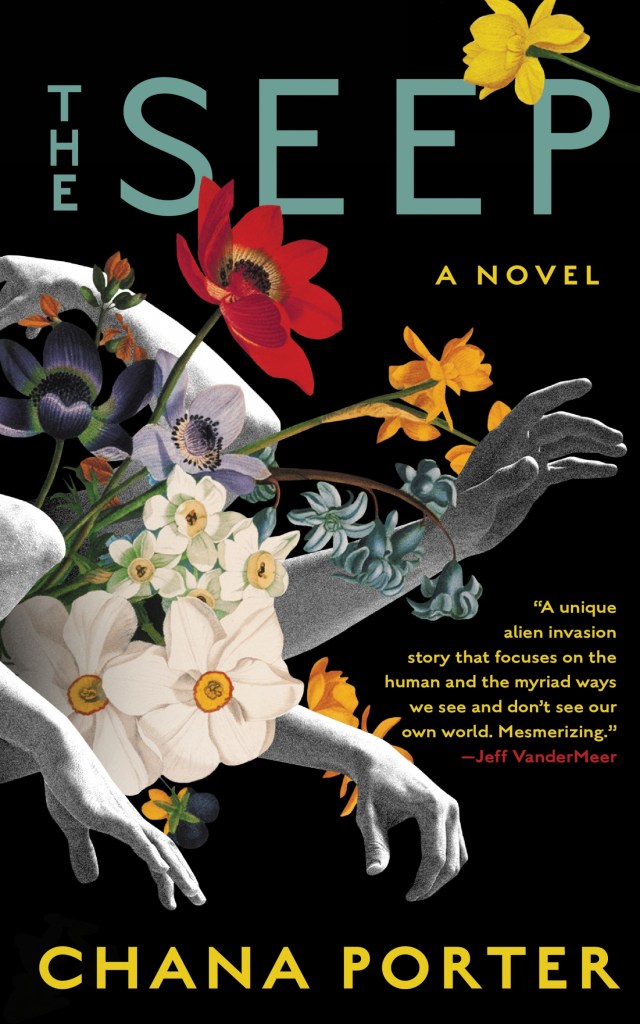
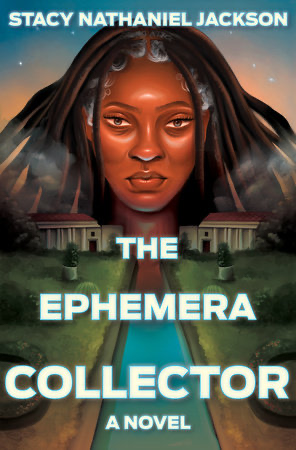
The Seep – Chana Porter – “But there is no sunken treasure/Rumored to be/Wrapped inside my ribs/In a sea, black with ink/I am so/Out of tune/With you…”
With the steady breadcrumb trail of singles that mary in the junkyard have been putting out since the end of last year, I can only hope that this mean that there’s an album on the way…or an EP, at the very least. Paired with “drains,” which came out this summer, they’re surely building up to something…something! But in the meantime, I’m just pleased to be getting new music from this burgeoning talent every few months. They’re like little spooky, rock treats.
That being said, “midori” feels slightly weaker than some of their other singles. It’s not bad by any stretch—the fact that this is weak for mary in the junkyard is a testament to how consistently good they are—but it feels like it could’ve been one of the songs from this old house – EP. It’s a double-edged sword: it could’ve been a great addition to last year’s EP, but I fear that at their worst, this song doesn’t stray as far from their older ones. On the other sides of their discography, “drains” took their sound to an extreme and “this is my california” took it in a softer, more introspective direction. Granted, they have an EP and a handful of singles to their name, so I hesitate to really call it a formula—only nine songs doesn’t really give anybody the full idea of their sound or what they have left in store.
And even if they’ve got a formula (which, again, very hesitant to say), it’s a damn good one. I say that as if I’m not eating up pretty much everything they do…mary in the junkyard are proving themselves to be masters of their atmospheric craft. Their electric guitars sound like they’ve been draped in a decaying bridal veil and left to get haunted for a century or so—everything echoes and brims with an untold history. “midori” was written entirely about plants coming out of concrete, and Clari Freeman-Taylor manages to transform the subject into the angstiest thing possible: “Could you help it?/With no god to bow down to/And no soil to grow down in/Could you help it?” Feeble sprouts become desperate, mewling spirits in her hands, and the echoing guitars and strings turn urban nature into a sweeping and creeping epic, shrouded in ivy with leaves wilting at the tips. It gives the air of something waiting to be free—you can just barely hear some squealing sounds in the background, the sound of something desperate to claw free—exactly the kind of fare mary in the junkyard expertly deals in.
This past week, September 16-23, has been Bisexual Visibility Week, and today, September 23rd, is Bisexual Visibility Day! See me. I’m right here. Well, in your screen. Along with my Latine Heritage Month post, this is another one that I’ve neglected to do some years since it comes at a slightly dicey time in the school year, but I probably shouldn’tbe neglecting, since it, y’know, directly correlates to my identity. Oops. A little embarrassing, but once again, no time like the present.
Every year. Every year, I swear to god. I’m much less online than I used to be, but from what I see snatches of, every other year, some discourse comes back about whether or not bisexuals are actually “queer enough” or if straight-passing bisexuals are allowed at pride, or something equally meaningless. (Also, I feel like everyone debating the latter should remember that Brenda Howard, a bisexual woman, was a key figure in creating Pride events and rallies as we know them here in the States.) Just seeing flashes of whatever’s going down on TikTok makes me lose a year off my life. But it brings up a point that I’ve often thought about when it comes to the queer community: the infighting needs to stop. Please. There’s no sense in playing the oppression olympics amongst ourselves, especially when the threats against the LGBTQ+ community at large are so much more pressing. Also, please stop being weird about bisexual people. This is coming from somebody who’s had the privilege of not experiencing any direct biphobia, thankfully, but has heard it in real life directed at friends and loved ones, as well as seeing it run rampant on the internet. All of this petty fighting is a distraction from what’s really happening: not long after they removed the word transgender from the Stonewall National Monument website, they removed the word bisexual from the “history and culture” section. As of now, they’ve since reinstated it (though the absence of trans people remains glaring…love to all my trans siblings, in light of, well, everything), but it sends a clear message: they’re bent on cutting our community up until they can conveniently erase it from American history. And we will not be erased.
To all of my fellow bisexuals: you are bisexual enough. No matter your relationship status, attraction, or partner, you will always be bisexual. Nobody can dictate your identity but you. Not the internet, not the people in your life—nobody. There is no one central bisexual experience, but every individual experience under the sun is valid, so long as you want to claim it. You’re the captain of this ship, and you are bisexual enough. And you are loved. I don’t know about you, but I’ve loved being bisexual in the nearly seven years (Jesus, has it been that long?)
TELL ME WHAT YOU THINK! Have you read any of these books, and if so, what did you think of them? What are some of your favorite books by bisexual authors? Let me know in the comments!
Today’s song:
MICHELANGELO DYING IS UPON US, LET’S GOOOOO
That’s it for this recommendations post! Have a wonderful rest of your day, and take care of yourselves!
Happy Sunday, bibliophiles! I hope this week has treated you well.
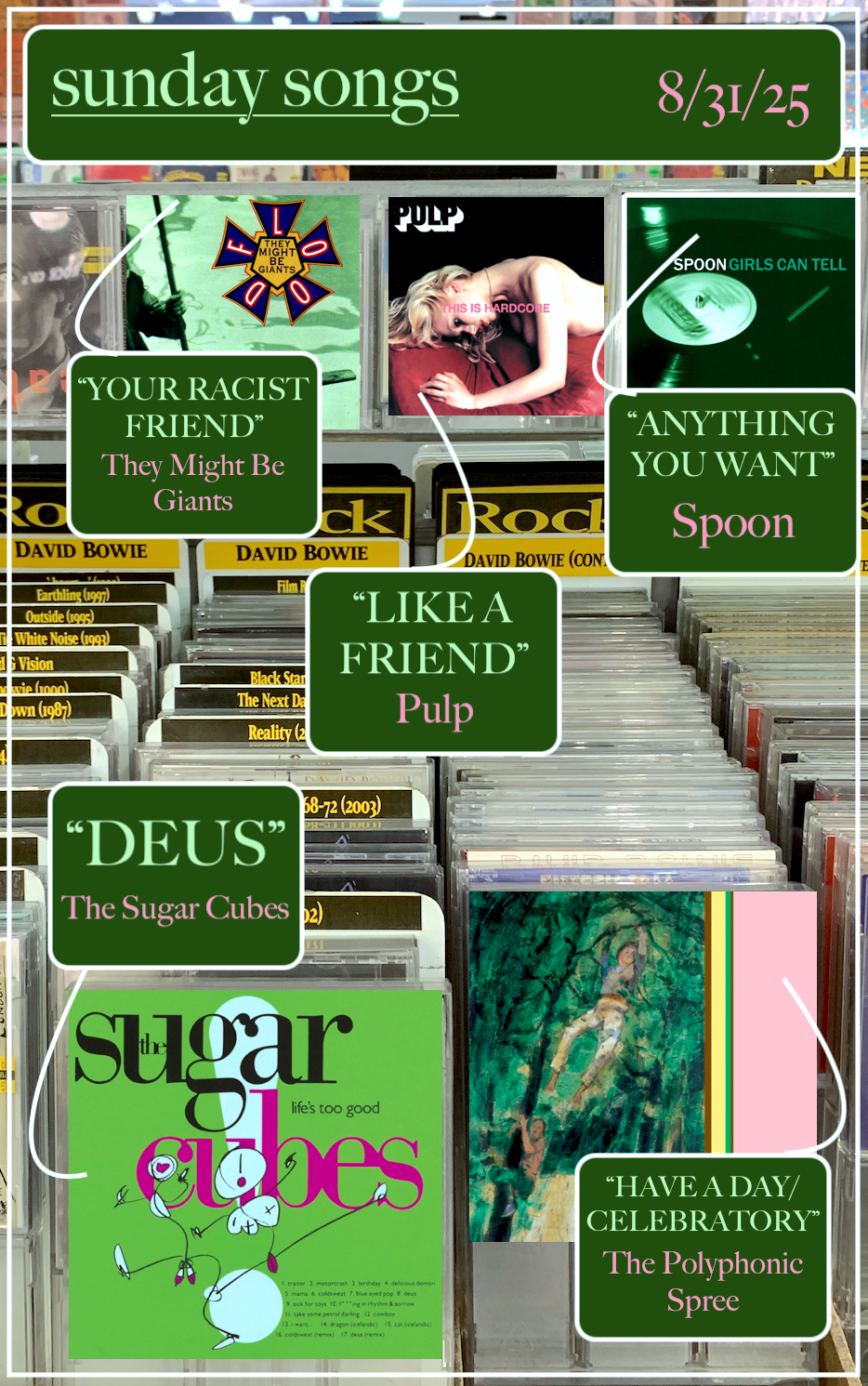
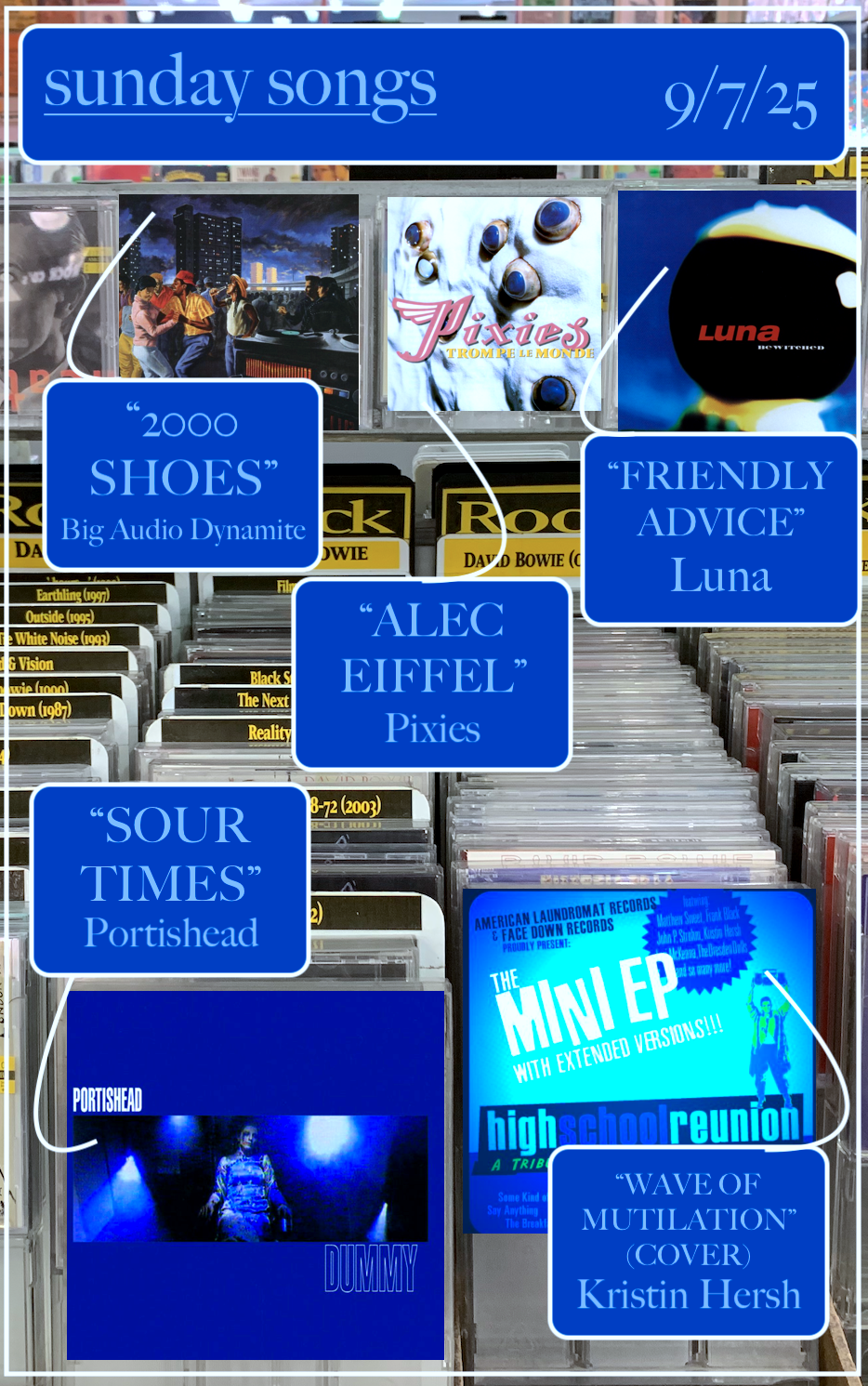
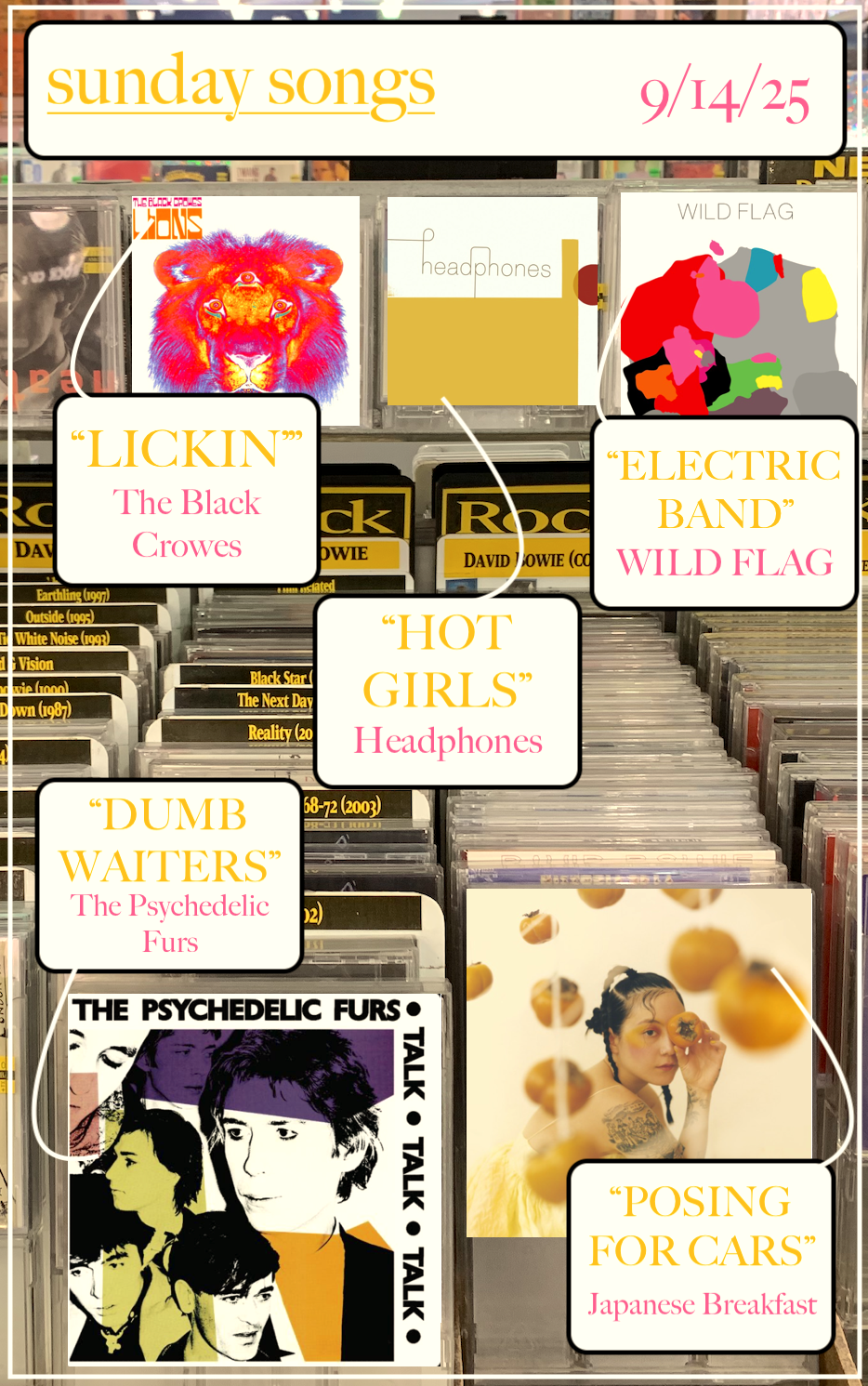
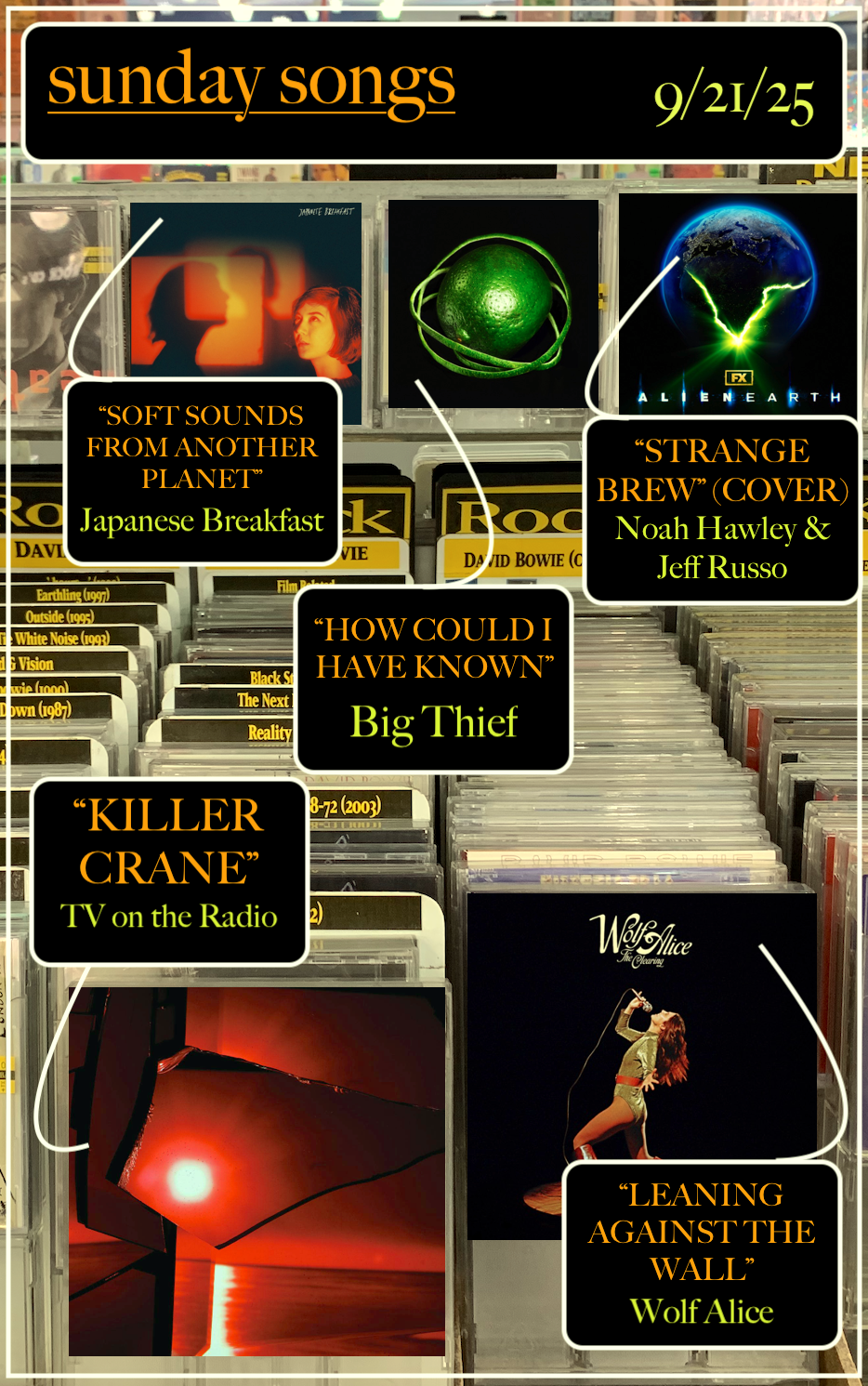
Since I’ve been gone for a little while, here are the graphics for the weeks I was absent, because I am nothing if not a creature who lives for making little graphics:
You guys…Alien: Earth, right???? Oh my god??? Admittedly, the last two episodes have faltered, but I’d say the first five episodes made me remember why I love Noah Hawley so much. Toss him into another franchise and genre, and he adapts to the environment as swiftly as a frog tossed from the land into a freshwater pond. His take on Alien has sprawled into Fargo’s riddled dialogue and character building and Legion’s avant-garde aesthetics, yet easily stays true to Ridley Scott and Dan O’Bannon’s visions. No notes on the acting (Timothy Olyphant is top tier, Wendy and the Lost Boys are eerily good at playing children in adult bodies, and Babou Ceesay is both a worthy successor to Malvo AND a compelling character on his own). It’s…pushing my limits as far as body horror, for sure (had to knit in silence for an hour after episode 2), but that’s Alien for you.
But one of the more minor aspects of the prospect of new Noah Hawley content that got me going was the needle drops. I joked with my family that I couldn’t wait for the inevitable, devastating Lisa Hannigan cover song to come into the soundtrack, and while that hasn’t happened, I’m more desperate than ever to see this man’s playlist, because my god. For me, nothing’s come close to the pair of needle drops in episode 1 (though “Ocean Size” at the end of episode 4 comes close)—my brother, who has much more metalhead street cred than me, said that “you know Noah Hawley’s a real one because he included ‘E5150’ with ‘The Mob Rules.’”
But “Killer Crane?” Even though it wasn’t a TV on the Radio song that I was initially familiar with, I was instantly just giddy. The whole episode made me giddy, to be honest—with a few minor flaws, it felt like such a stunning, comprehensive intro to the show. GOD!! I already knew that Hawley was a fellow fan after he used “Quartz” in the trailer for season 3 of Legion, but I’m just happy to see it shine in a full-fledged show. I still think it’s one of my favorite needle drops in the show so far. It’s amongst one of the many spectacularly-shot scenes throughout the episode: soon after Marcy’s consciousness is transferred into Wendy’s robot body, we see her performing superhuman cliff-diving feats in the idyllic jungle paradise of Neverland. As a scene, it’s just so luscious with the visual metaphor of Wendy leaping off of a literal precipice, paired with the mental precipice of her transition into a new body. Paired with the glimmering, dewy production of “Killer Crane,” it makes for a perfect scene, as does these lyrics: “Her grace’s glide/Across the sea/Across creation/And over time/Her gracious life/Escapes its station.” But the song belies something much more somber; it was written as a tribute to Gerard Smith, their original bassist, who died of lung cancer nine days after the release of Nine Types of Light at the age of 36. Given the hybrid’s consciousnesses, taken from terminally ill children, it’s a grim, apt introduction for their states of being: “Sunshine, I saw you through the hanging vine/A memory of what was mine fading away.” It’s a bittersweet ode to the simultaneous beauty and impermanence of life; the final line of “I could leave suddenly unafraid” could mean both how death could come at any moment for anyone, or leaving the constantly fearful state of mind that comes with grappling with the transience of all things. Damn you, Noah Hawley!! These needle drops are too good, leave some for the rest of us!!
…AND A BOOK TO GO WITH IT:
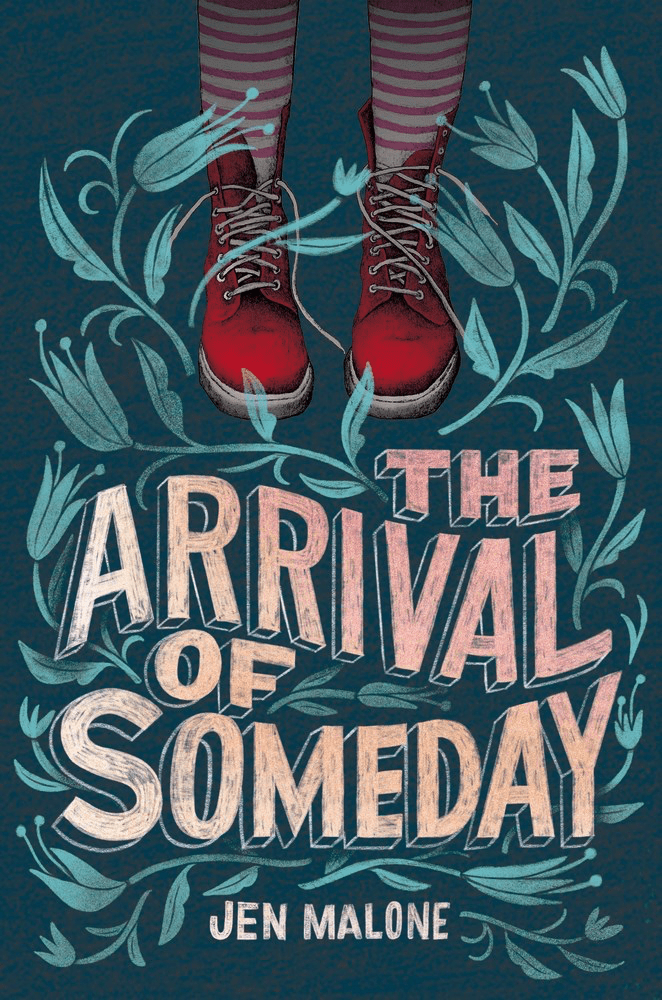
The Arrival of Someday – Jen Malone – grappling with imminent death and soaking up life while one can forms the emotional core of this novel.
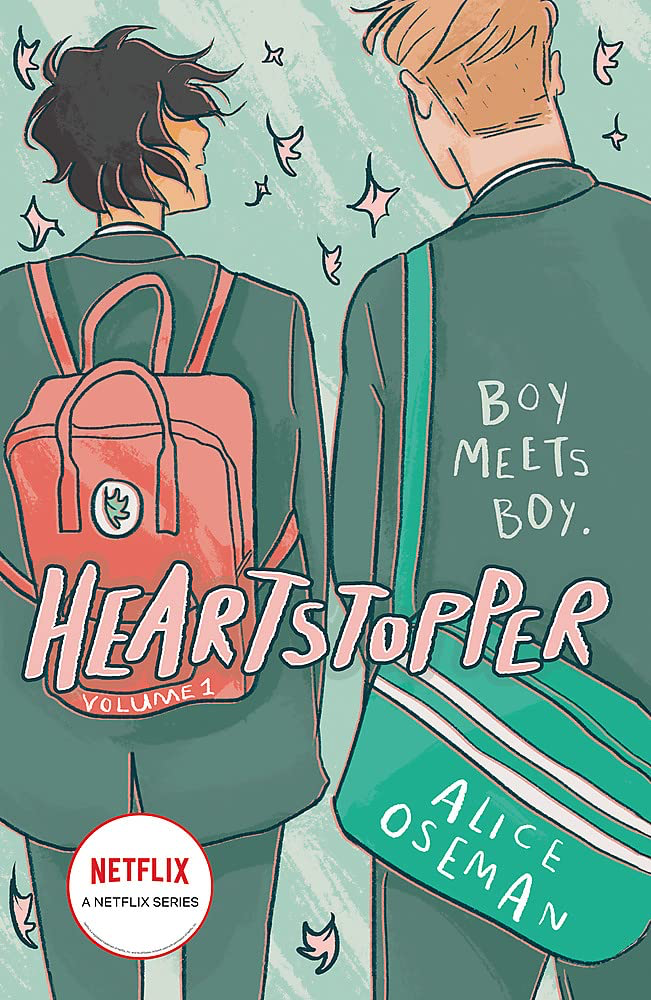
I confess that I haven’t been following Wolf Alice too closely, but if my dear friend’s assessment is worth anything (which it obviously is), they’re still going strong. They released a fourth album, The Clearing, in late August. From the snippets I’ve heard, they’ve certainly polished up their sound, but it’s no less candid beneath the sheen. Their indie pop is as hooky as ever. But I can’t shake the feeling that they’re deliberately just making music for Heartstopper at this point. I mean…c’mon. When that moment kicks in at 1:11? Specifically engineered for a shot of Nick and Charlie gazing longingly into each other’s eyes under a string of fairy lights. But as an earnest, bubbly indie love song, “Leaning Against the Wall” perfectly captures that balance of wanting to run and tell everybody about love, but relishing the private moments in tucked-away corners the most. And as a closing track for The Clearing, it eases the listener into a gentle, artfully rearranged outro that leaves you with lingering butterflies in the stomach.
So…Japanese Breakfast! One of the highlights of my brief hiatus was seeing Japanese Breakfast with a wonderful, dear friend of mine. For an artist touring for an album called For Melancholy Brunettes (& sad women), I couldn’t have imagined a more joyful show—even without the amazing lighting team, Michelle Zauner and co. truly lit up the room, from the sweeping, romantic new songs to the ecstatic rendition of “Everybody Wants To Love You” with the help of Ginger Root. The sets? Truly a spectacle. The setlist? A perfect balance of her whole career. And Zauner just seemed like such a comforting, joyful presence—concerts are always enhanced when the artist actually feels like they want to be there. She played a deep cut solely because she overheard somebody humming it before the show, and that should give you an idea of her presence. And yes, I fucking lost it when she whipped out the gong for “Paprika.” 100% the highlight of my night.
So without further ado, let’s talk about…a song that wasn’t even on the setlist. Oopsie. Either way, the setlist from the show inspired me to dig into more songs from Soft Sounds from Another Planet, an album with one of the best album titles in Japanese Breakfast’s career (though For Melancholy Brunettes is probably tied for the title). Zauner was initially going to make a sci-fi concept album, and though this vision never came to fruition, the atmosphere remains; the album is shrouded in shoegazey, drifting instrumentals that airily swirl around you (see: “Jimmy Fallon Big!”). With a hushed, dreamy tone, Zauner yearns into a starry abyss, longing for an escape: “In search of a soft sound from another planet/In search of a quiet place to put this to rest/Striving for goodness while the cruel men win…” Ow…yeah. If that hasn’t been what life has been like for me since I was a teenager. I don’t have all the answers, but as far as I know, all you can do is look to people like Zauner: make art, spread joy.
…AND A BOOK TO GO WITH IT:
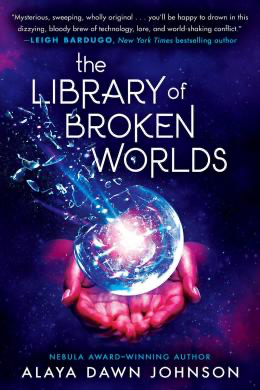
The Library of Broken Worlds – Alaya Dawn Johnson – “That’s not the way to hurt me/I’ll show you the way to hurt me/In search of a soft sound from another planet/In search of a quiet place to lay this to rest/Striving for goodness while the cruel men win…”
This just in: I’m a total Big Thief poser. Well, maybe not since I’ve actually listened to a full album now, but Double Infinity did turn out to be the first album of theirs that I listened to it in full. There’s something so comforting about it; though it has its weak moments here and there, at its best, it feels like the caress of a warm, woolen sweater, secure and fuzzy. It’s got the feel of Christmas music, but not in the way that you might think; not in the sense of the actual structure of most Christmas songs, but in way that the harmonization feels warm, like the feeling of being curled up by the fire as night fades into he falling snow in late December. “Incomprehensible” remains the pinnacle of the album for me (but how can you top “Incomprehensible,” really?), but the tearjerking closing track comes close.
Talking to my brother and his girlfriend (both much more dedicated fans than me…bigger thieves, if you will) about the album made me realize something about songwriting that’s very contradictory to me, specifically. They were lamenting that some of Adrianne Lenker’s more poetic language had gotten lost in the more plainly spoken lyrics on Double Infinity, and having heard an album like songs, I would honestly agree. If this series has proven anything to you all, it’s that I am an absolute sucker for some good ol’ poetic lyricism. Yet sometimes, things are best said so plainly, affirmations or words of comfort. I can think of ways that the themes of “How Could I Have Known” have been sung more poetically—Wilco’s “Say You Love Me” comes to mind. But sometimes words as simply stated as these can be just as impactful: “They say time is the fourth dimension/They say everything lives and dies/But our love will live forever/Though today we said goodbye.” For me, it’s all in the delivery. Lenker and co. have readily embraced their Grateful Dead jam band era, and honestly, it really isn’t a complaint. The mixing makes it so that the instruments sound truly harmonious, warm and blurred at the edges like snow melting into dirt. The harmonies of the singers themselves not only mesh together beautifully, but they’re just ever so slightly out of sync that it feels like “How Could I Have Known” is being sung around a campfire. And that tight-knit feeling of togetherness is all the better for a song about gratitude for the small, improbable miracles that stacked up that allowed us to meet the people we love.
…AND A BOOK TO GO WITH IT:
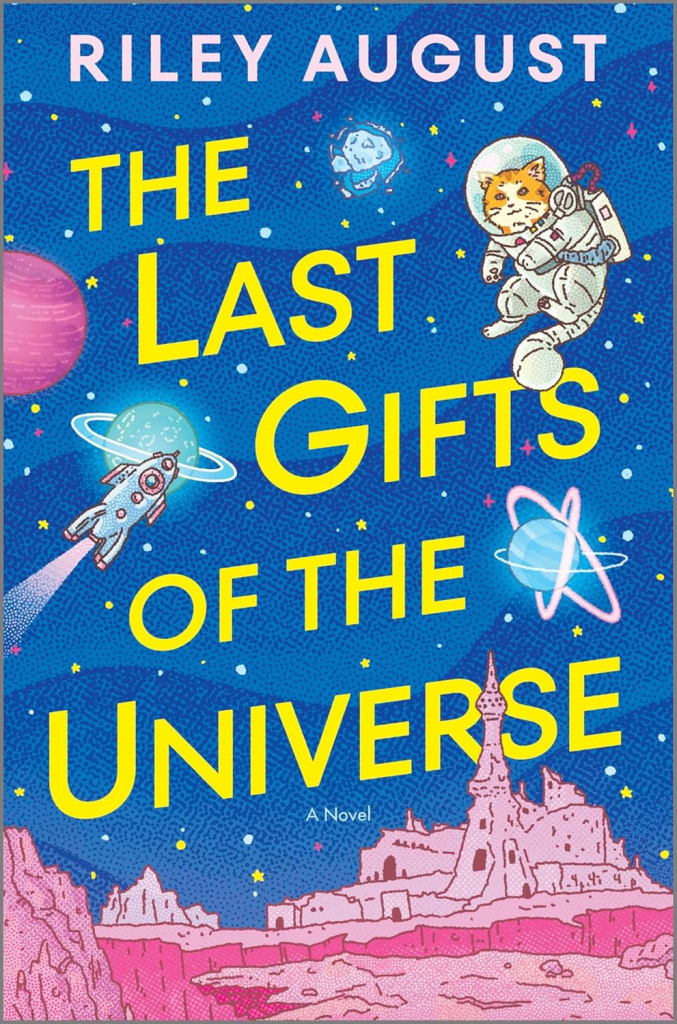
The Last Gifts of the Universe – Riley August – “And they say time’s the fourth dimension/They say everything lives and dies/But our love will live forever/Though, today, we said goodbye…”
“Strange brew/killing what’s inside of you” that would be the water bottle full of alien ticks ❤
And I thought that Legion meant that we were done with Noah Hawley and Jeff Russo making deeply eerie covers of ’60s-’70s songs…no devastating Lisa Hannigan cover yet, but “if you don’t watch out/it’ll stick to you” really does kinda sum up the entire Alien franchise. As always, Noah Hawley continues to impress me by not just being an accomplished author/television writer, but also by having genuinely great pipes…they put too much talent in that man!! I’ve reached my Alien: Earth yap quota for the week, but god, what a great theme song, complete with some subtle creaky spaceship sounds.
…AND A BOOK TO GO WITH IT:
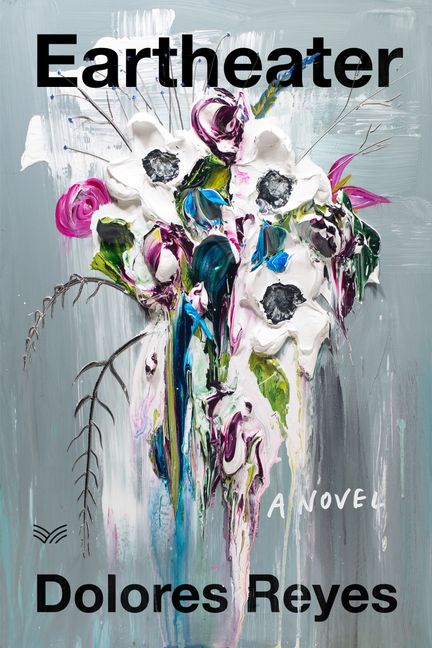
Eartheater – Dolores Reyes – “She’s a witch of trouble in electric blue/In her own mad mind, she’s in love with you/With you/Now, what you gonna do?/Strange brew/Killing what’s inside of you…”
Since this post consists entirely of songs, consider all of them to be today’s song.
That’s it for this week’s Sunday Songs! Have a wonderful rest of your day, and take care of yourselves!
Guess who’s back/back again…with a negative review. Oopsies.
Yeah, sorry. I feel like this always happens, and I hate that it’s happening a) right when I come back to blogging in earnest and b) at the start of Latine Heritage Month. I swear this has happened so many times. (Don’t worry! I made a whole post about so many more books by Latine authors that are actually worth a read!) But a gal’s gotta review some bad books sometimes, and remember, kids: a book’s diversity doesn’t immediately mean that there aren’t any issues with the writing.
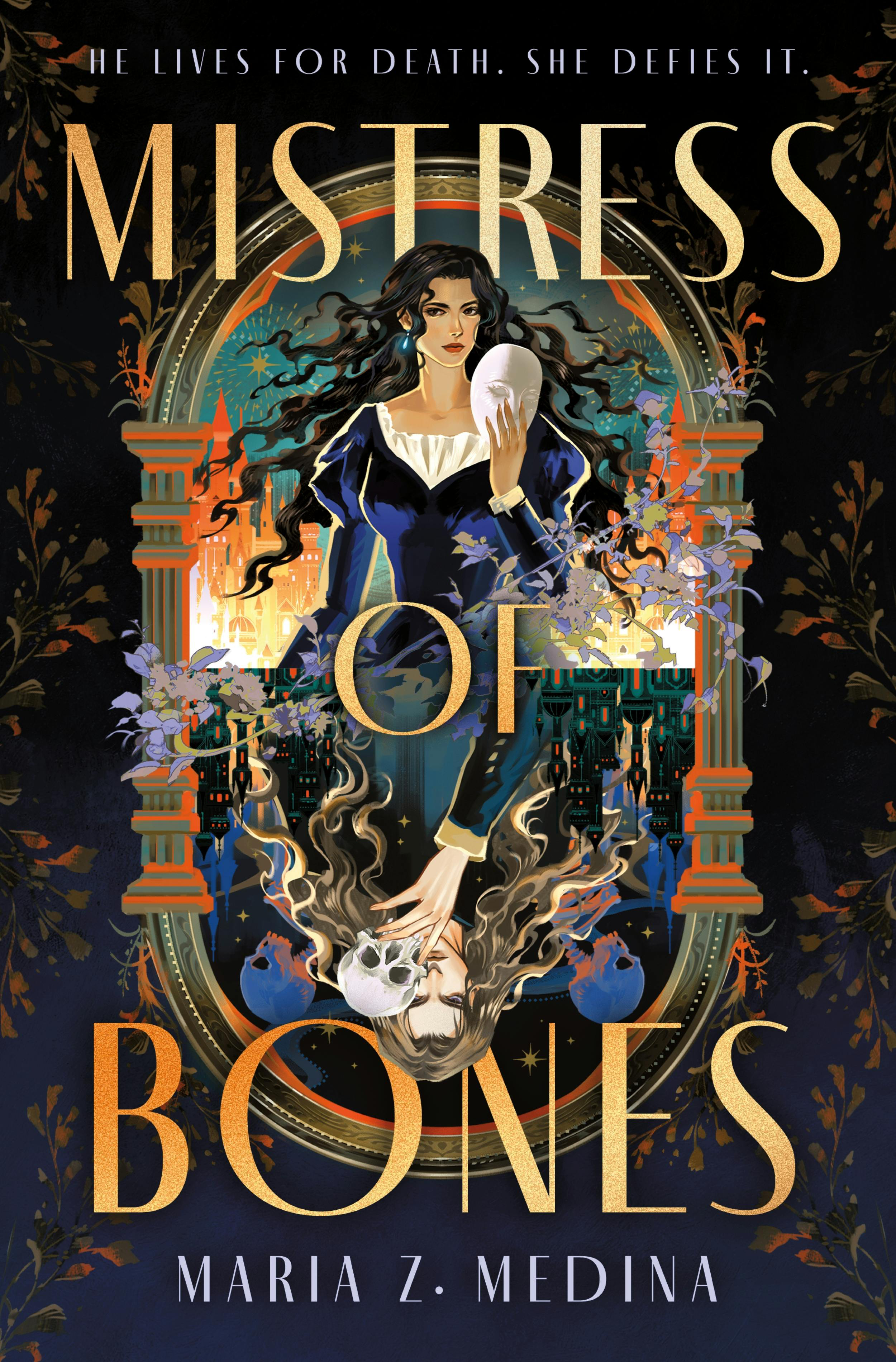
I’ve been hearing about Mistress of Bones around the blogosphere, and the premise seemed like some classic, YA fantasy fun. I regret to inform you that I’ve once again been duped into reading a very lackluster and generic fantasy book. There’s some slack I’m willing to give this novel because it’s Maria Z. Medina’s debut, but god, I haven’t read such a hot mess in quite some time.
Azul de Arroyo cares for little more in life than her beloved older sister, who had an early death at fourteen. But by channeling the bone magic of her people, she was able to resurrect her at a young age. But when her sister is killed again, she has no choice to journey to the capital city in order to steal back her sister’s bones and return her to life. Soon, Azul has run afoul of the Emissary of Lord Death; her escapades have not gone unnoticed, and he’s got his eye on her. The rules of Death cannot be reversed so easily, and he’ll do anything to stop her—however pulled he is to her. Dragged into a tangled web of dark magic and court intrigue, Azul must do everything in her power to bring her sister back—even at the cost of the world.
TW/CW: animal death, loss of loved ones, violence, gore, murder
DNF at about 60%. I just couldn’t take it. I really tried to make it through this one, but at a certain point, I realized just how fleeting life is, and wanted to spend that life with something other than this novel.
Listen. There’s a certain amount of slack I’m willing to give a novel like this based on a) the fact that it’s a debut novel, and b) how hard it is to get published as a marginalized author. Every novel is, to some extent, a labor of love, and I’m sure this was the truth for Mistress of Bones. I don’t mean to discount the work of Medina and anybody else involved. But god, this was a MESS. Labor of love as writing always is, this needed at least two more rounds of editing. At LEAST.
The problem with the setup of Mistress of Bones wasn’t that it had a nonlinear timeline. I don’t even know if I would call it nonlinear, but there aren’t adequate words to describe…quite what the situation with this novel is. It’s less nonlinear and more just thousands of flashbacks in a trenchcoat posing as a novel. I didn’t mind them in the prologue, and in fact, I did actually enjoy the way the prologue set up the narrative and the tone of the story. It was appropriately spooky and it set up Azul’s character nicely—it got the job done. However, this novel ended up being 50% flashbacks. Mind you, they weren’t just to the same period as the prologue, but jumping to entirely random years in the past. None of it made any logical sense, and not even in a convoluted way—it wasn’t complex, the plot points were just scattered every which way. At that point, if that much of your plot is propped up by taking random detours into the past, there’s something desperately wrong with the plot. Take the flashbacks away, and the plot was just the writing equivalent of a pile of crumpled-up tissues on the ground.
I’m usually one for bombastic dialogue; in fact, I’d like to think that I have a good tolerance, given the steady diet of classic sci-fi novels and ’80s X-Men comics I consumed when I was in high school. If done right, campy dialogue can enhance the atmosphere and the writing style in many ways. But Mistress of Bones missed the mark by miles. The key to its downfall was how self-serious it all was. Once again: I still read a good amount of YA, and there’s a certain amount of drama that you’ve got to accept from the get-go. But Medina constantly had teenagers exclaiming “Bah!” like Romantic English poets and then spouting off the corniest lines of dialogue known to man without an inch of self-awareness. (Thomas Thorne-core, and I don’t mean that in a good way. iykyk.) It was just so self-serious that it defeated the purpose of amping up the drama. What’s more is that all of the characters had the exact same voice. I expected it to be just reserved for the spooky edgelord male YA love interest, but no…they were ALL involved in this. If you’re aiming for drama, you at least have to do it right.
Speaking of the characters…they were also woefully mishandled. I’m wise enough in my older years (read: my early twenties) to know that hardly any YA fantasy book marketed with a Six of Crows comparison delivers. But this was a special kind of mismarketing. First off, only Azul, the Emissary, and Nereida really got any page time. There were a handful of other purportedly important characters skittering about somewhere, but they got so little page time that I lost interest in them and their minimal sway over the plot. Not only that, but even between the main characters, they all had virtually the same voice. They all had that pompous, overly self-serious tone that I spoke about earlier, but there was almost zero variation between any of them. You mean to say that a witch, the emissary of death himself, and a seventeen year old girl would have the exact same speaking voice? It’s almost like they were indistinguishable from each other on purpose—I can’t think of any other explanation for the breadth of how far this hot mess spreads.
Beneath it all, I can’t really say that there was much about Mistress of Bones that grabbed my attention. There were a few quirks in the worldbuilding that kept me reading for a good length, but they were barely sustained. I’m always excited to see Latine-inspired worlds and cultures in genre fiction, but it barely extended past the Spanish-inspired names. I was intrigued by the whole concept of the floating continents and the gods that mandated this seismic shift, but it barely seemed to have any bearing on the plot or the characters. The Emissary of Death should’ve had significant sway over the plot and over Azul’s actions, but the title only served to give him more edgelord love interest points. Looking back, I think this issue boils down most of my problems with Mistress of Bones as a whole: it was all setup with no payoff. We were promised a multilayered, multi-POV fantasy with romance and intrigue, and we only got the bones of those things (no pun intended). It was all skeleton, with no skin or muscle tissue to make the novel into something that could function on its own.
All in all, a novel full of messy, undelivered promises masquerading as a plot. 1.5 stars.
Mistress of Bones is Maria Z. Medina’s debut novel and the first novel in the Mistress of Bones duology; no information is currently available about the sequel.
Today’s song:
GORILLAZ AND SPARKS, THIS IS NOT A DRILL
That’s it for this week’s Book Review Tuesday! Have a wonderful rest of your day, and take care of yourselves!
TW/CW: there are mentions of gun violence/school shootings as well as deportations/racism in this post. If those are sensitive topics for you, scroll down to the bold, underlined text to see the book recommendations. Take care of yourself!
Happy Monday, bibliophiles! Looks like I’ll be back for the foreseeable future, now that I’ve adequately got my stuff in order life-wise. As much as I can.
I’d like to take a moment before I get into this post to talk about something nobody seems to want to talk about. I hate to start this off on a somber note, but I have to get this off my chest. I was planning on coming back to the blogosphere earlier, but last week happened to be a dumpster fire like no other. On Wednesday, September 10th, Evergreen High School—the high school I attended—was the victim of a school shooting. Yet nobody seemed to care, solely because a certain conservative influencer happened to be louder and more favored by Trump, and therefore more important, than my community. Days after this tragedy hit my community, it seemed to disappear from the headlines, even when it was revealed that the shooter, like so many in this country, had been radicalized by neo-Nazi and white supremacist ideologies online. I’m livid. I’m heartbroken. I’m only just now coming down from the horrific mess of feelings that came about on Wednesday. If you take anything from this part of the post, it’s that none of these shootings are nameless. This happened in the town where I grew up, where I made friends and had crushes and went through awkward high school stages, just like the rest of you. I beg of you: remember that school shootings are neither abstract nor nameless. End gun violence now. To everyone in the mountain community that I’ve called home for so many years, I love you. Take care of yourselves, take care of each other.
If you’d like to help out, the Colorado Healing Fundis taking donations to support repairs for EHS and to help the families whose children have been affected by this tragedy. Please chip in what you can. If not, keep speaking out. Remember Evergreen. Remember every other victim of gun violence.
…
Now, then…here in the U.S., September 15th-October 15th is Latine Heritage Month! Regrettably, I never got around to making a full blown recommendations list like I usually do. September-October is a dicey time as far as getting my stuff together for school, but it is a little embarrassing, given that I’m half Latina. But there’s no time like the present.
But as with any marginalized community, even in times of such strife as these, we must resist the fact that our lives are defined only by suffering. Every time I learn more about my Colombian heritage, I feel fuller. More me. Even though it’s only a half of me, I feel like I’m discovering more of myself. And that brings me so much joy. Reading beautiful books by Latine authors brings me joy. Eating food from my culture brings me joy. If nothing else, we must remember that joy is an act of resistance. No amount of slander and hurt from the government will make us less Latine. They can never erase us. So I hope we can come together and celebrate what makes us fuller and celebrate the joy of community, because that can never be extinguished.
For my past lists for Latinx Heritage Month, click here:
NOTE: I’ve switched to using “Latine” as opposed to “Latinx” from now on, as there have been criticisms that “Latinx” is more Westernized; though Spanish is a gendered language, the suffix -e is frequently used to denote gender neutrality. Personally, I use Latina to refer to myself since I’m a cis woman, but I generally use Latine to refer to the community at large. If you’re in the community, use whichever language suits you best. I’m just too lazy to change my header…oops.
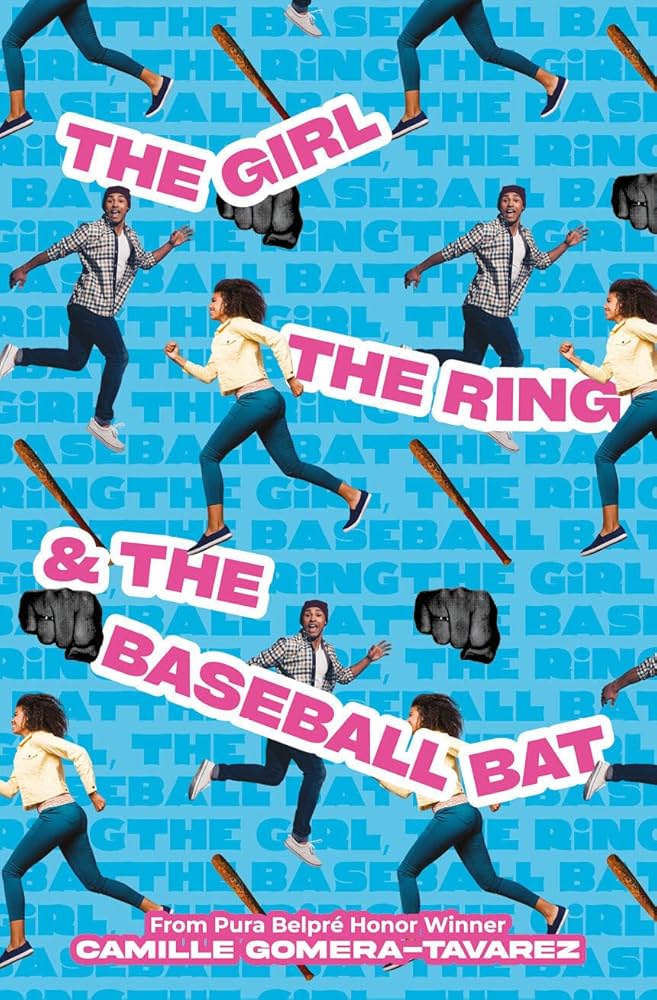
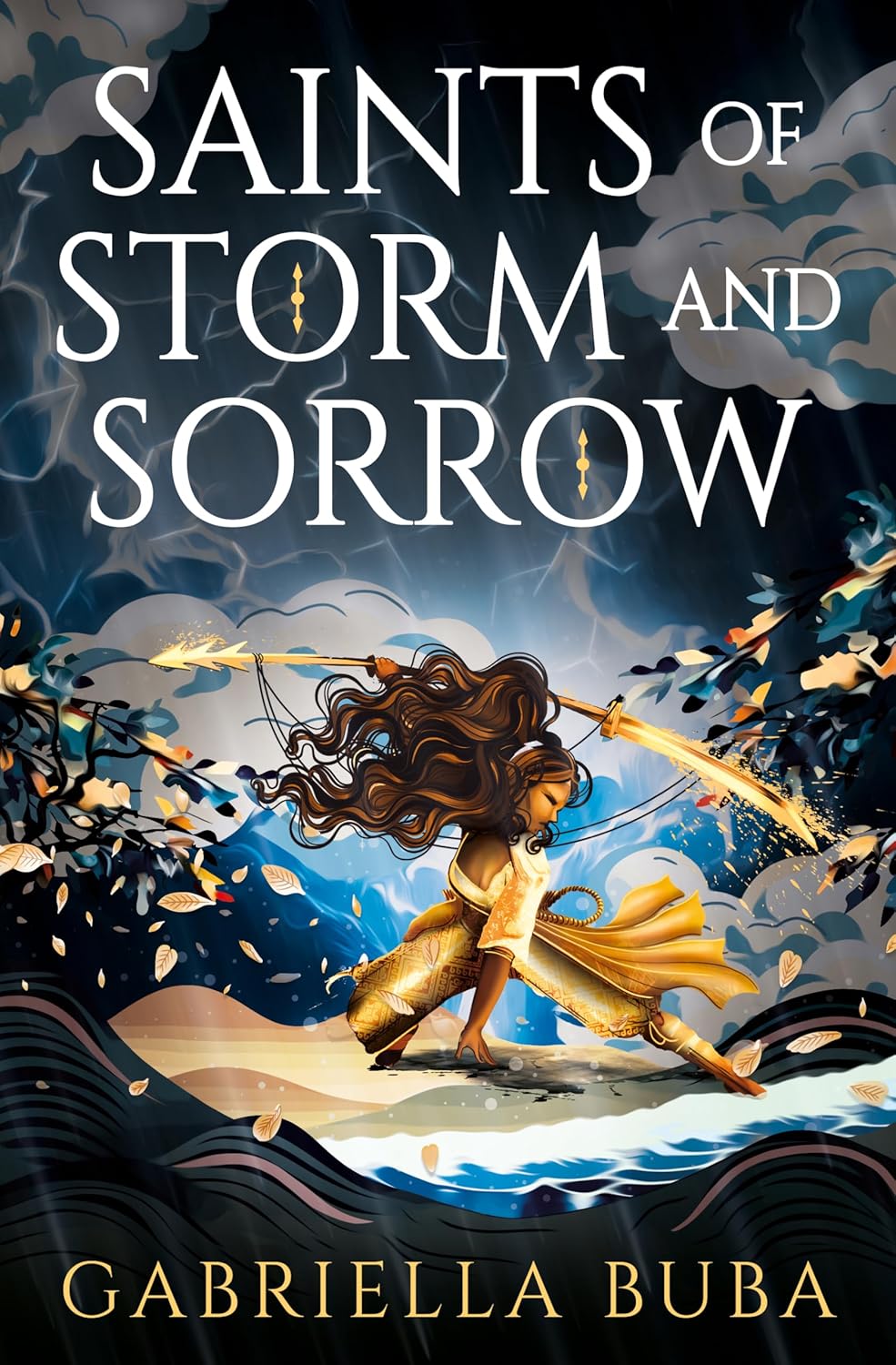
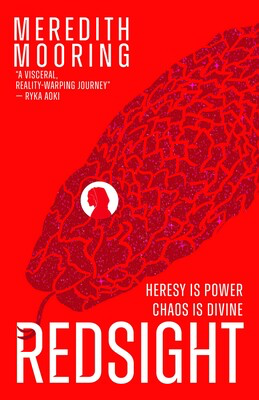
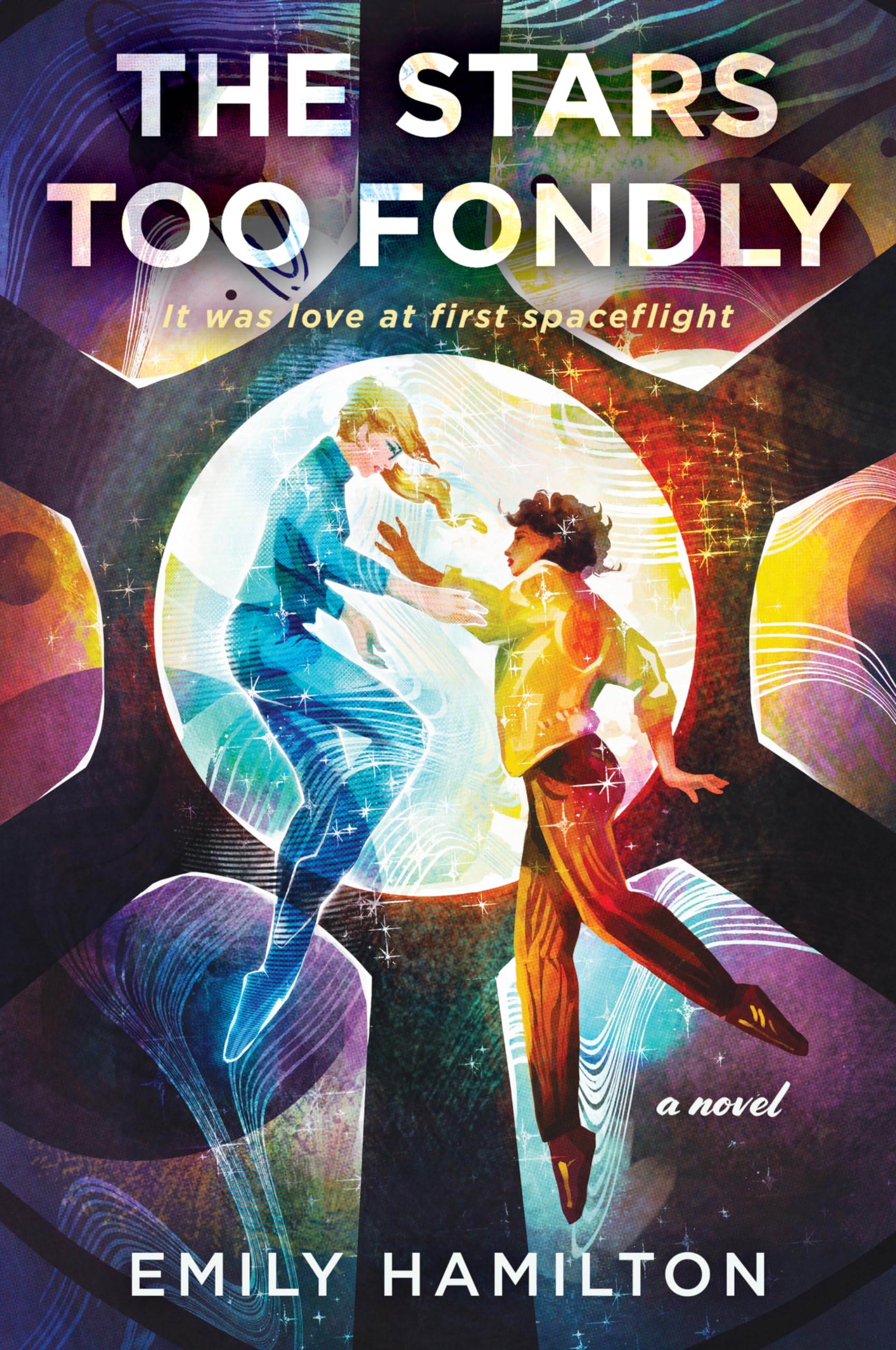
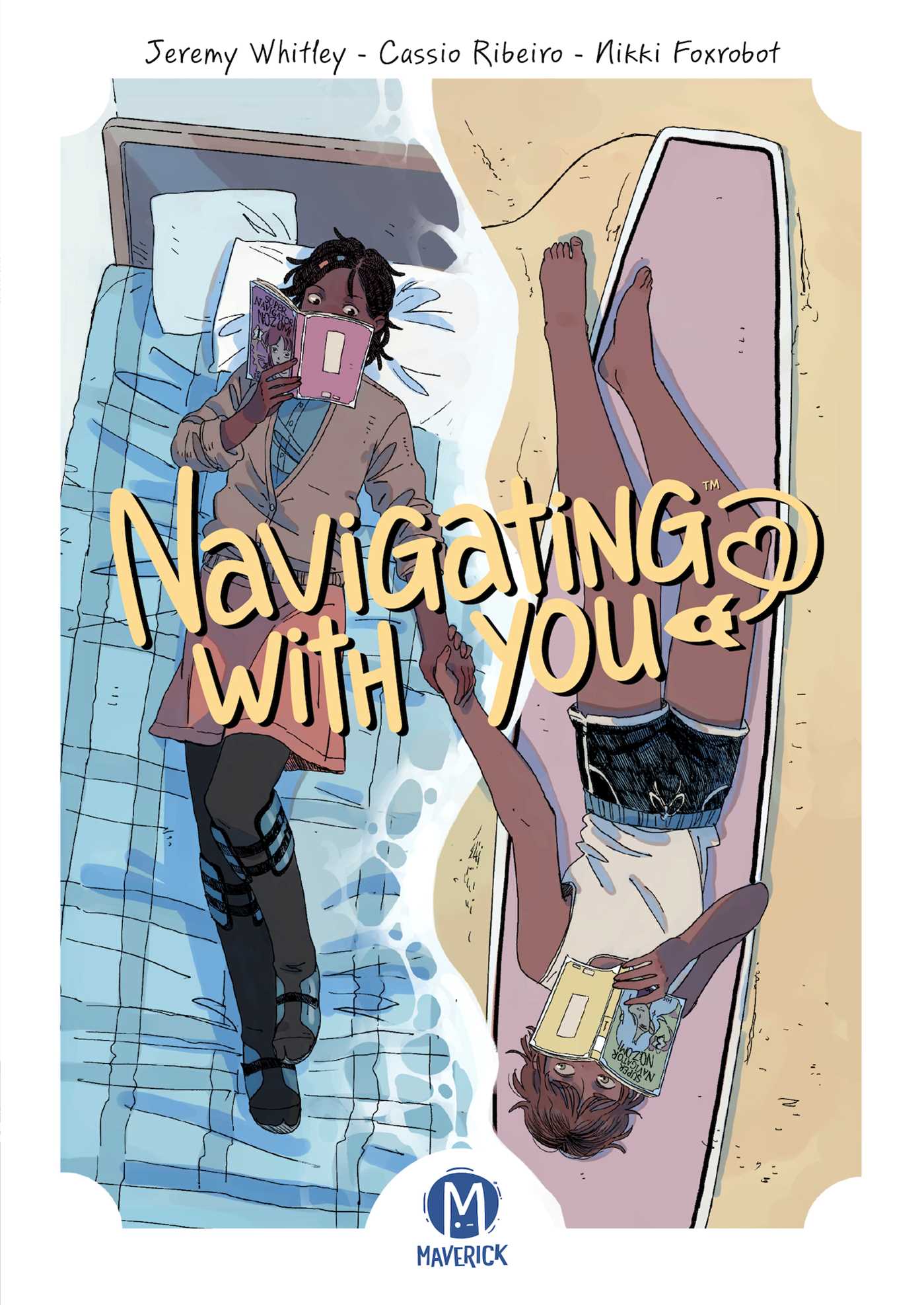
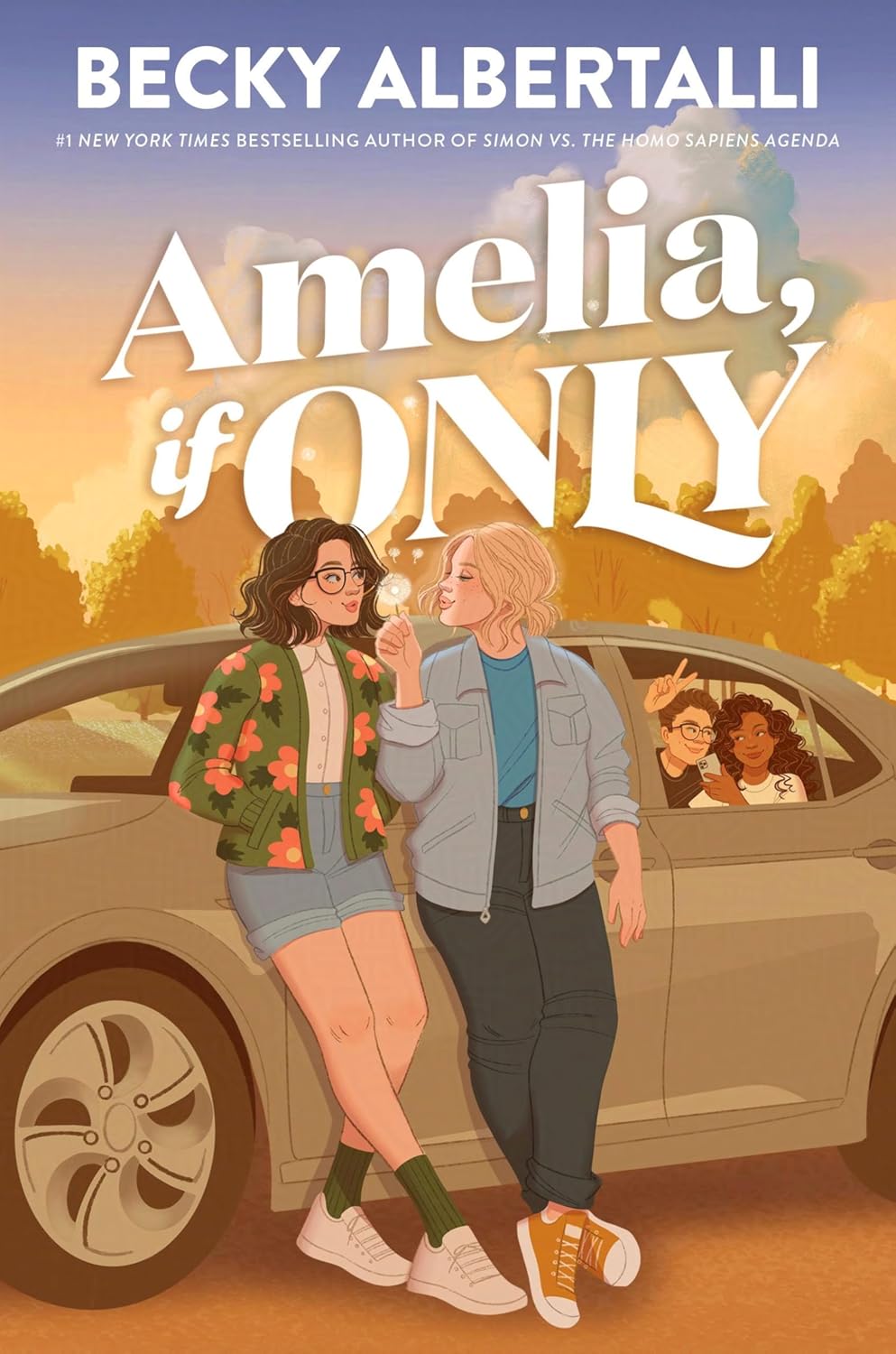
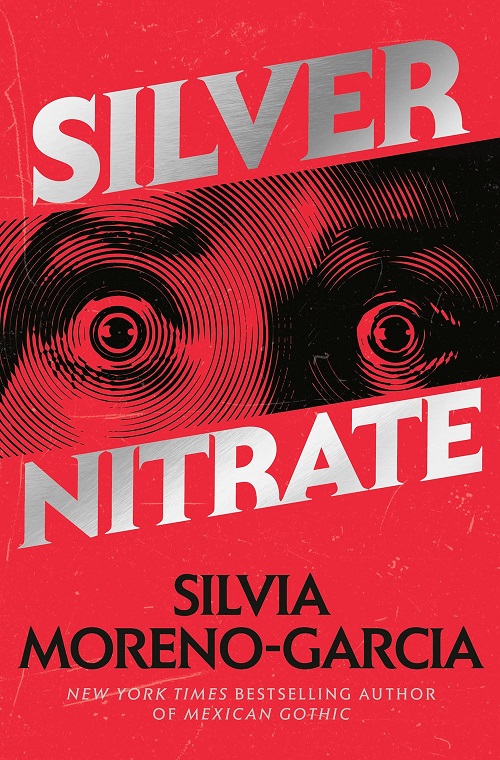
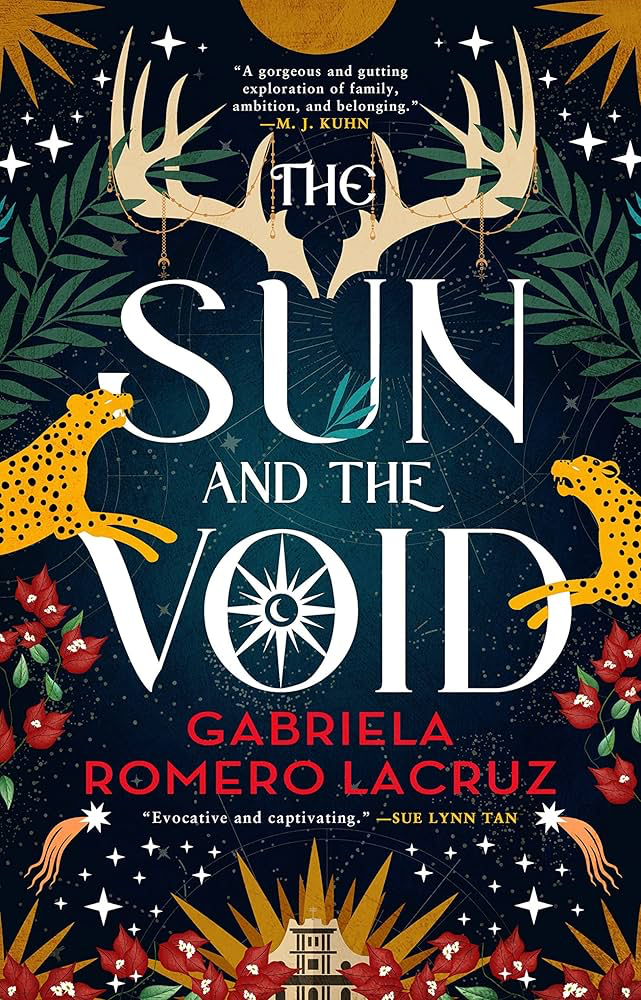
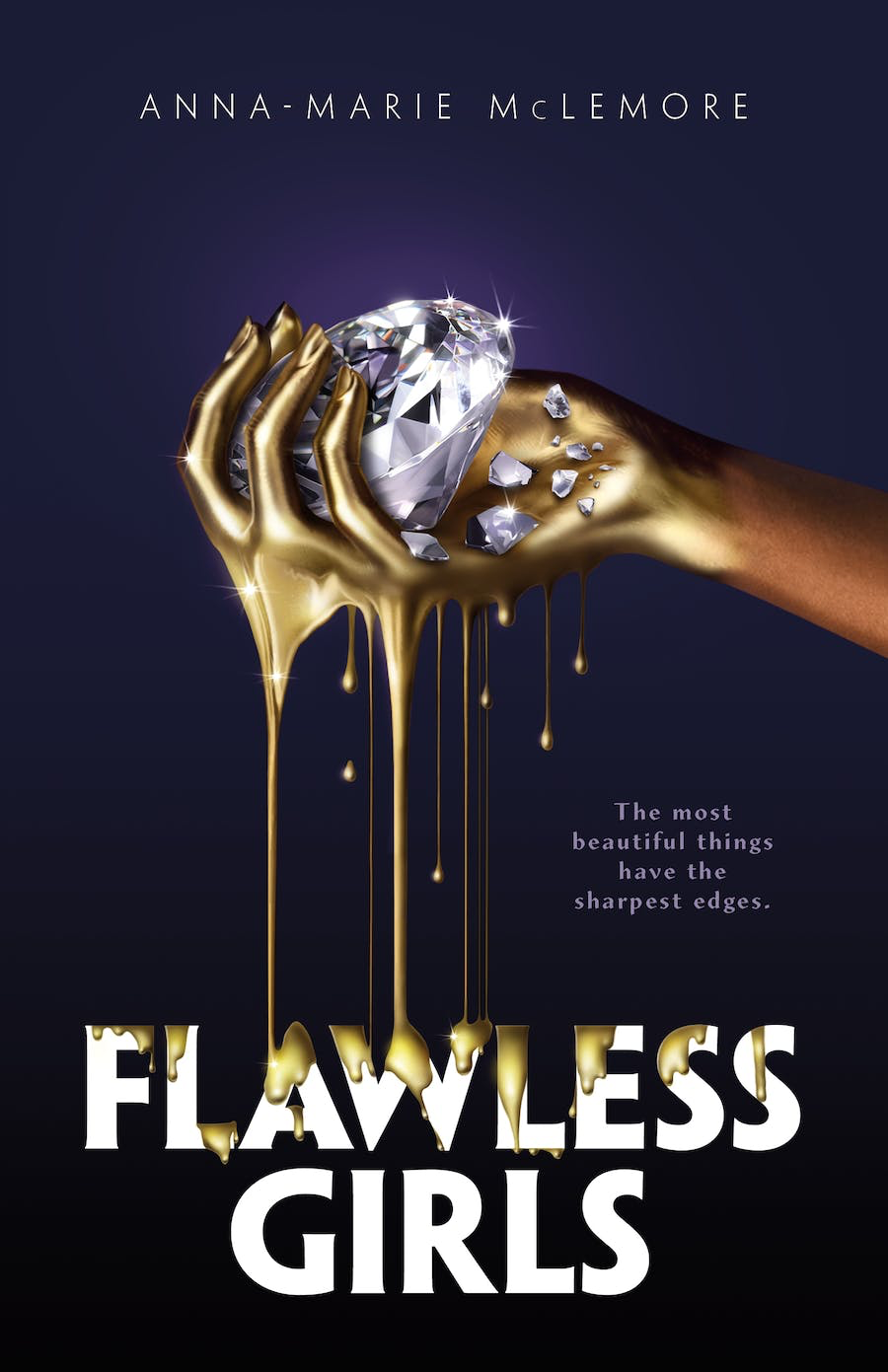
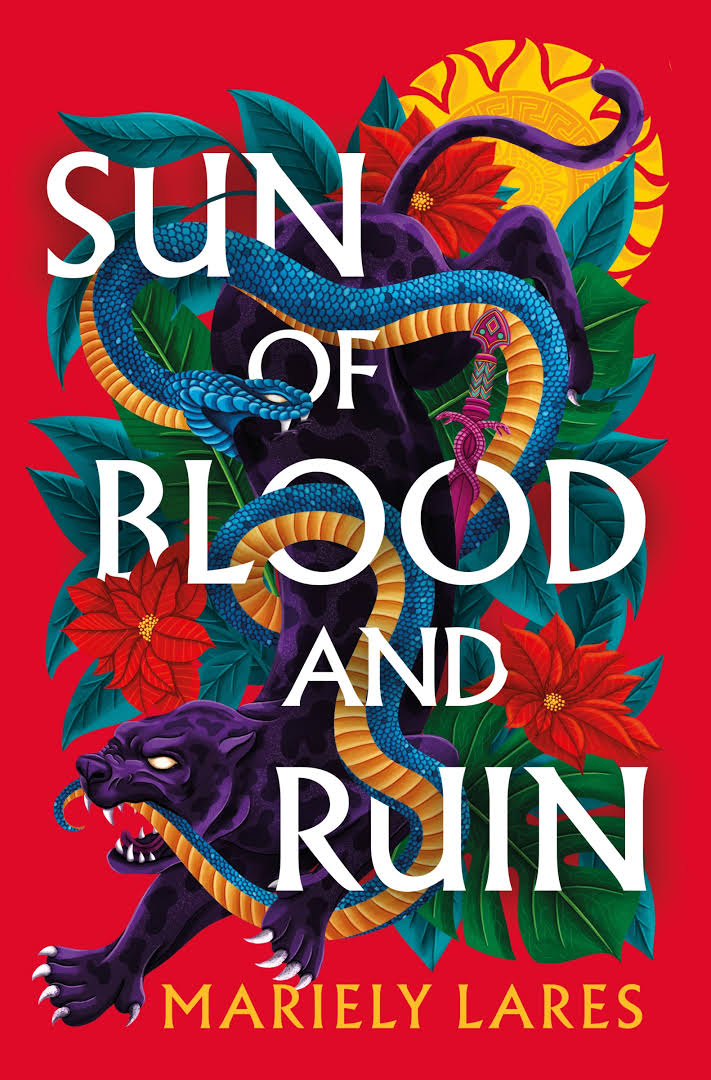
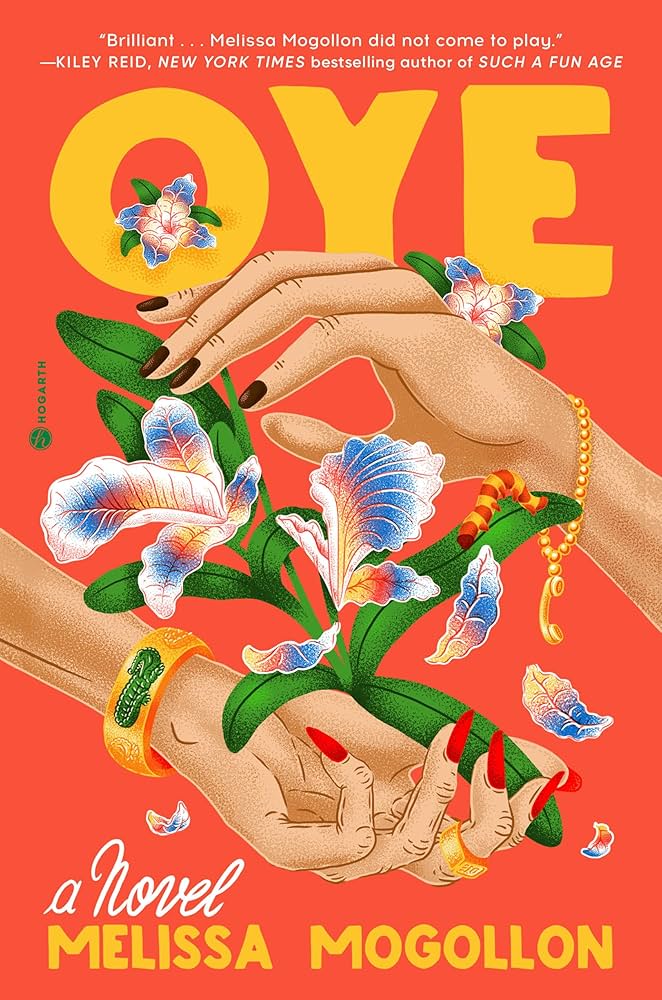
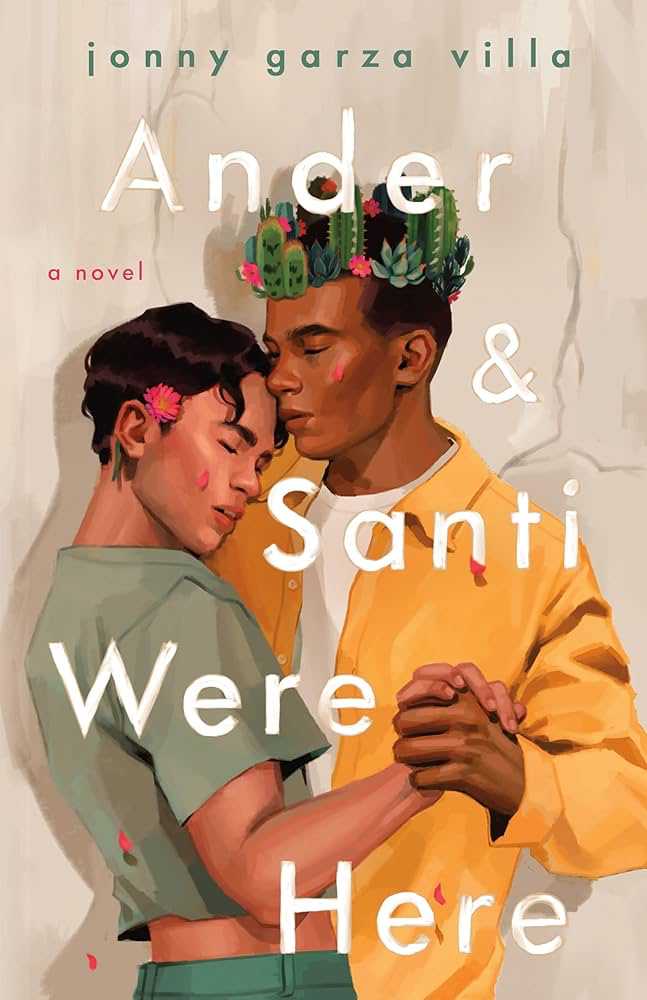
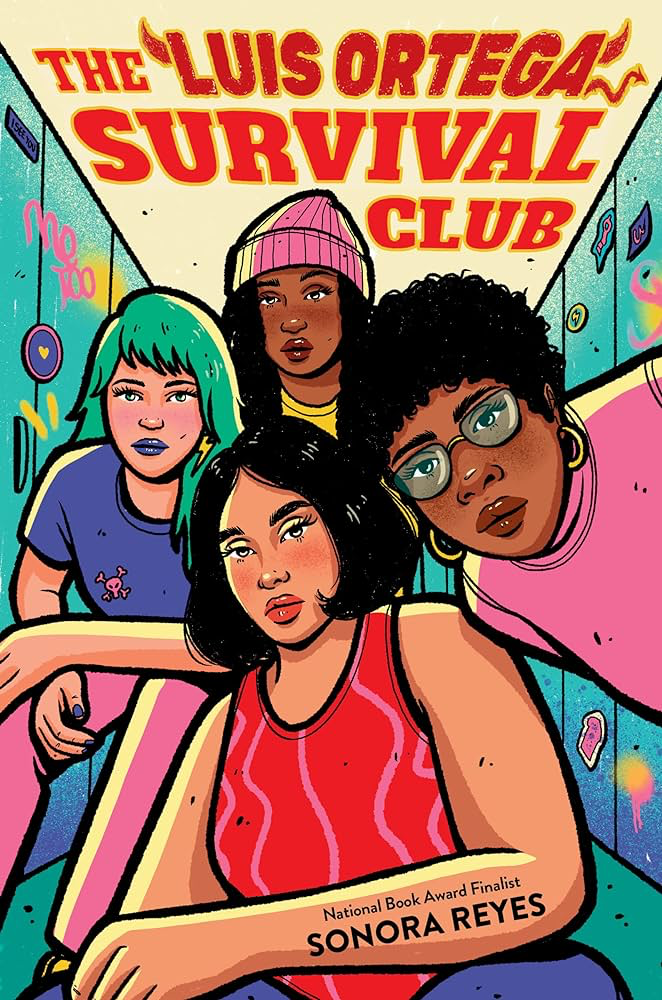
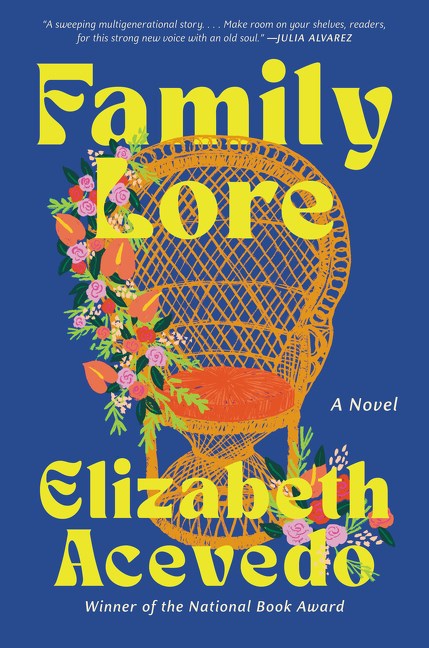
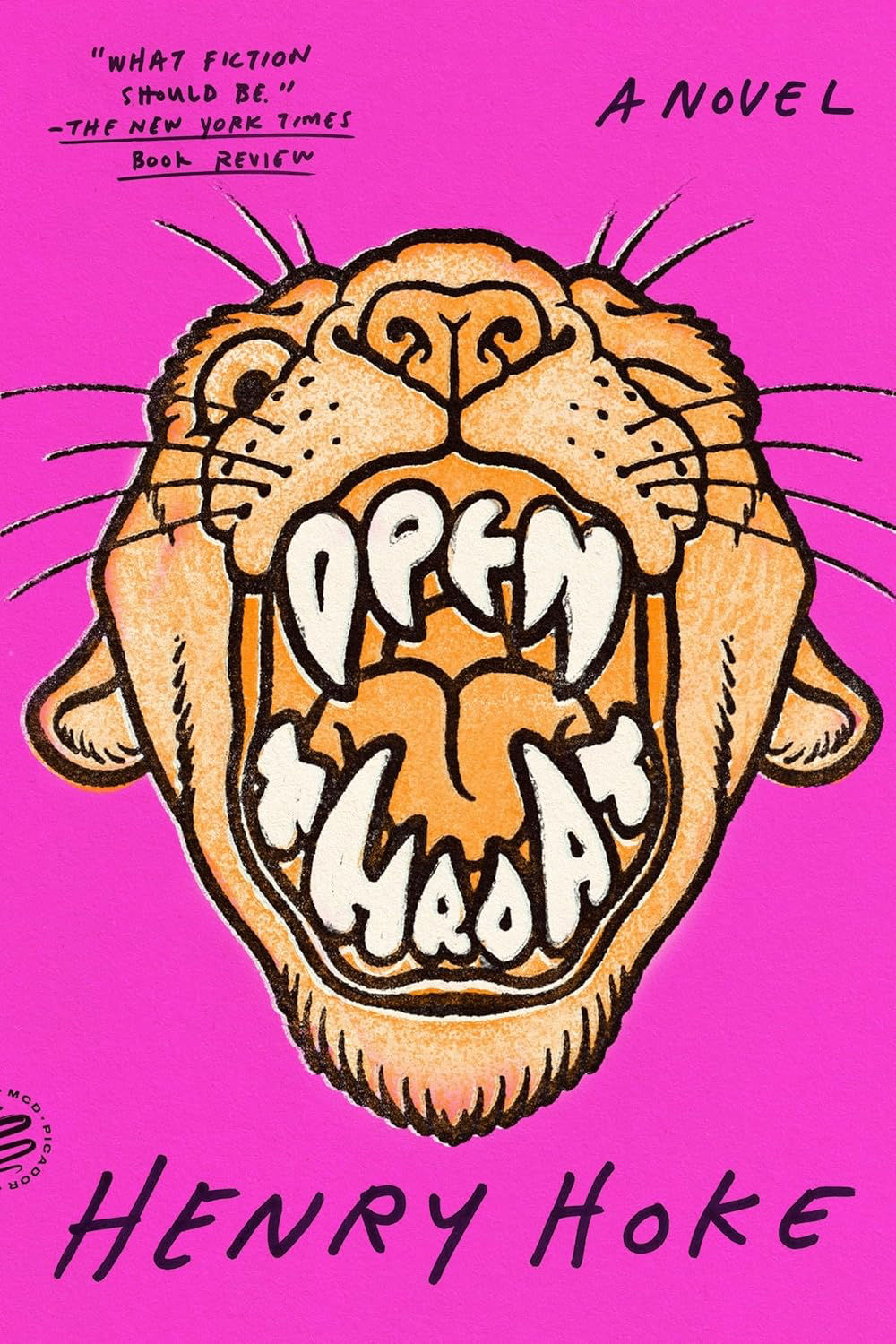
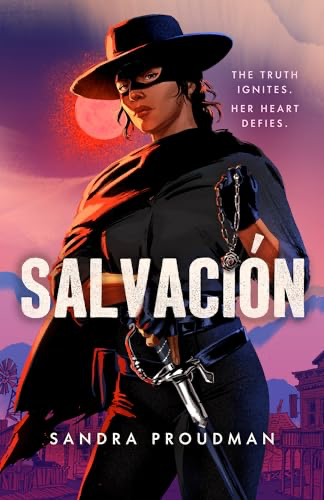
THE BOOKISH MUTANT’S BOOKS FOR NATIONAL LATINE HERITAGE MONTH (2025 EDITION)
TELL ME WHAT YOU THINK! Have you read any of these books, and if so, did you like them? What are some of your favorite books by Latine/x authors? Let me know in the comments!
Today’s song:
That’s it for this recommendations post! Have a wonderful rest of your day, and take care of yourselves!
Once again, I dropped off without warning, so apologies for that. But I just started school and moved into a new apartment, so I haven’t had much time to squeeze in some blogging. (Never mind the fact that I also have a short story due tomorrow and it’s only about 3 weeks into the semester. Whee!) This post has been written in advance, so that’s why you’re seeing it here. Chances are, I’ll probably be radio silent for a little while longer as I get my stuff fully together. But for now, here’s a recap of the latter half of my summer!
Let’s begin, shall we?
GENERAL THOUGHTS:
I’m one of those people who, even in the face of an expanse of free time (summer), easily gets restless and anxious. The solution was there all along…employment. I helped out with some online summer classes, which was a wonderful way to give some structure to my summer and provide something to break up the routine. And when the class ended, I’m proud of myself for committing to not slipping back into my anxiety before school started. When I look back at the person I was a year ago…well, I want to give her a hug, first off, but I’m so proud of the progress I’ve made since then. Anxiety really had taken ahold of me, and little by little, with the support of my wonderful family and friends (thank yous are due) and the work I’ve put in, I’ve been learning to take the reins back. There’s no feeling quite like seeing measurable progress in yourself. It’s worth it to try, is all I’m saying.
My obligatory temperature check on American politics might be pointless at this point, as the thermometer reached its hottest point long ago and the glass has all but shattered. I’d prefer not to dwell on it much. As a birthday treat, I stayed off the news for the whole week, and I’m continuing the streak. Some days the spirals get me, but I’m fighting like hell to make sure that they don’t take my sanity away and make me vulnerable to complete, utter helplessness. All I can say is for everyone to take care of yourselves. I love you. My heart goes out to everyone, but especially those in Washington D.C., Minneapolis, and Chicago.
And oh my god…I guess when I’m doing these 2-month wrap-ups, I forget that so much can happen in 2 months! Crazy, right? Superman? A massive ray of light in a dreary landscape of gritty superhero movies. Hope is punk rock. Saving squirrels is punk rock. (If anything, see it just to see Nicholas Hoult seething after Superman saves some kids.) Fantastic Four: First Steps? The first MCU movie I’ve enjoyed—genuinely enjoyed—in years. The world needed all that Silver Age goofiness (and Cousin Thing). I had the immense privilege of seeing Wilco twice, and both nights were spectacular! And Car Seat Headrest…I’ve already rambled enough about it. I crode. (See my accounts below scattered amongst the various July Sunday Songs posts.) I dyed my hair another crazy color. I finished knitting a whole scarf yesterday. I played guitar, I drew, I read, I wrote…I’m trying everything to keep the art in my life, even if only a smidge every day.
And I took another trip around the sun. I feel so grateful to be closing another chapter and starting a new one. I don’t want to jinx it, but I have a feeling that my senior year of college (how the HELL did that happen?? 😭) will be a good one. I’ll try to approach it in the same way that I’ve approached decorating my new place: putting in the work to making a space that I love. If anything, I ended August celebrating my birthday, laughing and eating cake, surrounded by people who I cherish. I have to remind myself, always, that even if I don’t see it, that I’m surrounded by love.
JULY READING WRAP-UP:
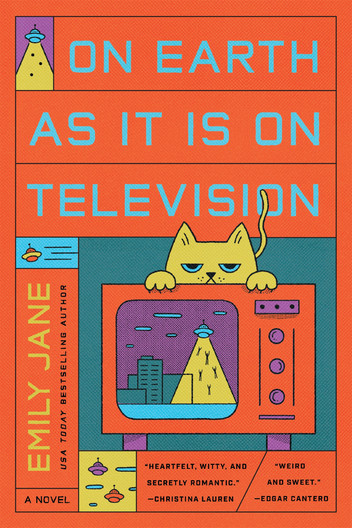
I read 16 books in July! Though there were a handful of misses, I read a ton of fantastic books for Disability Pride Month. The last book I read this month (On Earth As It Is on Television) unexpectedly blew me out of the water.
I read 14 books in August! Thankfully, I only read two books that I really didn’tcare for, and there were tons of wins throughout the month: monsters in space, a surprisingly emotional story about sea monsters and Pokémon-obsessed children, and the great Brian Eno.
Another Björk album down! I was highly anticipating listening to Biophilia from the sheer conceptual layers of it; though the original app is now defunct, it still exists as a glittering piece of music and science education, reuniting our understanding of the sciences with the emotion that was always inherent to it. Whether it’s the structure of our genes (“Hollow”) to the phases of the moon (“Moon”), the ability Björk has to weave personal narratives of the rocky parts of healing with the natural processes of the world never ceases to astound me. Admittedly, Biophilia took me another listen around to fully get with it, but that’s mostly because being stuffy and lethargic from a nasty cold whilst the Amen break comes hurtling at you at 90 mph isn’t ideal. The artistry of…well, every single music video of the album never ceases to astound me. It would be easy for the concept to supersede the actual contents of Biophilia, but Björk never fails to pull the rug out from under me every single time. GOD.
“Virus” was one of the most delightful tracks from the album, so gentle, yet carrying a sinister undertone. Wreathed in tinkling chimes and gameleste, it uses a virus as a metaphor for a parasitic, one-sided relationship: “Like a virus needs a body/As soft tissue feeds on blood/Someday I’ll find you.” The virus motif sings sweetly, with Björk’s vocals as delicate and crystalline (no pun intended) as the icy instrumentals surrounding her, reminiscent of Vespertine. It makes itself indispensable (“Like a flame that seeks explosives/Like gunpowder needs a war”) as it sucks the life from its host, but never betrays its true intentions. Everything is hidden under the sweetness—as things tend to be in parasitic, codependent relationships, if we’re taking the more literal route with it. Even when she takes on the persona of a virus slowly killing a host, Björk’s vocals have never sounded more emotive and warm, only getting richer with age, something that time has proven since 2011. Though she uses that same voice to portray much more genuine and non-parasitic feelings throughout Biophilia, the beauty of her voice never ceases to entrance me, no matter the narrative delivery and what it’s hiding—which is exactly the point. It’s intoxicatingly sinister.
Nearly five months after Forever Is a Feeling came out (and about a month after Lucy Dacus got a license to start marrying people onstage…what a queen), I’ve cooled down slightly from the initial disappointment, even if only a few degrees. I still hold that it’s her weakest and most commercial album, but at the end of the day, it’s a Lucy Dacus album, and knock on wood, I’ve never encountered a bad Lucy Dacus album. I’ve warmed up much more to “Bullseye,” but most of the other tracks I wasn’t a fan of on the first listen have remained the same for me.
But not long ago, Dacus released two extra tracks that were meant for Forever Is a Feeling but were ultimately cut from the album. REJOICE!! She said that “Bus Back to Richmond” didn’t fit with the rest of the album, but to me, replace some of the weaker tracks with this one, and the album would’ve been more memorable. Though it falls instrumentally into the more introspective, acoustic side of her discography, “Bus Back to Richmond” is a soft, wintry ramble through missed opportunities and sparkling promises of the future. Dacus’ poetically observational lyrics shine in this one, from her descriptions of the “watercolor fireworks” bursting on New Year’s Eve and “eight of us left to the floor and the bed/and the futon that sunk in the middle.” In Christmas light-dappled vignettes, she paints with startling tenderness the coalescing of a future romance, the moments that slowly merged together to form something gleaming in the not-too-distant distance. Even in the heat of August, it feels like a woolen blanket wrapped around you as you stare at the embers of a crackling fire—the perfect winter song for summer.
…AND A BOOK TO GO WITH IT:
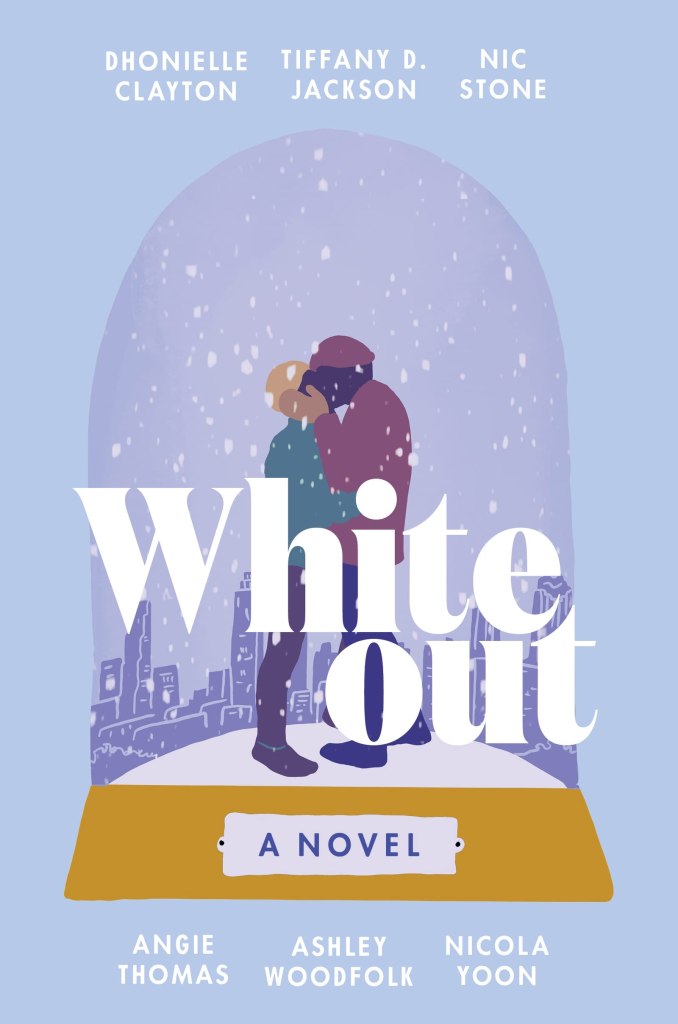
Whiteout – anthology – intertwining love stories that all converge in a record-breaking blizzard.
New music from IDLES is always a welcome thing, but granted, it was quite disappointing that it was from the soundtrack for, of all things, Caught Stealing. I saw the trailer before seeing Superman (which was as wonderful as everybody has been saying it is. HOPE IS PUNK ROCK! I think Superman would love IDLES), and it basically just looked like a vague “punk rock” pastiche involving a slightly terrifying looking Matt Smith and a vague plot involving Austin Butler battling a bunch of ethnic stereotypes for…uh, reasons, I guess. Regrettably, the punk aesthetic fits with IDLES’ sound, and I hate to see them involved with something that looks so downright stupid, but…they do kind of fit the vibe.
“Rabbit Run” is one of four songs that will eventually appear on the soundtrack of Caught Stealing. Though it doesn’t seem to fall into the Arcane curse of “movie/TV soundtrack songs whose lyrics blatantly regurgitate whatever plot points they’re paired with,” it still feels restrained for IDLES; despite how cagey the lyrics are, it feels relatively free-flowing until the chorus kicks in. But the layers of Nigel Godrich-sounding production give it the perfect middle ground between slick and gritty, as do Joe Talbot’s vocals. The lyrics are certainly weaker than the typical IDLES far (“Beat you slow like your padre/Got you running like a jailbreak”), but when “Rabbit Run” hits the spot, it feels like the perfect score for high-octane chase scene, and a worthy display of Talbot’s vocal range.
…AND A BOOK TO GO WITH IT:
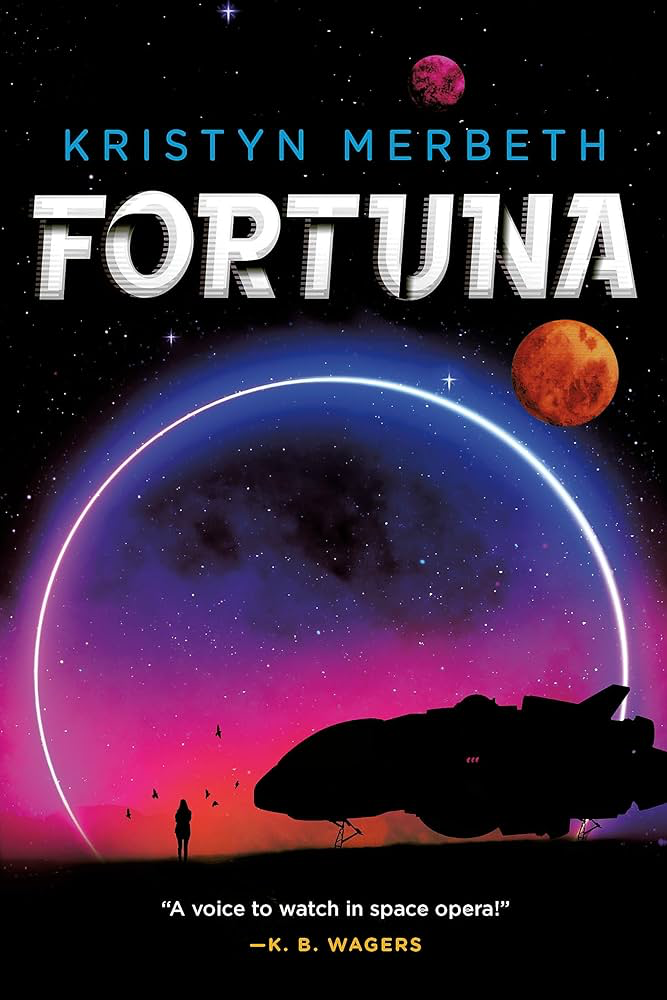
Fortuna – Kristyn Merbeth – “Make way for collateral damage when I’m bored/Pick the scab on the arm of the beast til it’s ravaged when I’m bored/Oh so many things to do or not do when I’m bored…”
Today on “Madeline won’t shut the fuck up about Brian Eno,” we’re going back to the glammier days of the early ’70s. But in the case of this song, “glammier” feels like a misnomer, even though it’s placed both directly in the heyday of glam rock and Eno’s own heyday of his brand of glam rock. If it’s glam, it’s the zenith of uptight glam—it has the texture of touching guitar strings that are one wrong move away from snapping in half. It’s been wound up so severely that for all of nearly five minutes, it remains in the liminal space milliseconds before the tension breaks. With a thrumming bassline from Brian Turrington being the most freeform part of the song, every other part of “Third Uncle” is the music equivalent of squishing as many objects as possible into a box that will barely fit all of them—everything’s under the lid, but the seams are bulging. In the right mood, it’s energizing, and in the wrong mood, it’s borderline anxiety-inducing. To me, though, that’s proof that Eno’s rock experiment worked exactly as he calculated it: it’s an exercise in tension without release, only hints of freedom once the guitar swerves in one direction or the other. Even Eno’s nonsensical lyrics—a laundry list of items, some of which are burned—are uttered with the urgency of someone passing a secret code along through a burner phone.
Through this song, it’s easy to see just how much Eno’s influence spread. We mostly hear of Eno’s pioneering influence in the fields of glam rock, post-punk, and ambient music, but “Third Uncle” practically had a shockwave effect when it came to the early goth bands of the ’80s, starting in earnest after Bauhaus covered the track in 1982. It feels looser and less claustrophobic than the original, but it contains all of the trademark roughness around the edges carried over from Eno and into the grimier catacombs of what had just become goth. They achieve a balance of being hurriedly frantic (weirdly, I can hear the urgency of “It’s The End of the World As We Know It [And I Feel Fine]” in Peter Murphy’s vocal delivery) and yet mistier than looser than their forefather (or fore-uncle?), resulting in a rare cover that reinterprets the original way that somehow feels true to its original spirit.
“mangetout” starts at about 3:59 in this video, but the whole Tiny Desk Concert is worth a watch!
I’m late to writing about moisturizer in whole by about a month; for me, it’s not making my hypothetical 2025 best-of list, but god, it’s such a fun album! Wet Leg have gotten even more energetic with their sound, never quite pushing the boundaries of their previous musical landscape outwards all the way, but introducing enough novelty to it that it feels fresh. It’s a perfect summer album with its glistening production and shouted lyrics. And honestly, anyone who shoves Oasis out of the #1 spot on the charts has an immediate seal of approval from me. Somebody had to humble those clowns.
Even though I’d already had a preview of “mangetout” from their Tiny Desk Concert, released days before moisturizer came out, for me, it represents the melding of where Wet Leg once was and where they are today. The lyrics could’ve come straight out of their self-titled debut, and though, admittedly, they’ve written this song in some variation at least four times, they always manage to keep it fun, whether it’s with the gleefully shouted end of the song that snaps away just before devolving into chaos, or the blatantly obvious but still hilariously random inclusive of the name “Trevor” just to rhyme with “clever.” (It’s a dirty job, but someone’s got to do it.) Of course, I know maybe…ten words tops in French, so I fully just thought they’d mashed together “man get out” into a single word, but as one of the comments says on this Tiny Desk, “there was always going to be someone to be first on the moon, and there was always going to be someone to be first to realize that the French word for sugar peas was spelled ‘man, get out.'” If anyone was to be trusted to deliver this knowledge accordingly, it’s Wet Leg.
…AND A BOOK TO GO WITH IT:
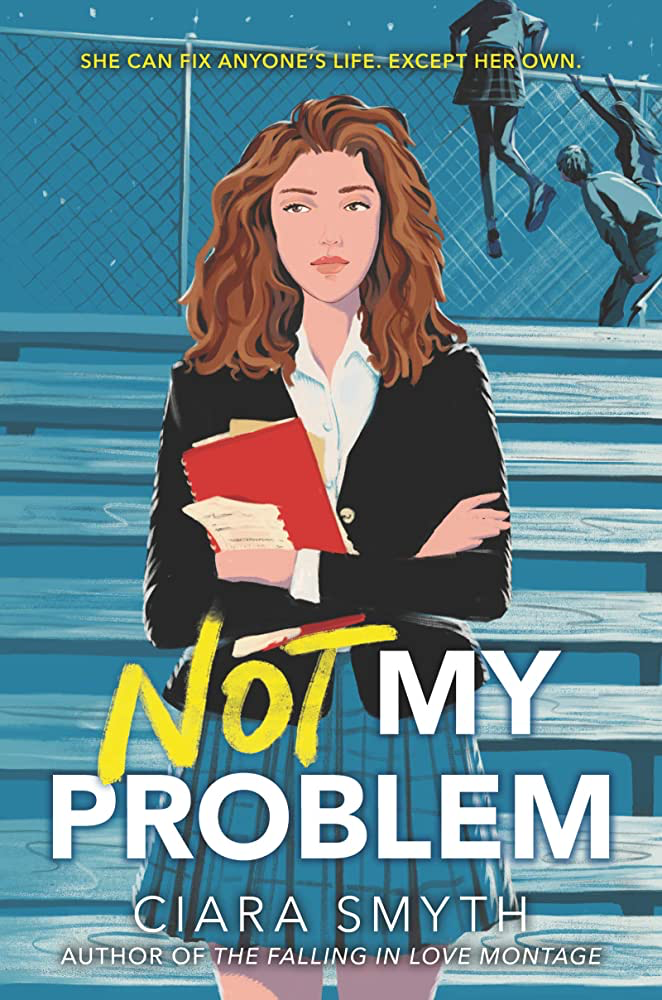
Not My Problem – Ciara Smyth – “You think I’m pretty cruel/You say I scare you?/I know, most people do/This is the real world, honey…”
Since this post consists entirely of songs, consider all of them to be today’s song.
That’s it for this week’s Sunday Songs! Have a wonderful rest of your day, and take care of yourselves!
Happy Tuesday, bibliophiles! Apparently today marks ten whole years since I started with this blog…granted, it was a pretty far cry from what it is today, but it’s a marvel that I’ve kept it going for this long. Thanks for tagging along, everyone! 🫡
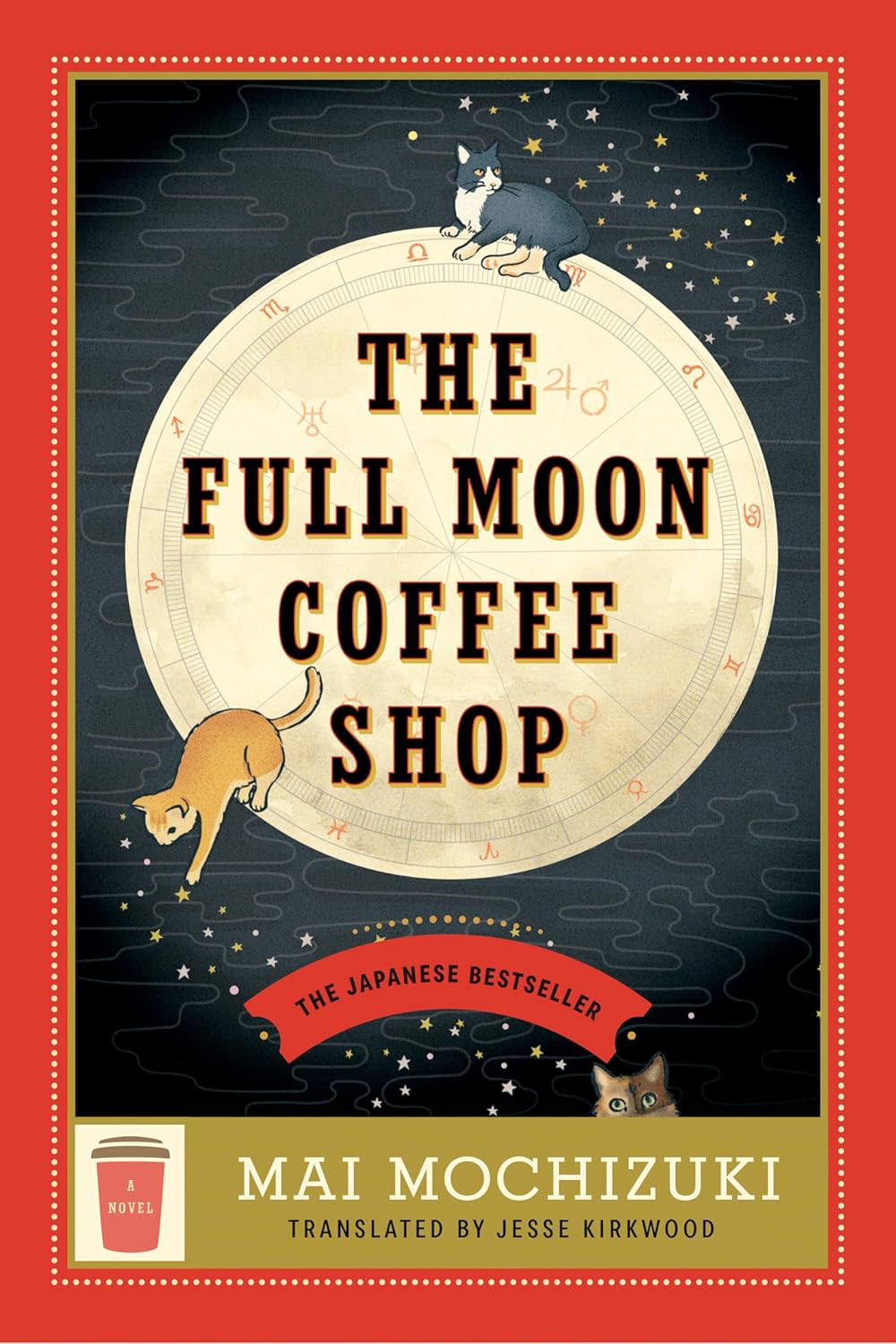
In my ongoing quest to read more translated books, I’ve stumbled upon a lot more Japanese books about cats than I anticipated. Granted, they’ve varied greatly, but it’s a pattern. Not that I’m complaining—I’ll read most anything involving cats! Which is partly why I decided to read The Full Moon Coffee Shop. It sounded downright whimsical, and to some degree it was, but ultimately, that quality was dulled by the formulaic nature of…well, pretty much everything else.
The Full Moon Coffee Shop is no ordinary café. It only appears during the night of the full moon. Its waitstaff are talking cats, and you can never order what you want—they only serve you what you need. And if you find yourself in the Full Moon Coffee Shop, you’re in need of direction in life. Weaving together the interconnected stories of five unlikely strangers, the Full Moon Coffee Shop may be the answer to their burning questions—and the healing they desperately need.
TW/CW: cheating/affairs, sexism, grief
One of the biggest letdowns in reading: finding a book that seems super cute and whimsical, and then said whimsy is there in name only. You can’t just give us an incorporeal coffee shop manned by talking astrologer cats and then be so unconvinced by your own whimsy! God.
The worst thing that a cozy book can be is preachy. Having a low-stakes novel centered around life lessons, healing, and character growth doesn’t mean that you have to have a Learning Moment™️ worded like a PSA every few chapters. It’s a pitfall that’s easy to fall into with cozy fiction, but it’s one that takes away the magic for me. For novels that are meant to be about taking quiet moments that are often taken for granted and giving them more weight and value to the narrative, having everything explained to you seems so contrary to what “cozy” means to me. I just resent books that try to show character development decently, and then ruin it all by assuming that the reader doesn’t have the capacity to figure out what just happened and regurgitating it word-for-word. This was the main problem with this novel—it assumed so little of the reader and spelled everything out in the least subtle way.Every chapter of The Full Moon Coffee Shop pulled a “And what did we learn today, kids?” moment at the end without fail, and it just got so tedious so quickly. It just felt so preachily worded and repetitive, dulling any emotional impact this story could’ve had.
I feel so conflicted when talking about the writing of The Full Moon Coffee Shop. I read it in translation, so I really don’t know who’s to blame for the quality of the writing. I don’t know if Mai Mochizuki’s original text was dryly written to begin with or if Jesse Kirkwood’s English translation somehow dulled some of Mochizuki’s writing style and rendered it blander than before! I have no clue! Gaaaaaaaah! In any case, The Full Moon Coffee Shop was written so stiffly for a book that billed itself as so whimsical. The characters’ inner monologues all feel very rote and one-note and there’s hardly any sensory descriptions to immerse the reader in the setting. The writing let me down the most when we were introduced to the coffee shop itself, the most unique part of the novel; while I enjoyed the concepts of everything, from the celestial-themed desserts to the talking cat waitstaff, it was all described with the sparsest possible detail, the bare minimum word count to get the reader to visualize a new image. The Full Moon Coffee Shop is a slim novel, so it’s not like more detailed descriptions would’ve made it overly long—I was barely immersed in both the real-world and magical settings. The same can be said for the characters, who were barely developed beyond a problem they needed solving. The writing just felt like the bare minimum of describing…well, everything.
For me, one of the main issues with The Full Moon Coffee Shop was just how formulaic everything was. I had the same issue with What You Are Looking For is In the Library, a similarly cozy book about finding direction in life, but in that case, the stories were so repetitive and short and seemed to be saying the exact same thing, so my patience ran thin much earlier than with this novel. Once again, cozy doesn’t necessarily mean predictable—it should mean something that’s low-stakes, not repetitive. The Full Moon Coffee Shop felt like hearing the same story three times over; character is dissatisfied with life, character discovers coffee shop, character gets their natal chart read, character has a revelation and magically figures out how to fix their life. Rinse and repeat for 200 pages. You can see how tired that got. I appreciated that Mochizuki at least attempted to switch things up for the last story, but it didn’t do much to my interest in the story. All that changes is that it’s framed through the characters thinking that the coffee shop experience is a dream. Sadly, that amounted to little more than a perspective change and a switch to a handwritten font. It just got so repetitive and boring after a while, and even though the stories focused on different problems, Mochizuki rarely had anything new to say.
I hadn’t read a ton of reviews of The Full Moon Coffee Shop going in, but it seems a lot of people had problems with the heavy emphasis on astrology. The presence of astrology in and of itself wasn’t an issue for me, but it was more how said astrology was woven into the novel that got on my nerves. “Woven” is a generous word—even as someone who’s at least sort of into astrology, I felt absolutely sledgehammered over the head with every minute detail of it. After a certain point, The Full Moon Coffee Shop just became Astrology for Dummies. You know that meme of the kid pretending to read the Bible, but there’s a Minecraft book peeking out of the Bible? That’s what it felt like. It’s less of a novel and more somebody talking at you about the natal charts of complete strangers for 200 pages. I guess it might be beneficial to assume that your reader doesn’t know much about astrology, but Mochizuki got so bogged down in explaining every minute detail of every character’s astrology that the real meat of the story got lost. For me, it took away from the heart of the story, which should’ve been getting insights into the characters and their healing journeys. I feel like astrology easily could’ve been a fascinating aspect of the novel if not for how unsubtly it was shoehorned in—there could’ve been a chance to give it some narrative significance rather than spending 50 pages explaining astrology to the reader like they’re 5 years old.
Despite the formula of The Full Moon Coffee Shop getting on my nerves, I at least appreciated some of the messaging that the cats gave to the characters on how to fix their lives, particularly in the second chapter. However, the advice that the cats gave Mizuki seemed downright weird. I get that she’s not having success in her career, but the cats telling her to get with the times and not write what she loves just seemed so odd to me. There could’ve been something so poignant about success not being everything and her failures only being a small part of her career, but the cats were just talking to her like they were corporate executives telling her to be hip with the kids! Not only did that rub me the wrong way, the story itself seemed to refute the cats’ advice as well. Mizuki ends up finding success when she injects her signature style into a project that she was only doing for the money, thereby finding success in being herself and putting her own personal spin on things! Crazy concept! So why even have the cats tell her that in the first place, if that’s not even the lesson that the novel leads us to believe that Mizuki takes away from it?
All in all, a cozy novel that billed itself as tender and sweet, but ended up being unsubtle, preachy, and unconvinced of its own lessons. 2 stars.
The Full Moon Coffee Shop is the first in the Full Moon Coffee Shop series, followed by Best Wishes from The Full Moon Coffee Shop. Mai Mochizuki is also the author of the Holmes of Kyoto series.
Today’s song:
That’s it for this week’s Book Review Tuesday! Have a wonderful rest of your day, and take care of yourselves!
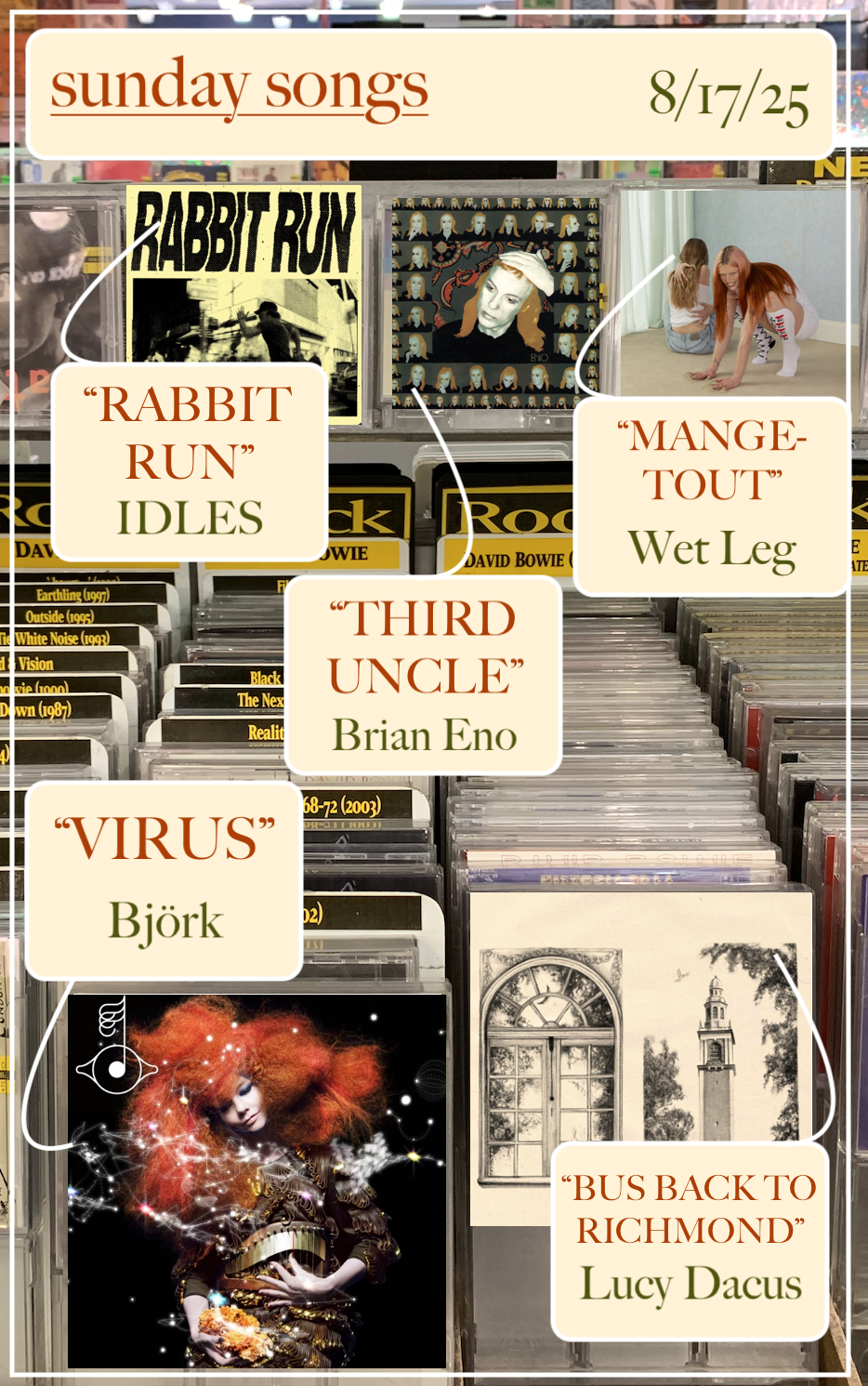
Happy Sunday, bibliophiles! I hope this week has treated you well.
This week: a David Bowie double feature (who could’ve seen that coming?), upcoming artsy albums, and more reasons why I really just wish I had dual British citizenship, because apparently all of the good music related stuff happens exclusively in the UK.
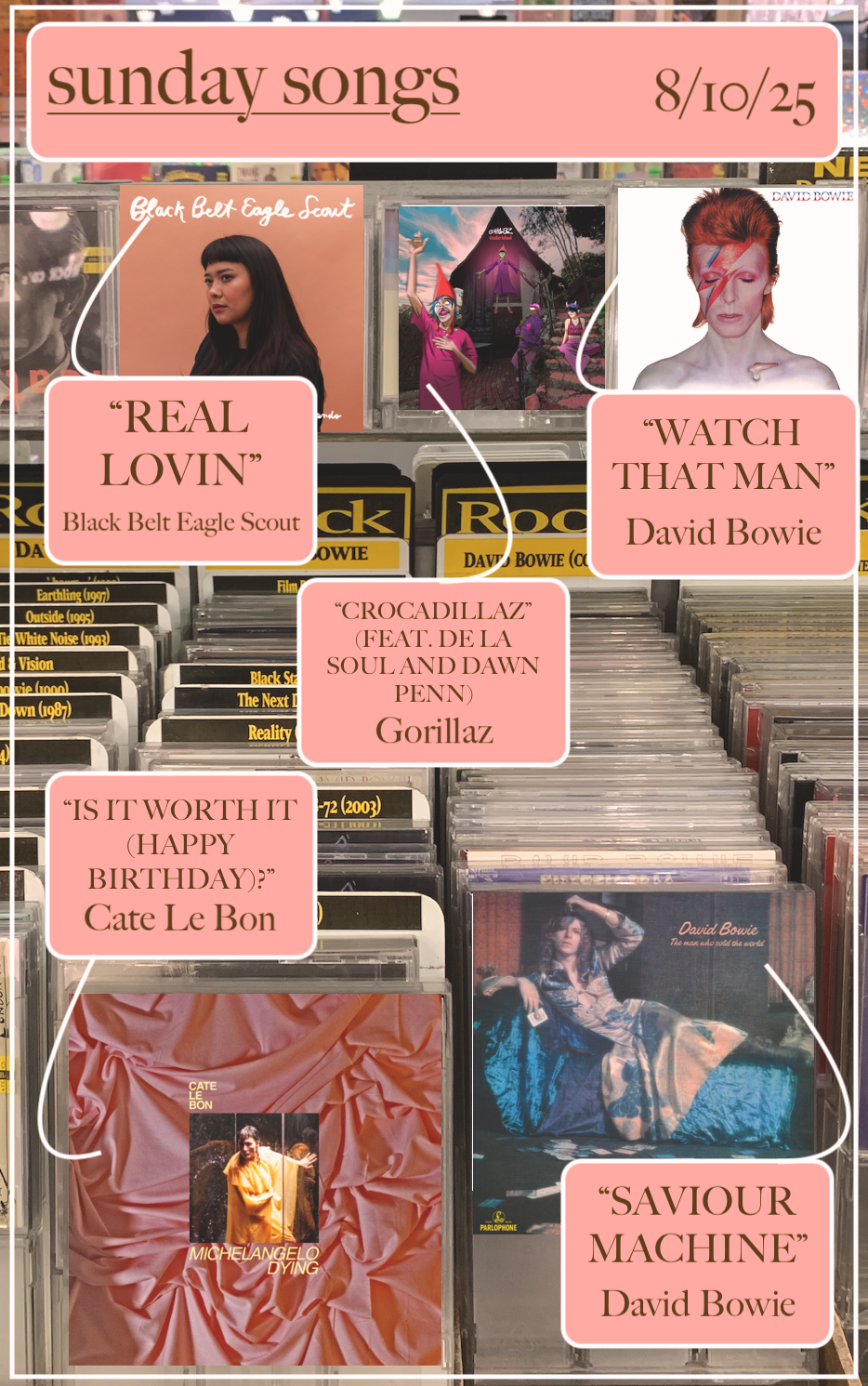
I could really do with some more restrained excitement about Michelangelo Dying, but…these singles just aren’t letting me do it! They’re both so enchanting! I can’t get enough!! I’m really hoping they’re not the best of the bunch, but I have faith that Cate Le Bon has something quirkily artsy up her sleeve, if this and “Heaven Is No Feeling” are any indication.
“Is It Worth It (Happy Birthday)?” takes the palette of the album down a more subdued, melancholy route than “Heaven Is No Feeling,” trading the former’s synthy strut for glassy-eyed introspection. But even with the thematic shift, Le Bon’s signature modern touches are there. Awash in fizzling, electronic textures, this track is an outstretched bolt of lavish fabric, much like the pink background of the album cover. Silky and watery, it makes every instrument feel like it’s been drenched in sunlit water, from the gentle, barely perceptible bass to the saxophones. I’m not usually this big of a fan of saxophones, but the way Le Bon utilizes them, more for added sonic texture than for dramatic solos, make her world even more layered and delectable to pick apart. It’s distinctively her, but I can’t help but think of the dense, dreamy soundscapes of the Cocteau Twins when I listen to it. (“For Phoebe Still A Baby” jumps out in particular.) Yet drama is what this song quietly thrives on, as the lyrics muse on trying to make light out of abject sorrow: “Open up in hell/And dress the hall/It’s a holiday/It’s a birthday/Is it worth it?/Is it worth it?” The lyrics nearly get swallowed by the sheer magnitude of sounds woven into the production—including the signature, lilting cadence of Le Bon’s voice—but it almost seems exactly her intention. It feels both mean and inaccurate to call any of it window dressing, but next to the lyrics, all about trying to laugh heartbreak away and pretend it’s something that it’s not, it feels like exactly the kind of shrouding she’s singing about. At the end, she laments that she’s “Checking out/Even with my language in him,” just as the listener tries to extricate her from the vibrant sea of sound she’s crafted to shield herself. It’s easy to get washed away in, and if the rest of Michelangelo Dying is anything like this, I’ll be gladly losing myself in it come September.
“David Bowie predicted ChatGPT” would’ve been a good headline for this post, but as much as I love him, he was far from the first to ponder about AI. But really…this song does basically predict ChatGPT, and in this song it’s “President Joe” who introduces it to the world, which is kind of a crazy coincidence. Had to do a double take when I first heard the lyrics, for sure. Drawing from much of the sci-fi media of his time, Bowie’s version of AI comes in the form of The Prayer, an AI system introduced by President Joe to make the population’s decisions easier for them, from stopping wars to simply thinking themselves. However, it’s The Prayer itself that calls for its own destruction, going insane after having such decisions weighing on its shoulders and pondering: “Please don’t believe in me/Please disagree with me/Life is too easy/A plague seems quite feasible now/Or maybe a war/Or I may kill you all!” Life is too easy for sure, now that everyone’s trying to flirt and make art and music and go through school entirely with AI. Sorry, but can’t you idiots stop and forgo convenience to experience the tedious pleasures of the human experience? Embarrassing. Jesus Christ. Remember, kids: you can’t stake your life on a savior machine.
“Saviour Machine” rings reminiscent of short stories of the likes of Ray Bradbury, but it also reflects the much darker tone of The Man Who Sold the World. Though it wasn’t like he hadn’t trod into darker lyrical subjects before, going from something like “Uncle Arthur” to an album comprised of insane asylums, the Vietnam War, and gay sex with Satan in the span of three years is a whiplash-inducing left turn for anyone. I don’t think it’s the edginess of the subject matter that makes it feel more mature, but the exploration—The Man Who Sold the World represents a critical turning point in Bowie’s storytelling ability, and he was willing to explore places that he hadn’t explored before, pushing himself out of his typical territory in order to create something wholly unique. It feels to me what he said when he spoke about art: “If you feel safe in the area that you’re working in, you’re not working in the right area. Always go a little further into the water than you feel you’re capable of being in. Go a little bit out of your depth, and when you don’t feel that your feet are quite touching the bottom, you’re just about in the right place to do something exciting.” Darkness was coincidental, and of course, not all of the album is necessarily dark—it was merely territory that he hadn’t scoured before, and that challenge led him to create some of his most innovative work, time after time, album after album. “Saviour Machine” feels like the prelude to that storyteller’s attitude, one that would guide him to untold heights in his career.
…AND A BOOK TO GO WITH IT:
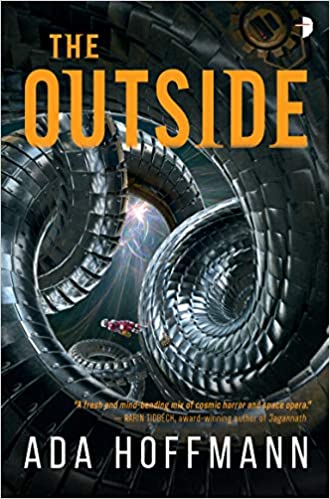
The Outside – Ada Hoffmann – A few centuries in the future, when something like The Prayer gets out of control…
Katherine Paul has a distinctly whispery voice—everything they sing sounds like they’re singing it into a cool breeze. Most of her music pre-The Land, the Water, the Sky suits it perfectly; though she’s become more adventurous with her vocal capabilities later on, a lot of her songs had a slower, softer demeanor that suited the airiness of her voice. But if there’s any song to be characterized by this, it would be this one. I’d forgotten all about “Real Lovin” for years—I initially listened to At the Party With My Brown Friends around five years ago—until it popped back into my shuffle out of nowhere. Though Paul’s voice soars with more volume towards the end of the track, her whisper-singing is perfectly suited to the quiet tenderness of the lyrics: “Now that you can dream/What is it you see/When you wake up in the folds of blankets in your bed/In your room/In your house/By yourself?” It’s the sound of a sliver of dewy light sliding through the slats of shutters in the early morning as you blink away the threads of sleep. Paul’s voice is a comfortable sheet over me as I listen, and she delivers what’s easily the softest, tenderest uttering of “well that’s bullshit” I’ve ever heard in a song. But no matter the intensity, which rises with every passing minute as the instrumentals build up, I never have a doubt that Paul means exactly what she’s saying.
…AND A BOOK TO GO WITH IT:
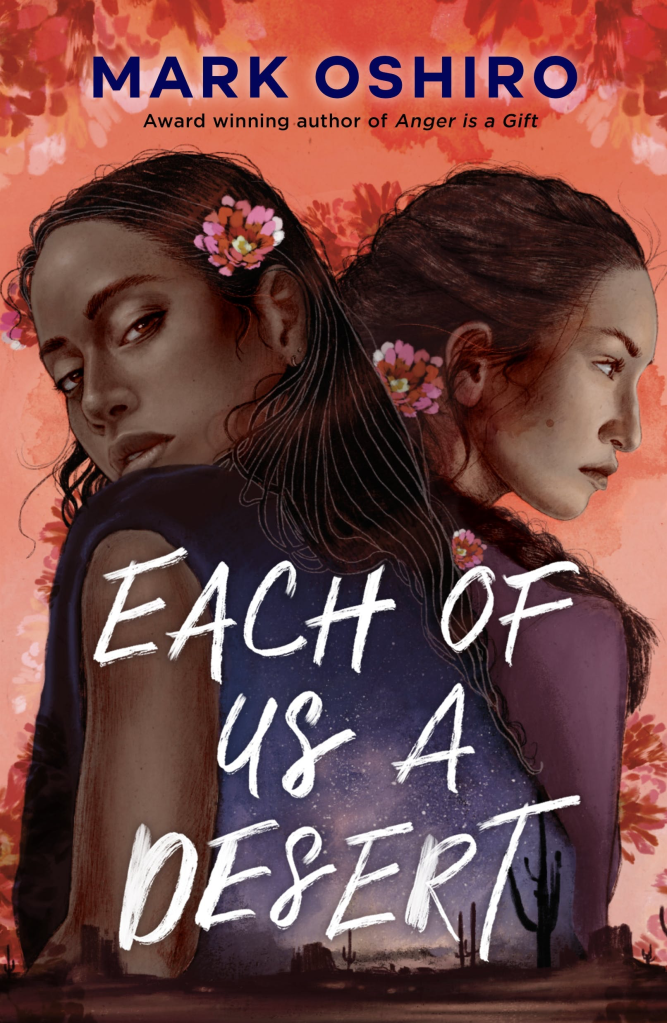
Each of Us a Desert – Mark Oshiro – “You’ve tried and tried/What seems a million times and you wonder how you’ll end up/Is it the moon?/Is it the stars?/Do they rule you and your heart?”
While I froth at the mouth that I can’t go to the Gorillaz exhibit in London, I figured it would be fitting to talk about them…for the millionth time on this blog.
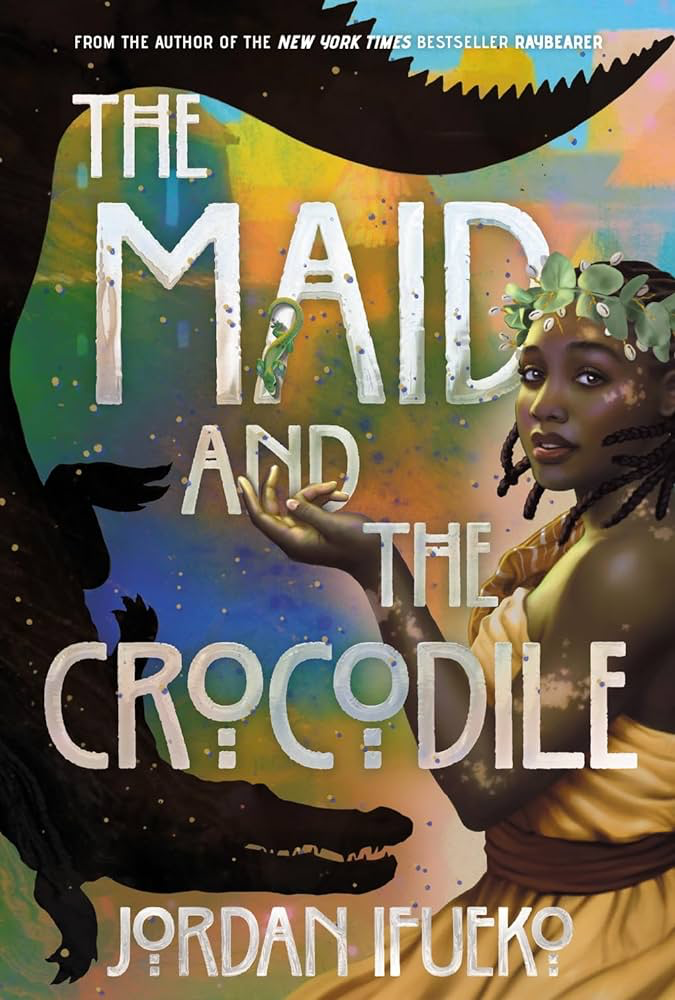
It was a strangely pivotal moment when, a week after Cracker Island released back in early 2023, three more songs were added to the lineup. I had middling thoughts about the album up until then; for me, it represented the point at which Gorillaz (and later Blur with The Ballad of Darren) became nearly indistinguishable from Damon Albarn’s solo work. There were a handful of fun tracks, but as a whole, it failed to hold as much water as something like their first three records, even with the star-studded list of collaborators. And when it seemed all hope was lost…Del the Funky Homosapien and De La Soul returned! (Two years later, “Captain Chicken” has no business being so good for a song with such a goofy title AND samples of chicken clucks. God, it’s so good.) Disregarding the “Momentz” haters (heathens, all of you), every time De La Soul and Gorillaz collaborate, a special kind of magic happens. Even with Trugoy the Dove’s too-soon death hanging over it, “Crocadillaz” was one of the unmistakable highlights of the album. For a song about constantly looking over your shoulder and the trappings of fame, it has a steady, easy calmness to it, propelled by Dawn Penn’s “Doo-doo-doo-doo-doo-doo-doo” chorus, which gets delightfully stuck in my head more often than not. Trugoy and Penn make for an unlikely but smooth pairing for this song, with the former providing the sharp-edged, quick-witted verses and Penn’s smooth, resonant vocals giving the song a simultaneously retrospective and playful chorus. I’m not usually a fan of the “Gorillaz but it’s just the collaborators” songs, but with a pairing as talented as these two, it’s easy to excuse.
…AND A BOOK TO GO WITH IT:
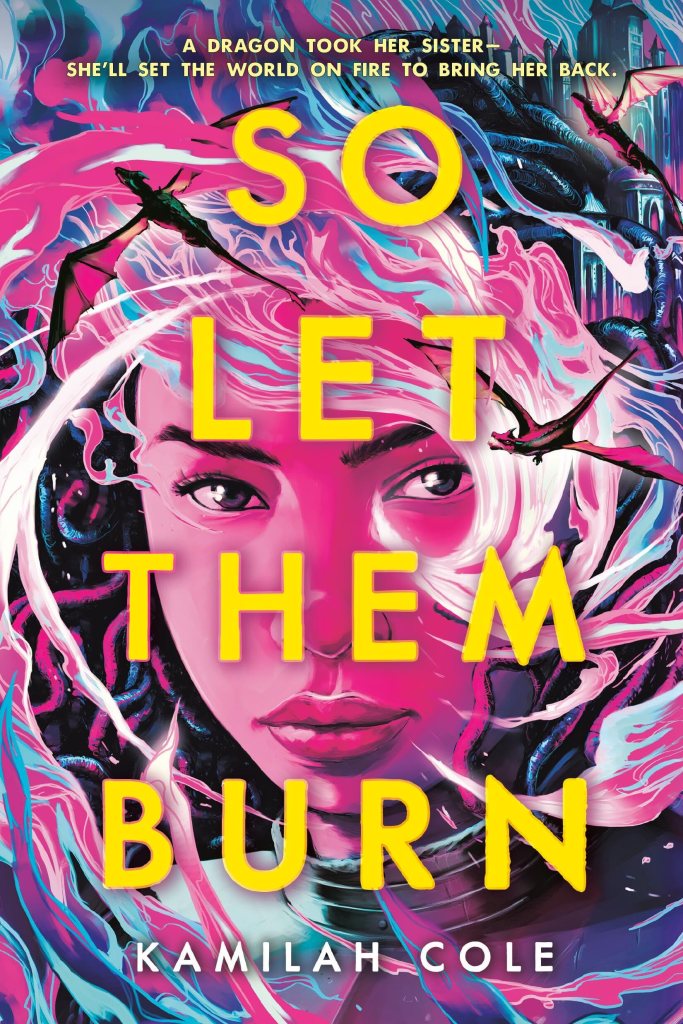
So Let Them Burn – Kamilah Cole – “Could play the sheep, but beware of the wolf’s eye/Hypnotized by the crocodile’s smiles/The exchange is brief, but watch for the teeth…”
Aladdin Sane has to be the most iconic album cover in David Bowie’s catalogue. If you know any album cover, it’s that one—the nondescript, asleep-looking Bowie with a glittering lightning bolt slashing across the front of his face. And that silvery bit on his collarbone—I always thought it was a bone fragment when I was a kid, and my dad thought it was something like mercury pooling on his skin. It raises questions! It sticks in your head! And yet, the album cover gets talked about much more than the actual album. Sure, it’s probably the weakest if we’re grouping it in with Hunky Dory and The Rise and Fall of Ziggy Stardust and the Spiders from Mars, but that’s because you’re grouping it with two of the greatest albums of all time. But it’s really such a disservice that the album only gets remembered for the cover—there are so many excellent cuts from the album, even if it never usually makes the cut for hit Bowie songs (except for maybe “The Jean Genie”). It’s slick as hell, incredibly funky…it just rocks. Listen to the album and you just know. And “Watch That Man” is what sets the tone, a rollicking dance floor rocker that begs for you to shake your hips with every word—not just the “shakin’ like a leaf” bit. Inspired by seeing the New York Dolls live, “Watch That Man” follows a lively party, with the lyrical camera roving over every participant as the music blasts. I never had any particular problem with the mix, but it was one of the more rushed songs on the album, and on reflection, doesn’t sound as clean as some of the other tracks—it’s all a bit muddy, with most of the instruments, Bowie’s voice included, being at a very similar volume. But for a song meant to emulate the rush of a concert or being on a crowded dance floor, it gets the job done spectacularly.











 The Bookish Mutant