Posted in Book Review Tuesday

Sunday Songs: 3/17/24

Happy Sunday, bibliophiles! I hope this week has treated you well.

Happy St. Patrick’s Day! Despite appearances, you theoretically would not actually be able to pinch this week’s graphic for not wearing green, despite wearing mostly brown. Please give it up for Lucy Dacus and her green top.

Also, most of the songs this week are either bittersweet or just………flat-out sad, so…apologies in advance.

Enjoy this week’s songs!

SUNDAY SONGS: 3/17/24

“Sarah” – Alex G

I knew it. I knew I’d fall into the Alex G trap eventually. My Car Seat Headrest-poisoned brain finally succumbed to another sad white guy with voice cracks and bedroom recording equipment. It was only a matter of time.

I genuinely can’t decide if “Sarah” is fully tragic, or if there’s some sweetness in there. The atmosphere that Alex G creates certainly leans toward the former; listening to this song is a blur from a car window, sticky with the humidity of the South as you drive past flat, dismal lawns and white-painted houses that have stood there so long that the paint has peeled and molded to brown in the corners. It dwells in a kind of dream-space where the narrator is hesitant to leave, knowing that the consequences will crash down upon them the minute they step foot into the less-green grass on the other side of the fence. Again, my mind has permanently been altered by listening to too many of the earlier, lo-fi Car Seat Headrest songs when I was at the tender, impressionable age of 14, but there’s an enchanting melancholy of the cheap distortion on the guitar and the synths that drift like ribbons underwater, each note trailing off like a thought unsaid. In a way, “Sarah” is a kind of love song, but with a love that’s overshadowed by the damning realization that you’re not the right person for the one you love. And yet, the narrator cannot extricate themselves from Sarah, wanting to cling to her desperately, but knowing that the more they stay, the more they’ll destroy her. It doesn’t feel like a self-hating, depreciating kind of awareness—it’s a crushing realization that the narrator really is, in some way, in a place where they’ll only drag the people they love down with them, against all of their wishes. That’s what makes it tragic to me; Alex G sings half of the song in a higher pitch that drives his voice to shattering cracks, and you can hear his voice break as he sings the line “she loves me like a dog.” The distorted howl of “did I make a mistake?” feels like it drifts up into a smoky, firework-scented sky as it dissipates into digital nothingness, an anguished thought birthed in the depths of introspection.

…AND A BOOK TO GO WITH IT:
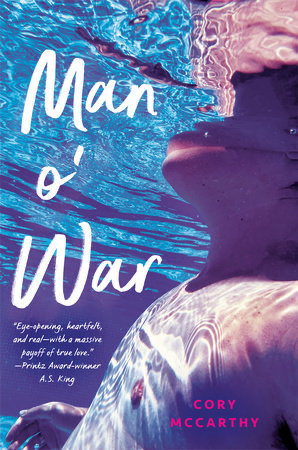
Man o’ War – Cory McCarthya painful and poignant journey of learning to love yourself and other people.

“Houdini” – Kate Bush

Two years ago, I doubt I would have listened to The Dreaming in full. I warmed up to Kate Bush’s earlier stuff more easily, but with the onset of the most recent season of Stranger Things, I was just kind of Kate Bush’d out, which, for a woman of her insane talent, it kind of embarrassing to say. I just couldn’t turn a corner without hearing “Running Up That Hill”—as objectively good a song as it is, the omnipresence of it turned me off. But two years, a listen to The Kick Inside, and more than a good word from my brother (the world has never seen a more fervent Kate Bush superfan), and I finally found myself here. I’m glad I listened to it now—even though my love for “Suspended in Gaffa” (still my favorite track) persisted through the summer of 2022, there was so much weirdness and artistry to the album that it was almost overwhelming—more than once it felt like that in a “mom, come pick me up, I’m scared” way (see: “Get Out of My House”), but overall, that was all apart of the package deal. Admittedly, I can’t fully get on board with all of it; as much as I love the lyrics to “Sat in Your Lap,” that song has irrationally annoyed me since I was a kid, and that quality hasn’t exactly faded—I wish it had, but it’s in the minority of songs that I actively skip on this album. After three albums, this almost feels like Bush’s Hunky Dory: the moment where she had honed her skills and image and officially started going absolutely bonkers.

One such aspect that Bush had nailed by the time that The Dreaming came around was channeling raw, untapped emotion; you can almost feel the bewildered, shaking tears slipping from her eyes as she is faced with something divine in “Suspended in Gaffa” and the feral release in the form of braying like a mule at the end of “Get Out of My House.” It’s overwhelming because it’s exactly what you’re supposed to feel—both of these songs are about separately intense and overpowering emotions, and I believe there’s very few musicians out there who can make that tidal wave translate from the music to the body. That’s already a feat, but given that she was 24 when she released this album…okay, I need to stop googling “how old was Kate Bush when she released [insert album],” because I inevitably get existential. Either way, it’s talent—and “Houdini,” the album’s grief-drenched penultimate track, is testament to that. Recounting the story of Houdini’s wife, Bess, who tried to contact him through seances with a code that the two had devised to ensure that it was him (“Rosabel, believe”); contact was allegedly made in 1929, but she lated believed the code to be the result of trickery from beyond the grave. It’s a deeply tragic story, and Kate Bush pulled no punches in drowning “Houdini” in sorrow. Soft piano dominates the piece, but when it isn’t demure and solemn, Bush lets out a mourner’s wail so convincing that I’d easily believe that she’s channeling Bess Houdini’s bereaved spirit as she bellows out “With your life/The only thing in my mind/We pull you from the water!” That image, of Houdini passing the key to his chains to Bess through a kiss, was what made it on the cover art—I thought it was a wedding ring for the longest time, but to be fair, only the round part is visible on her tongue, and the rest is concealed behind her lips.

…AND A BOOK TO GO WITH IT:
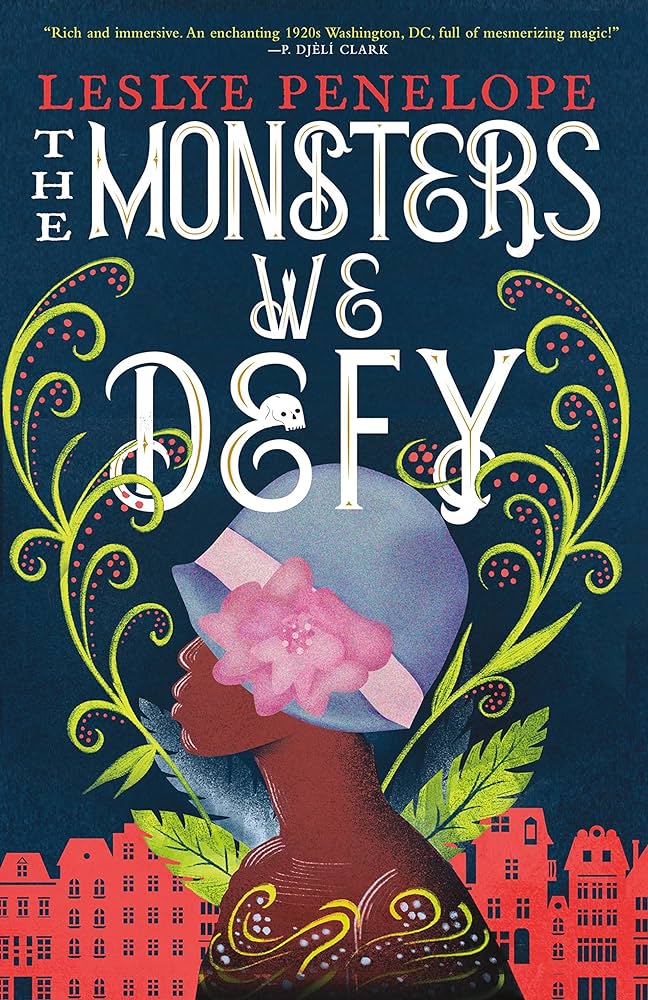
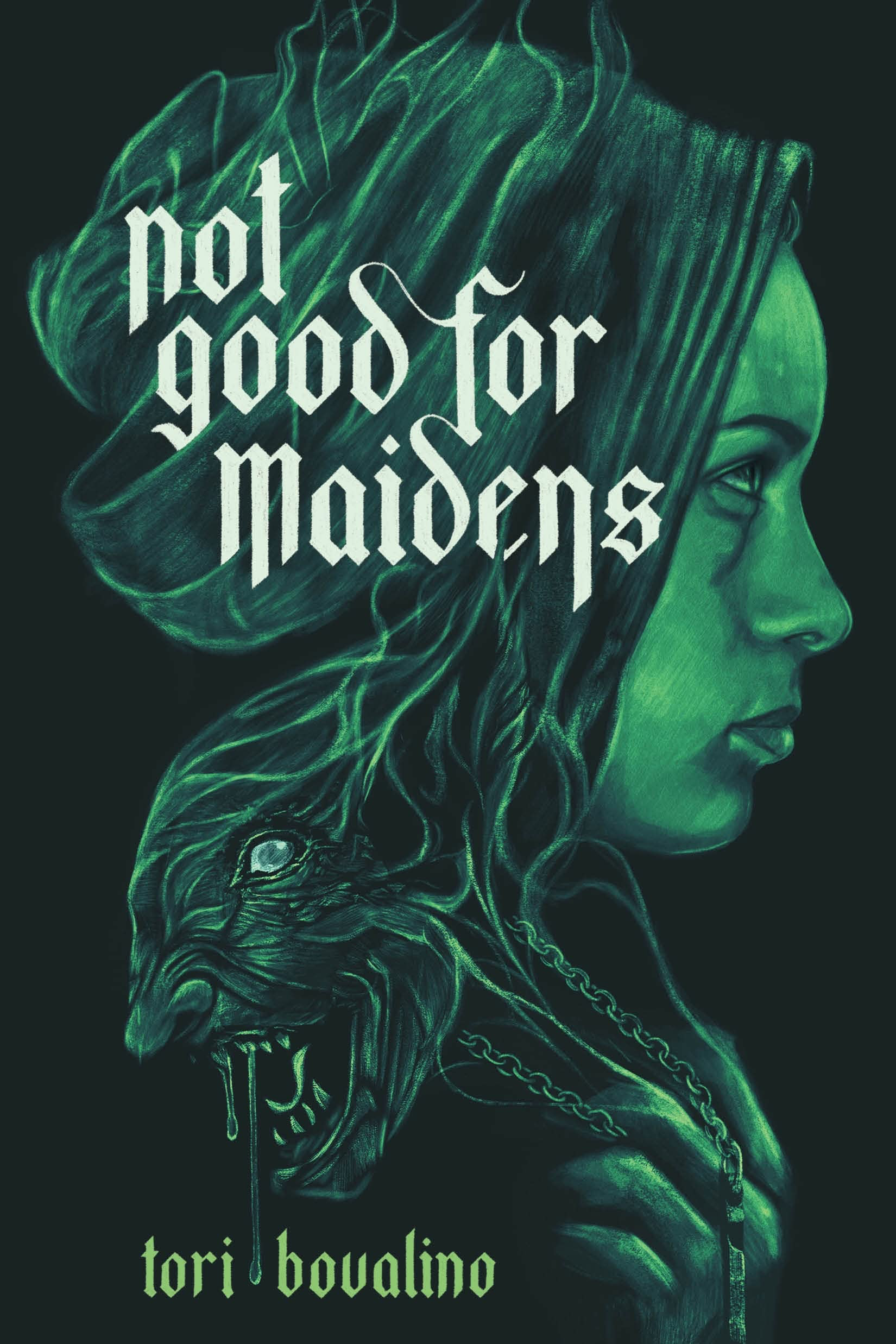
The Monsters We Defy – Leslye Peneloperomance, daring, and communicating with spirits beyond the veil.

“Objects” – Big Thief

Alright. That’s enough of the abject depression for now. Here. Sit down on the bench beside me. Here’s $20, go see a Big Thief.

I’d like to think that I’ve found out about all of these separate Big Thief songs independently, but in reality, all of the songs I end up listening to are the ones brought up by my fantastic brother’s equally fantastic girlfriend, so once again: thank you. If there was ever a song to describe this time of year—nearly spring, almost warm, and the grass is still brown but peppered with sprouts pushing through—it would be “Objects.” Each pluck on the guitar feels like worms and beetles gently crawling through crumbly earth, the shifting of tiny pebbles and dead leaf fragments as they bore tunnels through the ground. This was only recorded about eight years ago, but there’s already a stark difference in Adrianne Lenker’s voice; when I think of this song and earlier songs (see also: “Velvet Ring”), her voice sounds papery, thinner than thumbnails and soft enough to fold into simple origami. It’s gotten simultaneously more feathery, more feral, and richer with the years, but what I’ve heard of these first two Big Thief albums feel like time capsules in her vocal evolution. And like the springtime that “Objects” evokes, the lyrics are all about the spillover of love as it begins to blossom; like the same sprouts that push their way to the sunlight, the object of affection inspires the narrator to “[Leave] the familiar/Air is getting chillier/Stepping outside your skin.” It’s not just Lenker’s voice that feels understated—all of the instruments feel restrained and green, but it conveys that fizzy, bashful feeling of the beginnings of love.

…AND A BOOK TO GO WITH IT:
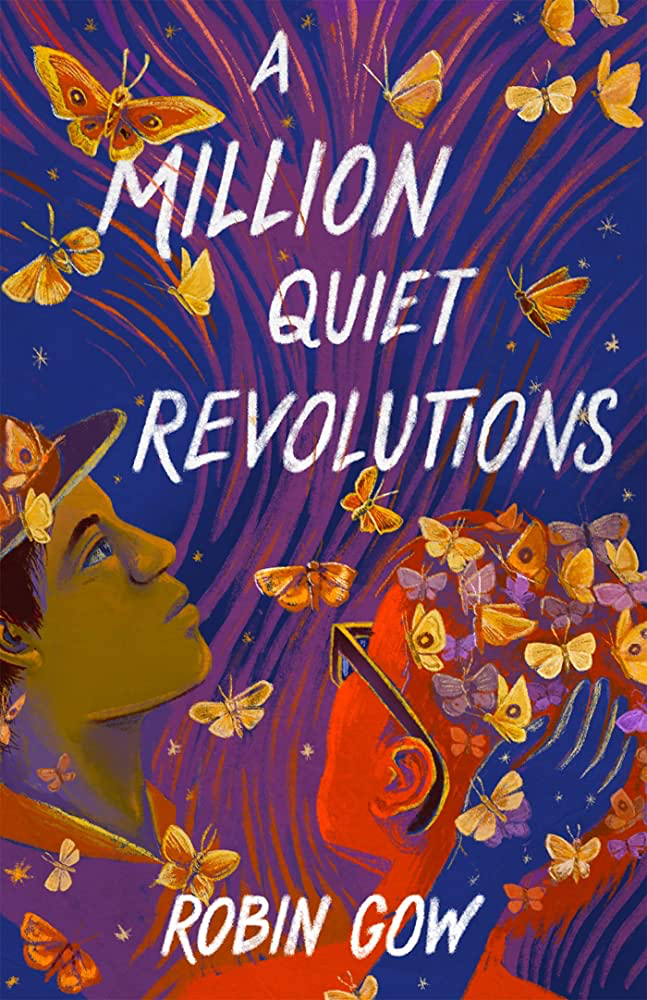
A Million Quiet Revolutions – Robin Gowqueering the Revolutionary War, and the blossoming of young love.

“Your Young Voice” – King Creosote & Jon Hopkins

I generally have Joe Talbot of IDLES to thank for a lot of things, namely the musical positivity he’s brought into my life, but I also have him to thank for finding this song. Recently, Talbot was featured on BBC’s CBeebies bedtime story segment, where, after reading the picture book Under the Love Umbrella, he listed off some songs to soothe children. This was one of them, and the minute I heard it, I understood completely.

This song is a very sparing one. In a sense, “Your Young Voice” is barely a song at all. It’s only two lines that repeat for almost three and a half minutes: “And it’s your young voice that’s keeping me holding on/To my dull life, to my dull life.” And yet, it tugs at the heartstrings more than some songs with a full verse-chorus structure of the same length. The lyrics are so simple, and yet, their repetition weaves together what a mountain of unnecessary stanzas do in any other piece; their repetition feels like a promise, a mantra—you get the sense that whoever’s young voice is keeping the narrator anchored, the only thing keeping them clinging to the end of their fraying rope. Repeated over these three and a half minutes, it feels like a prayer to remember why they’re enduring this life in the first place. King Creosote (a.k.a. Kenny Anderson…King Creosote is a fantastic stage name, if I’ve ever seen one) has a voice with a constant, shuddering waver that whispers over your ears like cold wind over the plains, and that waver is what cements that image of frailty and unconditional love for me. “Your Young Voice” is also simple in its composition—mostly acoustic guitar, with some piano that fades into the ending as Anderson’s voice dissipates into the fog, but this song is all about dredging the well of deep emotions from a place of emotions stripped bare: there’s no need for embellishment or flair. No matter if your interpretation of the young voice is a parent to a child or teenagers falling in deep (not the interpretation that would’ve come to mind first, but that’s how Sex Education took it, although they used a cover…not nearly as good as the original, in my opinion), this song is love, boiled down to its tearful essence.

…AND A BOOK TO GO WITH IT:
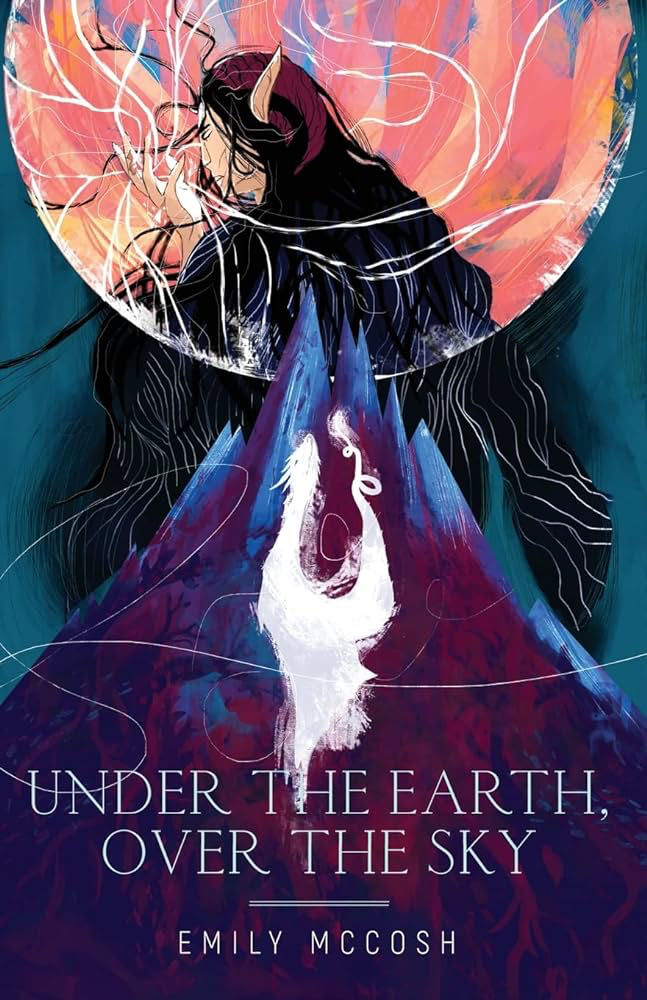
Under the Earth, Over the Sky – Emily McCoshnot to double-dip on the pairings (it’s been three months, it’s fine), but this one is an even better fit, in my opinion—the bare tenderness of the father-son relationship at the heart of this novel was made to be listened to with this song.

“My Mother & I” – Lucy Dacus

When I was thinking about organizing this graphic, I was just loosely going off of looks, not necessarily what order the songs are in. That’s generally how the process goes. However, there are times where I end up shooting myself in the foot and then turning around and shooting the feet of everybody else who might happen upon this post. I mean…I guess “Houdini” or “Sarah” would been kind of an awful way to end this batch, but it looks like we’re bringing down the house with…Lucy Dacus ruminating on the complicated relationship between her and her mother. Real light stuff to go with your Sunday morning cup of coffee, huh? My bad, guys.

2019, the album where “My Mother & I” appears, is part cover album, part original material, each song released to coincide with a holiday—“La Vie en Rose” for Valentine’s Day, “Dancing in the Dark” for the shared birthday of her father and Bruce Springsteen, and “In The Air Tonight” for Halloween (Lucy, it’s a good cover, but…that’s the song you cover for Halloween? Out of all the objectively spookier songs that exist?), etc. “My Mother & I,” as you probably gathered, was released on Mother’s Day, and also to coincide with Taurus season—both Dacus and her mother are Tauruses, part of what the song anchors itself around (“The stars have a lot to say/About women born in the month of May”). It’s a beautiful song, but I find myself glad that I haven’t been able to connect to it fully; the relationship that Dacus describes with her mother, the distance and later connection emphasized by the fact that Dacus was adopted, is one that seems to be full of fractures, but scored by the love that ultimately tethers them. I’m so close to my own mother that it makes me thankful that, even if I had the aspiration to write music, the only feeling that would come up is gratitude because I have the honor of being her daughter. There’s a restrained kind of sorrow that hints at places where Dacus seems to have needed the guidance of her mother (“They called me an old soul/When I was too young to know/The difference between a soul and a ghost/I feared what was inside/Trapped in my body, kept from the other side/A spirit searching for a second life”). “My Mother & I” comes from a place of wistful rumination, but ultimately reaches for a sense of forgiveness and commonality—Dacus branches beyond the Taurus connection to a wholly human one—”We want love, warm and forever/We want to die in the presence of our loved ones/My mother and I.” It’s…ow. Yeah. I don’t know why I went into a Lucy Dacus song that I hadn’t heard and not thought “hmm, surely it won’t be emotionally crushing!” But in this case, the emotional core comes from a kind of forgiveness that has taken years to spread its roots, but has only grown stronger in the dirt with age. And it seems that the forgiveness is mutual, since she’s since performed this song with her mother on backing vocals:

…AND A BOOK TO GO WITH IT:
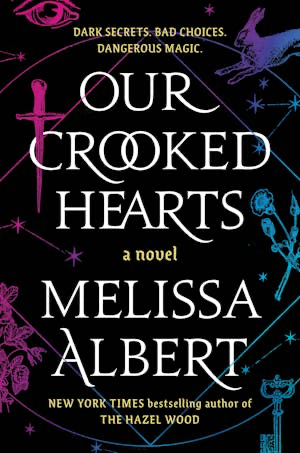
Our Crooked Hearts – Melissa Albertforbidden magic with lineage through a flawed mother and a daughter left to pick up the pieces.

Since this week’s post consists entirely of songs, consider all of them to be today’s song.

That’s it for this week’s Sunday Songs! Have a wonderful rest of your day, and take care of yourselves!

Posted in Uncategorized

YA Book Recommendations for Pride Month (2023 Edition) 🏳️‍🌈🏳️‍⚧️

Happy Monday, bibliophiles!

Here we are again in pride month! It certainly is a joyous time of year, but in the past few years, it’s been a difficult one, too. All across the country, we have seen waves of anti-LGBTQ+ legislation, and the rhetoric that queer people are unnatural and wish to convert your children has spread like wildfire. We’ve also seen a dangerous increase in book bans—particularly by queer authors and authors of color. Books with diverse perspectives aren’t harming children—depriving children of these books is the dangerous part. Now more than ever is it important to read diversely: there’s never any harm in seeing a different perspective through literature. And if you’re really that concerned about “protecting the children,” maybe you should advocate for stricter gun laws instead of worrying about drag queen story hour.

In past years, I’ve split this post up into multiple (organized by genre), but I decided to make it all one post this year to keep it all more organized.

For my previous pride month lists, see below:

KEY:

  • MC: main character
  • LI: love interest
  • SC: side character

Enjoy this month’s Pride Month book recommendations!

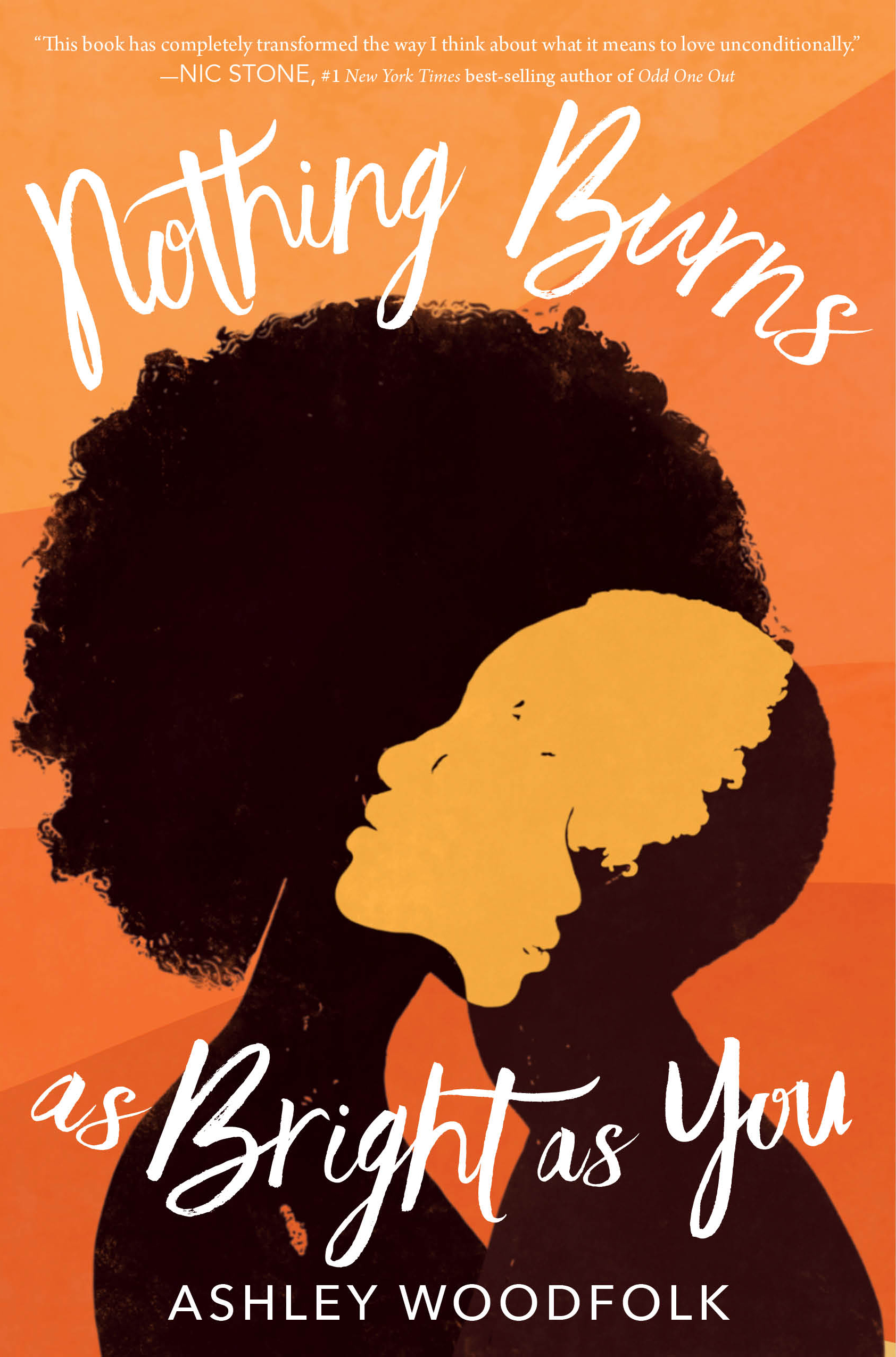
🏳️‍🌈🏳️‍⚧️THE BOOKISH MUTANT’S YA PRIDE MONTH RECOMMENDATIONS (2023 EDITION)🏳️‍🌈🏳️‍⚧️

CONTEMPORARY, REALISTIC FICTION, AND NOVELS IN VERSE:

SCIENCE FICTION:

HISTORICAL FICTION:

FANTASY, MAGICAL REALISM, AND PARANORMAL:

TELL ME WHAT YOU THINK! What are your favorite queer reads that you’ve read recently? Have you read any books on this list, and what did you think of them? Tell me in the comments!

Today’s song:

That it for this year’s pride month recommendations! Have a wonderful rest of your day, and take care of yourselves!
Posted in Monthly Wrap-Ups

March 2023 Wrap-Up 🌬

Happy Friday, bibliophiles!

How is March already almost over?? Mentally I’m still in the first week…but it’s spring break, so that’s always good. And although I woke up sick this morning, at least I have boygenius, the cure for all that ails. Maybe their queer antibodies will help me fight this nastiness off before I have to go back to school.

[shaking the image file for the record on my iTunes library] c’mon, man, do your thing…

GENERAL THOUGHTS:

I still can’t bring myself to believe that I’m almost done with my first year of college. It feels like I should have at least 5 months left, or something…how? Either way, it’s been much easier on me taking mostly humanities classes, and even with midterms, I’ve been able to keep my head above the water. The weather’s slowly but surely starting to warm up—there were a few days were it felt like early summer, and then we got snow the very next day, and if that isn’t Colorado weather in a nutshell, then I don’t know what is. But I’ve savored the little moments—the bits of sunshine that come through the trees in the morning, the view from my dorm, and the day I had both my classes off, so I visited my friend at my dorm for next year and got coffee on the way back.

My reading’s been a little bit slower, I suppose since I’ve had several books to read for at least 3 classes, so I’ve had to read a lot of them in smaller chunks. They’ve been very different but all very good books—again, what I love about college (or at least being an English major) is that I’ve been reading books I’d never imagine reading in an academic setting—Annihilation and Harley Quinn: Breaking Glass were both on my reading list this month. I’ve managed to get some other great reads in as well, even though I had to slow down for midterms. It was harder to see since I slowed down more than usual, but it was a pretty solid reading month—only 2 books in the 2-star range, so that’s always a plus in my book (no pun intended).

Other than that, I’ve just been drawing, playing Minecraft over break (you have NO IDEA the absolute havoc some loose axolotls can do to an ocean ecosystem), watching Flight of the Conchords (as hilarious as I imagined it being), season 2 of Shadow & Bone, and Dark, and wishing for all this snow to melt. I swear that one pile of slush outside of the dining hall has been there since January…

READING AND BLOGGING:

I read 18 books this month! Better than I thought I’d done, given midterms. I found my first 5-star read of the year, though, and I also participated in the #transreadathon for the week of March 20-27, and found some great reads as a result!

2 – 2.75 stars:

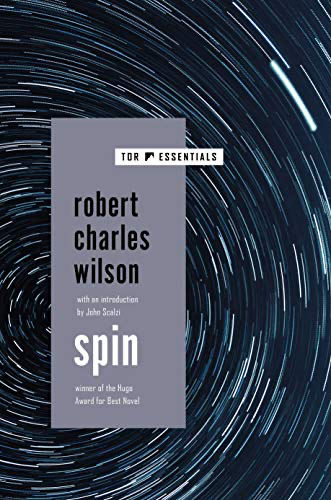
Spin

3 – 3.75 stars:

The Many Half-Lived Lives of Sam Sylvester

4 – 4.75 stars:

The Thirty Names of Night

5 stars:

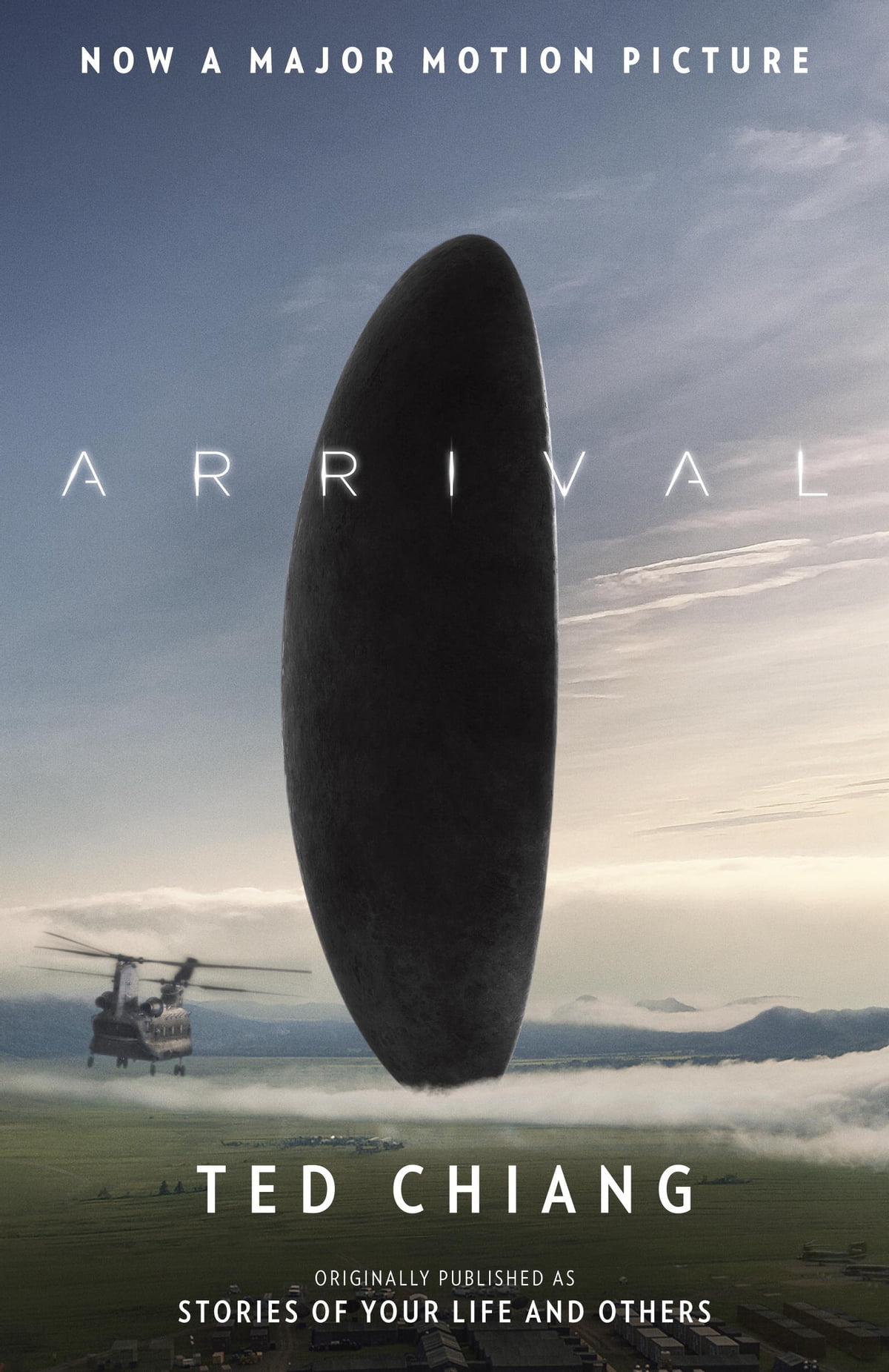
Story of Your Life

FAVORITE BOOK OF THE MONTH: Story of Your Life5 stars

Story of Your Life

POSTS I’M PROUD OF:

POSTS FROM OTHER WONDERFUL PEOPLE THAT I ENJOYED:

SONGS/ALBUMS THAT I’VE BEEN ENJOYING:

DE LA SOUL IS ON STREAMING GO LISTEN GO LISTEN
John Lennon put everything into that inhale huh
the only musical jumpscare that I find myself actively seeking out
SUCH a good EP
the fact that this song only took a week to get to #3 on my most played songs on apple music should say something about it…or me
delightful song, gorgeous video, solid album!!

Today’s song:

TODAY’S THE DAAAAAAAAAAAY

That’s it for this month in blogging! Have a wonderful rest of your day, and take care of yourselves!

Posted in Book Review Tuesday, Mini Reviews

Book Review Tuesday (3/28/23) – #TransRightsReadathon mini reviews

Happy Tuesday, bibliophiles!

As some of you may know, last week (March 20-27) was when the #TransRightsReadathon was hosted in response to a dangerous increase in anti-trans legislation across the U.S. Created by Simi Kern, the goal of the readathon was to give the spotlight to as many trans books and authors as possible to bring them awareness and support in light of the rampant transphobia across the country and beyond. It’s been frightening and heartbreaking to see what’s happening in other states, and I want to support my trans siblings in any way possible. So I’ve decided to include shorter reviews of all of the trans books I read this week—all of which were good!

PLACES TO DONATE (U.S.):

Enjoy this week’s mini reviews!

A Million Quiet Revolutions – Robin Gow

summary from Goodreads:

For as long as they can remember, Aaron and Oliver have only ever had each other. In a small town with few queer teenagers, let alone young trans men, they’ve shared milestones like coming out as trans, buying the right binders–and falling for each other.

But just as their relationship has started to blossom, Aaron moves away. Feeling adrift, separated from the one person who understands them, they seek solace in digging deep into the annals of America’s past. When they discover the story of two Revolutionary War soldiers who they believe to have been trans man in love, they’re inspired to pay tribute to these soldiers by adopting their names–Aaron and Oliver. As they learn, they delve further into unwritten queer stories, and they discover the transformative power of reclaiming one’s place in history.

TW/CW: transphobia, dysphoria, misgendering/deadnaming, homophobia, off-page sexual assault, religious bigotry

Novels in verse always get me when they’re done well, and A Million Quiet Revolutions was no exception. The story of Aaron and Oliver is one that was essential to be told, and it resulted in a beautifully poignant piece of verse!

The growing relationship between Oliver and Aaron felt so genuine, and the combination of pseudo-epistolary format (oh god, that sounded pretentious…) with verse emphasized the way that their relationship transcended barriers of both place and time. The interweaving of the past with the present gave me an insight into a queer part of history that I’m almost embarrassed that I didn’t consider until reading this—better late than never, I suppose. Their voices both leapt off the page, and the easy flow of Gow’s verse made the reading experience feel effortless, drifting like wind—good poetry, to me, doesn’t quite feel like poetry; the rhythm remains, but it doesn’t feel like going line by line in such a rote way.

Above all, the message of this novel in verse is one that’s so important, especially in a time where the narrative of LGBTQ+ people being trendy and new is being pushed so often—queer people have always been here, and we will always be here. Aaron and Oliver’s journey of researching their trans namesakes—cross-dressing soldiers in the Revolutionary War—was one that’s so necessary for understanding our own roots. The key to belonging is realizing that you have always been a part of history, no matter how many pains historians have taken to ignore or deliberately erase the queerness and transness that has always been there. For me, that’s why A Million Quiet Revolutions is such an important read.

Brimming with history and rich verse, A Million Quiet Revolutions is an ode to discovering your own roots, and finding solace in hidden histories. 4 stars!

💙💗🤍💗💙

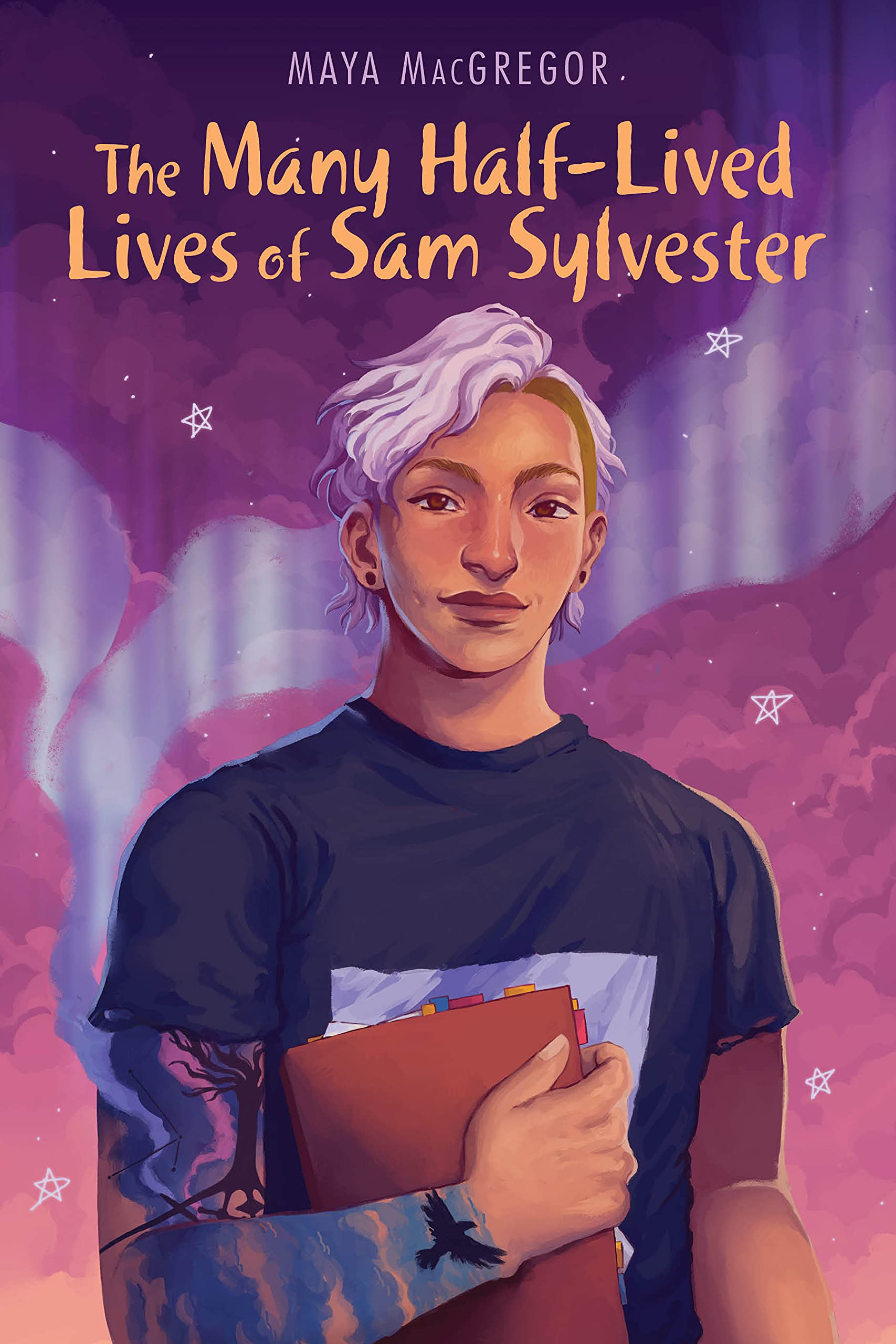
The Many Half-Lived Lives of Sam Sylvester – Maya MacGregor

summary from Goodreads:

In this queer contemporary YA mystery, a nonbinary teen with autism realizes they must not only solve a 30-year-old mystery but also face the demons lurking in their past in order to live a satisfying life.

Sam Sylvester’s not overly optimistic about their recent move to the small town of Astoria, Oregon after a traumatic experience in their last home in the rural Midwest.

Yet Sam’s life seems to be on the upswing after meeting several new friends and a potential love interest in Shep, the pretty neighbor. However, Sam can’t seem to let go of what might have been, and is drawn to investigate the death of a teenage boy in 1980s Astoria. Sam’s convinced he was murdered–especially since Sam’s investigation seems to resurrect some ghosts in the town.

Threatening notes and figures hidden in shadows begin to disrupt Sam’s life. Yet Sam continues to search for the truth. When Sam discovers that they may be closer to a killer than previously known, Sam has a difficult decision to make. Would they risk their new life for a half-lived one?

TW/CW: transphobia, ableism, self-harm, homophobia, biphobia, misgendering, anaphylactic shock, hate crimes (past), murder

…why does Goodreads still list the title wrong 😭

My ultimate hope was that this book would be as well-crafted as its cover, and for the most part, it lived up to my expectations! The Many Half-Lived Lives of Sam Sylvester deftly toes the line between a coming-of-age story and a decades-old mystery, buoyed by a diverse and lovable cast.

Sam Sylvester has a batch some of the most diverse representation I’ve seen in a realistic fiction/mystery novel in a while—aside from having a nonbinary, asexual, and Autistic protagonist (more neurodivergent protagonists, please!!), there were so many different characters that were incredibly intersectional—queer, POC, and disabled characters all across the board, and not just the teen characters too! All of these identities were woven so well into the story, and I loved the journey of self-acceptance and reckoning that Sam experiences throughout the novel as they unravel the mystery of the boy who died in their room 30 years ago.

That being said, although I liked most every aspect of this novel, this really feels like a novel that’s going to date itself. I enjoyed a handful of the references (always extra points for David Bowie), but a lot of the more recent ones—the references to Tumblr, Gen Z slang, internet culture, and a Steven Universe gag every other page, read as very hackneyed and stilted. As authentic as the rest of Sam Sylvester was, those parts dragged down what would have otherwise been powerful and realistic dialogue. Most of the writing did its job and did it well, but the attempt to ground it in the present day only ended up making a novel that’s going to date itself far quicker than it was probably intended to.

Despite that, I’d say that Sam Sylvester is still a must-read—for the excellent representation, for the mystery, and for the coming-of-age story. 3.75 stars, rounded up to 4!

💙💗🤍💗💙

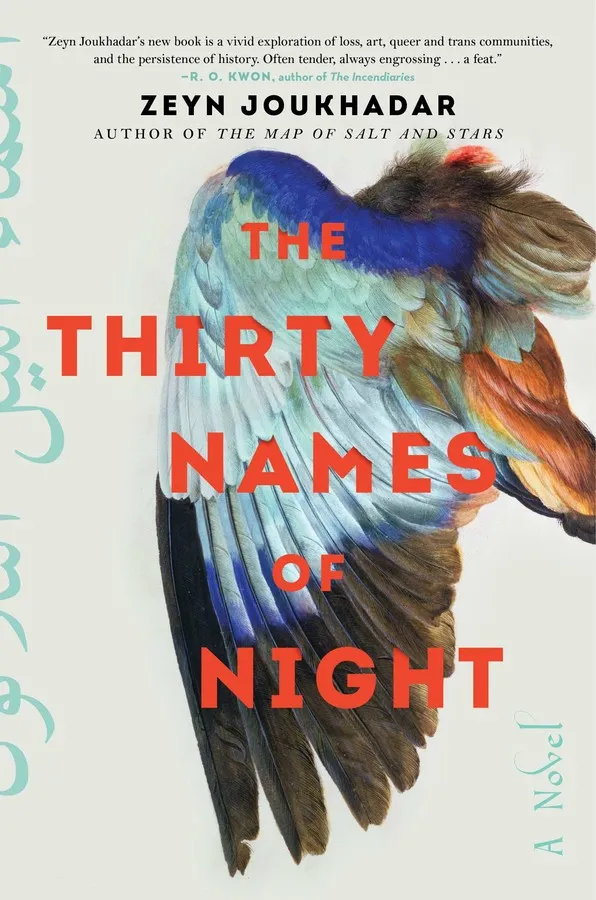
The Thirty Names of Night, Zeyn Joukhadar

summary from Goodreads:

The author of the “vivid and urgent…important and timely” (The New York Times BookReview) debut The Map of Salt and Stars returns with this remarkably moving and lyrical novel following three generations of Syrian Americans who are linked by a mysterious species of bird and the truths they carry close to their hearts.

Five years after a suspicious fire killed his ornithologist mother, a closeted Syrian American trans boy sheds his birth name and searches for a new one. He has been unable to paint since his mother’s ghost has begun to visit him each evening. As his grandmother’s sole caretaker, he spends his days cooped up in their apartment, avoiding his neighborhood masjid, his estranged sister, and even his best friend (who also happens to be his longtime crush). The only time he feels truly free is when he slips out at night to paint murals on buildings in the once-thriving Manhattan neighborhood known as Little Syria.

One night, he enters the abandoned community house and finds the tattered journal of a Syrian American artist named Laila Z, who dedicated her career to painting the birds of North America. She famously and mysteriously disappeared more than sixty years before, but her journal contains proof that both his mother and Laila Z encountered the same rare bird before their deaths. In fact, Laila Z’s past is intimately tied to his mother’s—and his grandmother’s—in ways he never could have expected. Even more surprising, Laila Z’s story reveals the histories of queer and transgender people within his own community that he never knew. Realizing that he isn’t and has never been alone, he has the courage to officially claim a new name: Nadir, an Arabic name meaning rare.

As unprecedented numbers of birds are mysteriously drawn to the New York City skies, Nadir enlists the help of his family and friends to unravel what happened to Laila Z and the rare bird his mother died trying to save. Following his mother’s ghost, he uncovers the silences kept in the name of survival by his own community, his own family, and within himself, and discovers the family that was there all along.

TW/CW: transphobia, xenophobia, racism, Islamophobia, miscarriage, grief, sexual assault, animal death, loss of a parent

I didn’t go into The Thirty Names of Night with any expectations, but I was stunned by the writing! This novel is one of the best magical realism novels I’ve read in recent years, with writing as rich as a tapestry and a story that’s just as well-woven.

Joukhadar’s writing style was the star of Thirty Names; this is the first of his novels that I’ve read, but he has such a unique talent for finding unlikely comparisons and weaving them into the richest, most obvious but out-of-sight metaphors imaginable. I would never have compared the gray sky on a foggy day to the color of a kitchen knife, and somehow, it was right in front of me. His talent for metaphor suited the emotional depth of this story, as well as the almost fantastical element of the birds in New York—I will never claim to be the expert on him, but if there was any story that was suited for Joukhadar to tell, it’s this one.

That writing also made the emotional core of this story possible. There’s so much to Thirty Names: gender identity, grief, heritage, family, and the body itself, but all of it was handled with such grace and aplomb that made the story feel really, truly real. I might’ve even passed the aspect of the birds by as something that could feasibly happen with how this story was written. Every part of this novel is deeply moving, raw and beautiful, and the prose flows as smoothly as air over a bird’s wings.

All in all, a beautiful, literary tale of connections—to family, to gender, and to the world around us at large. 4.25 stars!

💙💗🤍💗💙

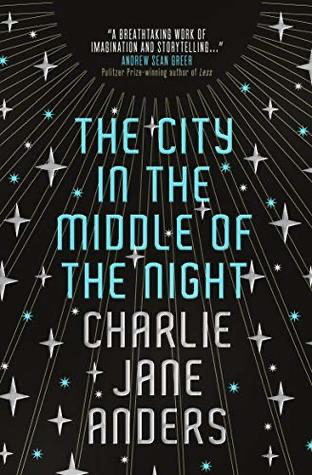
The City in the Middle of the Night, Charlie Jane Anders

summary from Goodreads:

“If you control our sleep, then you can own our dreams…And from there, it’s easy to control our entire lives.”

From the brilliant mind of Charlie Jane Anders (“A master absurdist”—New York Times; “Virtuoso”—NPR) comes a new novel of Kafkaesque futurism. Set on a planet that has fully definitive, never-changing zones of day and night, with ensuing extreme climates of endless, frigid darkness and blinding, relentless light, humankind has somehow continued apace—though the perils outside the built cities are rife with danger as much as the streets below.

But in a world where time means only what the ruling government proclaims, and the levels of light available are artificially imposed to great consequence, lost souls and disappeared bodies are shadow-bound and savage, and as common as grains of sand. And one such pariah, sacrificed to the night, but borne up by time and a mysterious bond with an enigmatic beast, will rise to take on the entire planet–before it can crumble beneath the weight of human existence.

TW/CW: animal attack/animal death, police brutality, body horror

Alright, so the only explicitly stated Latinx characters, specifically of Mexican ancestry, are named…Carlos and Maria? So most everybody else gets semi-unique names, but not them? It’s like Cho Chang all over again…[LOUD INCORRECT BUZZER}

If I hadn’t read Victories Greater Than Death beforehand, I would’ve been more suspicious, but it seems like Anders has gotten a lot better with diversity on that front, but…still iffy. Just saying.

That aside, The City in the Middle of the Night was one of the more inventive dystopias that I’ve read recently, but it fell victim to very convoluted writing. It’s obvious from every page that Anders put so, so much work into creating a fleshed-out world with an equally fleshed-out history—that was a riotous success on her part. The premise of society being divided by a tidally-locked planet felt eerily feasible, and I absolutely ADORED all of the alien life forms on the night side of January—the Gelet were obviously my favorites, but I would’ve liked to have seen more creatures. ALWAYS MORE CREATURES.

However, Anders’ writing choices ended up making parts of The City in the Middle of the Night something of a struggle. The story itself ended up being rather convoluted and tangled, and I found myself getting lost and confused about wait, which side of the planet are we on again? Why are we here in the first place? The additions of a boatload of characters that ended up having very little consequence to the plot at large didn’t help either. This story had the potential to be incredible, but it ended up getting so lost in itself that it became an ordeal to figure out where I was.

All in all, an inventively-conceived dystopia that excelled in worldbuilding but floundered in its writing. 3.25 stars.

Tell me what you think! Did you participate in the #TransRightsReadathon, and if so, what books did you read? What do you think of these books? Let me know in the comments!

Today’s song:

That’s it for this week’s Book Review Tuesday! Have a wonderful rest of your day, and take care of yourselves!