Posted in Book Review Tuesday

Book Review Tuesday (1/16/24) – Godkiller

Happy Tuesday, bibliophiles!

Godkiller has been out for almost a year now, and it’s been on my radar since last December. Fantasy is second to sci-fi for me, especially where high fantasy like this is concerned, but the compelling characters and the lush, queer-normative world drew me in. Sure would be a shame if the second book wasn’t out yet…oh.

Enjoy this week’s review!

Godkiller (Fallen Gods, #1) – Hannah Kaner

In the kingdom of Middren, the worship or belief in gods of any kind is strictly forbidden. The gods of Middren grow bigger and stronger with every human that believes in them, but after a devastating war between the gods and humankind, Middren has deemed them too dangerous to continue living. In the aftermath, the last gods are hunted down by Godkillers. Kissen is a Godkiller; after her family was slaughtered by a fire god, she has taken up the mantle to ensure that what happened to her family never happens to anyone again. But when she stumbles upon Inara, a noble-born child with a minor god bonded to her, she knows that the only way to break the bond without killing her is to go to Blenraden, the last stronghold of the wild gods. The road ahead will be filled with unexpected allies and strange turns, but Kissen and Inara are weary. For a war is brewing once more, and they may be caught in the middle…

TW/CW: loss of loved ones (on- and off-page), fire, blood, violence, animal death, child death, sacrifice (human/animal), war themes, PTSD

It’s incredibly rare that I enjoy any kind of high fantasy these days, especially with the vaguely European setting and medieval technology level. But Hannah Kaner has managed to elevate all of those elements and create something truly special—a queer-normative high fantasy with no trouble being itself in a sea of carbon copies. I thoroughly enjoyed this one!

I’m all for a good trope subversion, and this presents an especially delicious one that even I’m aspiring to add into my own writing. I’ve seen a ton of posts/general discourse about how a lot of creators have shied away from making female characters that match common archetypes, but since many of the archetype’s traits are seen as more masculine, it’s almost entirely male characters that end up making up the demographic. In this case, you have the hardened warrior-type who reluctantly ends up taking a child under their wing who eventually melts their cold heart. It’s a trope I’ve always loved, but I’ve rarely seen it done with female characters. Along comes Kissen, and I’m reminded of how excellent the trope can be when it’s done exceptionally well. She has the classic personality of the archetype, but done in a way that makes her character feel fleshed out—she isn’t just hardened for the heck of it, and you get to see exactly how and why she became that way. Her interactions with Inara, from the initial reluctance (which, again, is developed more than “I don’t need a child around”) to her motherly role towards the end, felt tenderly genuine, and watching their relationship develop was one of the highlights of the book.

You know me. I’m all for queer-normative and disability-friendly sci-fi and fantasy worlds, but Godkiller feels so special precisely because of how high fantasy has historically treated both of those things. For disabled characters in particular, it’s practically an expectation that they have to be bitter and constantly in a state of suffering because being in a medieval setting where their disability is minimally understood automatically makes them a weakling. But Godkiller flips that entirely on its head—not only is the main character disabled (facial scars and a prosthetic leg), but it isn’t a main part of the plot; never do we see Kissen suffering for the plot because she’s disabled, and her disability is seen as something neutral, and something to be cared for accordingly. (There is some discussion about the discrimination that Kissen faces because of her scars, but it’s more on the front of being marked by a curse and not necessarily the scars themselves.) One of the side characters is also Deaf, and not only was she one of my favorite side characters, her scenes were explicitly shown so that the reader could see how happy she was with her wife! The fictional sign language was also treated in a similarly neutral/positive way—there’s even a bit of worldbuilding where Kaner explains that sign language isn’t just used by Deaf or mute people in Middren, but it’s used by pirates on the high seas to communicate when the roar of the ocean drowns out speech. 10/10 worldbuilding. 10/10 disabled representation, and 10/10 disabled people in happy relationships.

The god-killing premise was also one of the main draws for me about Godkiller, hence the name. It could have been easy for a book like this to ride on the premise being interesting and then proceed to do hardly anything out of the ordinary to it, but Kaner’s worldbuilding surrounding the gods of Middren was excellent! Every kind of god is explained, and I loved the wide variety of gods that we saw throughout the novel, from the more formidable ones that caused the war to minor gods like Skediceth, who were just little creatures with surprisingly formidable powers. I also loved the concept of gods tangibly feeding off of belief—the more shrines there are, the more powerful a god continues to be. Not only did this flesh out the worldbuilding, but it made a lot of elements that would have otherwise been forgettable contribute to the overall stakes of the novel.

My only major complaint about Godkiller was the ending. The pacing was solid for most of the novel, but the ending felt so much more rushed compared to the rest of it. The stakes got milder for a significant stretch, but it only felt like they were amped up in the last 5-10 pages just so that Kaner could tie in a thread to the sequel and remind the reader that Godkiller wasn’t a standalone. It was one of those endings that had me turning back to the last page and then back to the acknowledgements and wondering “wait, that it was it? that was the ending?” For how cleverly most of the novel was constructed, it just felt so sudden and sloppy compared to the rest of it.

All in all, one of the better high fantasy novels I’ve read in a while, with lovable characters, a refreshingly disability-friendly world, and neat, fascinating worldbuilding. 4 stars!

Godkiller is the first novel in the Fallen Gods series, followed by Sunbringer, which is slated for release this March. Godkiller is Hannah Kaner’s debut novel.

Today’s song:

That’s it for this week’s Book Review Tuesday! Have a wonderful rest of your day, and take care of yourselves!

Posted in Book Review Tuesday

Book Review Tuesday (11/28/23) – Hunger Makes the Wolf

Happy Tuesday, bibliophiles!

Hunger Makes the Wolf came on my radar when I was looking for more books with disability rep (as always), but I ended up buying it on my Kindle after my dad notified me that I had some unused Kindle points (thank you for reminding me!)—it was free with the points added on, so how could I resist? And while Hunger Makes the Wolf wasn’t perfect, it’s a ton of gunslinging, space-fantasy fun.

Enjoy this week’s review!

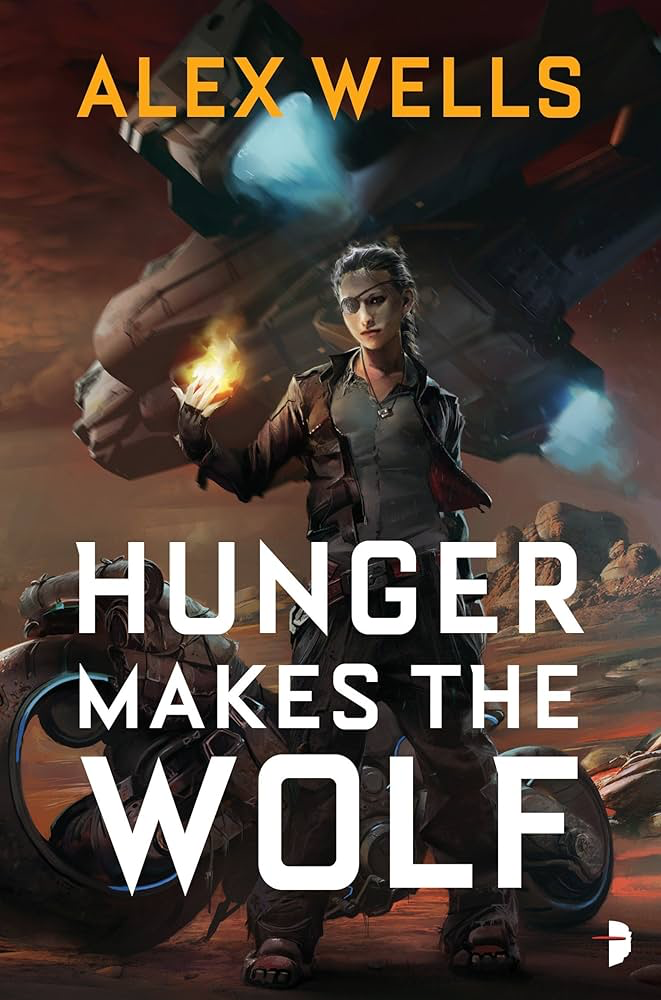
Hunger Makes the Wolf (The Ghost Wolves, #1) – Alex Wells

Hob Ravani ekes out a living in the deserts of Tanegawa’s World, a planet owned by TransRifts—the corporation who controls the market on interstellar travel in the whole galaxy. For 10 years, Hob has gotten by with the help of the Ghost Wolves, a group of bandits roaming the desert and finding money where they can. But when Hob discovers the body of Nick, the man who recruited her to join the Wolves, abandoned in the desert, she knows that she has to act before TransRifts discovers their operation—and discovers the powers that she’s kept hidden from sight.

TW/CW: murder, descriptions of injuries, descriptions of corpses, violence, loss of loved ones, human experimentation

Writing accents phonetically is a slippery slope that I’m not going to get fully into in this review. In this case, though, Alex Wells had decent success with making everyone who was meant to sound like they had a Southern accent actually sound like they had a Southern accent, which worked—this novel was a space Western, after all. That being said, the unintended consequence was that Wells’ spelling of Hob’s accent was that I imagined her voice more like Holly Hunter in Raising Arizona than the badass, hardened gunslinger that she was made out to be. It sort of worked, though.

As far as sci-fi subgenres go, I’m not usually huge on space Westerns; I’ve rarely seen them done exceedingly well (even The Mandalorian got more than a little repetitive eventually), but the best are at least fun. And that was what Hunger Makes the Wolf was—incredibly fun. It had all of the trappings of a debut novel, but what Wells did get right on the first time was that pacing. Although the action sequences were what made Hunger such a blast to read in the best parts, Wells also knew how to balance them out with quiet, more emotional moments, and also moments to slip in worldbuilding without absolutely walloping you with it. Wells’ action was really the star of the show here; their fight scenes had just the right amount of tension, levity, and butt-kicking to make for more than one delightful scene.

Recently, I’ve read several sci-fi books that were marketed as “space fantasy,” and none of them have really fit the bill. And yet, Hunger Makes the Wolf wasn’t necessarily marketed as such, but it does what the other novels lacked. Even amidst the classic sci-fi backdrop of corporate greed, massive spaceships, and gruesome human experimentation, there’s the element of the characters’ strange hidden powers. Naming said powers “witchiness” was already a win in my book, the charm of it really fits the Western atmosphere that Wells was going for—it hits that sweet spot of not sounding overly jargon-y or formal, but not too hokey, either. Every time one of the characters mentioned it, I couldn’t help but smile—especially in Hob’s aforementioned Holly Hunter voice.

Hunger Makes the Wolf is an incredibly ambitious novel, and the ambition is accentuated when you remember that this is Alex Wells’ debut. In some ways, it worked; Wells managed to juggle a safe amount of the worldbuilding without leaving the reader without context, but also without dumping it excessively. However, what Wells did not juggle as well was the sheer amount of characters that we jump between. Hunger was clearly meant to have a found family theme to it, which I’m normally a sucker for, but Wells just had so many extraneous characters on their hands that none of the character relationships felt fleshed out. If we had gotten more scenes with Hob and the rest of the Wolves, for instance, I would have believed that they really were as thick as thieves. Adding onto this, the perspective switches may not have been necessary; Mags, although she plays a prominent role, doesn’t have a perspective or voice that added anything substantial to the narrative. It’s a classic debut author case: Alex Wells had some spot-on ideas, but they bit off far more than they could chew.

All in all, a rollicking space fantasy with action aplenty, but with characters that left me wanting more. 3.5 stars!

Hunger Makes the Wolf is the first book in the Ghost Wolves duology, followed by Blood Binds the Pack. Hunger was Alex Wells’ debut novel; they are also the author of the short story Angel of the Blockade.

Today’s song:

FARGO IS BACK I AM FOAMING AT THE MOUTH OH MY GOOOOOOOD

That’s it for this week’s Book Review Tuesday! Have a wonderful rest of your day, and take care of yourselves!
Posted in Books

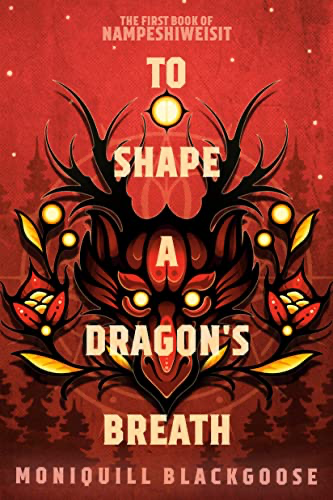
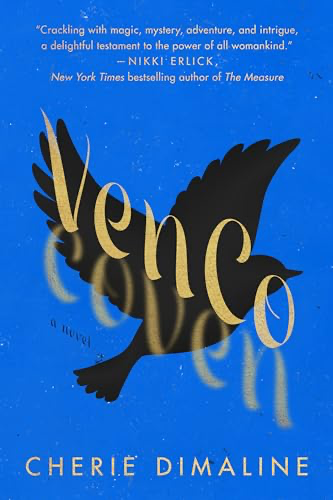
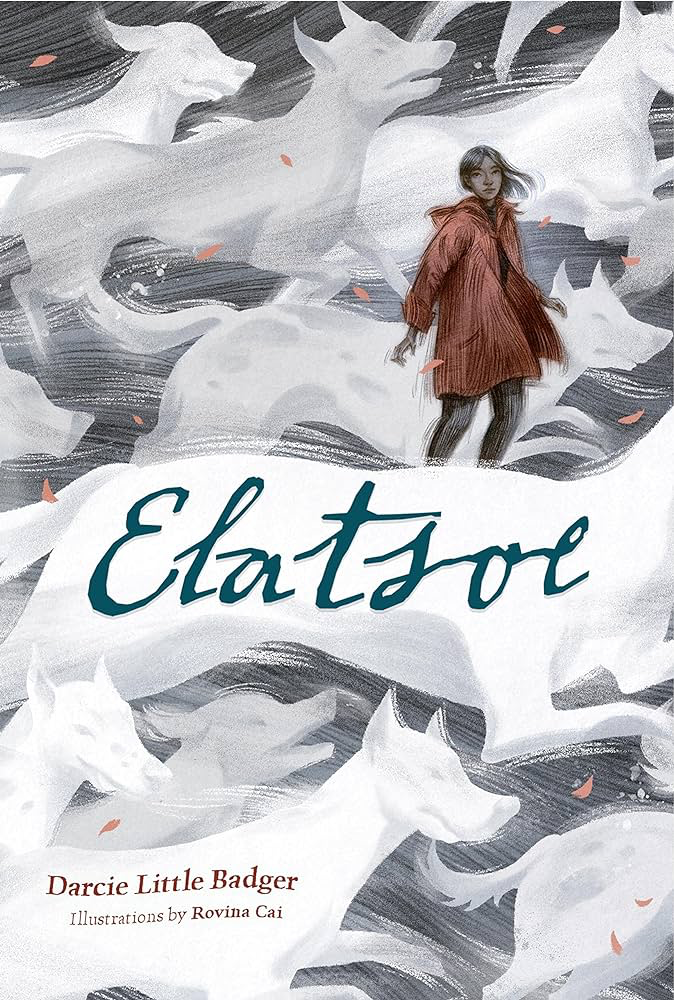
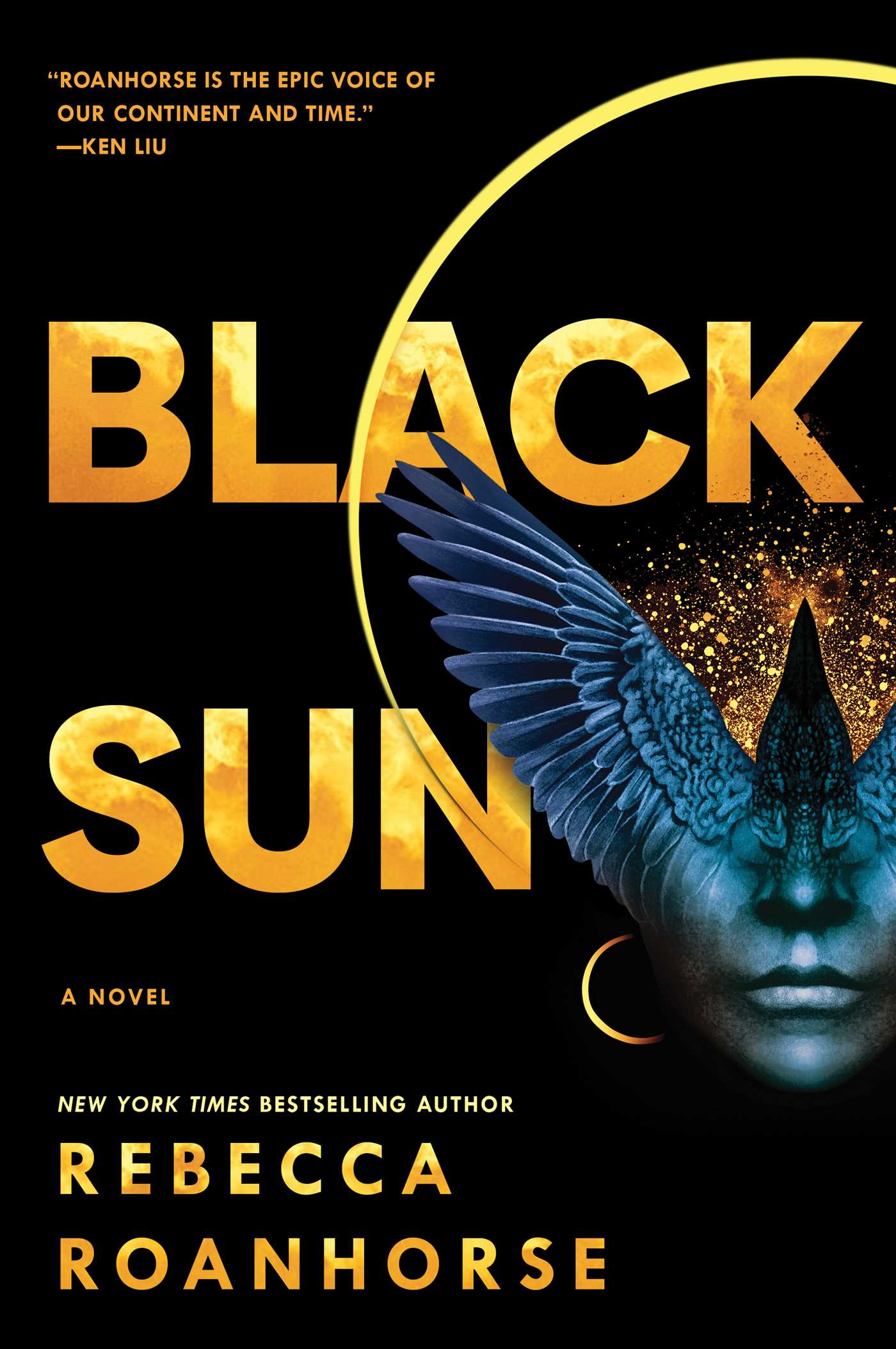
The Bookish Mutant’s Books for Native American Heritage Month

Happy Thursday, bibliophiles!

Here in the U.S., November is Native American Heritage Month! I’m surprised that I haven’t compiled a list for the occasion yet, but to be fair, November tends to be a busy month for me. But now that I’m a few days away from break, I figured I would use that time to make this list.

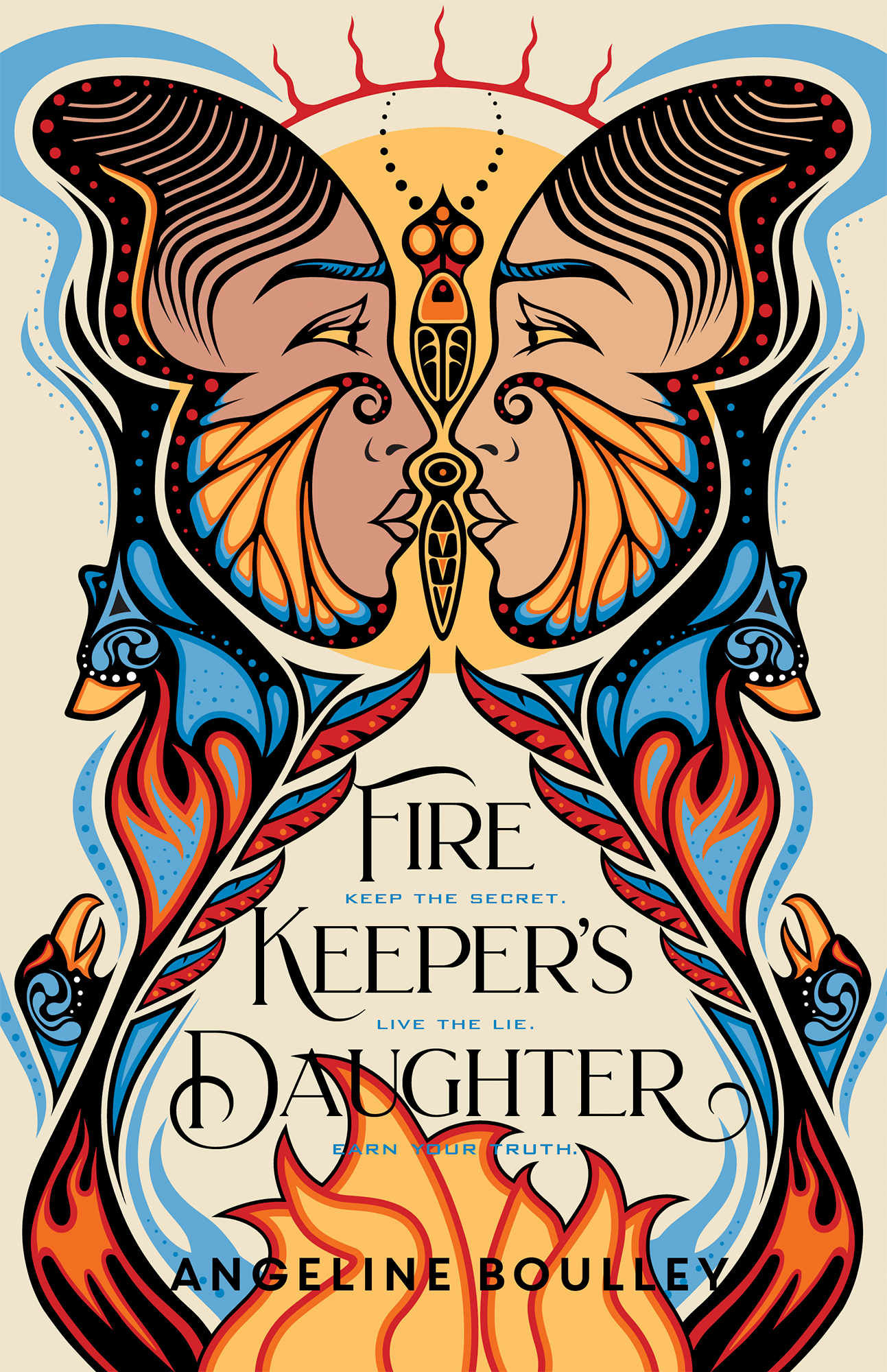
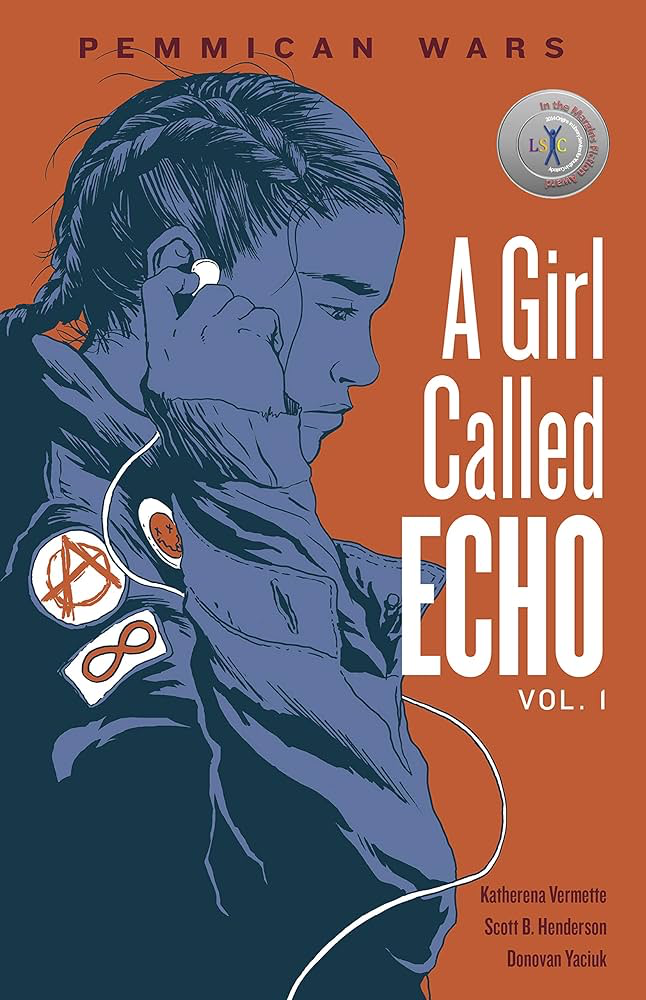
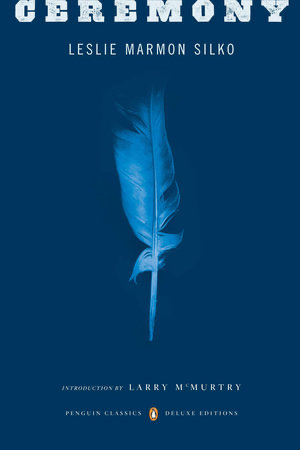
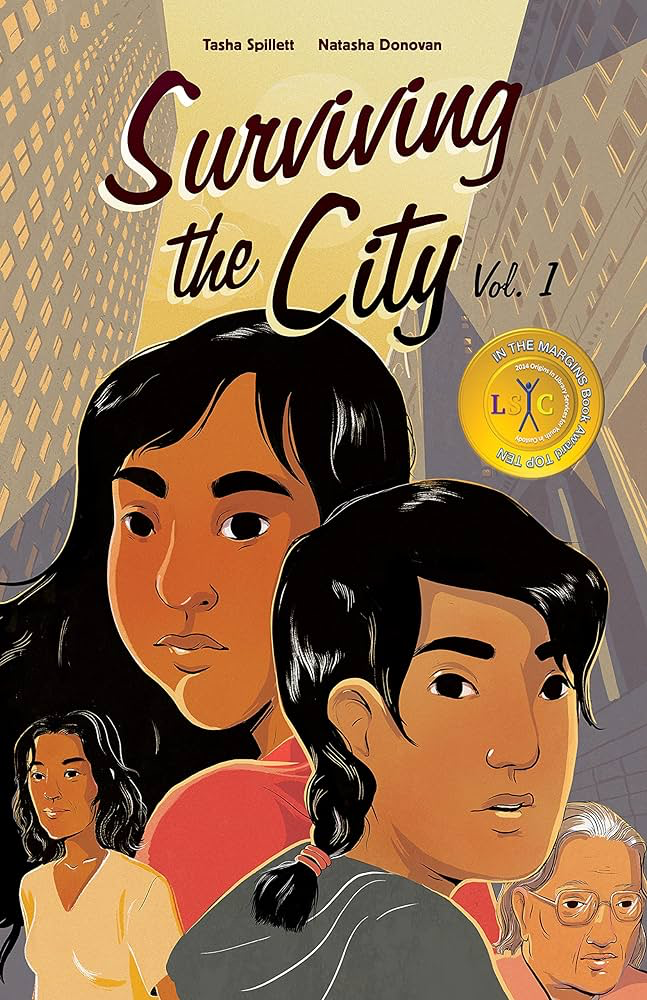
Despite the wonderful boost in diversity in YA and adult literature in the past decade or so, I’ve seen very little of that diversity focused on Indigenous characters and stories. It could be just me, from an outsider perspective, but diversity means boosting all voices—not just the few that you can think of off the top of your head when you think of the word “diversity.” And as an American, I know full well that we are and always have been living on stolen land, so it’s important to read outside of what our history books teach us. So I’ve compiled some of my favorite books by Native American, Indigenous, and First Nations authors for the occasion.

Let’s begin, shall we?

THE BOOKISH MUTANT’S BOOKS FOR NATIVE AMERICAN HERITAGE MONTH

FANTASY:

REALISTIC FICTION & HISTORICAL FICTION:

TELL ME WHAT YOU THINK! Have you read any of these books, and if so, what did you think of them? What are your favorite books by Indigenous authors? Let me know in the comments!

Today’s song:

That’s it for this recommendations post! Have a wonderful rest of your day, and take care of yourselves!

Posted in Book Review Tuesday

Book Review Tuesday (11/14/23) – The Crane Husband

Happy Tuesday, bibliophiles!

Brief rant: don’t you love it when Goodreads posts the nominees for the “YA Fantasy & Science Fiction” category and…there’s no science fiction books on the list? Not a single one? Thank you Goodreads 🥰

It’s been years since I’ve read anything by Kelly Barnhill; I read a fair amount of her middle-grade novels when I was younger, and there were hits (The Girl Who Drank the Moon) and misses (Iron-Hearted Violet). But either way, the road has taken me back to her adult novella, a chilling retelling of “The Crane Wife” that I thoroughly enjoyed.

Enjoy this week’s book review!

The Crane Husband – Kelly Barnhill

In a distant future, a fifteen-year-old girl lives on one of the few remaining farms in the United States, growing cloned crops in order to make a living. Her father passed away when she was young, and now she manages the farm with her mother and takes care of her six-year-old brother, Michael. But when her mother brings home a new suitor, the girl is appalled to find that the suitor happens to be a giant crane—a crane intent on working her mother to the bone in order to produce tapestries to sell. As her mother succumbs to the wills of the crane and her family grows poorer, the girl knows that the only way out is to rid the house of the crane—and she’ll do anything to make sure the bird is out of the farm.

TW/CW: death of a parent, blood, abuse, animal death, child endangerment

It’s been at least seven or eight years since I’ve read anything by Kelly Barnhill, and I was pleasantly surprised to find that when faced with the (quite large) jump from stylistic choices between age groups, she does so with eery grace! The Crane Husband was a disturbing treat, quick but chilling.

I only had a vague notion of the original Japanese folktale of the Crane Wife that this book subverts, but even without that background, Barnhill weaves a haunting, dystopian fairytale like no other. It’s that lovely kind of book that falls into science fiction, but has just enough trappings of other genres to pass as something else. The magical realism element is heavier than the rest, and it rules the book—rightfully so, given the subject matter. But like a good fairytale, Barnhill’s ability to suspend disbelief made The Crane Husband all the scarier—scenes that would have otherwise seemed charmingly quirky or absurd were downright horrifying under her lens.

Barnhill’s writing was what sold how horrific the events of The Crane Husband truly were. The way she captured the voice of the unnamed, fifteen-year-old protagonist as she had to take her livelihood into her own hands in the face of the invading crane husband had such a tangible desperation, making the conflict feel real as all get out. Tension crept out from every word, and I found myself keeping my Kindle in a vice grip as I read. And that tension never wanes—in only 118 pages, Barnhill built up monumental tension that books three times the length have failed to uphold. The Crane Husband really was nail-bitingly eerie, and it was worth it all the way.

The way that Barnhill used this tangibly uncomfortable atmosphere to drive the point of this folktale’s subversion home was also masterful. The main twist in this iteration is, hence the title, that the protagonist’s mother brings home a giant crane who she takes as her husband. And instead of the crane wife wasting away to produce beautiful tapestries, it’s the human mother being forced by the crane husband to churn out tapestries like a machine. Abusive relationships were the main theme of the novella, and Barnhill’s depiction of abuse through this lens felt as authentic as it could be, from the strained, forced silence of the women of the family and the lack of support that the protagonist finds when she tries to seek help. Beyond that, The Crane Husband’s message about suffering for art was equally powerful and important; the emphasis on how the protagonist’s mother works to the point of near-death in order to create something that people will think of as “transformative” was commentary that I wasn’t expecting from the novel, but enjoyed wholeheartedly. Needs to be said.

That being said, my only major problem with this novella was that it directly referenced the original folktale that it’s retelling. Though it was in a flashback scene, it felt tacky and unnecessarily meta to hand it to you right there—and not only that, but basically delivering the twist right at your doorstep. I will admit that I loved the line about cranes making other creatures do the work for them, but at that point, it isn’t even foreshadowing anymore—it’s just whacking you over the head with the twist that it’s supposed to be hiding from you. It made me more than a little mad, but the rest of the novella was so good that I could almost let it slide. Almost.

All in all, a timely and truly disturbing retelling that packed a stinging punch with an impressively short page count. 4 stars!

The Crane Husband is a standalone; Kelly Barnhill is also the author of many books for children, including The Witch’s Boy, The Girl Who Drank the Moon, and Iron-Hearted Violet. She is also the author of When Women Were Dragons, her first full-length novel for adults.

Today’s song:

NEW SMILE ALBUM IN JANUARY EVERYBODY STAY CALM

That’s it for this week’s Book Review Tuesday! Have a wonderful rest of your day, and take care of yourselves!
Posted in Book Review Tuesday

Book Review Tuesday (10/3/23) – Under the Earth, Over the Sky

Happy Tuesday, bibliophiles!

I swear it’s entirely a coincidence that I’m reviewing two books that have titles separated by commas with the word “sky” somewhere in them (The other would be Deep as the Sky, Red as the Sea). They’re entirely different books, but I’m glad to say that they’re equally excellent. Under the Earth, Over the Sky gives fantasy a tenderness that it’s desperately needed for years, and I am all the better for reading it.

Enjoy this week’s review!

Under the Earth, Over the Sky – Emily McCosh

Iohmar does not meddle in the affairs of the human world. He is above such things, being an ancient fae king older than human civilization itself. But when he finds an abandoned, dying baby in the borderlands between the human world and his kingdom, he takes it upon himself to raise him as his own. He names his human son Lorcan, and he takes him back to live in the fae kingdom. But Iohmar’s ancient magic has begun to wane, and with threats encroaching into his kingdom, he must do whatever it takes to protect baby Lor and the rest of his subjects.

TW/CW: past mentions of abuse/loss of a loved one, abandonment of a child, nightmares, child endangerment

I’m so sick and tired of grimdark, man. I’ll save my rant about it for another day, but I just feel like it’s a blight on fantasy, and on any genre where it’s applicable. (Life is full of joy and beauty! They can never take your joyous whimsy!) That’s why this book feels so necessary. Under the Earth, Over the Sky really did heal my soul. It may not be without its flaws, but it’s such a deeply moving and poignant tale of love beyond boundaries and parenthood.

For the past few years, I’ve found myself drifting away from most kinds of high and epic fantasy; at their very worst, they’ve just felt like the same plots coughed up over and over, but with far heftier of a page count than is necessary. But Under the Earth, Over the Sky feels like the best kind of subversion of all of the self-serious, high-and-mighty tropes that have turned me off from a fair portion of the genre. How do you make your haughty, ancient king of the fae with the wisdom of a thousand moons a genuinely compelling character? Simple: make him raise a baby. The synopsis already made this book sound endearing, but I couldn’t have predicted how much of a warm bath to the soul that this book would really be.

Of course, the dynamic between Iohmar and his adopted son was where Under the Earth, Over the Sky shone the brightest. Watching Iohmar’s cold heart slowly melt as he began to care for Lor was truly a joy, and Emily McCosh portrayed all of the ups and downs of their father-son relationship so poignantly. He was such a compelling character beyond his dynamic with Lor as well; McCosh also did an excellent job of making his life and relationships genuinely complicated, making him feel truly fleshed-out and making some of the stakes seem more real. Every part of his raising Lor tugged at my heartstrings, from the moment he realizes that he has to care for this baby, to grappling with the fact that his appearance frightens his own son. Not to praise the plague that is the Disney live-action remakes, this novel reminded me of the only good one—the dynamic between Angelina Jolie’s Maleficent and baby Aurora was similarly sweet. The fact that it’s a father-son relationship also feels so important—having a male character showing such vulnerability and care is something that we need more of, certainly.

Most of the other character interactions were similarly comforting and cozy. I especially loved the dynamic between Iohmar and his wife Rúnda; they were so quietly devoted to each other, and their gentle love fueled the already heartwarming feel of this novel. The interactions between Iohmar and the humans he encounters along the way were similarly poignant. Not only did they serve to drive home the rift between Lor’s human and adopted fae identities, Iohmar’s subtle changes in how he dealt with humans was so tender and indicative of his shifting character. Strangely, even though there weren’t as many characters, subtle interactions like these were what made the world feel lived-in—it didn’t take a lot for this world to feel populated, which helped immensely with my feeling of immersion.

However, as well fleshed-out as many aspects of Under the Earth, Over the Sky were, the subplots surrounding the main plot felt rather rushed. Although the stakes of Iohmar’s magic rotting were clear and tangible, the aspect of the rippling felt like it barely held any weight. They weren’t as well established at the start of the novel, and that lack of immersion felt like none of it was really serious—it really did feel like an afterthought. That part was resolved in a similarly messy way, but at least it got somewhat neatly swept under the rug. It was an interesting enough concept, but a lack of context and fleshing-out made it feel almost meaningless.

All in all, a refreshingly cozy and tender story of parental love and changes of heart. 4 stars!

Under the Earth, Over the Sky is a standalone, but Emily McCosh is also the author of All the Woods She Watches Over, an anthology of short stories and poetry, and the ongoing In Dying Starlight series.

Today’s song:

live laugh Lisa Germano

That’s it for this week’s Book Review Tuesday! Have a wonderful rest of your day, and take care of yourselves!
Posted in Books

The Bookish Mutant’s Books for Disability Pride Month (2023 edition) ♿️

Happy Friday, bibliophiles!

Here in the U.S., July is Disability Pride Month! Although I’ve seen some more recognition for it in the past few years, I find myself saying this over and over—disability issues are left behind in intersectional feminism far too often. The larger representation in media of disabled people as otherwise white and cishet, the lack of accessibility at many pride events, and the hurdles that most disabled students have to go through in order to get accommodations at school is proof. And yet, around 27% of Americans have some sort of disability—myself included. As the literary world has slowly shown more stories with disabled characters, it’s more important than ever to uplift disabled voices.

Like some of my other themed lists this year, I’ve decided to expand it beyond YA, because I’d be remiss if I didn’t include some of the amazing Adult and MG reads with disabled rep over the years. I’ve separated all of these recs by age group, and included their genres, my rating, and the type of disability rep.

(SHOUTOUT TO NOT IF I CAN HELP IT, I FINALLY HAVE A MORSEL OF SPD REP)

for my lists from previous years, click here:

  • 2022 (+ on having SPD and the lack of representation)
  • 2021

Let’s begin, shall we?

THE BOOKISH MUTANT’S BOOKS FOR DISABILITY PRIDE MONTH (2023 EDITION)

YA:

ADULT:

MIDDLE GRADE:

TELL ME WHAT YOU THINK! Have you read any of these books, and what did you think of them? What are your favorite books with disabled rep? Let me know in the comments!

Today’s song:

That’s it for this year’s Disability Pride recs! Have a wonderful rest of your day, and take care of yourselves!

Posted in Books

The Bookish Mutant’s Books for AAPI Heritage Month (2023 Edition)

Happy Wednesday, bibliophiles! I wrote most of this post in advance, but as of now, I’m about to move out of my dorm!! I HAVE SUCCESSFULLY FINISHED MY FIRST YEAR OF COLLEGE!!

Here in the U.S., May is Asian American and Pacific Islander Heritage Month, and I’ve compiled another list of book recommendations for the occasion! Diverse reading shouldn’t be restricted to a single month, but it’s so important to amplify marginalized—in this case, AAPI—voices during this month. My lists serve as guides to read during not just their respective months, but any time you’d like.

However, this year is a little different. Even though I’m too lazy to change the header image (sometimes you’ve gotta be a bit stingy with your media space), I’ve decided to put both YA and adult books on this list. I’ve started to read more adult books in the past few years, and I’d be remiss if I didn’t include some of these books on this list. So it’s a slightly wider pool to choose from this year—read at your leisure!

If you’d like to see my past lists, click below:

Enjoy these recommendations!

THE BOOKISH MUTANT’S BOOKS FOR AAPI HERITAGE MONTH

YA:

ADULT:

TELL ME WHAT YOU THINK! Have you read any of these books, and what did you think of them? What are some of your favorite books by AAPI authors? Let me know in the comments!

Today’s song:

I FEEL LIKE I’VE ASCENDED TO ANOTHER PLANE OF EXISTENCE HELP

That’s it for this list of recommendations! HAve a wonderful rest of your day, and take care of yourselves!

Posted in Book Review Tuesday

Book Review Tuesday (4/18/23) – The Spear Cuts Through Water

Happy Tuesday, bibliophiles!

I was in a fantasy mood recently, so I decided to pick up The Spear Cuts Through Water after hearing some rave reviews from other bloggers. The gorgeous cover only added to the sell. But in the end, this novel ended up being a major disappointment—a murky, 500+ page slog that was only enjoyable for fleeting moments. I really need to stop setting myself up for disappointment with all these overly long high fantasy books…

Enjoy this week’s review!

The Spear Cuts Through Water – Simon Jimenez

The Emperor of the Moon Throne has terrorized the land of the Strangled Throat for centuries, aided by his three reckless sons, aptly dubbed The Terrors. But like everything else that he has seized, the Emperor’s power comes from an age-old moon god who has been locked under the palace against her will. But a god is not meant to be kept in captivity.

So she escapes. Aided by Jun, a disgraced palace guard, and Keema, a warrior from a distant, mysterious land, she sets off on a journey to find her freedom. But the Moon Throne will not let go of her so easily…

TW/CW: ableism, cannibalism, child abuse, murder, body horror, substance abuse, mentions of sexual assault (off-page), torture, loss of loved ones

This is one of those instances where I feel like I’ve read a completely different book than all of the 5-star reviewers. I really wanted to like it—and there were a few things that I did like—but ultimately, it felt like a 20-minute prog-rock song in book form: well-written, but so unneccesarily convoluted and full of itself that it became insufferable.

Before I go on my tirade, I will acknowledge that there were some wonderful, very bold and skilled parts of this novel. Jimenez’s writing had moments of being both beautiful and insightful—there were a few anchors to pull me through the slog, and his prose had moments of being incredible. 2nd person is always a bold choice, but unlike other aspects of this novel, it was executed very well, succeeding at being both immersive and fresh without feeling like it was bold just for the sake of being so.

“Bold” is generally I word that I could ascribe to most of this book. A lot of it was written in a fresh, nontraditional way, and I appreciated its execution in some sections. But a lot of it just felt like showing off—having unconventional chapter breaks and an infuriating structure just for Jimenez to show that he was capable of doing so. Most of these ended up being to the novel’s detriment. The random “chapter” breaks (there really weren’t any chapters in this book?), which mostly just ended up being sized-up font that was, essentially, what should have just the first sentence of the paragraph. And since they were all just first sentences of the paragraph, there were 2-3 of these breaks per page. POVs got switched without warning and without explanation, making the reading experience overcomplicated where it could’ve been an easy fix. It just felt like it was biting itself in the foot in the name of art—it could have been a beautiful story, if it wasn’t so intent on showing off how “different” it was.

As a result, so much of this novel got lost. Even though I was fairly lost trying to discern whose POV is it this time, I did notice one thing while reading The Spear Cuts Through Water—where’d the worldbuilding go? Other than the vague notion of a fantasy world (gods and goddesses, some talking animals/spirits, etc.), I had no idea of the layout of the world, the regions of the world, any kind of cultural cues or conventions, any kind of magic system…it just wasn’t there. At all. The same goes for the characters—they were all but cardboard, moved around like pawns for seemingly no reason. (I get that they were under oath by the Moon God, but the point still stands. They didn’t need to be that stiff.) Other than the reveal about Keema, nothing compelled me about either of them, or any of the other passing side characters. This novel was just so intent on chasing itself in circles that it forgot the essential elements that a novel needs.

All in all, a fantasy with great potential, but that ended up losing itself under layers of attempts to be daring and new. 2 stars.

The Spear Cuts Through Water is a standalone, but Simon Jimenez is also the author of The Vanished Birds.

Today’s song:

LOVE this album, this feels like a perfect match for “There’s No Other Way”

That’s it for this week’s Book Review Tuesday! Have a wonderful rest of your day, and take care of yourselves!
Posted in Book Review Tuesday

Book Review Tuesday (3/21/23) – The Shape of Water (film novelization)

Happy Tuesday, bibliophiles!

The Shape of Water has been my all-time favorite movie for several years now—I’m looking over my shoulder at the poster above my bed as I’m writing this. I had the novelization on my TBR for a few years, but only got around to it recently, probably for fear of it not living up to the film. I had no idea that it was a dual release with the film, but after reading it, the novelization of The Shape of Water struggled to live up to the poetic poignance of the film.

Enjoy this week’s review!

The Shape of Water (novelization) – Guillermo del Toro and Daniel Kraus

Summary from Goodreads:

NOW A MAJOR MOTION PICTURE FROM FOX SEARCHLIGHT

Visionary storyteller Guillermo del Toro and celebrated author Daniel Kraus combine their estimable talent in this haunting, heartbreaking love story.

The Shape of Water is set in Cold War-era Baltimore at the Occam Aerospace Research Center, which has recently received its most sensitive asset ever: an amphibious man captured in the Amazon. What unfolds is a stirring romance between the asset and one of the janitors on staff, a mute woman who uses sign language to communicate with the creature. 

Developed from the ground up as a bold two-tiered release—one story interpreted by two artists in the independent mediums of literature and film — The Shape of Water weaves together fantasy, horror, and romance to create a tale that is equally gripping on the page and on the big screen.

TW/CW: racism, homophobia, xenophobia, ableism, misogyny, sexual harassment/assault, blood, gore, murder, animal death, loss of loved ones

The Shape of Water is a movie that’s touched my heart in a way that I doubt any other will. In summation, the film is a testament to the marginalized experience—any kind of marginalized or othered group—and self-love and acceptance. Guillermo del Toro is a storyteller without parallel, and maybe that’s why I was so hesitant to pick up the novelization for so long. I had no idea that it was a dual release with the film, but either way, my fears ended up being confirmed—Daniel Kraus’ novelization is faithful in the barest, structural way, but largely failed to capture the heart of the film’s message.

I’m not familiar with Daniel Kraus’ other novels, but even a quick scan on Goodreads tells me that he’s a frequent collaborator with Guillermo del Toro, which, after reading this, frankly surprises me. Del Toro’s storytelling, from this film to Pan’s Labyrinth and the most recent Pinnochio, has a consistently strong emotional core, something that anchors the fantastical elements to our most core human experiences. And somehow, Kraus chose to adapt this novel in the most flat, checklist-like way possible. Yes, all of the beats of the film were there, as well as some bonus content. But thanks to Kraus’ dry writing, the emotional core—what made the story so deeply impactful in the first place—apparently flew straight over his head.

Now, before I get into my major gripes, I will say this—the novelization picks up far more at the halfway point. The chapters that Kraus writes from the perspective of The Asset were an unmistakable highlight, charming, dreamlike, and refreshingly strange compared to most of the other perspectives. I almost find myself wishing that the scene with Bob Hoffstetler and The Asset made it to the film. And the very climactic events in the third act were dealt with the appropriate amount of weight, and the pace picked up significantly, unlike the steady pace of the movie. And as much as I love the dance scene, I completely get the decision to nix it from the novel—out of all of the scenes to translate from screen to page, that would be at the top of the page.

With that out of the way, I was bothered by how much emphasis Kraus places on the antagonist, Strickland. There were some fascinating scenes that never made it to the film of the process of him capturing The Asset in the South American rainforest; they were interesting additions, and although I liked them in general, it mostly ended up being Strickland being incredibly racist. It’s painfully on brand for his character, but beyond that, it seemed like his character got the most page time out of the whole cast. He is the main villain, sure, but given that this story is about the marginalized experience and he is the predatory antithesis to what the film stands for, the decision didn’t leave the best taste in my mouth.

My other main issue was how Kraus wrote the character of Elisa Esposito. For the most part, Kraus was somewhat faithful to her personality, but there were multiple instances where the descriptions of her were incredibly concerning. On several occasions, she is described as “childlike” and “[like] a kindergartener” in scenes where she is struggling to communicate her needs—for those of you who have not seen this film, Elisa is mute, and she uses ASL to communicate. It’s already offensive on the front that Elisa is such a treasured character to me, but Kraus seems to, once again, miss the message of the film by a mile, and ends up right smack in the middle of the all-too-common trope of infantilizing disabled people—especially disabled women. Elisa is in no way “childlike” for trying to communicate her needs—she is a grown woman, and she is frustrated by the struggle to communicate with her abled peers in a world that is not built for her. Let me say it again: Elisa Esposito is a grown woman. Even though Kraus was somewhat respectful in some of his other descriptions of her, but these instances all but negated everything else that he had established in the adaptation.

All in all, a structurally faithful, occasionally beautiful, but often frustrating adaptation of a film that will forever have the prime spot in my heart. 3 stars from a peeved Guillermo del Toro fan. Just watch the movie instead.

The Shape of Water is a standalone, as the film is, but Daniel Kraus has also collaborated with Guillermo del Toro on the novel Trollhunters. Kraus is also the author of The Life and Death of Zebulon Finch, The Teddies Saga, and several other books for all ages.

Today’s song:

saw these legends on Friday night—such a beautiful experience, and I’ve had this song on repeat ever since

That’s it for this week’s Book Review Tuesday! Have a wonderful rest of your day, and take care of yourselves!
Posted in Book Review Tuesday

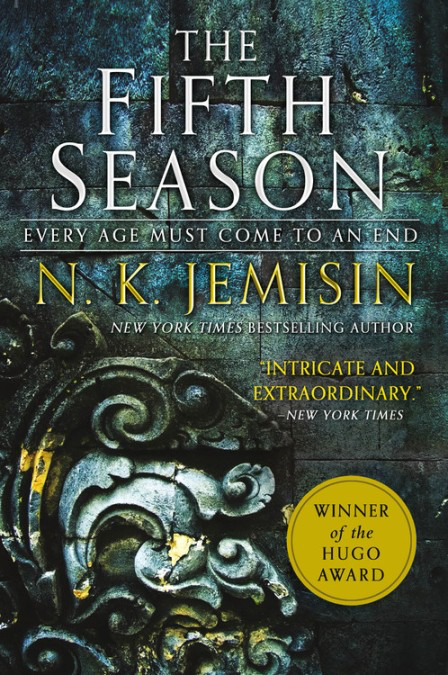
Book Review Tuesday (3/7/23) – The Fifth Season (The Broken Earth, #1)

Happy Tuesday, bibliophiles!
I forget what triggered it, but a few years back, I piled a bunch of N.K. Jemisin’s books onto my TBR. I just finished up the Great Cities duology recently and enjoyed it (though The World We Make I enjoyed less so), but I was still excited to read the Broken Earth series from all of the praise it’s been given. I’m usually wary of overly long fantasy books, but The Fifth Season defied all of my expectations and delivered one of the most well-crafted fantasies I’ve read in recent years.

Enjoy this week’s review!

The Fifth Season (The Broken Earth, #1) – N.K. Jemisin

In the land of the Stillness, natural disasters are an inevitable part of life. Every so often, the land goes through cycles of extreme weather, where the earth tears itself apart and the land is blanketed in ash and darkness.

This Fifth Season has arrived once more, and with it comes a world in chaos. Amidst the chaos is Essun, a woman on the run after witnessing her husband murder her young son. Her last hope is her daughter, whose whereabouts are unknown. But in a land filled with unknown disasters and people willing to turn on the orogenes—those with the power to control the earth—Essun must overcome unimaginable hurdles to find her daughter and bring her to safety.

TW/CW: murder, infanticide, abuse, mentions of genocide, slavery, implied rape (child), descriptions of injury/blood, sexual coercion, kidnapping, human experimentation

This is my own bias here, but as a principle, I’m automatically weary of overly long fantasy books; that length usually means something along the lines of either a) excessive, infodumped worldbuilding , b) long stretches of the story without much plot, or c) a combination of both. But The Fifth Season proved me SO wrong on that front—Jemisin dodged both of those traps effortlessly, resulting in one of the most inventive fantasy books I’ve read in years.

My first exposure to N.K. Jemisin was through the Great Cities duology, and I was surprised at how starkly different the writing styles were; The City We Became was witty, but rather ham-fisted more often than not, which somewhat suited the story she was telling. The writing of The Fifth Season was a much better fit for the story’s tone: it hit the balance of being to-the-point and fantastical, a style which, given some of the very dark themes that this novel explores, gives it the respect that it deserves. After finishing this novel, I’m more inclined to this style, but above all, reading the two is proof of her versatility of a writer—Jemisin can bridge the tonal gap and make it look ridiculously easy.

About the worldbuilding—The Fifth Season boasts some of the most detailed and compelling worldbuilding that I’ve seen in a fantasy series, but compelling is the part that I want to emphasize. It’s one thing to flesh out your world, but if the detail you give it is arbitrary and irrelevant to the story you’re trying to tell, it becomes redundant. But Jemisin gives the world of the Stillness a rich, believable history, and considers every consequence imaginable of the constraints in her world. Every ramification of the concepts in her world are considered, and they’re shown in organic ways, from the (gruesome) depictions of how the humans have systemically oppressed the orogenes (also a very sharp social commentary) to the biological consequences of a world constantly gripped by extreme natural disasters. Jemisin left no stones unturned, and it paid off in such an enjoyable way.

And if there’s one thing that N.K. Jemisin can do exceptionally well, it’s make me despise a character with every cell of my being. Her protagonists are compelling, but she’s so skilled at making characters that absolutely make your skin crawl. Both Schaffa and Alabaster were case studies in manipulation, and so many of their scenes, especially when they interacted with Damaya and Syenite, respectively, it was genuinely hard to read, but still so authentic to how authority figures often manipulate those below them, especially if they’re young women. Bottom line: they both sucked, but N.K. Jemisin did a disturbingly good job of making them suck so realistically.

I debated on whether or not to discuss this last part, but it’s really best to go in blind—even if I put a spoiler warning and discussed it, I don’t think I could get across how mind-blowingly well-crafted the main twist with the different POVs was. It’s…AGH. IT WAS JUST SO WELL-DONE. I CAN’T SPEAK COHERENTLY ABOUT IT. Again, even if the worldbuilding is confusing. GO INTO THIS BOOK BLIND. YOU WON’T REGRET IT. IT’S AMAZING. TRUST ME. And a sidetone—props to N.K. Jemisin for seamlessly pulling off a 2nd person POV, and, once again, making it look easy.

All in all, a fantasy novel that defied my expectations on nearly every front, resulting in one of the most enjoyable reads I’ve had all year. 4.25 stars!

The Fifth Season is the first book in the Broken Earth trilogy, followed by The Obelisk Gate (book 2) and The Stone Sky (book 3). Jemisin is also the author of The Great Cities series (The City We Became and The World We Make), the Far Sector series for DC Comics, and many other books.

Today’s song:

this song is delightful, and it’s also proof that the middle school boys who used axe body spray instead of showering have always existed in some form or another

That’s it for this week’s Book Review Tuesday! Have a wonderful rest of your day, and take care of yourselves!