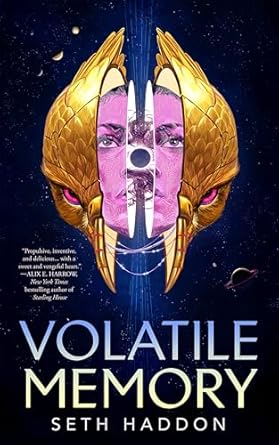
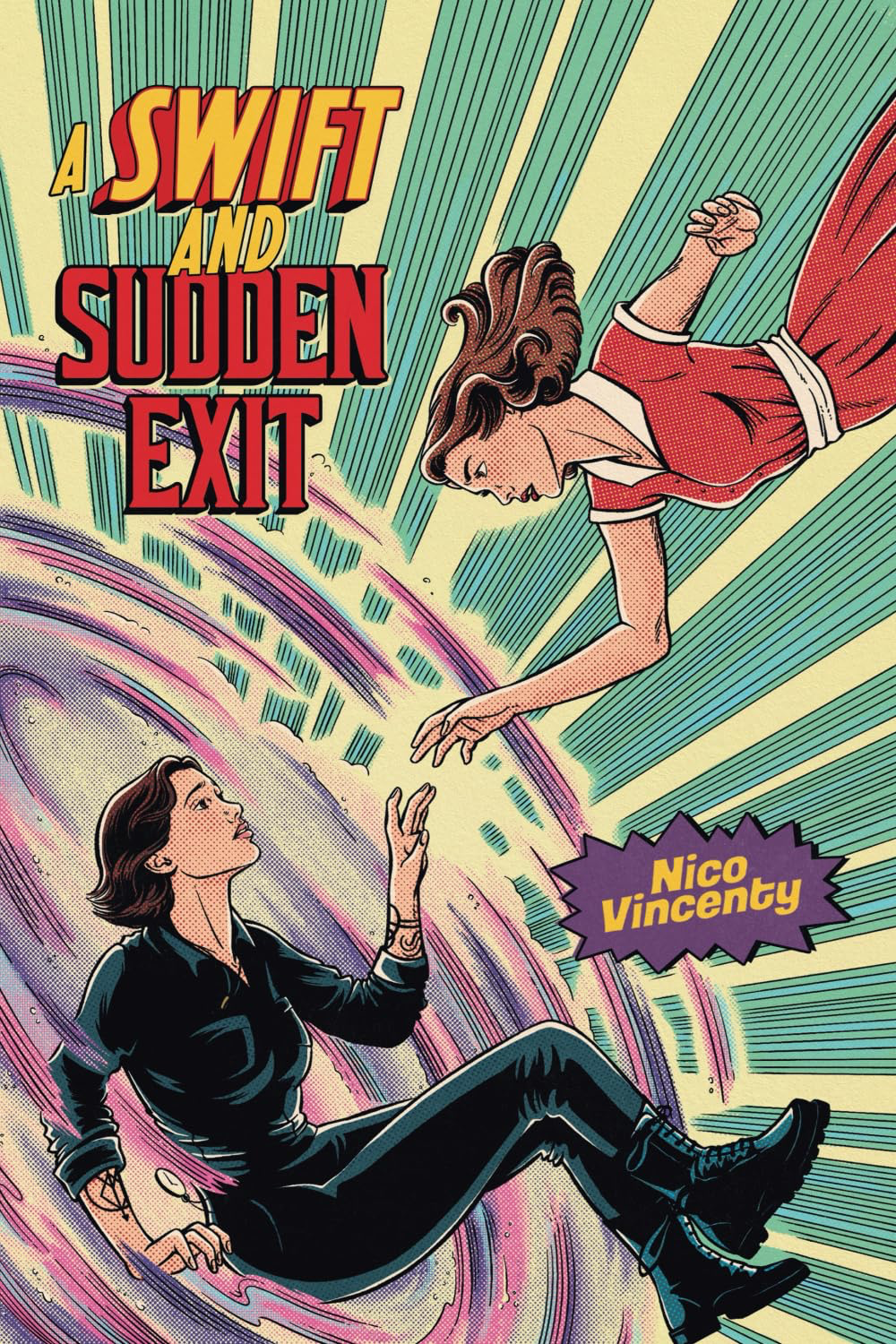
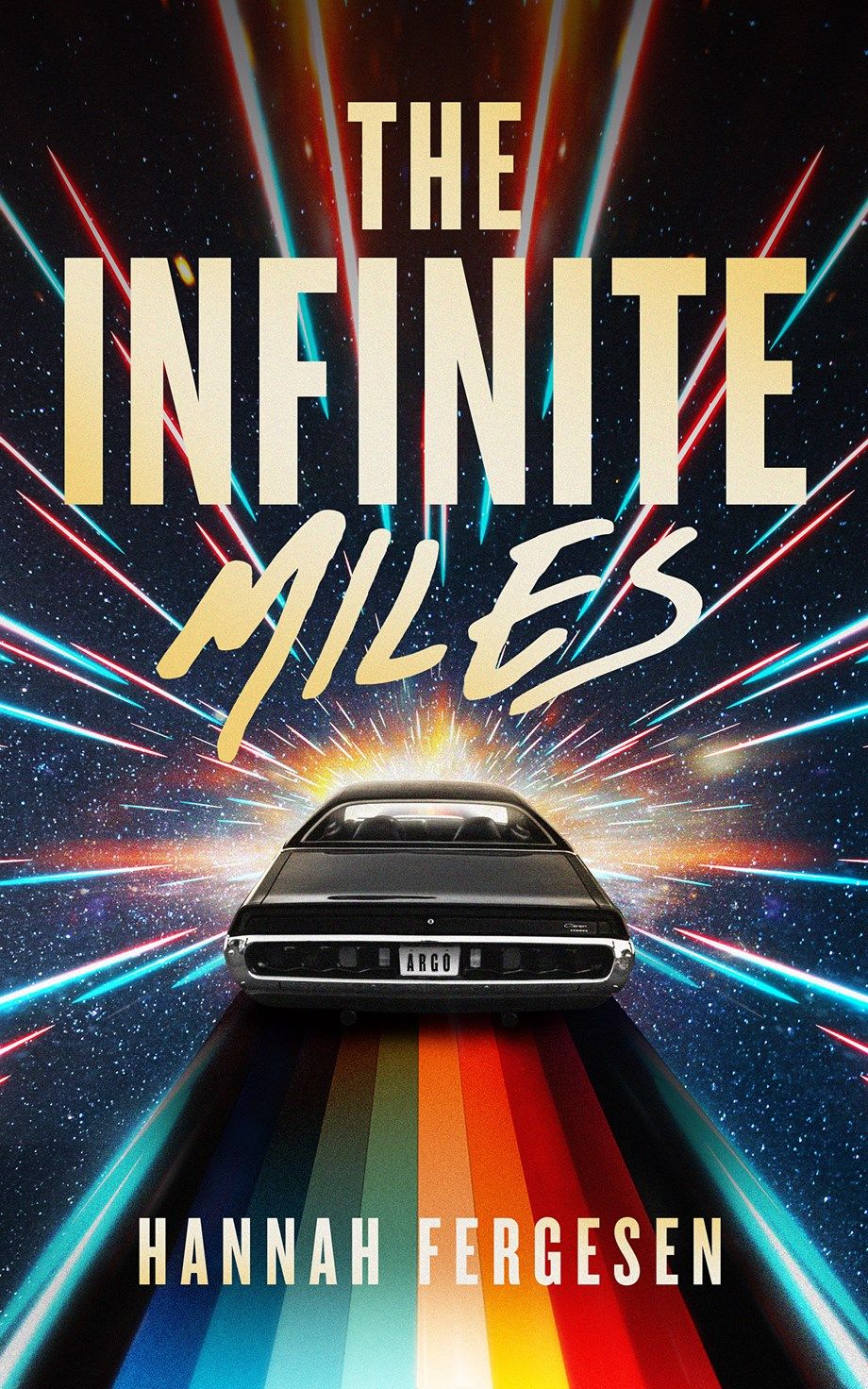
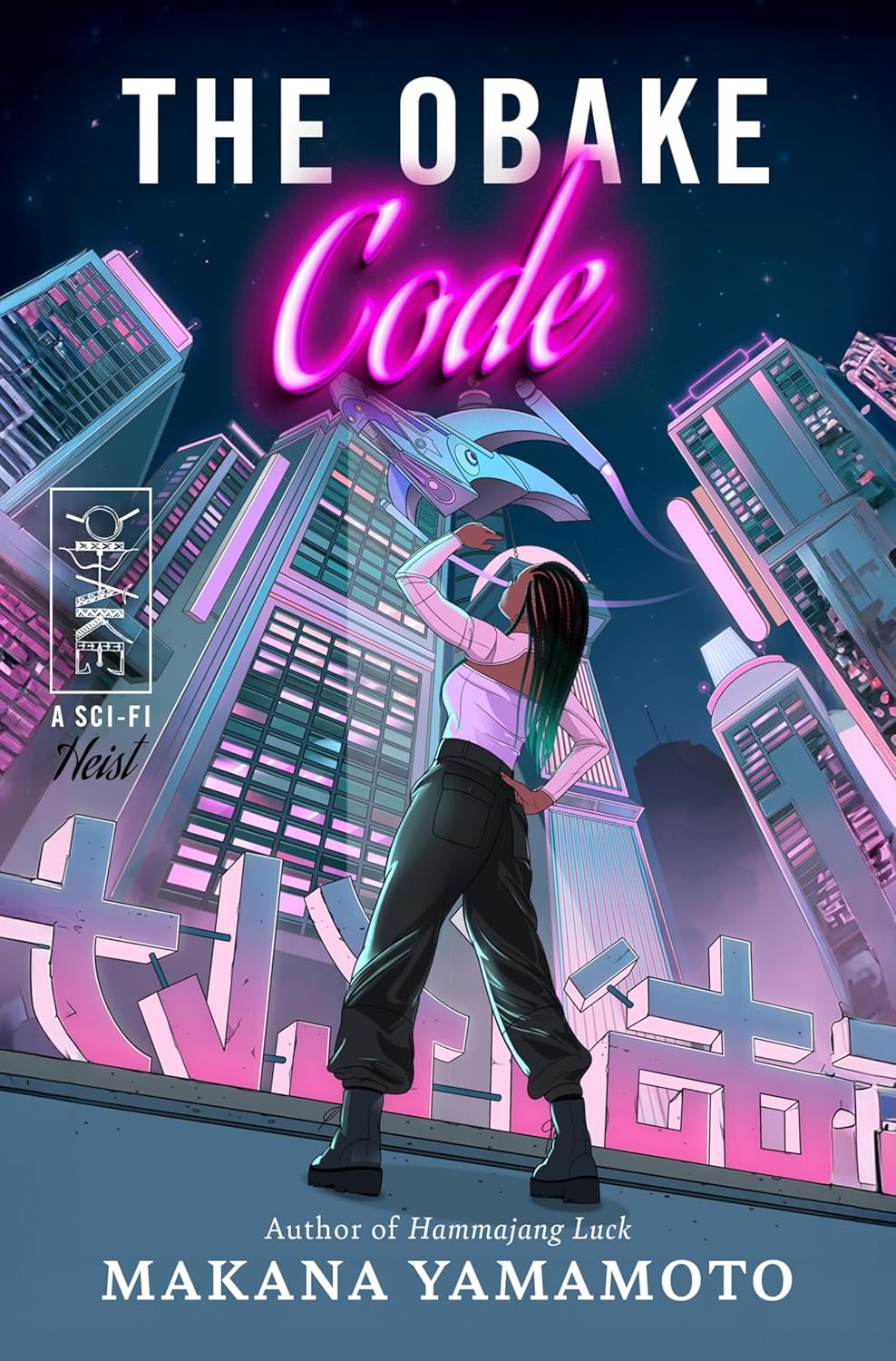
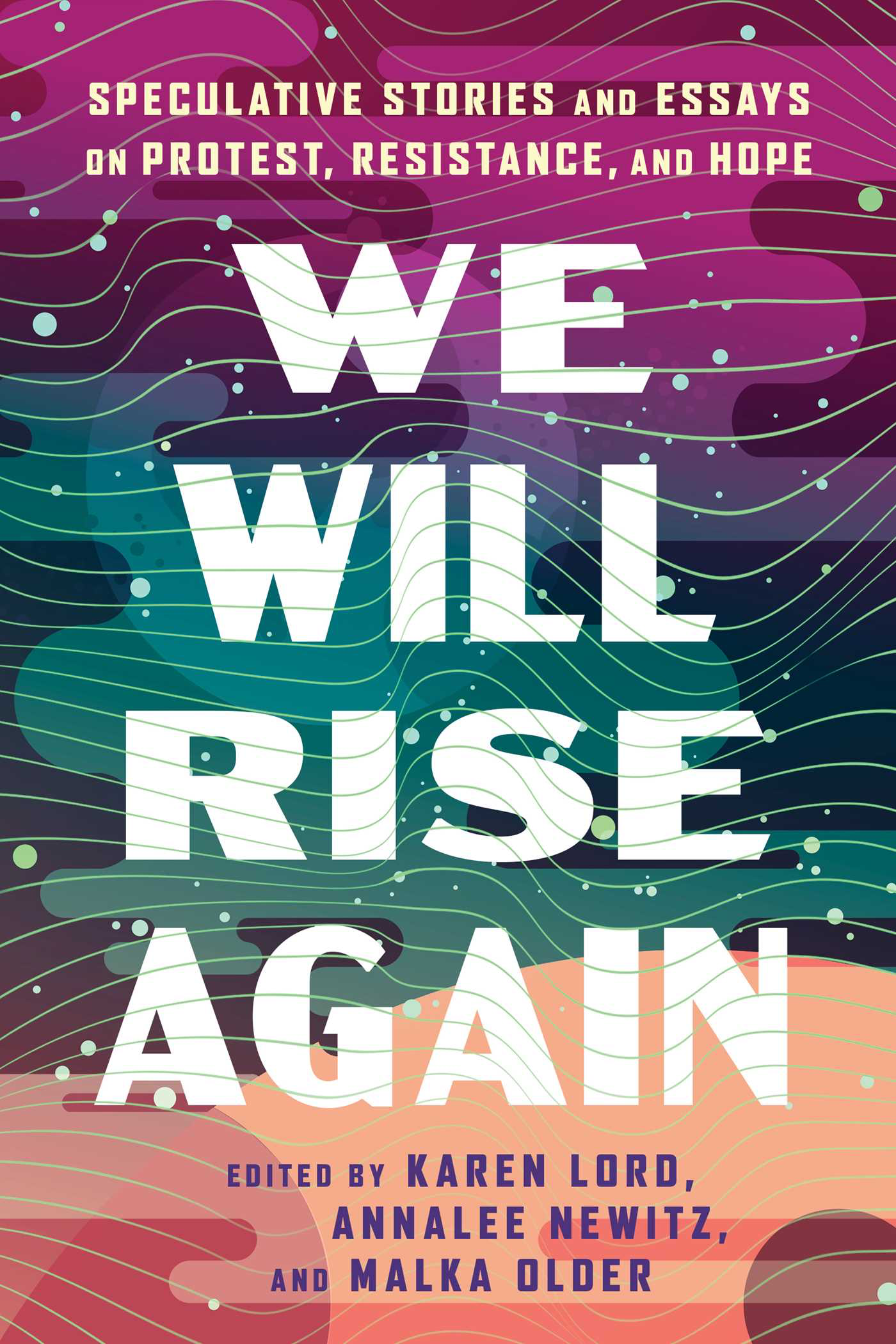
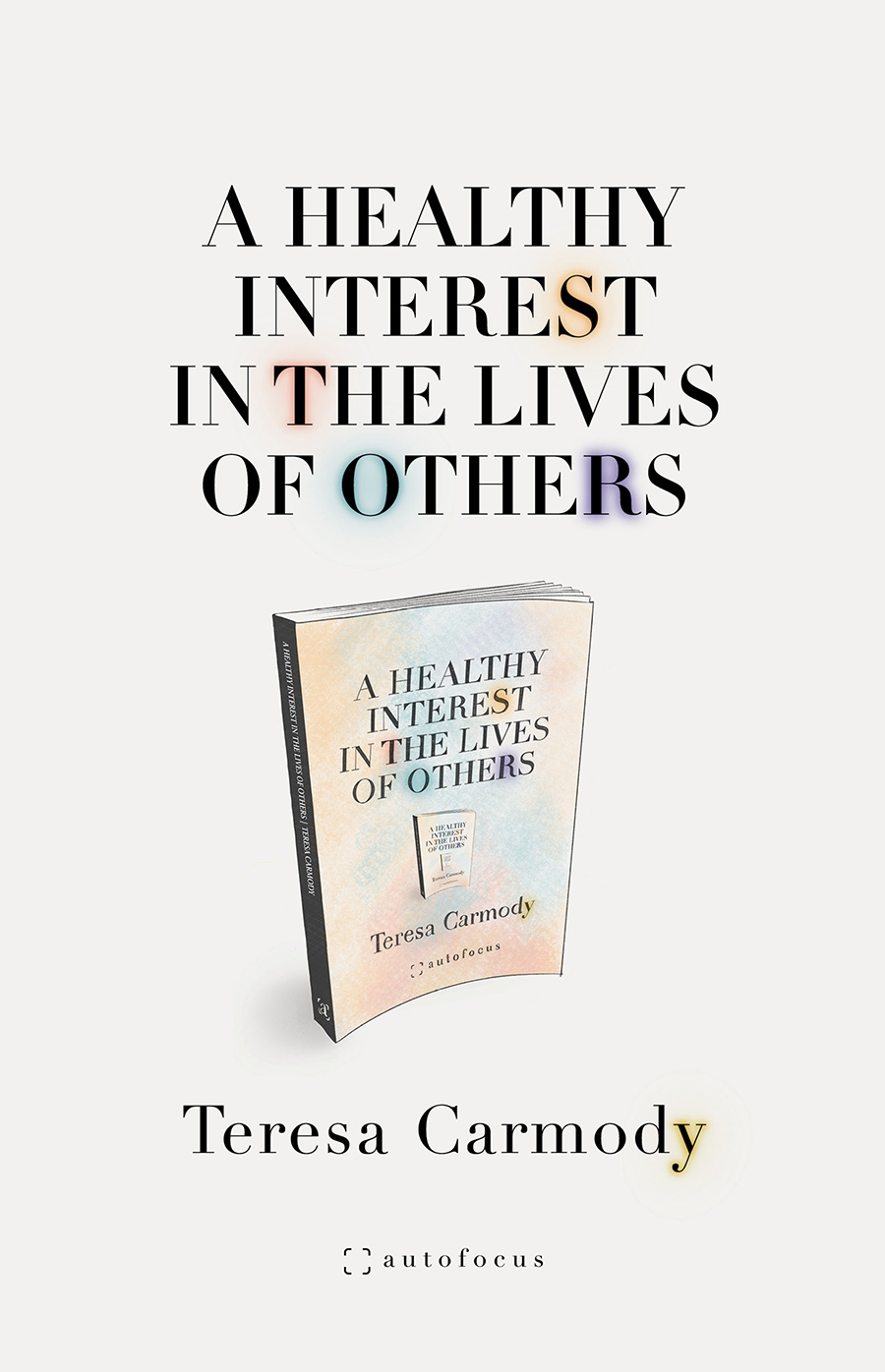
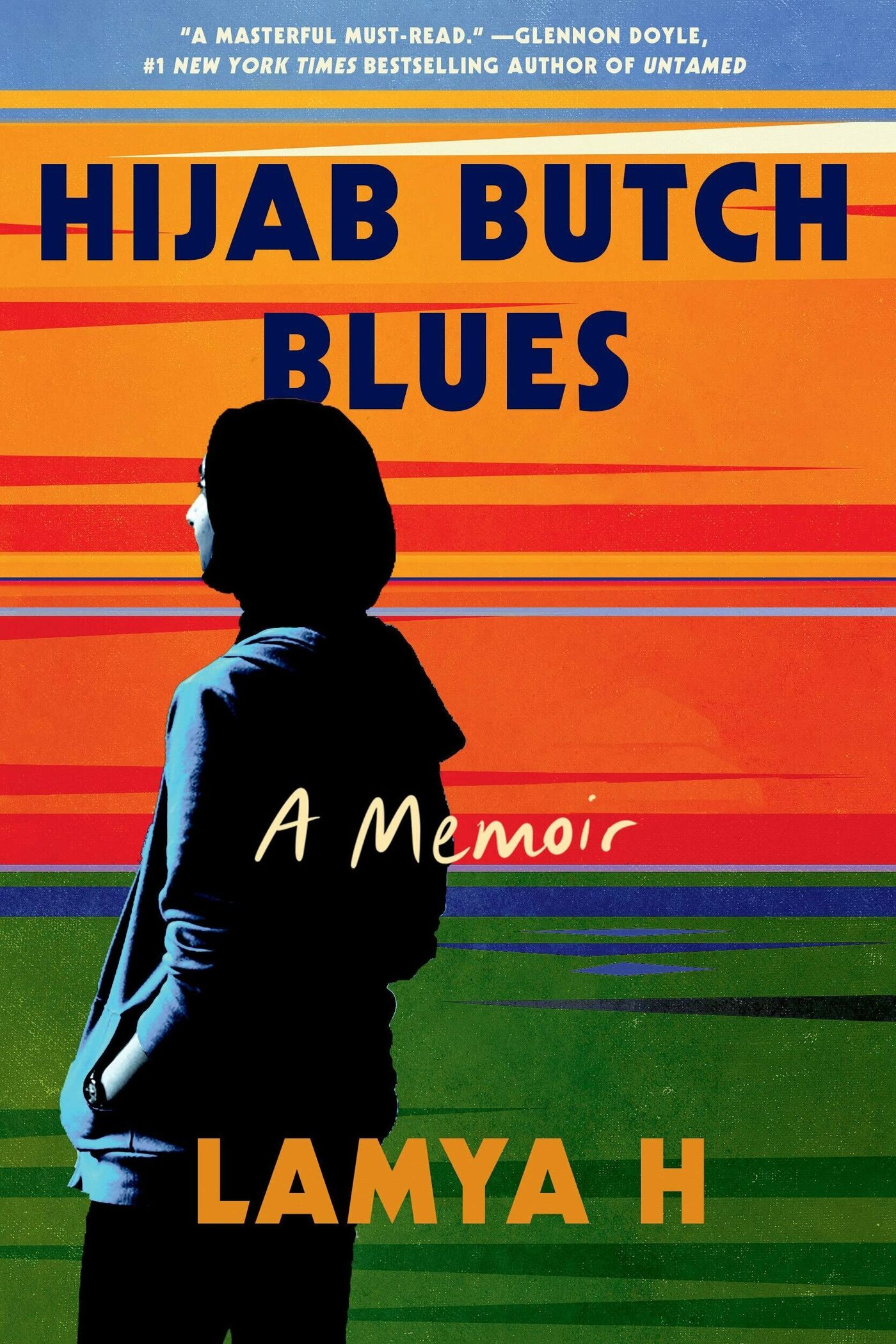
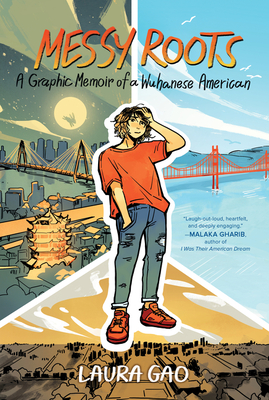
I’m back with a wrap-up, and we’ve officially passed the halfway mark of 2026…jeez. Currently reporting you within hours of melting into a puddle like the Wicked Witch of the West from this heat. I feel like I should start paying my swamp cooler for the labor it’s been putting in for the past month. Stay cool and hydrated, everybody!
Let’s begin, shall we?
GENERAL THOUGHTS:
I’m coming to you in a verydifferent place than I was while writing the March/April Wrap-Up, which is, for the most part, a welcome thing. Between my honors thesis, finals, and graduation, I had been constantly on for the most part. Sure, I had some time to squeeze in some fun and relaxation, but it was just go, go, go for most of the semester. But now I’ve got myself a nice Bachelor’s degree, and I’m spending it…not doing much. For right now, that’s exactly what I wanted.
I’ve spent most of the past few two reveling in the free time I have right now. I have several very disparate goals that I’ve set for the summer (exercise more, write one short story per month, and don’t buy any more yarn…send help, I’m drowning in yarn over here) that (knock on wood) I’ve managed to stay true to. But I love the routine I’ve set for myself. I love my college town, and I love taking walks to the local coffee shops, writing for an hour or two. (More often than not, those trips have also resulted in a trip to the record store, which has…[ahem] put a slight dent in my bank account. Maybe I need to put a ban on that too.) But ultimately, this summer has felt comfortably exploratory so far—I’m slowly trying new things, but they’ve all extended into cherished parts of my weekly routine.
So mostly, May and June have been about creativity. I’ve been more locked in than ever with my knitting, even if the results have been less than optimal. I’ve done so much more drawing and sketching. I’ve made more time to practice my guitar. I’ve written the most since I stopped my honors thesis. And I have more time to read than just before bed! Imagine that…
MAY READING WRAP-UP:
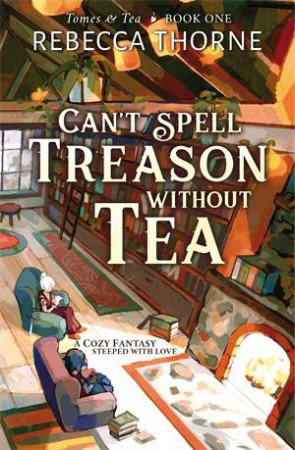
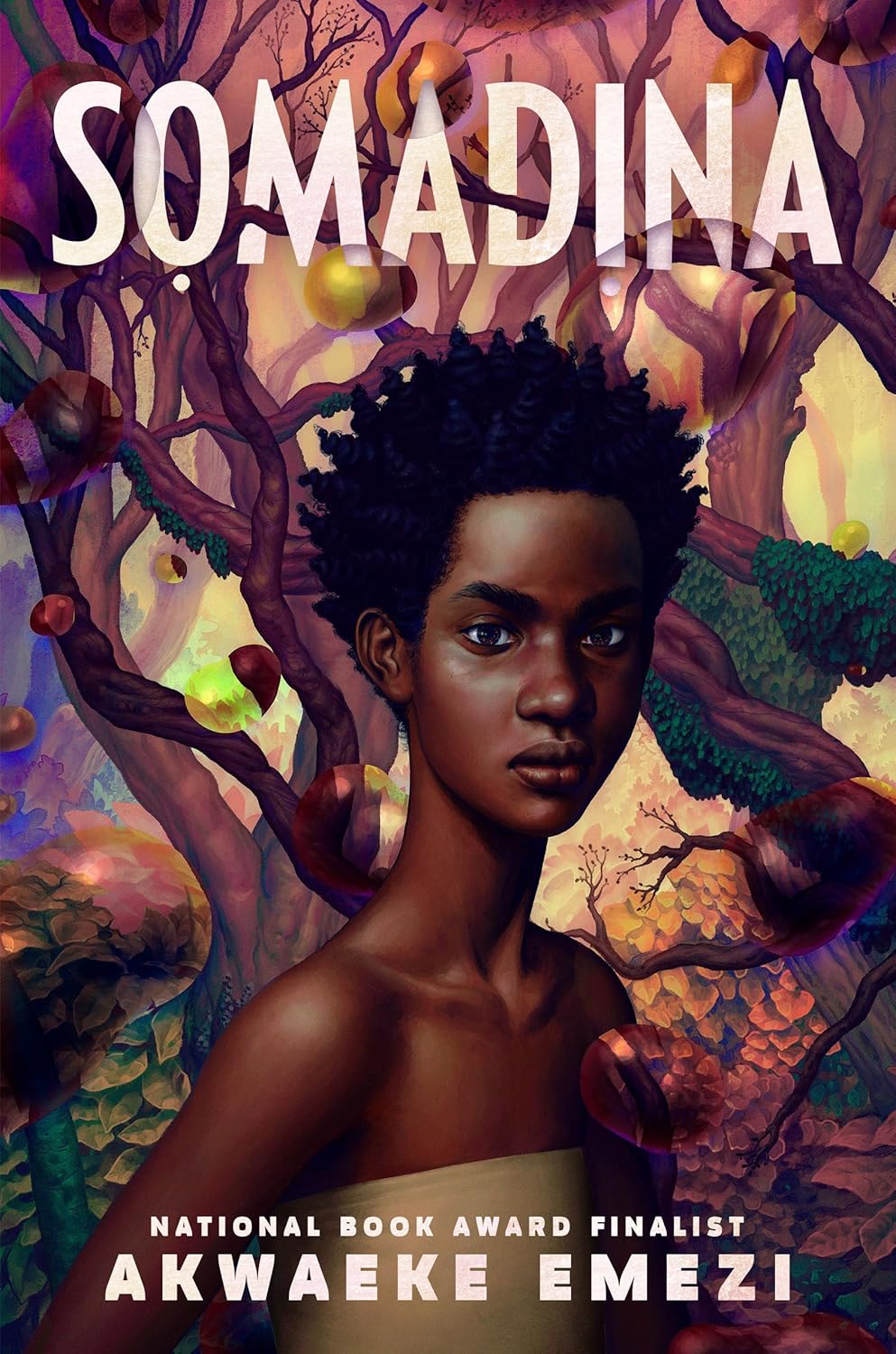
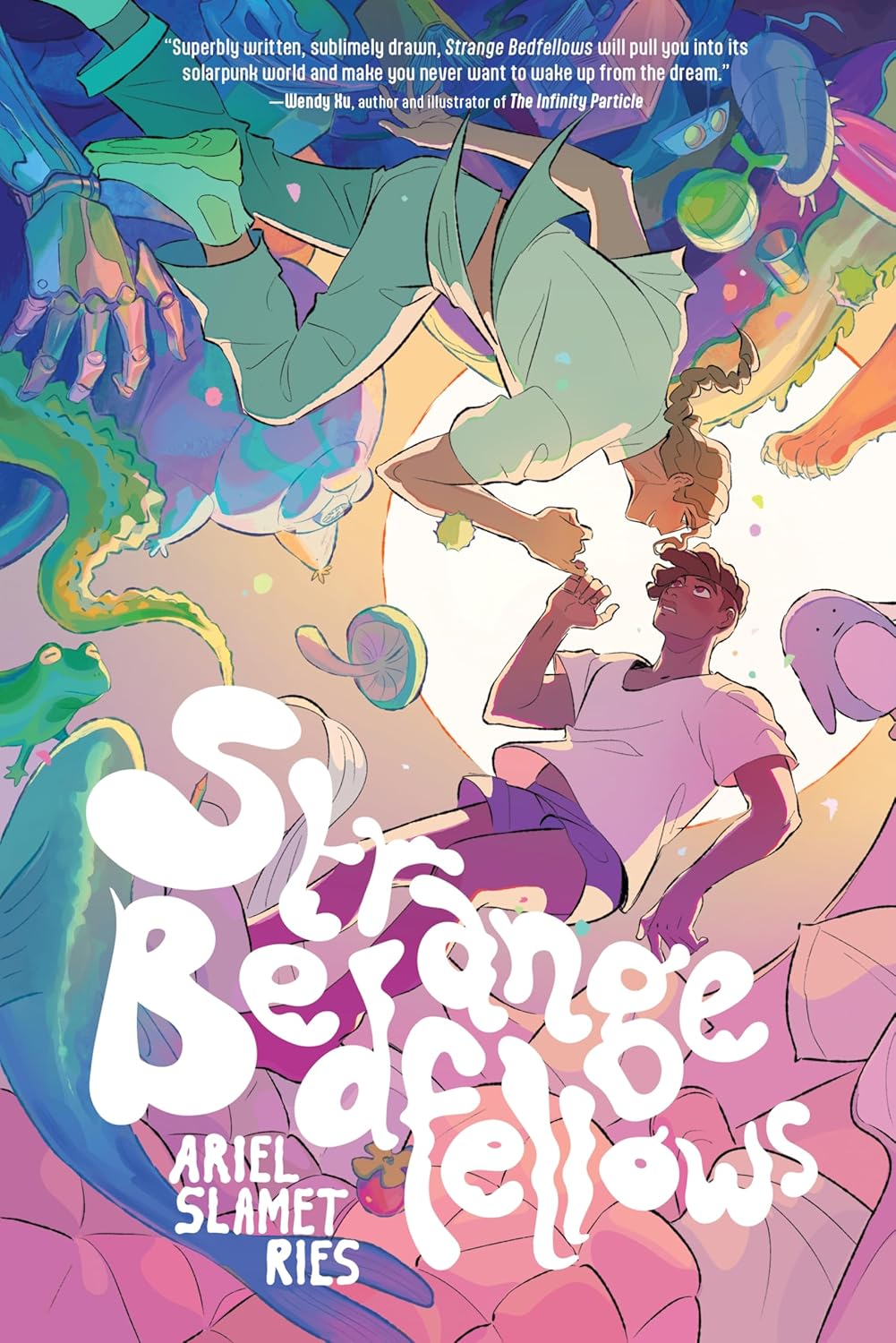
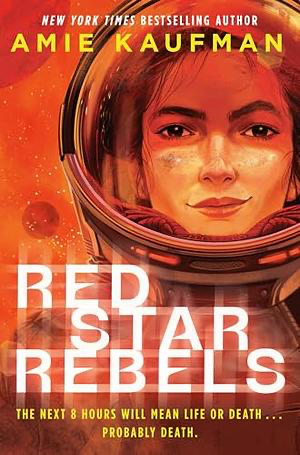
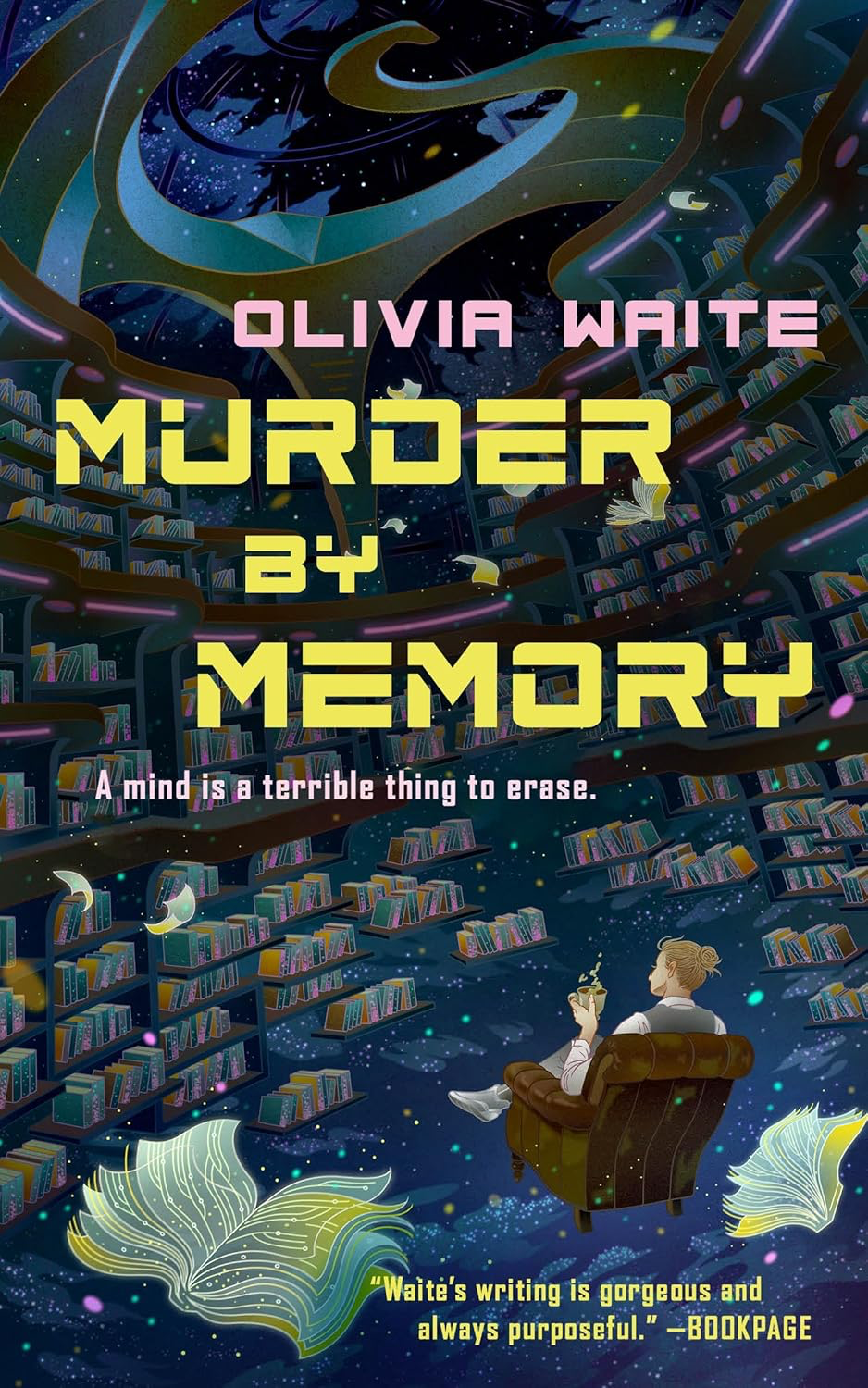
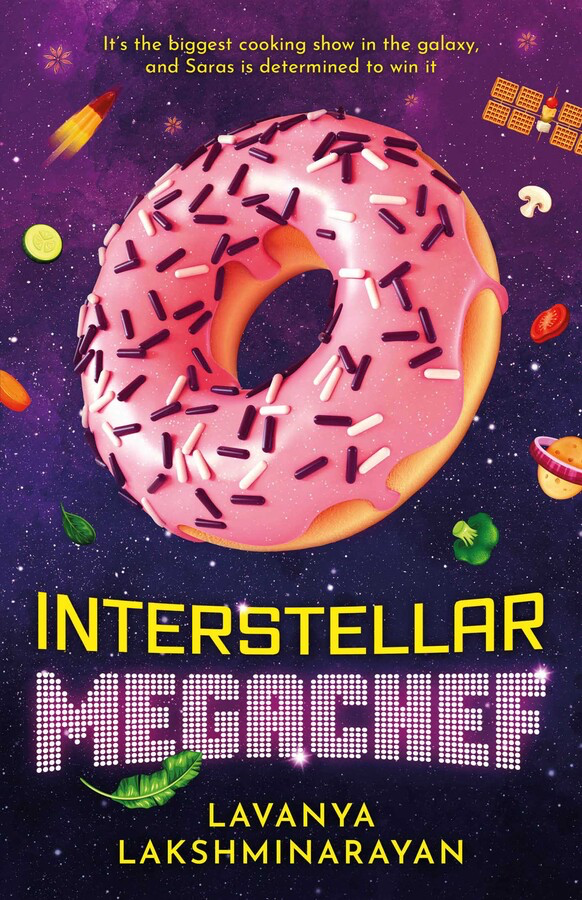
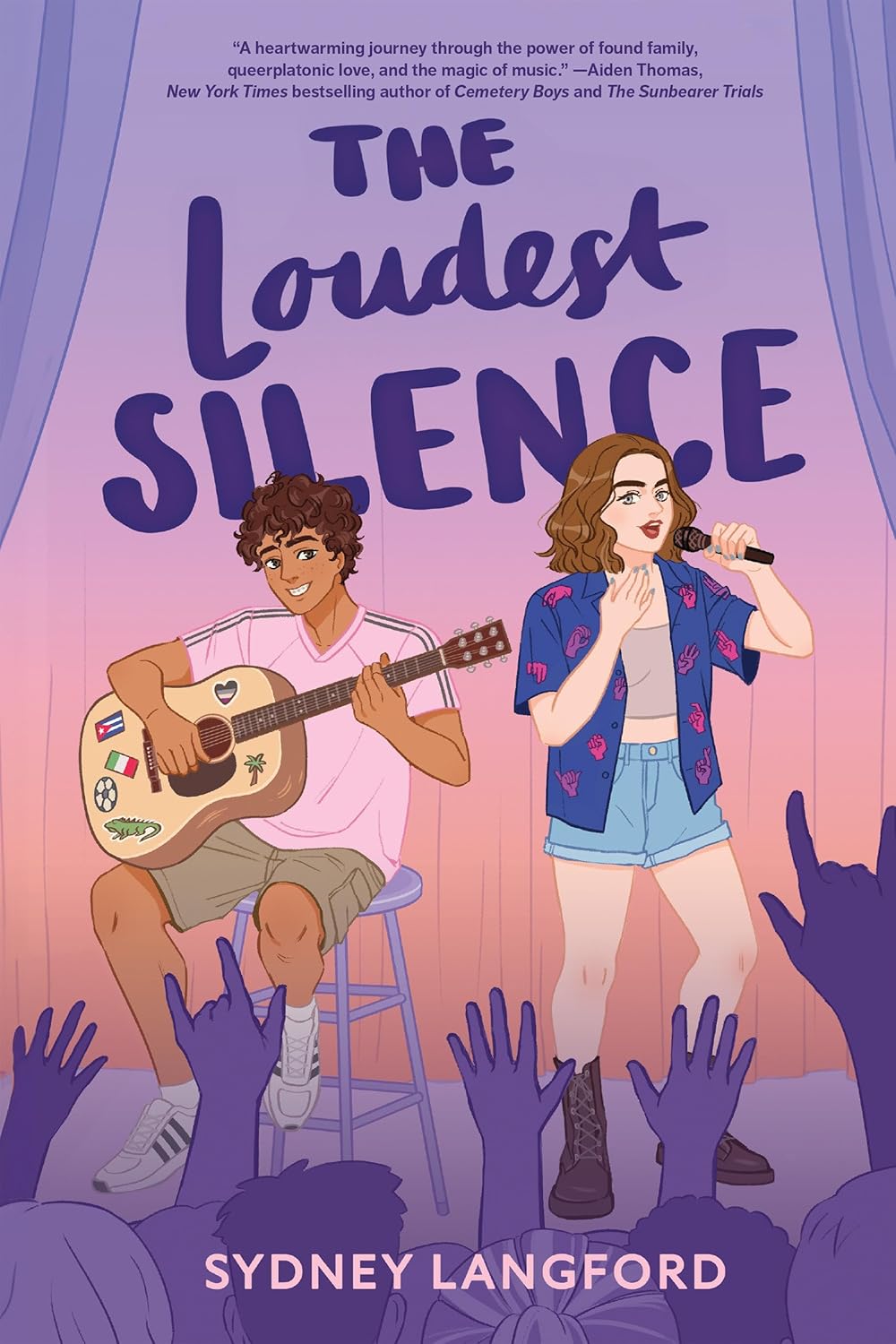
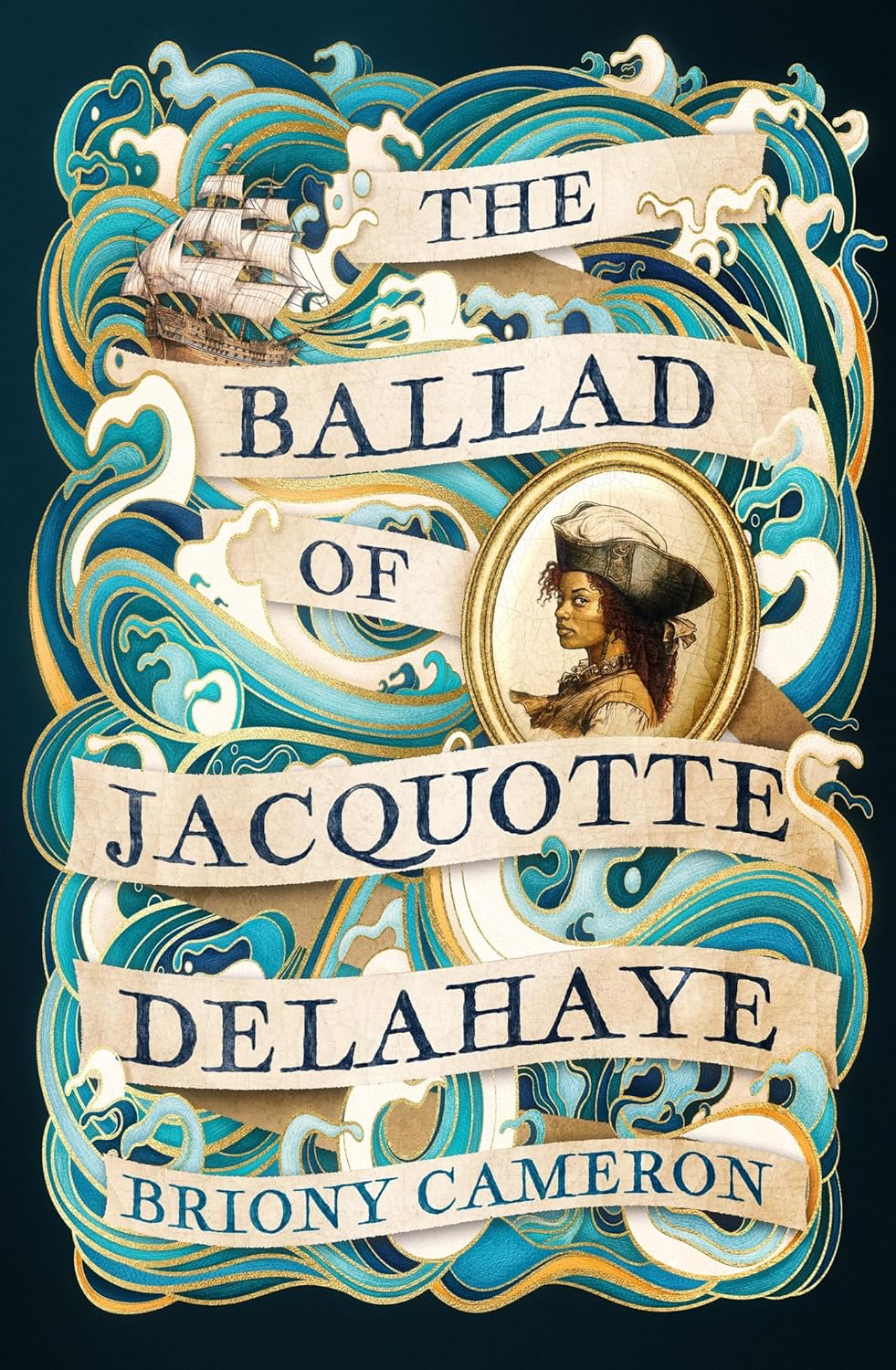
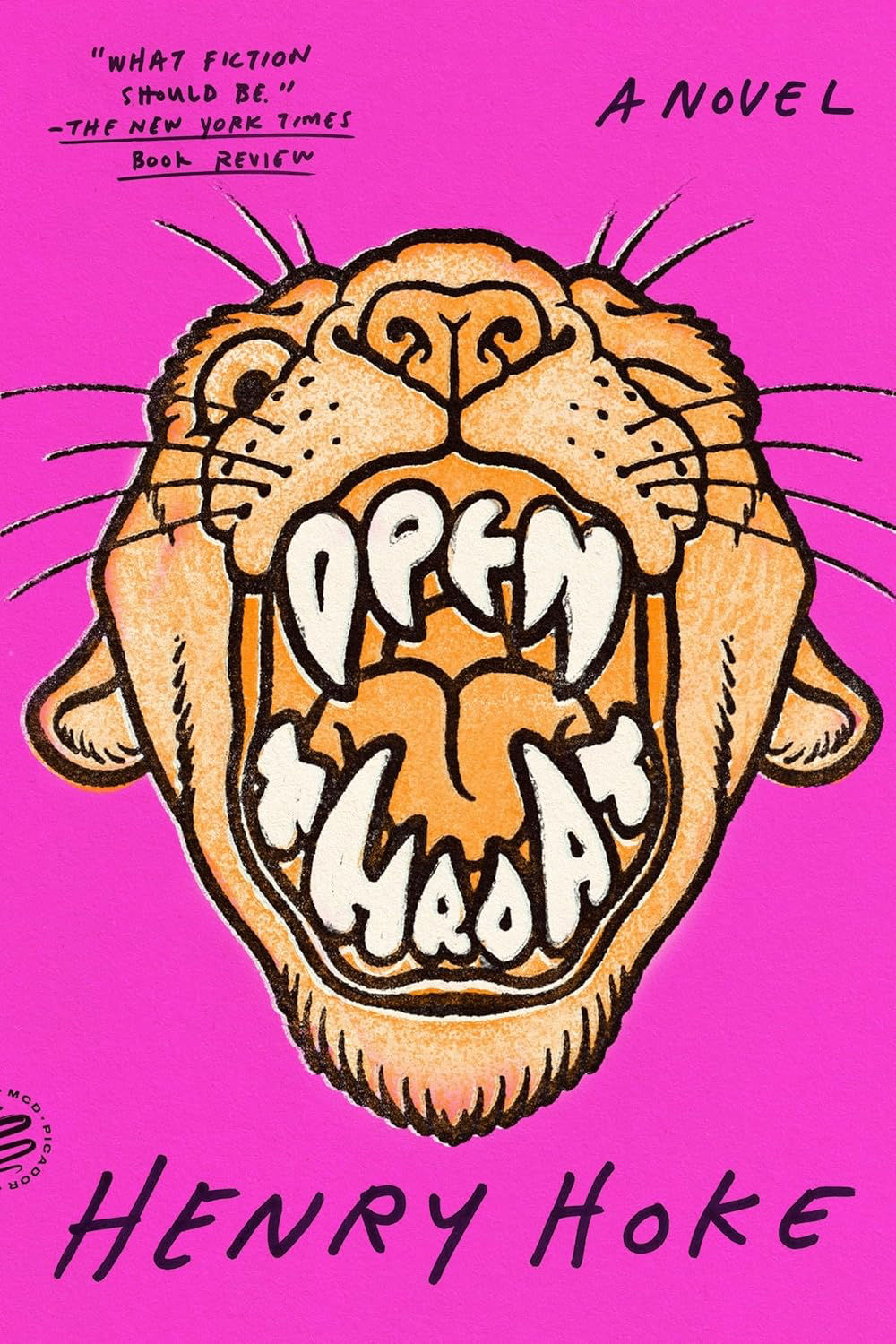
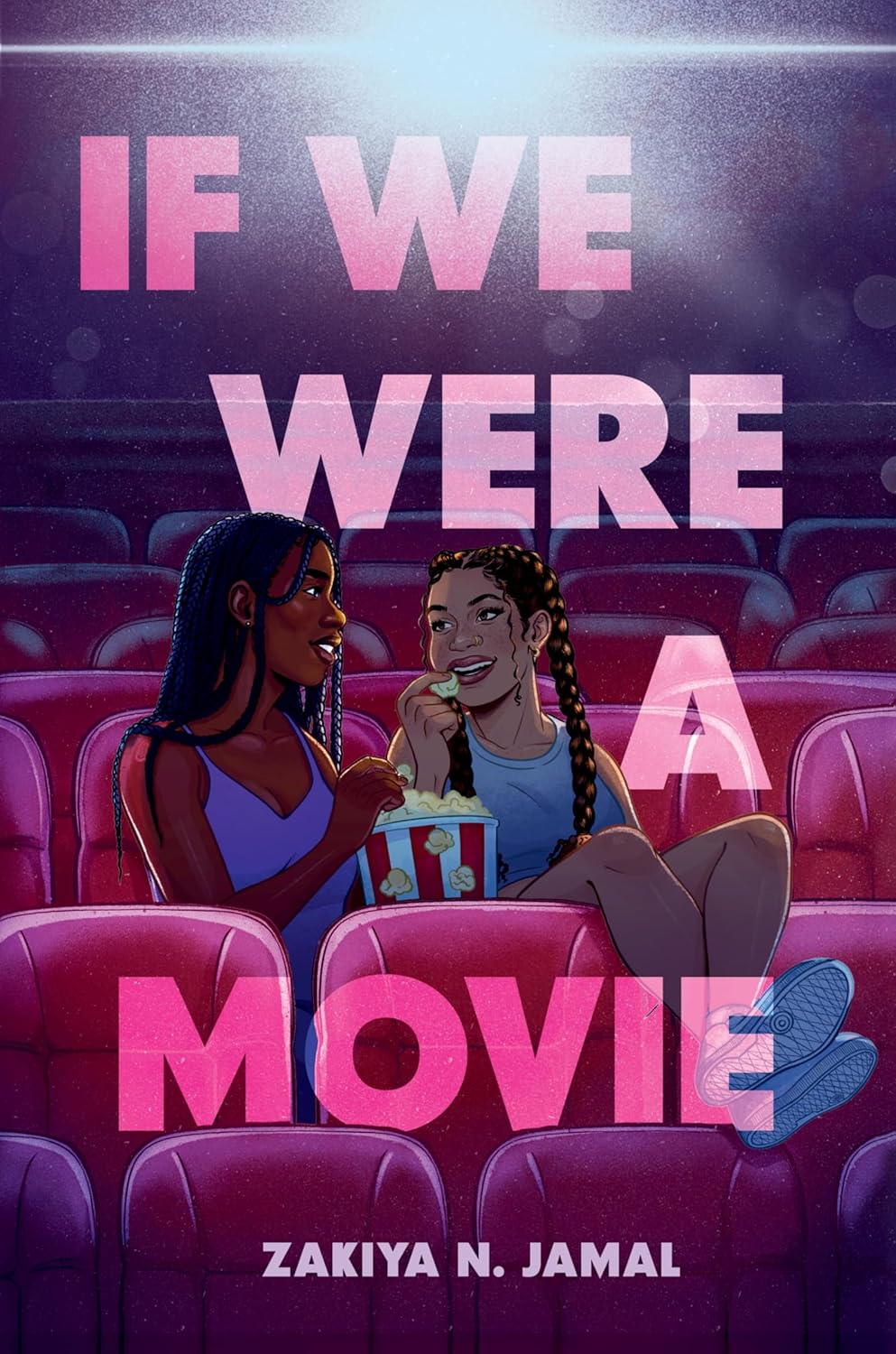
I read 13 books in May! It was really all over the place with a 5-star read and a DNF in the same month, but I read so many exciting books this month, both from new-to-me authors and familiar ones, focusing on AAPI authors for the Heritage Month.
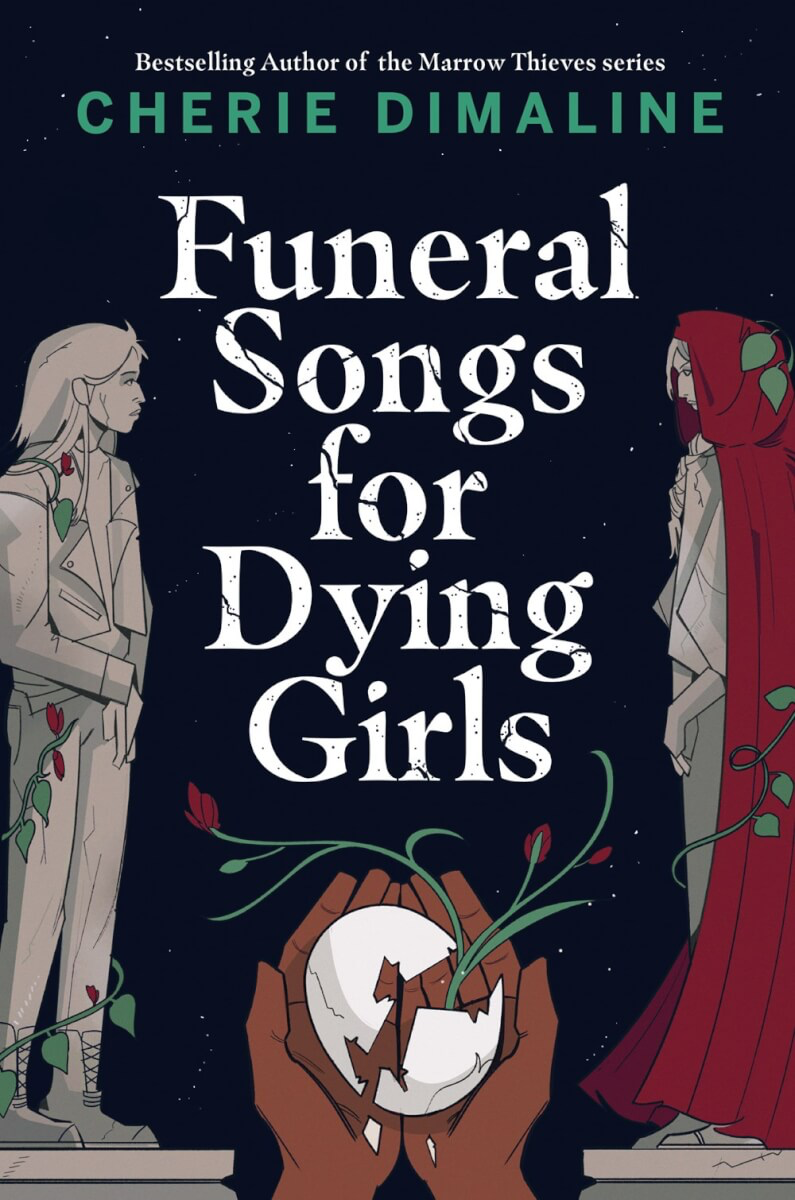
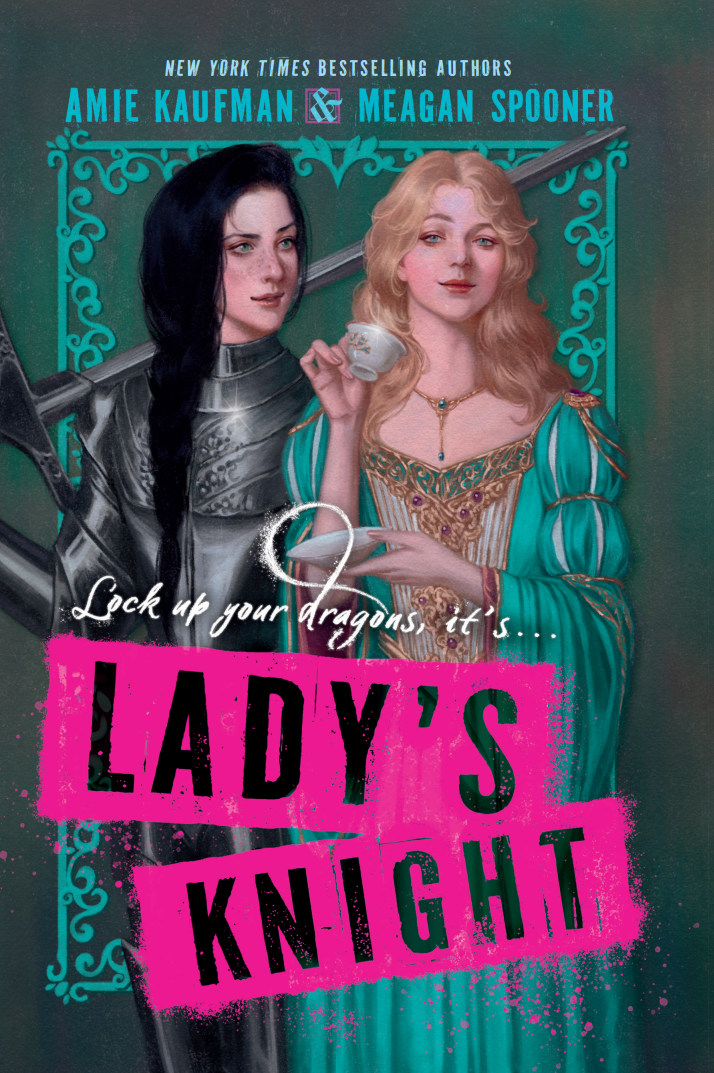
I read 14 books in June! It’s the most books I’ve read in a month in 2026, definitely owing to being freed up by summer. Though my ratings were once again all across the board, they trended towards positive ones—and I had some excellent reads from new and familiar queer authors for Pride Month!
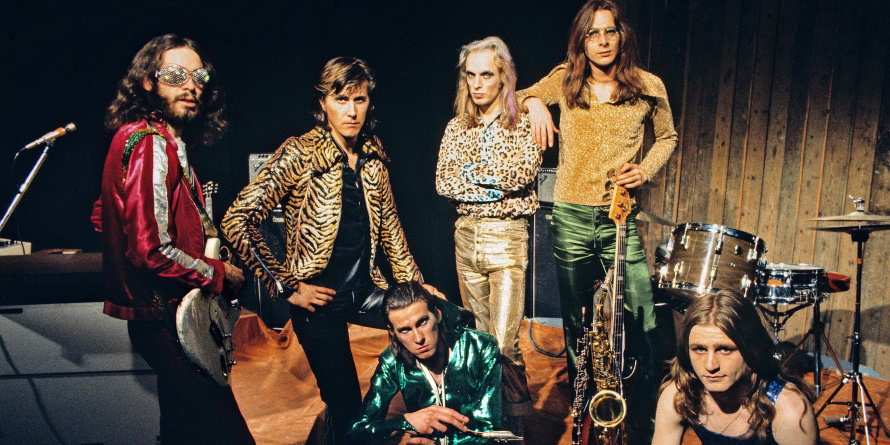
Seeing old photos of Roxy Music always cracks me up…5/6 of them look goofy as hell in all that leather and animal print, and then there’s Brian Eno over here casually serving enough looks to feed a family of four. Good god, I don’t think anybody’s gotten that closet to valiantly fighting male-pattern baldness and winning. The receding hairline fought hard, but damn if Brian Eno wasn’t fighting just as hard.
Okay, maybe I should go easier on the other members of the band, because “Virginia Plain” reminds me of why I love early ’70s glam rock so dearly. This song is just immaculate. It’s at that perfect, Ziggy-era moment in time right before glam fully broke into the mainstream. It’s all swagger, sheen, and pure skill—it’s a blast, but this song feels chiseled and streamlined to a meticulous level. Most of the Roxy Music songs I’ve heard instantly recall The Rocky Horror Picture Show to me, and Bryan Ferry’s seductive vocals feel so proto-Frank-N-Furter—I’d be surprised if Tim Curry didn’t take a few cues from him for his performance; the lyrics are classic glam as well (“You’re so sheer/You’re so chic/Teenage rebel of the week”). Phil Manzanera’s acrobatic guitar work soars, but it effortlessly shape-shifts from classic, guitar-based rock to electronic freakouts in mere seconds, leaving the space between the two eerily natural. I can’t imagine being alive in the ’70s and hearing Brian Eno’s space-age keyboards get unleashed in “Virginia Plain”—it would’ve cracked my mind in two, for sure. Some old British guy in 1972 definitely had a heart attack watching this. But to me, “Virginia Plain” embodies the best of glam rock: a sound that was meant to send a shock to the system, but pushed boundaries creatively as well as socially. It’s all shiny, leather boots and smudged eyeshadow, full to the brim with hard-earned confidence.
…AND A BOOK TO GO WITH IT:
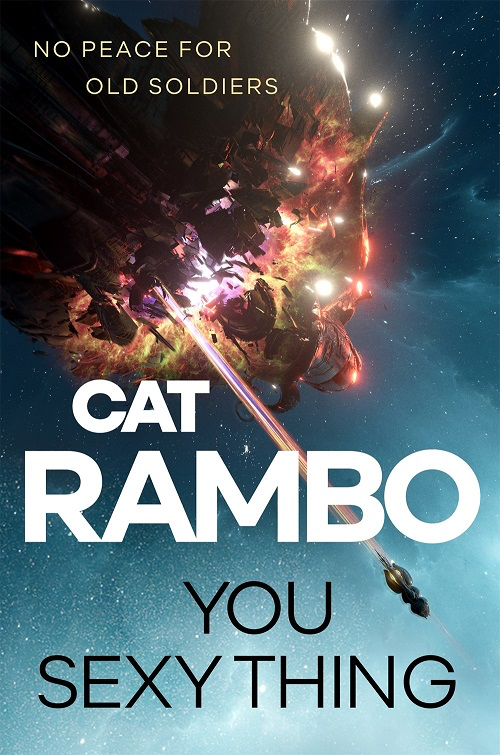
You Sexy Thing – Cat Rambo – I know this series is called Disco Space Opera, but…it’s just the vibes. The overwhelming vibes.
Unfortunately for you all, the pharb sleeper agent that’s been inactive since about 2023 has been reawakened. You’ve been warned.
One of the hallmarks of early Phoebe Bridgers tracks is that they often had male duet partners who were an odd fit, vocally—they’re all good singers, but their vocal ranges and styles run counter to Bridgers’s style (see also: “Garden Song”). I think that was the initial reason that, when I first listened to Stranger in the Alps back in high school, that I was turned off from “Would You Rather”; Conor Oberst duets with Bridgers in the chorus—he’s objectively a talented singer, but his nasally voice just does not mesh with Bridgers. The same can be said for the music video, directed by Phoebe Bridgers’s younger brother, Jackson Bridgers…her penchant for gallows humor aside, what’s Conor Oberst doing with that stupid grin on his face while lip-syncing along to “in a suicide pact with our family and friends” at 1:53? Read the room, my dude…
But as with several songs on Stranger in the Alps that didn’t grab me on the first listen, “Would You Rather” only gets better—and more devastating—with each listen; her best instrumentation sounds like watching embers from a campfire become stars in the sky, and the delicate plucking at 1:05 is one such beautiful moment. According to Bridgers, “Would You Rather” was inspired by a mix of events—her childhood home burning down and her brother being suspected as the culprit, as well as an undercurrent of domestic violence; even for someone so usually candid about her experiences, I’m not surprised that neither she or the song has divulged any details of the latter. Sometimes the only way to be vulnerable is to always have the safety net of metaphor—to protect yourselves and the ones you love. Yet at the heart of it seems to be their bond as siblings: the chorus of “Come to find out/I’m a can on a string, you’re on the end/We found our way out/Of the suicide pact of our family and friends” emphasizes the lifeline that they’ve built with each other in spite of the strife that surrounded them growing up. There’s a bedraggled, burdened hope to it; despite the sense of being trapped by family, their mutual connection is what keeps them afloat in the end.
If you or a loved one is/has been a victim of domestic violence, click here for a link to the National Domestic Violence Hotline.
I owe you an apology, Let’s Dance (1983), I wasn’t familiar with your game.
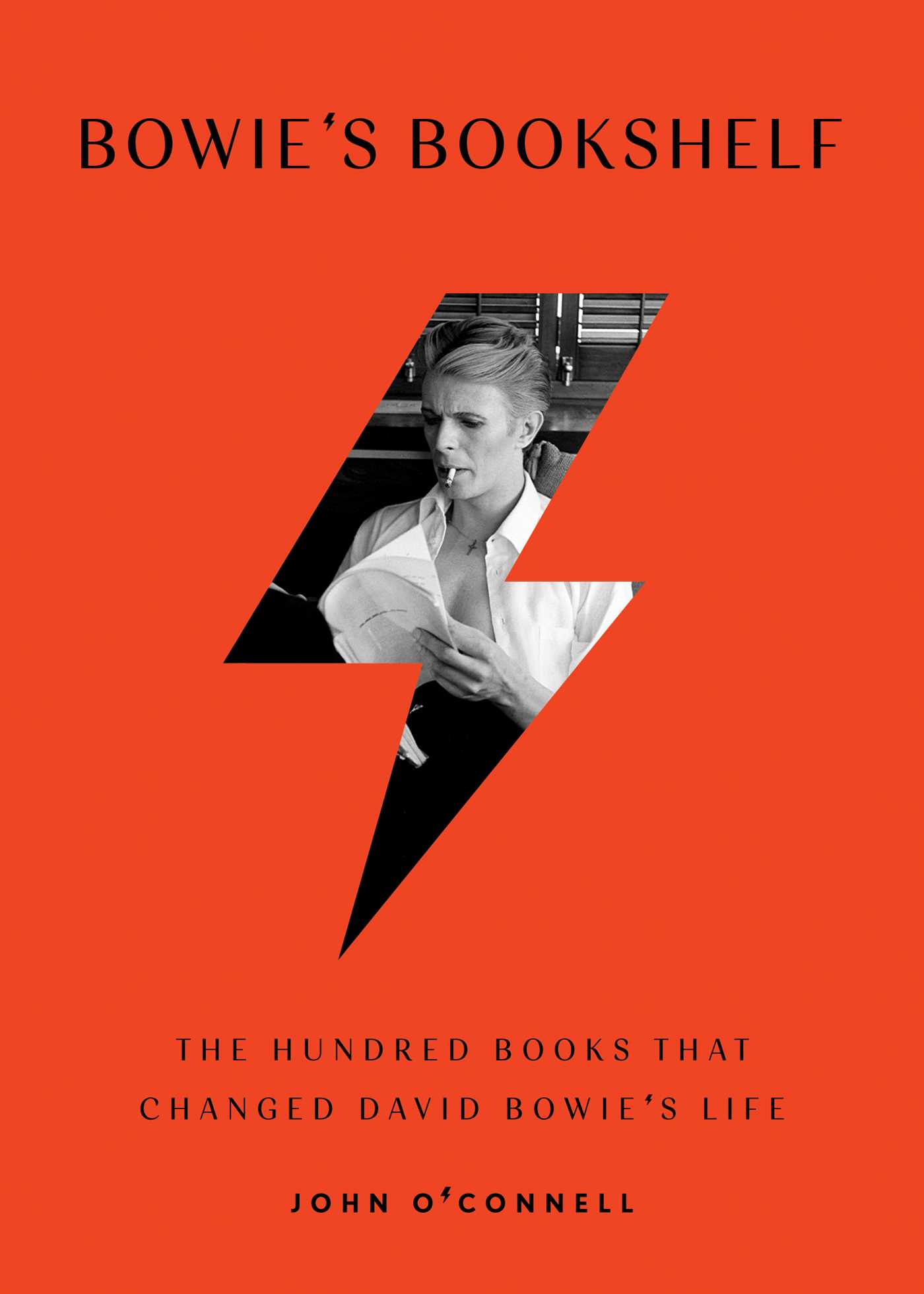
It’s easy to think of the album as David Bowie’s sellout pop album, the one where he cast aside all the pretense of experimental daring and weirdness that he’d built up with the Berlin Trilogy and Scary Monsters (And Super Creeps), not to mention the infamous “David Bowie Straight” magazine cover for an accompanying issue of Rolling Stone. Here’s the thing: yes, it is a pop album. But it’s not as if Bowie wasn’t making pop music for a significant portion of his career in the ’70s. Sure, The Rise and Fall of Ziggy Stardust was stranger than most things on the airwaves, but it was pop. This was just his ’80s pop record, and like the albums before it, Let’s Dance has so many enduring hits to spare. Sure, it’s more sparse than some of his other albums, and there’s clearly a few afterthought tracks that were just made to make it complete, with its slim eight-track, 40-minute runtime (lookin’ at you, “Shake It”). But let’s be real: it’s hard to measure up when the first track on this album is “Modern Love.” Come on.
“Without You” is often regarded by critics as one of said afterthoughts to beef up Let’s Dance. I get where they’re coming from. For a songwriter like David Bowie, the lyrics are…well, yes, even as a fan, it’s a bit bland. But I feel like a three-year gap between releases after a powerhouse like Scary Monster (And Super Creeps) justifies it. Anybody would have to recharge after that. But “Without You” feels like Bowie’s take on a slow, yearning pop song, and he hits it out of the park. Strung with guitar flourishes that glimmer like string lights, “Without You” is a warm and wistful yearner, aided by the rich, graceful deepening of Bowie’s voice as he aged into his forties. Is it as instantly memorable or well-constructed as “Modern Love” or “Let’s Dance?” Maybe not, but it’s a damn good pop song.
As a bonus: even though they’re two distinct songs, Perfume Genius also has a great song called “Without You,” and for what it’s worth, it’s a good pairing with this song.
5 a.m. really is the perfect hour for this song. “5AM Waltz” is woozy in every sense of the word. Awash in reverb, the first two thirds feel like you’re stumbling around the kitchen in the middle of the night, trying to find the light-switch; it’s almost enough to feel directionless, but the directionlessness feels fully intentional. There’s lots of hyphenated genres that you find hints of—trip-hop, dream-pop, indie-pop—but whatever you’d call it, “5AM Waltz” is downright melodic and atmospheric, an exercise in crafting something memorable from less than two minutes.
Chances are, if you haven’t listened to a ton of Graham Coxon’s solo work (like me), this song won’t give you a good idea of how his sound generally is. “Oochy Woochy” doesn’t sound anything like the frenetic, anxious indie-rock that he usually writes. But I think it’s proof of him being one of the members of Blur who was most willing to take risks with their sound, and it translated instantly when he had more creative freedom. I mean, this is basically a jazzy saxophone loop with a hip-hop-inflected beat. The lyrics amount to only “Oochy woochy/Yeah, baby,” with the later drawled like James Acaster. And it’s so fun. It’s the perfect walk-on song. That prolonged silence at the beginning allows the full force of the saxophones to bowl you over, and from there, it’s just such a fun, carefree groove to get lost in. Even the little quacking sounds punctuating the beat are strangely natural. He’s got range.
…AND A BOOK TO GO WITH IT:
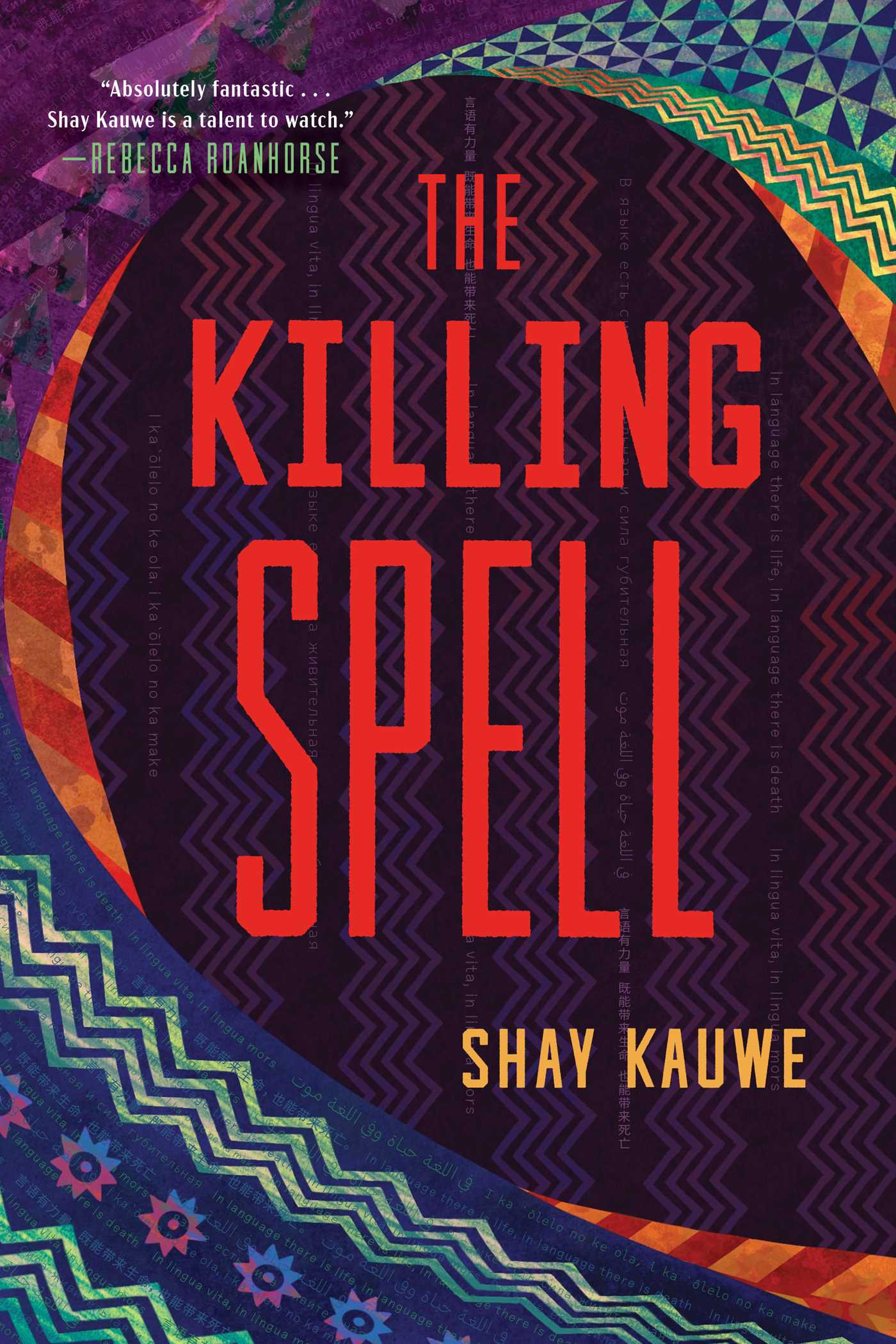
The Killing Spell – Shay Kauwe – the ideal soundtrack for plunging into a crowded ballroom…somewhere in a post-apocalyptic L.A. with magic and murder running amok.
Since this post consists entirely of songs, consider all of them to be today’s song.
That’s it for this week’s Sunday Songs! Have a wonderful rest of your day, and take care of yourselves!
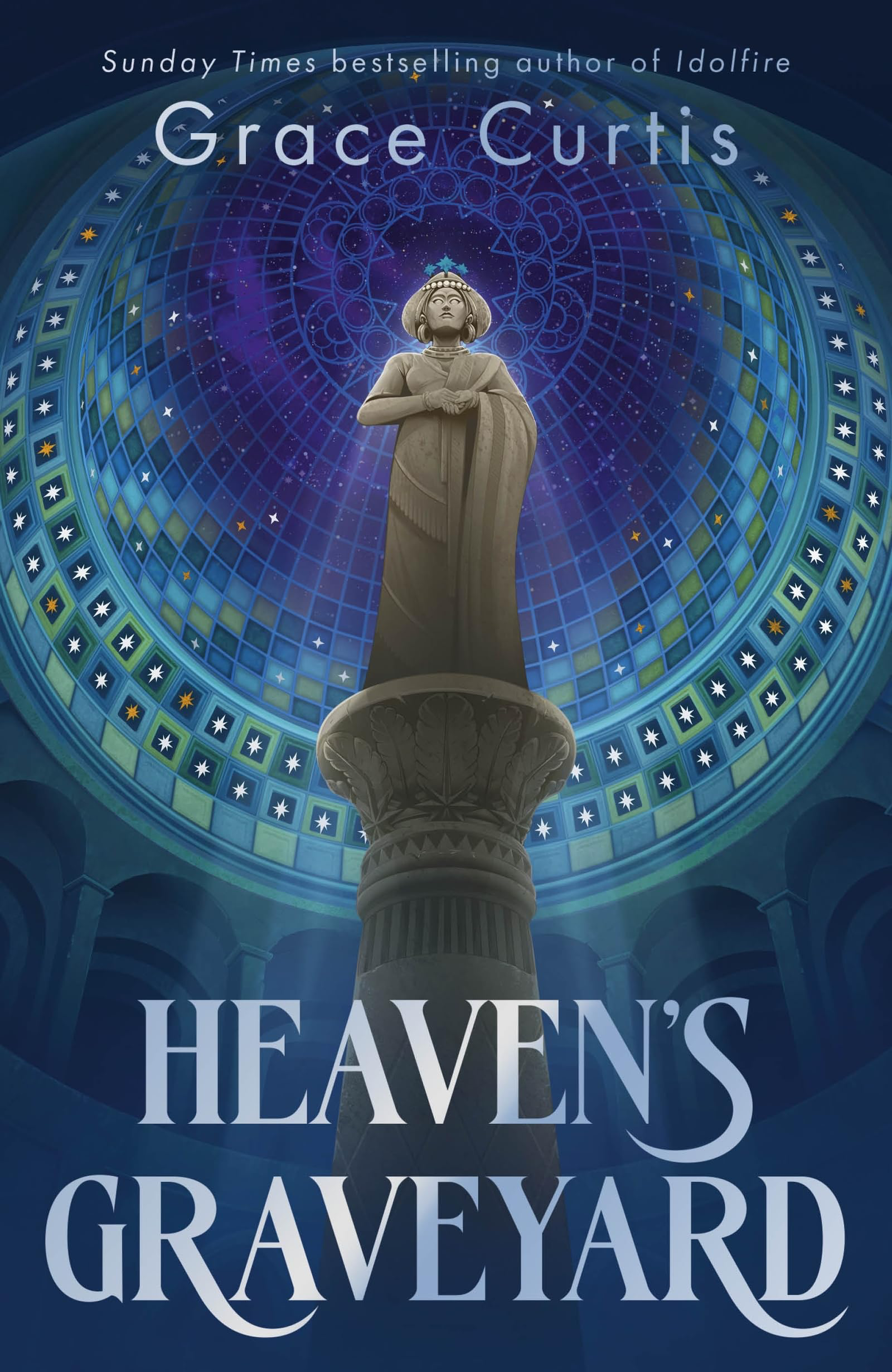
After my Idolfire freakout last week, I knew I had to get my hands on Heaven’s Graveyard as soon as I could. I put it on hold, but mercifully, it came in way sooner than I thought! YIPPEEEE!! It wasn’t as enchanting as Idolfire, but those are huge shoes to fill—Heaven’s Graveyard is still a cut above the rest.
Coda Callanuny has thrown herself into her university work. A student of archaeology, she’s been bent on solving a mystery that she’s been chasing since childhood: proving that Aleya, a figure of myth, was a real person and not a fairytale. But when a beloved professor—the only one who believes her theory—suddenly turns up dead, her chase for history becomes a chase for a murderer. It turns out that her professor’s findings could change the world, and in the wrong hands, could spell disaster. With the knowledge of a sunken, magical city in ruins, Cod must fight to protect the secrets that governments could kill for—and to protect the ones she loves.
TW/CW: murder, violence, misogyny, descriptions of injury, war themes, religious bigotry (fictional) animal cruelty, toxic relationship
First off, can we stop to appreciate how gorgeous the cover is? Aled Thompson’s artwork is truly stunning.
There. Have you taken sufficient appreciation time? Very well, onto the review…
Once again—like Idolfire, which was billed as science fantasy for…reasons, I guess, Heaven’s Graveyard isn’t science fantasy either. I’d put it more in speculative fiction or fantasy, since this is a fantastical setting and magic exists, but said magic doesn’t play a central role; there also isn’t enough “new” technology to qualify as sci-fi. But enough about my ramblings about genre misclassification and mismarketing, let’s get into how excellent Heaven’s Graveyard is!
With Heaven’s Graveyard, Curtis proves that she is a master of worldbuilding. Watching the more archaic world in Idolfire transform into something semi-modern was a fascinating feat. In terms of technology, I’d say we’re somewhere at the equivalent of the 1900’s-1930’s (radios, fantasy forms of high-speed transportation, fairly advanced warfare methods, etc.); aside from being a breath of fresh air in a genre where medieval and Victorian settings reign supreme, it was planned out so meticulously. Between the explorations of politics, education, and religion, it felt as vibrant and real as Curtis’s other worlds. I particularly liked how Curtis explored the rise of the new Procumbent religion, and how it had come to dominate much of the world and how it seeped into said politics and education. Stepping into Heaven’s Graveyard felt like I’d gotten a ticket to visit this world, which is a must for good genre fiction!
As always, Curtis’s characters shone in Heaven’s Graveyard. The central characters lacked some of the oomph that made Idolfire stick with me—I loved Coda (and Sparrow was despicable, but excellently-written as a manipulative but charming prick), but she lacked the pull that Aleya and Kirby had on me. I think part of it was just that kind of grand, mythic arc that they had wasn’t present here, and although Cod’s arc was emotional, it didn’t move me nearly as much as the former’s. Granted, I knew going in that it wasn’t going to be the same, but I just feel like the full effects of Cod and Sparrow’s disastrous relationship were glossed over, to the point where it almost felt like an afterthought. Thal grew on me much more than I expected, and I loved the relationship that she and Cod had towards the end. Like Idolfire, all of the kooky side characters felt so real and made the world feel so much more lived-in, and every glimpse made the world so delightfully human.
Like Idolfire, Heaven’s Graveyard excels at the balancing act of pairing humor with darkness. In this case, it applied to the murder mystery side of the plot. In spite of the murder of one of Cod’s beloved mentors, Curtis’s take on mystery was surprisingly funny. Most of that came from the fact that, in the first half of the novel, the main obstacle that Cod faced was the infinite layers of bureaucracy from the university and her colleagues thinking that she’s gone nuts. Yet Curtis maintains the stakes—both external and personal—involved in the mystery. I loved the first reveal about Nivela, and I loved how it tied into how this novel examined how history and historical discoveries are often manipulated for political gain. There’s a thematic thread from Idolfire about revelations that could shatter the carefully maintained foundation that a country/empire/etc. has built for itself that I appreciated. Fast-paced and full of mystery, Curtis’s blend of genres was a success.
It’s clear that Heaven’s Graveyard comes from a deep passion for archaeology and history. On the surface level, I loved Curtis’s depiction of historians and academia, from Cod’s relentless search for the truth to the bureaucratic hoops that she has to endure, even in a fantasy world. Cod’s quest to prove that Aleya was real formed the core of her character, but I loved how it tied into her character arc and Curtis’s exploration of history and obsession. Cod’s quest becomes one that blurs the boundaries of genuine desire to uncover history and her own ego, and I loved the nuance that Curtis afforded it. It also provided a timely commentary on how we often feel the need to push aside the wishes of other people and cultures in the pursuit of knowledge, and without spoiling anything, I love how Cod comes to the realization that she does. It shows not just a deep reverence for archaeology and historians, but a love for the people whose bones that this history once belonged to.
All in all, a masterful blend of fantasy, speculative fiction, and mystery that made every page worth the ride. 4.25 stars!
Heaven’s Graveyard is a companion novel to Idolfire, which is set 2,000 years before this story in the same universe; however, according to Curtis, they can be read separately from each other. Grace Curtis is also the author of Floating Hotel and Frontier.
Today’s song:
today’s oddly specific song fragment that I love: the way that tom waits says the word “mackerel”
That’s it for this week’s Sunday Songs! Have a wonderful rest of your day, and take care of yourselves!
Happy Sunday, bibliophiles, and Happy Father’s Day! At least half of the music that gets into these posts is from my dad, and sharing music with him is one of my favorite things, so thank you 🩵
This week: does anybody remember that Instagram account that was just toilets with threatening auras? Introducing my million-dollar idea, “Brian Eno songs with threatening auras,” which totally isn’t niche and would gain so much traction.
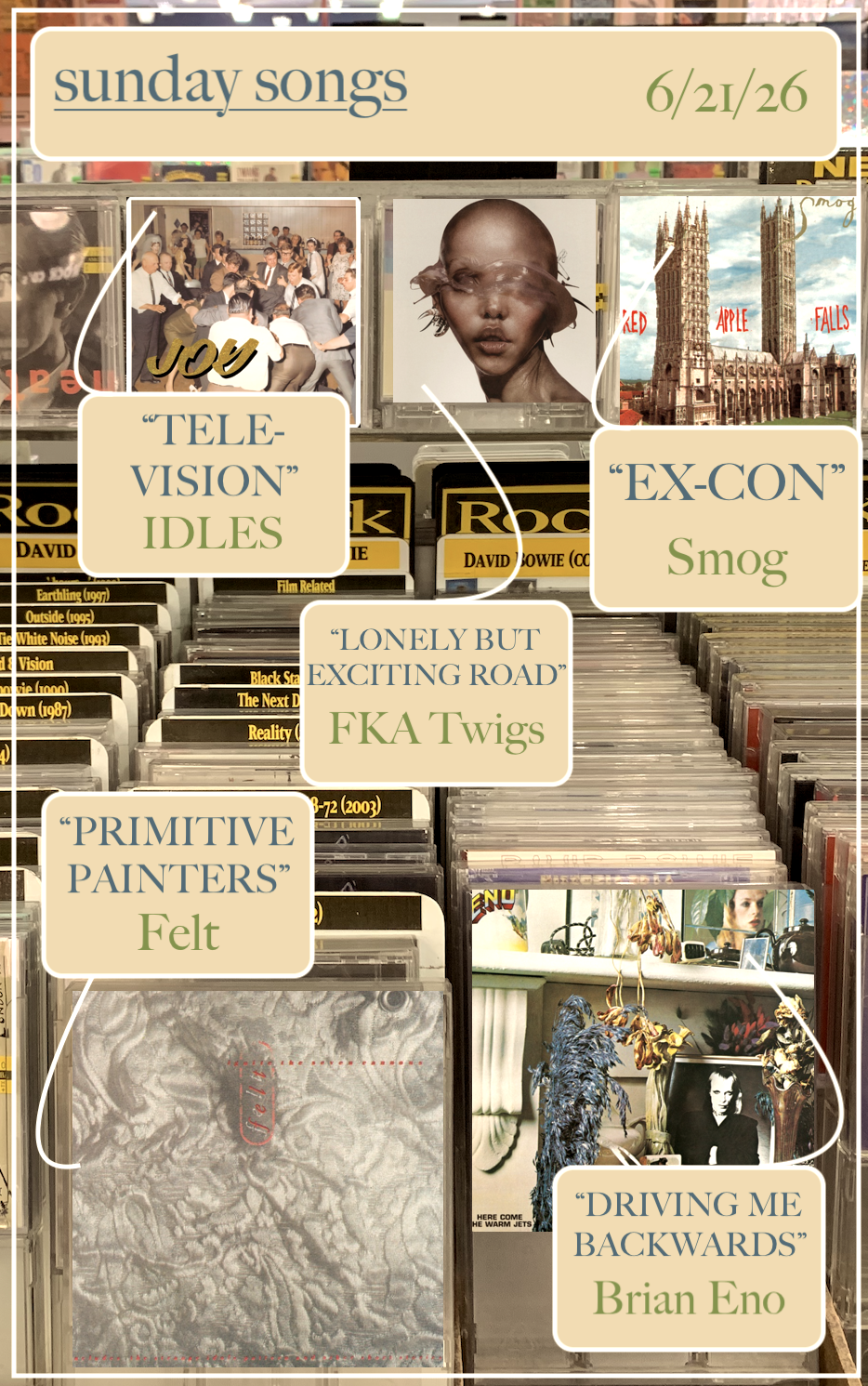
This one was a way-homer for me. I think it took me at least until a few months ago to really appreciate this song. When I was a kid, I remember my dad playing this in the car, and I think it just had that fatal combination of having droning vocals (Lawrence’s voice still isn’t particularly my cup of tea) and being over six minutes long. Perfect recipe for me zoning out and daydreaming about being in some fantasy world until it ended. Strangely, even when I’d just graduated from high school and my Cocteau Twins awakening had freshly happened, “Primitive Painters” still didn’t click for me.
Again, still not 100% on board with Lawrence—his voice has a very droning quality, and apparently he and Felt took a lot of influence from Television and Tom Verlaine, somebody else whose voice I also can’t bring myself to like. Everything about “Primitive Painters” is objectively so gorgeous that it’s easy to forgive. That guitar tone in the intro is so crystalline that it sounds less like a guitar and more of what I imagine how things would sound inside of a cracked geode. The dreamlike lyrics, according to Lawrence, spoke to “wanting to be in a select group…imagine groups of really cool kids hanging out in galleries, not pubs. That was my sort of conception,” which I never would’ve gathered; his visions of fire-breathing dragons and ships on empty seas would’ve lead me elsewhere. But it makes the defiant chorus of “you should see my trail of disgrace” even more defiant, becoming a confident flagpole planted in the dirt declaring allegiance to your own individuality. That brings us to what I think is the best part of the track—Elizabeth Fraser makes everything better, and her enchanting voice elevates “Primitive Painters” skyward.
…AND A BOOK TO GO WITH IT:
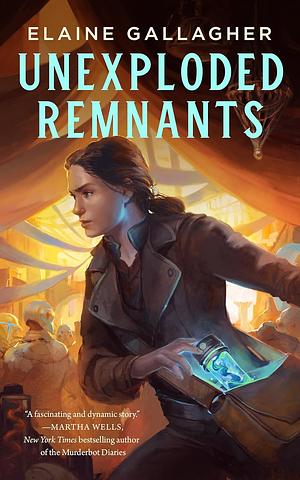
Unexploded Remnants – Elaine Gallagher – “I just wish my life could be strange as a conspiracy/I hold out hope but there’s no way of being what I want to be/The dragons blow fire, angels fly, spirits wither in the air/I’m just me I can’t deny, I’m neither here, there nor anywhere…”
The other day, I was talking to my brother, who had finally listened to Here Come the Warm Jets on a plane ride. He didn’t like it as much as Taking Tiger Mountain by Strategy, which baffled me, until I remembered that he was listening to songs like this. This song could feasibly make me go apeshit if I was 30,000 feet in the air.
Terrible way to sell “Driving Me Backwards,” I know. I used to skip around it whenever I first listened to Here Come the Warm Jets too. But it came on shuffle recently, and it was flat-out hypnotic. From such a simple skeleton—Brian Eno built this song on “only three chords, each different from the other by only one note”—blooms what might be his most densely-packed and foreboding tracks. It really does feel downright menacing, what with said three chords played like a dirge on an out-of-tune piano. Robert Fripp’s guitar zips like blips of radar, but on the steady rhythm of the repetitive piano, it feels like you’re being marched to the edge of a cliff. None of the lyrics on this album have a ton of structure, and yet combined with the atmosphere of the song, I get this image of the most dreaded possible scenario of meeting the parents: in my head, it’s this ’50s-style nuclear family (“Meet my relations/All of them grinning like facepacks”) and the girlfriend they’re giving you permission to date traps them too (“Now I’ve found a sweetheart/Treats me good, just like an armchair.”) That repetition, something Eno used to all sorts of effects later on in his career, makes “Driving Me Backwards” feel like you’re being pinned to the wall, but agonizingly slowly—whoever’s doing it is making every second of anticipation sink it.
…AND A BOOK TO GO WITH IT:
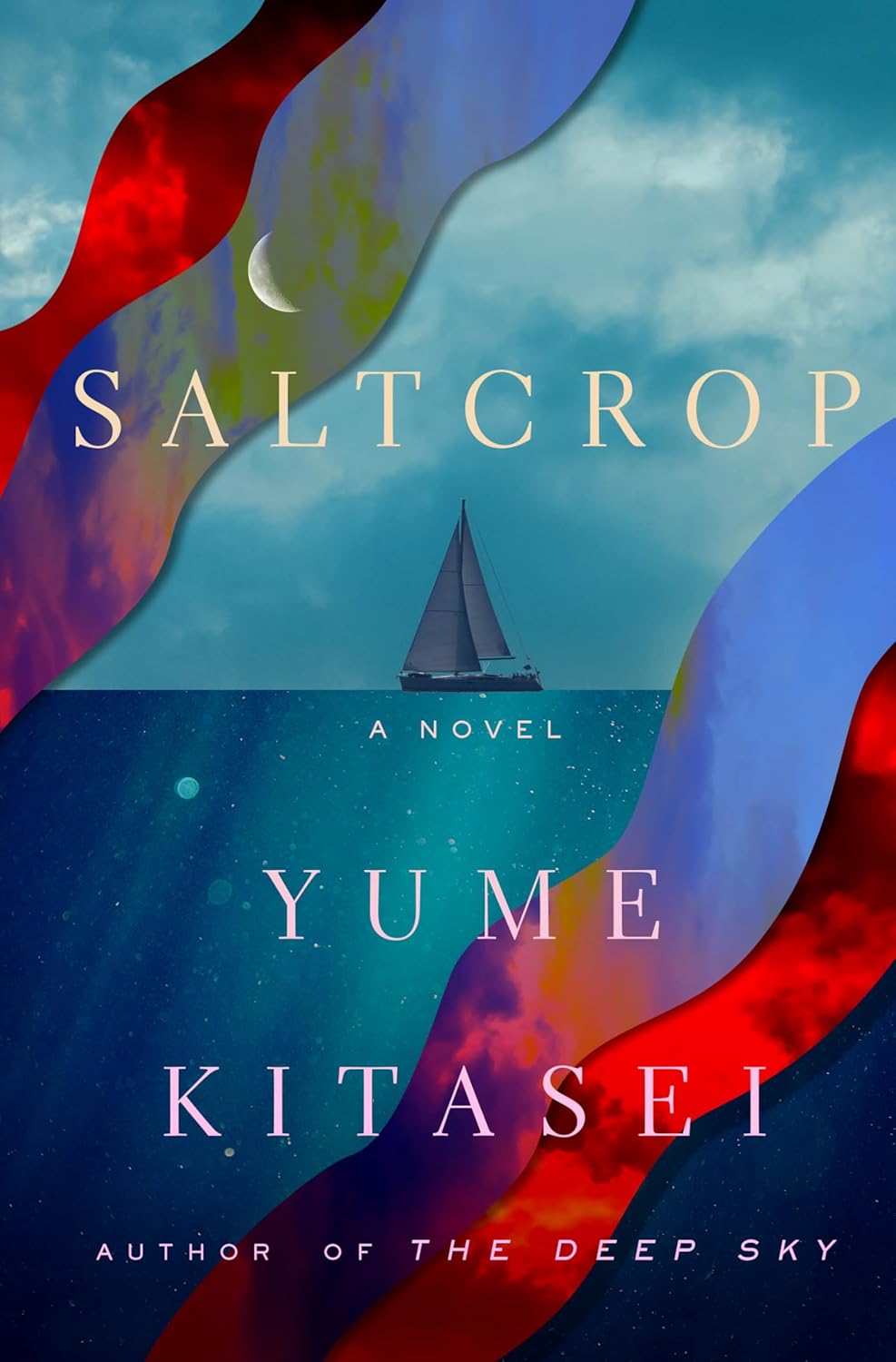
Saltcrop – Yume Kitasei – “I try to think about nothing/Difficult, I’m most temperamental/I gave up my good living…”
I still adore IDLES, and I feel like only something drastic will change it. But “Television” makes me sort of see where people are coming from with the criticism, because it’s basically the punk equivalent of this. And you know what? I’m completely on board. I think it’s so wonderful that IDLES has made a name off of having an aggressive, angry sound and image for the band, but making it into a Trojan horse for some of the most genuine and uplifting music out there. Self-love is very punk, after all, if you consider that, like Joe Talbot details in this song, that it’s tied to capitalism—companies want to make a profit off of you feeling inadequate and not looking like whichever models are in at the moment, and to reject that consumerism is verypunk. It’s all worth it just to hear Talbot yell “LOVE YOURSELF!” in a tone usually reserved for wrestling announcers.
…AND A BOOK TO GO WITH IT:
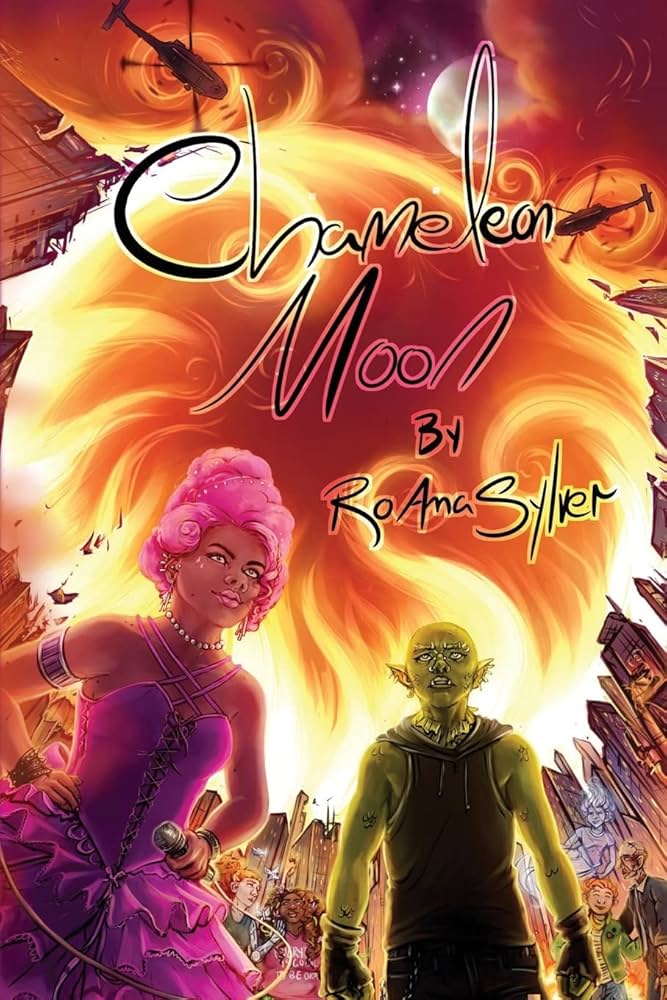
Chameleon Moon – RoAnna Sylver – “If someone talked to you/The way you do to you/I’d put their teeth through/Love yourself!”
I love a closing track that’s so clearly a Closing Track. Sure, a lot of the effort in it feels like it was put into being capital-A Anthemic, but for the most part, it works exactly as it should. Though I’m really not familiar with FKA Twigs and her work, she’s often lumped in with a lot of the weird women musicians that I admire—namely Björk, which makes sense, given that they’re both making boundary-pushing music that trends towards electronic. And nobody could be as weird as Björk, but like her, FKA Twigs is pushing through the embrace of exploring the adventure of being an individual and a trailblazer: “It might be heaven that’s coming my way/It’s gonna be a lonely but exciting road/And I’ll be finding myself on the way/It’s gonna be a lonеly but exciting road.” It’s such a beautiful sentiment, and the soaring, wordless section after the chorus reminded me of Kate Bush, another woman who paved the same path—it’s definitely got some “Cloudbusting” DNA in there. But for anyone, it’s such a hopeful sentiment, one that I’ve been trying to embody in the past few years, knowing that the path I’m taking with my life is unconventional, but wholly right for me. It’s so exciting that you forget about the lonely sometimes.
…AND A BOOK TO GO WITH IT:
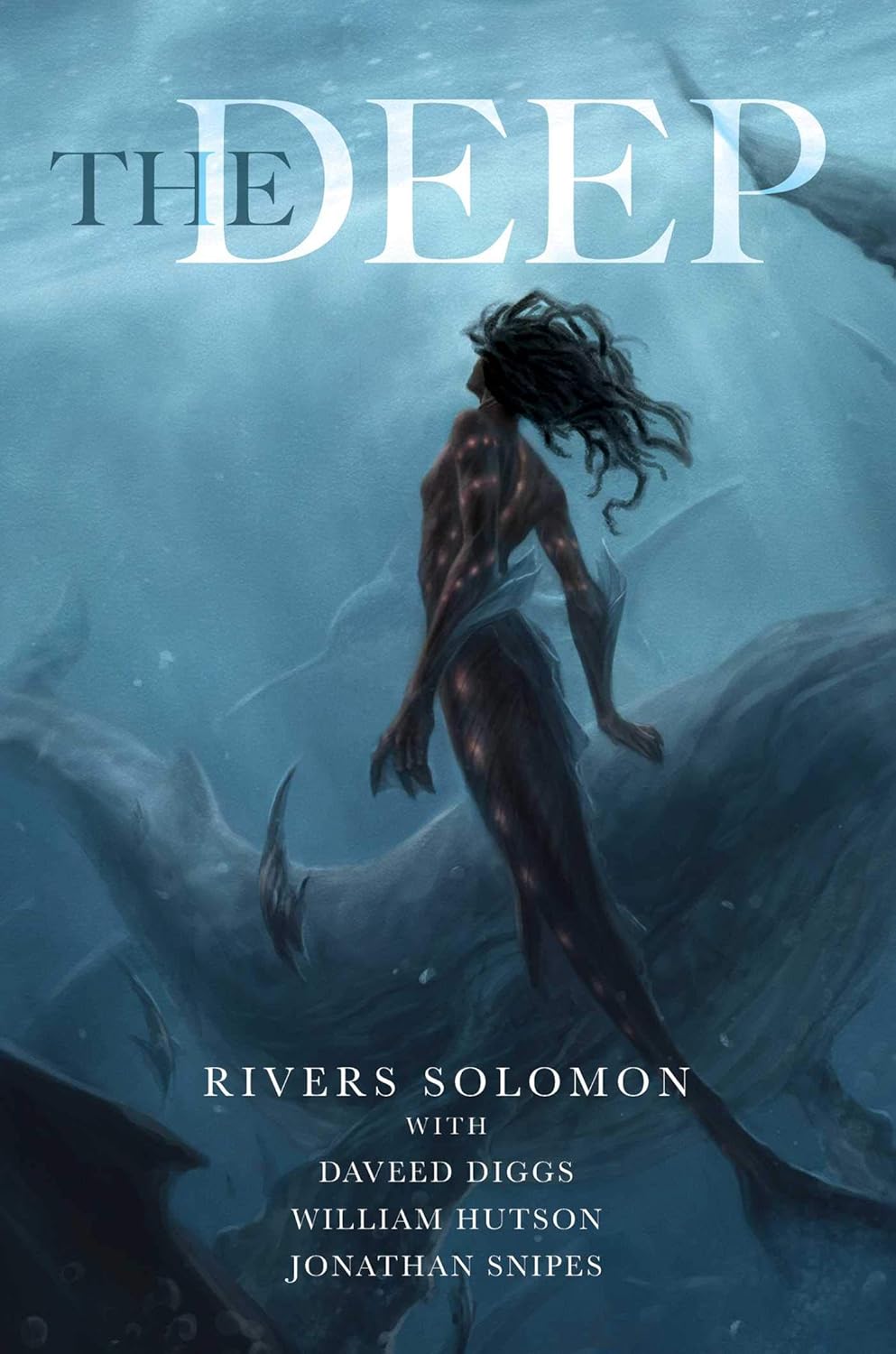
The Deep – Rivers Solomon – “So you make it up/In the hope that you’ll be something more than before/Be more than my mother was, no/Be more than her mother and her mother was/’Cause they say/’We gotta give to our children what we never was…'”
At the worst of times, socializing feels like wearing a human suit; I’m hyper-aware of what I should say, what’s normal to say and what’s unacceptable, and the sheer effort of all that deflates me by the end of the day. (Being neurodivergent isn’t what it’s cracked up to be by people on TikTok, kids. I feel like neurotypicals are treating neurodivergence the way people threw around “anxiety” and “depression” in the 2010’s. Free me from this prison.) Bill Callahan seems to understand: “Whenever I get dressed up/I feel like an ex-con trying to make good.” “Ex-Con” is an upbeat track that belies a somber undercurrent of alienation beneath it—the paradox of feeling most at home alone in your room, but feeling the most out of place in the company of other people. The repeated final line about feeling “like a robot by the river/Looking for a drink” jumped out at me from the first listen, but it might be one of Callahan’s cleverest lyrics; to me, it speaks to the desire to be a normal, functioning, conformed person, but knowing that it would probably eat you up from the inside out. The water would probably short-circuit this robot if it were to drink it. The drink of water is just out of reach. “Ex-Con” is so poignant in that way—it’s such a gentle song, but it lays bare how the worst of isolation feels.
Happy Tuesday, bibliophiles! Halfway through 2026 now…😵💫
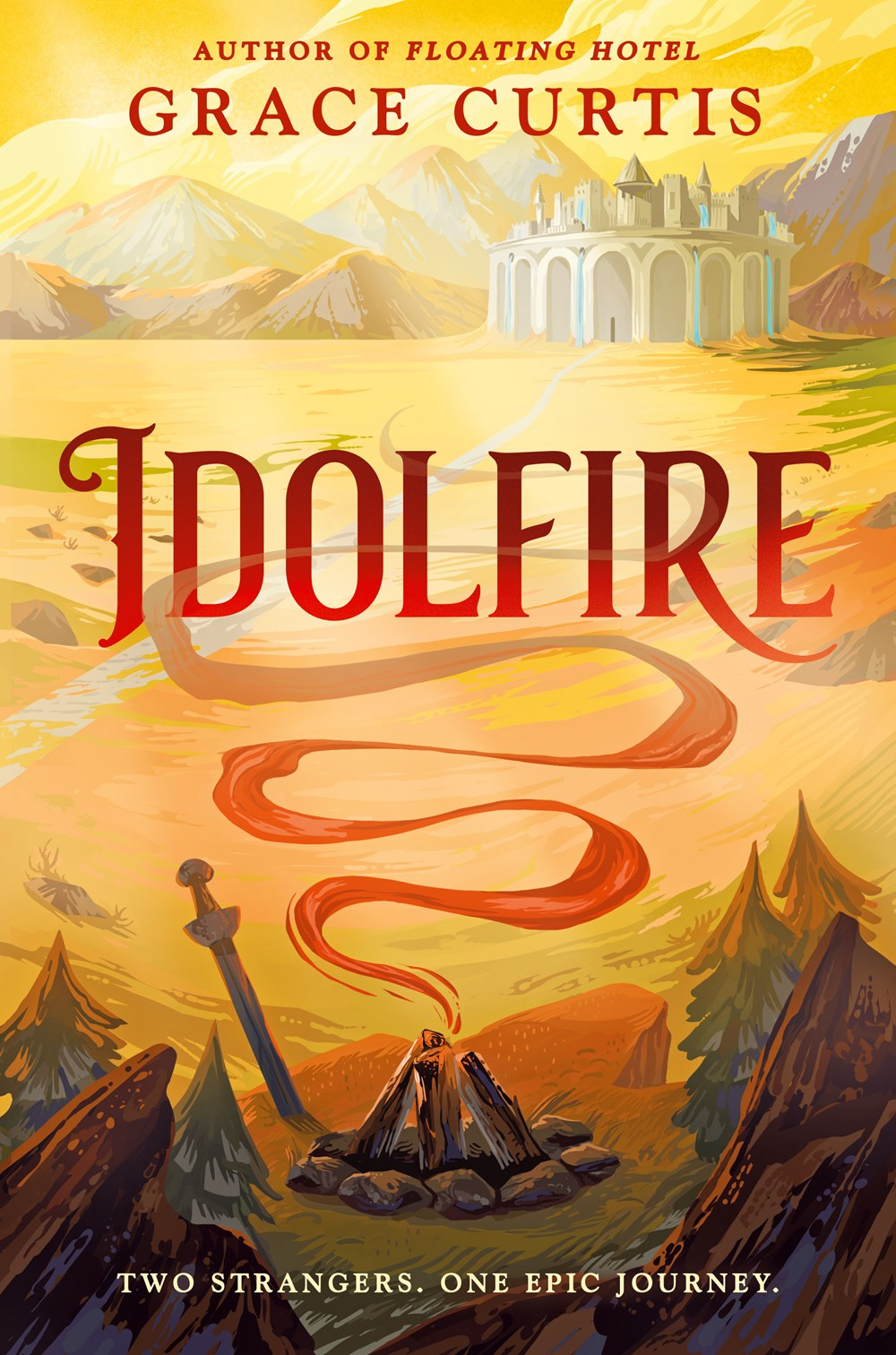
If you told me about 3 years ago that I was this excited for a new Grace Curtis book, I wouldn’t have believed you. Full disclosure: I didn’t like Frontier, but the premise of Floating Hotel was so endearing to me that I took a chance on it…and loved it. And here I am now. (Special shoutout to Kat @ The Lily Cafe, who is the reason that I know that this book exists. Thanks, Kat!) I had a feeling I was going to enjoy Idolfire, but as we’re officially halfway through the year…this might be one of my favorite books that I’ve read this year!
After illness tears her family apart, Kirby of Wall’s End sets off on the road to Nivela, a famed kingdom that has fallen from grace, but retains the promise of magic beyond its gates. Across the world, Aleya Ana-Ulai is searching for Nivela too, eager to prove herself after being abandoned by her family. When these two women from disparate regions meet on the road, neither knows that their togetherness is key to their survival. But the road to Nivela is long and treacherous, and it seems to hold everything but the answers they need within it. Aleya and Kirby must decide if the promise of Nivela is worth it—and if they’ll be able to survive at all.
TW/CW: violence, blood, war themes, loss of loved ones, child death, infertility
First off—this isn’t a slight on the book, but if you’re going in (like I did) expecting science fantasy, Idolfire is not that. This is straight up fantasy. I’m convinced that the “science fantasy” thing was tacked on for marketing reasons after Curtis wrote two sci-fi novels. Just be forewarned about that…and the fact that this book came dangerously close to destroying me. This might be one of the best books I’ve read all year.
Grace Curtis’s prose keeps getting better and better with each novel she writes. It’s prose that gave me genuine, heartwarming joy to read. She just has this way of making everything, from the setting to the subtle glances between characters, so wholly human; it goes beyond feeling lived-in and real and becomes something with a real heartbeat. Where Curtis succeeds is in shedding light on the unsaid; slight turns of phrase became quietly heartwarming or heartbreaking with a single word. Her renderings of the varied landscapes that Aleya and Kirby travel through are so rich and full of life. Every line of dialogue is razor-sharp, both in their humor and their power to devastate. If you want proof of Curtis’s improvement as a writer, Idolfire is the perfect evidence.
One of the strongest aspects of Idolfire was how it balanced humor and more sobering, serious themes. Curtis has really honed her talent for humor—there were so many moments throughout that were laugh-out-loud funny. Aleya and Kirby had such excellent chemistry (more on that later), but their separate senses of humor pinged off of each other exceptionally well, making for a fantastical road trip that never had a dull moment. And yet, Curtis gave the same amount of care to depict the darker themes of the novel alongside the lighter ones. Curtis’s depiction of war was one that has stayed with me; her descriptions of it have no interest in glorifying its purpose or its participants. Even for a novel billed with swordfighting, her sparse, devastating language in describing the horrors of war were so impactful in a genre where there’s often a degree of romantic language ascribed to something so horrendous. From the effect it has on the minds of individual soldiers to the scars that it wrought across the lands of Idolfire, Curtis explored every facet of living during wartime. Yet Curtis had the same level of care in the lighthearted and dark aspects of Idolfire—for a novel like this, it was a very difficult balance to strike, but Curtis absolutely clinched it, making for a novel that was, above all, human.
I didn’t think that Curtis’s character writing could get much better after Floating Hotel, but I was proven wrong. Although I loved the slice-of-life roving between multiple characters, I think that narrowing her focus down to two central characters did a great service to their development. Aleya and Kirby were some of the most memorable characters that Curtis has ever written. A less talented writer would’ve slapped a hasty grumpy-sunshine dynamic on them and left it at that, but they both had such richly layered personalities. Both of them had trauma so deeply embedded in their psyches, but Curtis did an excellent job of showing us how it manifested in both of them and shaped their personalities. I loved how Aleya’s more reserved, stoic nature played off of Kirby’s more mischievous personality, but the deeper you get, the more you realize that both of these traits serve as shields for both of them. They had such immediate, lovable chemistry, and the progression from begrudging companions on the road to lovers was impeccably paced, and every step of that progression felt so natural—and instantly lovable to root for. Without spoiling anything, things do turn out bittersweet for them, but I think the way that Curtis ended their story was poignant and fitting for both of them.
I also adored the road trip plot of Idolfire, and it kept me guessing constantly. Curtis’s talent for character writing also applied to the menagerie of weirdos that Aleya and Kirby met along the road to Nivela. Even the smallest glimpses we got of the denizens of Idolfire‘s expansive fantasy world were so fleshed-out, and they added so much life to the already fantastic worldbuilding. Balance is something that Curtis clearly has been honing, because like the balance between levity and darkness, there was a great balance of more action-packed moments—such as Aleya’s many swordfights—and downtime with Aleya and Kirby. The pacing was neat as a pin, and even the downtime between the more climactic parts of the novel were measured out to near-perfection. Idolfire really was a balancing act in so many ways, but Curtis toed the lines she set with enviable ease.
And if there’s anything that you can expect Curtis to do well with, it’s sharp commentary on empires and imperialism. Floating Hotel excelled at that as a point in the background, and Idolfire honed in on it even more. I think what Idolfire brings to the conversation is how ideas shape the image of an empire. Fully acknowledging that Curtis is British and I’m just projecting my experience onto this book, but I couldn’t help but think about Nivela—and Aleya and Kirby’s goals—in terms of the permanently out of reach “American dream,” and how an empire can build up an idea of itself while hiding a crumbling foundation beneath it. The further they go on their journey, the more they see the destructive aftermath of an idea twisted into something that excuses genocide and imperialism. I also liked how it tied into the magic system, with belief being what makes certain magic work/not work, and how that translated into the belief in Nivela, which has been faltering to the point of destruction. (Without getting into spoilery territory, there’s some really fascinating stuff about the very literal, human cost that this has in the world of Idolfire.) In the end, I think it was a beautiful meditation on the power of ideas, and how they can be twisted into something so terrible that it swallows the world, but how we can use that same power to create a more equitable world worth living in.
Ultimately, with ratings like these, there’s always that slight oomph that pushes it into 5 star territory. I think there’s still a few small nitpicks that made 5 stars not justifiable, but it sure was close. Overall, Idolfire was a deeply moving and human road trip fantasy, a meditation on the nature of the ideas and idols we hold up in our minds. 4.75 stars!
Idolfire is a standalone, but it has a companion novel, Heaven’s Graveyard, set 2,000 years later in the same universe. Grace Curtis is also the author of Frontier and Floating Hotel.
Today’s song:
I’m sorry, Let’s Dance (1983), I was unfamiliar with your game
That’s it for this week’s Book Review Tuesday! Have a wonderful rest of your day, and take care of yourselves!
Heaven or Las Vegas never gets old. Four years later, and I still haven’t recovered from the moment that I heard “Cherry-coloured Funk” in art class in high school. There was no turning back. But I did cave and grab it on vinyl, and it was about time I experienced the album again. Once more, there’s not a bad song on the album, but surprises surface with every listen. Lush is the best word that comes to mind with this album; over the course of their discography, Elizabeth Fraser and co. had been defining their niche of atmospheric, worlds-within-songs shrouded in mist and mystery. Blue Bell Knoll was the first step in making each song feel like a world, but Heaven or Las Vegas, to me, is where those worlds began blooming with lifeforms. Every distinguishable word that comes out of Fraser’s gibberish fog feels like you’re being let in on a secret. Each listen makes you feel a part of their world, like they’ve given you a ticket to their far-flung, alien planet.
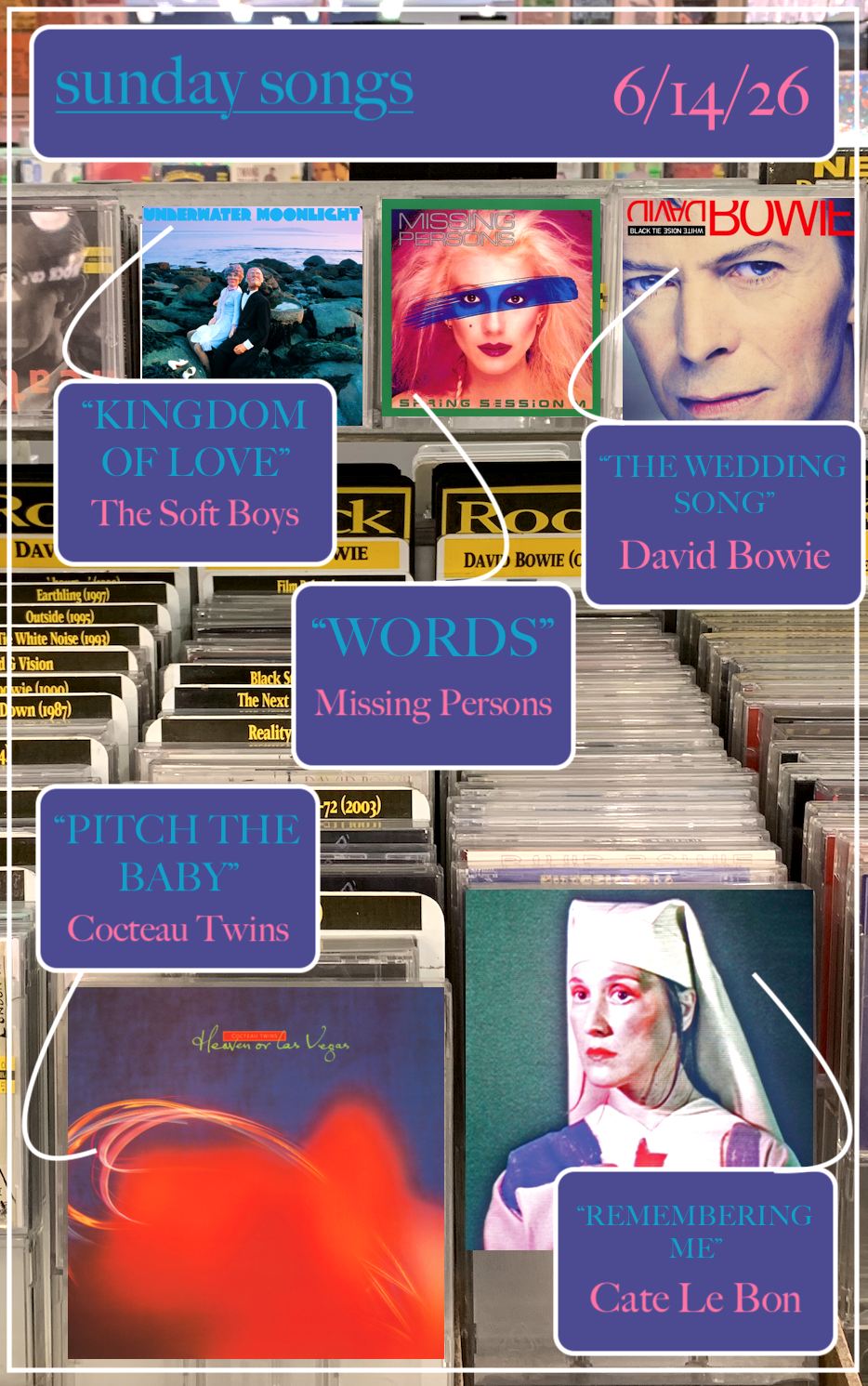
“Pitch the Baby” is one of those songs where the glimpses of the comprehensible words feel like this. Despite what all the memes associated with this song, nobody’s going full fastball special on a baby, not to worry. In fact, it seems to be quite the opposite; though 99% of the lyrics are predictably murky, much of it appears to be addressed to Fraser’s then newborn baby: “I only want to love you/I’m so happy to get to care for you.” In spite of the turmoil leading up to this album’s release, Fraser claimed that her daughter being born gave her a sense of clarity, and that many of the tracks were “reputedly recorded…while holding Lucy-Belle in her arms.” Here, the circularity of “Pitch the Baby” feels like a cradle: it has this looping, dream-pop structure, but it’s always given me the feeling of something being shielded. It boasts some of Simon Raymonde’s funkiest, most iconic basslines, and the rapid bloop-bloop-bloop of the synths form Saturn rings around the track. It’s tantalizingly easy to lose yourself in, but in the end, the contained world it brings to life feels less like a song and more like a selfless act of love.
I keep gushing about Pompeii over and over again, but somehow I’ve barely touched on the aesthetics of the album! It’s so distinct and very Cate Le Bon—I love all of the imagery of statues and the emphasis on static poses (evoking the sort of frozen visions of past selves that becomes one of the album’s main themes), but the neon, avant-garde makeup and costumes too. I forgot how much I loved the music video for “Remembering Me,” which stands on its own well, but…if those opening shots aren’t a tribute to David Bowie’s “Life On Mars?” music video, then I don’t know what is. (If you need more evidence to support this, I suggest Reward‘s touching closing track, “Meet the Man.”)
I’m kind of baffled to this day that the second half of Pompeii didn’t hit me as much as the first, because “Remembering Me” hasn’t gotten out of my head since. I think on the first listen, it felt like it leaned too much into the ’80s pastiche. I think I was, once again, too wrapped up in “Dirt on the Bed” and such to really absorb this song. Now, it stands out to me as one of the more emotional tracks. Behind the catchy, weirdo synth-pop curtain is a story about stories—more specifically, the ones we tell ourselves. The more I listen, the more it feels like the scene in Barbie where Margot Robbie blurts out “Do you guys ever think about dying?” in the middle of a glitzy, sparkling party. Le Bon called it “a neurotic diary entry that questions notions of legacy and warped sentimentalism in the desperate need to self-mythologise“; for Le Bon, who had to face all of this while returning to her childhood home during the pandemic, it became a tug-of-war between the self that she was and the self that she wanted to be perceived as: “In the remake of my life/I moved in straight lines/My hair was beautiful.” The verses confidently strut, catwalk-like, as the pedestaled, false version of herself—stronger, more confident, more beautiful—before the chorus tears everything down. You can’t get any more candid about this than “Facedown in heirlooms.” Whew.
The rest of “Remembering Me” is full of just as many sucker punch lyrics: “I wore the heat like/A hundred birthday cakes/Under one sun/I didn’t need anyone/On my own luck/I arrived just to seat the choir/And bowled them over.” It’s the kind of vulnerability that gets more impactful with each listen—I’ve certainly gotten into those places where I’ve been so determined to be confident and self-reliant that I worked myself into a corner, and only asked for help when things had bubbled up and exploded in my face. Like it or not, we’re all caught between that image of ourselves and our real self. But hell, if Cate Le Bon wrestled this too, then maybe there’s hope for us too.
“You’ve been laying eggs under my skin/Now they’re hatching out under my chin/Now there’s tiny insects showing through/And all them tiny insects look like you!”
I was nearly going to word this part somewhere along the lines of “there’s enough good Robyn Hitchcock lyrics to fill a book,” but then I remembered that there is such a book (It’s called Somewhere Apart,if you’re interested. I highly recommend it), and “Kingdom of Love” was included in it. Dammit.
I listened to an episode of Life of the Recordabout Underwater Moonlight last week, so for all the die-hard Hitchcock-heads out there, here’s almost an hour and a half of Robyn Hitchcock detailing the story behind the album in great—and often hilarious—detail. He often talks about the album as the product of him being a rather confused young man in the music industry, but if I could come up with anything as good as the lyrics I pasted above, I’d be set for life. Hitchcock words a lot of the love-adjacent songs on this album as being akin to demonic possession, which…I’m sure there’s a lot to unpack there, but we got some great songs about it. And you know what? I’ve been listening to this song over and over for weeks as I’ve been trying to play it on guitar, and if that’s not demonic possession, I don’t know what is. (That riff at the end of the chorus is burned at the back of my brain. Still a work in progress.) “Kingdom of Love” evokes the frenzied urgency of punk and pairs it with lyrics that recall a ’50s B-movie about alien invasion, all in service of this twisted, grotesque vision of falling head over heels. Hitchcock’s yowled declaration of “all I want to do is be your creature!” at the end of the bridge cements what makes Underwater Moonlight so wonderful: a distillation of the brash punk sound of the late ’70s, but with a weirdo slant that was all Hitchcock and co.
..AND A BOOK TO GO WITH IT:
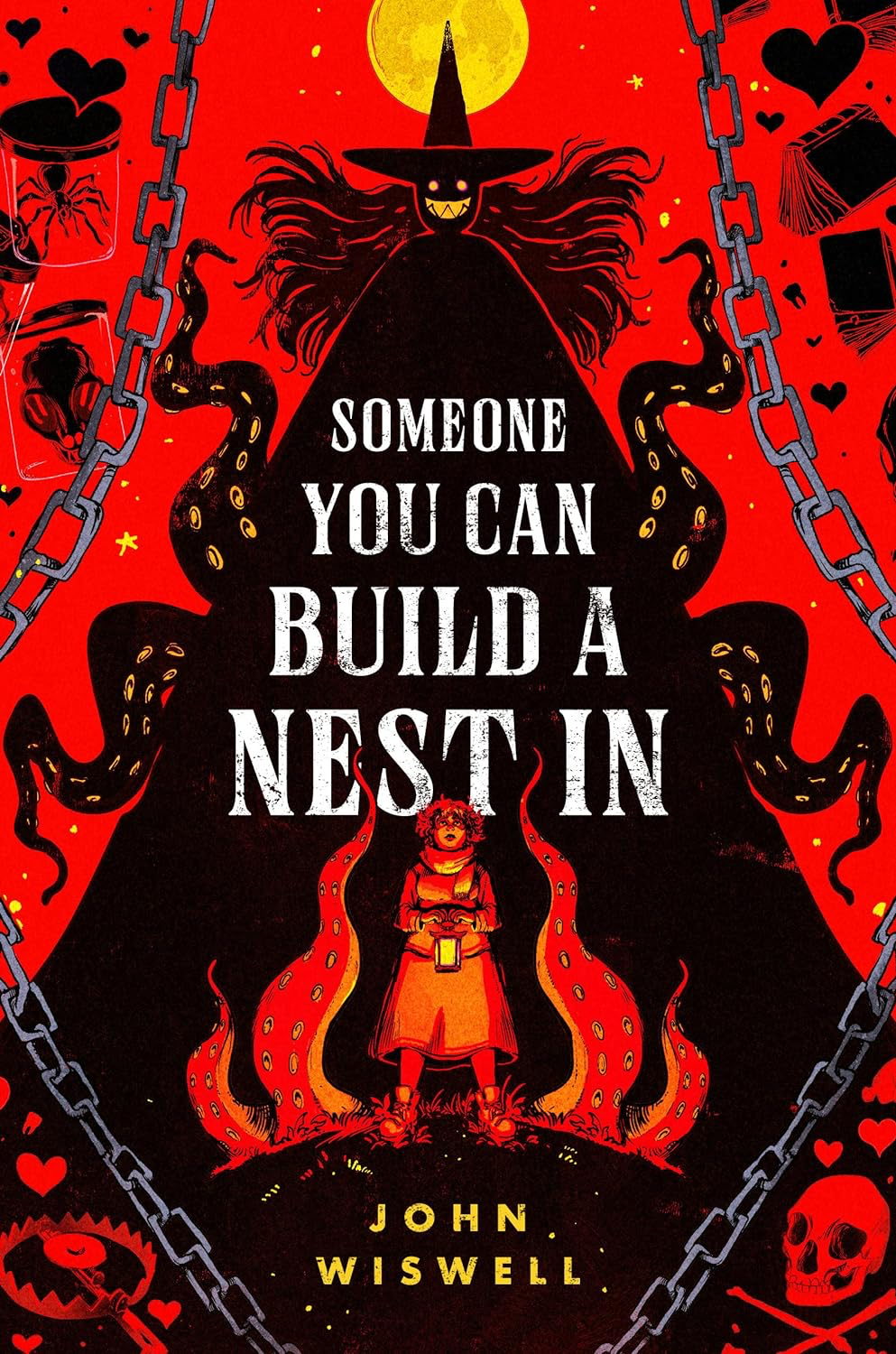
Someone You Can Build a Nest In – John Wiswell– “You’ve been laying eggs under my skin/Now they’re hatching out under my chin/Now there’s tiny insects showing through/And all them tiny insects look like you!”
Unfortunately, you’ve all come to me in a very ’80s time in my life. I think I’ve come full circle back to where I was in elementary school, when most of my music taste consisted of Duran Duran, Erasure, and Madonna, owing to my mom. I never stopped liking all of those bands, but I think I just happened to be at the epicenter of Gen Z being oversaturated with highly-curated ’80s nostalgia…the impact (derogatory) of Stranger Things. But new wave is just that good though. At its best, new wave was such a sharply bold genre, with its sleek sound but alternative spirit. For a song like “Words,” a repeated exorcism of frustrations of repeatedly going unheard, it’s the perfect medium—how can you go unheard when you’ve got a voice like Dale Bozzio? Her theatrical vocal presence makes this entire song, belting, squeaking, and murmuring through the various stages of her anger. It’s all a perfect specimen of new wave, and no amount of time that passes will make it any less wonderfully catchy.
…okay, I get dangerously emotional every time I think about how much David Bowie and Iman loved each other. And still do. Shit, I need a minute, I’m on my period…just trust me on this one.
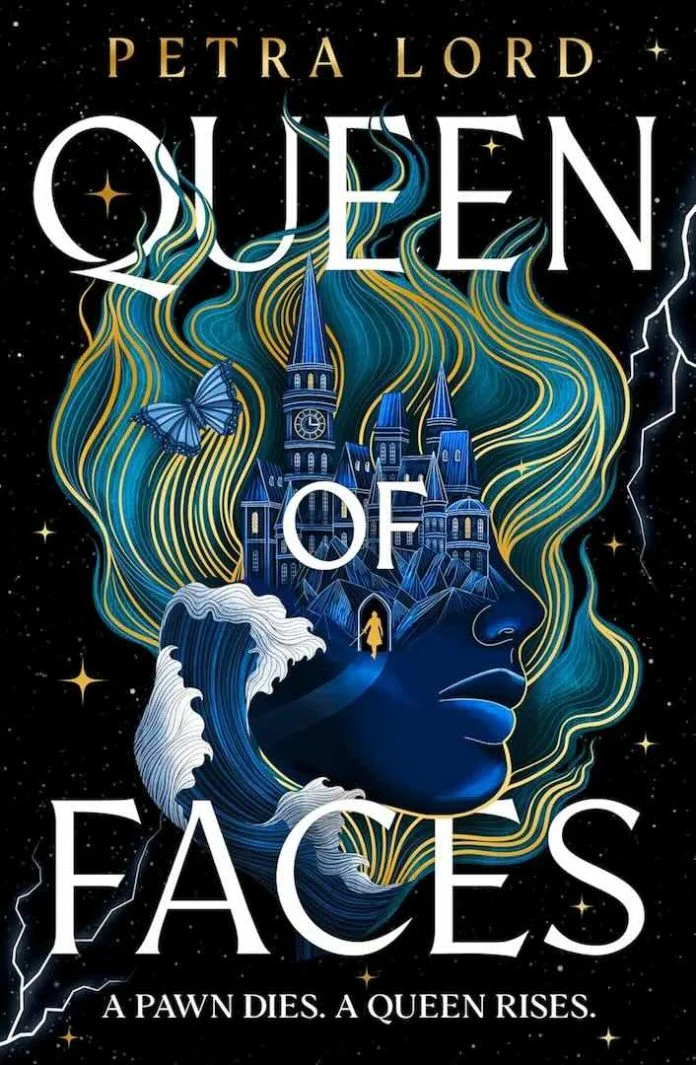
I’ve seen a lot of buzz about Queen of Faces in the past few months, and it seemed intriguing. Plus, you know I’m always up for queer rep in my fantasy! So of course, I had to pick Queen of Faces up. (Unrelated, but I’ve had “Queen of Eyes” by The Soft Boys stuck in my head solely because of reading this book. New title for the sequel just dropped?) I’m glad to say that though it wasn’t perfect, Queen of Faces was a promising debut fantasy novel!
Anabelle Gage is trapped in a body that isn’t hers—cheap, male, and rapidly deteriorating. Her only way to swap into a new, magical body is to be accepted into Paragon Academy, the most prestigious school in all of the Eight Oceans. After failing her entrance exams, Anabelle is certain that she’s doomed to die in the body she’s trapped in. One run-in with the law later, and she’s faced with Nicholas Carriwitch, Paragon’s renowned headmaster, who gives her a choice: be his right-hand mercenary, or die for her transgressions. Now entangled in a world of magic, crime, and mystery, Anabelle must decide if her choice was worth it—and how to get out of the body that she hates.
TW/CW: descriptions of injury, blood, suicide, violence, racism (fictional ethnicities/nationalities), war themes, dysphoria
In this day and age, it truly makes my heart sing to see queer voices flourishing in YA and middle grade voices flourish.I just had this lingering feeling that this is going to make so many trans teens so, so happy. This novel is so thematically strong; Ana’s journey was full of twists and turns, but it was so easy to sympathize with her and her continual struggle to find herself—not just in a new chassis (the magical bodies that can be swapped in this universe), but in terms of her identity. Lord includes a lot of motifs about transformation; there’s a recurring bit about caterpillars, butterflies, and metamorphosis that was, granted, a bit heavy-handed at the worst of times, but for a YA audience, was a lovely and poignant metaphor for both transness and general coming-of-age. Her journey is a perfect one for a YA audience, trans or not—her feelings of insecurity and unsureness about her identity and purpose are sure to deeply resonate with so many people.
Queen of Faces is billed as dark academia, but I’m not sure if it completely fits the label. We get some of that classic magical school format paired with the dark underbelly that Ana discovers, but most of the plot focuses on Ana’s time as a mercenary, and not necessarily Paragon Academy itself. That being said, it’s not necessarily an issue with the book—more just an issue with the marketing. Paragon Academy started to feel like an afterthought towards the end, and there were definitely some loose ends that could’ve been tied up with that plot. However, Ana’s mercenary plot was what drove the novel, and it was the most compelling part of the story for me. Lord has a knack for writing action sequences, and her tense atmosphere was flawlessly maintained for the whole novel. I loved how Ana and Wes played off of each other during this plot, and all of the friends-turned-foes (and vice versa) had excellent chemistry; Ana and Wes are shaping up to be the kind of enemies-to-lovers YA couple that I would’ve loved in high school. (However, the weird pseudo-love triangle going on was, yes, pretty YA, but it was so rushed and unfinished that I couldn’t even excuse it being YA. It was just…odd.) Beyond that, I loved how all of this coalesced into Ana’s character development, and her discovery of the truth of her mysterious job—and her superiors—was such a vital component to her eventually self-realization.
The worldbuilding in Queen of Faces was a mixed bag, but most of it was solid. Lord’s magic system was imaginative and well thought-out. I loved Lord’s visualizations of the branches forming, and I loved all of the consequences of how magic affected Caimor and the rest of the world. I also think the history of Caimor and the Eight Oceans was explained nicely, and without any unwieldy info-dumps. The system of the chassises and body-swapping was well-done as well, and served as a cogent commentary on class inequality. However, some of the other aspects of the worldbuilding were slightly shaky. I had a vague sense of the technology level—I assumed closer to the 1920’s given the presence of cars and radios, but not much more advanced than that, but I didn’t get a good sense of it. Lord also regularly inserted the fact that Ana loves romance manga, which felt jarring and out of place in this otherwise fantastical setting. I had the same issue with the fact that there’s something called the “Babel Curse,” which would imply the existence of Christianity/the Bible in this otherwise completely fantasy universe. Small issues, sure, but they took me out of the narrative with how much they were mentioned. But for a debut novel’s stab at worldbuilding, it’s a good start.
Queen of Faces unfortunately suffered from some pacing issues. The first third or so was paced reasonably well, and I had a good sense for how the events of the novel had progressed. However, once Anabelle gets to Paragon Academy, there’s time-skipping all over the place; my irrational hatred for random timeskips is just that—irrational—but Lord often didn’t let the reader know that these timeskips had even happened until the last relevant minute. I fully thought that only days had passed by, and boom…it’s been a month? The pacing was just so uneven that it was difficult to get my footing in places, which took me out of the main narrative, especially in the first half of the novel. Given the fact that we’ve mostly left Paragon Academy behind by the second half of the novel, it didn’t help that the pacing also left so many loose threads unresolved. Things evened out towards the end, but it never fully recovered from the topsy-turvy pacing at the beginning.
All in all, a daring and mysterious debut full of dark magic, shifting alliances, and conspiracies. 3.75 stars!
Queen of Faces is Petra Lord’s debut novel and the first book in the Queen of Faces series; its followup, King of Masks, is slated for release in 2027.
Today’s song:
That’s it for this week’s Book Review Tuesday! Have a wonderful rest of your day, and take care of yourselves!
Happy Sunday, bibliophiles! I hope this week has treated you well.
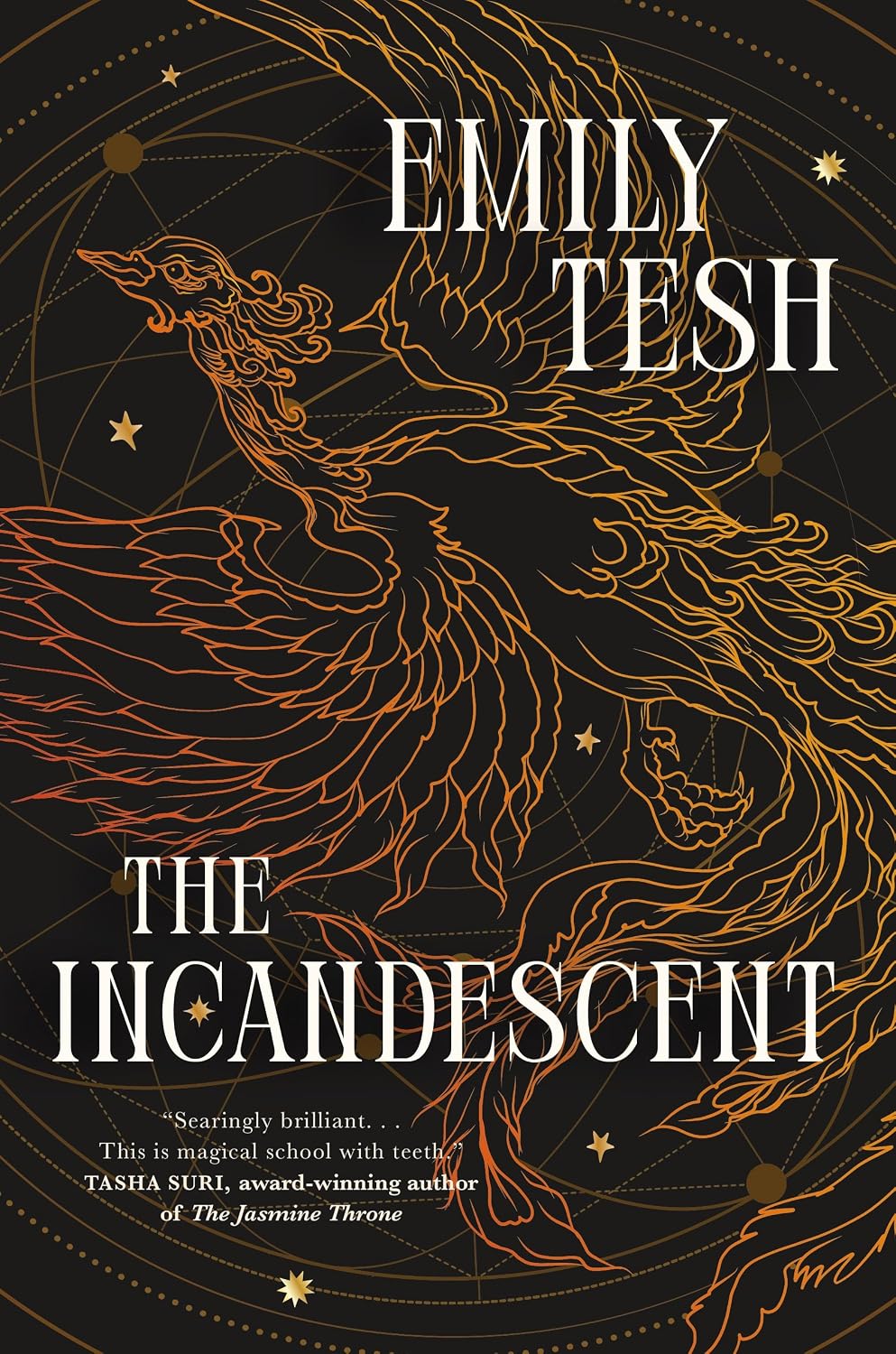
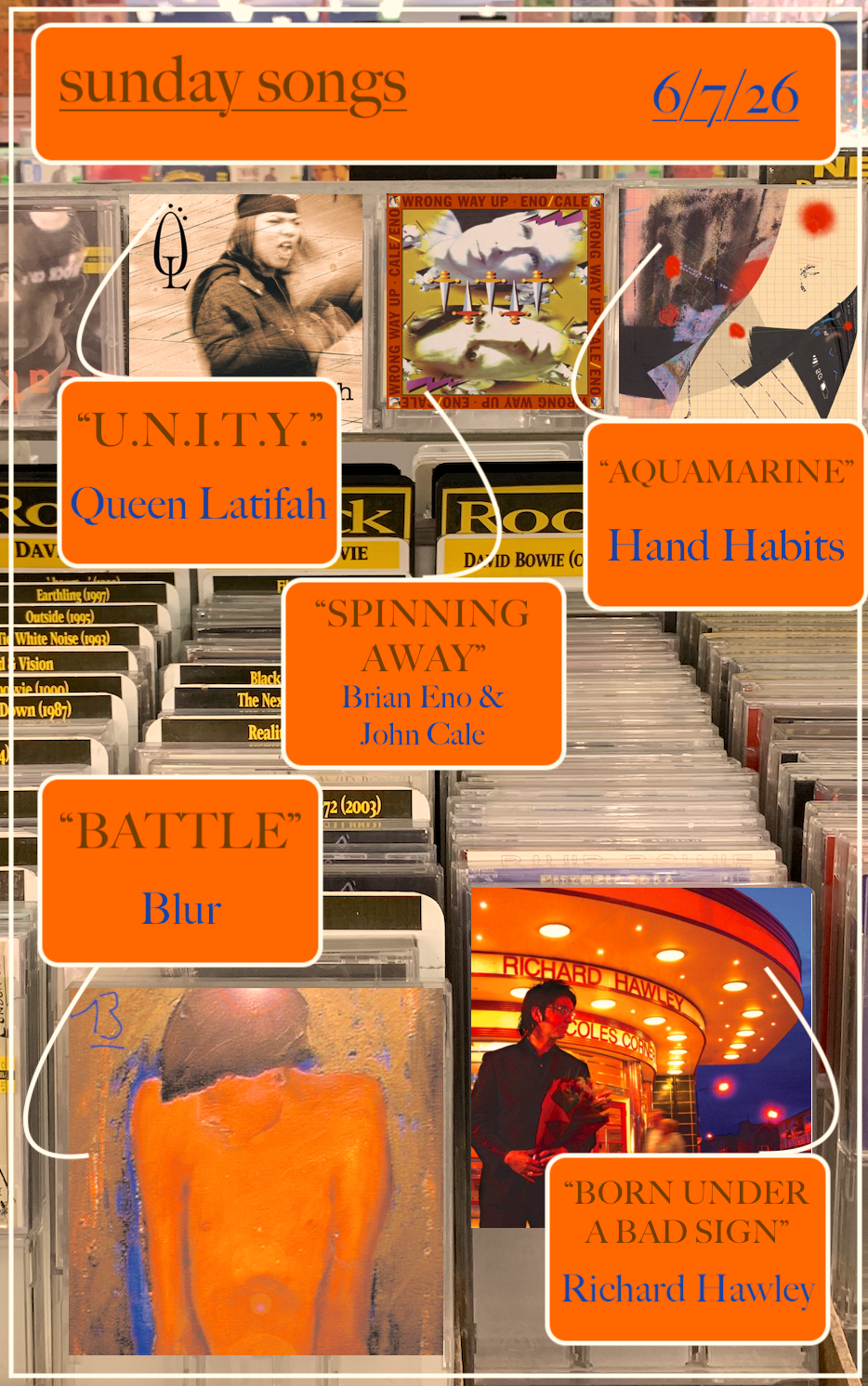
This week: happy pride from Damon Albarn, Queen Latifah, and Meg Duffy. Honorable mention to Brian Eno, whose outfits in the early ’70s slayed so hard that he deserves to be an honorary member of the LGBTQ+ community.
In addition to healing my 12-year-old self, I have begun healing my 18-year-old self…by getting a painfully spendy copy of 13 from my local record store. These damn European imports!! Hey, I had a bit of extra money from graduation…I swear to god that vinyl had been speaking to me like the Green Goblin mask every time I went inside. It had to happen eventually.
Of course, I knew it was going to be worth every penny—13 is still in my top 10 albums of all time. This was the first time I’ve listened to it all the way through in years (I played it to death in my senior year of high school), and it’s one of those records that I wish I could erase my memory of and re-experience listening to it for the first time. I seriously can’t imagine how much of a shock to the system it must’ve been to Blur fans in 1999; Even after their self-titled album—a bitter plunge into grunge after their burnout from Britpop fame—13 was truly nothing like what they’d previously done. One of the reasons it sticks out so much to me is how uninhibited they all feel. The harmony of Damon Albarn, Graham Coxon, Alex James, and Dave Rowntree continued to be as neat as a pin, but all four of them were bent on going into the most daring, experimental territory that the band had ever reached. By all accounts, all of them were…pretty miserable, unfortunately—a lot of 13 deals with the breakup between Albarn and his longtime girlfriend, Justine Frischmann, and tensions with Graham Coxon would lead him to leave the band a year later. Some of the stylistic deviations feel like middle fingers, like the jarring transition from the plaintive, heart-pouring “Tender” to the jagged howling of “Bugman.” You can’t tell me that wasn’t deliberate trolling on the band’s part. Yet even if it came from a burned out place, the experimental rebellion on this album left an undeniably positive mark on Blur’s legacy as a band.
“Battle” remains one of the more surprising tracks on the album. Clocking in at nearly eight minutes long, it’s the longest song on the album, but only by a single second—”Tender,” my favorite song from the album (and maybe of all time), is 7:41 long, while “Battle” squeezes past at 7:42. Like many of the unexpected twists and turns on the album, those tracks couldn’t be more different. The lyrics are pretty spare—the focus is on the sprawling, very sci-fi soundscape that unfolds over this song’s long runtime. What begins with a riff of dainty, spacey synth notes unfolds into an echoing, forming-and-reforming galaxy of sound. It really feels like you’ve been jettisoned into space at breakneck speed, watching the stars speed past. The deep rumble of Coxon’s guitar churns as Albarn’s voice, tweaked into oblivion with all manner of effects, seems to dissipate in real time. It seriously boggles my mind that this hasn’t been used in a big-budget sci-fi movie to soundtrack a tense dogfight in space. It’s eons away from the much more grounded, British social commentary that was their claim to fame in the mid-’90s, but that’s what makes it last to me. 13 was Blur breaking open the confines that the music industry had imposed on them, and “Battle” feels like all of that pent-up energy spiraling outwards into the potential that had always been incubating within them.
…AND A BOOK TO GO WITH IT:
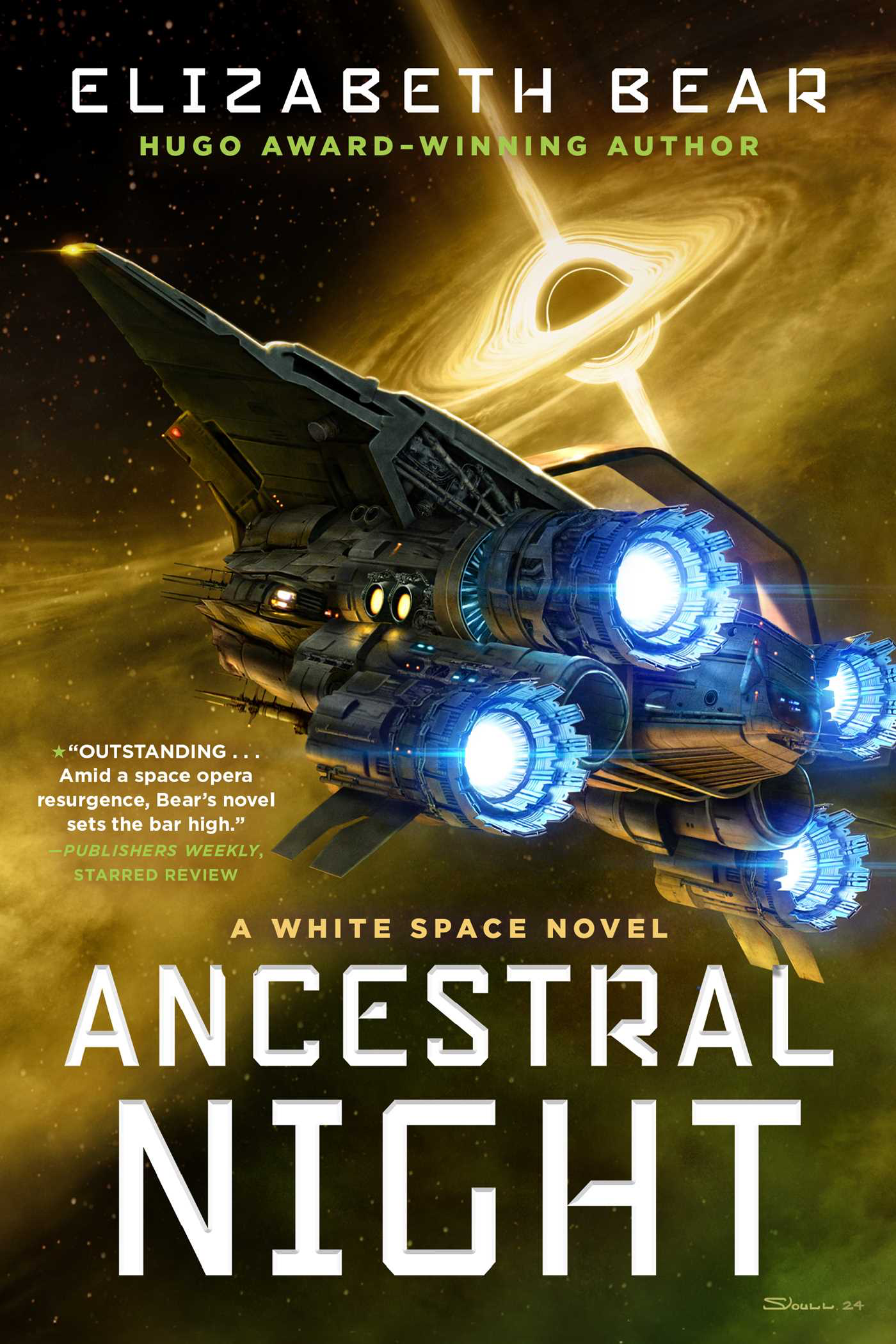
Ancestral Night – Elizabeth Bear – the perfect soundtrack for an adventure aboard a mysterious spaceship that encounters its fair share of borderline eldritch beings.
I might as well admit now that I’ve been leeching off my brother and his girlfriend, who have been going through the 1,001 Albums You Must Hear Before You Die list. That’s also how I got “Crosseyed and Painless” last month, although that was bound to happen eventually. Coles Corner, on the other hand, might’ve passed me by completely, even with my Britpop proclivities (he was a founding member of Longpigs and was a touring and session for Pulp for a time).
I only got a handful of songs from Coles Corner from my brother (he said some of them “got too Sinatra,” which makes perfect sense, honestly), but they’re all packages of British rock tracks that seem plucked from yesteryear. “The Ocean” was almost my pick this week, with its staggering, cinematic build, but I just keep returning to “Born Under a Bad Sign.” It’s a small wonder that this hasn’t been in a Wes Anderson movie, and not just because of their mutual connections with Jarvis Cocker—this seems like the exact kind of ’60s-inflected, slow ballad that would soundtrack Léa Seydoux wistfully smoking out the window, or something. The comfort that comes from “Born Under a Bad Sign” isn’t necessarily from the nostalgic air of it all. It just has this innate, warm texture, created by Hawley’s smooth vocals, that evokes being carefree and sprawled out in bed, fresh cups of rich coffee and day fading into night as you shut your eyes.
…AND A BOOK TO GO WITH IT:
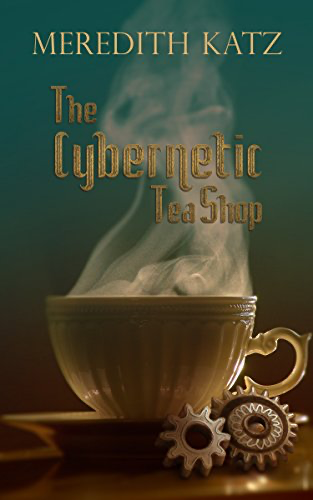
The Cybernetic Tea Shop – Meredith Katz – “Now you’re laying in the afterglow/And there’s something that she wants to know/Are you going be the one to say/You belong to me…”
Look, I’m not saying that this generation doesn’t have its fair share of fantastic, feminist artists—rappers in particular—but I maintain that some of these gen alpha/gen z boys and men have gottentoo bold…they need to have the fear of Queen Latifah telling them “WHO YOU CALLIN’ A BITCH?” put in them, is all I’m saying.
God. So good. It’s so easy to see why “U.N.I.T.Y.” has become such an enduring classic for a myriad of reasons—its significance in a very male-dominated hip hop scene, it’s genuinely feminist message (no hollow girlboss anthems here), and the fact that it’s just so smooth and catchy. And I think the reason that it resonates to this day is because it calls attention to all of the ways that misogyny has infected society. It reminds me in structure of Lauryn Hill’s “Doo Wop (That Thing)” in that it presents its initial issue, and in subsequent verses declares: “oh, you thought I was done? Nope, sit back down, we’re deconstructing misogynoir from the top down.” From offhand catcalling to domestic violence, “U.N.I.T.Y.” pulls the curtain on just how deep misogyny runs in society.
And it also resonates because nothing that Queen Latifah talks about here has gone away. Just as it was in 1993, women—especially women of color—are subject to the worst of society’s misogynist tendencies. The domestic violence remains. The objectification, name-calling, and slurs remain. Neoliberal feminism would have you believe that since women (occasionally women of color) can become CEOs and whatnot that misogyny has been solved. One look at the world at large would tell you the exact opposite. A queer, Black woman publicly calling out this in the 1990’s was a vital wake-up call, and it remains so to this day, 33 years later, in an age of widespread misogyny. There hasn’t been a time since “U.N.I.T.Y.” was released where it hasn’t been relevant. Plus, it’s just catchy. I’m warming up to saxophone samples here. Every element of this song is incredible.
You thought you could let your guard down again? Boom, get Eno’d, fuckers.
Like 13, Wrong Way Up has also been speaking to me like the Green Goblin mask whenever I go to my local record store, but not necessarily for the same reason. It’s way more reasonably priced, but I don’t want to buy it until I’ve actually listened to the album, y’know? But it’s Eno! And John Cale! “Spinning Away” keeps pushing me towards listening to it, and it’s convinced me that maybe warm weather is the perfect time to listen to it. Despite Eno and Cale purportedly wanting to kill each other while recording this album, both songs I’ve heard from Wrong Way Up (the other being “Lay My Love”) are nothing short of harmonious and enchanting. “Spinning Away” is also mostly Eno at the wheel; like “Lay My Love,” it has a circular, cyclical kind of groove that feeds into itself. The song seems to describe the process of making art—here, it’s an artist painting the sky, and it even references perhaps the most iconic painting of the sky of all time, Vincent Van Gogh’s “Starry Night.” The opening has to be some of Eno’s most evocative lyricism, and for him, that’s really saying something:
“Up on a hill/As the day dissolves/With my pencil turning moments into line/High above/In the violet sky/A silent silver plane/It draws a golden chain…”
How can you not picture such a vivid scene after hearing that? And every successive line creates such a vibrant image. I always picture those time-lapses of galaxies colliding once this song really kicks in. It’s so transportive. Describing stars as a “million-insect storm” might be one of my favorite ways space has been described in song. It’s an almost dreamlike narrative of both the painting and the landscape morphing (spinning away, even) as they scramble to capture the image. There’s an air of impermanence about “Spinning Away,” but the way Eno and Cale paint it feels nothing short of euphoric, with Eno’s wonderstruck vocals and Cale’s soaring strings. To me, it feels like a take on impermanence as a positive experience—it’s important to capture these fleeting moments in life, and it’s a privilege to see the world changing before you, even in the most minute sense.
…AND A BOOK TO GO WITH IT:
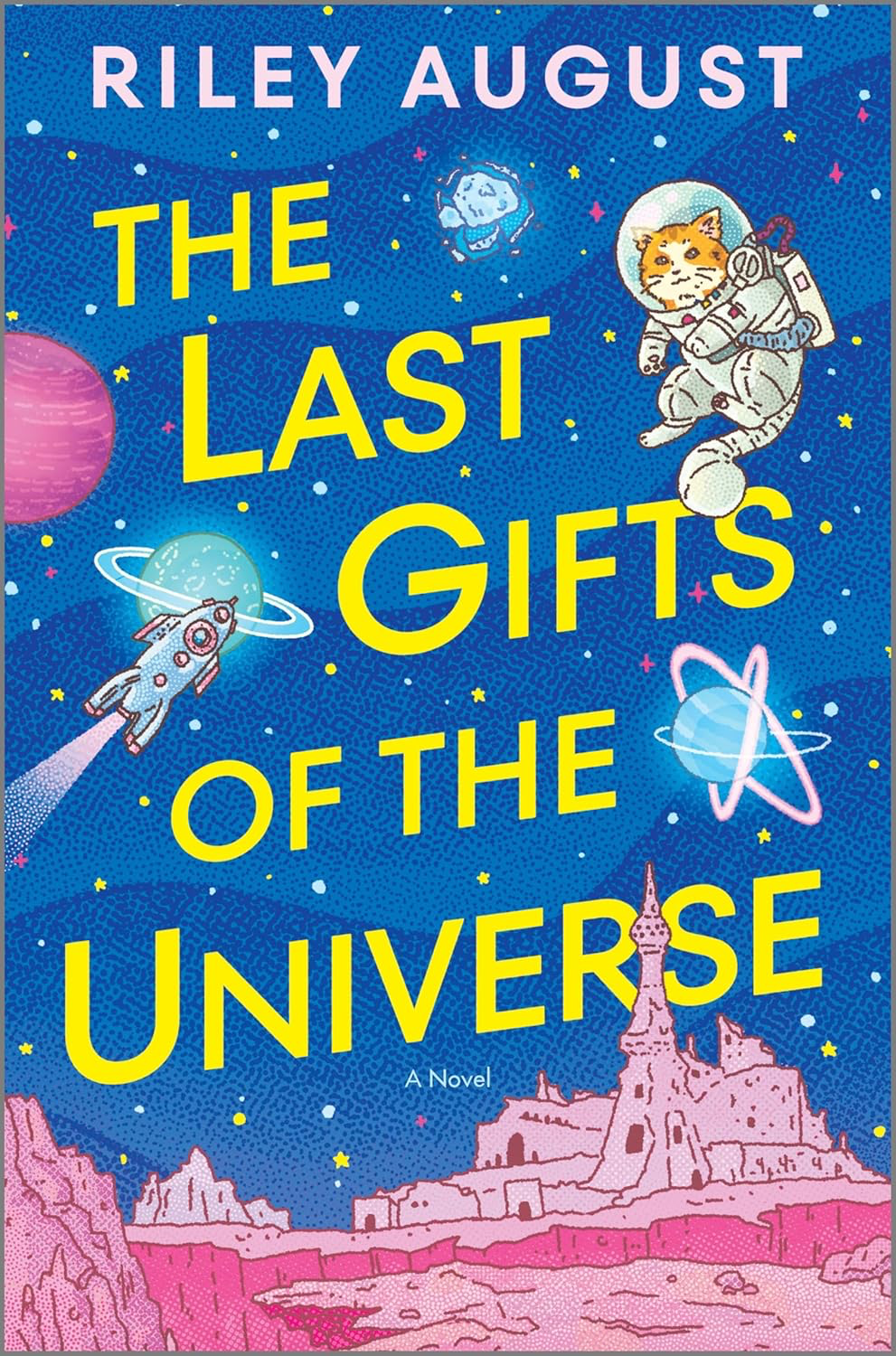
The Last Gifts of the Universe – Riley August – “One by one/All the stars appear/As the great winds of the planet spiral in/Spinning away/Like the night sky at Arles/In the million insect storm/The constellations form…”
I discovered this song unexpectedly after watching Fruit Bats’ episode of What’s In My Bag? recently. It immediately cemented itself into one of my hypothetical playlists that only exists in my mind…that being “songs that seem engineered in a lab to be featured in Netflix’s Heartstopper.” It’s that very specific, indie-pop, reverbed synth sound that makes that connection work for me. Those synths! “Aquamarine” skitters along with all manner of them, creating a controlled frenzy that darts all over the place. Brief guitar interludes make you feel jolted back to reality after waking up from a vivid dream before Duffy plunges you headfirst back into the sleepless, electronic dreamworld—fitting for a song with lyrics unsure of their direction in the wake of emotional devastation. It’s such a lush track, bottling the feeling of breaking into a run and never looking back.
…AND A BOOK TO GO WITH IT:
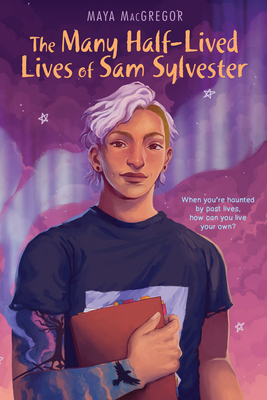
The Many Half-Lived Lives of Sam Sylvester – Maya MacGregor – “Why can’t you talk about it?/I got used to being on the other side of truth/Now I never ask for details/Who the hell needs details?/When everything is burning/You light a fire on the grave…”
Since this post consists entirely of songs, consider all of them to be today’s song.
That’s it for this week’s Sunday Songs! Have a wonderful rest of your day, and take care of yourselves!
Here in the U.S., June is Pride Month! You know the drill. I hate how bittersweet these posts are, and the bitter keeps growing. I see the beauty of this month and our queer community, but I can’t help but shrivel from the reminders that there have been repeated attempts to take queer books off the shelves across the country, and that the trans community here in the states has been under attack more than ever. My heart truly, truly hurts for all of us. I hurt. Of course, here I am, being cisgender in my cushy blue state with an openly gay governor, but nonetheless, I hurt whenever any other member of the queer community is hurt.
I’ve been an out and proud bisexual for almost eight years. Not long, in the grand scheme of things, but these years have taught me so much about queer people and the LGBTQ+ community. If there’s anything that I see in us, it’s our tenacity. No matter the slew of hateful legislation and rhetoric, we always come back stronger than ever. If there’s anything that the queer community doesn’t do, it’s back down in the face of a threat. In spite of the never-ending threats from outside and inside (the infighting never stops, y’all needto be normal about each other, please), we are like dandelions pushing through the cracks in the pavement: we never surrender, and we continue to bloom in the face of adversity.
But here’s the thing. I don’t like having to be this resilient. I don’t think any of us do. But if there’s anything to take solace in, it’s that our community is so strong and diverse that there will always be someone fighting. Yes, we all have to do what we must, but it’s important to remember that simply surviving, just being, is resistance in the face of the government wanting the public to believe that we aren’t worthy of the same rights as everybody else and that our stories are not fit for public consumption. You don’t have to be out and proud. All you have to do is be.
So here’s my annual pride month recommendations list of queer books from a variety of genres and backgrounds. I’ve compiled all kinds of books from various sexual orientations and gender identities, as well as backgrounds (queer people of color, disabled queer people, queer immigrants, etc.). Hopefully there’s something for everyone. (As always, if I’ve mistakenly identified anything on this list, please let me know! I’m only human.)
Now, more than ever, it’s crucial to support the LGBTQ+ community (especially the trans community, who are under attack more than ever) in whatever way you can. If you want to show your support them monetarily, here are some great organizations to donate to:
This is a non-exhaustive list, and I encourage you to seek out organizations in your area! There are so many wonderful people across the country (and the world) doing great work for the LGBTQ+ community.
The Library of Broken Worlds – Alaya Dawn Johnson | YA | sapphic MC and LI, wlw relationship, several queer/gender-nonconforming SCs (queernormative world, widespread use of neopronouns) | space fantasy, romance, POC | ⭐️⭐️⭐️.75
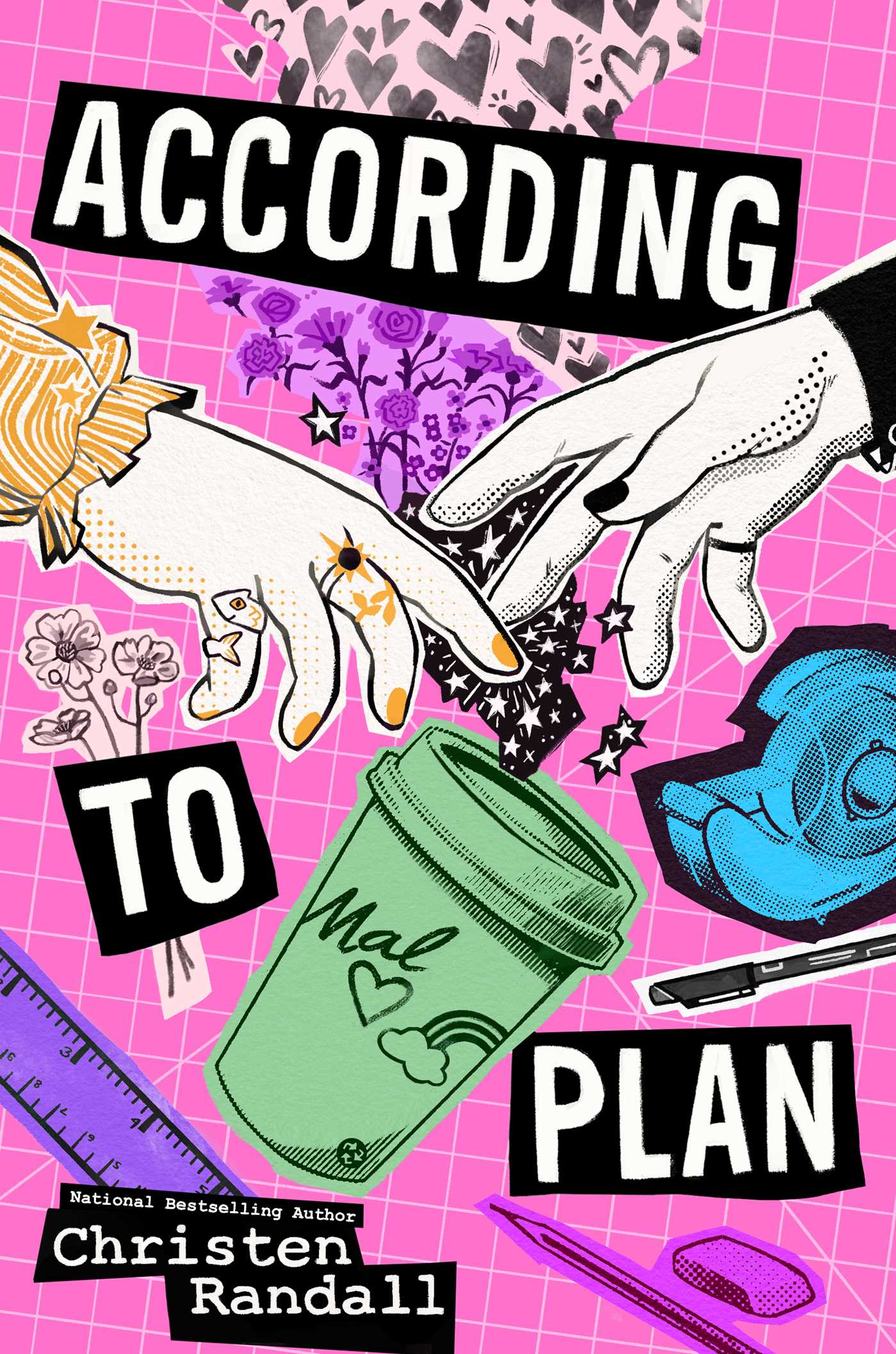
According to Plan – Christen Randall | YA | nonbinary, bisexual MC, bisexual LI, queer relationship, several queer SCs | disability, romance | ⭐️⭐️⭐️.5
TELL ME WHAT YOU THINK! Have you read any of these books, and if so, what did you think of them? What are some of your favorite queer books that you’ve read recently? Let me know in the comments!
Today’s song:
That’s it for this recommendations post! Have a wonderful rest of your day, and take care of yourselves!
Whew, this header’s been gathering some serious dust. I don’t do ARCs regularly anymore, but basically consider this my regular Book Review Tuesday installment…just with some more intrigue, since this book is less than a month away from release!
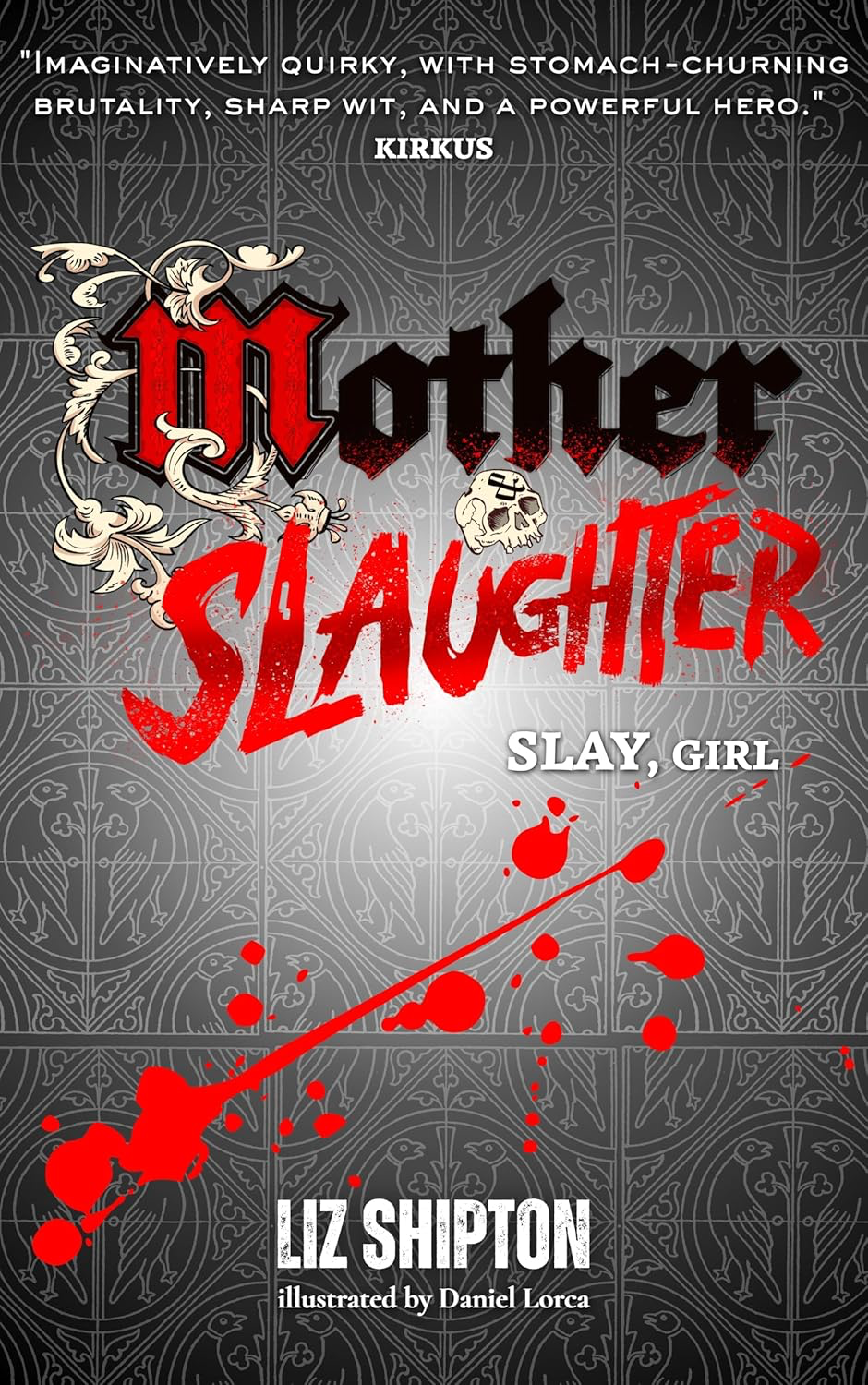
As I said before, I’ve gotten too busy to regularly review ARCs in the past few years, but this is an exception. The author of this upcoming novel (Liz Shipton) came across my blog and personally reached out to ask if I could review their ARC, so I said yes! Sadly, it pains me to say that this satirical fantasy was kind a miss.
150 years ago, all of Draconia’s women were stripped of their magic. Now, their only options once they turn eighteen are to become mothers or gladiators. Eleanor Skinner was content to choose the latter, and has spent her days fighting her way to the top. At 35, she’s Draconia’s oldest gladiator, and proud to claim the title. But when she becomes pregnant after a one-night stand, her options are slim. Rumors have swirled about Draconia’s only magic-practicing woman left, who might be able to give her the abortion she’ll need. But Draconia is full of patriarchal monsters, and Eleanor will have to claw her way to freedom.
TW/CW:misogyny, violence, gore, blood, abortion themes, sexual content, racism, transphobia, xenophobia/anti-immigrant rhetoric, homophobia, ableism (internalized/external), animal death
Thank you to Liz Shipton for sending me this eARC in exchange for an honest review!
Giving an ARC a low rating is always tough. It’s especially tough since Liz Shipton was nice enough to reach out to me personally and give me this ARC, which I really appreciate. But with every ARC, I promise an honestreview, and an honest review is what this is. I really wanted to like Mother & Slaughter, but it tripped over itself too many times to be truly successful.
If you’re going into Mother & Slaughter thinking that it’ll be subtle satire…it’s not. And honestly? That’s okay. There’s a place for both kinds of political allegory in this literary ecosystem. Mother & Slaughter is a revenge fantasy about tearing down the Trump administration, which I am 100% behind. Unfortunately, while I’m 100% behind Shipton’s politics, the delivery was not my cup of tea. This book basically feels like if we lived in a better, kinder universe where Quentin Tarantino was somehow woke. (For what it’s worth, I think Mother & Slaughter is the perfect book for anybody who was brutally grossed out by The Bride’s speech about “motherhood” at the end of Kill Bill: Volume 2. If Kill Bill: Volume 2 has no haters, then I am no longer here.) It’s a very bloody and irreverent novel, and it definitely tested my squeamishness for gore. The chemistry and banter between the characters was good, but it just wasn’t my kind of humor. There’s no shortage of swearing—we’re talking at least 5 f-bombs per page here, so that’s what you’re getting into. My issues with this aspect in particular are purely personal and not about the craft—it was written decently enough, but it just wasn’t the book for me in this regard.
Mother & Slaughter tackles almost everything you could think of that’s wrong with the Trump administration; misogyny and womanhood take center stage, but there’s also lots of discussions of homophobia, transphobia, xenophobia, racism, and the persecution of scientists and scholars. I think the depictions of misogyny and the struggles women have under this administration were well done and well-realized through Eleanor’s character. There was some nice disability inclusion with Eleanor and Roz, who both had sustained permanent injuries from being gladiators. I also liked how respectfully Sam (who is a trans woman) was handled as a character; Eleanor and Roz butt heads about how to treat her, but ultimately, they both come to respect her as her true self—and as a victim of the same patriarchal system that they’ve been fighting against. There’s some timely discussions about immigration and anti-immigrant rhetoric which was solidly done. Shipton also attempts to tackle racism through the character of Roz; I will say, although her character gained more depth later, my biggest complaint is that for the first half of the book, Roz felt like she was only there to teach Eleanor that racism existed. This was remedied later, but it’s still worth mentioning as a writing flaw. Additionally, I’m not sure if the racism commentary was done well, as we never really get any context for how racism is systemic in Draconia (as misogyny/transphobia/etc. are), and there’s only some offhanded comments about how women of color are oversexualized and discriminated against without factoring it into how the government oppresses people of color in Draconia.
Politics take center stage in Mother & Slaughter, which is as it should be. I’m not asking for this novel to be some masterfully-crafted, intricate world, because first and foremost, it’s a political satire. That being said, I think it would’ve been much more effective if there was more effort put into the worldbuilding. It’s basically your run-of-the-mill, vaguely medieval European fantasy setting, but with more anachronistic language and dialogue. (I kind of expected the anachronisms given that this book’s tagline is “Slay, girl,” but it’s worth noting.) Yet aside from the government’s strict control of women and immigrants, I really couldn’t tell you how the government works. In order for this kind of satire to work, there needs to be at least some scaffolding of the world in order for us to understand our own politics through the lens of a fantasy world. The real fun of satire in genre fiction is to warp our own reality into a fictional one, and in this case, it just felt like a cheap copy-and-paste of current U.S. politics onto a hastily thought-out fantasy world. Fiction holds a mirror to parts of our world, but it’s really not much fun if the mirror is indistinguishable from the real world itself.
This issue is exacerbated in the ending, in which we finally meet Draconia’s Trump stand-in, who is…blatantly just Trump poorly photoshopped into a fantasy world. Like I said, the real fun of ridiculing horrible demagogues like him is by warping them to fit a fantasy setting. Once again, I recognize that this book wasn’t meant to be subtle, but a lack of subtlety shouldn’t mean a lack of creativity. Reknaw says “yuge,” he calls the main characters “nasty women,” and he even mentions a “big, beautiful bill.” As much as I loathe the man, it just felt so lazy and cheap to have no effort whatsoever put into this Trump parody. This is an exceedingly niche reference here, but remember Hellboy: Blood and Iron? They have their stand-in, comically evil oligarch character (Oliver Trombolt) whose name is just multiple real-life oligarchs (Trump being one of them) mashed up, but at least he didn’t look like a clone of Trump (or any of his other inspirations)! the bar’s real low. Even the artwork looks exactly like him. It…gets to a point. Well-intentioned satire, once again, but it just felt so unoriginal when there’s a myriad of ways to critique this administration and the scumbags within it.
Overall, a satirical fantasy with good intentions but a bloody mess of an execution. 2 stars.
Release date: July 1st, 2026
Mother & Slaughter is a standalone, and will be released on July 1st, 2026. Liz Shipton is also the author of Dot Slash Magic, the Thalassic series (Salt, Sand, Soul, Paz, and Passage), and several other books for teens and adults.
Today’s song:
yes, I know this song has one of the most threatening auras of any Brian Eno track, but I just CANNOT STOP LISTENING TO IT god I love this album
That’s it for this week’s ARC Book Review Tuesday! Have a wonderful rest of your day, and take care of yourselves!