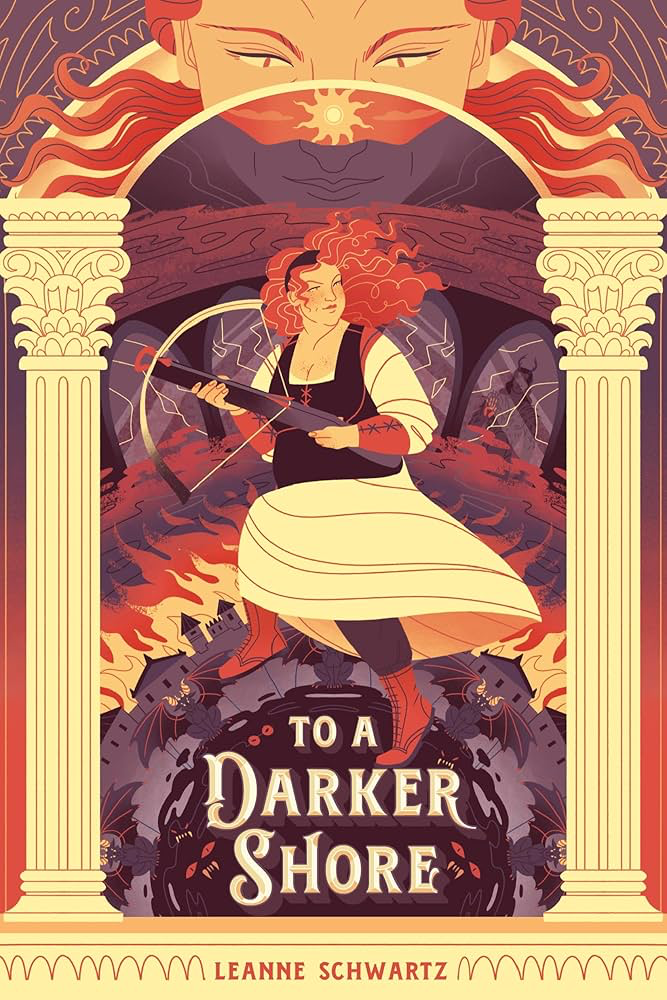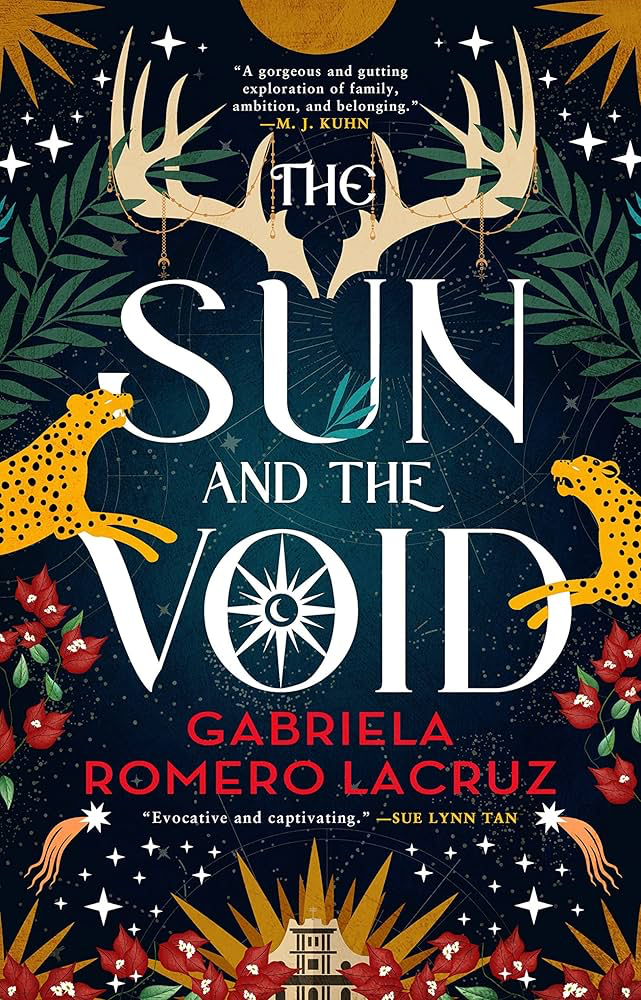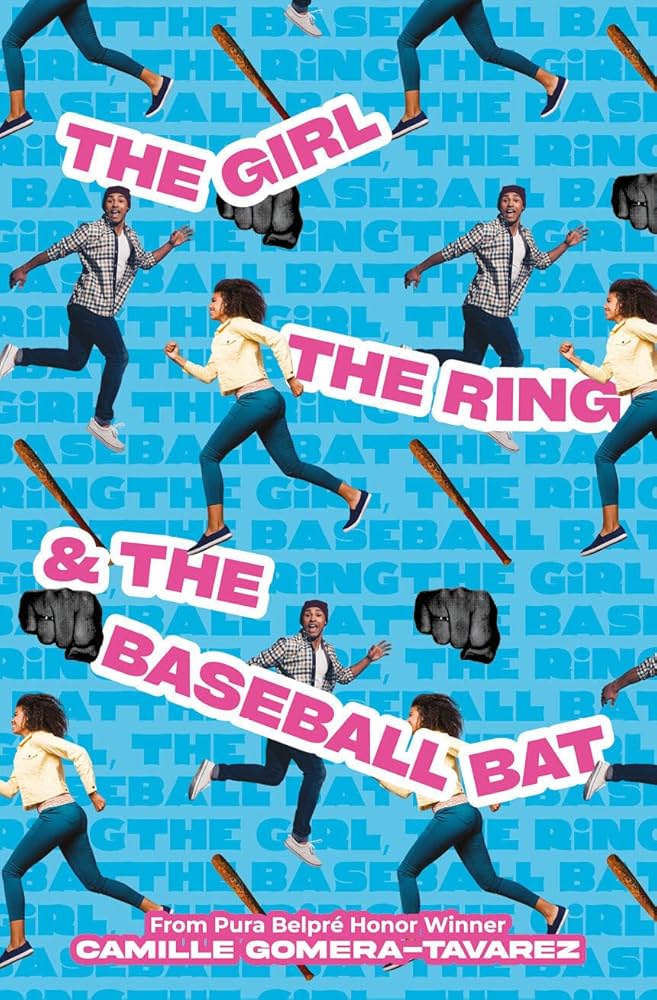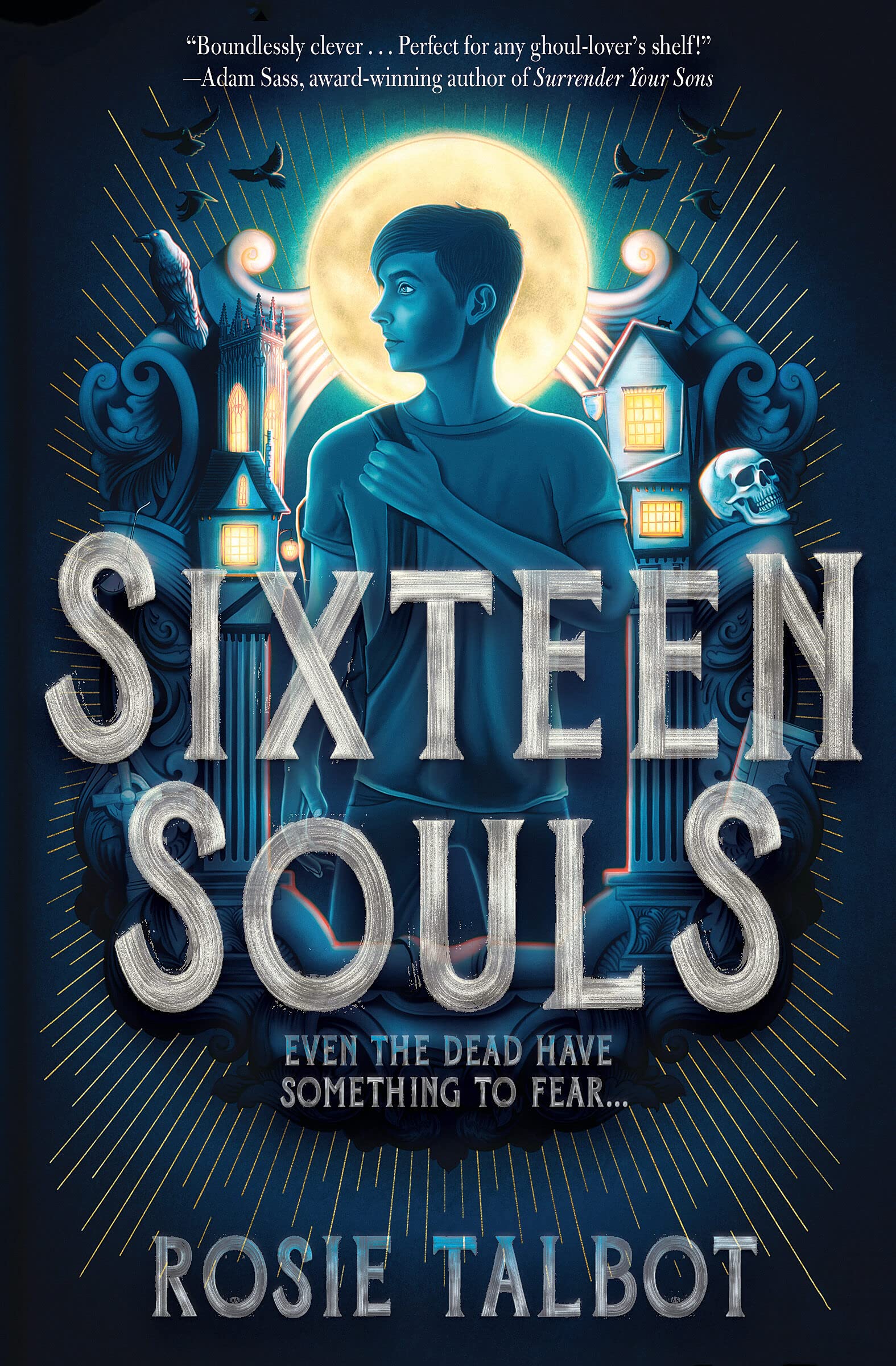
Posted in Sunday Songs

Sunday Songs: 6/15/25

Happy Sunday, bibliophiles, and more importantly, Happy Father’s Day!! I always end up writing one of these posts on Father’s Day, what with it landing on a Sunday and all, but it’s fitting, given that my amazing dad is the one who not only is responsible for a lot of my music taste, but was also the one to encourage me to write these posts and wanted to hear my thoughts. So thank you to him, for all of the gifts he’s given to me, and to my family. I love you. 🩵

This week: before I go radio silent for a week for a road trip, how about a random kick in the pants from 2019? Plus, new Cate Le Bon, old(ish) Shins, and others.

Enjoy this week’s songs!

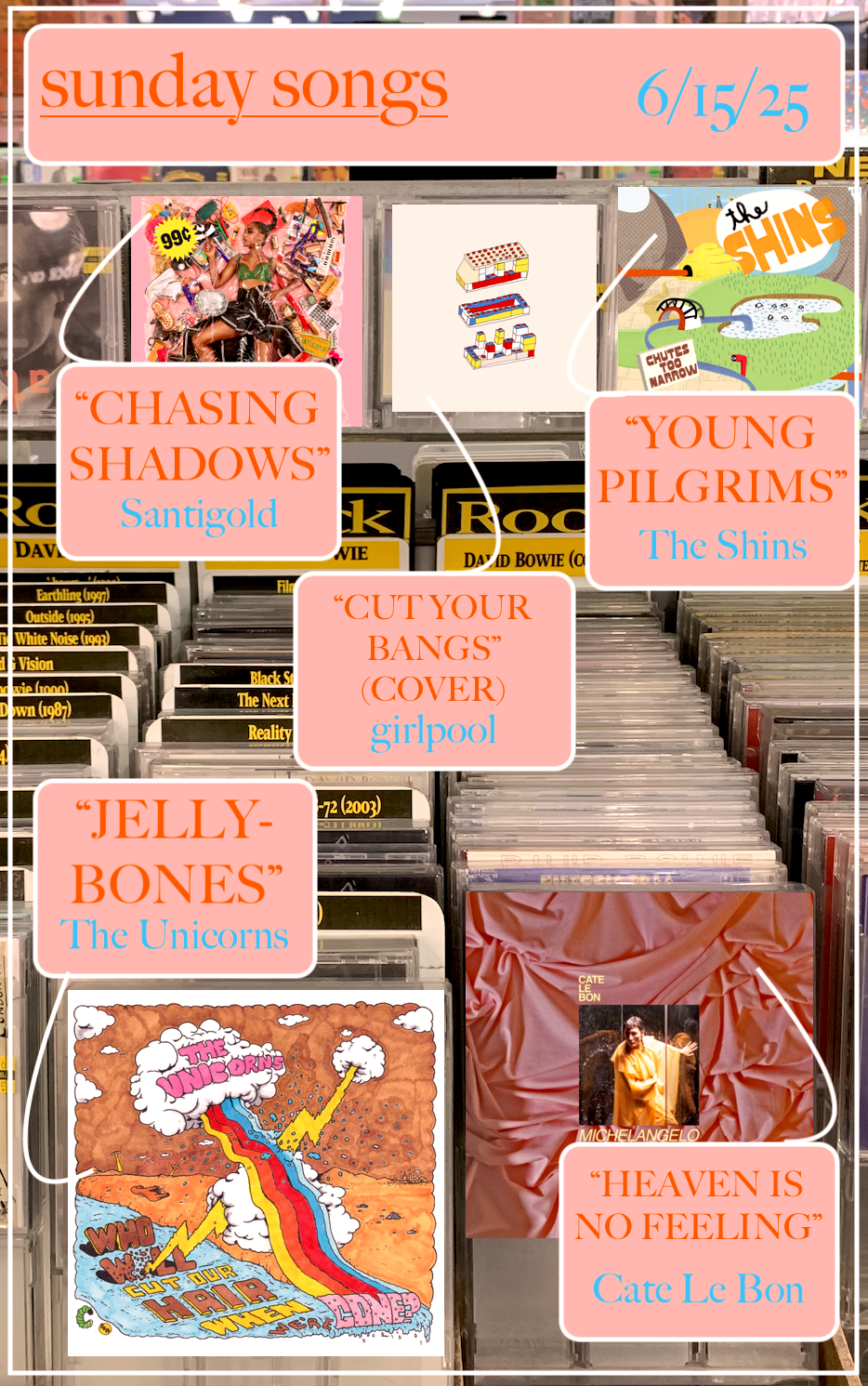
SUNDAY SONGS: 6/15/25

“Jellybones” – The Unicorns

Chances are, given my proclivities for Car Seat Headrest and other like lo-fi, awkward white boys, I probably would’ve stumbled upon The Unicorns eventually. It was an inevitability. Either way, I was introduced to it via Black Country, New Road’s episode of What’s In My Bag?, and I can’t call it much else other than a delight in the many times that I’ve listened to it since. “Jellybones” is a whimsical title as it is, but the rest of the song stays true to that silliness, complete with bone-related puns (“Drove up in my bone-ca-marrow,” ba-dum tsss); the entire song revolves around jellybones (an obscure sort of expression for nervousness) being a genuine malady worthy of going to the hospital and getting limbs amputated for. Everything has a juddering, garagey sound to it, from the engine-like startup to the guitars to the keyboards, which the intro warps into the sounds I feel like I’d hear aboard a clunky, malfunctioning spaceship on the cover of a ’50’s pulp magazine. 2:43 feels simultaneously too short and the perfect length for “Jellybones”—I need more, and yet this song could only ever be a sputtering little firecracker, spurting out sparks and then gently slipping out of existence.

…AND A BOOK TO GO WITH IT:

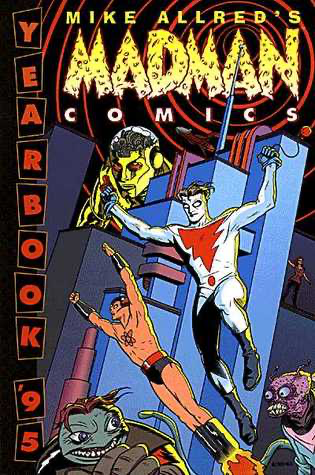
Madman Comics Yearbook ’95 – Mike AllredJellybones definitely seems like it could be a genuine illness in the Madman universe. (Least wacky Dr. Boiffard subplot, maybe?) Either way, the lyrics definitely fit with the kind of silliness in these comics.

“Heaven Is No Feeling” – Cate Le Bon

Getting the one-two punch (positive) of new Big Thief (to be discussed) and Cate Le Bon on the same day was almost too much…and just when I thought that we were finished with all of my most anticipated albums of the year! Cate Le Bon’s new album, Michelangelo Dying, comes out this September, and suffice to say, if it’s anything like this song, I’m all ears.

Taking cues from the synth-heavy sound of Pompeii, “Heaven Is No Feeling” opens with an intro too good for a track that’s right in the middle of the album: a murmur of “What does she want?” before launching into a flurry of rippling, watery synths and guitars slathered in enough effects to make them camouflage with the synths. In line with her very ’80s sound, there’s plenty of saxophone, but not enough that it overpowers any of the rest of the song. Gently groovy and keenly observational, Le Bon takes the position of a wallflower: there is a kind of emotional distance to it as she watches the subjects as they move like pawns across a chessboard: “I see you watch yourself/Walk the room/Stroking the air/Like this paint won’t dry.” As she observes the distant fallout of a failed love, the song feels like she’s watching someone through security camera footage, pretending to be distanced when she hasn’t fully gotten over the wreckage—much like the music video, where a buzzcutted Le Bon watches herself on an old TV. Every repetition of “I see you watch me” feels like a degree of separation from the body and from her feelings (surely that’ll end well…), and “heaven is no feeling” becomes a kind of blissful removal from one’s own emotions.

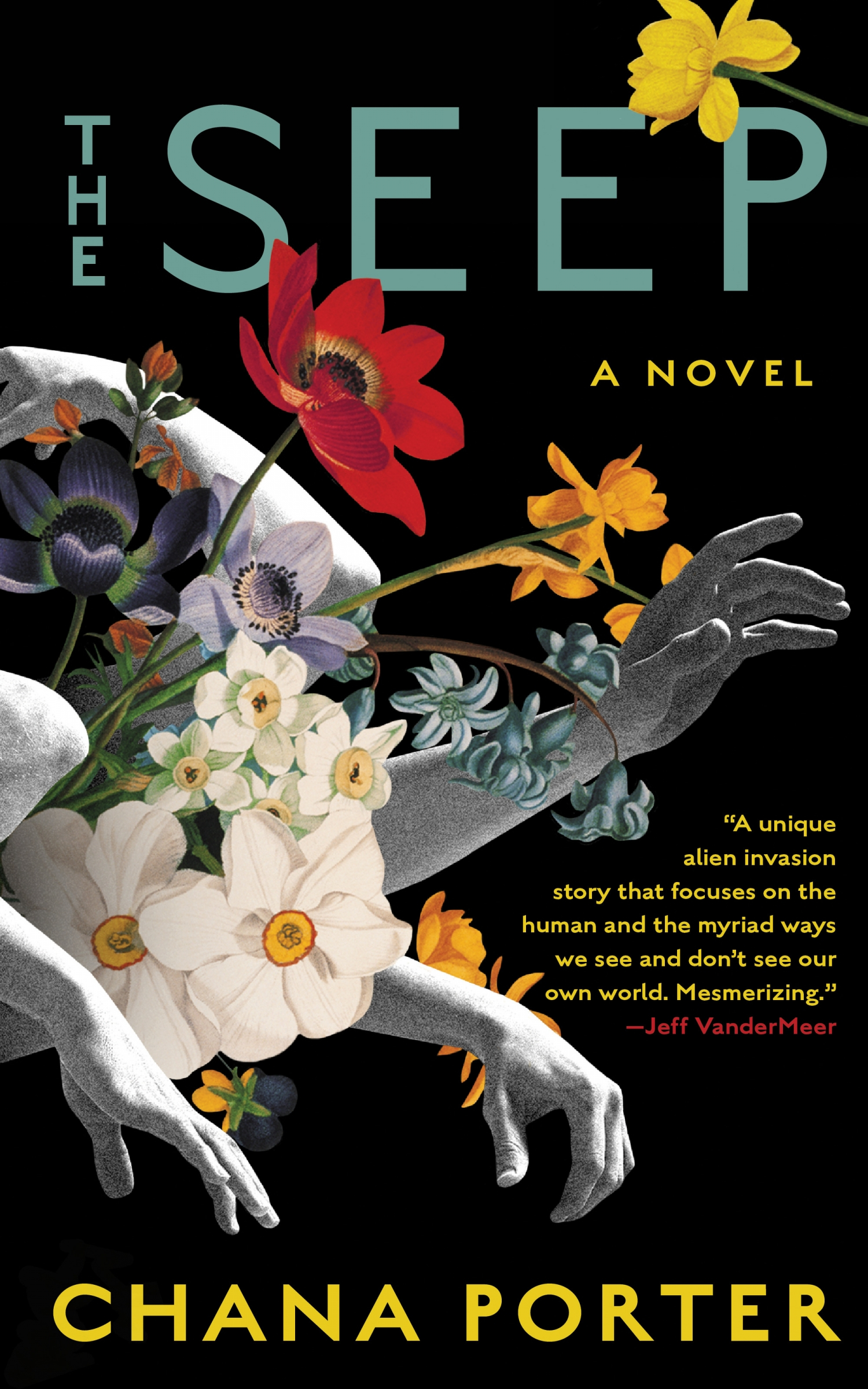
…AND A BOOK TO GO WITH IT:

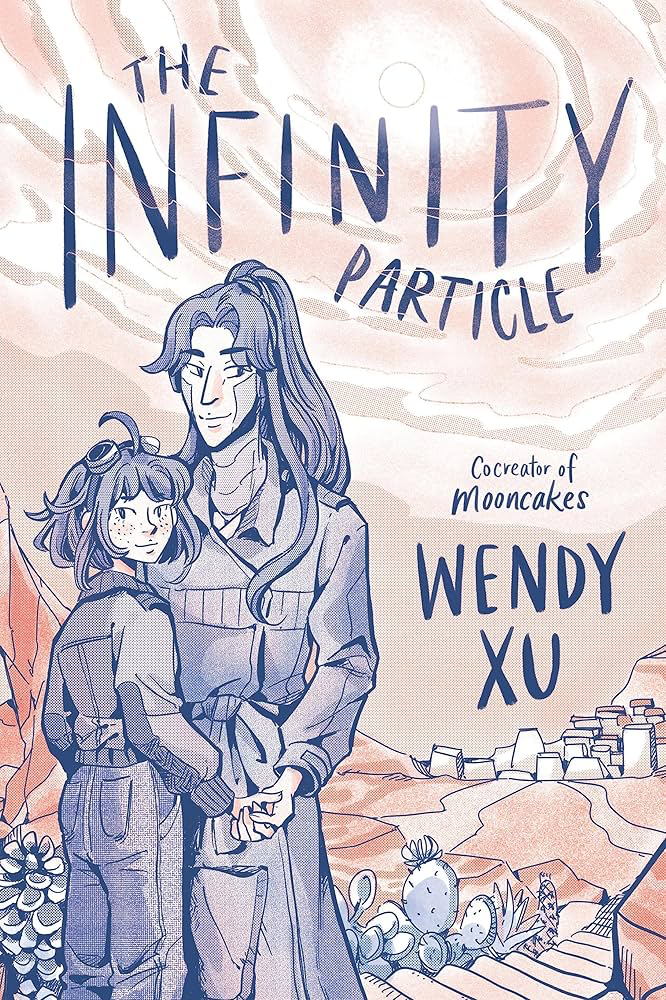
The Infinity Particle – Wendy Xu“I see you watch me watch you/Watch me move away/You occupy the space/Like a ribbon untied…”

“Chasing Shadows” – Santigold

Santigold, man. Nobody’s doing it like her. I often think of 99 Cents as being one of the only happy albums of 2016, but next to Blackstar, A Moon-Shaped Pool, and Teens of Denial, anything looks happy. But what makes me keep coming back to songs from 99 Cents is how she used the veneer of happy, bubblegum pop songs to further her message—they remain peppy pop songs, but they’re all armed with critiques about consumerism and the music industry. Santigold has often talked about her negative experiences in the music industry, whether it’s how unaccommodating the industry is to mothers, especially where touring is concerned, or how her music did not qualify to some critics as “Black music.” Despite how candid she’s been about the physical and mental toll it’s taken on her, Santigold has only used that to become even more herself than ever. Her last album, Spirituals, went fully into Afrofuturism and current politics, and she’s expanded her creativity into a podcast, Noble Champions, where she brings guests to talk about everything from said nebulous category of “Black music” to social media addiction. (From the episodes I’ve intermittently listened to, she’s also had a whole host of amazing guests, including Yasiin Bey, Questlove, Tunde Adebimpe, Mary Annaïse Heglar, and so many more. The only problem is that there’s not more Santigold, frankly.) I saw her perform live last August, and it’s one of the only concerts I can think of where a singer has been truly kind and candid with her audience; decades in the industry didn’t stop her from signing people’s records in between songs.

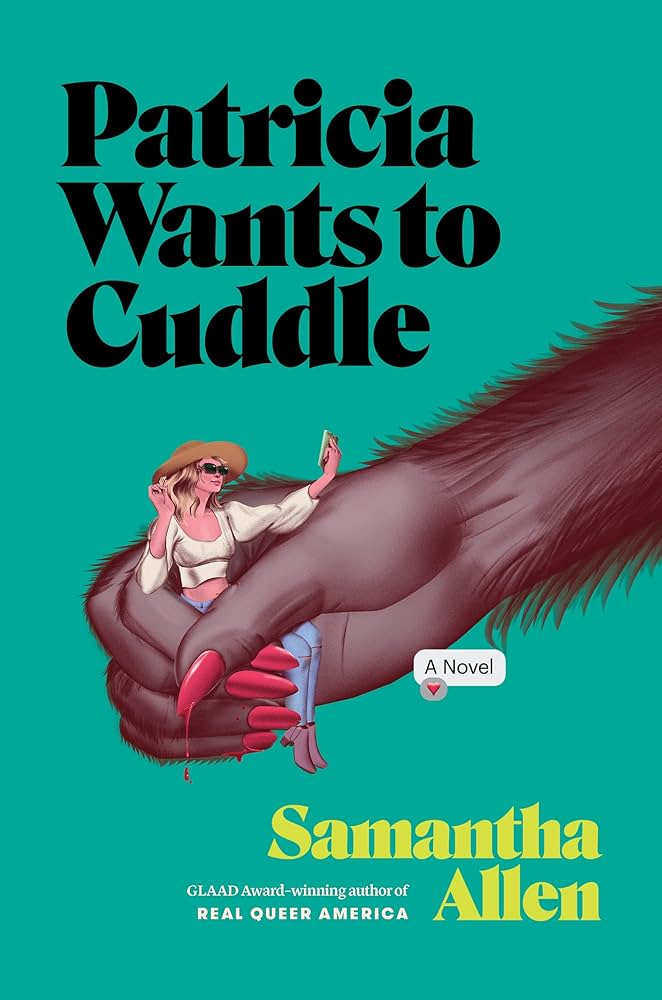
Like the album cover, where Santigold is shrink-wrapped and slapped with a price tag along with all manner of plastic junk, “Chasing Shadows” reckons with the human toll of commodifying artists. Contrary to Pitchfork’s assessment that the song “basically plods along inoffensively until it ends” (I’m sorry, the fuck?), it’s one of the more steadfast songs on the album, still fast-paced but providing a cooldown between some of the more in-your-face pop songs. Rostam Batmanglij (formerly of Vampire Weekend) produced the track, and knowing that, I can hear him all over the beat—I say this affectionately, but it’s the most 2016 pairing ever. I love it. Through rapidly-uttered lyrics, Santigold reflects on how quickly the industry moves on so quickly from artists once they’re out of fashion, summarized by one of the finals the second verse: “Why they eating they idols up now/Why they eating they idols up, dammit?” Reflecting on seemingly being left behind, her solution, as always, is to defy the standard, continuing to do what she’s doing. The video mirrors this back: she asserts herself in multiple places inside various houses: at the head of a table at a decadent Christmas feast, standing upright and fully clothed in a bathtub, and towering over a child-sized table with a child-sized tea set. No matter the location, she stands firm, defiantly staring the camera, returning the gaze—of the music industry who tried to put her in a box, to racist and misogynist detractors, or to anyone who has ever doubted her. No matter what, she’s looking directly at you, as though to cement her irreplaceable space of individuality that she’s created for herself.

…AND A BOOK TO GO WITH IT:

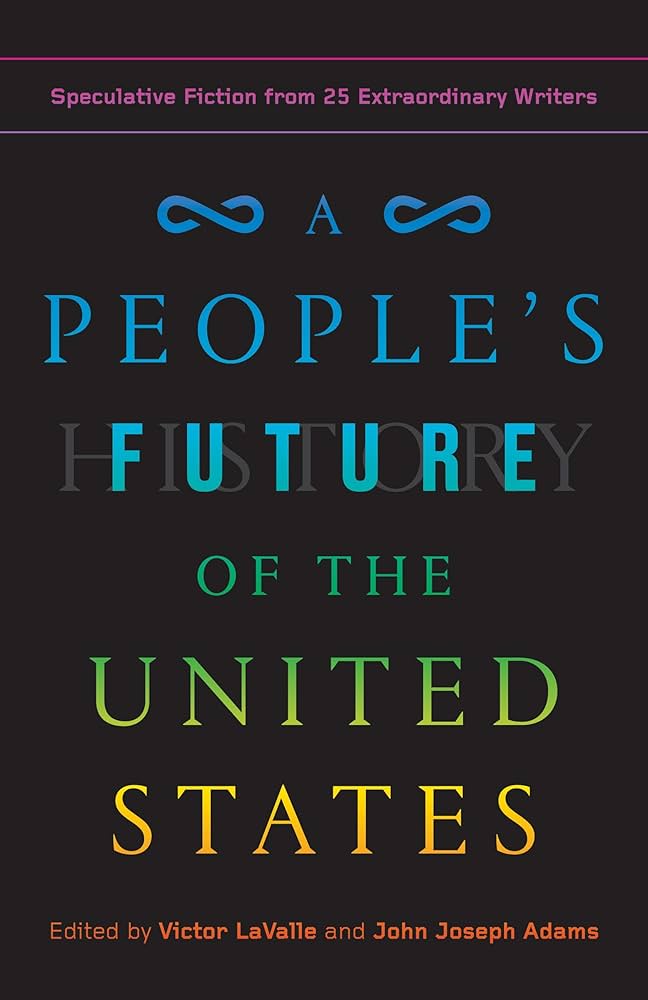
Victories Greater Than Death – Charlie Jane Anders“One thing about time, it waits for nobody, you told me, isn’t that what they say/Been batting ‘gainst it and getting nowhere, just racin’ got nothing to say to nobody…”

“Cut Your Bangs” (Radiator Hospital cover) – girlpool

What in the 2019 did my shuffle just pull? I hadn’t even thought of this song in years, and boom, suddenly I’m back in high school art class, diligently obeying the “only one earbud in if you want to listen to music” rule while drawing X-Men fanart because I blew through whatever I was actually assigned. God.

High school…and my first introduction to girlpool through Apple Music. Sure, I’m fully on board with the fact that streaming has harmed musicians more than it has helped them, but for a lot of people, myself included, it opened the floodgates for discovering so many musicians back when I was in high school. girlpool was one of the big ones, prominently soundtracking my sophomore year of high school, from their earlier work on Before the World Was Big (which turns 10 this year, Jesus) to their more current (at the time) What Chaos is Imaginary. Almost six years after I discovered them, girlpool since released one final (disappointing) album, Forgiveness, broken up shortly after, and then…Avery Tucker’s come back with a good solo single, but Harmony Tividad seems to have pulled a Gwen Stefani and now makes pop songs with the most chronically online lyrics you’ve ever heard. How the times have changed. But good for her, I guess? You do you…

Even though girlpool had moved past this inception of their music by the time I got into them, they fit too perfectly into the sad, acoustic indie that comprised most of my music taste, and still kinda does today. “Cut Your Bangs” is a cover, but to this day, it remains one of the best parts of this inception of girlpool. In contrast to the faster, more rock sound of the original by Radiator Hospital, girlpool take the chorus’ ending of “the small stuff” literally, slowing it to a crawl in order to wring the most out of the quietly introspective lyrics. I remember not liking the original when I first heard it, and on reflection, I don’t hate it, but I still think it’s a situation where girlpool knew exactly what to do with it. All of the lyrics need a gentler space to breathe, and the twin harmonies of Tividad and Tucker make them stand out. To this day, the way their voices know exactly which lyrics need a plaintive murmur and which ones need a higher-pitched belt feels almost telepathic—at their best, what made girlpool so successful is that they had such an instantaneous communication that allowed them to switch from gentle to jagged in the blink of an eye, but never once lose their synchronicity.

…AND A BOOK TO GO WITH IT:

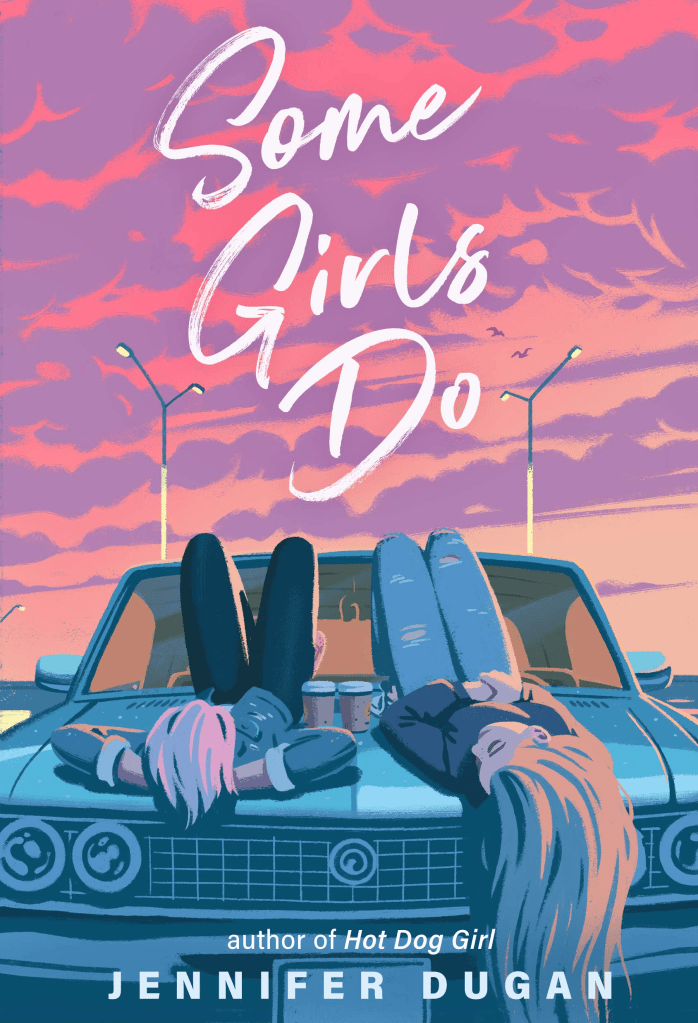
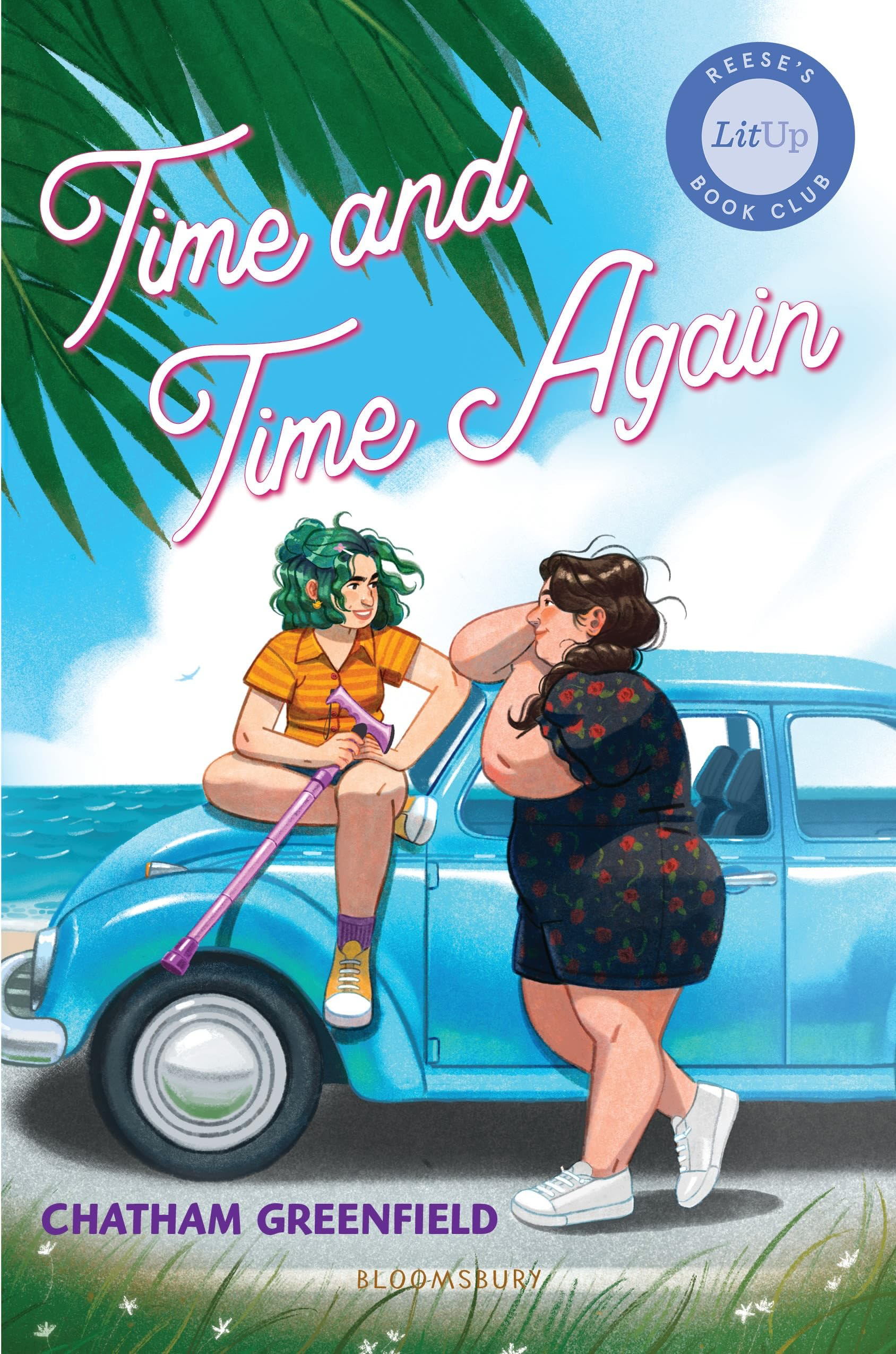
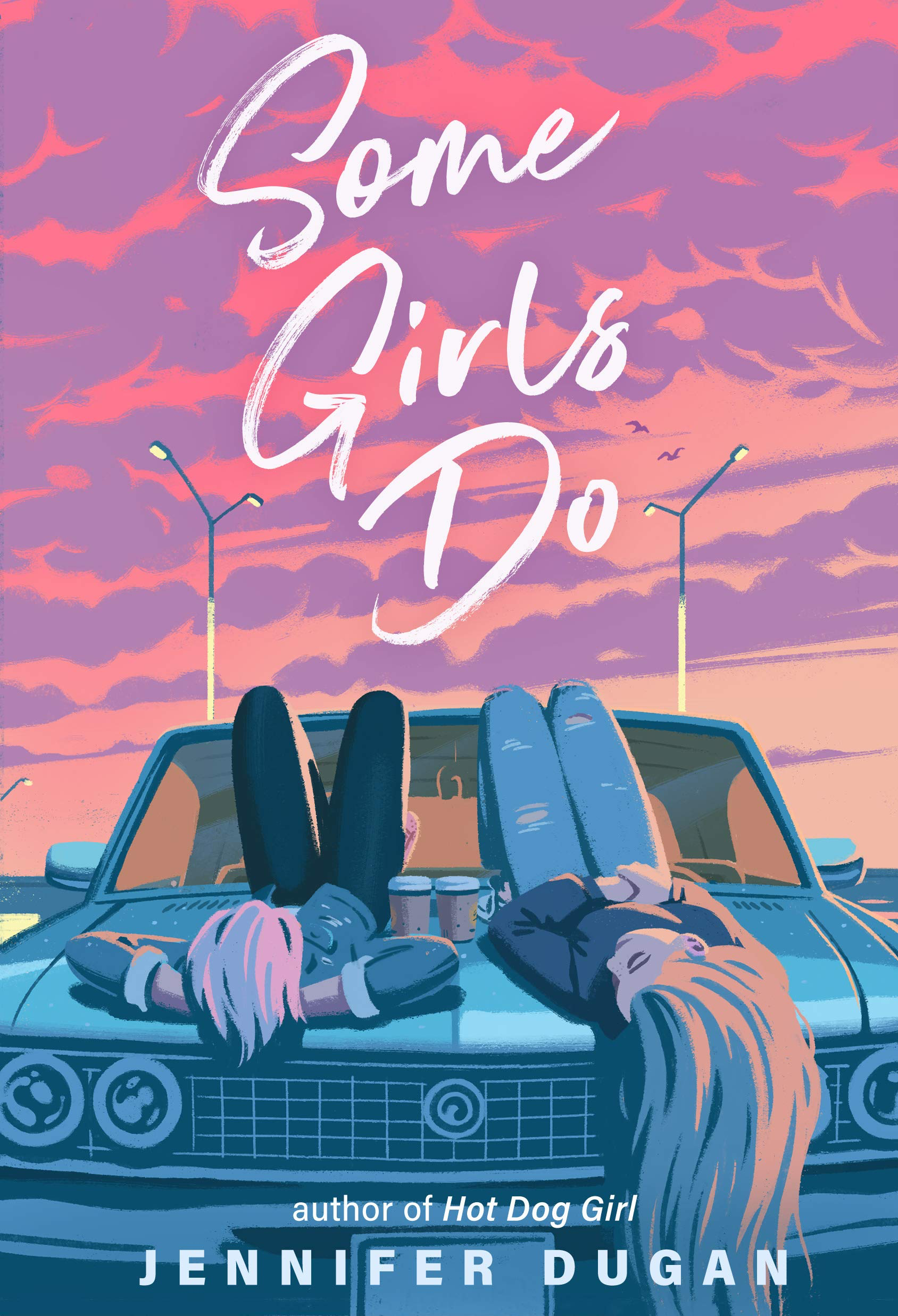
Some Girls Do – Jennifer Dugan“You say you’ll cut your bangs, I’m calling your bluff/When you lie to me, it’s in the small stuff…”

“Young Pilgrims” – The Shins

James Mercer just has such a unique way with words. As music history (and my personal music library) proves, there’s practically a million ways to say a sentiment along the lines of “I’m dissatisfied with my life and it’s cold and wet outside and I’m also depressed.” Mercer saw that and gave us these iconic lines:

“A cold and wet November dawn/And there are no barking sparrows/Just emptiness to dwell upon/I fell into a winter slide/And ended up the kind of kid who goes down chutes too narrow…” HE SAID THE LINE! GUYS, HE SAID THE LINE! CHUTES TOO NARROW!

Said barking sparrows came back to me completely at random, in the way that especially sharp lyrics or melodies do. Although Mercer’s narrator envies the “eloquent young pilgrims” passing by him, I struggle to find words other than eloquent to describe how he articulates such a near-universal feeling, a mess of regret and stagnation and the emptiness that comes with control slipping through your fingers and wanting to regain it. In a simple duet of acoustic and electric guitars, Mercer wrings some absolute poetry out of such a stagnant state, drawing every possible image from ice melting on a train window and the desire to “grab the yoke from the pilot and just/fly the whole mess into the sea.” I love a good literary-minded songwriter, which I guess it’s no surprise that I latched onto The Shins from such a young age. But with age, I appreciate the lyrics even more—James Mercer is one of those songwriters who prove that, at its best, music is eloquent poetry set to music. It doesn’t need to be (and rarely is), but when it hits that spot, I can’t help but relish it.

…AND A BOOK TO GO WITH IT:

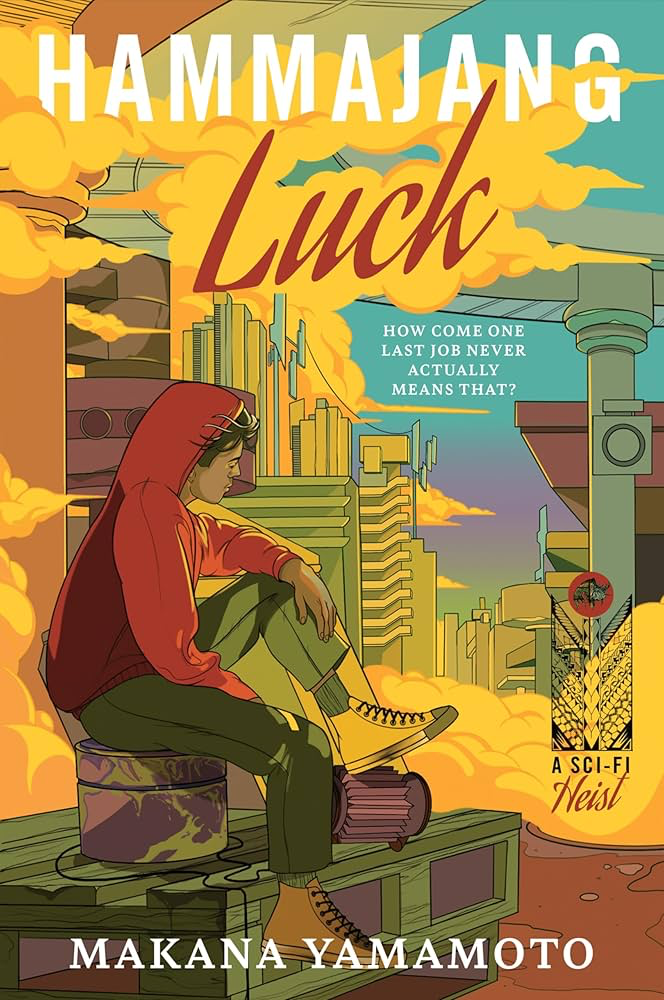
Hammajang Luck – Makana Yamamoto“But I learned fast how to keep my head up, ’cause I/Know there is this side of me that/Wants to grab the yoke from the pilot, and just/Fly the whole mess into the sea…”

Since this post consists entirely of songs, consider all of them to be today’s song.

That’s it for this week’s Sunday Songs! Have a wonderful rest of your day, and take care of yourselves!

Posted in Book Review Tuesday

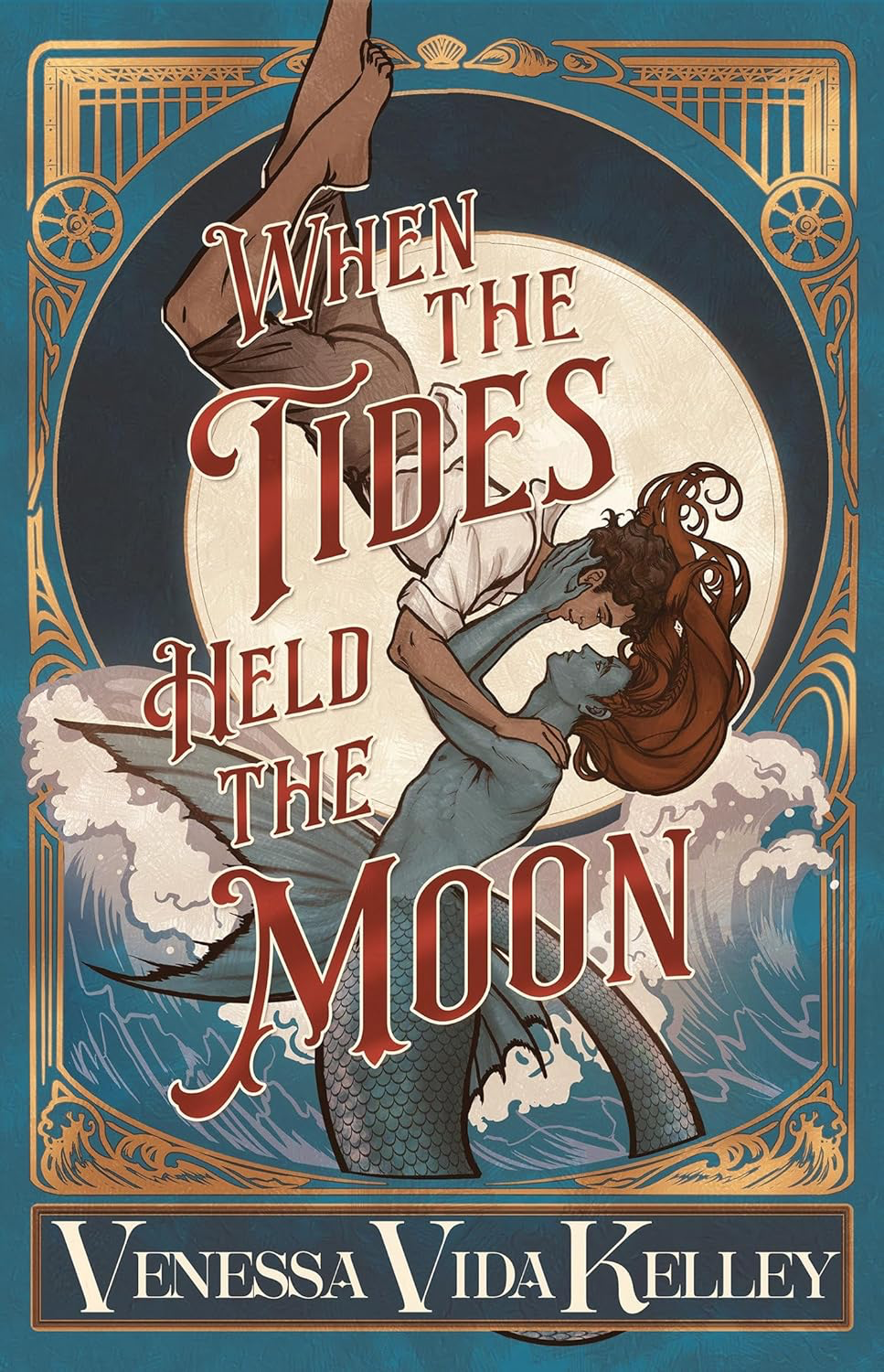
Book Review Tuesday (6/10/25) – When the Tides Held the Moon

Happy Tuesday, bibliophiles!

I found this novel in an Instagram post about upcoming queer releases in 2025, and this one immediately caught my eye. You put a comparison to The Shape of Water in the tagline, and you bet I’m in. (If anything, it’s right between The Shape of Water and Nightmare Alley, given the setting.) Venessa Vida Kelley has delivered a vibrant and sensitive story of queer love and solidarity amongst weirdos.

Enjoy this week’s review!

When the Tides Held the Moon – Venessa Vida Kelley

Orphaned and far from his homeland of Puerto Rico, Benny Caldera makes a living as an ironworker in 1910’s New York City, barely scraping together enough to stay afloat and out of reach of the taunts of his white coworkers. But when Sam Morgan, the owner of a sideshow, notices his handiwork, he commissions a strange project for him: a tank whose contents are unknown to him. Benny takes the opportunity for a new job, and finds an unexpected family in the sideshow’s performers. He soon finds out that the tank holds an impossible marvel: a captured merman. As Benny gains the merman’s trust, he finds himself drawn to him—and the merman to him. But when Morgan’s abuse to the merman turns deadly and the sideshow begins to crumble, it’s up to Benny to hatch a plan to save them all.

TW/CW: racism, homophobia, abuse (emotional and physical), violence, blood, ableism, xenophobia, mentions of sexual assault (off-page)

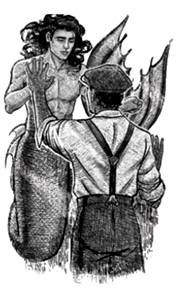
art by Venessa Vida Kelley

I may be a somewhat critical consumer, but listen…you dangle a comparison to The Shape of Water in front of me like a carrot, and goddamnit, I’m eating it right up. God forbid that a weird girlie such as myself consume even more media about found family, fish people, and the nature of marginalization!! That being said, nothing comes close to The Shape of Water, but that’s not the book’s fault. When the Tides Held the Moon is a beautiful novel in all of its parts.

When the Tides Held the Moon boasts a vibrant cast of characters, and it really felt like a feat for Kelley to balance all of them and still give them unique and complementary personalities. Besides Benny and Río, the cast is mostly rounded out by the fellow performers in the sideshow, of which there are many. Yet out of the nine (I think?) primary side characters, none of them ever felt like an afterthought. Each of them were not only rounded out, but had such thoughtfully planned interactions with all of the other characters—sometimes clashing, and sometimes meshing perfectly. There were individual romances and special friendships between the nine of them, but they were a shining example of found family done well. Despite their individual differences, their solidarity and kinship shone through on the page, making for a narrative that had no shortage of tenderness and heart.

The romance between Benny and Río shone in When the Tides Held the Moon. There was such a tenderness to both of them that gave the novel so much of its heart. I’m always a sucker for narratives about two outsiders falling in love, but I love the ways that their separate senses of outsiderness intertwined; they shared music, stories, and tales of their respective homelands. The slow burn romance was paced well, and never felt rushed. I do feel like the ending was a tad bit too close to The Shape of Water, without spoiling anything, but I think their individual way of solidifying their romantic relationship at the end of the novel separated itself enough in the end, making for a resonant, vibrant end to the novel and to their respective arcs. It was all just so wonderfully sweet, but never in a way that felt insincere or cloying—I just loved them!

When the Tides Held the Moon is an incredibly diverse novel, which was exactly how it should’ve been; even without nearly as much knowledge as Kelley has (this was a very well-researched novel and it shows), it would’ve been a disservice to show either New York City or the culture of sideshows as places that don’t have a history of diversity. Immigrants from many different countries (Puerto Rico, Ireland, India, and Russia to name a few) are at the forefront, as well as lots of queer people, disabled people, people of color, and people who overlap within these intersections. However, some novels have a tendency to have a very 21st century view of all of these things. When the Tides Held the Moon felt very historically sensitive in terms of the language it used around these characters, but not in a way that was sanitized. In fact, it didn’t hold back from depicting the kinds of horrific oppression that these characters faced. Yet it wasn’t straight-up trauma porn either—it was honest about the struggles marginalized people faced during this time period, but never in a way that felt like their trauma was being exploited for emotion. That emotion shone through naturally in the interactions that the characters had and the solidarity they fostered in the face of mutual oppression.

That being said, the major thing keeping When the Tides Held the Moon was some of the writing, particularly the dialogue writing. Even from someone with a fairly high tolerance for bombastic, dramatic dialogue (I love Ray Bradbury and the Claremont run of X-Men for similar reasons, if that gives you a good idea of where I’m at), Kelley’s dialogue often bordered on too much. As sensitive and nuanced as everything else about this novel was, the dialogue trended towards excessively cheesy and overdramatic more often than not. Though I adored Río as a character, his voice very much fell into that overly verbose, “wise”-sounding dialogue that you could slap on any fantasy character. Benny in particular had some of that pathetic “aw, gee, mister, gimme a break, why don’tcha” kind of overwritten voice that was in-character at best but almost grating at worst. The side characters had varying degrees of this affliction, but none of them necessarily jump out at me save for the very stereotypically New York mobsters (“he’ll be sleepin’ with the fishes,” etc…wait, there was SUCH a missed opportunity them to say that). The only exception I can think of was Matthias since it was established that it was his genuine personality and not a consequence of the writing. If this were any other novel, I would’ve tolerated this much less, but Kelley’s story had so much heart that I could partially let it slide…but not all the way.

All in all, a beautiful, sensitive novel about love and marginalization with a big heart. 4 stars!

When the Tides Held the Moon is a standalone and Kelley’s debut novel. She is also the author of the forthcoming graphic novel Manu Faces the Music, which is set to be released in 2026.

Today’s song:

That’s it for this week’s Book Review Tuesday! Have a wonderful rest of your day, and take care of yourselves!

Posted in Sunday Songs

Sunday Songs: 6/8/25

Happy Sunday, bibliophiles! I hope this week has treated you well.

This week: getting emotional about Björk, queerness in the ’70s, and a delightful little critter living in the sewers somewhere in England.

Enjoy this week’s songs!

SUNDAY SONGS: 6/8/25

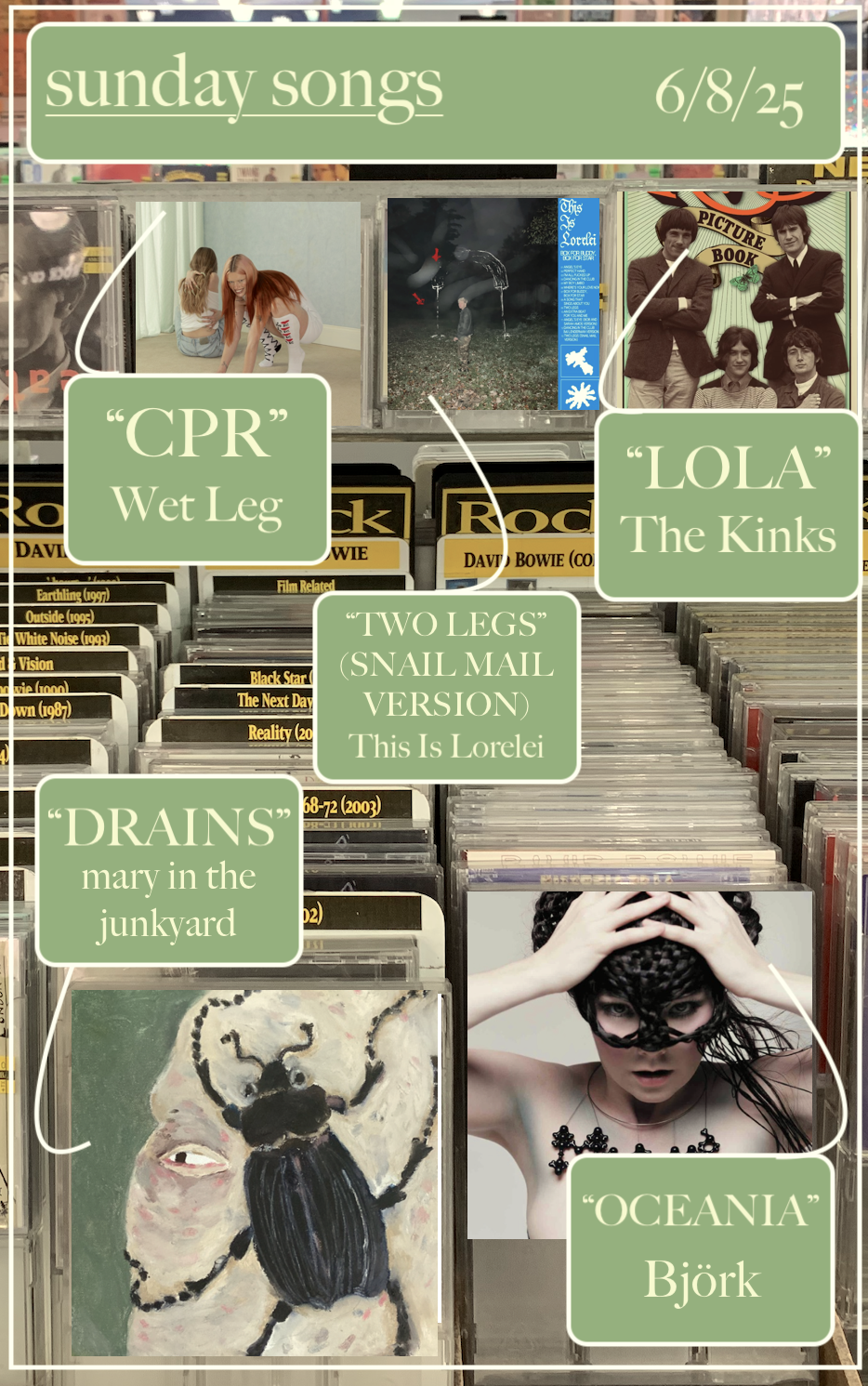
“drains” – mary in the junkyard

THEY’RE BACK!! Well, mary in the junkyard haven’t been gone for long, but nonetheless, I’m always excited about whatever new music they’ve got going. In fact, they’ve already had a fruitful year: a great feature on Richard Russell is Temporary, a shoutout on 2D’s Gorillaz G Mix 22, and a spot as one of the opening acts on Wet Leg’s UK and North American tours. I can only hope that their debut album is in the near future, but for now, they finally seem to be on the way to getting the attention they deserve!

“drains” continues the trajectory of their debut EP, this old house, which contained four songs full of ghosts, flies, rot, and angst dug out of the graveyard, living up to the description in their Instagram bio as “angry weepy chaos rock.” This time, the grime and goop they’re examining comes from the sewer; in the great music video, it’s personified as a tiny little clay creature that really does look quite innocent, but ends up wreaking some accidental havoc. With electric guitars that ring in a strangely plaintive way, “drains” stumbles about, written in a frustrated daze as the narrator struggles to put names to feelings—and to how her lover makes her feel. Not good, if the lyrics are any indication, and yet “drains” gets scratchier and more jagged as the truth becomes ever more apparent that they’re trapped in this cycle with them: “But if you bury yourself, I will dig you out again/That’s what lovers do/If you hurt yourself, I will take you under my wing/I’m your lover and I’m loving you.” Culminating in an exorcism of a scream, the chaos of the frustration is finally let loose and given form, like the clay critter clambering through the grime-coated pipes.

…AND A BOOK TO GO WITH IT:

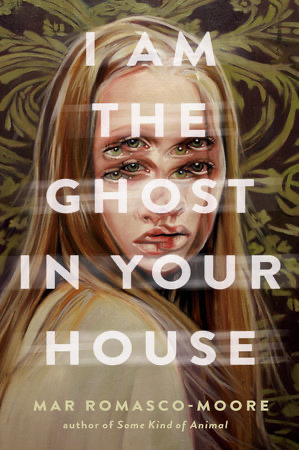
I Am the Ghost in Your House – Mar Romasco-Moore“But I only came here to feel my body/I am a ghost, where are my bones?/How can you blame me for not being sorry?”

“Oceania” – Björk

Damn…Medúlla has me feeling all kinds of things. It was next in line in my scattered Björk deep-dive and I was highly anticipating it after Björk’s episode about it on Sonic Symbolism. I listened to it while knitting a scarf, and I thought of everything she described about the album, about prehistory and family and sitting around the fire and braids and ropes and weaving…and that hit me while I was knitting, doing the same activities that my ancestors, namely women, have done for thousands of years before me, and, and, and…yeah. Medúlla is very nearly a no-skip album (“Submarine” wasn’t my favorite). It’s one of those albums where you feel a pit opening in your stomach, but it seems to be opening up room for the energy to integrate itself into you. A good Björk album does that to a gal. And so many people think this is her worst album because it’s inaccessible? Sure, maybe her first three albums are more accessible (relatively), but do you really listen to Björk for accessible music?

I kind of agonized over which song I’d pick for this week (because you will be hearing more), but between this, “Who Is It (Carry My Joy on the Left, Carry My Pain on the Right)”, and “Desired Constellation,” this was the winner. Originally composed on pianos before Björk realized the sound she envisioned weren’t possible on pianos, “Oceania” imagines the all-encompassing consciousness of the ocean. Connecting the ocean to the album’s larger theme of motherhood is a no-brainer, because who was the mother of every life-form on the planet? Taking the nurturing spirit to the personal to the universal, Björk embodies an ocean full of love, but namely full of pride: “You have done good for yourselves/Since you left my wet embrace/And crawled ashore.” Despite her all-encompassing knowledge and reach (“You count centuries/I blink my eyes”), she retains an eye on every organism that has emerged from her waters, nurturing all of them and reminding them of where they came from; as the vocals temporarily drop out, she reminds us of the connection we all have: “Your sweat is salty/I am why.” AAAAUGH, excuse me for a moment…sorry, I just get overexcited about the wonder about how everything on Earth is intimately connected and that denying it is the root of pretty much every problem we have today…but what a song. Composed entirely of the human voice, a choir creates a rising chorus that seems to bubble to the surface like the trails made by dolphins as they race through the water. The ethereal clicks and hums compose a melody that really does feel primal, glittering as light dappling across the surface of the sea. Leave it to Björk to get so close to how water feels, in both the calmness of it enveloping your body and the delicate movements of invertebrates as they drift through the waves. I can hear both plankton and megafauna, all cradled in the arms of Mother Oceania.

It is a kind of primal universalism, but it came out of trying to write a song for the 2004 Olympics: they reportedly asked her “to do a kind of ‘Ebony and Ivory’ or ‘We Are the World’ type song…those are smashing tunes and all that, but I thought, ‘Maybe there’s another angle to this.'” And what’s more unifying than how we all come from the ocean? In the end, even technical difficulties couldn’t dull Björk’s stirring performance of Oceania at the 2004 Olympics in Athens:

…AND A BOOK TO GO WITH IT:

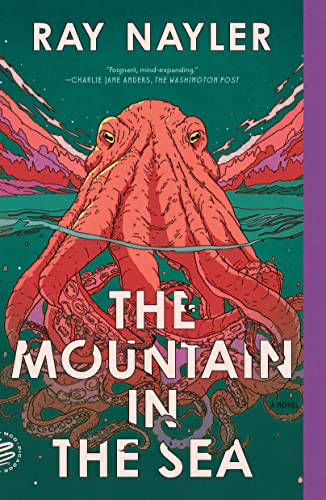
The Mountain in the Sea – Ray Naylerunexpected connections between the most intelligent creatures on land and the most intelligent creatures in the sea.

“CPR” – Wet Leg

The last time I talked about Wet Leg, I mentioned that, as much as I like them, they’ve only written about two, three songs tops. I was expecting about the same from “CPR,” and…they delivered. I say this with affection, because I mostly like this song, but they pretty much have every lyrical cliche in the book. Usually, they’ve got at least one little quirk that’s wryly funny against the normalcy of the other lyrics. This one has [checks notes] calling 911—sorry, 999, forgot that I’m in the colonies—because you’re in love. I feel a little mean saying that, but they’ve usually got something more. But for the most part, Wet Leg aren’t necessarily about the lyrics for me. The reason that “CPR” succeeds is all in the delivery—Rhian Teasdale’s sultry spoken word and the growling guitars in the background, mixed with siren-like synths make it worth listening to over and over. There’s a Britpop callback to their whole sound on this song (it feels both ’90s and a bit “St. Charles Square” to me), and listen, if there’s anything I’m always here for, it’s Graham Coxon-sounding guitars. Along with the creeping bassline, “CPR” is a hooky song on its own, but as the opening to moisturizer, I’m interested to see the direction it goes in, a trajectory that Teasdale speak-sings of, propelling herself off a cliff and into the unknown.

…AND A BOOK TO GO WITH IT:

A Tempest of Tea – Hafsah Faizal“Try to run/Head for the hills/If you’re a ghost, then oh my God/How can you give me the chills?”

“Two Legs” (Snail Mail Version) – This Is Lorelei

It feels so strange that I’ve only sparingly talked about Snail Mail on these posts since she’s played such a critical part in my musical lineage. I discovered her at the tail end of 8th grade, and through that weird summer before high school where I was questioning my sexuality, I listened to Lush, it became a favorite of mine, and I even met Lindsey Jordan after a show at the tiniest little club. She thought I was in college, somehow…I was 14. I left that show with the guitar pick she’d given me, a desire to pick up the guitar, and a bit more starstruck courage to come out. I followed her on another tour in my sophomore year of college, and caught her touring for Valentine a few years after.

I guess the part she plays in my life now is diminished since she hasn’t done a whole lot album-wise in almost four years. Other than that, though, she has technically done a lot: an EP of Valentine demos, an acting role in I Saw the TV Glow (that I still haven’t seen…oops), a Smashing Pumpkins cover, and a gig singing with Weezer back in 2023. One of the more recent singles she’s done is another cover—this time, a reworked version of This Is Lorelei (the solo project of Nate Amos from Water From Your Eyes)’s “Two Legs.” She’s switched up the key and added a sprinkling of Lush-sounding guitar flourishes. Since her vocal surgery several years ago, Jordan’s seemed to struggle with fitting her older catalogue into a reasonable range for her. But the easygoing tones of “Two Legs,” with its gentle twang and tenderly spoken lyrics are a sweetly comfortable fit for her. I doubt this is indicative of whatever new direction she’s taking, but this reworking was almost made for her.

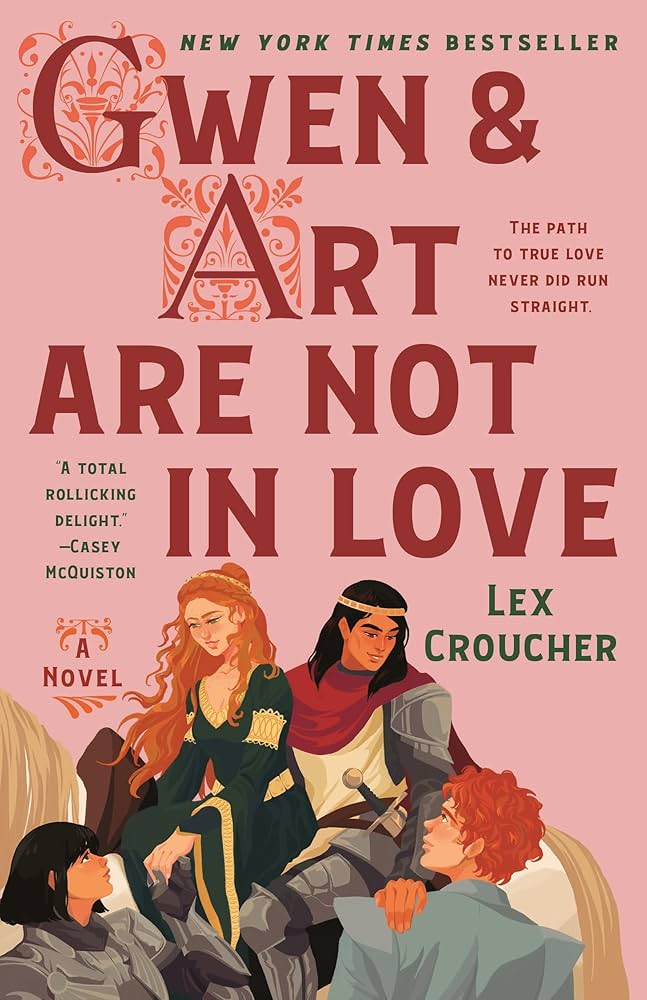
Gwen & Art Are Not in Love – Lex Croucher“If you said you wanted two weeks/You know I’d give you nine/And they’d be yours and mine/Ain’t nothing gonna make us cry, we will not cry, love/If it made life easy for you, I would say goodbye/And love, if you said you needed two legs/I’d give you mine…”

“Lola” – The Kinks

I didn’t line this song up for pride month, but I might as well talk about it since it came back to me, in the way that a classic always does.

“Girls will be boys and boys will be girls/It’s a mixed-up, muddled-up, shook-up world/Except for Lola.”

It still blows me away that this was a hit song all the way back in 1970. Of course, it wasn’t without controversy, but to have a band put out something so blatantly queer on the airwaves that long ago never ceases to amaze me. I can only imagine the reaction of some uptight conservatives listening to the radio when “Well I’m not the world’s most masculine man/But I know what I am in the bed, I’m a man/And so was Lola” came on. Pearl-clutching ensues. “Lola” wasn’t the first queer song of its kind, but what stands out to me is that Ray Davies never once makes a joke out of Lola; there’s been some speculation over the years about whether Lola is/was inspired by a drag queen or a transgender woman (Davies later confirmed the latter), but either way, it details the protagonist falling in love with a woman, getting confused about why she “walk[s] like a woman and talk[s] like a man,” and realizing the truth about her identity. Although the protagonist does express a great deal of shock, he doesn’t outright disrespect Lola or make her the butt of a joke—he just accepts that the world is weird and variable, and that it’s fine for Lola to be who she is.

Perhaps it was because The Kinks were a relatively popular, mainstream, and notably heterosexual band that they were able to get a queer message on the air easier than other artists. For me, that doesn’t diminish the effect that “Lola” has and continues to have, given how maligned queer people—especially trans people—were at the time, and continue to be today. They could’ve just as easily made a fool out of Lola, but in this situation, it’s the sheltered, inexperienced protagonist that gets a laugh out of the audience. Lola’s not overly fetishized, either—she’s described as being attractive and sensual, but she’s not an outright sex object. Sure, some of the language is outdated (namely that Lola is still referred to as a “man” even though she’s likely a trans woman), but this is 1970 we’re talking about, of course the language isn’t going to be completely analogous to 2025. None of it comes off maliciously—it was just the language they had to work with at the time, and all of it was just to say that Lola, a trans woman at the margins of society, was deserving of love. Radical concept, eh?

…AND A BOOK TO GO WITH IT:

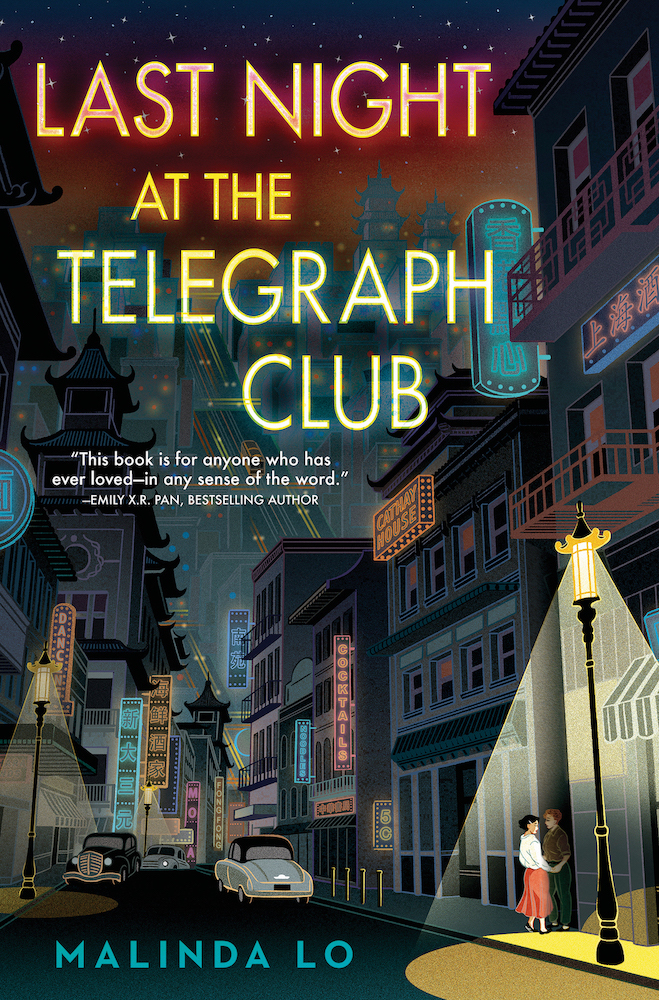
Last Night at the Telegraph Club – Malinda Lonot an exact match, but it’s a similar story of queer love against the odds of an oppressive era.

Since this post consists entirely of songs, consider all of them to be today’s song.

That’s it for this week’s Sunday Songs! Have a wonderful rest of your day, and take care of yourselves!

Posted in Book Review Tuesday

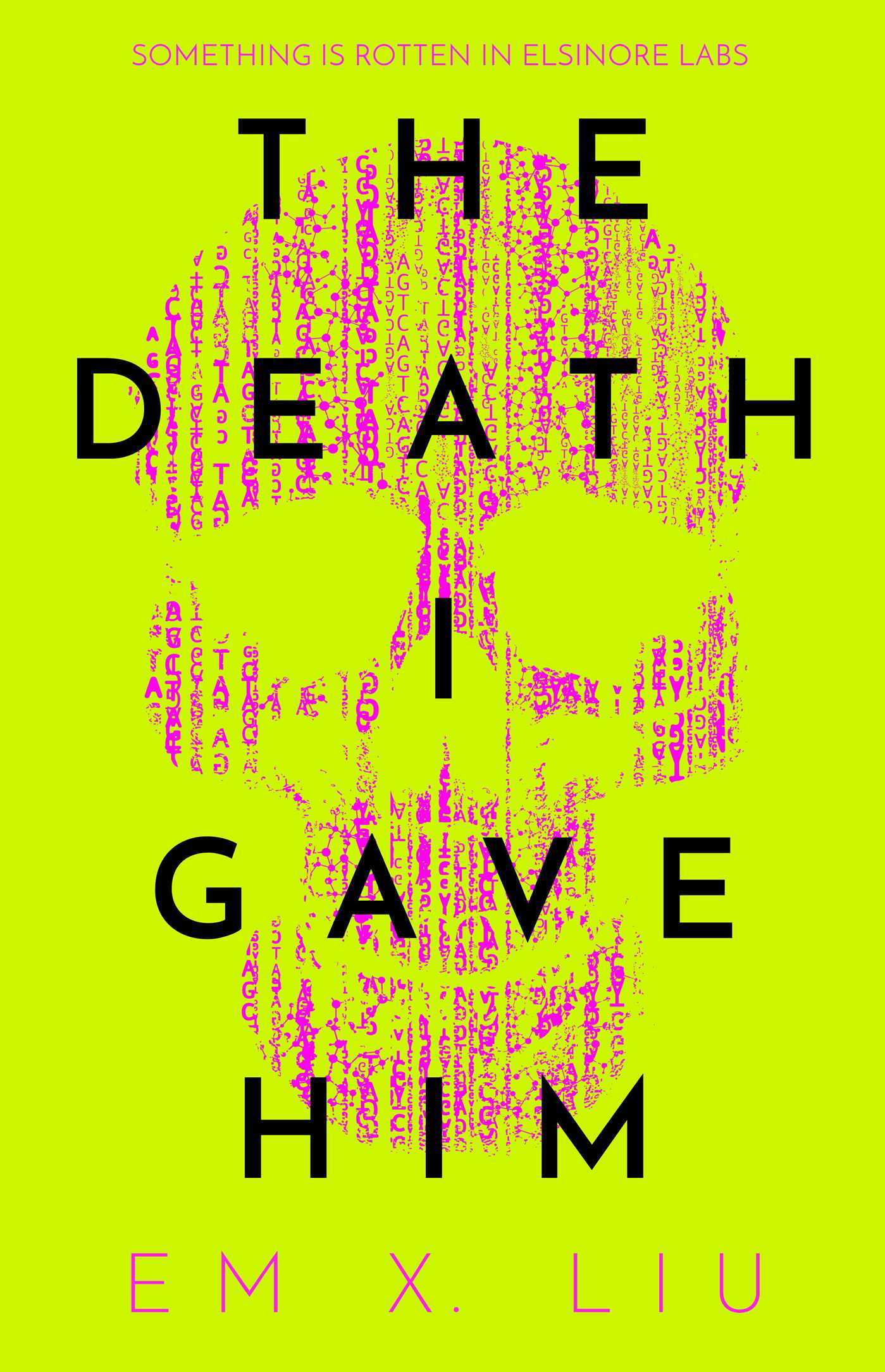
Book Review Tuesday (6/3/25) – The Death I Gave Him

Happy Tuesday, bibliophiles!

Here’s a continuation of my recent sci-fi mood…I’ve been looking to add more sci-fi to my TBR, because I seem to exhaust my supply faster than I can keep up. The premise of The Death I Gave Him being a queer, sci-fi/thriller retelling of Hamlet enticed me, but sadly, this novel didn’t deliver—not on the retelling front, and not entirely on the thriller part either.

Enjoy this week’s review!

The Death I Gave Him – Em X. Liu

Hayden Lichfield is intent on carrying out the mission that his father is pioneering—the Sisyphus Formula, a substance that could one day reverse death itself. Enticed by immortality and down on his luck, Hayden throws himself into his work. But when his father is found murdered in Elsinore Labs, Hayden has no idea who to turn to—and who wanted to murder the man who wanted to beat death. Trapped in his room with only his AI, Horatio, to trust, Hayden scrambles for answers, and everyone around him is a suspect. But is it not just Hayden’s friends, but his father that have been lying to him all along?

TW/CW: murder, blood, descriptions of injury, suicidal ideation, grief, death of a parent

Trying to describe whether or not The Death I Gave Him qualifies as a retelling feels like the Ship of Theseus. If all of your characters’ names allude to Hamlet and you set your story in Denmark, but not much else relates to Hamlet, is it still a Hamlet retelling? How much Hamlet does one need to remove for it to still feel like a retelling? Sadly, Em X. Liu is proof that there is a limit to how much you can remove before it stops feeling like a retelling. It’s Hamlet in name only.

Having read Hamlet less than a year ago, I went into The Death I Gave Him with a fairly fresh memory. However, if not for the more obvious name changes (Hamlet becomes Hayden, Polonius becomes Paul, etc.) and the fact that it’s set in Denmark, I really wouldn’t have thought that this was a Hamlet retelling. I’m fine with loose retellings, but I don’t think it should’ve been billed as such. The whole Denmark setting definitely felt like very a “see? This is Hamlet, I promise!” move and wasn’t relevant to the plot whatsoever. I’m fine with loose retellings, but I feel like the similarities end with what I just described above. I’m not sure if this even qualifies as a retelling so much as people named after characters in Hamlet. Also, none of these people were nearly crazy enough to be in a Hamlet retelling. You’ve got to have someone go at least a little insane to have a proper Hamlet retelling. Hayden got a wee bit depressed and existential towards the end, but there wasn’t nearly enough “something is rotten in the state of Denmark” insanity to make it feel like a true tribute to Shakespeare. It just felt like a rather emotionally stunted novel even though it’s based off of something so dramatic. Some tonal liberties are inevitable for any given adaptation, but these ones just didn’t feel true to Hamlet, which made the more obvious Hamlet references feel more like preventative measures to make sure that people remembered that this was a Hamlet retelling.

Having mixed formats (interview excerpts, security camera footage, etc.) can be a great tool to add some additional context—and a unique flavor—to a novel, and I think it works especially well with thrillers, which The Death I Gave Him partially was. However, I don’t think Liu properly executed this format. Granted, it’s difficult to pull off, but when it’s executed well, it adds another layer of mystery to what is hopefully another layer of mystery. The problem Liu seemed to have is that, with the exception of the security camera footage, all of the other perspectives sounded exactly the same. All of the interviews, document excerpts, and “fictional” interludes by Horatio were in the same tense and the same POV, which basically rendered the format useless. Beyond that, these interviews and whatnot were from multiple people, but they all had virtually the same narrative voice. By the end of the novel, it didn’t even matter where the excerpts were coming from—they all sounded the same. If you’re going to pull off this kind of format, you have to make each component sound unique—if everything sounds the same, what’s the point in specifying which chapter is an interview and which one is a fictional account?

Also, none of the characters seemed to have much of a purpose outside of being props, aside from Hayden, Horatio, and maybe Felicia if I’ve being generous. Even though we get a significant portion of the novel through her interviews and written segments, I never even got a specific read on her voice since it was so similar to every other character’s. Paul, Rasmussen, and Charles were just there until they conveniently weren’t. The timeless fun of Hamlet comes from seeing everybody scheming against each other and different motives clashing against each other, but everybody was just rendered into very similar characters with too similar motives to each other for the mystery to really be worth it.

The same was true of the plot. I was committed to The Death I Gave Him because I was excited by the premise and wanted to see how the plot unfolded. I will say that Liu did a great job of setting the scene and cramming us in said locked room of this locked-room mystery. However, very little happened in said locked room—other than a handful of scattered moments, the place was quite slow, and the ratio of information that was revealed to the amount of pages it correlated to was way off—it felt like we only got significant revelations every 100 pages, and The Death I Gave Him is a little over 300 pages. There needed to be much more intrigue and complicating factors and clashing motives for this novel to work as a mystery; what we had was quite lackluster.

All in all, a sci-fi retelling of Hamlet that missed the mark on its source material and its new plot. 2 stars.

The Death I Gave Him is a standalone, but Em X. Liu is also the author of the novella If Found, Return to Hell and several short stories in various anthologies and magazines.

Today’s song:

That’s it for this week’s Book Review Tuesday! Have a wonderful rest of your day, and take care of yourselves!

Posted in Books

🏳️‍⚧️🏳️‍🌈The Bookish Mutant’s Books for Pride Month (2025 Edition)🏳️‍🌈🏳️‍⚧️

Happy Monday, bibliophiles!

Here in the U.S., June is Pride Month! I usually start off these posts with something about how the world is slowly getting kinder to queer people, but that, as always, the shadows of homophobia and transphobia loom large. Well…Christ, it sure is looming larger than ever. Misinformed voters have decided that they’re perfectly content to return us to an administration that has already required passports to revert to the carrier’s assigned gender at birth and has been emboldened to toy with the idea of repealing the right to same-sex marriage. Of course, here I am sitting on my comfy couch in my comfy blue state of Colorado that thankfully has a) a gay governor (shoutout to Jared Polis), and b) enshrined the right to same-sex marriage in the constitution, but that doesn’t mean that my heart doesn’t constantly ache. All of us in the queer community are deeply interconnected. What hurts one of us hurts all of us.

Book banning across the country has disproportionately targeted queer books, deeming the presence of such subjects in children’s, middle grade, and YA literature as pornography and grooming. And god forbid that a drag queen commits the incredibly sexual and predatory act of…[checks notes] reading picture books to kids at libraries. Republicans have their priorities twisted. That’s old, old news by now. Books and libraries were never meant to be war zones, but fascists have made it their mission, then and now, to declare the right to information and new ideas as the most dangerous threat to their power. This goes for books both queer and non-queer. But the power of queer books can’t be overstated. Even I, who grew up in an incredibly supportive, accepting environment (biggest thank you imaginable to my wonderful family for being that way), was enlightened and comforted when, in the short period when I was closeted, I found bisexual characters in books that reflected my story and my feelings. Queer literature is revelatory, and it saves lives. For queer people, it gives them the comfort that they aren’t alone. For others, it gives them a glimpse into perspectives that they might not have otherwise considered, and compels them to empathize with people who are different than them.

So this pride month, and all year round (as always), when you think of what you can do to support the LGBTQ+ community, consider picking up a book. Support queer authors. Buy from queer-owned bookstores, because they tend to be pretty cool places. Support your local library (because they need it now more than ever)—checking out queer books shows them that they’re in demand, and that encourages librarians to keep on shelving them. For us book bloggers and other social media-oriented folks: keep on reviewing and shouting out books. And for all of us: no president, no government, and no legislation can take away your queerness. No one has that power but you. Your queerness is revolutionary and beautiful. Keep on being queer.

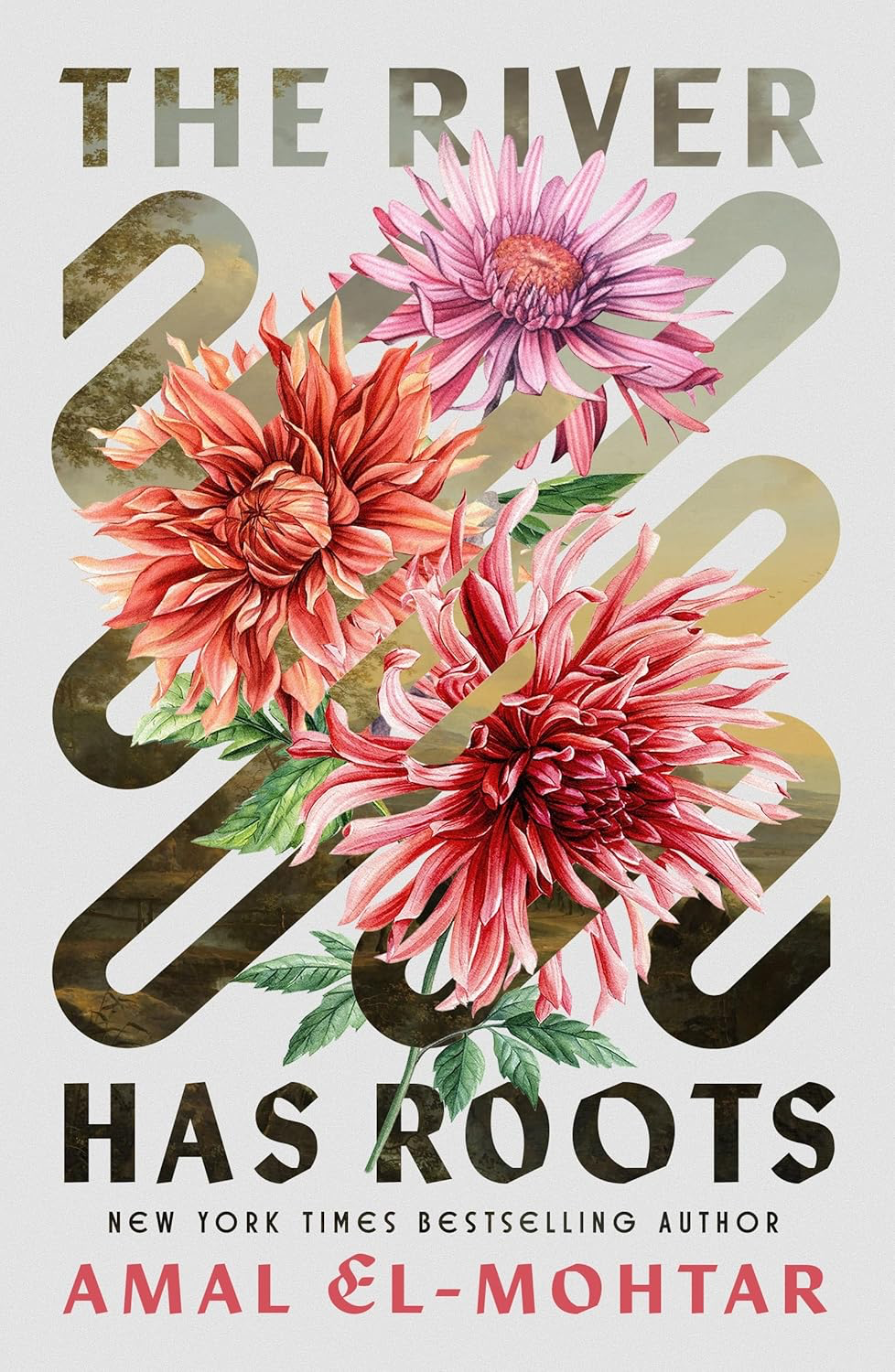
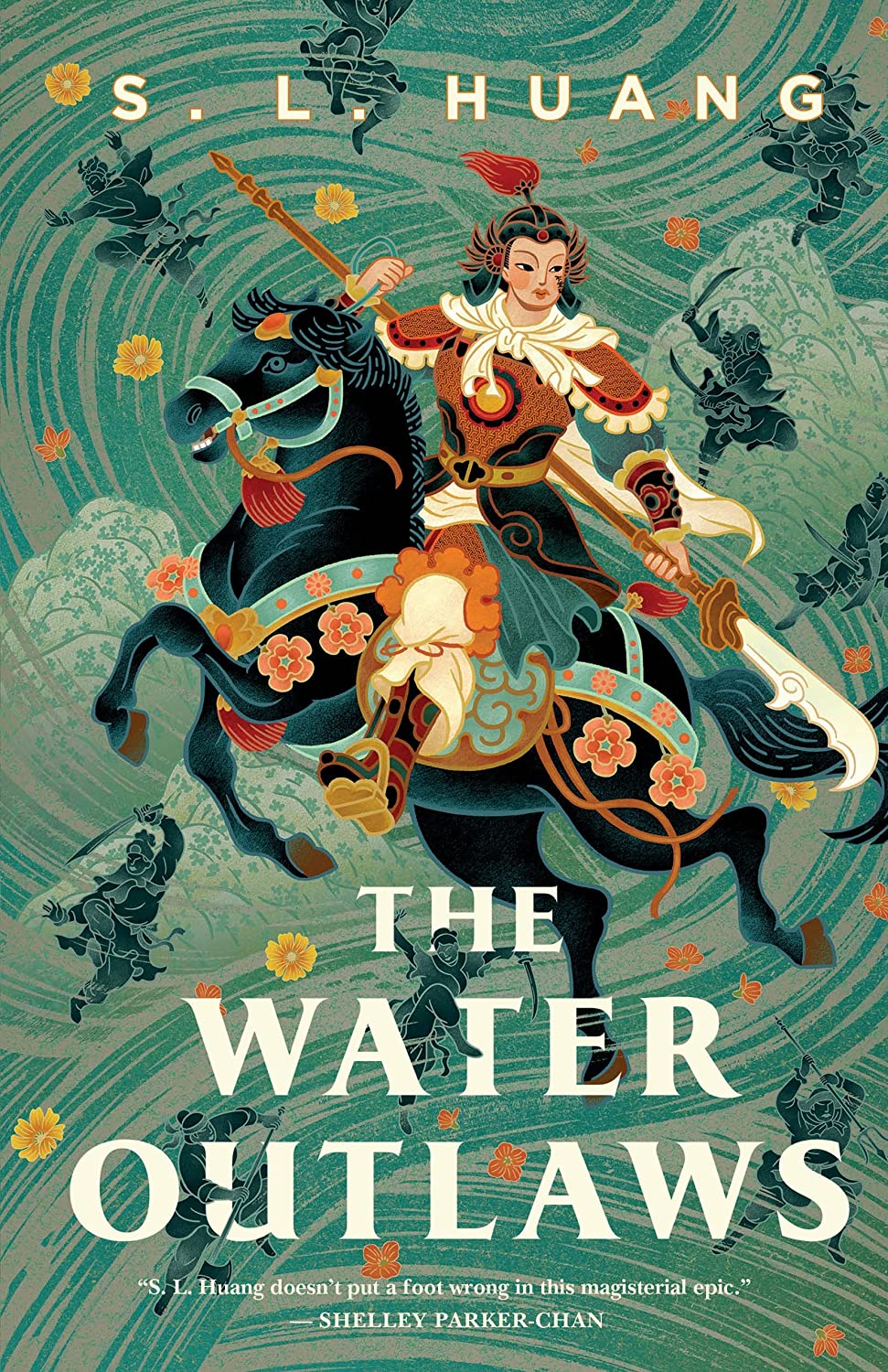
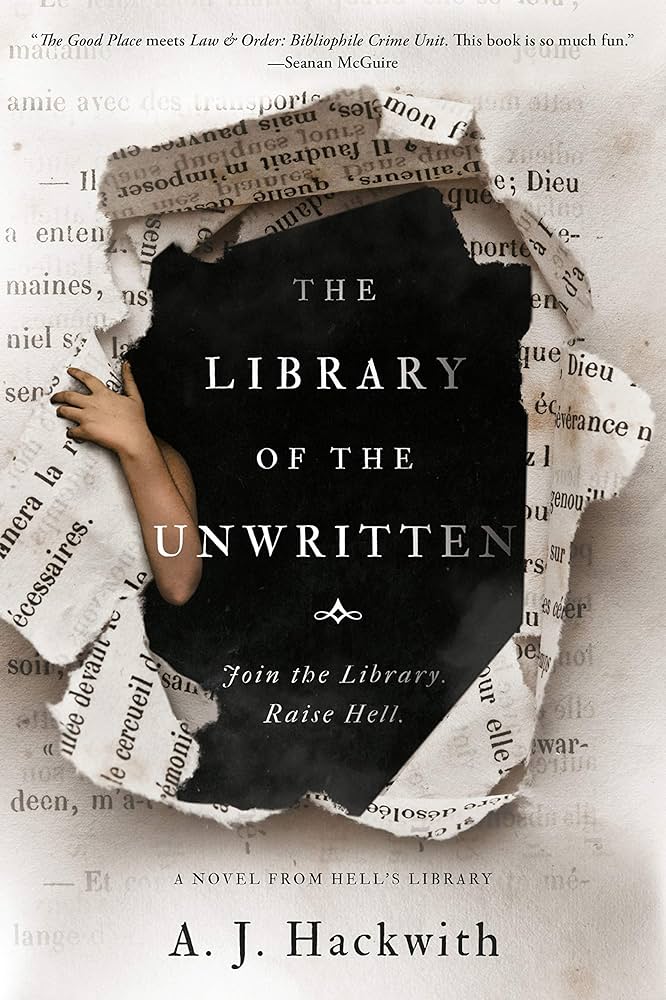
So here is my annual list of great LGBTQ+ reads from all sorts of genres, backgrounds, and identities. If I’ve mistakenly identified something about a book’s representation, please let me know! I’ve mixed YA and Adult books here, and I’ve also added a nonfiction section for the first time, as I’ve done with my other recommendation lists.

A refresher on my key:

MC: Main character

LI: Love interest

SC: Side character(s)

For my posts from previous years, click below:

Let’s begin, shall we?

🌈THE BOOKISH MUTANT’S BOOKS FOR PRIDE MONTH (2025 EDITION)🌈

FANTASY:

Includes paranormal, magical realism, horror, and genre fusion(s)

SCIENCE FICTION:

Includes dystopia, speculative fiction, & genre fusion(s)

REALISTIC FICTION

NONFICTION:

TELL ME WHAT YOU THINK! Have you read any of these books, and if so, what did you think of them? What are some of your favorite queer books that you’ve read recently? Let me know in the comments!

Today’s song:

lindsey…please tell me this is a sign that you’re cooking something…

That’s it for this year’s pride recommendations! Have a wonderful rest of your day, and take care of yourselves!

Posted in Sunday Songs

Sunday Songs: 6/1/25

Happy Sunday, bibliophiles, and more importantly, HAPPY PRIDE!! I’ll have more specifically pride-related posts coming soon, but for now: remember that no president or legislation can unmake your queerness. No one has that power over you. You are loved. You are cherished just the way you are. 🌈 I hope this week has treated you well.

This week: PLEASE NO NO NO I’M SORRY I KNOW PRETTY MUCH REPEATED THE SAME COLOR SCHEME WITHIN THE SPAN OF TWO WEEKS I’M SORRY PLEEEEEASE…does it help that I’ve double-dipped on St. Vincent for pride?

Enjoy this week’s songs!

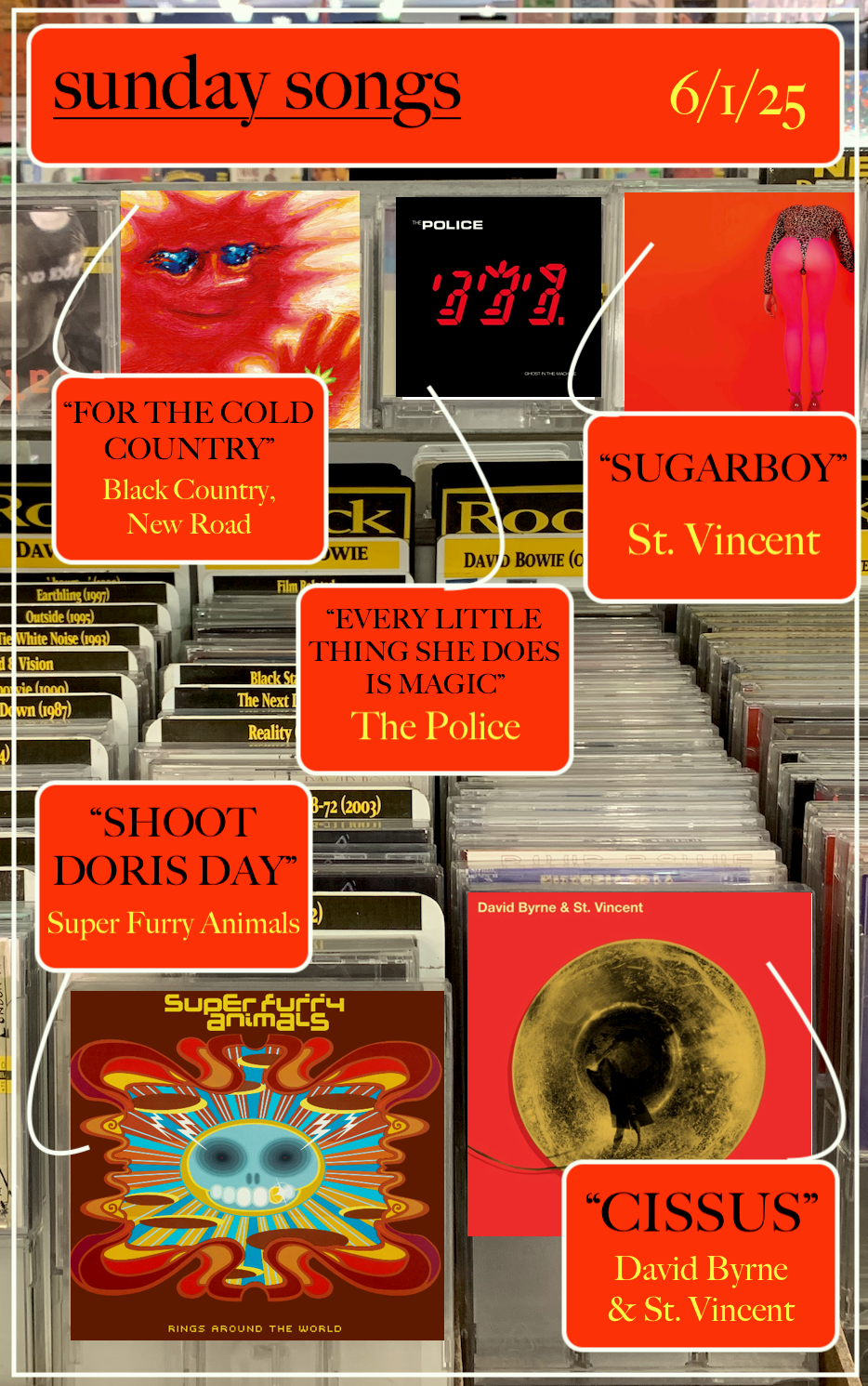
SUNDAY SONGS: 6/1/25

“Shoot Doris Day” – Super Furry Animals

Three years after listening to it, I’d still put Rings Around the World as one of my favorite albums of all time. Still around #9, though I think things have shifted slightly in my lineup. I can’t make any promises, but I might revisit this post one of these days. Back then, I described the sound of the album as fully-formed, “like Athena bursting out of the skull of Zeus.” Admittedly, I do go crazy with the flowery language, but for once, I actually stand by it. Rings Around the World is one of those albums that makes you think it just sprung out of nowhere. It’s a living, breathing being of an album, so cohesive yet so readily embracing of every possibility. Like turning a Doobie Brothers-like melody into full on EDM in the course of seven minutes. Super Furry Animals are seriously something special. Just when you’ve thought they’ve got a pattern going, Gruff Rhys and company pop out new twists like whack-a-moles, ready with another kick to the senses.

“Shoot Doris Day” is one of those tracks, and no, Gruff Rhys isn’t out for blood (though Doris Day was alive and well when Rings Around the World came out)—it’s the camera form of shooting, thankfully. And like the high-drama cinema that inspired some of the lyrics (Rhys said he simply added them in to match the cinematic nature of the intro), the intro speeds out of nowhere, bursting into a swell of strings and clattering pianos, yet it fades away to acoustic guitars in mere seconds. The best quality of Super Furry Animals, to me, is their uncanny ability to keep their listeners on their toes. “Shoot Doris Day” is a song that repeatedly gives the listener a false sense of security, then pulls the rug out from them several times over. Rugs upon rugs upon rugs…until the disparate elements are reunited at the 2:07 mark, a swirl that meshes naturally as the song finally allows you to let your guard down, in time for an anthemic sway with equally anthemic lyrics: “I’ve some feelings that I can’t get through/I’ll just binge on crack and tiramisu.”

…as one does.

…AND A BOOK TO GO WITH IT:

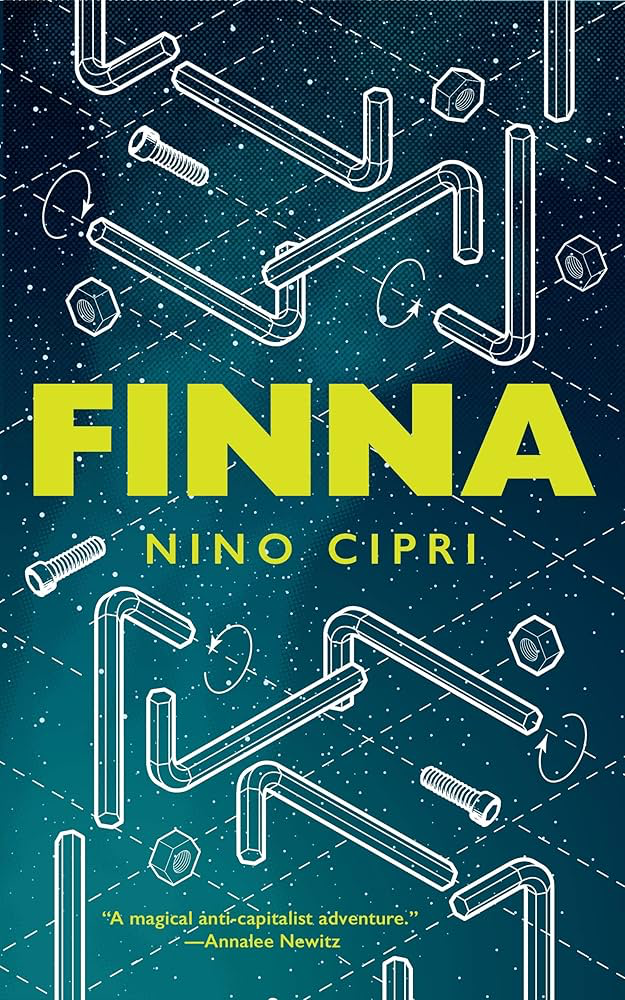
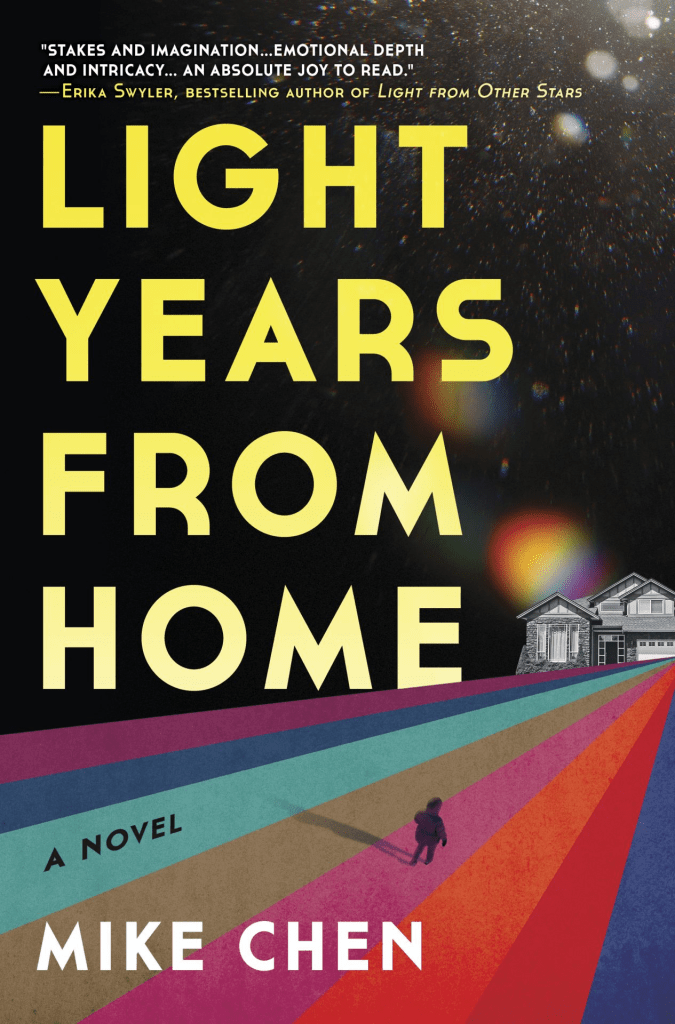
Light Years from Home – Mike Chena book with two distinctly different genres that clash in surprising ways.

“Cissus” – David Byrne & St. Vincent

Another St. Vincent song that she…did not play live when I saw her, and probably won’t again unless she teams up with David Byrne again. Five years after Love this Giant soundtracked the early days of lockdown, I discovered Brass Tactics, an EP of remixes and live performances from the tour, as well as this outtake. With the same brassy march, David Byrne and Annie Clark take their keen teamwork to an unassuming image. I fully thought that, given the imagery of the album, there would be some strange turmoil at the heart of the song. But no, the cissus in question is a kind of vine, and one that Byrne and Clark chronicle as it grows and crawls over a stone wall. Their lyrics have the feel of Victorian poetry as they describe its journey: “Cissus, you keeper of the shadows/Scaling my stone, terrace aswarm in summer.” In their shared language, the gradual crawling and blooming of the cissus vine becomes a kind of heroic march worthy of a flag-bearing procession. And it absolutely is—there’s nothing I like more than when artists turn something as mundane as vines crawling up a wall into a brass-helmed display of utmost grandeur.

…AND A BOOK TO GO WITH IT:

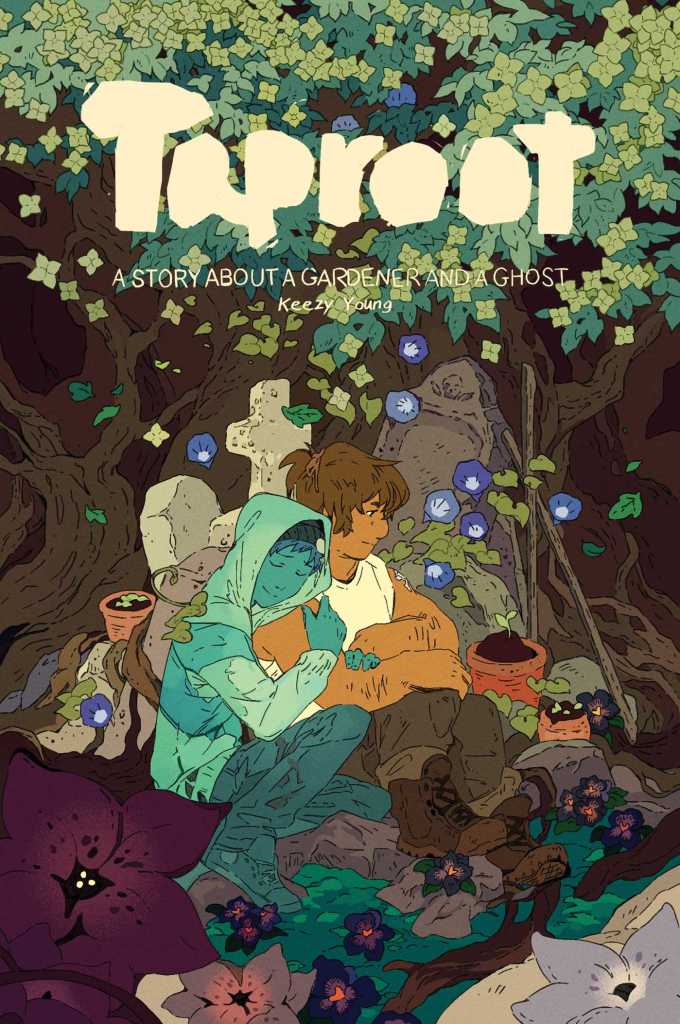
Taproot – Keezy Youngas the subtitle says, this graphic novel is “a story of a gardener and a ghost,” and there are vines aplenty.

“For the Cold Country” – Black Country, New Road

I’ve had a surprisingly good streak of opening bands at concerts this year. Now joining the ranks of Hana Vu (for Soccer Mommy) and Tyler Ballgame (for Shakey Graves) are Black Country, New Road. They’d been floating on the edge of my periphery from years of pretentious music memes on my instagram explore page, but I never showed an interest in them. I was at least intrigued when they came onstage…with a lute, a saxophone, a keyboard tuned to sound like a harpsichord, and enough recorders to imitate a 5th grade recital. I fully thought that there was about to be some Arcade Fire funny business afoot, but boy, was I wrong. Mostly. I could not get on board with the recorders. But I can’t deny that Black Country, New Road are a talented bunch. At worst, they veer towards the proggy, “Dibbles the Dormouse Has Lost His Lucky Handkerchief (Movements I-IV)” for me, but at their best, they’re a truly inventive, adventurous group of musicians.

A comparison that sprung to mind after hearing all of the harpsichord tomfoolery was, of all bands, XTC. Sonically they’re fairly different, but Black Country, New Road take the same approach of modernizing a distinctly British, pastoral flavor into their music. Modern subjects rub shoulders with medieval ones, and it all has the misty feeling of drifting over the English countryside in the melting stages of late winter. Forever Howlong, has its ups and downs (one down namely being the recorder ensemble on the title track), but “For the Cold Country,” both live and in the studio, feels like the summation of the best of the band. Beginning with an “Abbey”-like chorus of vocalists Georgia Ellery, Tyler Hyde, and May Kershaw, the track meanders as it tells the acoustic, fog-touched tale of a wandering knight laying down his arms and wandering across the countryside. As the track progresses, it becomes a more orchestral march, the vocals galloping like the patter of horse hooves. But what made “For the Cold Country” my favorite of their songs is the cinematic sweep that comes in at the 2/3rds mark—as the knight confronts the ghost of his past self among frigid waters. The acoustic guitar creeps back in, only to give way to an explosive swell of instrumentals that seem to shake the dirt beneath the foundation that the song built, accompanying an unexpected storm and flashes of lightning. Live, it really felt like something had possessed the audience, all bathed in warm light as all of the instruments howled, but what pulls it all together is the feeling of being on a journey—pretentious as it is, I can’t deny the chills when it was all over, feeling as though I’d just been on a trek through freezing rain and snow. Forever Howlong is a solid album if you’d like to give it a go—again, even if it’s not fully for me, it’s a delightfully inventive and fun entry into 2025’s musical history.

…AND A BOOK TO GO WITH IT:

Godkiller – Hannah Kanerall of the characters in Godkiller certainly join up in a similar arc to this song, but I thought particularly of Elo, a knight who gives up his former mantle.

“Every Little Thing She Does is Magic” – The Police

I’m struggling to write anything terribly flowery or excessively pick apart the lyrics, because some songs just defy analysis. It’s not that “Every Little Thing She Does Is Magic” is some overcomplicated epic—it’s the exact opposite, and yet it’s just a perfect song. It’s a hit that deserved every minute of airplay it got in the ’80s and in my dad’s car when I was a little kid. As with what I’ve heard of…well, every Police song back in the day, this song went through more lives than your average cat, and the studio probably looked like one of those cartoon fights where there’s a squiggly ball of dust with several hands sticking out (and Stewart Copeland’s drumsticks) when they were recording it. Yet what came out is, fully acknowledging the cliche, absolutely magic. Some songs just instantly capture a kind of unbridled joy and innocence, and you can’t help but be taken along for the ride, no matter what state you’re in. Everything about it is so bright—the tone of the steel drums in the chorus, Sting’s ecstatic vocals, Copeland’s pattering drumming, the guitar tone…I’m not even a Police superfan, but I might go so far as to say that this is one of the more pure love songs of the ’80s. The lyrics are so timelessly starry-eyed—it never feels cloyingly sweet, but how can “Do I have to tell the story/Of a thousand rainy days since we first met?/It’s a big enough umbrella/But it’s always me that ends up getting wet” not charm you? It’s given me a warm, fuzzy feeling since childhood, and time has never dulled that magic.

…AND A BOOK TO GO WITH IT:

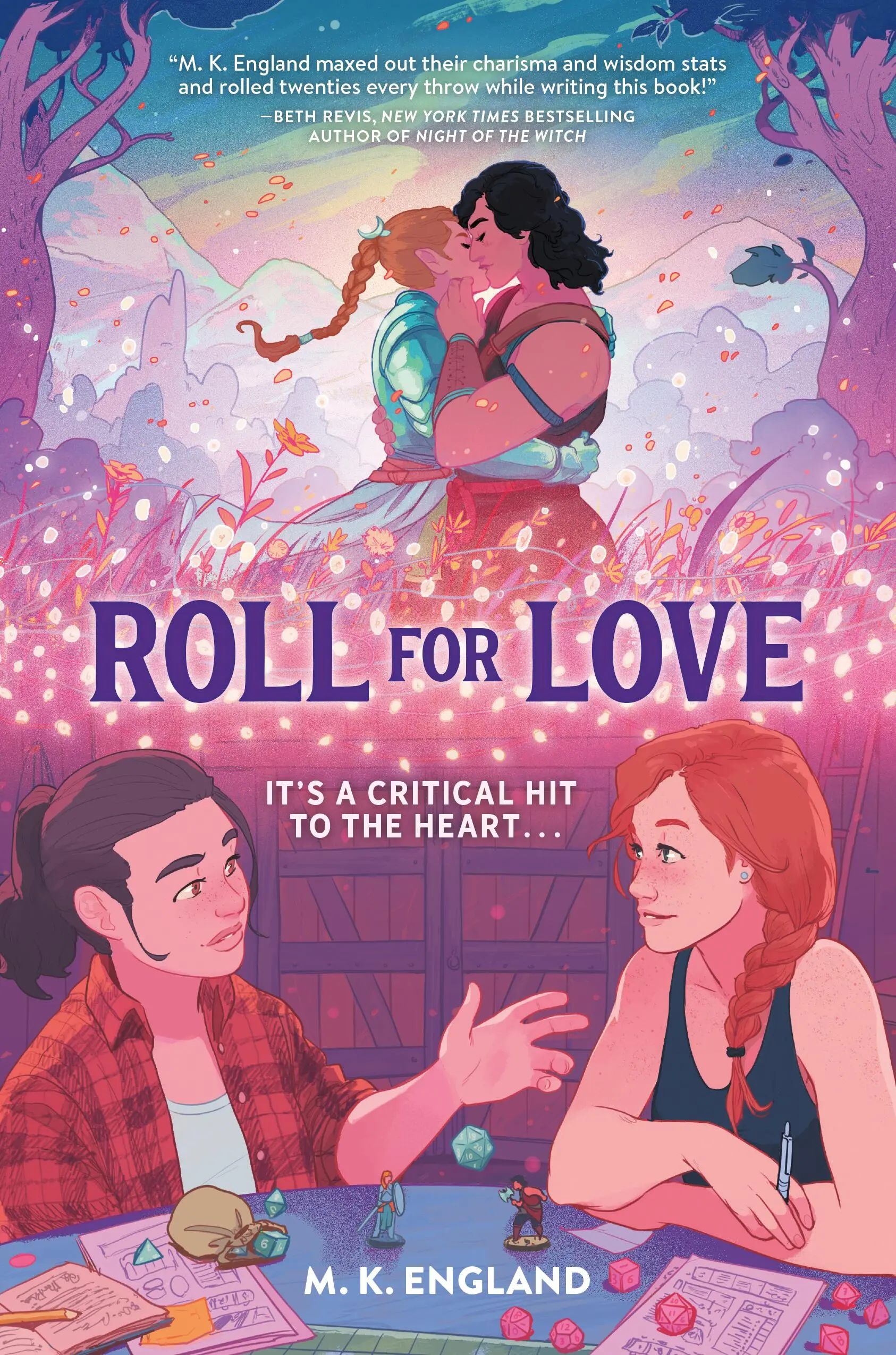
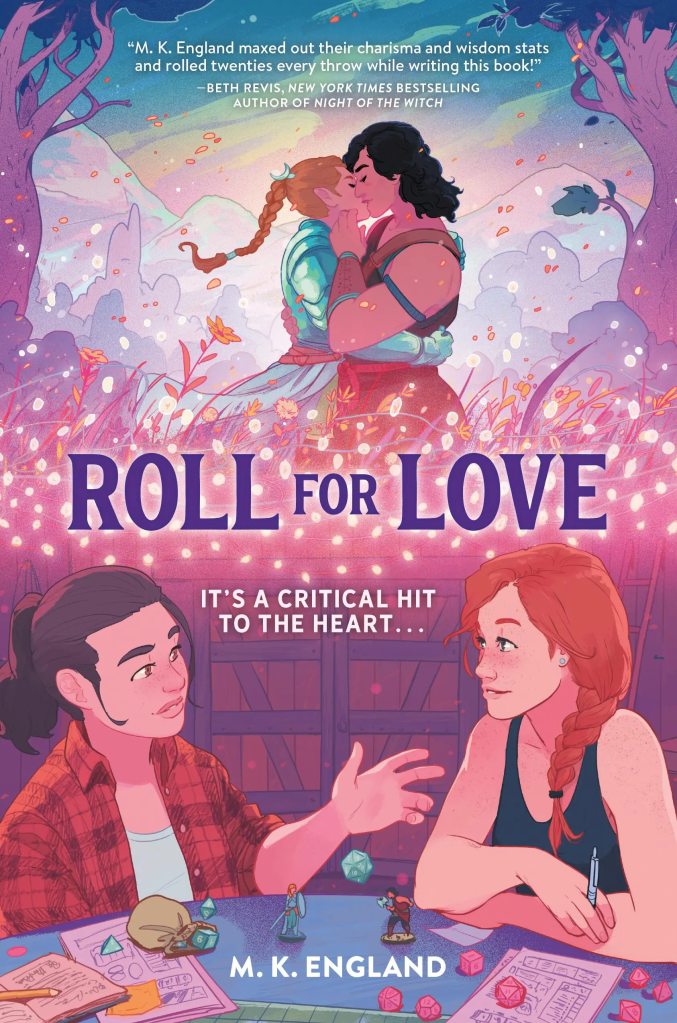
Roll for Love – M.K. Englanda pure, sweet love story with both romantic and fictional magic (in the form of DnD).

“Sugarboy” – St. Vincent

Two weeks of these posts since I actually saw St. Vincent, and now I actually have a song that she played to show for it.

I kind of hated MASSEDUCTION when it came out. To this day, I’m still firm in the belief that it’s St. Vincent’s worst album. Half the fandom might want to put my head on a pike for that, but for a singer with an established trend of matching albums to personas, there wasn’t much that was her about the album. The more I think about it, I can’t help but correlate that with the alienation and lack of personhood she felt at the time, what with being in a multitude of ill-fated relationships, namely with Cara Delevigne, the latter of whom caused British paparazzi to scout out the Clark family home in Texas to find out who she was and why she was dating a famous model. That disregard for her privacy and mental health resulted in an album that musically feels like it lacks a self. Peel back the latex and heels, and Annie Clark was hardly there—she was a shell of herself, clearly. Don’t get me wrong—there are some tracks on MASSEDUCTION that I frequently revisit to this day (see: “Hang On Me,” “Pills”) and even though 14-year-old me thought that this album was the letdown of the century, I still have a fair deal of nostalgia attached to the songs I liked.

“Sugarboy” was not one of those songs. For a while, I vaguely remembered it as one of the worst of the bunch, and it faded into mental obscurity. However, seeing it live has completely reoriented the song for me. Even though the MASSEDUCTION era was in the dust for both times I saw it live, “Sugarboy” transcended the ’70s setpieces of Daddy’s Home and was practically made for the rabid anger and fear of All Born Screaming. On the former, the backup singers lifted the lights off of the set pieces and waved them around like giant glowsticks as the song devolved into chaos. This tour didn’t see as many theatrics, but it was one of the most energetic songs of the setlist, which, given All Born Screaming, is really saying something. Upon reflection, this might be one of the best songs on MASSEDUCTION. The narrative of the album clearly has a through line, starting with a flicker of hopeful romance (“Hang On Me”), then immediately going into debauchery, drugs, sex, and materialism (“Masseduction“-“Los Ageless”), and then into the drawn-out crash and burn that ends with the harrowing “Smoking Section.” As the climax of the overindulgence, “Sugarboy” embodies the whirlwind of all of it, a kind of manic chaos as she both uses others and is in turn, used herself. The breakneck pace of the music, along with the shrieking, autotuned chorus behind her, feels like a fast-forwarded shot through a trashed ballroom—everything is in disarray, and the red smeared on people’s faces makes it impossible to tell blood from lipstick. The desperate cries of “I am a lot like you!/I am alone like you!” in the chorus are needles through the mindlessness, cries for help amidst the all-consuming sea of overindulgence. Even the studio version feels like being dragged along at inhuman speeds, ricocheting off the walls as the synths thrum through your ribcage. Like the lyrics say, she’s “hangin’ on from the balcony” (a reference to show antics that she frequently used to do), but her fingers are barely holding on from the adrenaline.

…AND A BOOK TO GO WITH IT:

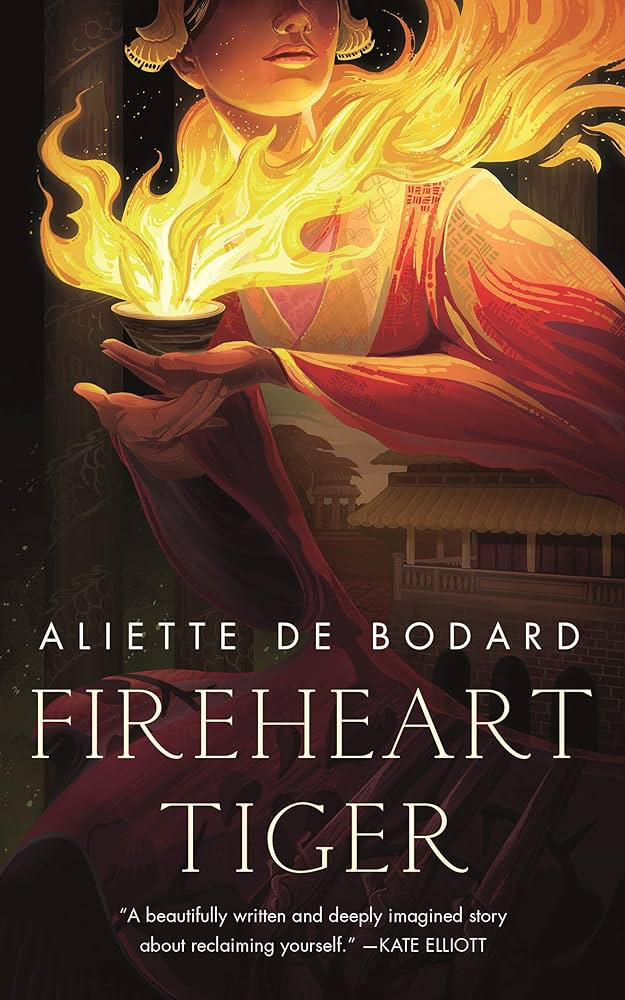
Fireheart Tiger – Aliette de Bodard“Oh, here I go/A casualty/Hangin’ on from the balcony/Oh, here I go/Makin’ a scene/Oh here I am, your pain machine…”

Since this post consists entirely of songs, consider all of them to be today’s song.

That’s it for this week’s Sunday Songs! Have a wonderful rest of your day, and take care of yourselves!

Posted in Monthly Wrap-Ups

June 2024 Wrap-Up 🐻

Happy Sunday, bibliophiles!

Halfway through 2024…no! No we aren’t 😀😀😀😀😀😀😀😀😀😀😀😀😀😀😀😀

Let’s begin, shall we?

GENERAL THOUGHTS:

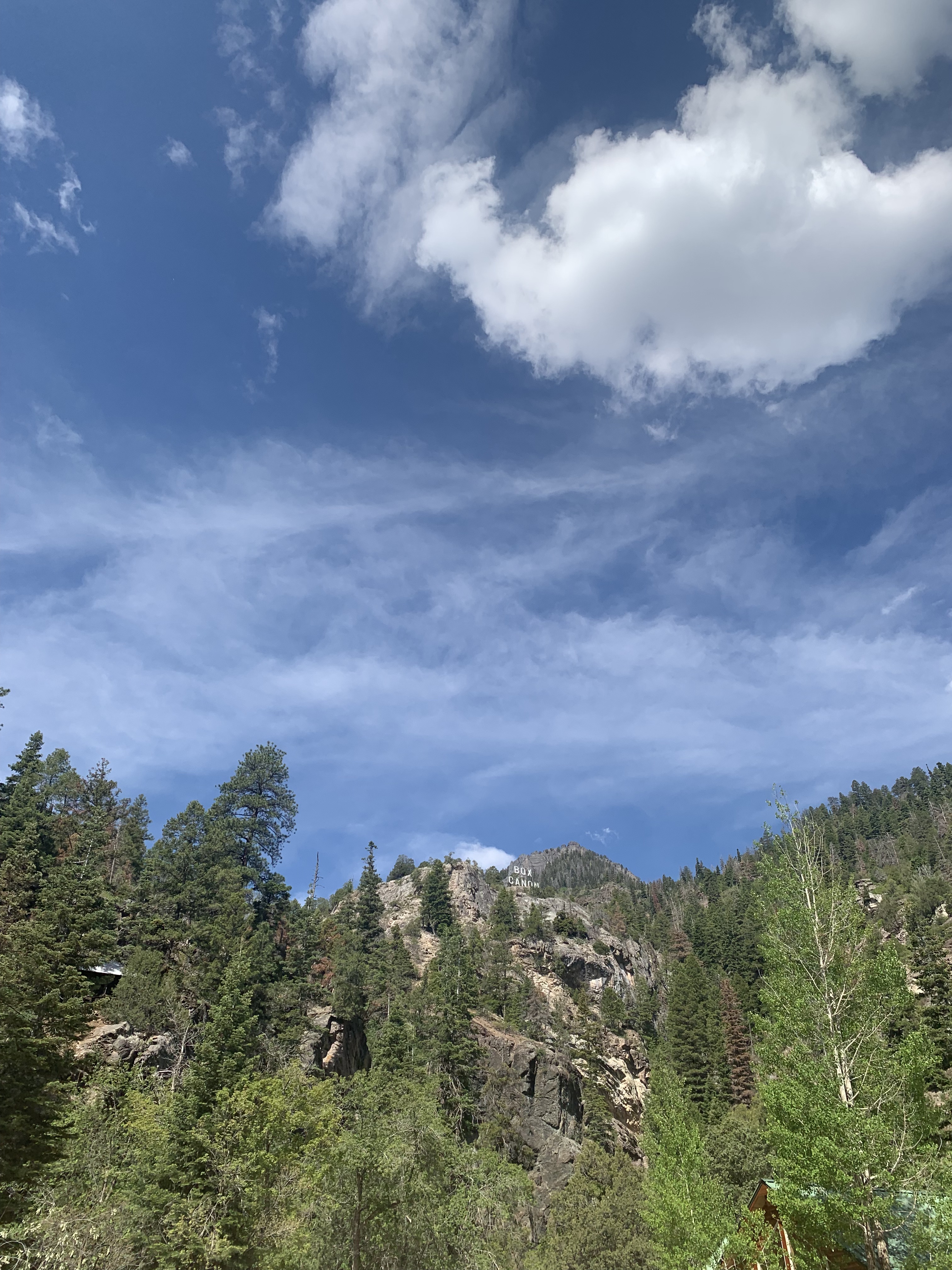
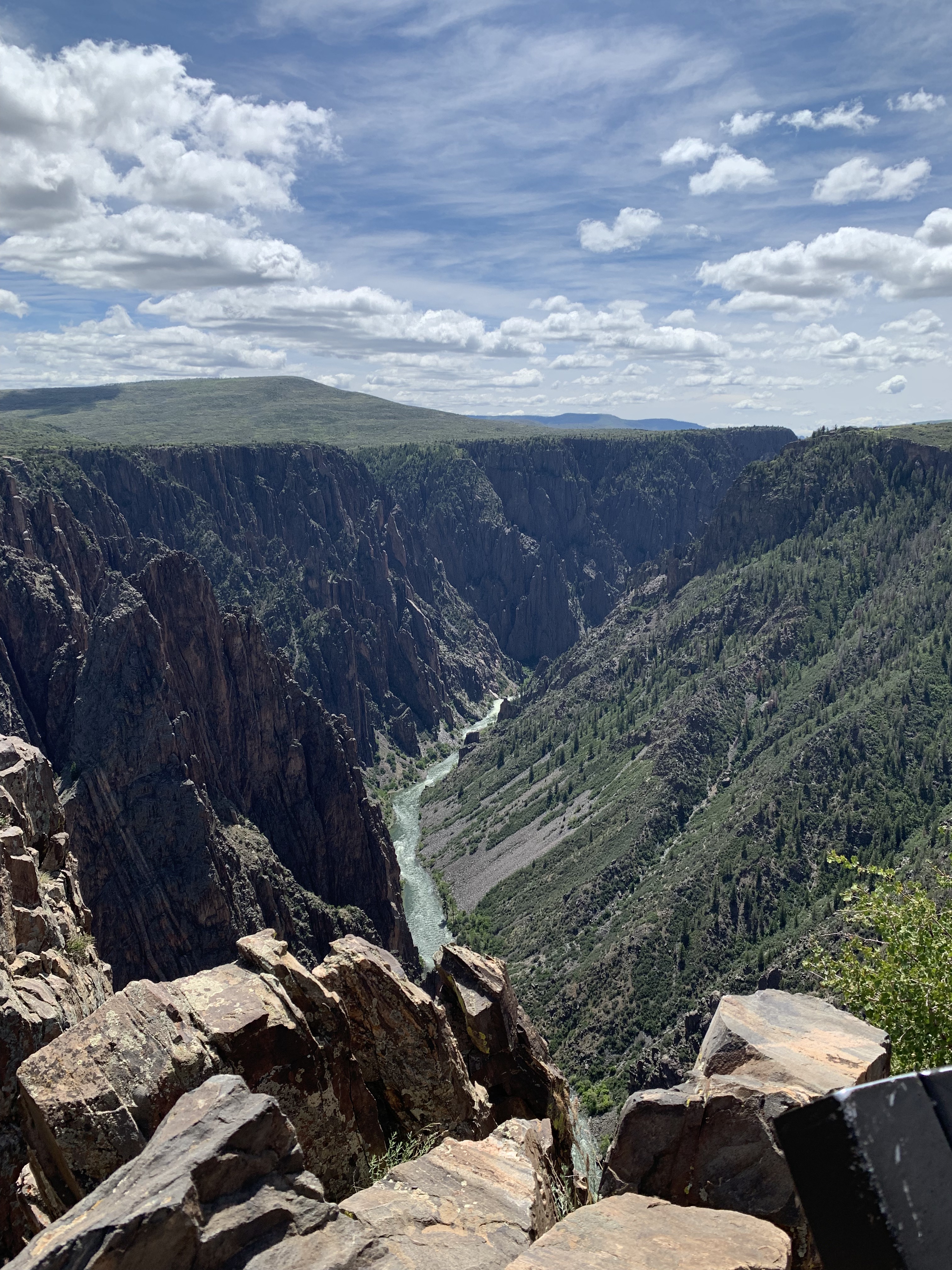
After how busy and hectic my sophomore year of college was, June has been a time to recharge in more ways than one. I went on a quiet vacation at the beginning of the month (Ouray and Black Canyon of the Gunnison—the latter is a very underrated national park, I highly recommend it!), and I’ve taken the rest of the month to…well, rest. I’ve tried to be on social media less and focus on art, writing, and generally nourishing my creativity. In preparation for Camp NaNoWriMo (I only ever do the July camp these days because November and April are both abysmally busy times for me now that I’m in college), I’ve decided to round out my sci-fi trilogy and write the first draft of book three; at this point, I’ve beefed up the outline like a grizzly bear before hibernation, so at least I’ll have some sense of direction…wish me luck!

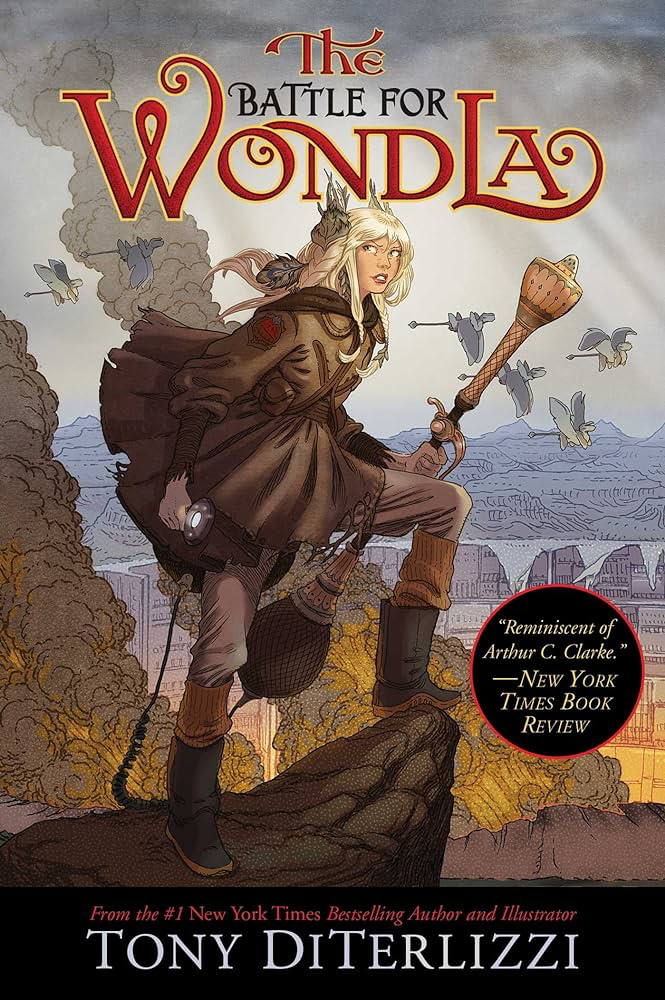
My reading month started out slower, and it’s had some dips, as always, but I ended up reading loads of fantastic queer books for pride month! Predictably, one of my vacation souvenirs wasn’t something related to where we went…no, I bought a copy of The Familiar at a local bookstore (support ’em!) knowing that it would take eons for my hold to arrive at the library. Worth it. I also figured it was as good a time as any to re-read my favorite series from when I was a kid—the WondLa trilogy. My verdict? It healed my soul and reinvigorated my creativity. Some kid’s books don’t age well, but WondLa never gets old.

Other than that, I’ve just been making art, playing guitar, going to pride (so much fun!), watching Hacks, Succession (nearly finished with season 1, and all it’s done is made me fear business majors even more than I already do), and…morbidly, Apple TV+’s new show that they decided to call WondLa. I’m three episodes in, and it’s like watching a train wreck. Expect a retrospective on the WondLa trilogy and possibly a review of…whatever that show is that definitely isn’t WondLa.

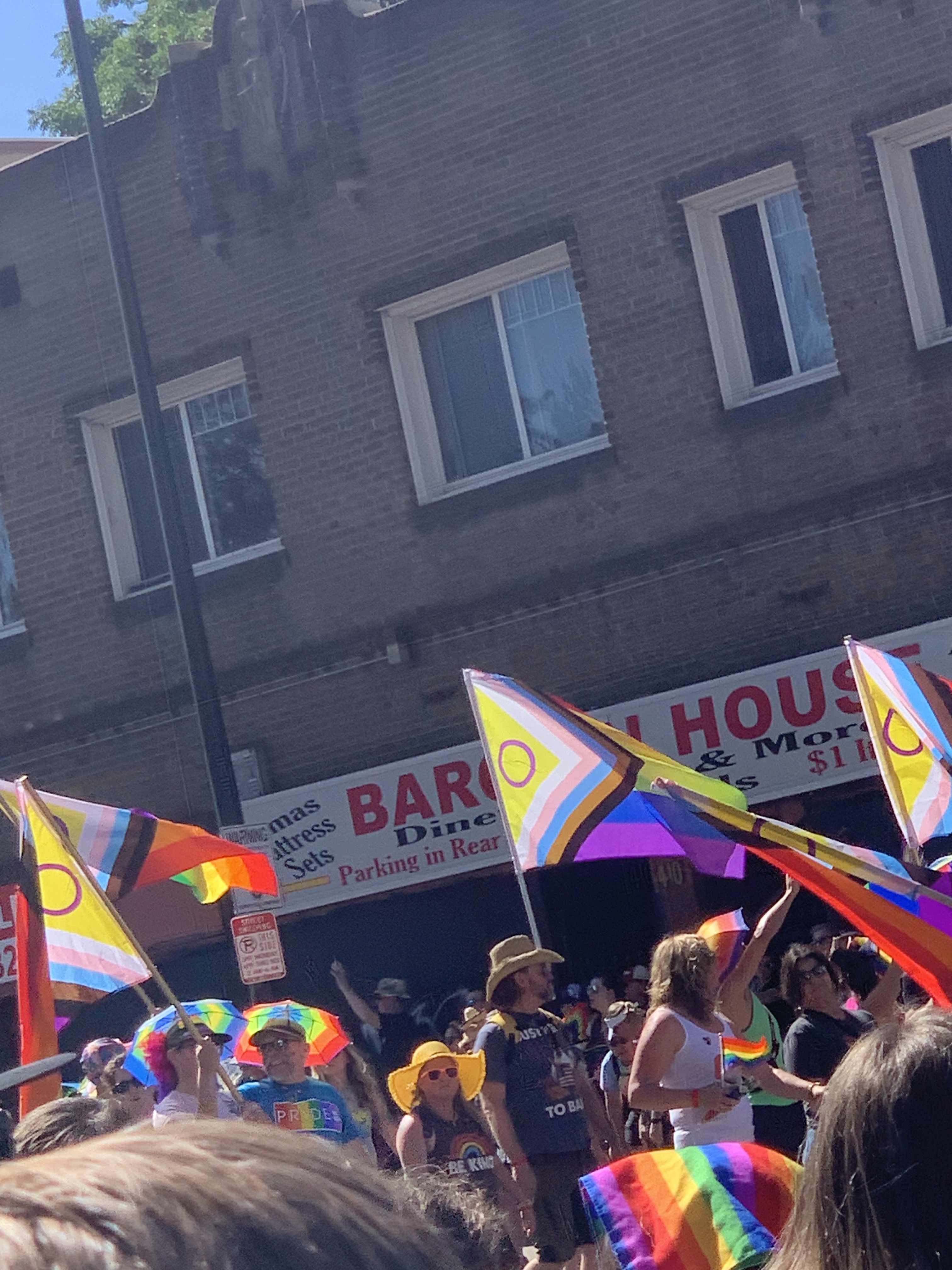
On a lighter note, photos from my vacation and pride:

(The bear on the title of the post is in honor of a bear we saw crossing the road in Black Canyon. Could also represent bears in general? Happy pride.)

READING AND BLOGGING:

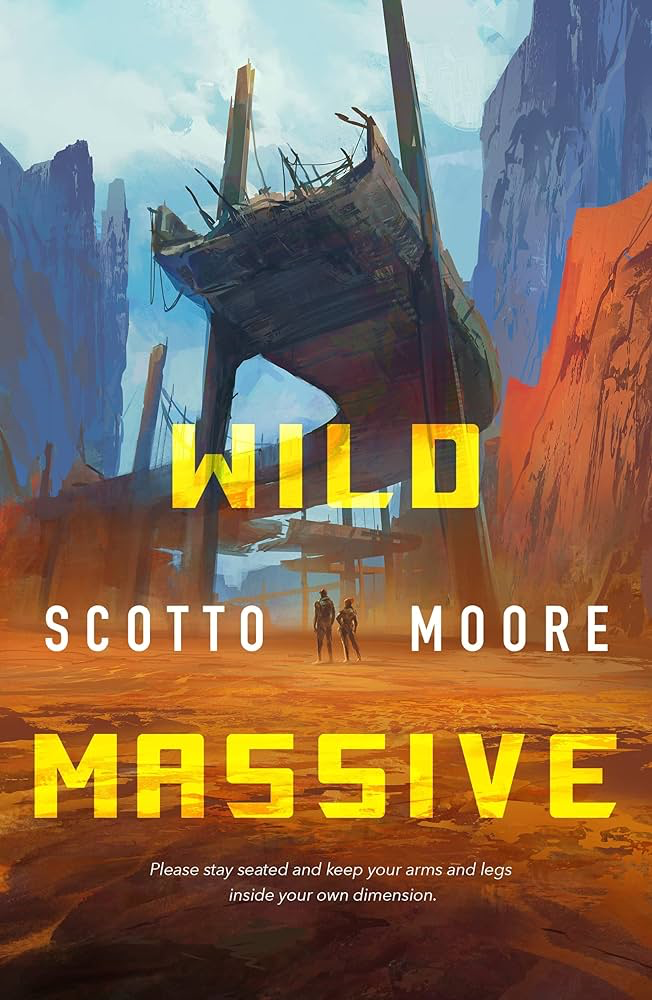
I read 18 books this month! It’s been another relaxed reading month, and although I had a slump towards the end of the month, I read several incredible books for pride month!

1 – 1.75 stars:

Wild Massive

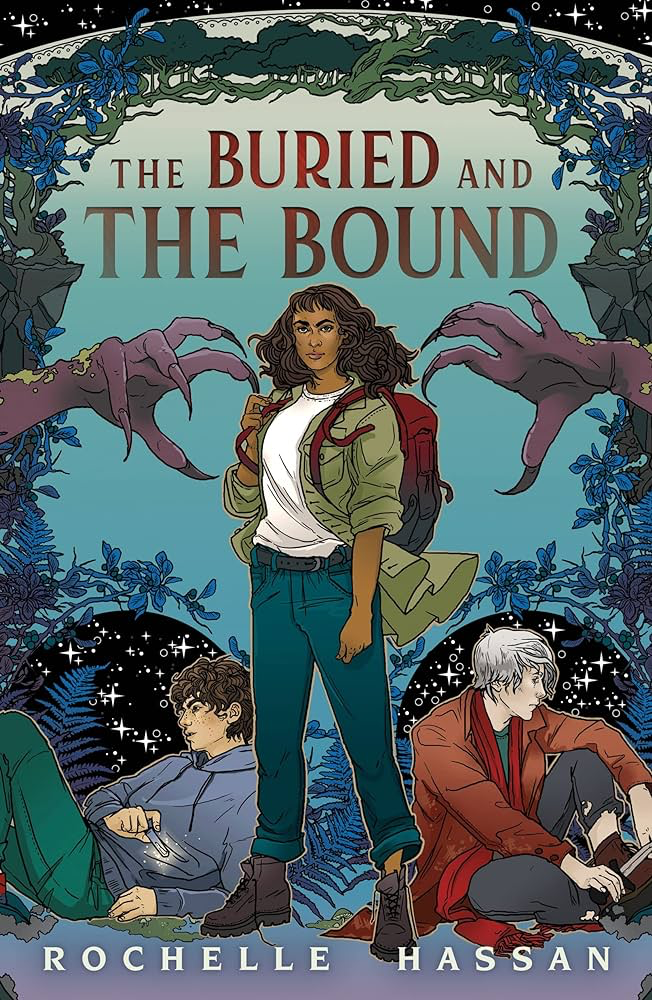
2 – 2.75 stars:

The Buried and the Bound

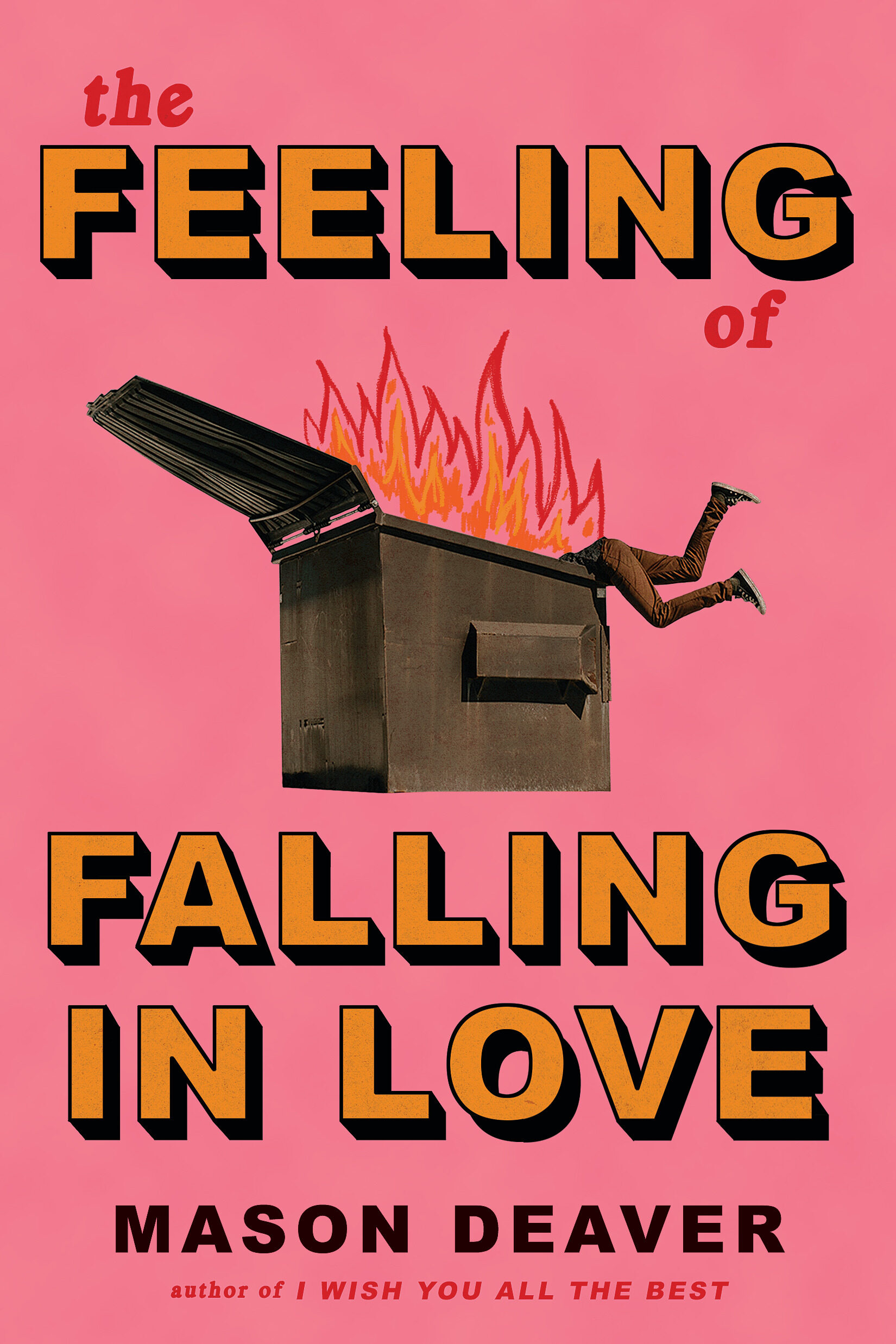
3 – 3.75 stars:

The Feeling of Falling in Love

4 – 4.75 stars:

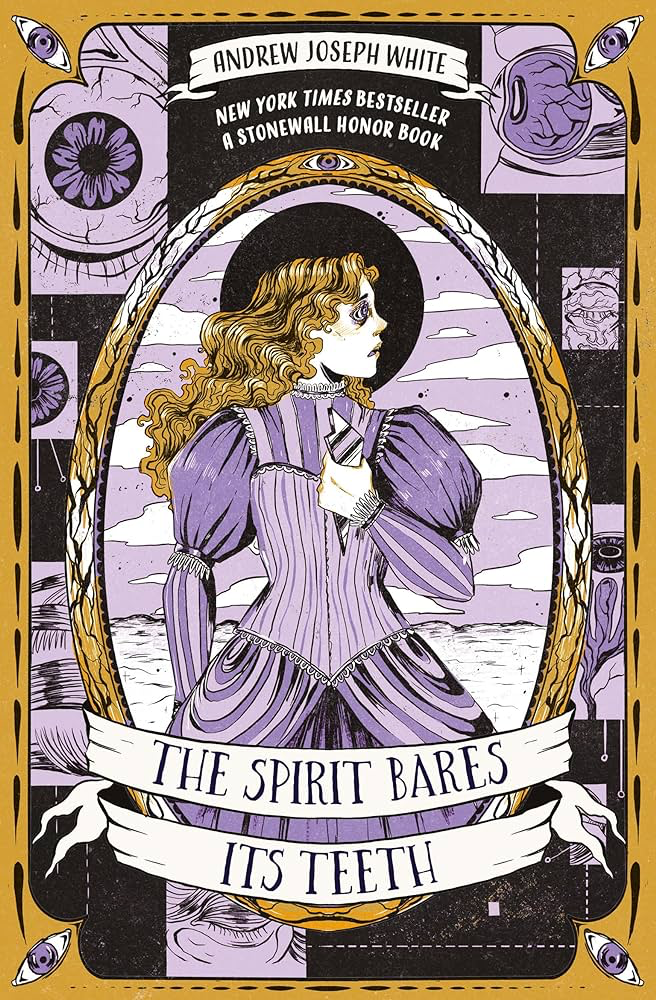
The Spirit Bares Its Teeth

5 stars:

The Battle for WondLa

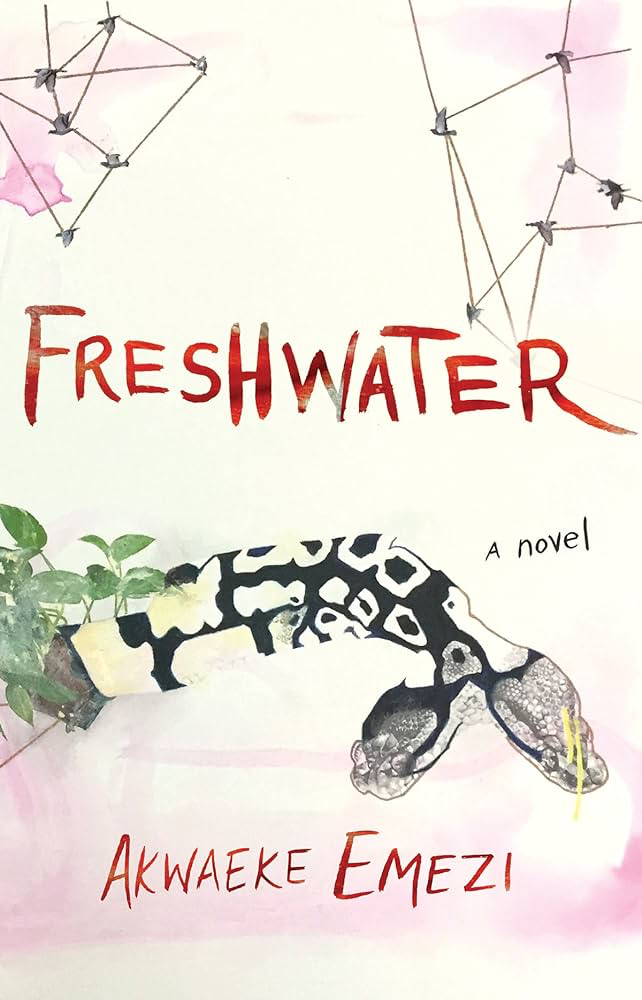
FAVORITE BOOK OF THE MONTH (NOT COUNTING RE-READS) – Freshwater – 4.5 stars

Freshwater

POSTS I’M PROUD OF:

POSTS FROM OTHER WONDERFUL PEOPLE THAT I ENJOYED:

SONGS/ALBUMS I’VE BEEN ENJOYING:

ADORE THIS ALBUM.
this song cracks me up…happy pride
forgot about this song for ages…thank you to my dad for resurrecting this one for me!
on a cocteau twins kick again…
LIVE LAUGH LISA GERMANO
great album!! with all the buzz it got when it came out, I’m surprised that I never heard anything about this one…
HOT WILCO SUMMER!!

Today’s song:

living for the Galaga noises at 0:26

That’s it for this month in blogging! Have a wonderful rest of your day, and take care of yourselves!

Posted in Sunday Songs

Sunday Songs: 6/30/24

Happy Sunday, bibliophiles! I hope this week has treated you well.

This week: this ain’t rock n’ roll…

Enjoy this week’s songs!

SUNDAY SONGS: 6/30/24

“Future Legend/Diamond Dogs” – David Bowie

Another victim of me trying stubbornly to fit this into a color scheme, and also a victim of me trying to align my albums with what I draw on the whiteboard of my dorm. Listen, if the original sleeve was banned in the U.S., that generally means it’s a cool album cover, but probably not a good idea to be displayed for the world and my RA to see. And I was not about to draw David Bowie’s anatomically accurate canine lower half. Nah.

A time-proven rule: nobody does it like Bowie. You can put on all of the theater and spooky voices that you like, but nobody will ever replicate the sheer goosebumps that the intro to this album induces. The same can be said for many songs on this album (see: “Sweet Thing/Candidate/Sweet Thing [reprise]”), but I put “Future Legend” and “Diamond Dogs” together because the most enriching way to experience them is to experience them as a single song, and that single song is one of my favorite album intros of all time. Diamond Dogs is glam rock covered in flies—the lovelorn hope of Ziggy Stardust remains, but stinking of a world left in tatters, a hunk of rotting meat left for the mutant vultures in the searing desert heat. Cobbled from shreds of William S. Burroughs and Bowie’s failed attempt at a musical adaption of 1984, this album is a dystopia full of lust and peril. As a prologue, “Future Legend” is the height of Bowie’s theatricality. On anybody else, a dog’s howl, distorted as though bellowed through a plastic tube would feel like a feeble attempt to set a scene. Bowie, of course, makes it into the most bone-chilling alarm bell signaling the beginning of the end. It’s not the kind of sound any normal dog makes— it immediately triggers a sense of uncanny valley, a hair’s breadth away from being distinctly, evolutionarily wrong. His staticky narration is accompanied by synthy moans and high-pitched, delirious singsong beasts echoing “love me, love me!” as he tells of an alien landscape where all that remains of the 20th century is the excess it produced, the last monoliths that the mutant survivors of some horrific extinction now cling to. Panting dogs and drooling bloodsuckers lick their lips in the distance as Bowie lifts the curtain to declare this an era beyond the collapsed remnants of our sense of time. No month, no four-digit number to designate this hellscape: it is the year of the Diamond Dogs.

And “Diamond Dogs?” Hearing it for the first time while freshly 13 rearranged my molecular structure. In that moment, nobody had ever done anything as cool as that. It’s still true.

Because there will never be another album intro like this:

And in the death, as the last few corpses lay rotting on the slimy thoroughfare,
The shutters lifted in inches in Temperance Building, high on Poacher’s Hill
And red, mutant eyes gaze down on Hunger City.
No more big wheels.

Fleas the size of rats sucked on rats the size of cats,
And ten thousand peoploids split into small tribes,
Coveting the highest of the sterile skyscrapers like packs of dogs assaulting the glass fronts of Love Me Avenue,
Ripping and rewrapping mink and shiny silver fox, now legwarmers.
Family badge of sapphire and cracked emerald.
Any day now…
The Year of the Diamond Dogs!

…AND A BOOK TO GO WITH IT:

1984 – George Orwellneed I really explain this?

“On Repeat” – International Teachers of Pop

In terms of Co-Pilot, I end up focusing. more on Jim Noir, which…well, he has played a very prominent part in my musical life, but Leonore Wheatley’s musical ventures rarely get the praise they deserve. Wheatley’s talents extend to The Soundcarriers (big thank you to my brother for introducing me to them!), Co-Pilot (who released their incredible album Rotate almost a year ago!! Make some noise!!), and International Teachers of Pop, where she provides vocals alongside Katie Mason.

I’ve heard far too many bands who desperately want to market themselves as a second-coming of a certain era of music (We haven’t recovered from what Stranger Things did to shove the ’80s in everybody’s faces…I want out), but only end up sounding like plastic imitations. The key, which this school board of musicians has figured out, is not to set out to imitate. This sounds like a product that emerged from a desire to have fun and make catchy dance-pop and not try and sound like somebody more famous. Fun should be the prime motivation to make music, especially in a side project like this, but the bar’s low in such a hit-churning industry. You can hear Erasure and the Pet Shop Boys in every synthy buzz and flourish, but not because they set out to sound like them—it’s an homage, never an imitation. Mason and Wheatley’s harmonies center this pulsating track, built for booming bass and bouncing feet. (It really was a shame to see how lukewarm the crowd was in the video above—why are they barely dancing??) With lyrics swimming between existential dread and a desire for oblivious joy, “On Repeat” is the product an extensive pop study. Maybe the name is a touch presumptuous, but they’ve got the talent to back up their assertion, tongue-in-cheek or not.

…AND A BOOK TO GO WITH IT:

Machinehood – S.B. Divyaooh! aah! capitalism! woo! woo! yeah! this economy cannot sustain human life! get funky!

“I Won’t Tell” – Conlon & The Crawlers

Listen, I am BEGGING the Hacks fandom to do their stuff, because I can’t keep looping this song over and over on YouTube, and I don’t have a record player and therefore have no reason to snag the copies lingering on eBay…PLEASE. WE NEED TO GET THIS ON STREAMING. WHATEVER IT TAKES. DO YOUR STUFF!!!!!

“I Won’t Tell” was one of two one-off singles (the other being “You’re Comin’ On”) by Conlon & The Crawlers, an offshoot of The Nightcrawlers (top 10 band names that I totally want to steal for reasons that are totally not X-Men-related). From the looks of it, neither song went anywhere, and now the only remnants are floating around on eBay, and, thanks to some digging, a few eagle-eyed people on YouTube. All of this begs the question: how were they able to get this on Hacks? Somebody’s got a great record collection…unfortunately, the scene isn’t on YouTube, but it appears in Season 3, Episode 6, and briefly soundtracks a hilarious slo-mo of Ava and Deborah on a golf course, with Ava confidently strutting beside Deborah with her caddy vest on backwards.

The minute I heard it, I knew I had to hunt it down—it encapsulates a very distinct sound of the late-’60s that I just adore. It’s just deliciously jangly, from the opening riff (a reworked and arguably improved version of the opening to The Nightcrawlers’ “Little Black Egg”) to the almost banjo-like strum that builds the track’s backbone. Chuck Conlon’s butter-and-sugar voice spins the strings of “Little Black Egg” into a precocious, peculiar masterpiece—who would forget a song that opens with “A teaspoon holds more than a fork does/A long snail eats more than a short one?” This vibrant, jangly oddball is practically asking to be used for a tightly-shot Wes Anderson montage. Surely it’s obscure enough for him…

…AND A BOOK TO GO WITH IT:

Floating Hotel – Grace Curtislighthearted, jaunty, and equally matched on the Wes Anderson vibes front.

“A Million Times” – Lisa Germano

I’m not sure which direction I should go for next in terms of Lisa Germano’s discography. She has nine studio albums, two of which I’ve already listened to (Excerpts from a Love Circus and Slide). I know I’ll feel like a kicked puppy lying on a dirt road in the middle of nowhere after I listen to any given album, so chances are, it probably doesn’t matter where I start. Either way, on a whim, I dipped my toes into a handful of songs from her 2009 album Magic Neighbor. Many of the reviews have categorized it as having a childlike innocence juxtaposing the veil of darkness that never lifts from her discography, and there’s tangible strings of it stretched throughout. Even if you’ve dictionary-definition Been Through It like Germano has, I feel like you’d still have to have at least the tiniest mote of innocent glee—or humor—left in your soul to name a song “Kitty Train,” even if it’s a short instrumental break.

“A Million Times” has a childish glint to it, but childish here translates to complacency and toxicity; it feels like the emotional progression of “Small Heads,” musically twelve years down the line, but personally, only a handful. (At least…I hope so. I can only hope that the abusive bastard who inspired her to write any of the songs from Love Circus is just one guy, and that he got his comeuppance.) “Small Heads” acknowledges how unhappy she is in said relationship, but wryly admits that it’s not all the other party’s fault: “How convenient to forget/All the lies that you say/When you’re really really drunk…like me.” It’s a mutual kind of tangling, with both people ouroboros-ing themselves into their own minds so deeply that they’ve ceased to think of each other (“Did I ever think of you?/Did you ever think of me?/Probably not, with our heads in the clouds”), or, as Bowie might put it, “making love to [their] egos.” It’s all just fun and games, right? Whee! “What a lonely life!” she sings to the cheer of the crowd and dainty recorders.

Such fun and games echo through “A Million Times.” Said recorder has made a comeback, and all of the egg shakers and brushes in the background sound like remnants of rusty toys being disassembled. Just as childlike, Germano tosses the relationship across the room like a discarded doll, letting its limbs crumple now that she’s had her fun: “We fell in love and we were caught/Inside this game we call together/And it felt good until we found/We had more fun when we were strangers.” Every motion they go through is described in the same way that Ken tells Barbie “we’re girlfriend boyfriend,” smashing doll heads together to simulate kissing. Such kisses and games are a distraction from the inevitable implosion of their excuse for love—they’re so caught up in performing love that both of them have retreated into their own heads, convincing themselves, over and over, that they’re not sick of playing. It’s self-aware in the way that an arsonist is self-aware: they know that they’ve just burned down a building, but they’ll continue to set as many fires as they like. Germano seems to regress as she drags out her cry of “You can’t leave me/No, not really/We are happy with this misery/So we’ll start it all again/A million times, a million times.” Never before have I heard an accordion that sounds so distinctly ominous—the bellow of it as Germano’s lyrics get progressively poisonous might as well be the siren in a bomb shelter, a low, distant warning of disaster to come. “You can’t leave me” is simultaneously the rug of innocence being pulled out and the dread of pulling apart from someone who you know will collapse without you to parasitically cling to. Platonically, I’ve been the host/discarded toy in such situations, so for my sake and hers, I hope Germano’s since quit playing with her dollies. I’m willing to give her some leeway, since if she’s played up the eerie overtones in this song, she recognizes these patterns for the toxic mess they are.

…AND A BOOK TO GO WITH IT:

The Emperor and the Endless Palace – Justinian Huang“We fell in love and we were caught/Inside this game we call together/And it felt good until we found/We had more fun when we were strangers…”

“Feet-like Fins” – Cocteau Twins

Rounding out the month with yet another Cocteau Twins song…sorry, everybody. Get Victorialand‘ed, I guess. The only thing keeping me from swallowing this album in one gulp like some kind of deep-sea abomination of god is knowing that this is the perfect album for winter, what with the Artic and Antarctic inspiration.

Situated near the end of the album, “Feet-like Fins” is a dewy spiderweb of reverb that glitters in waning sunlight through gray clouds. Crested by soft cymbal crescendos, you can never pick out a note from the track that isn’t vibrating like raindrops on a speaker. Even the bongos that gently steady the melody never truly feel percussive, nothing but droplets sending ripples out into the frigid water. Like “Aikea-Guinea,” “Feet-like Fins” is distinctly watery, but where the former feels like being tossed through the waters of time, this track is a gradual descent into the ocean, watching the last threads of silky light disappear into the shallows as you’re pulled downwards. Judging from the “Frozen World,” Living Planet-inspired patchwork of the album, the feet-like fins likely belonged to the various seals that appear throughout the episode: crab-eater seals, fur seals, and elephant seals; Indeed, the sleek movements of this track mirror their bubble-trailing paths through the water as they hunt for prey.

…AND A BOOK TO GO WITH IT:

Lagoon – Nnedi Okorafora mysterious, alien lifeform stretches its feelers and emerges from the ocean…

Since this post consists entirely of songs, consider all of them to be today’s song.

That’s it for this week’s Sunday Songs! Have a wonderful rest of your day, and take care of yourselves!
Posted in Book Review Tuesday

Book Review Tuesday (6/25/24) – Flawless Girls

Happy Tuesday, bibliophiles!

I’ve been a fan of Anna-Marie McLemore since high school, but over the past two years or so, I’ve seen a decline in quality in their books; for their last two releases, I chalked it up to co-authoring (Venom & Vow) and being constrained by what they had to work with, although that could be a stretch (Self-Made Boys: A Great Gatsby Remix). With their latest release, Flawless Girls, having a concerningly low average rating (3.30 at present), I expected the worst, but still wanted to believe that they could come back with something better. And…Flawless Girls was better, but only by a slim margin.

Enjoy this week’s review!

Flawless Girls – Anna-Marie McLemore

The Soler sisters—Isla and Renata—are famously wild, raised to be rebellious and questioning of their restrictive society from a young age. But their grandmother knows that society will frown upon such disobedient girls, and there is one last resort to keep them in line: the prestigious Alarie House, a finishing school famous for the assembly line of polite, high-society women that it churns out. After Renata returns from the Alarie House plagued by madness, Isla decides to dig into the dark corners of the school to see just what made her sister crumble. But what she finds in the corrupted heart of the Alarie House may put all of the girls in jeopardy…

TW/CW: prejudice against an intersex person, fire, body horror, misogyny, dysphoria, descriptions of injury, violence

For the past two years or so, I’ve seen a decline in Anna-Marie McLemore’s novels, which is something that I’ve dreaded saying. I didn’t want to force such words upon the same lyrical talent who wrote When the Moon Was Ours and Wild Beauty, but alas…maybe it wasn’t meant to last. Although it wasn’t as disappointing as Venom & Vow or Self-Made Boys, Flawless Girls was thoroughly messy, even if there were some bright spots in it.

What I want to emphasize the most about Flawless Girls is that, for all of its flaws (no pun intended), it had promise—it was just severely underdeveloped. If McLemore didn’t want to flesh out the concept of the novel, I think it would have worked spectacularly as a novella or even a short story. McLemore’s narration, even it wasn’t as lushly descriptive as I’ve come to know them for, had the feel of a cautionary fable, which was a perfect fit for this story. Even if it did feel like we were being sledgehammered in the face with the main metaphor, it nonetheless had the feeling of a dark fairytale or a fable. To be honest, Flawless Girls could work even better if it were aimed at younger YA audiences just coming into the genre, and I don’t mean that as a slight to the novel at all. It’s not subtle, but as a transitory book between middle grade and YA, it could work. With some significant polishing, of course.

Said main metaphor is femininity—more specifically the performance of it. The institution of the Alarie House served as a pointed commentary about the artificiality of our expectations for women and girls, and how unattainable and manicured these expectations are. It was especially poignant with Isla, a Latina and intersex protagonist struggling with performing femininity with a nonconforming body. Isla’s story felt incredibly personal—I had no idea that McLemore was also intersex, and it’s clear from every page that this is the story of their heart. There’s so little intersex representation out there, but that’s not the only reason why Flawless Girls, with a little polish, could be so important—it’s a fable of the madness that befalls women and feminine-presenting people crumbling under the weight of beauty and behavioral standards. Could it have been more subtle? Without a doubt. Was it impactful nonetheless? Absolutely.

That being said…a recurring thought I had while reading Flawless Girls was that it felt like a front for as many gemstone facts as possible. Next to the metaphor about femininity and performance, gemstones were right up there with the most striking motifs of the novel, but they were everywhere. Once you get past the 30% mark, characters will just ramble on about any kind of gemstone fact that they can shove in the span of two pages. At that point, a motif that bloats so much of the narrative just isn’t a motif anymore—it’s just swallowing everything else in its path. It did play a key role in the ending, but if McLemore wanted to make said ending more impactful, slimming down the endless character interactions where they just talk about gemstones for five pages would have been the right move. Like with jewelry, placement is key—you can’t just drown the narrative in a single motif and call it pretty.

Also, the worldbuilding is a mess. A complete mess. In the synopsis and the beginning of the novel, it’s stated that the reason that Isla and Renata are sent off to the Alarie House is that they’ve been raised to be rebellious and questioning of authority, and as they are Latina girls, it’s safer to teach them to keep quiet so that they don’t garner any unwanted attention. That would have been a very timely theme…if there was any indication of what society that Flawless Girls was set in! I assumed that it was a vaguely historical setting (and the author’s note didn’t clarify much else other than it being “historical”), but we get no sense of where we are in time, save for pre-21st century. Flawless Girls could equally work as being in a fantasy world or historical fiction with a touch of magical realism…but we have no idea which McLemore was going for, because outside of the Alarie House, nothing about the world is explained. No explanation of how and why the finishing schools came to be, no explanation of the technology level, no explanation of the (presumably) patriarchal powers pulling the strings and squeezing women into these molds. No worldbuilding, only gemstones!

All in all, a disappointing and messy effort from a longtime favorite that felt half-baked at best, but still shone in places. 3.25 stars.

Flawless Girls is a standalone, but Anna-Marie McLemore is also the author of Wild Beauty, When the Moon Was Ours, The Weight of Feathers, Lakelore, Dark and Deepest Red, Blanca & Roja, and Self-Made Boys: A Great Gatsby Remix. They also co-authored Venom & Vow (with Elliott McLeMore) and Miss Meteor (with Tehlor Kay Mejia), and have contributed short stories to several anthologies, including All Out: The No-Longer-Secret Stories of Queer Teens throughout the Ages, Eternally Yours, Color Outside the Lines, and many others.

Today’s song:

one of my favorite songs from this album!!

That’s it for this week’s Book Review Tuesday! Have a wonderful rest of your day, and take care of yourselves!
Posted in Sunday Songs

Sunday Songs: 6/23/24

Happy Sunday, bibliophiles! I hope this week has treated you well.
This week: I wouldn’t hold out hope for the tape deck…or the Creedence.

Enjoy this week’s songs!
SUNDAY SONGS: 6/23/24

“Soul Love” (Demo) – David Bowie

This week on me being incredibly predictable: needless to say, I’m a wreck again. The demos. The David Bowie demos. They got me…………..

As if I wasn’t already eviscerated by what I’ve heard of Divine Symmetry (see: “Quicksand” [Demo]), we’re already back at it again with Rock n’ Roll Star!, a collection of demos, rarities, and live recordings from The Rise and Fall of Ziggy Stardust and the Spiders from Mars. For me, an album is one of the few things that isn’t ruined by seeing all of the moving cogs inside of its stomach; seeing the nymphs of what would become rock classics makes the process even more admirable—and more human, knowing how many costumes each song had to try on before debuting. A piece of “Moonage Daydream” was once less than two minutes, much less spacey, and called “So Long 60’s”; “Lady Stardust” went through several vocal changes before coming out the other side. Most of these were changes that were necessary for the songs to shine.

And yet, the demo version of “Soul Love” feels like the proper way that the song should have been all along. On Ziggy Stardust, it serves to ground the grandiose, anguished lament of “Five Years,” calming the album in vignettes of grief and young lovers. This demo includes some of Bowie’s notes—you can hear him telling his producers that he envisions the final products with lots of saxophone, which it eventually gained. There was no way that “Soul Love” would have ever made it onto Ziggy Stardust in its sparse, acoustic form; there’s no room for that kind of true quiet on an album that’s not only so lofty in its story, but unabashedly theatrical and glam rock. “Soul Love” was always intimate, but in isolation, with only Bowie and his acoustic guitar, the intimacy feels exactly how it was intended. In such a soft, enclosed space, the secrecy of “A boy and girl are talking/New words/That only they can share” and the silent mourning of “She kneels before the grave/A brave son/Who gave his life to save the slogans.” In the landscape of the Ziggy Stardust narrative, “Soul Love” is the period after the announcement of Earth’s impending doom, where fleeting images of people are shown in private, emotional moments—lovers embracing in the darkness, and a mother grieving her fallen son, but thinking also of the future—was it for the best that he was slain before the calamitous end of the world? That privacy is what makes the acoustic version feel much more fitting to the true intent of the song; the performance itself is as secretive and soft of a moment as the very vignettes that Bowie describes; hunched over his guitar, for the first time, you understand the purpose with which he sings “all I have is my love of love,” solid against his beating heart like loose change in his breast pocket.

…AND A BOOK TO GO WITH IT:

Madman Yearbook ’95 – Mike Allredpure love and David Bowie references abound. Might just be my favorite comic of all time…

“Little Bird” – Lisa Hannigan

The more I listen to “Little Bird,” the more I’m tempted to just copy and paste the lyrics here in lieu of actually writing something, because how else could I do justice to this song? When you’ve got the talent to open a song like this, how do you describe it any better than her?

“Your heart sings like a kettle/And your words, they boil away like steam/And a lie burns long, while the truth bites quick/A heart is built for both, it seems/You are lonely as a church/Despite the queuing out your door/I am empty as a promise, no more.”

One verse. One verse, and I can already feel my chest caving in. Christ. You can dress your story with all the metaphors you like, but Hannigan places them so intentionally that they were never throwaways to make anything more purple or flowery; there’s a quiet tragedy to them, like the squeal of a tea kettle as its contents boil. And it’s not just tying objects like teakettles and churches—thinking to make words disappear in a flush of steam and making the pinnacle of isolation a church is what makes them dig so deeply; it’s Hannigan gives new eyes to these metaphors that turn them into such gut-wrenching poetry. It encapsulates a sensation I often felt as a child, and on occasion now that I’m older: that of being in such a large crowd of people, and everything seeming to collapse into silence and loneliness around you, even though you’re as surrounded and secure as can be. Loneliness, homesickness, lovesickness—the more company it has, the more it aches, I find. Whatever the opposite of claustrophobia is how “Little Bird” is—the feeling of being in an enclosed space, but such a large and unfurnished one that it makes your body instinctively crouch into a small shape. It’s the caldera of loneliness as you grapple with the space one filled by someone, but now occupied by the tug-of-war between whatever made you stay and what made you let them go: “When the time comes/And rights have been read/I think of you often/But for once, I meant what I said.” But the paper-thin, lead-heavy lyrics would not be the same without their messenger—nothing brings it sailing back home like Hannigan’s solemn, wavering warble, each tremble never failing to give me full-body tremors.

In case that wasn’t enough to elicit a good cry, here’s her performance of it on her Tiny Desk Concert (skip to 2:32):

…AND A BOOK TO GO WITH IT:

The Raven and the Reindeer – T. Kingfisher“I was salted by your hunger/Now you’ve gone and lost your appetite/And a little bird is every bit as handy in a fight….”

“We The People…” – A Tribe Called Quest

Of course I came back to this song in an election year. I distinctly remembering “We The People…” coloring the deep-rooted anxiety and turmoil of 2016, what with the hate machine that was Trump’s election campaign and eventual presidency. I really, really want to say that “We The People…” sounds dated, but nothing about it is. First off, A Tribe Called Quest are just that talented, but more importantly…nothing about this song’s politics is dated. Here we are in 2024, and Trump is back, and spewing the exact same rhetoric, now with callbacks to Hitler that aren’t even trying to hide it anymore. In his reelection campaign, the only change to his status are the impeachments (PLURAL, remember) and the 34 felony charges. Predictably, that’s done next to nothing to sway his rabid fanbase. I really wish I could say that this song was a product of its time. Maybe in 20 years, when all of this is behind us, it will be. But no, in eight years, nothing’s really changed. A Tribe Called Quest stripped the desires of Trump and his supporters down to the bone, and eight years later, it makes me ill to think that we’re trapped in this same cycle again.

But you know what else hasn’t changed? Our anger. Back in 2016, we knew the dangers of letting such a raging, narcissistic bigot with no political experience into the White House, and now we’ve survived it, and we’re bent on making sure it won’t happen again. The anger and determination of “We The People…” rings the same, but with more tenacity. It may be disheartening to be stuck in this hell time loop, but at least we have high-quality protest music whose wit (and infectious beat) hasn’t dulled in almost a decade. Thanks, Tribe.

…AND A BOOK TO GO WITH IT:

No Gods, No Monsters – Caldwell Turnbullpolitical unrest and injustice in modern America…now with more monsters.

“Aikea-Guinea” – Cocteau Twins

For the Cocteau Twins, the song’s title is often more important than the lyrics; it’s a placeholder for the abstract feeling that Elizabeth Fraser and company string together, an anchoring point for attempting to describe their lattice-like melodies. In Fraser’s own words, “aikea-guinea” is Scottish slang for “flat shells that have been bleached and smoothed out by the sea and the sand. I’ve just ruined it for you by telling you what it’s all about, haven’t I?”

I really don’t think it has, not at all. In fact, it only sharpens the image that “Aikea-Guinea” conjures as it fizzes like waves dissipating on a rocky shore. By 1985, gated reverb was king (and likely growing overused, at least in mainstream music…and remember, kids, we have “Intruder” to thank for it), but the Cocteau Twins knew just the way to use it to their advantage. By cloaking all of their percussion in it, “Aikea-Guinea” dissolves in your ears like fizzing candy, or more accurately, like crackling sea foam birthed from a freshly-broken wave. Like “Oomingmak,” it’s swathed in mist, but this mist comes from the aftermath of a storm out at sea, the air full of nostril-tingling salt and faint coldness making goosebumps prickle on your bare arms. With each punch of percussion, such seashells that Fraser described tumble through the water, colliding with each other as time and water erode them. Fraser’s voice, which bobs and balloons like frogs after nightfall, is as transient as plankton in the water, spiraling like the trails of bubbles that carry each shell through the currents of time.

…AND A BOOK TO GO WITH IT:

The Light at the Bottom of the World – London Shaha fitting soundtrack to an underwater England of the future.

“Lookin’ Out My Back Door” – Creedence Clearwater Revival

I’m not even that ardent of a Creedence Clearwater Revival fan—my knowledge doesn’t extend much past the hits—but I firmly believe that this is one of those songs, like David Bowie’s “Kooks,” that every kid should have in their life. The only crime about this song is that it wasn’t released in the same key as the music video, which, in my opinion, makes the lighthearted daydream of it feel all the more daydream-like. And speaking of daydreams…usually, I don’t get all up in arms when a given song gets interpreted as being about drugs, but oh my god. Please. “Oh, it’s about tripping, the spoon is an allusion to cocaine, the—” SHUT UP!! SHUT UP!!!!!!!!!!!!!! JOHN FOGERTY WROTE THIS SONG FOR HIS THREE-YEAR-OLD SON, YOU EDGELORDS!!! IT’S NOT AN ACID TRIP, THE LYRICS WERE INSPIRED BY DR. SEUSS!!! For fuck’s sake, man…of all the lyric interpretation cop-outs, this has to be one of the most offensive for me. Just because it was written in 1969 doesn’t mean that it’s about acid…
I guess what tweaks me so much, other than how much of a mainstay of my childhood that “Lookin’ Out My Back Door” was, is that people automatically see silly, nonsensical imagery and automatically attribute it to acid. Do none of you have any imagination? What, did you forget how you got bored in your childhood and started imagining happy creatures dancing on the lawn? Is that how out of touch you are with your inner child?? Okay, I’m getting far too worked up about that, but god. It genuinely gets under my skin that a song of such purity still gets misinterpreted like this. Just goes to show you how we treat childlike wonder and imagination.

Anyway. All that said, no amount of misinterpretation will ever sully this song to me; there’s a joyous warmth to it that really can only be the product of happy creatures dancing on the lawn. I remember imagining them somewhere along the lines of Mercer Mayer’s Little Critter books, and that’s the beauty of it. This song, like Dr. Seuss, was made to be a picture book: the language is simple enough for a child to understand, but there’s so much silliness and vibrance abound that, just like a peeling, well-loved board book, they’ll be asking to hear “doo, doo, doo, lookin’ out my back door” time and time again.

On another note: I’d planned on including “Lookin’ Out My Back Door” this week anyway, but putting it on the heels of rewatching The Big Lebowski recently was only fitting:

…AND A BOOK TO GO WITH IT:

And to Think That I Saw It on Mulberry Street – Dr. Seusssee above—this is the specific Dr. Seuss book that inspired the lyrics.

BONUS: an update to 6/2/24…they finally “Wuthering Heights”-‘d this shit up!!!!!

Since this post consists entirely of songs, consider all of them to be today’s song.

That’s it for this week’s Sunday Songs! Have a wonderful rest of your day, and take care of yourselves!