Posted in Music

The Land, The Water, The Sky – Black Belt Eagle Scout album review

Happy Friday, bibliophiles!

I was first introduced to Black Belt Eagle Scout during the early days of quarantine, back in the spring where I was just drinking tea and plastering stickers on my sketchbook before the burnout set in. Black Belt Eagle Scout, the stage name of Katherine Paul (she/they), rarely missed when I listened to their first two albums, Mother of My Children (2017) and At the Party with my Brown Friends (2019) in rapid succession. Her air-light vocals combined with her sucker-punch guitar melodies made me a fan almost instantly, but I longed for more of the latter—I liked At the Party, but I found myself wanting something that leaned into her harder side.

More ended up coming with Paul’s third album, The Land, The Water, the Sky, which Paul said on her Instagram was inspired by “how important the role of connection to my homelands plays within my mental health.” With back-to-back moments of beauty, strength, and the guitars I’ve been wanting from them since At the Party, I might go so far as to say that this is the best Black Belt Eagle Scout album yet.

Enjoy this album review!

THE LAND, THE WATER, THE SKY – BLACK BELT EAGLE SCOUT (album review)

Release date: February 10, 2023 (Saddle Creek records)

TRACK 1: “My Blood Runs Through This Land” – 8/10

THAT’S how you do an album opener. Take notes, everyone.

This was the second single to come from The Land, The Water, The Sky, and it stands out as one of the most visceral and sonically heavy tracks from the album. It feels like it’s releasing everything that Paul meant to release, letting it all loose in a storm of some of the best guitar work on the whole album. Contrasting with Paul’s airy vocals, it’s a beautiful juxtaposition that opens the door for new directions on the record.

TRACK 2: “Sedna” – 7.5/10

“Sedna” slowly brings down the momentum of “My Blood Runs Through This Land,” but never diminishes it. Reminiscent of some of Paul’s slower tracks, the steady beat is imbued with electric guitar like strikes of lightning. It’s an anchor for the rest of the record after the explosion of the first track, and it’s a great guiding line for the rest of the songs.

TRACK 3: “Salmon Stinta” – 7/10

“Salmon Stinta” eases us back into the calm, grounding work that has characterized so much of Black Belt Eagle Scout’s work. It holds a little more water than some of her slower tracks on At the Party; with more instrumentation (LOVE the strings and flutes) to give it a larger landscape to work with. I’m not sure how I feel about the vocals from Phil Elverum, though—his voice just felt kind of flat, and since he was repeating the same lyrics as Paul, it didn’t add anything to the song for me.

TRACK 4: “Blue” – 8/10

“Blue” begins The Land, The Water, The Sky’s journey back to soaring heights. Katherine Paul’s voice never ceases to amaze me, but there’s something in the way she sings “and life is overwhelming” that reaches right down into my chest to tug at my heartstrings. Pair that with the powerful combination of guitars and a formidable string section, and you’ve got an instant highlight from the album.

TRACK 5: “On the River” – 7.5/10

Even though I’ve been going on about how much the increased instrumentation elevates Katherine Paul’s voice, it’s great to have a track where their voice is front and center, displaying all of their range, whirling like the breeze around you. It’s the shortest track on the album, but somehow, I don’t find myself wanting more—that’s a good thing, mind you; sometimes, songs are meant to be short, and “On the River” is just the length that it was meant to be.

TRACK 6: “Nobody” – 8.5/10

Nobody sang it for me

Like I wanna sing it to you…

Black Belt Eagle Scout, “Nobody”

I talked a bit about this one in my Sunday Songs for 1/22/23, and as the third single to be released, it was one of the perfect showcases for the album. The bright tones of the guitar shine through, and it’s the perfect slice of indie rock in every sense of the word. But the line “Nobody sang it for me/Like I wanna sing it to you…”…yeah, that gets me. That always gets me. Paul said on instagram that she wrote it about Native American representation and seeing herself in the music industry and beyond, but I think anyone who’s grown up struggling to see themselves represented can relate. Beautiful.

TRACK 7: “Fancy Dance” – 8/10

I have a crystal clear memory of what happened when this song came on the first time I listened to this album all the way through; I was in the dining hall filling my water bottle before breakfast, and for a minute, I got so lost in this song that I didn’t notice that the water was overflowing. Instantly hooking and consistently catchy, this is the Black Belt Eagle Scout that I always wanted to hear more of—loosening up and letting it all out. Absolutely a standout track.

TRACK 8: “Sčičudᶻ (A Narrow Place)” – 7.5/10

I see the way you look at me, dancing

I see the way you love me

I’m dancing…

Black Belt Eagle Scout, “Sčičudᶻ (A Narrow Place)”

In terms of instrumentation, it’s one of the softer songs on the album, but the power of the lyrics—which Paul explained in an interview with them. was about her identity as a queer, Indigenous woman—cannot be understated. In fact, it feels as though that’s what the relatively light background instrumentation (in contrast to the rest of the album) was meant to do: the deceptively simple-sounding lyrics reveal a much more personal meaning when taken in context with Paul’s identity and the way it’s shaped her experience and her connection to her ancestors and homeland. Continuously beautiful stuff.

TRACK 9: “Treeline” – 7/10

“Treeline” is my least favorite track on the album, but it’s not a bad song by any stretch of the imagination. It brings a sinister, creeping undercurrent to the album with its percussion slowly unraveling in the background, almost like the studio recording of Wilco’s “Via Chicago”, quiet chaos slowly unfolding. I couldn’t help but compare the first notes of Paul’s vocals to the vocal opening of her earlier track “Indians Never Die”—whether or not it’s a callback, I’m not sure, but either way, it’s representational of Paul’s growth as a musician from Mother of My Children to now.

TRACK 10: “Understanding” – 8.5/10

I know it’s wrong to love everyone but myself,

But sometimes I can’t even hold me…

Black Belt Eagle Scout, “Understanding”

One of the shortest tracks on the album, but way up there with the most powerful. “Understanding” is a song that keeps you on your toes—it starts out as any acoustic indie song, but just when you think that the quicker strumming is the fastest it will get, the electric guitars come in with all of the force of a tidal wave. With just one verse of songwriting, it delivers such a powerful message—learning to heal and focus on introspection rather than trying to please everybody else. Leave it to Katherine Paul to deliver such beauty in such a short amount of time with such force.

TRACK 11: “Spaces” – 7.5/10

Strangely, it took a while for this song to grow on me, but it’s easy to see its beauty now. With its sprawling instrumentals and the gentle power of Paul’s voice, it’s the perfect song to bridge to the end of the album. And not only does the music video feature Katherine Paul connecting with their father through art, both of her parents provided backing vocals on the chorus! It’s just so sweet to me…🥲

TRACK 12: “Don’t Give Up” – 9.5/10

And these leaves, they come from people who grow

But we’re to listen, guide us,

I want everyone to know

I don’t give up..

Black Belt Eagle Scout, “Don’t Give Up”

The first single from the album, the last track chronologically, and without a doubt, the best track overall. Black Belt Eagle Scout knows how to save the best for last.

Turning the emotional core of The Land, The Water, The Sky into a rallying cry, this is a song that always makes every positive emotion bubble over inside of me. There’s something so wonderfully empowering about it, Paul’s vocals soaring as she proclaims that “You wanted a second chance at life/Well, you’re alive.” It’s the culmination of everything beautiful on this album, and it’s quickly become my favorite Black Belt Eagle Scout song ever. The fearless outro of “The land/the water/the sky” is the perfect sendoff for a phenomenal album.

I cannot get over how cool she looks in this picture lol

I averaged out all of my ratings for each track, and it came out to about a 7.9! We’re not even 2 months into this year, but I’m so glad that we’ve had this beautiful album already. It’s a beautiful tribute to the connections we have—with nature, with our ancestors, with our identities, and out communities—that’s Black Belt Eagle Scout’s best work to date. What a stunning album, seriously.

Since this post is an album review, consider the whole of The Land, The Water, The Sky to be today’s song.

That’s it for this album review! And just like that, we’re a week away from another highly anticipated release—Cracker Island! I’ll be sure to review that soon too. Have a wonderful rest of your day, and take care of yourselves!

Posted in Book Review Tuesday

Book Review Tuesday (2/14/23) – Son of the Storm (The Nameless Republic, #1)

Happy Tuesday, bibliophiles, and happy Valentine’s Day! I’ve got no plans other than eating cookies, but I’m all for spreading the love. 💗

Son of the Storm has been on my radar for…about 6 months? A year? I’m not sure, but either way, I’m glad I picked it up. Usually, long, epic fantasy books like this make me lose interest, but Suyi Davies Okungbowa has written a tale that had me hooked almost all the way through.

Enjoy this week’s review!

Son of the Storm (The Nameless Republic, #1) – Suyi Davies Okungbowa

Danso is well on the way to becoming a renowned scholar, but despite the path set before him, he seeks more in life than what his university can teach him. He knows that the city of Bassa has sinister secrets woven into its history, walling itself away from the rest of the world and making every immigrant swear to secrecy. Danso’s bravado catches up with him when he discovers Lilong—and along with her, a type of magic that he never knew existed. A magic that bonds to him, and a magic that could determine his fate and the fates of Bassa itself.

TW/CW: graphic violence, racism/colorism, immolation, blood

These days, it’s rare for an epic fantasy over 500 pages to keep my attention; to pull it off, you have to not only have great worldbuilding, but you have to buoy it with some kind of action and character building, and more often than not, many will lean on one to propel the page count. I was hoping that Son of the Storm wouldn’t fall into that trap, but to my relief, it gave us all of those elements and more, making for a compelling fantasy that hooked me on the rest of the series!

It’s clear to me that so much care was put into the characters of Son of the Storm, but Danso stood out the most to me. He’s refreshingly fleshed out—he’s lovably cocky, he’s determined, and he can talk his way out of any situation. Beyond that, there was so much nuance to him that made the plot all the more compelling; the wrongs within Bassa had a personal connection to his own family history, and that drove him to discover more about the outside world. It’s a low bar, I know, but I’m so used to epic fantasy having issues that are only tangentially related to their protagonists, and giving Danso a more personal, tangible connection to the plot made the story all the more interesting to read.

And that’s in no small part thanks to Okungbowa’s fantastic writing! His prose hit the perfect balance of fantastical and grounded, making the human aspect of the story shine through. The moments of humor are balanced with moments of meditation on systemic issues and personal biases, and there wasn’t a moment that I thought that either were too much or too little. Although the plot did have brief moments of lulling, Okungbowa easily revived the suspense and action to keep the story moving in ways that made sense and were integral to the journeys of each character. In my experience, it’s difficult to keep up that pace for over 500 pages; usually, something gets lost in the worldbuilding or somewhere else, but Son of the Storm was, for the most part, consistently action-packed.

Back to the characters, however, is where my major problem came in: the multiple POV structure. Normally, I’m a sucker for multiple POVs when they’re done well, giving the reader a chance to see the story through the eyes of several, fleshed-out characters. It’s clear that Okungbowa loves his characters, but maybe he loved them…a little too much. During the last half of the book, we got the POVs of a few side characters that only had relevance in a certain section of the book, taking away the spotlight from the development of the main characters, such as Danso, Lilong, and Zaq. A lot of the time, these characters’ voices didn’t even come through, making the fact that the chapter is from their POV nearly pointless. Having the POVs consistently switch between Danso, Lilong, Zaq, and maybe Esheme would have made the story flow so much better, and it would have made sense to focus on their development rather than a passing side character.

All in all, an action-packed piece of fantasy with lovable characters and a plot that kept me guessing. 4 stars!

Son of the Storm is the first in the Nameless Republic series, followed by Warrior of the Wind, which is slated for release in November of this year. Suyi Davies Okungbowa is also the author of David Mogo Godhunter and several other short stories.

Today’s song:

listened to this album (Leisure) yesterday, and it was a lot of fun!! this one’s a standout

That’s it for this week’s Book Review Tuesday! Have a wonderful rest of your day, and take care of yourselves!

Posted in Books

YA & Adult Reads for Black History Month (2023 Edition)

Happy Friday, bibliophiles!

February has just rolled around, and in the U.S., the month of February is Black History Month! Ever since I’ve started interacting more with the book blogging community, I’ve been working on reading more diversely, and making posts like these to encourage others to do the same—reading from a single, homogenous perspective is effectively reading in a bubble, when part of what makes reading so special is its ability to give you an easily accessible insight into the perspectives of others.

But this year, the theme of Black History Month is Black Resistance. I’ve been thinking a lot lately about how that relates to YA; a good portion YA literature is inherently tied to resistance and anti-authority sentiments. And yes, part of that may be teenagers rebelling against their parents, but it also instills so much power into its impressionable teen audience: even though you’re young, you have the power to change the world. Now that YA has become more diverse in recent years, it has shown that resistance is even more tangible. That tyrannical, dystopian government that the protagonist must defeat can be translated into real-word terms: systemic racism, police brutality, and so much more. Teaching teenagers (and everybody else, for that matter) that they have that power to change the world is such an important thing, because they will grow up knowing that they can enact the same changes as the characters they read about.

That being said, I have been shifting to read more adult books in the past few years, and I’d be remiss if I didn’t talk about some of the amazing books by adult Black authors as well. I’m too lazy to change the graphic, but I’m also going to include some adult-oriented books in here as well.

So with that, here are some of the YA and adult books by Black authors I’ve read in the past year. If you’d like to see my posts from previous years, click below:

Let’s begin, shall we?

YA & ADULT BOOKS FOR BLACK HISTORY MONTH (2023 EDITION)

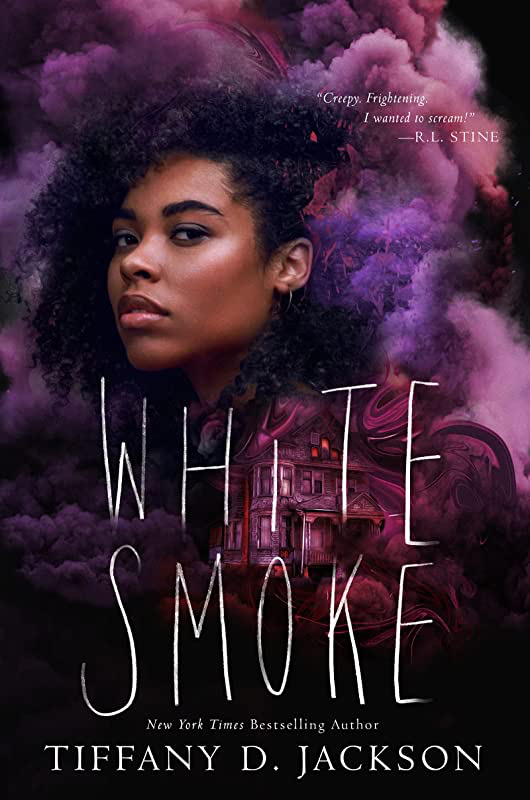
White Smoke, Tiffany D. Jackson

GENRES: YA, horror, thriller, fiction

MY RATING: ⭐️⭐️⭐️.5

Tiffany D. Jackson has a talent for building suspense, but this is the first time I’ve seen her do a full-blown horror novel—and it was exceptionally chilling!

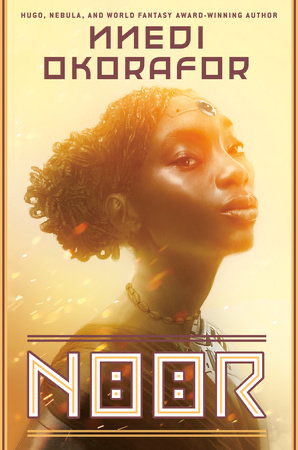
Noor, Nnedi Okorafor

GENRES: Adult, science fiction, Afrofuturism

MY RATING: ⭐️⭐️⭐️.75, rounded up to ⭐️⭐️⭐️⭐️

A wildly imaginative piece of Afrofuturism with a disabled protagonist!

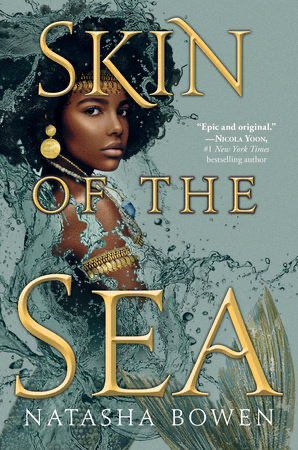
Skin of the Sea, Natasha Bowen

GENRES: YA, fantasy, retellings

MY RATING: ⭐️⭐️⭐️⭐️

YA mermaid novels have historically been disappointing for me, but Skin of the Sea gave me hope that a good one is possible—and there can be so many creative twists and perspectives put on it!

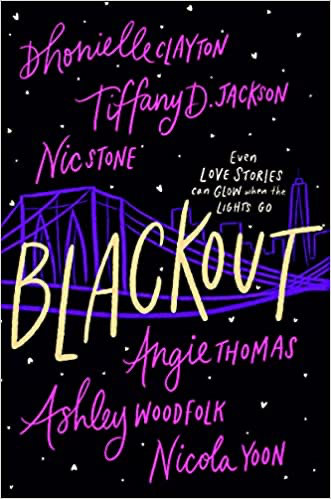
Blackout, Dhonielle Clayton et. al. (anthology)

GENRES: YA, fiction, romance, short stories (anthology)

MY RATING: ⭐️⭐️⭐️

A collection of short stories about different romances during a blackout in New York City!

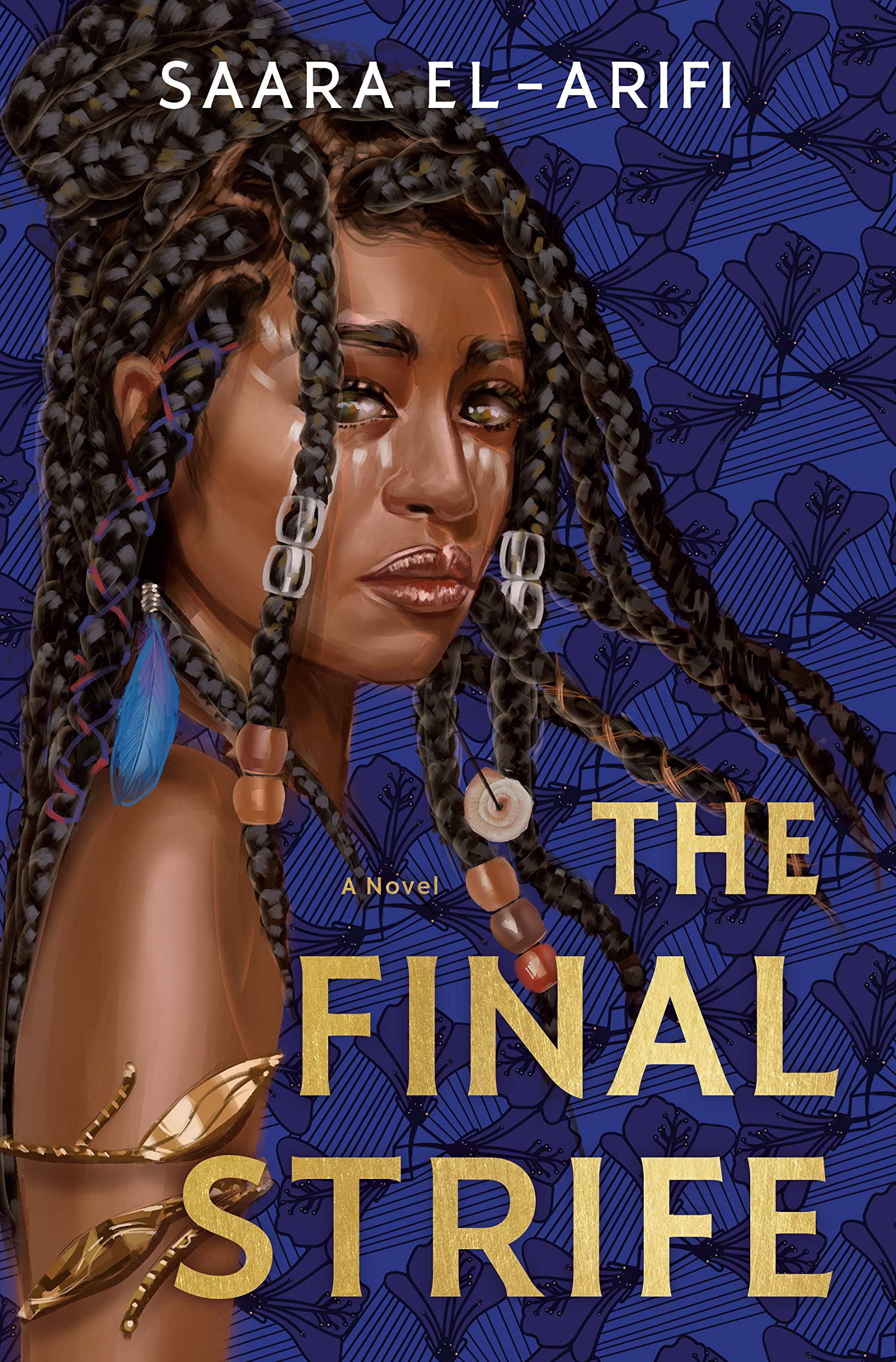
The Final Strife (Ending Fire, #1), Saara El-Arifi

GENRES: Adult, fantasy, romance, LGBTQ+

MY RATING: ⭐️⭐️⭐️.5

A fantasy with exceptional worldbuilding, an unlikely chosen one, and a sapphic romance!

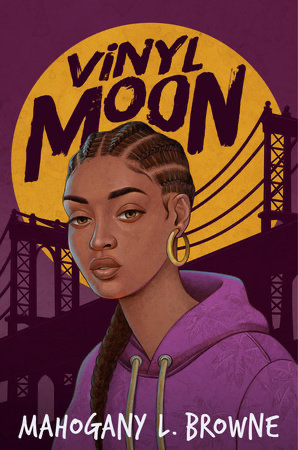
Vinyl Moon, Mahogany L. Browne

GENRES: YA, realistic fiction, novels in verse

MY RATING: ⭐️⭐️⭐️.5

Half prose and half novel-in-verse, Vinyl Moon is a beautiful story of healing and friendship.

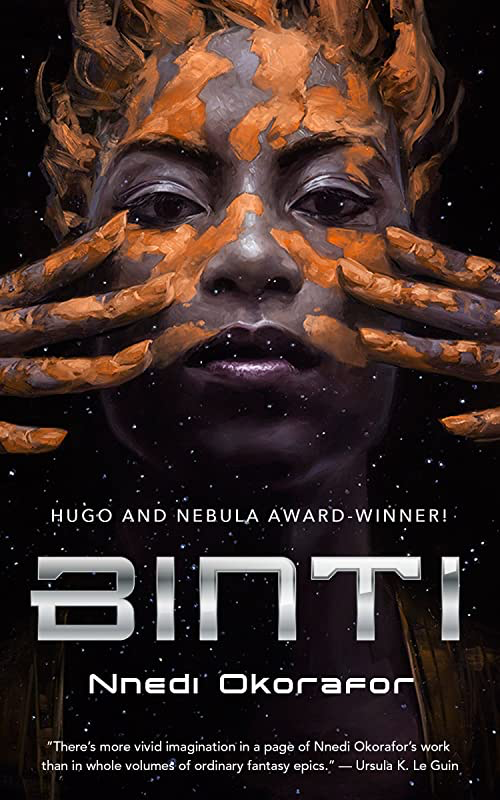
Binti (Binti, #1), Nnedi Okorafor

GENRES: Adult, science fiction, space opera

MY RATING: ⭐️⭐️⭐️.5

Normally, I wouldn’t double up on authors, but Nnedi Okorafor really deserves it here—I still need to finish this series, but it’s so charming and inventive!

TELL ME WHAT YOU THINK! What are some of your favorite books by Black authors that you’ve read recently? Tell me in the comments!

Today’s song:

somehow I didn’t know that this song existed until a few days ago, and I haven’t been able to stop listening to it since

That’s it for this year’s list of Black History Month recommendations! Have a wonderful rest of your day, and take care of yourselves!
Posted in Book Review Tuesday

Book Review Tuesday (1/31/23) – A Million to One

Happy Tuesday, bibliophiles!

I hate to end the month on a negative note review-wise, but I just wasn’t a fan of this novel. I’ve been following Adiba Jaigidar’s books for a little while, and for the most part (still don’t see why Hani and Ishu still gets that much hype), she does well with writing diverse YA romances. I was excited to see her take on a different genre, but to my disappointment, A Million to One read as a half-baked, flimsy excuse for a heist.

For my review of Hani and Ishu’s Guide to Fake Dating, click here!

Enjoy this week’s review!

A Million to One – Adiba Jaigirdar

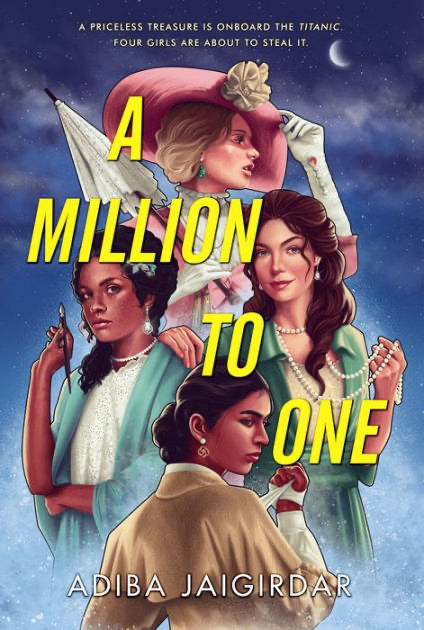
Josefa, Emilie, Hinnah, and Violeta: four girls from radically different backgrounds, thrown together on the RMS Titanic. Their mission: to steal a copy of the Rubaiyat, embedded with jewels and worth a fortune. With all of their skills combined, the girls are confident that they can swipe the priceless book once and for all. But the Titanic is filled with distractions, romance, and all sorts of obstacles, and the job may be easier said than done. Add in the recent revelation that the Titanic is sinking, and the four realize that they may be in over their heads…

TW/CW: drowning, mentions of parental abuse, loss of loved ones, abandonment

Yikes. I think I’m gonna have to break up with Adiba Jaigirdar after this one. I loved The Henna Wars, Hani and Ishu’s Guide to Fake Dating was decent but nothing earth-shattering, and now A Million to One was just plain disappointing. Her books have just gotten progressively worse for me? I really appreciate that she’s branching out from romance, but it really seems like she bit off more than she could chew.

Before I get to all my gripes, I will say that I loved, as with all of Jaigirdar’s novels, the amount of diversity. It’s historical fiction, but we have Black, Pakistani, and Croatian characters, a sapphic romance, and all but one of the main characters are immigrants, which is always fantastic to see. The thing about A Million to One was that everything came down to the execution, and the execution failed miserably.

If I had to sum up A Million to One in brief terms, it feels like Jaigirdar was watching your garden-variety heist movie, fell asleep half an hour in, and then tried to write a book from that memory as soon as she woke up. All of the beats of a typical heist were technically there, but they all but stood around and did nothing. Everything that should have been interesting about this novel—getting the gang together, the Titanic setting, carrying out the heist, the romance—was glossed over in favor of a good 100 pages of dithering in between each major plot point. It was the skeleton of a heist, lacking all of the meat and muscle that would have made it substantial.

For instance: the first few chapters of the novel. These were dedicated to Josefa assembling her crew, which is the kind of beat that I really enjoy in any kind of heist plot. However, all it consisted of was Josefa randomly going up to the rest of the characters with seemingly no explanation and offering them the job, and them either agreeing to it immediately (???), or, if we were lucky, having a paragraph of deliberation before agreeing to it. This could have been a perfect opportunity to develop the characters (especially since they weren’t developed much at all throughout the novel anyway) and introduce their personalities/roles in the heist, but we got absolutely none of that. It wasn’t like A Million to One was so long that this part of the plot needed to be cut down for time—it’s barely over 300 pages. There was no excuse for that.

And for the amount of opportunities that Jaigirdar had to develop these four characters, most of them were shockingly underdeveloped. Other than some insight on the motivations of Violeta and Emilie, all four characters had nearly indistinguishable voices, personalities, and no reason for being on the mission other than a vague role. We got a bit of a tragic backstory for Hinnah, at least, but a tragic backstory with nothing else to go off of does not a well-developed character make. In addition, we only got a vague idea of what the characters’ roles were—the actress, the thief, the acrobat, and the forger—often with no context. For instance: Violeta was supposed to be an actress, but we got no idea of her background, her training, and how she got to be so good. For a novel that seemed to market the diversity and individuality of the crew, it would’ve been leagues better if I had been able to tell who was who without the chapter titles.

The majority of the novel ended up being a bunch of meaningless dithering about on the Titanic, which was intended to…build up the suspense, I supposed, but it felt like far too many pages of The Gang running around the ship, chatting with a boy or two, trying to throw the guards off their trail, and making no progress whatsoever. There was supposed to be a romance somewhere hidden in there, but it ended up being my problem with Hani and Ishu, amplified: two characters just got thrown together with zero prior chemistry, insinuation, or anything that would suggest love. It got to the point where any movement in the novel was indistinguishable, and by the time I finally got around to the actual heist, any semblance of suspense or action had vanished. The only thing that managed to partially grab my attention was the fact that the Titanic had started to sink, but by then, the only aspect that somewhat grabbed my attention was that half of the main cast died. If major character deaths are the only thing that are keeping your reader interested, then something is very wrong with your plot.

All in all, a break from form for Adiba Jaigirdar, but one that ended in a half-baked, borderline boring disaster. 2 stars.

A Million to One is a standalone, but Adiba Jaigirdar is also the author of The Henna Wars, Hani and Ishu’s Guide to Fake Dating, and the forthcoming The Dos and Donuts of Love.

I’ve already posted once today, but have another song anyway:

such a lovely cover 😭

That’s it for this week’s Book Review Tuesday! Have a wonderful rest of your day, and take care of yourselves!
Posted in Book Review Tuesday

Book Review Tuesday (1/16/23) – Little Thieves

Happy Tuesday, bibliophiles!

I forget exactly where I first heard about Little Thieves, but I think it may have been from seeing other people’s reviews here in the blogosphere. Now that I’ve read it, let me just say this: whoever’s review it was that inspired me to pick up this book, thank you so much. YA fantasy has started to become formulaic for me at worst, but Little Thieves was filled with charm, humor, and refreshing spins on the subgenre as a whole. Enjoy this week’s review!

Little Thieves (Little Thieves, #1) – Margaret Owen

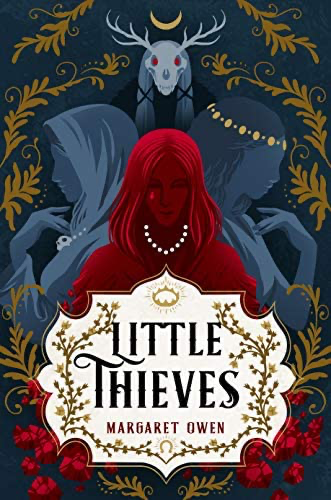
Vanja Schmidt is the thirteenth daughter of a thirteenth daughter. Her mother knew how bad her luck would be, so when she was a child, she surrendered her daughter to be raised by the goddesses of Death and Fortune. But as Vanja grows older, she doesn’t seek to follow the paths of her surrogate parents and runs off on her own, making a living swindling and picking pockets. Vanja’s swindling gets as far as the royal palace, and with the theft of a charmed necklace of pearls, she assumes the identity of Princess Gisele.

But Vanja’s life of crime has attracted unwanted attention. When a Low God curses her body to turn to jewels at the full moon, Vanja must retrace her steps and right her past wrongs. Her trail of thievery will reach into the heart of a conspiracy that leads to Princess Gisele’s betrothed, and soon, Vanja realizes that she’s in for more than she bargained for.

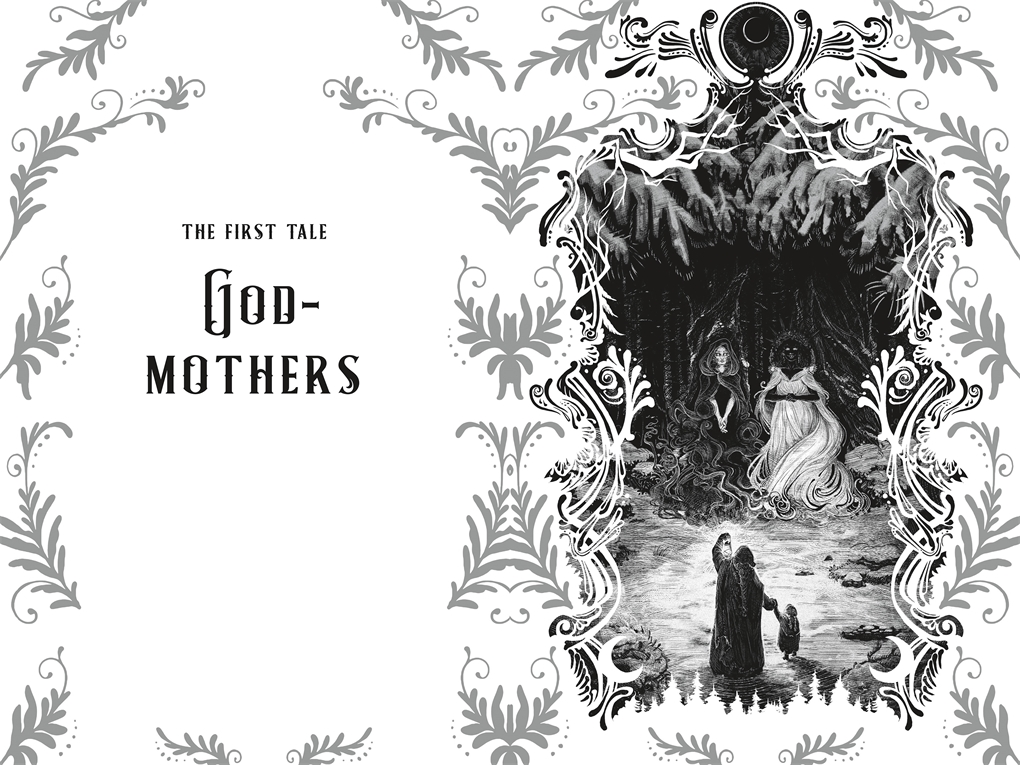
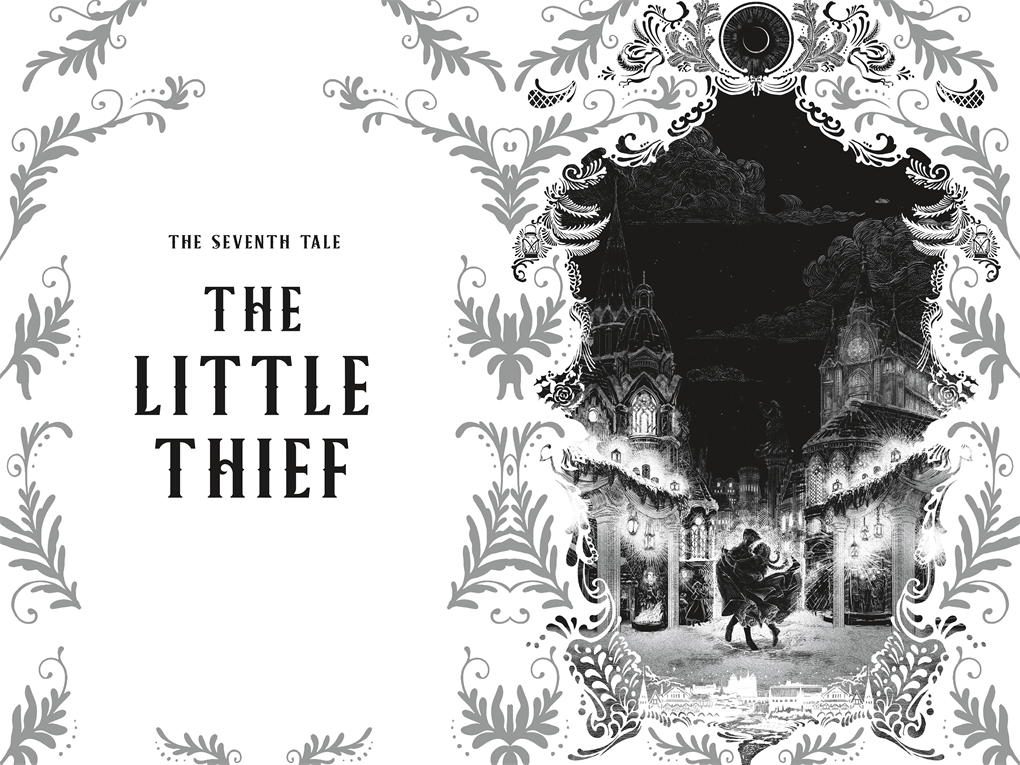
some of the beautiful illustrations from Little Thieves, done by Margaret Owen herself!

TW/CW: child abuse, animal death, blood, descriptions of injury, sexual harassment

Barely halfway through the first month of the year, and I’m already running into books this good? SUCH a relief after the brief slump I was just in…

YA fantasies—fairytale retellings in particular—are books that I’ve started to steer away from slightly; over the years, they’ve gotten blatantly formulaic for me, and it’s rare that any have an impact on me anymore. It feels sad saying that, but after a while, I just got sick of all the secret royalty and love triangles and the lack of good worldbuilding. But Little Thieves showed me that there’s still faith in a sputtering subgenre and treated me to an exceptionally fun time!

It’s been a while since I’ve read a fairytale retelling—after a while, there are only so many Cinderella and Beauty and the Beast retellings one can take. But Little Thieves retold a fairytale that I hadn’t even heard of before—The Goose Girl, written by the Brothers Grimm. It also puts a spin on the fairytale’s antagonist, making her the main character and giving her more nuance and motives. From the first page, Little Thieves felt like a breath of fresh air into a tired genre, and I am all the better for it.

Owen’s vibrant characters seemed to leap off the page, and each and every one of the main cast won my heart in record time. They were all so distinct: Vanja with her determination and sass, Emeric’s delightfully uptight and sensitive demeanor, and the absolute chaos that was Ragne; I got attached to most of the main cast fairly quickly, which is certainly a rare occurrence for me. Little Thieves is also one of the only YA books I can think of that actually gets a morally gray protagonist right. “Morally gray” characters have almost become a buzzword after the success of books like Six of Crows, but most of the time, they just end up being characters that Do Crimes™️ but they have a Tragic Backstory™️ so they’re a Complex Character™️. Vanja, however, actually felt morally gray—her way of life, however shady her dealings and actions were—was her way of survival and defiance. Maybe that’s what happens when you’re raised by two surrogate moms that also happen to be the goddesses of Death and Fortune, but either way, it was refreshingly well-executed.

For the most part, I was also a fan of the writing style! It reminded me a lot of Ashley Poston—it was very cheeky and filled with humor, which matched Vanja’s voice perfectly, but it was also capable of plenty of nuance and depth, resulting in some spectacular bits of prose. Some of the humor bordered on meme-y at times, which was more than a little jarring, but in comparison to the rest of the book, I can let it slide. It’s the kind of charming writing that made me laugh, smile, and swoon, and it suited Owens’ story wonderfully.

The worldbuilding was also excellent, and I loved exploring the pseudo-German, medieval setting! It’s clear that Owens spent lots of time and energy into not only making a fleshed-out world with the appropriate amount of history and constraints, but also trying to stay faithful to German folklore and the original Brothers Grimm tale. All of the gods, shapeshifters, and other creatures were a delight—another reason why I’m a little bored with most YA fantasy is because they often shy away from having lots of mythical creatures (in place of just slapping a magic system onto a vaguely European setting), so, like so many other aspects of Little Thieves, this was such a breath of fresh air. I know I sound like a broken record every time I say that, but that’s seriously how reading all 500+ pages of this book felt.

Going off of that, I loved the casual queerness in Little Thieves! With a lot of fantasy settings where queerness is present, homophobia is still present because there’s a misconception that an ancient/older setting automatically equals homophobia/transphobia. I get the purpose of that on some level if the book is trying to share a message or theme about homophobia or transphobia, but on the other hand, if you can have a complex magic system and dragons, the concept of homophobia not being a thing in your fantasy world isn’t that strenuous of a stretch to make. Owens once again bashes all of these fantasy tropes and integrates queerness into her worldbuilding as something normal, and it made my heart so happy. Although no labels are specifically used in the book, Vanja and Emeric are both implied to be somewhere on the demisexual/asexual spectrum, Gisele is implied to be a lesbian (and later is in a relationship with Ragne), and there are several nonbinary and gender nonconforming side characters! More queer fantasy like this, please! (Also, I just loved Emeric and Vanja together. Just Love Them So Much)

All in all, a rare YA fairytale retelling that subverts all of the tropes of the genre and dazzles with its nuance and charm. 4.5 stars!

Little Thieves is the first in the trilogy, followed by Painted Devils (slated for release later this year) and an untitled third book. Margaret Owens is also the author of the Merciful Crow series, which consists of The Merciful Crow and The Faithless Hawk.

Today’s song:

just listened to this whole album today, perfect for winter!! this one almost sounds like Kid A

That’s it for this week’s Book Review Tuesday! Have a wonderful rest of your day, and take care of yourselves!
Posted in Book Review Tuesday

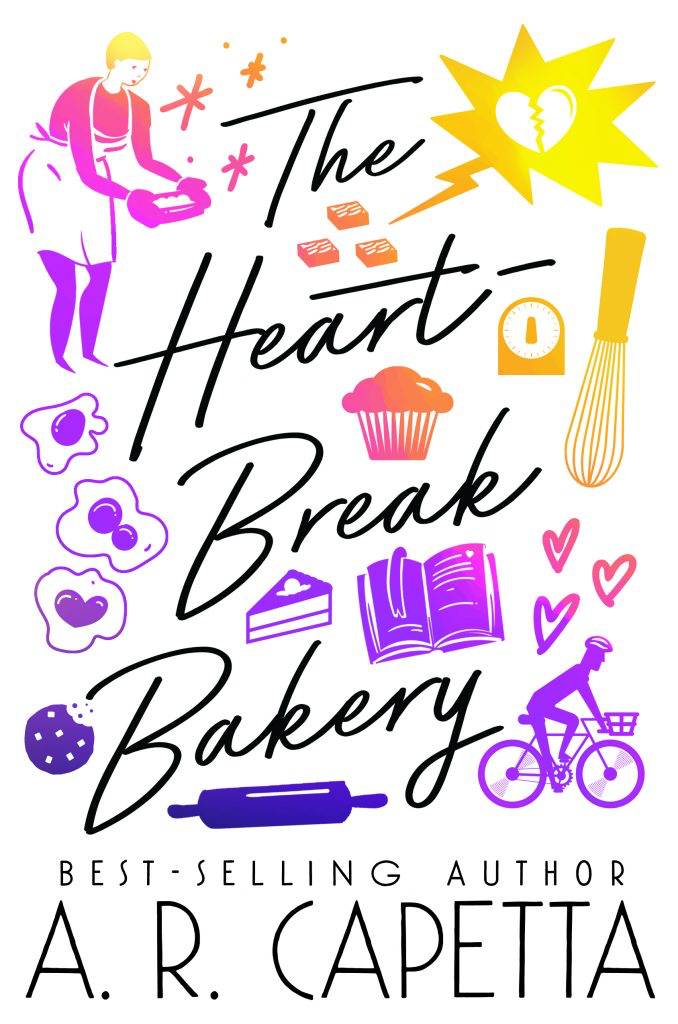
Book Review Tuesday (1/10/23) – The Heartbreak Bakery

Happy Tuesday, bibliophiles!

I’ve been a fan of A.R. Capetta ever since I read the Once & Future duology, and when I was looking for a sweet rom-com to read the other day, the opportunity presented itself in this book. I’m glad to say that this is proof that Capetta almost never misses—a tender and sweet (no pun. intended) celebration of queerness and baking!

Enjoy this week’s review!

The Heartbreak Bakery – A.R. Capetta

Syd loves nothing more than baking—especially when it’s at the Proud Muffin, the queer-run bakery at the center of Austin’s queer community. After a nasty breakup, Syd deals with it in signature Syd fashion—by baking all the frustrations and bad feelings out into a batch of brownies. But when Syd’s frustrations works its way into the brownies and causes everyone that eats them to have relationship troubles, Syd has to fix the issue how it began—with baking. Throw in the cute delivery-person, and Syd has to avoid a recipe for disaster…

TW/CW: gender dysphoria

this book: has several jokes about the fact that it’s still possible to have a bad hair day even when you’ve shaved your head

me, having just shaved my head: [chuckles] “I’m in danger!”

I came into The Heartbreak Bakery just for a queer romance to tide me over, and I can now say with certainty that A.R. Capetta never misses! This piece of magical realism is a love letter to queer communities and spaces, and it made my heart so happy.

First off, this is easily one of the most diverse rom-coms that I’ve ever read! Syd is the first main character that I’ve read that’s agender, and the main relationship is between Syd and Harley, another nonbinary character! I think the entire cast is queer—a gay couple owns the Proud Muffin, there’s a polyamorous couple on the side, and there are queer characters of all identities as side characters, and many of them are POC as well! Capetta never shies away from unapologetic queerness, but it particularly shone in The Heartbreak Bakery.

The magical realism aspect was also fantastic, and it also culminated into a theme that I thought was incredibly important. I liked the ambiguity of where it came from, but the concept of putting tangible feelings into baking that have a visible ripple effect had me on board instantly. It served to show a great theme: the feelings that you put into anything, be it a project, a relationship, or a batch of brownies, is what you’re going to get out of it. If you pour all of your negativity into something, that’s exactly what’s going to come out of it. The Heartbreak Bakery takes the concept very literally—brownies that make couples break up, cakes that make you apologize, et cetera—but it was a great theme to explore. I do feel like some of the problems being almost immediately solved by the “apology cake” were a tad bit too easy for Syd to maneuver, but I’m glad Capetta made it more complicated—having Marisol eat the cake by accident, for example. (I wish I had a physical copy of the book on hand—some of those recipes looked good!)

My only major qualm with The Heartbreak Bakery was the pacing. I’m all for slower, gentler books, but it felt like the main points of conflict were unevenly spaced. For instance, the final climax of the bake-off felt far too rushed for me; given how much hinged on the outcome, it should’ve gotten a lot more page time than it did. Some of the interim scenes between the main points of conflict should’ve been shortened in favor of the more important, plot/character building scenes. It was a great novel to start with, but I could’ve done with a little tweaking with the pacing and the importance placed on certain scenes.

All in all, an incredibly sweet (no pun intended) magical-realism romance that reads as an ode to baking, queerness, community, and love itself. 3.75 stars, rounded up to 4!

The Heartbreak Bakery is a standalone, but A.R. Capetta is also the author of The Lost Coast, the Once & Future duology (co-authored with Cory McCarthy), Echo After Echo, and several other books.

Today’s song:

man I have so many memories of hearing this song when I was a kid

That’s it for this week’s Book Review Tuesday! Have a wonderful rest of your day, and take care of yourselves!
Posted in Book Review Tuesday

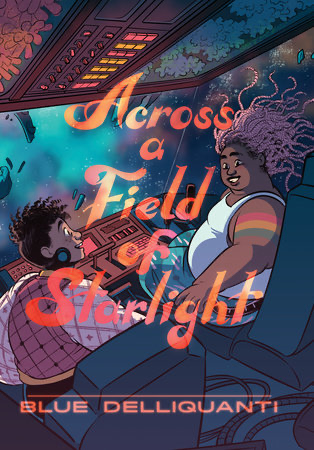
Book Review Tuesday (1/3/23) – Across a Field of Starlight

Happy first Tuesday of the year, bibliophiles!

My first review of the year also happens to be the first book that I finished this year! I hadn’t heard anything about it before I came upon it while browsing the YA graphic novel section of Barnes & Noble. I’m always all in for queer sci-fi, and that, combined with the art style, was enough to convince me to buy it. I’m so glad to say that it was a wonderful graphic novel, full of heart, bright colors, and queerness aplenty.

Enjoy this week’s review!

Across a Field of Starlight – Blue Delliquanti

Lu and Fassen have been friends since childhood, after a chance meeting when Fassen’s spaceship crashed onto Lu’s peaceful planet. Though they came from entirely different backgrounds, they kept in contact even as Fassen was forced back into their duty as a soldier. But when the tyrannical Ever-Blossoming Empire begins a siege on Fassen’s resistance front and endangers Lu’s planet, the two are reunited. Together for the first time in years, they must set aside their differences to escape the Empire’s clutches—and discover truths about each other.

TW/CW: sci-fi violence, depictions of injuries/blood, war themes, vehicle crash, loss of loved ones (off-page)

Across a Field of Starlight was the perfect book to start my year off with! With its beautiful art, tender story, and unapologetic queerness all the way through, this is a graphic novel that you won’t want to miss.

I’d be remiss if I didn’t acknowledge how wonderfully diverse Across a Field of Starlight is. I don’t think I’ve read anything—graphic novel or otherwise—quite this diverse in such a long time! Both of the protagonists are nonbinary and POC, Lu is plus-sized, and there is an array of POC and trans characters all throughout the story. I especially loved that Delliquanti didn’t shy away from giving their cast of characters a variety of different body types, and it made their world and story all the more rich.

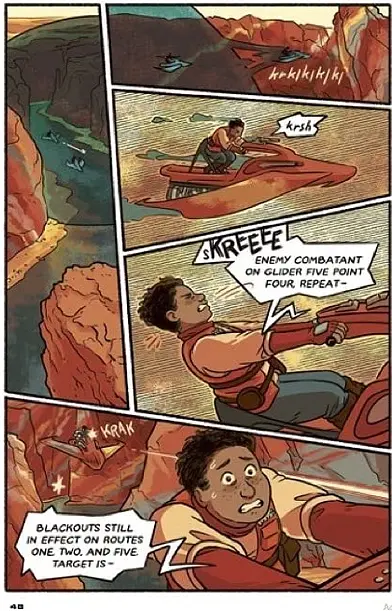
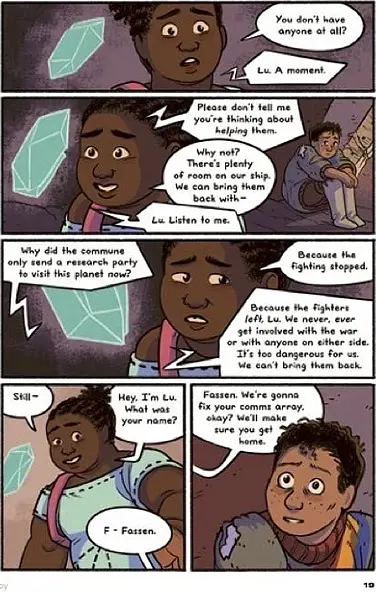
Delliquanti’s art style made Across a Field of Starlight shine as well. Although the book gets into some dark themes—war, colonization, etc.—the colors are vibrant all the way through, giving it a very fantastical feel. It especially suited Lu’s more peaceful, utopian planet and its welcoming nature, as well as Lu’s caring personality. Delliquanti’s depiction of outer space has a beautiful vibrance to it, making for an incredibly inviting story.

art by Blue Delliquanti

The perspectives that Delliquanti chose gave the story a more compelling angle as well. Instead of most sci-fi/fantasy war stories, Across a Field of Starlight focuses on the Firebreak resistance front and a party completely outside the main conflict; most media (Star Wars comes to mind) focuses just on the tyrannical empire and the rebellion, but I liked that they largely left the Ever-Blossoming Empire as more of a looming threat. It also made the point that even though Firebreak was fighting to free the galaxy of colonization, they weren’t all pure and good either, and although the aim was good, the motives for some of the authority figures may have been less so. Never meet your heroes, kids.

That being said, I would’ve liked more context for the intergalactic conflict that this novel sets up. I did like that we were thrown right into the action, but I would’ve liked more historical context on how the Ever-Blossoming Empire and the Firebreak came to be, how long they’ve been at war, and the consequences for the rest of the galaxy. Across a Field of Starlight is great on its own, but with a world as expansive as the one Delliquanti has created, it’s begging for a few sequels or spin-offs, or at least some more background.

All in all, a highly enjoyable graphic novel filled with heart, diversity, and vibrant color. 4 stars!

Across a Field of Starlight is a standalone, but Blue Delliquanti is also the author of the comic series O Human Star, which currently has three volumes, and has contributed to several other comic collections.

Today’s song:

good mindset for this year, I think

That’s it for this week’s Book Review Tuesday! Have a wonderful rest of your day, and take care of yourselves!
Posted in Book Review Tuesday

Book Review Tuesday (11/29/22) – The All-Consuming World

Happy Tuesday, bibliophiles!

I never learn, do I? Every few weeks, I always start craving sci-fi again, and when there’s nothing readily available at the library or on Kindle, I just sift through the dust bunnies in my TBR until I find something interesting. And to be fair, The All-Consuming World did sound interesting. I was willing to give it a chance despite the pitifully low ratings it’s been getting (a 3.28/5 on Goodreads, as of now), but it turned out to be exactly the disappointment that the reviews promised.

Enjoy this week’s review!

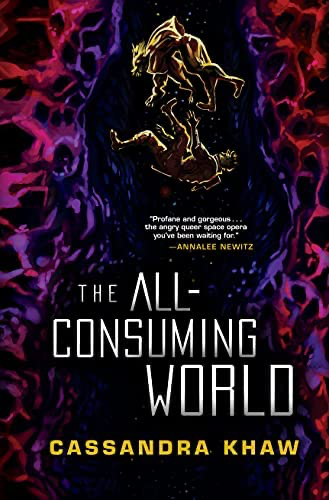
The All-Consuming World – Cassandra Khaw

Maya’s glory days are over. After being resurrected dozens of times, she’s slowly outgrown the Dirty Dozen, the galaxy’s most infamous criminal group, and decided to make her own way. But when the galaxy’s ruler, an all-powerful, sentient AI, threatens to hold their realm in a chokehold, it’s up to Maya to recruit the disbanded bunch of cyborgs, clones, and lowlives to save the galaxy from complete control.

TW/CW: body horror, sci-fi violence, amputation/emergency medical procedures, suicide

DNF at 35%.

I genuinely can’t think of a book with a more jarring writing style than this one. Jarring can sometimes be good, but in the case of The All-Consuming World, it seemed like a case of vast stylistic indecision, and this indecision dragged the entire book down with it. I really wanted to like this book—queer space opera is always up my alley, and I always want to try and support queer authors—but it ended up being a sore disappointment all the way through. (What I could stand to read before I gave up, anyway.) As I always say with my negative reviews: I completely understand. Putting yourself out there as an author is an immensely hard thing to do, and I always admire the work put in. But this book just did not click with me at all.

The writing style is what, for me, made The All-Consuming World crash and burn. Maya was clearly supposed to be a rough-around-the-edges character, battered and bruised, and all around Tough and Gritty™️, and at least half what I read seemed to try and get that voice…with at least 15 f-bombs dropped within rapid succession of each other on each page. Now, I don’t have a problem with swearing at all, and I appreciate the art of a well-placed, well-timed swear. But the excess of ill-placed cusses (along with more f-bombs than there are leaves on the trees in the Amazon Rainforest)—half of which were in combinations that made absolutely no sense at all—made for writing that read more like a middle schooler trying to be edgy than a tough and hardened criminal.

But on the other hand, the other half of what I read was some of the wordiest, floweriest prose I’ve ever read. And some of that had moments of being good—I’ll give Khaw some credit for that—but it was such a jarring contrast. Sometimes, juxtaposition like this works, but the two, distinct voices that Khaw was trying to go for had such a vast gulf in tone between them that it lacked any sense of cohesion whatsoever. I really wanted to stick it out to see what happened, but it was just giving me such a headache to try and weather the writing, so I had to quit.

I stopped at 35% of the way through, and I still don’t have a clue what was going on, plot-wise. I seriously can’t remember if there was a plot beneath all of the flashbacks and exposition, impenetrable prose, and multitudinous f-bombs. From the synopsis, I was told that Dimmuborgir was supposed to be a central plot point, but I only remember it being mentioned a single time. Yes, 35% of the way in isn’t all that far, but that close to the halfway point, I would’ve thought that the characters would have at least moved the slightest bit towards their destination. It was all very…vague. Vague sense of rebellion towards a vague concept of an omniscient, ruling AI with a vague set of characters that fell into either AI or Hardened Criminal™️ boxes. And the worldbuilding? Left the building before the book had even begun. Trying to read The All-Consuming World felt like trying to dig through a messy closet, and emerging an hour later without having found the thing you needed to find in the first place.

All in all, a book that it pains me to rate so low, but crashed and burned in almost every conceivable aspect. 1 star.

The All-Consuming World is a standalone, but Cassandra Khaw is also the author of the Persons Non Grata series (Hammers on Bone and A Song for Quiet), Nothing but Blackened Teeth, These Deathless Bones, and several other novels and novellas.

Today’s song:

BACK TO BLUR AGAIN!! so far, this is my least favorite album of theirs that I’ve listened to, but it’s still a fantastic listen—take this song, for instance

That’s it for this week’s Book Review Tuesday! Have a wonderful rest of your day, and take care of yourselves!
Posted in Book Review Tuesday

Book Review Tuesday (11/15/22) – She Gets the Girl

Happy Tuesday, bibliophiles! Even more snow today…

I initially put She Gets the Girl on my TBR because of so much buzz from my fellow bloggers, and I like to go for a queer romance every once in a while. I read it recently and I liked that it was from the perspective of a freshman in college (hey, it’s me!), but beyond that, it felt more like a mess of unlikeable characters and uncomfortable peer pressure instead of feel-good romance.

Enjoy this week’s review!

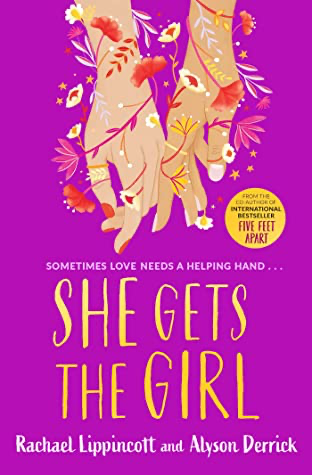
She Gets the Girl – Rachael Lippincott and Alyson Derrick

Alex Blackwood is entering college on the heels of a nasty breakup. Molly Parker is looking for love, and she’s in luck—her longtime crush, Cora Myers, is attending the same college as her. Problem is, Molly’s hopelessly awkward, especially around people she likes. When she and Alex have a chance encounter, they hatch a plan for Alex to polish up Molly’s flirting skills so that she can get the girl. But when Molly starts falling for Alex instead of Cora, the end goal becomes hazy…

TW/CW: alcoholism, toxic relationships, internalized racism, substance abuse

It’s all fun and games until the romance you picked up because you wanted it to be somewhat “feel-good” turns out to be…more uncomfortable than feel-good. It’s even harder when you hate one of the characters, and harder still when the two main characters seem to have hardly any chemistry. That’s the story of She Gets the Girl—a romance with an easy enough concept that was dragged down by forced and unlikable elements.

I’m sorry, I just have to get it out of the way: I hated Alex Blackwood. Hated her. It was clear that the authors were trying to make her a rough-around-the-edges character that would a) contrast Molly’s uptight and awkward personality and b) push her out of her comfort zone, which was a good enough pairing in concept. Key words here are “in concept.” What Alex ended up being was a total hypocrite—she’s so intent on being the opposite of her toxic ex, but turns around and manages to be just as toxic, just in a different way. And the whole concept of pushing Molly out of her comfort zone so that she can get with Cora? Most of it just ended up being Alex forcing Molly to do things that she was deeply uncomfortable with.

Thus, Molly and Alex had almost zero chemistry. Their entire relationship was built on the shaky foundation of knowing that they would end up together by the end of the book, and not much else. Everything was just…so forced. It’s heavily implied that Cora wasn’t a good option either since, yes, it as forced, but…I really don’t think dating Alex would’ve been a great option either, seeing as how much of a manipulative jerk she was to Molly. Proposed third option: Molly just takes off and finds better friends/lovers that…y’know, aren’t toxic?

That brings me to the weird message of this book. Throughout the book, all of the things that Alex pushes Molly to do to win Cora’s love involve changing herself in some way: changing her wardrobe into things she would normally be uncomfortable wearing, going to events that you have no experience in just to fit in with Cora, etc. It was sort of resolved by the relationship with Cora not working out, but Alex’s “advice” boiled down to Molly changing herself so that Cora would like her. I suppose they were trying to go with a “be true to yourself” message, which I really would’ve liked, but they resolved it by…pairing Molly with Alex, the one who was trying to force Molly to change in the first place. And Alex never apologizes for any of that—they just fall in love and then move on. Hence—no chemistry. No repercussions, save for the fling with Cora not working out. All that really happened was Alex’s manipulative actions being rewarded, which really rubbed me the wrong way. Even though Molly and Alex got into an argument about that, there was no sense of Alex taking responsibility for forcing Molly into all that uncomfortable stuff. I really wish Lippincott and Derrick had handled their relationship—and the message—better. She Gets the Girl had an easy way to send a good message, but it ended up bungling it all in the end.

There were a few aspects of She Gets the Girl that I did like. It’s always nice to have a mixed race character, and having Molly be mixed race really freshened things up, as well as some of the discussions about internalized racism. Even though I still despise Alex, the way they handled the situation with her mother was also respectfully handled—hard to read, but it seemed genuine to me. However, a lot of this ended up being overshadowed by how much of a mess the rest of the book was.

Overall, a romance that stumbled and fell when creating chemistry between the two characters, making for an uncomfortable book—and an uncomfortable message. 2 stars.

She Gets the Girl is a standalone, and the first and only book that Rachael Lippincott has written with her wife, Alyson Derrick. Lippincott is also the author of Five Feet Apart and All This Time (both co-written with Mikki Daughtry), as well as The Lucky List.

Today’s song:

listened to the whole album yesterday! it was one of those cases where I listened to all of the best songs beforehand so the rest of the album wasn’t *as* good (still good though), but it’s a great album

That’s it for this week’s Book Review Tuesday! Have a wonderful rest of your day, and take care of yourselves!
Posted in Book Review Tuesday

Book Review Tuesday (11/8/22) – Huntress (Ash, #0.5)

Happy Tuesday, bibliophiles!

Huntress is one of those books that just sat on my TBR collecting dust for several years. I decided to read it after finishing Ash a few years back, and I finally was able to get my hands on a copy from the university library. After remembering liking Ash, my expectations were average, and I was rewarded with a solid, strong fairytale full of darkness in unexpected places.

Huntress is technically a prequel, but it doesn’t necessarily require reading Ash beforehand, as its set in the same world, but hundreds of years earlier (you should read it anyway, though!). If you’d like to read my review of Ash, click here!

Enjoy this week’s review!

Huntress (Ash, #0.5) – Malinda Lo

Kaede and Taisin have been chosen for an insurmountable task: restoring order to the human world. For years, the sun hasn’t shone, the crops have dried up, and strange creatures have begun to breach the boundaries of human and otherworldly. The only way for them to seek answers is through the mysterious Fairy Queen, but the journey there may be more dangerous than what lies at the end. But as members of their party begin to die off, Kaede and Taisin must grapple with their futures—the future of the human world, and of the feelings they’re having for each other.

TW/CW: blood, fantasy violence, death, descriptions of injuries/corpses

“I don’t want to marry the man you arranged for me to marry because I don’t know him and I want to have control over my life”: good, good

“I don’t want to marry the man you arranged for me to marry because I don’t know him, I want to have control over my life, and also I’m a lesbian”: EVEN BETTER

It’s been a few years since I’ve read Ash, but reading Huntress doesn’t necessarily require a whole lot of knowledge of Ash‘s world to understand it. What remains, however, is that you have to remember that it was some of the first of its kind. Nowadays, YA is dominated by fairytale-inspired and fairytale retellings, some of which are queer, but stories like Ash and this companion were some of the first ones to do so—and some of the first to be openly queer. If you remember that (and if you can get past the painfully dated cover), you’re in for a fun ride—a dark and atmospheric piece of high fantasy filled with all sorts of danger and strange creatures.

Lo’s world is pretty distinctly High Fantasy™️, which I’ve been jaded with as of late, but her unique spin on it was enough to create a captivating world. Although the magic system was a little hazy, Lo’s descriptions of the barren landscape and treacherous forests created a world that felt real enough to step into. Even more captivating were the creatures that inhabited this world—everything from unicorns to horrifying changelings; the mythology around them and the stakes they created propelled the story even more. Plus, it’s always refreshing to have non-European inspiration for a high fantasy novel; in the author’s note, Lo explains that most of the book was inspired by both Chinese and Japanese mythology.

What I remember about Ash was how much I loved the main couple, but with Huntress, that was a little bit less of the case. In fact, I found Kaede and Taisin to be almost interchangeable (accentuated by the sporadic POV changes), but still compelling enough to root for. Most of the other characters were rather underdeveloped and forgettable, but Lo has a grim solution for the problem—killing them off. For me, it was Con who stole the show; he was the only character with a distinct personality, and it was a very lovable one at that. He’s the kind of character who probably would’ve been lumped in as the love interest in any other YA book, but having him as a platonic friend was so much more endearing.

Even though I loved Lo’s worldbuilding, I still wish that more was explored; we only got tidbits of the creatures in the Fairy Queen’s kingdom, and especially since the main villain was introduced so late in the book, I wished that we’d spent less time on the road and more time near the destination. The journey was interesting, sure, but it would’ve been more interesting to explore the more alien, unfamiliar corners of the world Lo created.

All in all, a solid piece of fantasy that made good use of its dark, barren atmosphere, but could’ve pushed it even further. 3.5 stars!

Huntress is a prequel to Ash, and they are the only books set in that universe. Malinda Lo is also the author of Last Night at the Telegraph Club, the Adaptation duology (consisting of Adaptation and Inheritance), and several other books for teens and adults.

Today’s song:

found this and “Metal Mickey” in a video somebody made of a medley of Britpop riffs, and…maybe I should check them out now?

That’s it for this week’s Book Review Tuesday! Have a wonderful rest of your day, and take care of yourselves!