Posted in Sunday Songs

Sunday Songs: 9/22/24

Happy Sunday, bibliophiles! I hope this week has treated you well.

This week: I apologize in advance for every single driving mention and/or pun that I made in this post. I didn’t even notice it at a certain point…I just couldn’t…stop…

1:58-2:07

Enjoy this week’s songs!

SUNDAY SONGS: 9/22/24

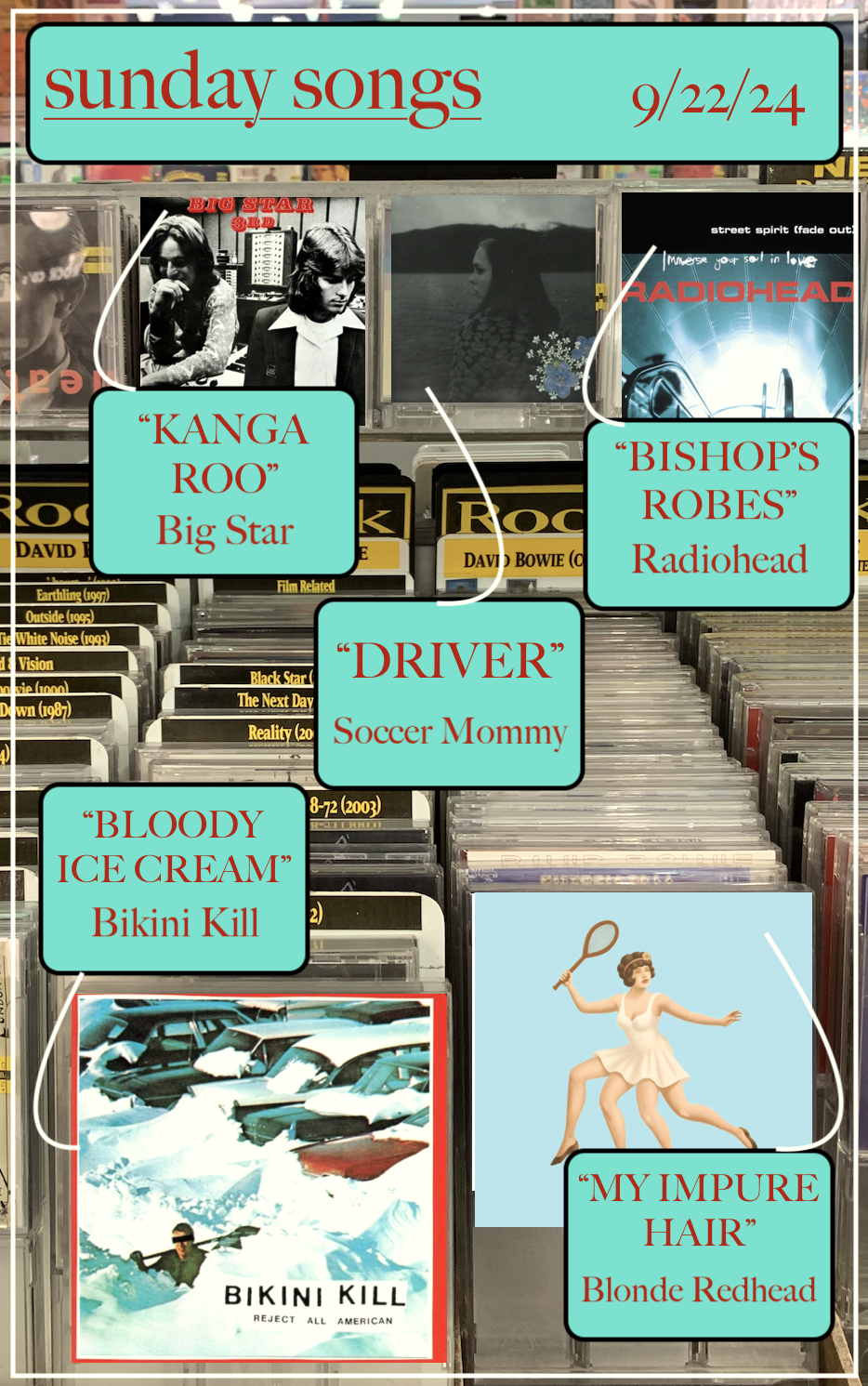
“Bloody Ice Cream” – Bikini Kill

It’s been just under a month since I had the privilege of seeing Bikini Kill live, and even as someone who isn’t a hardcore fan of the band, I had SUCH a wonderful time! That’s owed in no small part to the commanding presence of Kathleen Hanna, not just in the history she carries, but in just how real she was. There she was, a pioneer of feminist punk, just onstage joking about how her bra was too tight and recounting a memory of rich girls pelting her with squirt guns before she walked into a job interview. Never at any moment was there a pretense of acting cool or punk. It was nothing but Kathleen Hanna, in all of her smudged-mascara and sequined glory. Bless Kathleen Hanna, really.

So when she introduced this song, which I was familiar with only in name, by saying that it was dedicated to “all woman writers,” you bet that I stood up and saluted her like it was the national anthem. And even as a fan on the sidelines, I’d accept “Bloody Ice Cream” as a new kind of anthem. It articulates in less than one and a half minutes what so many creators—chiefly women—are told about the profession: “The Sylvia Plath story is told/To girls who write/They want us to think/That to be a girl poet/Means you have to die.” The unspoken doctrine of your craft not being valid unless you sobbed and suffered over it permeates all kinds of media. I’ve been around so many people who think that trauma is the secret to good writing, whether it’s slapping it onto their characters or thinking that their hope in their message is invalid because it doesn’t show the bleakness of the real world. Counterpoint: ever experience happiness? Even once? Was that not in the real world?

The modern world may be far from perfect, but we have an understanding that could nurture and heal the Sylvia Plaths and Virginia Woolfs of tomorrow. And we have the recognition that there is no power greater than joy. In and outside of the writer’s world, we’re taught that to feel downtrodden is to experience the real world, competing each other for how exhausted we are, how much we have on our plates, and how sad and gloomy our projects are. Is this really what creativity is? It’s not like there’s no value in showing the darker aspects of life, but for how much it clogs the literary world, I feel like so many people have forgotten that writing—and imagination—isn’t just a contest for who can work themselves to the bone the most artfully. I write to put out the energy I want to see reflected in the world around me. And that energy is joy. The systems of oppression that surround us want to see people like us being so downtrodden that we have no energy to question them. So write. Write joy. Write what’s in your heart. Scream and dance like Kathleen Hanna. And don’t underestimate the value of kindness. They hate to see you joyous.

…AND A BOOK TO GO WITH IT:
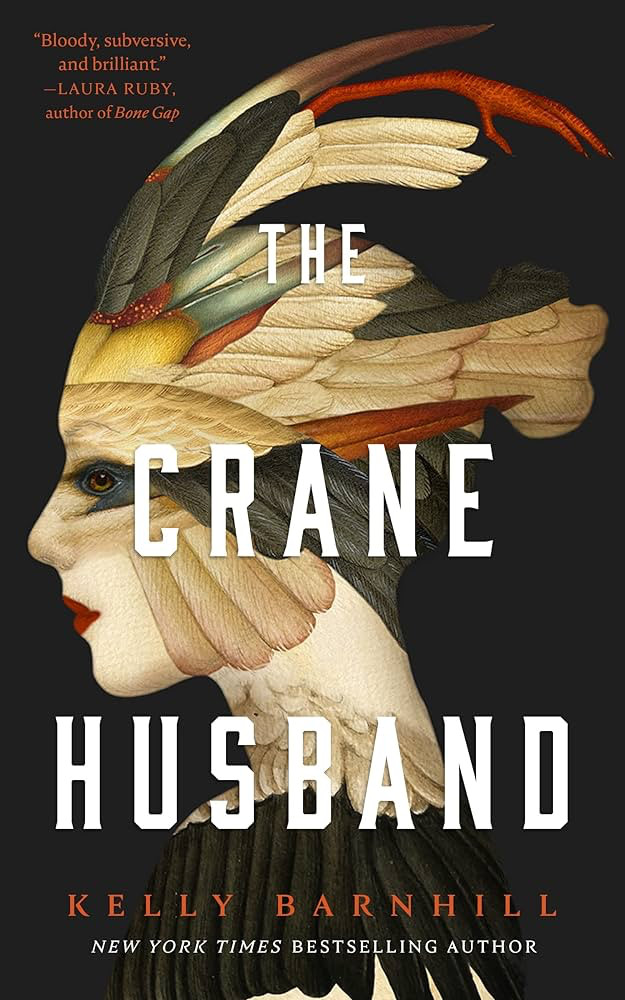
The Crane Husband – Kelly Barnhill“Who was it/That told me/All girls who write/Must suicide?”

“My Impure Hair” – Blonde Redhead

The best shoegaze sounds like you’re slipping in and out of a dream, that limbo best experienced from 1-4 in the morning when you’ve woken up from a dream, your eyes are gummy, and you’re not sure if the hazy shapes forming the walls and bed around you are part of another dream you’ve yet to wake up from. I guess that’s why it’s so easy for people to get high to this kind of music, but like…well, all things, sobriety is better suited to experiencing them. “My Impure Hair” is the closing track on 23 (I’m not even a diehard fan, but I just LOVE that album cover), and even from this tiny taste, it feels like an artfully placed closing track. It has the quality of a lullaby; every element, from the soft instrumentation to Kazu Makino’s vocals, is whispered, as though not to disturb a swaddled baby drifting off in their crib. Once you think you’ve heard a distinct sound, it bleeds into another like spilled watercolors, creating a pale wisp that floats, airless, on the passing wind.

…AND A BOOK TO GO WITH IT:
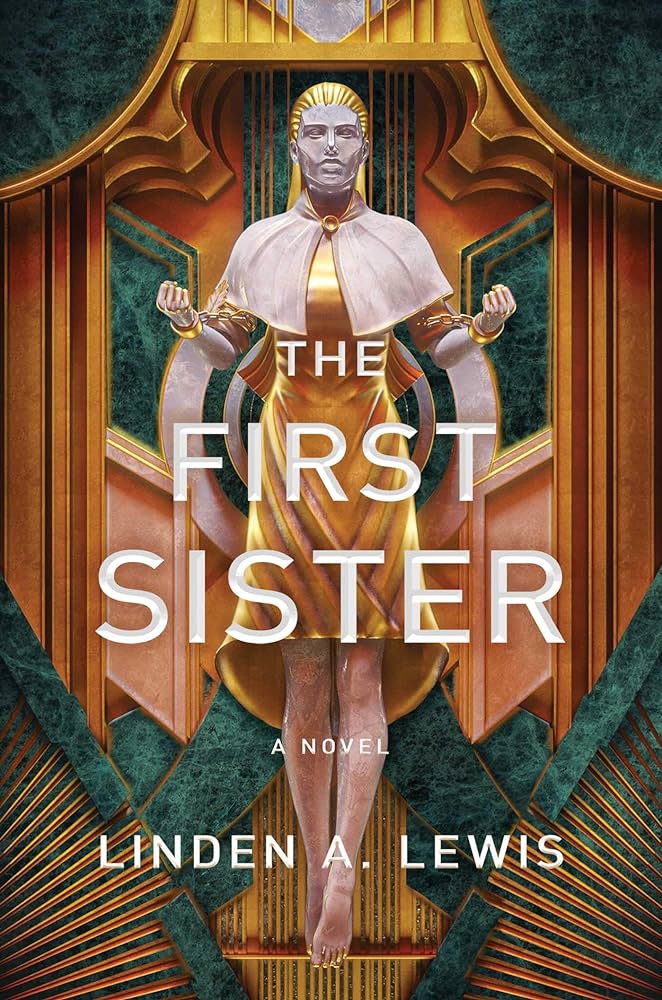
The First Sister – Linden A. Lewis“But in the end/We defend our decadence/You never wept like that/Whatever lost, I won’t forget about you…”

“Kanga Roo” – Big Star

Nothing baffles me more about “Kanga Roo” than the fact that, although it didn’t officially see the light until 1978, it was recorded sometime in 1974. I suppose there’s some ’60s psychedelic bands that got close to the sound here, but this kind of deterioration feels so modern. It doesn’t sound like 1974! It sounds like a less fuzzy Spacemen 3 or the first take of a Bends-era Radiohead b-side. One of the top comments on the official audio called it “the rough draft for Wilco’s Yankee Hotel Foxtrot, which is the most astute description I’ve ever seen ascribed to it—I don’t know how it never clicked, but suddenly, “Ashes of American Flags” makes eons more sense.

I can only imagine what hearing this in 1978 felt like—probably the musical equivalent of “mom, come pick me up, I’m scared” after expecting something more like “In The Street.” Jesus. That feeling certainly crept into me when I first heard this song, while driving home from a concert late at night, navigating a winding canyon road in near-pitch black. All of the shrill mechanical squeals sound much more menacing when you’re barely awake. “Kanga Roo” sounds like it’s actively pulling itself apart at the seams, a threadbare rag only attached to its halves by a few strands of fraying string. The drums are never on beat or consistent in volume, somebody’s banging on a cowbell for about 15 seconds, and all the electric guitars are doing is getting scratched and squealed into oblivion. It’s a bizarre experience, watching a song crumble like charcoal in a dead firepit the morning after a campfire. Yet there’s an innocence to it; Alex Chilton’s voice is the only clear sound in “Kanga Roo.” You’re hearing the instruments fighting for their lives while Chilton’s plainly singing “You was at a party/Thought you was a queen.” The iconic line that gave the song its name (“oh, I want you/Like a kangaroo”) almost makes no sense, and I’m not sure if Chilton has ever offered up an explanation, but somehow, I see it. I imagine one of those towering, buck kangaroos standing at full height, and feeling the desire to grasp someone in your arms with the strength of such a creature.

I included This Mortal Coil’s cover of “Kangaroo” in one of my past Sunday Songs that I didn’t get around to writing because I was occupied with moving and school; I have too much homework to fully go into who’s coming out victorious if we’re pitting the original against this one, but I’m at least partial to it for how sparse it feels, even with the soaring strings. It’s much more put-together than the original (not to disparage the artful chaos), but there’s something to be said for what it does with the negative space that the Big Star version drowns out. What can I say? They got me. They got me with the big feels.

…AND A BOOK TO GO WITH IT:
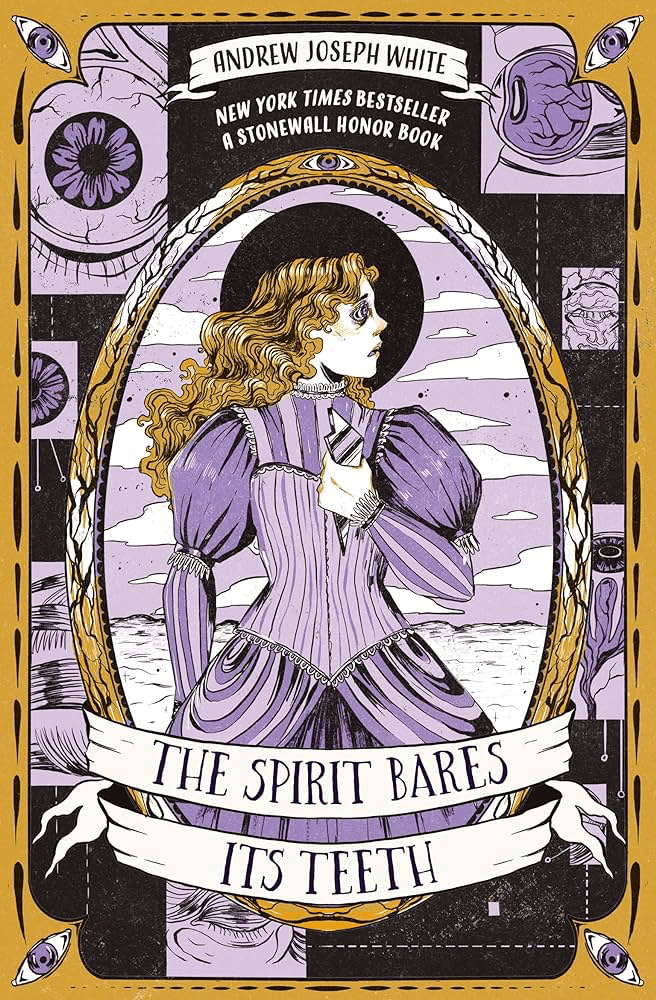
The Spirit Bares Its Teeth – Andrew Joseph Whitethe lyrics could match up with any number of books, but it’s the creaking, uneasy atmosphere that puts it squarely in this novel’s company.

“Driver” – Soccer Mommy

I’m so glad that Soccer Mommy has become a prominent enough artist that she has the means to do funny marketing campaigns, because whoever came up with the one for “Driver” had a stroke of genius. By calling a number that Sophie Allison posted, you could get a snippet of the track before it came out, followed by “how’s my driving?”-style call prompt. Maybe we are in an okay timeline.

Without a doubt, Sophie Allison has never been more sure of herself at the wheel. A departure from the expression of beauty in lingering grief that were the two lead singles, “Lost” and “M,” “Driver” presents a more lighthearted detour to the landscape of Evergreen. The backing guitars and effects have gained a grungier, grimier edge, but Allison’s sunshine puts them all in a dusty, golden light. As the guitars and drums thrum like gravel skipping across a dirt road, Allison turns her attention to the present loves of her life. You almost get the feeling that she’s slipping into the self-deprecation of her early career, but there’s nothing but affection for herself, but more in terms of her partner, who puts up with her “losing [her] concentration on every whim.” Allison presents herself as the more emotional, scatterbrained half of the couple, which her partner is playful about, but is also the one to ground her when she gets too far into her head with a reminder of “where are we going now?” She’s never completely blameless, but she’s full of nothing but love for her anchor that keeps her from veering off the path; it’s not like some of her earlier songs, like this would indicate that she’s in danger of slipping away entirely, but it’s an exercise in learning to rein yourself in—and find somebody who isn’t afraid to rest a hand on your shoulders and remind you where your feet are planted.

…AND A BOOK TO GO WITH IT:
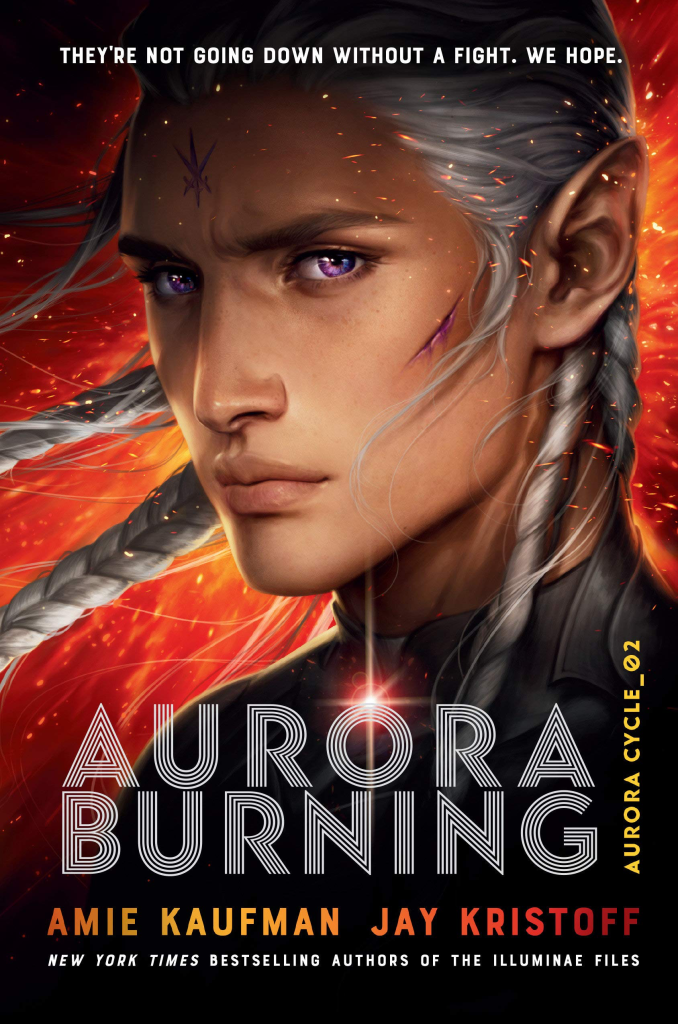
Aurora Burning (The Aurora Cycle, #2) – Amie Kaufman and Jay Kristoffnot to get all 2020 Madeline on you all, but…the Kalauri in this song…I’m gonna keel over…

“I’m a five foot four engine waiting to move/I’m a test of his patience with all that I do/‘Cause I’m hot and he stays cool, I don’t know why/But he puts up with my moods/And he makes me smile when he says/’Where are we going now?'”

“Bishop’s Robes” – Radiohead

The connection of inspiration between Radiohead and The Smiths never surprises me, but sometimes, with bands that inspire another, you find a single song that you know is the missing link in the evolutionary tree, the line of ancestry concretely delineating their music as kin. More specifically, it makes sense next to their cover of “The Headmaster Ritual,” though “Bishop’s Robes” takes a much more subdued turn.

Yorke’s raw lyricism thrives in both simplicity and complexity; he can weave any number of stories with denser, more prosey lyrics, but he knows just what kind of simple, unadorned phrases to stab you in the gut with. In this case, it’s the chorus, repeated like a shaky-voiced prayer in a dark corner: “I am not going back.” It becomes more of a reminder than a statement, as though to convince his brain that no, he’s not back in his pre-teen years under the reign of his “bastard Headmaster.” Volumes have been written about the horrors and abuse of the British education system back in the day (see: pretty much anything by Pink Floyd)—and some continuing into now, I would imagine—but what sets “Bishop’s Robes” apart is the mood. It might be more accurate to call it a lack, as the most overwhelming feeling you get from this track is not anger but numbness. There’s a resignation to it, weighing down the music, as though, even in adulthood, the experience has sapped him: Yorke doesn’t have the energy to fling insults along the lines of “spineless swines” or “belligerent ghouls” at his abusive childhood tormentors—all he can do is “bastard.” And it’s that eyebagged, forlorn crawl that sells the lasting effect it had on him. After years of unyielding discipline, I can imagine the fear of not raising your voice—a haunting presence that permeates every note of this track, constantly looking over its shoulder to guard innocent contraband that doesn’t exist.

…AND A BOOK TO GO WITH IT:
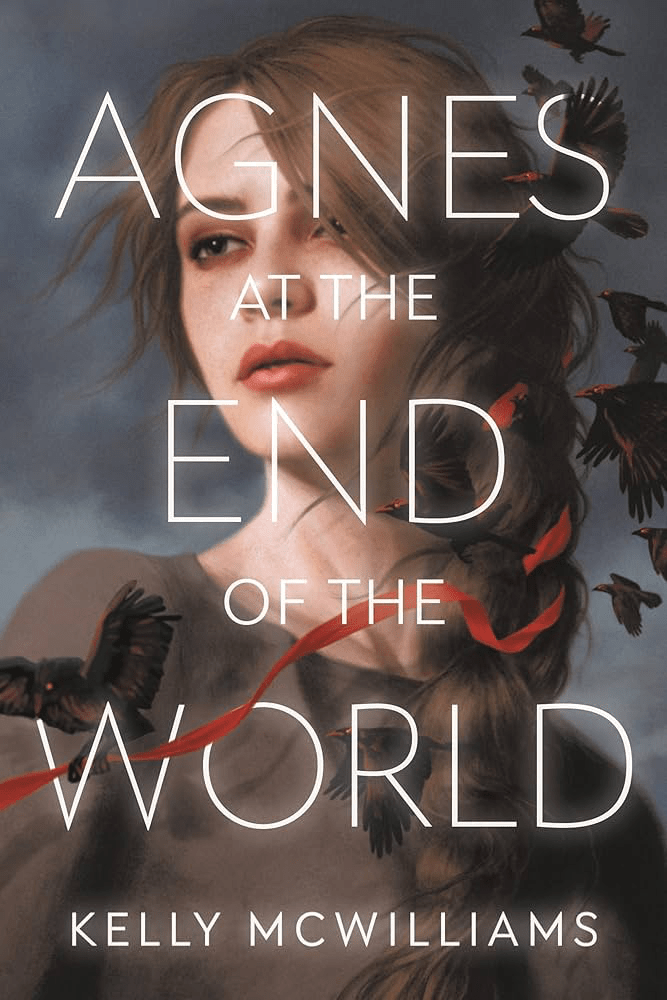
Agnes at the End of the World – Kelly McWilliamssecrecy, escape, and the horrors of a perverted version of Christianity in the hands of the wrong man.

Since this post consists entirely of songs, consider all of them to be today’s song.

That’s it for this week’s Sunday Songs! Have a wonderful rest of your day, and take care of yourselves!

Posted in Sunday Songs

Sunday Songs: 6/16/24

Happy Sunday, bibliophiles!

First off: happy Father’s Day to my incredible dad! Not only are you such a wonderful role model for being a genuinely kind, accepting, and truly empathetic person, you’ve given me the gift of sharing music—what these posts are all about. To be able to share music with you back brings me all the joy in the world. I love you.

This week: 🚨SOCCER MOMMY HAS COME TO SAVE THE SECOND HALF OF 2024, THIS IS NOT A DRILL🚨

Enjoy this week’s songs!

SUNDAY SONGS: 6/16/24

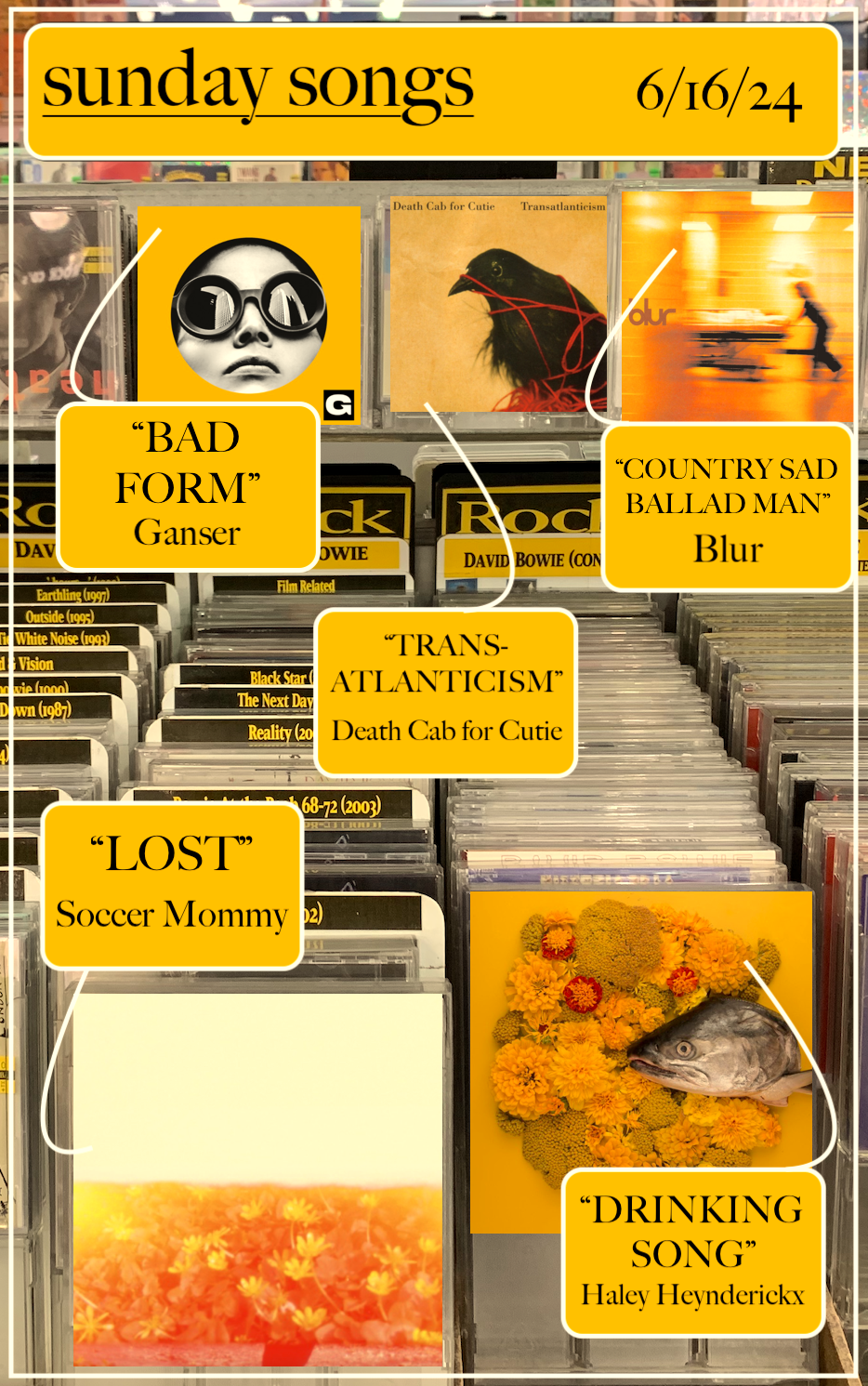
“Lost” – Soccer Mommy

SOCCER MOMMY RETURNS!!! Given the short tour (that’s nowhere near me……..no, I’m totally not mad, no way) that she’s currently embarking on to support some of this new material, there’s a fourth album (sixth, counting the self-released albums) on the horizon, and hopefully on a happier date. Poor thing. I still haven’t gotten over the fact that her last album, Sometimes, Forever, was unintentionally released on the day that Roe v. Wade was overturned. Jesus.

Something that I’ve admired over the years about Soccer Mommy is her willingness to experiment with her production. At their core, her songs have never changed their essence: honest, tender confessions of the trials of heartbreak, grief, and mental health. But the dressing is never the same twice, from color theory’s color-coded tonal shifts and synth-dusted melodies to the darker, more distorted soundscape of Sometimes, Forever. With the latter, Chelsea Wolfe wasn’t somebody that I’d readily compare to Soccer Mommy, but then she comes along with “Unholy Affliction,” and the comparison, at least on that track, is as clear as day. Just when you think she’s playing it safe, she comes out of nowhere with instrumentation that you’d never imagine attributed to her name—and almost every time, it still feels like nothing but Sophie Allison. There’s a boldness to her that’s rare in the genre; there is an expectation of sameness in the kind of indie circles she’s in, an expectation to box yourself into the image that the record label deems as “authentic” in order to stay in their good graces—and the good graces of fans who cling to their raw lyrics. Julien Baker, although her first two albums adhered to that, took a similar leap with Little Oblivions, and that, for me, was her best album to date.

But Soccer Mommy can’t help but be herself. “Lost” strays nearer to some of her sparer, more traditionally indie roots, but with production that feels spun from silk; inside of the glowing cocoon where Allison resides, threads of synth, birdsong, and yearning strings coalesce in what can only be described as the musical form of a grainy polaroid, a sunset tinged with ink, film, and bygone memories. Bygone memories, like much of her other material, is at the core of “Lost,” specifically bygone memories of those bygone. Given the trajectory of “yellow is the color of her eyes,” some have speculated that “Lost” is about her mother’s death, although Allison has chosen to not disclose the subject. whatever the case, I’m glad that Soccer Mommy doesn’t have the kind of rabid Swiftie fanbase that would relentlessly strip away at the press and at Allison herself to get to the bottom of who she’s mourning, because…that’s her own business, dammit. I’m glad us…whatever Soccer Mommy fans are called (does this fanbase have a name?) have the heart to give a human being space to breathe, because, judging from the lyrics (and all of color theory, frankly), Allison needs it. “Lost” distills grief in the truths of the cliche that every movie seems to repeat about grief: “I wish I’d had more time.” Most media leans on that universal kernel to hold the weight of such a complex, unmappable sensation, but Allison scratches at its heart; her grief rests not just in tangible objects, but in the reminders of the time never spent: “I’ve got a way/Of keeping her with me where I go/But how she feels, I’ll never know/It’s lost to me.” The pain of this track is in the insurmountable truth of never being able to fully know a person; of course you can never fully, truly know a person beyond yourself, but grief exacerbates that unsurmountable summit—even if you tell yourself that you could be a cartographer of a brain outside your own, that chance has all but slipped through your fingers. Grief has unrealistic expectations of you; in its throes, it tells you that you could have made up for all of the missed regrets in your lifetime, and that’s half of the knife in your gut. Half of the pain isn’t what didn’t happen, but what can’t happen, even in the alternate reality it presents. When she repeats “If I had another chance/I’d ask her then,” it doesn’t feel like a throwaway from a stale funeral in the MCU—it feels like the testimony of something still putting down the compass and fountain pen, knowing that this expedition was doomed from the start.

So, what, you ask, might us sad girls do while we wait for Soccer Mommy’s fourth LP, which will inevitably destroy us? Watch Allison and fellow storied sad girl Phoebe Bridgers unite to cover Elliott Smith:

…AND A BOOK TO GO WITH IT:

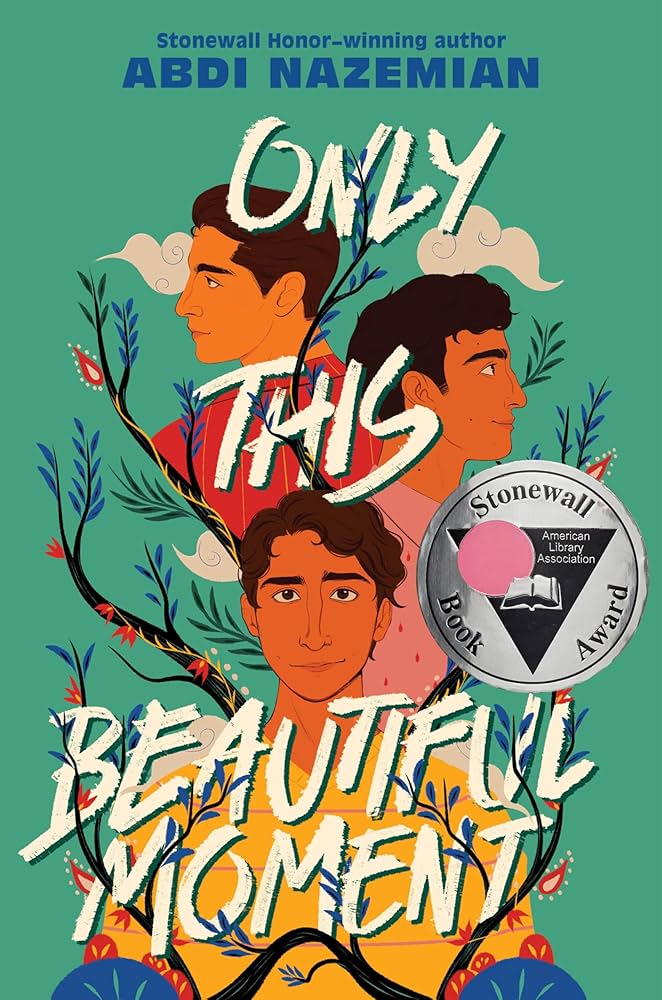
Only This Beautiful Moment – Abdi Nazemianbreaching generational lines to form an understanding of heritage, sexuality, and family.

“Drinking Song” – Haley Heynderickx

Contrary to the song title, Haley Heynderickx is (probably) not responsible for the kind of song that old men will sing in a pub while drunk for generations to come. I mean, that could be a possibility in some alternate universe. I’d like to see that. It’d make for an odd movie scene—nothing about this universe has changed, but instead of old Irish ballads, there’s a pub full of swaying people singing late-2010’s indie rock.

With a title like “Drinking Song,” I fully expected this song to be the prequel to “Oom Sha La La,” a telling of the period where “The milk [was] sour/I’ve barely been to college/And I’ve been doubtful/Of all that I have dreamed of.” Contrary to that, “Drinking Song” is a soft-spoken but resolute declaration of hope, delivered out a summer window while the crickets sing. Any darkness is the shroud of night, and all of the stars seem to bear witness to a constitution of better days to come: “And the edge of the world makes it seem/That everyone gone is still singing the same song/And I can believe in these things/That everyone’s singing along/The good and the bad and the gone.” There’s a kind of childlike optimism to the openness of Heynderickx’s declaration, but one with roots strong enough to hold it; with each repetition of “there’s a light at the end that I know,” that glow, like The Great Gatsby’s green light, pulses with more intensity with each incantation, until it becomes a portal to better times. It’s the opposite of negative overthinking; this song overflows with future vignettes of new cities to explore and new lovers to embrace, all held within the space of the back of your mind. “Drinking Song” is a snow globe containing every good future—all is too small to comprehend in the here and now, but with a little luck, you can hold them in your hands and watch them unfold before you.

…AND A BOOK TO GO WITH IT:

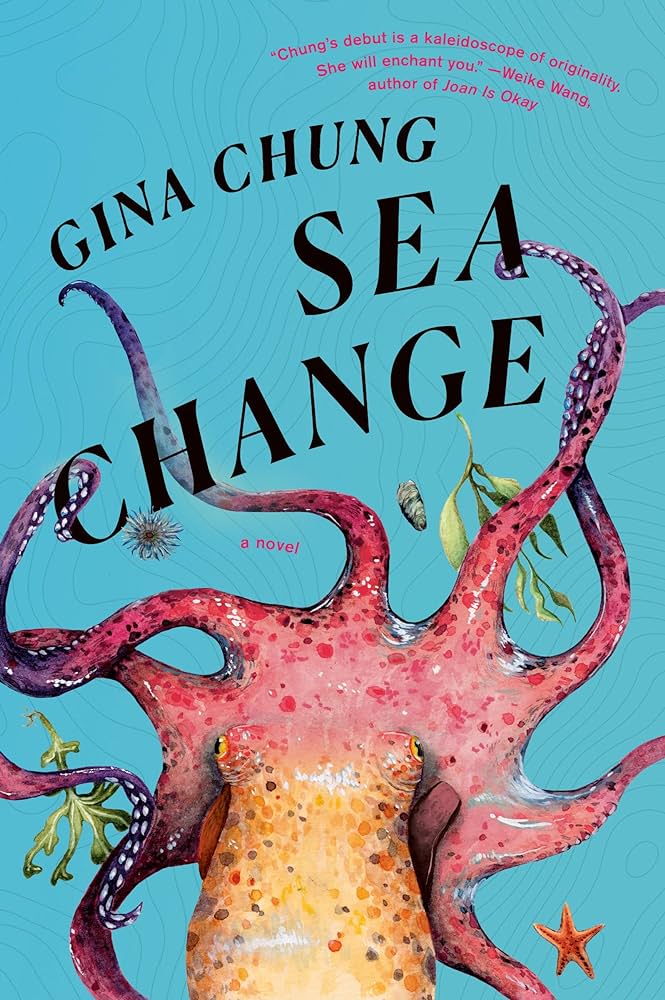
Sea Change – Gina Chungholding onto hope in a time of lovelessness and isolation.

“Bad Form” – Ganser

I like plenty of bands and artists whose catalogue consists of one or two songs tops (see: Wet Leg, Suki Waterhouse, etc.). What distinguishes said bands, for me, is that they’ve made a career out of making those two songs worth your time—they may only be two songs, but they play them well. Sure, “I Just Threw Out the Love of My Dreams” may be one of Weezer’s one, maybe two songs (and even that’s generous), but it’s such a bright and shining piece of machinery that you can’t help but gaze at said one song and know that, yeah, it may be the same song they’ve been peddling since 1994, but it’s one fantastic song.

The more I listen to Ganser, the more I realize that they fall into that camp. I hate to say that every time, but like I said, it’s not always an insult. Although they do have a good amount of deviation here and there, most of Just Look At That Sky, as much as I enjoyed it, is the same three off-kilter, drawled post-punk songs about being numb, exhausted, and angry, or some combination of the three. They’ve got a brand. Ganser, for me, stands out in that their three songs sound different enough from any given song that you can excuse them for relative lack of variety. None of their chords ever align pleasantly—it’s abrasive, grating, and honestly? Fun. As with “People Watching” (which I reviewed at the beginning of the month), Ganser makes the kind of punk that’s aware of how punk it sounds, and they lean into every inch of theatricality with their bleary-eyed drawls and itchy, buzz-saw guitar riffs, fuzzy and stinging like staring straight at the sun—just as like the climax of “Bad Form.” Ganser is a band that’s not afraid to make music that scratches your skin like un-filed, bitten nails, and if that’s their three songs, then three cheers for making three songs that are bold enough to sound unappealing.

…AND A BOOK TO GO WITH IT:

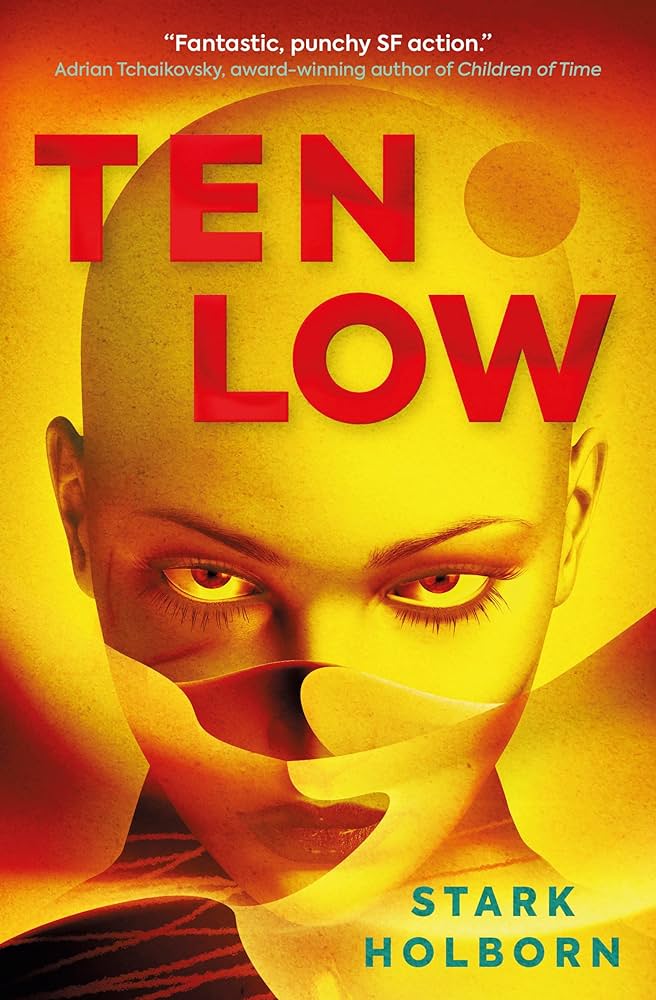
Ten Low (The Facts Sequence, #1) – Stark Holborn“I’m the other man/I’ll take the medicine/The room spins like a feather/Folding over and over…”

“Transatlanticism” – Death Cab for Cutie

I was first introduced to “Transatlanticism” when I was about 12 or 13. A few months after the first listen (and being irreparably entranced), I had an internship at a local flower shop, where the owner had Sirius XMU playing. This song came on at some point, and I’ll never forget the deeply concerned look she gave me when I told her, in the most 13-year-old way possible, how much I “loooooooooooved” this song. She was entirely justified.

Another thing that music criticism does that I’ve never understood: categorizing Death Cab for Cutie as emo. If I suspend my disbelief enough, I can see the basis being in the whine in Ben Gibbard’s voice, especially when he performs live, and the dramatic emotion is there, but…in what world does Death Cab for Cutie belong in the same breath as My Chemical Romance? Really? I could almost see them being the middle ground between emo and indie, with some of the lingering whine and drama, but the key with selling drama is what has always lost me with most emo music: it actually feels authentic. Never once does Gibbard sound like a suburban teenage boy who’s just discovered heartbreak and black eyeliner in one fell swoop. The whine, although it can fit into some of said teenage boy sensibilities (see: “We Looked Like Giants”), just seems more of a product of Gibbard’s natural range than it does a forced vehicle for airbrushed angst.

In theory, “Transatlanticism” fails my test of withstanding a long song; most of the time, in order for a long song to hold enough water past around the six minute mark, there has to be at least some sort of shift, whether that’s tonal, lyrical, or instrumental; it’s why “Cop Shoot Cop” by Spiritualized really feels like it’s over 17 minutes long, with its largely extended sleepwalk of monotony, whereas Nina Simone’s ten minute epic “Sinnerman” has the fervor and gusto, as well as an act structure similar to classical pieces, is a nail-biting journey that never lets go of your shirt collar. (To be fair to J. Spaceman, my guess is that the tedium is the intended effect, seeing as it’s about how his heroin addiction all but made him into a dead man walking. Knowing him, it’s fully intentional.) However, there’s songs like Blur’s “Tender”—nearly eight minutes long and without much change—that have the pure, undiluted heart to keep its sails billowing. You feel everything—it’s an IV drip straight through to the sparest, most instinctual emotions, heart-wrenching in its delicately-crafted simplicity. “Transatlanticism” takes a trick out of that same book; until the last third, all that accompanies Gibbard’s thinning, tender lament is about four piano chords, played over and over with a purposeful negative space between them. Come to think of it, negative space is exactly why “Transatlanticism” works so well. Transatlanticism as a whole is a concept album about long-distance relationships, and even without the lyrics, crushing as they are, you can sense the abyssal gulf cutting down the middle of this song. At the four-minute mark, after Gibbard has finished with the first repetition of “I need you so much closer,” a full minute passes of a single, instrumental strain: those same four chords, a spare guitar lick, and tiny tendrils of synth that faintly moan and rattle like dying machinery, as if trying to conceal their death rattles without bothering anyone. Transatlancism was aided with Brian Eno’s Oblique Strategies cards, and I wouldn’t be surprised if they drew the same cards that produced Bowie’s “Sense of Doubt”—”emphasize difference” and “try to make everything as similar as possible.”

The difference, in this case, is a shift in lyrical style; It’s all but silent compared to the lyrics in the first half, but that silence conveys the feeling of separation, of having a strand of your soul stretched across an ocean and not being able to see who’s on the other shore, just as heartbreakingly as words do. After Gibbard’s lament (“The rhythm of my footsteps crossing flatlands to your door/Have been silenced forevermore/The distance is quite simply much too far for me to row/It seems farther than ever before”), the exhaustion of sorrow leaves you with no strength to do anything but stare into the canyon wrought by distance, too far to even touch fingertips over. Simplicity is what kills me about this song; after that instrumental break, Gibbard repeats the “I need you so much closer” refrain, only to transform it to “I need you so much closer…so come on.” When all of the poetry’s drained, sometimes the most sparing lyricism destroys me. The ocean has spread its impossible distance before you, and all you can do is stare as far as you can, towards the bottom, with only the most baseline instincts of longing to keep you company. It’s such an artful buildup and approach to portraying such deep yearning—you feel that negative space as a tangible barrier. See what I mean about Death Cab for Cutie making their angst authentic? “Transatlanticism” hits me like a goddamn steam train every time without fail. Ow, dude, who kidnapped me and abandoned me in the onion-cutting factory?

…AND A BOOK TO GO WITH IT:

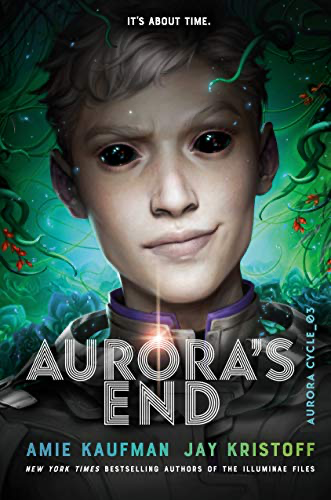
Aurora’s End (The Aurora Cycle, #3) – Amie Kaufman & Jay Kristoffow oof ow ouchie ow ow ow somebody hold me

“Country Sad Ballad Man” – Blur

And now, “Song 3.”

Blur’s self-titled album [slides Anthony Fantano glasses up bridge of nose] is an exercise in becoming the very thing you swore to destroy. After years of being right smack in the middle of the spotlight, participating in a manufactured battle of the bands, and pushing their mutual abuse of multiple substances to the edge, the band collectively decided that a change needed to be made. They packed their bags, temporarily relocated to Iceland, and hammered out a new album. The result was Blur, which had a much dingier, edgier, and altogether harder sound, with a lead single that famously parodied grunge, but then…circled around to being a smash success and an enduring stadium classic. That’s another story. (I’ll give you a hint: wooooooooohoo!) Yet, as much as they poked fun at American grunge, in all of its nihilistic, self-deprecating time in the sun, they slipped straight into the lifestyle, shedding their Britpop gloss for aggressive, alternative guitar, stubble, and, to the detriment of the whole band, excessive abuse of alcohol and heroin (see: “Beetlebum”).

Though the drug use is lamentable (to say the least), as all of the band members now agree, it was their mutual exhaustion and anger at being put through the British media meat grinder that allowed for such a hard—and delicious—left turn. On the verge of snapping, the band decided to put Parklife behind them and get grungy. It was bound to happen eventually, what with Graham Coxon’s adoration for the American alternative scene and the guitar sounds they were producing (should’ve listened to him earlier on that one…). Blur is all but absent of a bad track, crashing with the equivalent of a drum set tossed through a window one minute (“Chinese Bombs”) and slipping into acoustic melancholia in the next (“You’re So Great”). But “Country Sad Ballad Man,” for me, is a highlight I find myself sniffing out every six months or so. With one of the drier and more self-explanatory titles, this track feels like food left to rot out in a heatwave, festering and twangy. Every other lyric finds Damon Albarn stretching his voice into a creaky, scratching highs, as though mocking his own state of lying squarely at rock-bottom: “I haven’t felt my legs/Since the summer/And I don’t call my friends/Forgot their numbers.” The strings on Alex James’ upright bass come loose and unsteady, as though a few more takes of this song would’ve seen them snap off and collapse on the floor. Graham Coxon relishes in the alternative aggression that Britpop never fully allowed for, twisting riffs that seem to languish like drooping eyelids, dripping sweat and numbness. But the real freakout, one that must have been canned and compressed for ages, explodes in a vomit of wobbly distortion and screeching falsetto. It’s a vertigo-inducing outro that caves in like the mold-rotted roof of a wooden house, shattering in a hail of splinters and nails. In all of its spring-plucking chaos, there’s really no other lyric that fits it than Albarn’s self-aggrandizing, high-pitched screech of “I’ve done and fucked it!” yelled straight up from the well of rock bottom.

…AND A BOOK TO GO WITH IT:

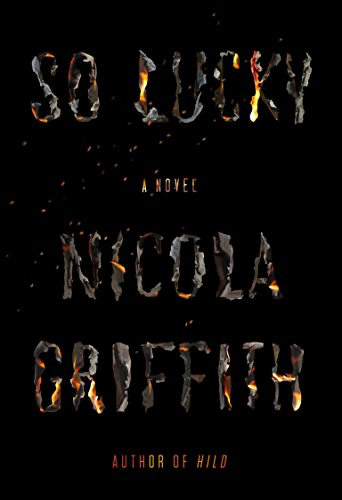
So Lucky – Nicola Griffith“Yeah, I found nowhere/It got to know me…”

Since this post consists entirely of songs, consider all of them to be today’s song.

That’s it for this week’s Sunday Songs! Have a wonderful rest of your day, and take care of yourselves!
Posted in Books, Down the TBR Hole

Down the TBR Hole 2: Electric Boogaloo

So many (thousands) of books, piled up for so many years, and so little time…

My TBR will need some routine cleaning for a long time to come, so expect these posts frequently. 😉

The Rules

  • 1. Go to your Goodreads To-Read shelf
  •  2. Order on ascending date added.
  •  3. Take the first 5 (or 10 if you’re feeling adventurous) books.
  •  4. Read the synopsis of the books.
  •  5. Time to Decide: keep it or should it go


Here goes nothin’…


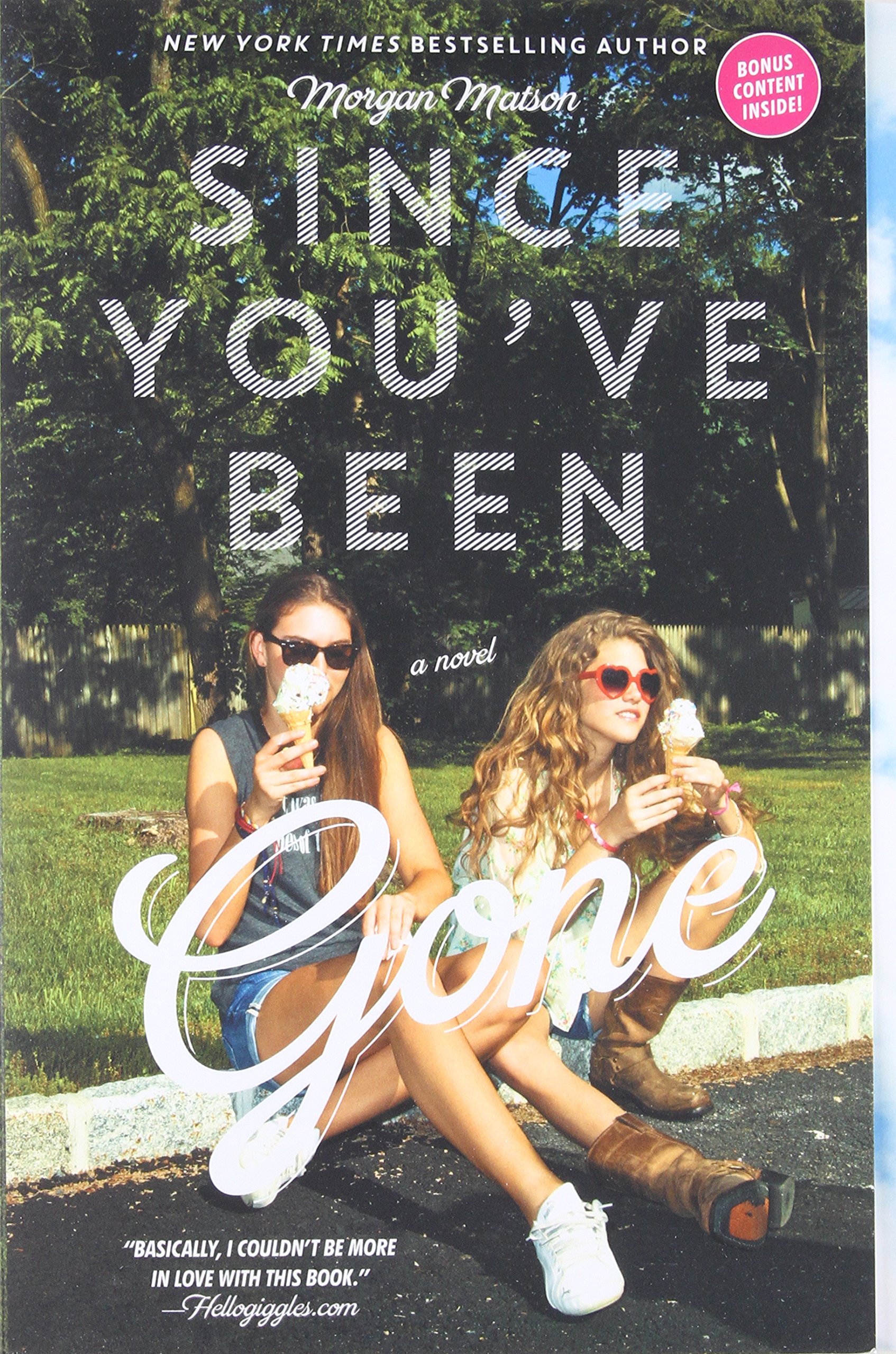
1. Since You’ve Been Gone, Morgan Matson

Image result for since you've been gone book

Blurb from Goodreads:

It was Sloane who yanked Emily out of her shell and made life 100% interesting. But right before what should have been the most epic summer, Sloane just…disappears. All she leaves behind is a to-do list.

On it, thirteen Sloane-inspired tasks that Emily would normally never try. But what if they could bring her best friend back?

Apple picking at night? Okay, easy enough.

Dance until dawn? Sure. Why not?

Kiss a stranger? Um…

Emily now has this unexpected summer, and the help of Frank Porter (totally unexpected), to check things off Sloane’s list. Who knows what she’ll find?

Go skinny-dipping? Wait…what?


Hmm. This sort of “disappearing and/or dead friend leaves behind a massive bucket list” trope is starting to become far more prevalent in YA, but this one looks cute enough. Fluffy, but I think I’d enjoy it.

VERDICT: KEEP


2. Departure Time, Truus Matti

Image result for departure time truus matti

Blurb from Goodreads:

A run-down hotel on a bare plain: the only hiding place for a girl in the rain. Once inside, a fox offers her a chair. A suspicious rat acts like he has met her before. But she can’t remember anything. Not even her own name…. At the hotel she finds more questions than answers. She hears piano music, but can’t find the piano. And what about the pieces of paper flying around the plain? While she tries to mend these pieces together, the pieces in her mind start to come together as well. And then she remembers the question she really wants to be answered. DEPARTURE TIME is an amazing journey of a girl in two stories. There is the girl in the hotel with the fox and the rat. And there is the girl with a father who travels a lot and who suggests to write a story together. A story about talking animals. But she doesn’t want to. She is angry with him, because he can’t make her birthday in time. Again. The two stories slowly start to intertwine and come together in a surprising ending.

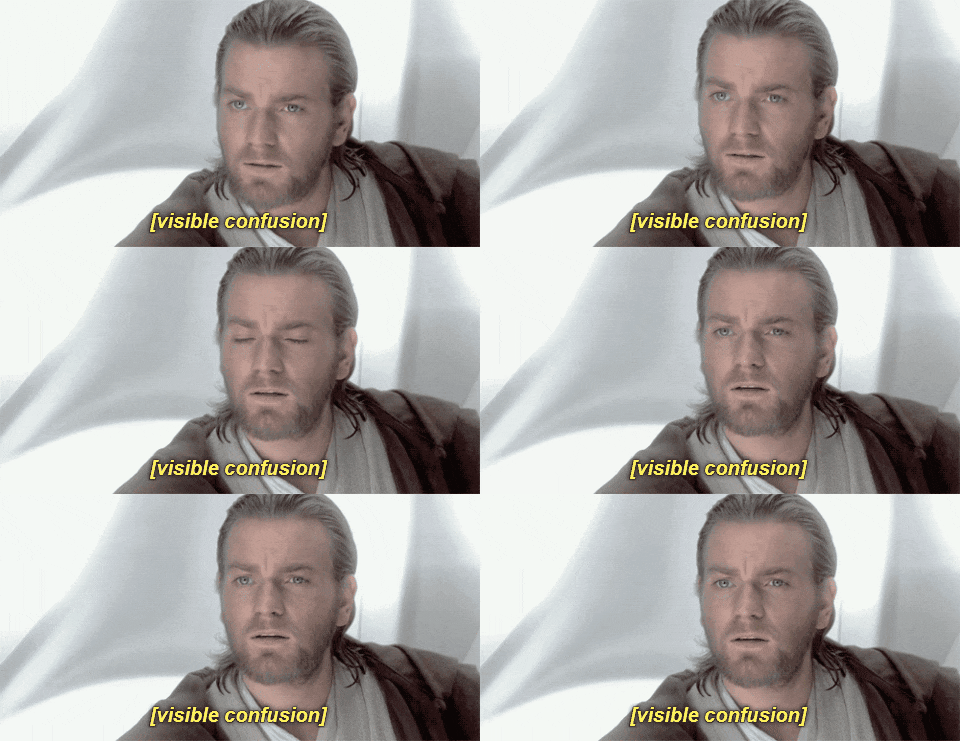
Image result for visible confusion gif

I’m all for whimsical stories, but just from the synopsis alone, this one…what? What? I…what’s supposed to be going on?

VERDICT: LET GO


3. Mortlock, Jon Mayhew

Image result for mortlock jon mayhew

Blurb from Goodreads:

The sister is a knife-thrower in a magician’s stage act, the brother an undertaker’s assistant. Neither orphan knows of the other’s existence. Until, that is, three terrible aunts descend on the girl’s house and imprison her guardian, the Great Cardamom. His dying act is to pass the girl a note with clues to the secret he carries to his grave.

Huh. That’s a rather short description. I think I’d need more information if I’d want to read it. I get it, synopses are supposed to hook you without giving the plot/big reveal away, but…I need more than four sentences, please…

VERDICT: LET GO


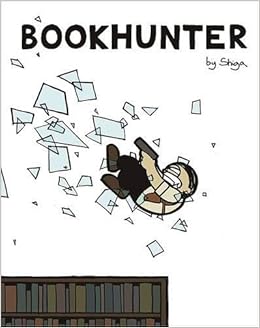
4. Bookhunter, Jason Shiga

Image result for bookhunter jason shiga

Blurb from Goodreads:

Ripped from today’s headlines, Bookhunter fires off and you can’t quit reading. The excitement is fulfilling. The year is 1973. A priceless book has been stolen from the Oakland Public Library. A crack team of Bookhunters (aka. library police) have less than three days to recover the stolen item. It’s a race against the clock as our heroes use every tool in their arsenal of library equipment to find the book and the mastermind who stole it.


Okay, as someone who has practically grown up in my local library (and now volunteers in it), this sounds like an absolute riot. 

VERDICT: KEEP


5. Black Bead (Black Bead Chronicles, #1), J.D. Lakey

Image result for black bead jd lakey

Blurb from Goodreads: 

On a savage, outlying planet an enclave of psionically-trained humans have built a utopian, matriarchal society that lives in harmony with all life. Leaving behind the polluted and corrupt world in which they lived, they colonized a new home far from the eyes of the galactic empire. Shielded from the rest of the galaxy by the dangerous beasts that inhabit their lush, forested world, the village lives a simple life under their Home Dome. But their goal was more than just to live in peace – they wanted to create the perfect human who could bring peace to the galaxy. Rather than merely cloning themselves, they began to manipulate genes in order to create a race of mutants with enhanced telepathic powers. Under the direction of the ruling coven, each child of the Windfall Dome is tested at a young age to asses their abilities – a test which is can plot the course for the rest of their lives. Unfortunately, Cheobawn – the daughter of the ruling First Mother to the dome – is marked with the Black Bead on her Choosing Day, a symbol of bad luck and shame. It seems the child the village had placed so much hope in would not be the future ruler they had hoped for. Yet there is something powerful about her that the elders don’t understand. Finally of age, Cheobawn is chosen to join a pack to act as the psychic Ear on a foraging mission outside the dome. She knows this is her chance to prove herself. But something sinister stalks them and each member of the pack must draw on their unique strengths and a lifetime of training if they want to survive to see another day. In her visionary new series, The Black Bead Chronicles, author J.D. Lakey invites you to journey along with Cheobawn, Megan, Tam, Connor, and Alain as they use their wits and their Luck to unravel the mysteries of the deceptively bucolic life beneath the dome in this coming of age metaphysical science fiction adventure.

wHEW, I guess I’ve just witnessed both ends of a delicate spectrum. Mortlock’s synopsis was itty-bitty, but this was an overflowing bucket of info-dumping…

Image result for exhausted gif

And even after all that, I’m still not interested in reading it anymore…

VERDICT: LET GO


6. Saving Montgomery Sole, Mariko Tamaki

Image result for saving montgomery sole

Blurb from Goodreads:

In sight not see
black light not be

This is the curious instruction that comes with the Eye of Know, the possibly powerful crystal amulet that Montgomery Sole buys online for $5.99. It’s also the next topic of discussion at Mystery Club (members: Monty and her two best friends, Thomas and Naoki), dedicated to the exploration of the strange and unexplained.

When Monty wears the Eye of Know, strange things happen, all targeted at people she despises. Maybe it will help Monty take down her newest enemy, a preacher who has come to save her town from so-called sinners—sinners like Monty’s moms. Or will its mysterious powers mean the end of the friendships Monty cherishes most?


Ooh! Spooky crystals, misfit friend groups, and LGBT themes? Count me in!

VERDICT: KEEP


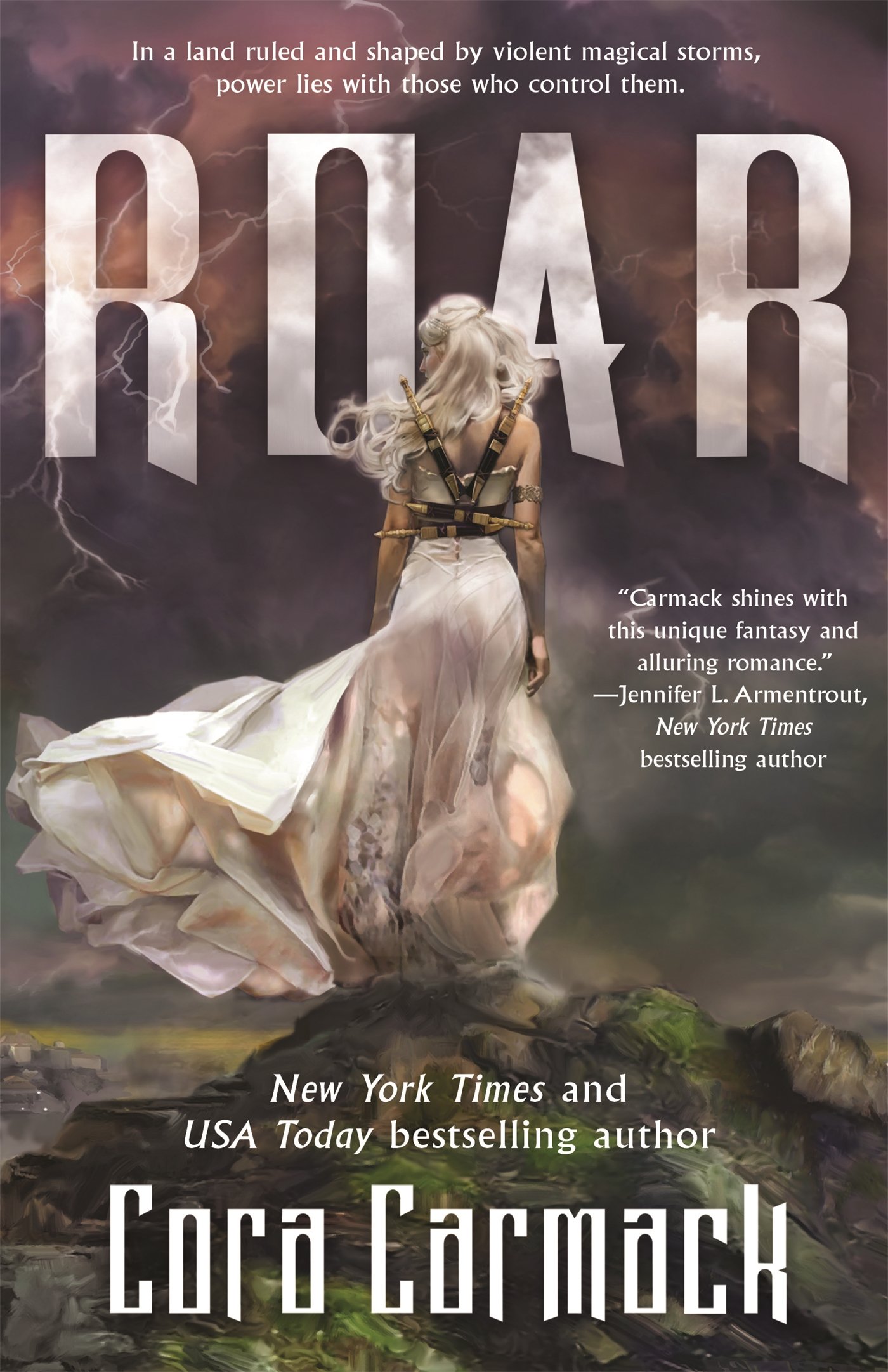
7. Roar (Stormheart, #1), Cora Carmack

Image result for roar stormheart

Blurb from Goodreads:

In a land ruled and shaped by violent magical storms, power lies with those who control them.

Aurora Pavan comes from one of the oldest Stormling families in existence. Long ago, the ungifted pledged fealty and service to her family in exchange for safe haven, and a kingdom was carved out from the wildlands and sustained by magic capable of repelling the world’s deadliest foes. As the sole heir of Pavan, Aurora’s been groomed to be the perfect queen. She’s intelligent and brave and honorable. But she’s yet to show any trace of the magic she’ll need to protect her people.

To keep her secret and save her crown, Aurora’s mother arranges for her to marry a dark and brooding Stormling prince from another kingdom. At first, the prince seems like the perfect solution to all her problems. He’ll guarantee her spot as the next queen and be the champion her people need to remain safe. But the more secrets Aurora uncovers about him, the more a future with him frightens her. When she dons a disguise and sneaks out of the palace one night to spy on him, she stumbles upon a black market dealing in the very thing she lacks—storm magic. And the people selling it? They’re not Stormlings. They’re storm hunters.

Legend says that her ancestors first gained their magic by facing a storm and stealing part of its essence. And when a handsome young storm hunter reveals he was born without magic, but possesses it now, Aurora realizes there’s a third option for her future besides ruin or marriage.

She might not have magic now, but she can steal it if she’s brave enough.

Challenge a tempest. Survive it. And you become its master.

A fantasy with a female lead who can control the weather? I’M IN. SIGN ME UP.

Related image

VERDICT: KEEP


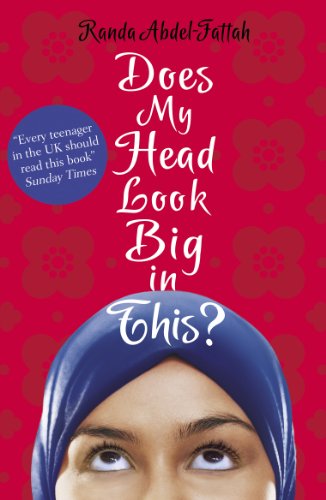
8. Does My Head Look Big in This?, Randa Abdel-Fattah

Image result for does my head look big in this book

Blurb from Goodreads:

When sixteen-year-old Amal decides to wear the hijab full-time, her entire world changes, all because of a piece of cloth…

Sixteen-year-old Amal makes the decision to start wearing the hijab full-time and everyone has a reaction. Her parents, her teachers, her friends, people on the street. But she stands by her decision to embrace her faith and all that it is, even if it does make her a little different from everyone else.

Can she handle the taunts of “towel head,” the prejudice of her classmates, and still attract the cutest boy in school? Brilliantly funny and poignant, Randa Abdel-Fattah’s debut novel will strike a chord in all teenage readers, no matter what their beliefs.

In literature, especially YA, it’s great to have diverse fiction, but it doesn’t always have to be so serious. Having unique experiences shouldn’t always be looked upon an angsty light (though sometimes it needs to be); let’s have some cuter stuff in there, too! Does My Head Look Big in This? seems a bit on the light side, and I’m 100% for it.

VERDICT: KEEP


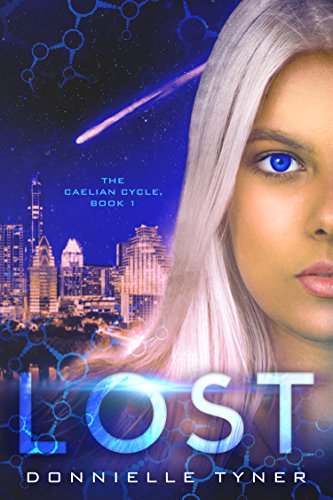
9. Lost (The Caelian Cycle, #1), Donnielle Tyner

Image result for lost the caelian cycle

Blurb from Goodreads: 

In the final days of WWI, a meteor crashed into Earth, releasing a mist that forever changed the DNA of all exposed.  One hundred years later, humanity is divided between Norms, and Caelians, whose mutated DNA awakened dormant Talents. Hated by many Norms who are jealous of their powerful Talents, Caelians strive to find safety in an often-hostile world.

This is Sadie’s world. Orphaned at birth, Sadie is the only Caelian at St. Vincent’s without a Talent.  Her already lonely life at the orphanage is shattered when her boyfriend is murdered- the victim of an anti-Caelian hate crime. Struggling to find her place in the world, Sadie meets Kian, a fellow Caelian whose very presence makes her feel strangely alive.

As Sadie begins to uncover the secrets of her past, her rare latent Talent is exposed and she finds herself on the run with Kian and her friends, hunted by a dangerous egomaniac determined to use her power to establish Caelian dominance. Sadie faces a choice: hide and stay lost, or accept her new reality and fight.

Seems like a somewhat intriguing metaphor for the prejudice against minorities, but beyond that, it seems like it’s gonna be riddled with cliches.

VERDICT: LET GO


10. Out of the Dark (Five, #1), Holli Anderson

Image result for out of the dark holli anderson

Blurb from Goodreads:

Five teenagers who’ve recently discovered they have magical powers and are living in the Seattle underground feel it’s their responsibility to protect unsuspecting humans from otherworldly foes. Things are going well until Johnathan, their unofficial leader and the boy sixteen year old Paige is in love with, is bitten by a changeling – the venomous saliva causing him to metamorphose into a ravening beast with each full moon. Paige vows that, no matter the cost, she will find a way to cure Johnathan of the evil that has embedded itself in his soul.

Johnathan’s monthly transformation and daily personality roller coaster isn’t the only problem they have to deal with. The Five are also gearing up to face their toughest and most dangerous enemy yet—a powerful and ruthless Warlock who will go to any means, including high school, to build his Dark Army.

Oof…

The more I look at the blurb, the angrier I get…starting with: WHO SPELLS JONATHAN LIKE THAT? Ah, yes, he is clearly Not Like the Others…

And I know I shouldn’t judge a book by its cover, but man…there is no…diversity…whatsoever…and there’s an alternate edition where there’s just two of them kissing in the middle of the wasteland while the other three just stand there awkwardly.

Nope.

VERDICT: LET GO


RESULTS: 

Books kept: 5

Books let go: 5

Now I have permission to use this gif…

Image result for perfectly balanced as all things should be gif

Image result for a job well done gif

More successful than my first trip down the TBR hole, I’d say! Weeded out a few books, and discovered a few that I’d forgotten about entirely. [pats self on the back]


That just about wraps up this post! Since I already posted a song on this week’s Goodreads Monday, I won’t put another one here today. Have a nice day, and stay tuned for more content later in the week!

thank you for reading.jpg