Posted in Book Review Tuesday

Book Review Tuesday (6/10/25) – When the Tides Held the Moon

Happy Tuesday, bibliophiles!

I found this novel in an Instagram post about upcoming queer releases in 2025, and this one immediately caught my eye. You put a comparison to The Shape of Water in the tagline, and you bet I’m in. (If anything, it’s right between The Shape of Water and Nightmare Alley, given the setting.) Venessa Vida Kelley has delivered a vibrant and sensitive story of queer love and solidarity amongst weirdos.

Enjoy this week’s review!

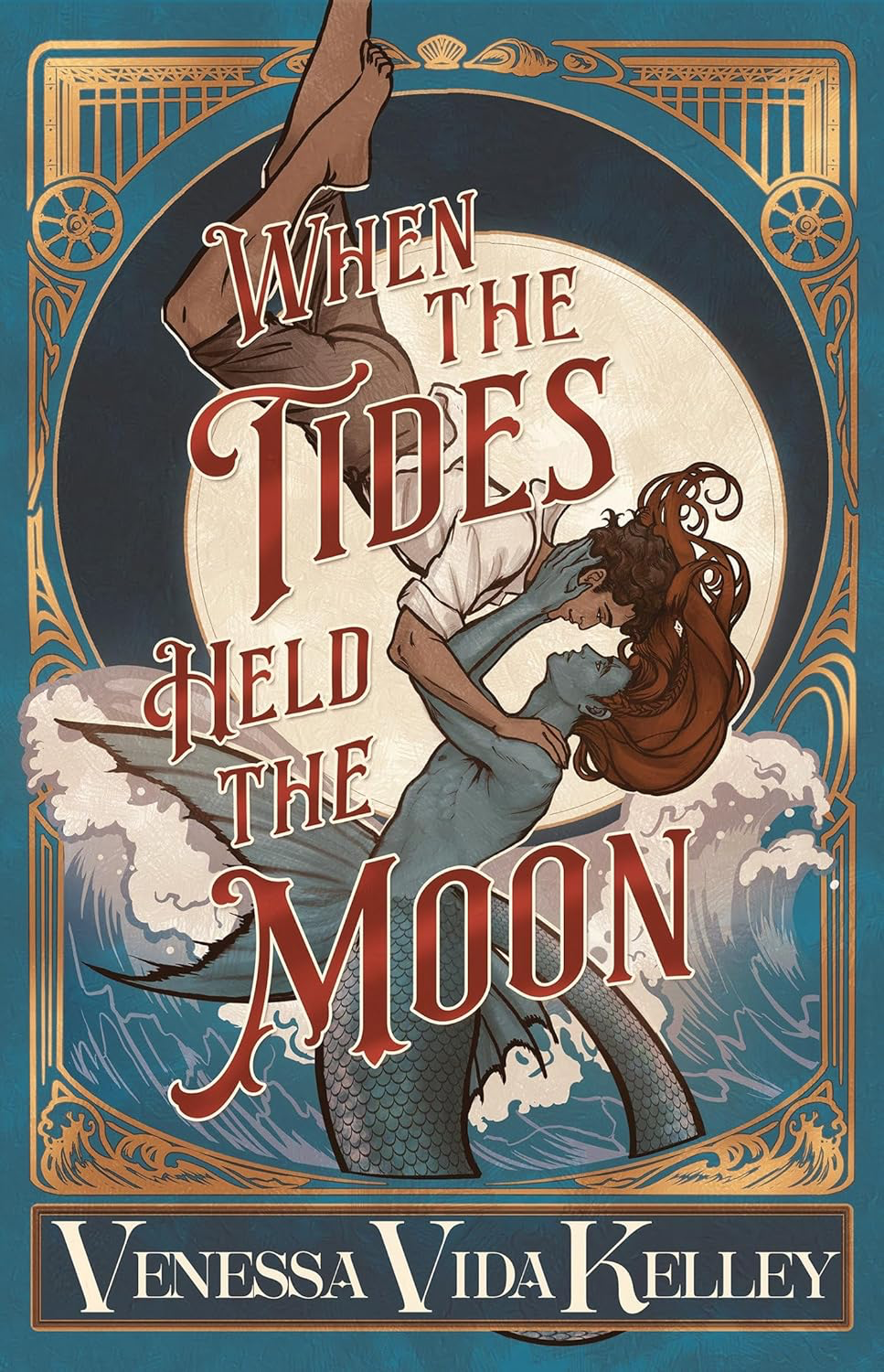
When the Tides Held the Moon – Venessa Vida Kelley

Orphaned and far from his homeland of Puerto Rico, Benny Caldera makes a living as an ironworker in 1910’s New York City, barely scraping together enough to stay afloat and out of reach of the taunts of his white coworkers. But when Sam Morgan, the owner of a sideshow, notices his handiwork, he commissions a strange project for him: a tank whose contents are unknown to him. Benny takes the opportunity for a new job, and finds an unexpected family in the sideshow’s performers. He soon finds out that the tank holds an impossible marvel: a captured merman. As Benny gains the merman’s trust, he finds himself drawn to him—and the merman to him. But when Morgan’s abuse to the merman turns deadly and the sideshow begins to crumble, it’s up to Benny to hatch a plan to save them all.

TW/CW: racism, homophobia, abuse (emotional and physical), violence, blood, ableism, xenophobia, mentions of sexual assault (off-page)

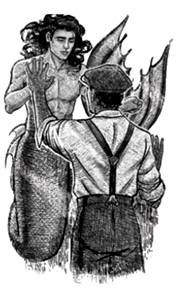
art by Venessa Vida Kelley

I may be a somewhat critical consumer, but listen…you dangle a comparison to The Shape of Water in front of me like a carrot, and goddamnit, I’m eating it right up. God forbid that a weird girlie such as myself consume even more media about found family, fish people, and the nature of marginalization!! That being said, nothing comes close to The Shape of Water, but that’s not the book’s fault. When the Tides Held the Moon is a beautiful novel in all of its parts.

When the Tides Held the Moon boasts a vibrant cast of characters, and it really felt like a feat for Kelley to balance all of them and still give them unique and complementary personalities. Besides Benny and Río, the cast is mostly rounded out by the fellow performers in the sideshow, of which there are many. Yet out of the nine (I think?) primary side characters, none of them ever felt like an afterthought. Each of them were not only rounded out, but had such thoughtfully planned interactions with all of the other characters—sometimes clashing, and sometimes meshing perfectly. There were individual romances and special friendships between the nine of them, but they were a shining example of found family done well. Despite their individual differences, their solidarity and kinship shone through on the page, making for a narrative that had no shortage of tenderness and heart.

The romance between Benny and Río shone in When the Tides Held the Moon. There was such a tenderness to both of them that gave the novel so much of its heart. I’m always a sucker for narratives about two outsiders falling in love, but I love the ways that their separate senses of outsiderness intertwined; they shared music, stories, and tales of their respective homelands. The slow burn romance was paced well, and never felt rushed. I do feel like the ending was a tad bit too close to The Shape of Water, without spoiling anything, but I think their individual way of solidifying their romantic relationship at the end of the novel separated itself enough in the end, making for a resonant, vibrant end to the novel and to their respective arcs. It was all just so wonderfully sweet, but never in a way that felt insincere or cloying—I just loved them!

When the Tides Held the Moon is an incredibly diverse novel, which was exactly how it should’ve been; even without nearly as much knowledge as Kelley has (this was a very well-researched novel and it shows), it would’ve been a disservice to show either New York City or the culture of sideshows as places that don’t have a history of diversity. Immigrants from many different countries (Puerto Rico, Ireland, India, and Russia to name a few) are at the forefront, as well as lots of queer people, disabled people, people of color, and people who overlap within these intersections. However, some novels have a tendency to have a very 21st century view of all of these things. When the Tides Held the Moon felt very historically sensitive in terms of the language it used around these characters, but not in a way that was sanitized. In fact, it didn’t hold back from depicting the kinds of horrific oppression that these characters faced. Yet it wasn’t straight-up trauma porn either—it was honest about the struggles marginalized people faced during this time period, but never in a way that felt like their trauma was being exploited for emotion. That emotion shone through naturally in the interactions that the characters had and the solidarity they fostered in the face of mutual oppression.

That being said, the major thing keeping When the Tides Held the Moon was some of the writing, particularly the dialogue writing. Even from someone with a fairly high tolerance for bombastic, dramatic dialogue (I love Ray Bradbury and the Claremont run of X-Men for similar reasons, if that gives you a good idea of where I’m at), Kelley’s dialogue often bordered on too much. As sensitive and nuanced as everything else about this novel was, the dialogue trended towards excessively cheesy and overdramatic more often than not. Though I adored Río as a character, his voice very much fell into that overly verbose, “wise”-sounding dialogue that you could slap on any fantasy character. Benny in particular had some of that pathetic “aw, gee, mister, gimme a break, why don’tcha” kind of overwritten voice that was in-character at best but almost grating at worst. The side characters had varying degrees of this affliction, but none of them necessarily jump out at me save for the very stereotypically New York mobsters (“he’ll be sleepin’ with the fishes,” etc…wait, there was SUCH a missed opportunity them to say that). The only exception I can think of was Matthias since it was established that it was his genuine personality and not a consequence of the writing. If this were any other novel, I would’ve tolerated this much less, but Kelley’s story had so much heart that I could partially let it slide…but not all the way.

All in all, a beautiful, sensitive novel about love and marginalization with a big heart. 4 stars!

When the Tides Held the Moon is a standalone and Kelley’s debut novel. She is also the author of the forthcoming graphic novel Manu Faces the Music, which is set to be released in 2026.

Today’s song:

That’s it for this week’s Book Review Tuesday! Have a wonderful rest of your day, and take care of yourselves!

Posted in Books

🏳️‍⚧️🏳️‍🌈The Bookish Mutant’s Books for Pride Month (2025 Edition)🏳️‍🌈🏳️‍⚧️

Happy Monday, bibliophiles!

Here in the U.S., June is Pride Month! I usually start off these posts with something about how the world is slowly getting kinder to queer people, but that, as always, the shadows of homophobia and transphobia loom large. Well…Christ, it sure is looming larger than ever. Misinformed voters have decided that they’re perfectly content to return us to an administration that has already required passports to revert to the carrier’s assigned gender at birth and has been emboldened to toy with the idea of repealing the right to same-sex marriage. Of course, here I am sitting on my comfy couch in my comfy blue state of Colorado that thankfully has a) a gay governor (shoutout to Jared Polis), and b) enshrined the right to same-sex marriage in the constitution, but that doesn’t mean that my heart doesn’t constantly ache. All of us in the queer community are deeply interconnected. What hurts one of us hurts all of us.

Book banning across the country has disproportionately targeted queer books, deeming the presence of such subjects in children’s, middle grade, and YA literature as pornography and grooming. And god forbid that a drag queen commits the incredibly sexual and predatory act of…[checks notes] reading picture books to kids at libraries. Republicans have their priorities twisted. That’s old, old news by now. Books and libraries were never meant to be war zones, but fascists have made it their mission, then and now, to declare the right to information and new ideas as the most dangerous threat to their power. This goes for books both queer and non-queer. But the power of queer books can’t be overstated. Even I, who grew up in an incredibly supportive, accepting environment (biggest thank you imaginable to my wonderful family for being that way), was enlightened and comforted when, in the short period when I was closeted, I found bisexual characters in books that reflected my story and my feelings. Queer literature is revelatory, and it saves lives. For queer people, it gives them the comfort that they aren’t alone. For others, it gives them a glimpse into perspectives that they might not have otherwise considered, and compels them to empathize with people who are different than them.

So this pride month, and all year round (as always), when you think of what you can do to support the LGBTQ+ community, consider picking up a book. Support queer authors. Buy from queer-owned bookstores, because they tend to be pretty cool places. Support your local library (because they need it now more than ever)—checking out queer books shows them that they’re in demand, and that encourages librarians to keep on shelving them. For us book bloggers and other social media-oriented folks: keep on reviewing and shouting out books. And for all of us: no president, no government, and no legislation can take away your queerness. No one has that power but you. Your queerness is revolutionary and beautiful. Keep on being queer.

So here is my annual list of great LGBTQ+ reads from all sorts of genres, backgrounds, and identities. If I’ve mistakenly identified something about a book’s representation, please let me know! I’ve mixed YA and Adult books here, and I’ve also added a nonfiction section for the first time, as I’ve done with my other recommendation lists.

A refresher on my key:

MC: Main character

LI: Love interest

SC: Side character(s)

For my posts from previous years, click below:

Let’s begin, shall we?

🌈THE BOOKISH MUTANT’S BOOKS FOR PRIDE MONTH (2025 EDITION)🌈

FANTASY:

Includes paranormal, magical realism, horror, and genre fusion(s)

SCIENCE FICTION:

Includes dystopia, speculative fiction, & genre fusion(s)

REALISTIC FICTION

NONFICTION:

TELL ME WHAT YOU THINK! Have you read any of these books, and if so, what did you think of them? What are some of your favorite queer books that you’ve read recently? Let me know in the comments!

Today’s song:

lindsey…please tell me this is a sign that you’re cooking something…

That’s it for this year’s pride recommendations! Have a wonderful rest of your day, and take care of yourselves!

Posted in Book Review Tuesday

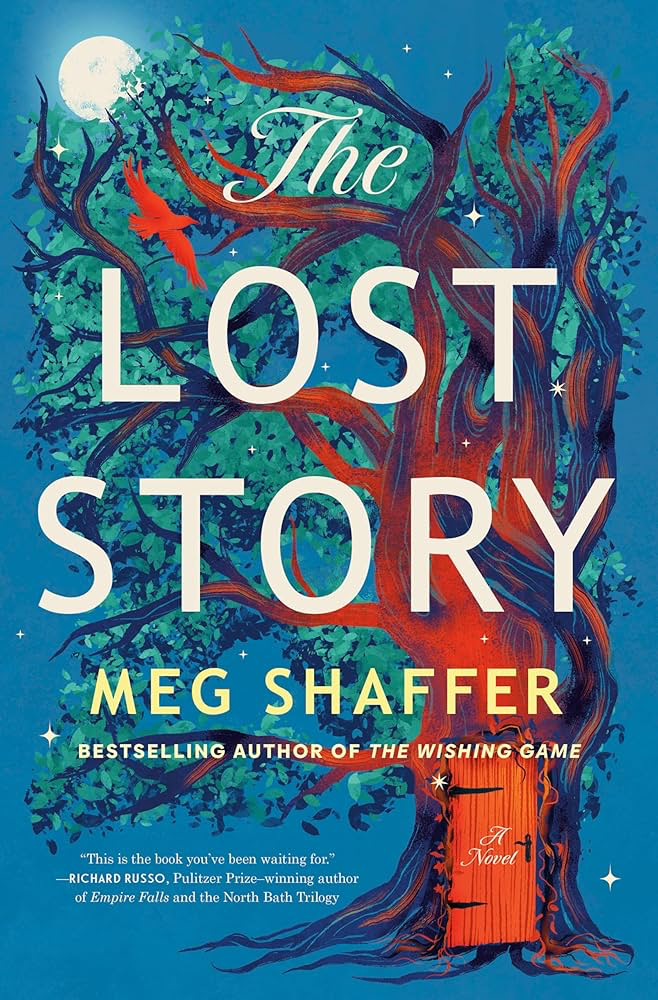
Book Review Tuesday (12/24/24) – The Lost Story

Happy Tuesday, bibliophiles, and a merry Christmas Eve (and Christmas, in advance) to those who celebrate! No matter your beliefs, I hope you’re staying warm and spending time with your loved ones this week. Happy holidays! ❄️⛄️🎄🍪

I discovered Meg Shaffer’s debut novel, The Wishing Game, about a month back and loved it. (Bottom line: if you’re an adult who wished they could’ve gotten Willy Wonka’s golden ticket as a kid, READ IT.) Naturally, I moved onto The Lost Story the minute it became available at the library. Although it wasn’t as strong as Shaffer’s debut, The Lost Story is a testament to the healing power of fantasy.

Enjoy this week’s review!

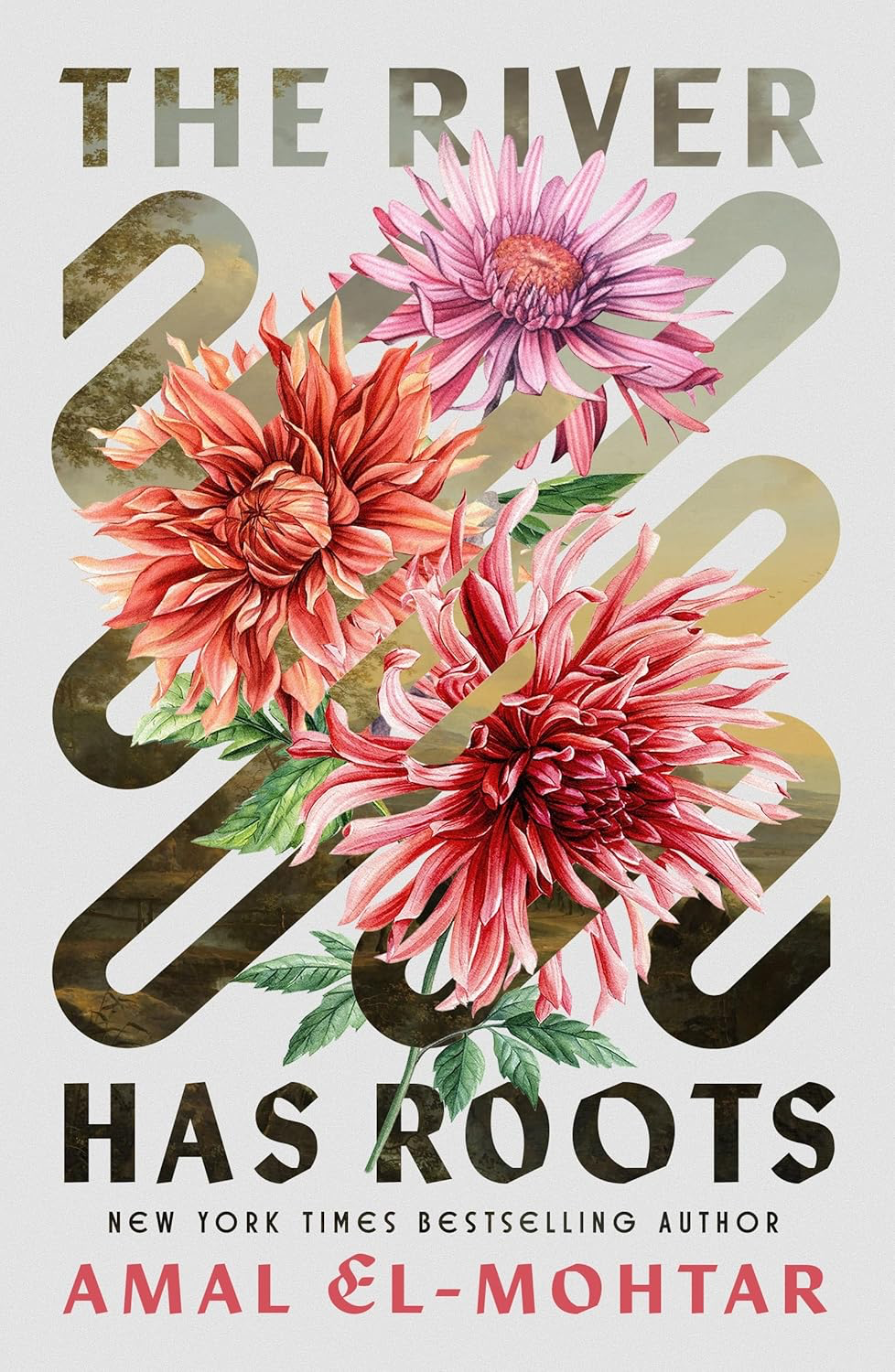
The Lost Story – Meg Shaffer

When they were 15, Rafe Howell and Jeremy Cox went missing in the West Virginia woods. Six months after their disappearance, they came back, seemingly unscathed. What the rest of the world doesn’t know is that they escaped to a fantasy world hidden deep in the Red Crow State Forest. But only Jeremy remembers their odyssey. Now, distanced for 15 years, Rafe remembers nothing about what happened that day, and Jeremy has a magical knack for discovering missing persons.

Emilie Wendell has gotten wind of Jeremy’s talent for locating the missing, and enlists his help to find her older sister, who vanished in the same stretch of woods where he and Rafe went missing all those years ago. With Rafe and Jeremy in tow, Emilie discovers a magical world that could have only sprung from the mind of a child, only visible to those who look hard enough. But confronting this world and its secrets may lead to the very reason that Jeremy and Rafe never spoke of their time together—and the reason why Emilie’s sister never returned.

TW/CW: near death situations, discussions of child endangerment/kidnapping (past), abuse (physical and emotional), homophobia, loss of loved ones (past), fantasy violence, mentions of suicide (past)

I never got around to reviewing The Wishing Game (which I liked better than The Lost Story) here, but it’s safe to say that Meg Shaffer is out here doing the good work, and by the good work I mean writing books about reclaiming childhood innocence and joy via the stories we loved as children. Having read both books, Shaffer really gets the power of stories—and the power of rediscovering them in adulthood. The balance between childlike wonder and whimsy and the harrowing realities that come with adulthood are a difficult balance to strike, but The Lost Story lives in the reality between them and never denies either aspect. Rafe and Jeremy’s journey of healing, rescuing people who may not need to be rescued, and realizing their love for each other was a rickety, emotional ride, but one that, once the plot got going, paid off in spades. Plus, I love that Shaffer made this story a distinctly queer one—I always love queer books, but the fantasy escapism plot with their queer identities made so much sense when you consider how fiction can be a sanctuary for queer people.

Part of what made that aspect of The Lost Story land so well was that Shanandoah truly felt like a child’s wonderland. There was a charm to the misplaced names (the Valkyries being only what a young girl would think of the real Valkyries of Norse myth, for instance) and the over-the-top magical ones, and each fantasy element had the nonsensical aspect of a child’s mind. This world is full of magical horses, impossibly sweet fruit, vengeful spirits, and everything a child could possibly populate a fantasy world with—and all of it is delightful. The Narnia influence was clear (it’s wonderful! Imagine C.S. Lewis without the proselytizing), but there was a whimsy to it that Shaffer excelled in—even if it was separate from the real world, she fully succeeding in making a world feel like it was ripped from the pages of a 13-year-old girl’s notebook.

However, I really didn’t see the point of Emilie being a part of the story. In contrast to Jeremy and Rafe’s complicated relationship, the only thread connecting her to the narrative was the fact that it was her sister who happened to have gone missing. Her personality bordered on grating—there wasn’t much to her other than a determination to find her sister and having her “teehee! so quirky”-isms when the plot called for it. (But did it really call for it?) My main issue with her is that she didn’t have the development that the other characters did. She witnesses the wonders and horrors of Shanandoah and comes out of it having barely changed, save for the fact that she’s reunited with Shannon. In contrast with Rafe and Jeremy, it just seemed increasingly obvious that she didn’t have as much business being there, even though she was purportedly the main character. The Lost Story might have been stronger if she had been nixed entirely—she was placed as the protagonist, but at its heart, it was the story of Rafe, Jeremy, and Shannon, not her.

Additionally, The Lost Story had some issues with its pacing. It took nearly halfway through the book for the characters to reach Shanandoah, the whole premise of the book. The first third or so, although Shaffer’s establishment of the exposition was spread out evenly, tended to drag. Instead of more development that could have lead more to the (excellent) arcs of the characters later on, we get drawn-out scenes of banter between the main characters once they reunite, as well as some tired training montages that could have been flattened out into a much shorter scene. As a result, the first half of the events in Shanandoah were rushed together—our heroes reach this famed fantasy land, and almost immediately, they’re separated and thrown on wildly different adventures that only converge in the last quarter or so. For such a grounded story, there needed to be more even allocation of events that truly mattered, which is why I couldn’t give it the full 4 stars.

That being said, I loved how the duality of the themes were tied together in the end. For all of the characters, the land of Shanandoah was escapism, but they had different ways of handling reality while in it. For Rafe and Jeremy, they couldn’t stay because there were real monsters they had to confront; Shanandoah worked both as a place for them to rekindle their relationship, but also to confront the very real demons back in the real West Virginia. For them, they had to return to the real world to heal. But for Shannon, Shanandoah was the realest part of her life. She had gotten into a situation that no child should ever be placed in, and for that, her childhood wish for another world came true, and it became her sanctuary. If The Lost Story had gone with either interpretation, I would’ve been happy, but I loved Shaffer’s approach in depicting both sides of fantasy and escapism. Fantasy can be a place to ignore all of your troubles, but also a place you return to when you need healing. Even if it’s fictional, it can be the truest, realest part of you. Both can be true.

All in all, a heartfelt and heartstring-tugging fantasy for all of the kids who wanted to return to Narnia. 3.75 stars, rounded up to 4!

The Lost Story is a standalone, but Meg Shaffer is also the author of The Wishing Game.

Today’s song:

That’s it for this week’s Book Review Tuesday! Have a wonderful rest of your day, and take care of yourselves!
Posted in Book Review Tuesday

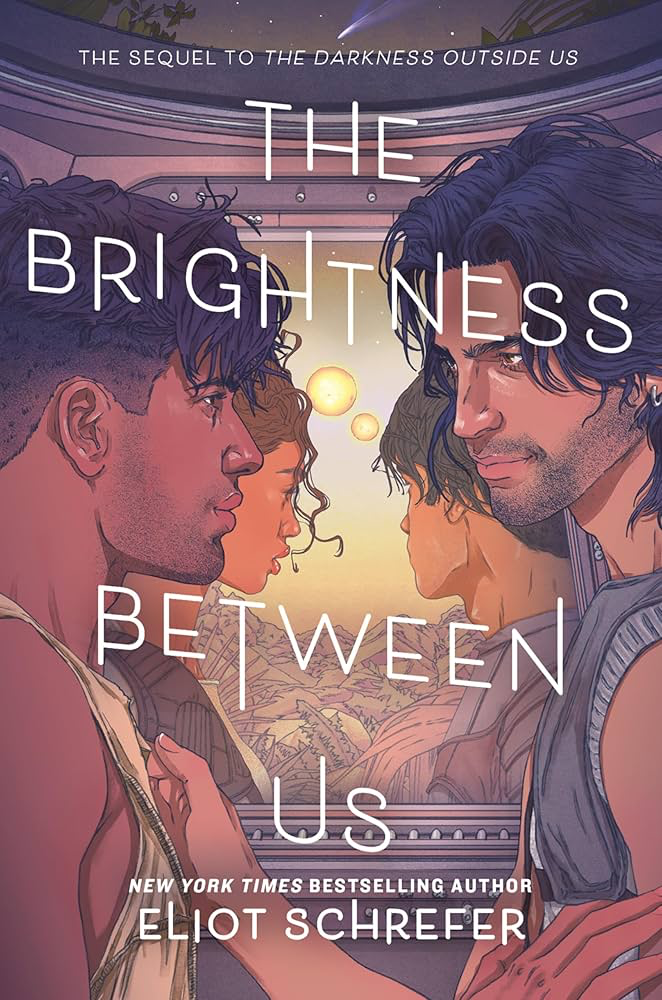
Book Review Tuesday (10/22/24) – The Brightness Between Us (The Darkness Outside Us, #2)

Happy Tuesday, bibliophiles!

We’re keeping up my sequel streak for the time being, so it seems. The difference between this and The Heart of the World is that I had no idea that The Darkness Outside Us, one of my favorite books of 2021, was even getting a sequel in the first place. That novel rocked my world—it really enraptured me in a way that not a whole lot of books ever have. But it was beautiful as a standalone—it had about as satisfying of an ending as you could ask for. So I was teetering towards hesitantly optimistic when I heard about The Brightness Outside Us, but in the end, I’m so glad I took the gamble; this novel is a different kind of twisty than its predecessor, but it’s worth taking the leap.

Enjoy this week’s review!

Now, tread lightly! This review contains spoilers for book one, The Darkness Outside Us. If you haven’t read it and intend on doing so, read at your own risk!

For my review of book one, The Darkness Outside Us, click here!

The Brightness Between Us (The Darkness Outside Us, #2)

In the 24th century, Ambrose Cusk is on the cusp of the greatest space mission mankind has ever embarked on. After losing his sister Minerva in a troubled gambit outside of the solar system, Ambrose is set to cross the universe itself in order to save her. But when he discovers that he won’t be on the ship—only clones of himself—he is determined to get to the bottom of what his true mission is—and what really happened to Minerva.

30,000 years in the future, the final clones of Ambrose and Kodiak have grown from the teenage clones they once were into fathers of two children. Owl and Yarrow live a peaceful but sheltered existence on the surface of Minerva. Owl yearns to learn what the rest of the planet holds, but her parents are keen on keeping her safe. But when her brother Yarrow begins acting strangely, the family suspects that a stranger thousands of years in the past may have sabotaged their mission.

TW/CW: violence, war, past mentions of child death, animal death, terrorism, intrusive thoughts

It didn’t even cross my mind that The Darkness Outside Us would have a sequel. I went into this novel with trepidation—how do you follow up a novel as twisty, complex, and heartwrenchingly beautiful as The Darkness Outside Us? By splitting the novel in two, as it turns out. I didn’t think that The Darkness Outside Us needed a sequel, but nonetheless, I’m glad I stuck around to see the result—of course Eliot Schrefer would have something fascinating up his sleeve.

The Brightness Between Us reminds me of how much I love a good “space colony gone wrong” story. As I said, I didn’t even think about The Darkness Outside Us getting a sequel, but this novel has the perfect setup for precisely this kind of plot. I should have trusted Schrefer from the start, given how masterful book one was, but wow, the Minerva plot amazed me! There was so much solid, hard sci-fi put into the terrain, climate, and wildlife of Minerva, and Schrefer did an excellent job of keeping the reader in the dark just enough to make everything suspenseful, even when the mysterious bones that Owl digs up in her exoplanet yard only turn out to be from a duck. From the research behind the wildlife, the weather, and the atmosphere, no stone was left unturned, each one its own Chekhov’s gun waiting to fire.

Although Owl wasn’t my favorite protagonist, she fits perfectly for the environment she’s in. Every “space colony gone wrong” needs a character who questions everything; there is always some part of the planet that has been unexplored, and someone needs to be curious and daring enough to want to discover what’s on the other side of the world. It can be even more effective when that character is a child; children are naturally curious, making it more than simply questioning authority—the authority is often their parental figures, and the excuses of them hiding things “for their safety” feel more tangible. Fifteen-year-old Owl was naturally curious, but also paired with her more obedient (at first) brother, Yarrow, giving her more resentment towards her parents. She wasn’t as likeable as Ambrose or Kodiak (I loved seeing them become parents), but they had the home field advantage of book one. But I can recognize when a character is perfect for the plot they’re in, and Owl was the perfect match for the plot of The Brightness Between Us.

After the pummeling of gut-wrenching twists that we call The Darkness Outside Us, the sequel was going to have to pull off a miracle to follow it up in terms of plot. The main twist was so earth-shattering that I thought it would be impossible to come up with anything better. I remain correct—I don’t think anyone, much less Schrefer, could come up with a twist that could top book one. But the main twist that we do have was excellent enough to propel me to finish the book in one sitting—just like The Darkness Outside Us! (The difference is that it was at a reasonable hour this time. I’ve matured since 2021, I promise.) Not only is this duology a love story 30,000 years in the making—it’s a conspiracy 30,000 years in the making! I loved the twist that Devon manipulated the frozen fetuses to develop violently aggressive traits as they grew—it gave even more stakes to an already gripping plot, and it made the days of present future half of the novel gripping as well. It gave the “space colony gone wrong” side of The Brightness Outside Us a truly unique twist—sabotage from 30,000 years in the past, and two versions of the main characters communicating across time to thwart it.

All this talk about the Minerva plot, and I haven’t even touched on the “present-day” Ambrose and Kodiak…oops. I don’t have a favorite child, I swear. The worldbuilding in this half of The Brightness Outside Us was my favorite part; getting a glimpse into the forgotten world that we only knew about in whispers in book one was fascinating. Schrefer’s vision of a world divided into a corporate hellscape of excess and a corporate hellscape of rigidity was one that was mapped out just as vividly as the alien world of Minerva. You really do see how it is that Ambrose and Kodiak got to be how they were at the start of book one. In terms of character development, it did tend to feel like listening to a broken record after book one, but that’s my only minor nitpick—Schrefer made sure that they had startlingly different—and almost as emotional—arcs as their clone counterparts in The Darkness Outside Us. Devon was a fascinating, slippery antagonist, and his sabotage was one of my favorite parts of the novel to witness unfolding.

All in all, a sequel that had a Herculean task to live up to its predecessor, but delivered a miracle in spite of the odds—just like Ambrose and Kodiak. 5 stars!

The Brightness Between Us is the second book in The Darkness Outside Us series, preceded by The Darkness Outside Us. Eliot Schrefer has also written several other books for children and young adults, including the Ape Quartet (Endangered, Threatened, Rescued, and Orphaned), The Lost Rainforest series (Mez’s Magic, Gogi’s Gambit, and Rumi’s Riddle), Queer Ducks (And Other Animals): The Natural World of Animal Sexuality, and many others.

Today’s song:

EVERGREEN COMES OUT THIS FRIDAY, ARE WE READY?

That’s it for this week’s Book Review Tuesday! Have a wonderful rest of your day, and take care of yourselves!
Posted in Book Review Tuesday

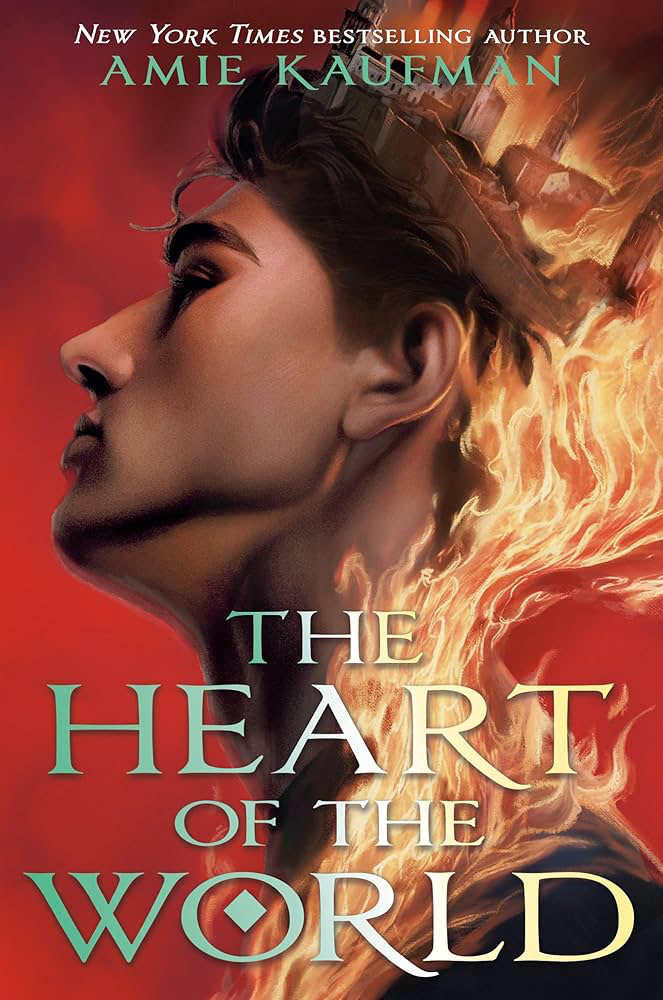
Book Review Tuesday (10/15/24) – The Heart of the World (The Isles of the Gods, #2)

Happy Tuesday, bibliophiles!

The day has finally come…the Isles of the Gods duology has concluded. The end of a (short) era. I’m all over anything that Amie Kaufman writes, and even though fantasy isn’t my top genre, she made me fall in love with her brand of it. Naturally, The Heart of the World was one of my most anticipated releases of the year, and while it fell barely short of book 1, it stuck the landing to become a fulfilling conclusion to a duology full of heart.

Now, tread lightly! This review contains spoilers for book one, The Isles of the Gods. If you haven’t read it and intend to do so, read this review at your own risk!

For my review of The Isles of the Gods, click here!

Enjoy this week’s review!

The Heart of the World (The Isles of the Gods, #2) – Amie Kaufman

Selly Walker has failed.

When she, Leander, and Keegan tried in vain to seal away the gods from the mortal world, they created a conflict much worse than they could have ever imagined. Now, Leander is the mortal messenger of Barrica, goddess of war. Possessed by power beyond human comprehension and puppeteered by a being of unearthly sway, he knows that war is brewing—and that allowing Barrica into the mortal realm would kill him in the process. Selly, now deeply in love, will risk anything to make sure that Leander is unscathed, but little to they know that the rival god Macean has his own Messenger—and that he’s hungry for war.

TW/CW: violence, blood, murder, loss of loved ones, neglectful parent

Man, Amie Kaufman just can’t resist writing relationship dynamics where one becomes all-powerful and the other is Just Some Guy, huh? Not to call Selly just some (gal), but…Aurora Cycle fans, we see it, right?

It’s not like me to rate a solo Amie Kaufman book in the 4-star range. Well, sort of. The Isles of the Gods was a 4.75 for me, but that was easily rounded up to 5. I expected The Heart of the World to be more of the same, and it almost was. Almost. Its fatal flaw was that it took so long to get back on its feet after the chaos and craziness that was the ending of book 1. That was so campy (in an Indiana Jones way) and explosive that it must have been so hard to ground the beginning afterwards. An additional problem is that this book is 400 pages long, which meant that, for the first fifth to a quarter of the novel, it bordered on dragging. Kaufman’s writing didn’t suffer, and neither did the characters, but The Heart of the World took so long to regain its sea legs that it never fully recovered.

From there, however…I have no notes. Even if that first fifth (or thereabouts) dragged in terms of plot, it excelled in terms of character development. Leander’s arc was among the most well-developed of the novel—as it should have been, given that he’s on the cover and all. As I said before, unceremoniously foisting godlike power onto ordinary people and watching them try and grapple with the consequences is Amie Kaufman’s bread and butter. Leander’s internal struggle of being both a puppet of Barrica and being tossed around by the royal family—his family—and being treated like an overpowered chess piece made for some enticing internal struggles. I hesitate to say that his relationship with Selly was a genderbent carbon copy of Kal and Auri, but…the similarities were there. However, what sets them apart is the differences in Leander and Selly’s characters. Unlike Auri, Leander was slick and confident before he he was forced to embody Barrica’s power—thinking he had sway and power was nothing compared to having a taste of uncontrollable, immortal power, and it fundamentally rearranged who he was as a person. Selly, on the other hand, was already out of her depth and new to the relationship, but clung to the glimpse of the real Leander, and knew that she couldn’t risk losing him—or their shared home. I trust Amie Kaufman enough to know that she wouldn’t copy and paste a relationship dynamic, and the more I think about it, the less it feels like a rehash—Selly and Leander were so sweet together, and this wrench in their romance was one that created an intricate rift to explore.

Speaking of Selly being out of her depth…good god, I just want to give her a hug. Lord. Kaufman already gave her a great obstacle in trying to find her way through the palace life and feeling like a fish out of water while trying to navigate impending war. Then she had to resolve the arc about Selly looking up to her dad…who, as was faintly hinted at in The Isles of the Gods, turned out to be using her for her magic, then abandoned her. My poor girlie…either way, it was written so sensitively. After the smoke screen of her dad pushing her to foster her magic fell away, Selly realizes that he’s just been using her as a tool to bolster the family name, and Kaufman was able to hammer in just how crushing that was for her. All her life, she’s been in his service, and all of these years she’s waited for him to return, and you just knew that he only came back to her because Barrica had him and the rest of his crew under her spell. Their reunion was hollow, just like the remainder of their relationship. Once she began to come too grips with it, however, it was beautiful to see Selly assert that she would no longer be somebody else’s pawn—just like Leander. Waiter! Waiter, more parallels, please!

In my review of The Isles of the Gods, I said that I was miffed at the book being tagged LGBTQ+ when all we got was a background lesbian couple that was about the equivalent of that one scene in The Rise of Skywalker. (You know the one.) I couldn’t help but be disappointed. Let me say on the record that I stand corrected! The additional queer queen and consort aside (diversity win! This warmongering queen likes women!), we’ve also got some wonderful queer representation in Jude. Another minor complaint that I had about The Isles of the Gods was that Jude didn’t have an awful lot to do, even though he was one of five of the POV characters. Not only does he have a beautiful, tearjerking character arc, HE’S QUEER! AND HE’S HAS A WONDERFUL BOYFRIEND! After all that this poor guy has been through, I’d say that’s the ultimate reward. I had a feeling that something had to be queerer about The Isles of the Gods, but I’m so glad that Jude finally got his due diligence in terms of character development and focus—and queerness. We love a battle-scarred guy with a secret stash of fantasy books.

Another character arc I loved seeing resolved…Laskia! Along with Leander and Selly, she’s part of the unofficial “spent their lives being moved around like chess pieces” trio, and seeing her come into her power—without the help of Macean—was a beautiful redemption arc. Laskia was driven to villainy by a desire to be loved, constantly shoved in the shadow of her sister Ruby, and like Leander and Selly, she let herself believe that she was in control. For her, the ultimate act of heroism was to become her own person—to steer her own course in life. Looking back, that’s what the whole Isles of the Gods duology feels like it’s been about. The ultimate form of magic is to know your power, to know that you have control of your life, and that despite the pressures telling you to sail one way or another, you’re the captain of your own ship. 🫡

In the end, if there’s anything that Amie Kaufman can write like nobody’s business, it’s a final battle. It was so tightly paced and action-packed that it nearly made me forgive how slow of a start The Heart of the World had. An aspect that The Heart of the World introduces is how the gods and goddesses factor in (Kaufman’s descriptions of which were arresting, as was expected), but it gave stakes to the battle that truly made it feel like thousands of lives hung in the balance. And to conclude it all in an assertion that spending your life grieving will never make any new love grow? And how that grief can feel so desolate that nothing else can grow there? And that remembering the connections that you have in the here and now is how you can move forward? And…and…and…dammit, Amie Kaufman, you did it again. You can only hide behind so many cheery “hi my friends!” before the jig is up. YOU HAVE TO STOP RUNNING A STEAMROLLER THROUGH MY FEELINGS LIKE THIS.

All in all, a duology concluder that faltered slightly in its early stages, but stuck the landing with buckets of action—and many a resonant message to spare. 4.5 stars!

The Heart of the World is the final book in the Isles of the Gods duology, preceded by The Isles of the Gods. Amie Kaufman is the author and co-author of several series for children and young adults, including the Elementals trilogy (Ice Wolves, Scorch Dragons, and Battle Born), the Illuminae Files (co-authored with Jay Kristoff – Illuminae, Gemina, and Obsidio), the Aurora Cycle (co-authored with Jay Kristoff – Aurora Rising, Aurora Burning, and Aurora’s End), the Other Side of the Sky duology (with Meagan Spooner – The Other Side of the Sky and Beyond the End of the World), and many others.

Today’s song:

We Are Lady Parts brought me here…

That’s it for this week’s Book Review Tuesday! Have a wonderful rest of your day, and take care of yourselves!
Posted in Book Review Tuesday

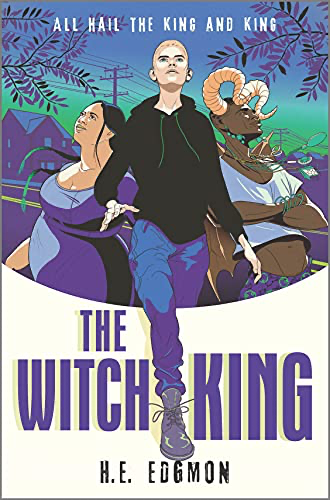
Book Review Tuesday (12/5/23) – The Witch King

Happy Tuesday, bibliophiles!

Far be it from me to start the month off with a negative review, but that’s just how my December started off. Eh. Should be a lesson to me for trying to read something that’s been on my TBR for 3+ years—my tastes generally don’t change dramatically in that amount of time, but my standards for writing and plot certainly did. That’s all to say that The Witch King was a promising, inclusive fantasy that quickly proved itself to be not worth my time.

Enjoy this week’s review!

The Witch King (Witch King, #1) – H.E. Edgmon

Wyatt Croft is a witch, and in the North American realm of the fae, witches are the enemy. Years ago, Wyatt’s magic got out of control, forcing him to flee back to the human world and go into exile. But his betrothal to Emyr, the prince of the fae, has not dissolved, and Emyr is back on the hunt for him. Forced back into the world of the fae, Wyatt must come to terms with his engagement—one that may hold the lives of all of North America’s witches in the balance. And his feelings for Emyr may be coming back, as much as he wants to hide them…

TW/CW: transphobia, deadnaming/misgendering, blood, gore, abuse (physical and verbal), panic attacks, substance abuse, PTSD themes

DNF at 36%.

The Witch King has made me realize that I need to expand my criteria for DNFing books; most of my DNFs are 1-star books—the ones that are just so bad that I can’t finish them. In comparison to a lot of the other books on my DNF shelf, The Witch King wasn’t comparably as bad. But the difference is that at a certain point, it was just so clear to me that this book was not worth my time. I really wanted to like it, but once I got past the first third, there wasn’t any point in me finishing this book. A DNF is not always a 1-star read, but a 1-star read is not always a DNF. It’s like geometry but easier to explain.

I wanted to emphasize that I really wanted to like The Witch King. But in the 3+ years that this book has languished on my TBR, it’s clear that my standards have changed. The foreword by Edgmon was incredibly touching, and it’s so clear that this was the book of their soul—there’s no denying the love that went into this book. And it’s so, so important to support trans authors like him, but it’s just as important to remember that even when you read diversely, a book’s diversity doesn’t automatically fix every plot hole and writing issue. There’s some slack I’m willing to give Edgmon because this was his debut, but The Witch King really left a ton to be desired.

It’s clear that Edgmon put a lot of thought into constructing Wyatt’s character, but in his quest to make him as relatable as possible, Wyatt turned from simply “relatable” to an incompetent mess. Even as a queer person, there’s only so many “I am a gay little worm who makes terrible life decisions” (actual quote from the book) jokes I can take. Jesus Christ. The word “cringe” is outright abused these days, but I feel like this is a valid quality to ascribe to the writing of The Witch King, since most of the humor feels so overdone and unfunny. If your type of humor consists of Tumblr jokes from 2017, then boy, do I have the book for you. All of the attempts to make Wyatt seem more human and fallible made him just feel like a pathetic mess incapable of seeing past his personal faults and (many) mistakes. It absolutely grated on me after a certain point. The rest of the writing wasn’t all bad, but good god, Wyatt’s characterization made me want to jump ship almost immediately.

Since I abandoned ship after the first third, there’s probably some context that I inevitably missed, but the worldbuilding of the North American fae really left a ton to be desired. Apart from the rivalry between witches and fae, there really wasn’t much of an explanation as to how the fae worked in tandem with the human world: where do the borders between human and fae begin and end? How do the two interact? And more importantly, what are the different interactions between the different species of fae? There were a bunch of different creatures that were just thrown at you in the background with zero explanation, never to be seen again. There’s a difference between convoluted worldbuilding and worldbuilding that just isn’t properly thought-out, and this fell firmly into the latter camp. It was all just a hot mess. I’ve read several reviews saying similar things about the worldbuilding, so…I guess it never did get better beyond what I read? Oof.

That being said, I really appreciate the diversity that Edgmon wrote into The Witch King. Having a trans main character is so important, and as much as Wyatt got on my nerves, characters like him need to be in the spotlight. Edgmon presented a lot of character that were very diverse in terms of race, gender, and sexuality, and while it seems like the representation wasn’t all accurate and some of Edgmon’s depiction of social issues wasn’t handled as well as it could’ve been (glad I didn’t get to that part, I guess…), it’s always good to have a range of characters like that. It’s about all I have to say about The Witch King that’s positive, but it’s worth being highlighted.

All in all, a diverse fantasy debut that sadly crashed and burned in its characterization and lazy worldbuilding. 2 stars.

The Witch King is the first book in the Witch King duology, followed by The Fae Keeper. Edgmon is also the author of the Ouroboros series, which consists of Godly Heathens and Merciless Saviors.

Today’s song:

That’s it for this week’s Book Review Tuesday! Have a wonderful rest of your day, and take care of yourselves!
Posted in Books

YA Books for Bisexual Visibility Week (2023 Edition) 💗💜💙

Happy Saturday. bibliophiles!

We’ve come around again to Bisexual Visibility Week, which lasts from September 16 – September 23rd! September 23rd is also recognized as Bisexual Visibility Day. And to celebrate, I’ve rounded up another batch of some of my favorite bisexual books that I’ve read in the past few years. Even though I’ve been out as bisexual for nearly five years, seeing myself represented in that aspect of my identity never ceases to warm my heart. I’t’s hard to match the feeling of being seen, really seen, like some of these books have made me feel. But like my last post about Latinx Heritage Month, I wasn’t able to compile a list last year since I was still settling into college. So I prepared a post in advance so I can share my favorite bisexual books that I’ve read since my last post. (And although I’m trying to add more age ranges to these posts, almost all of the ones I wanted to highlight ended up being YA books, so here you are.) Enjoy!

For my lists from previous years, click below:

Let’s begin, shall we?

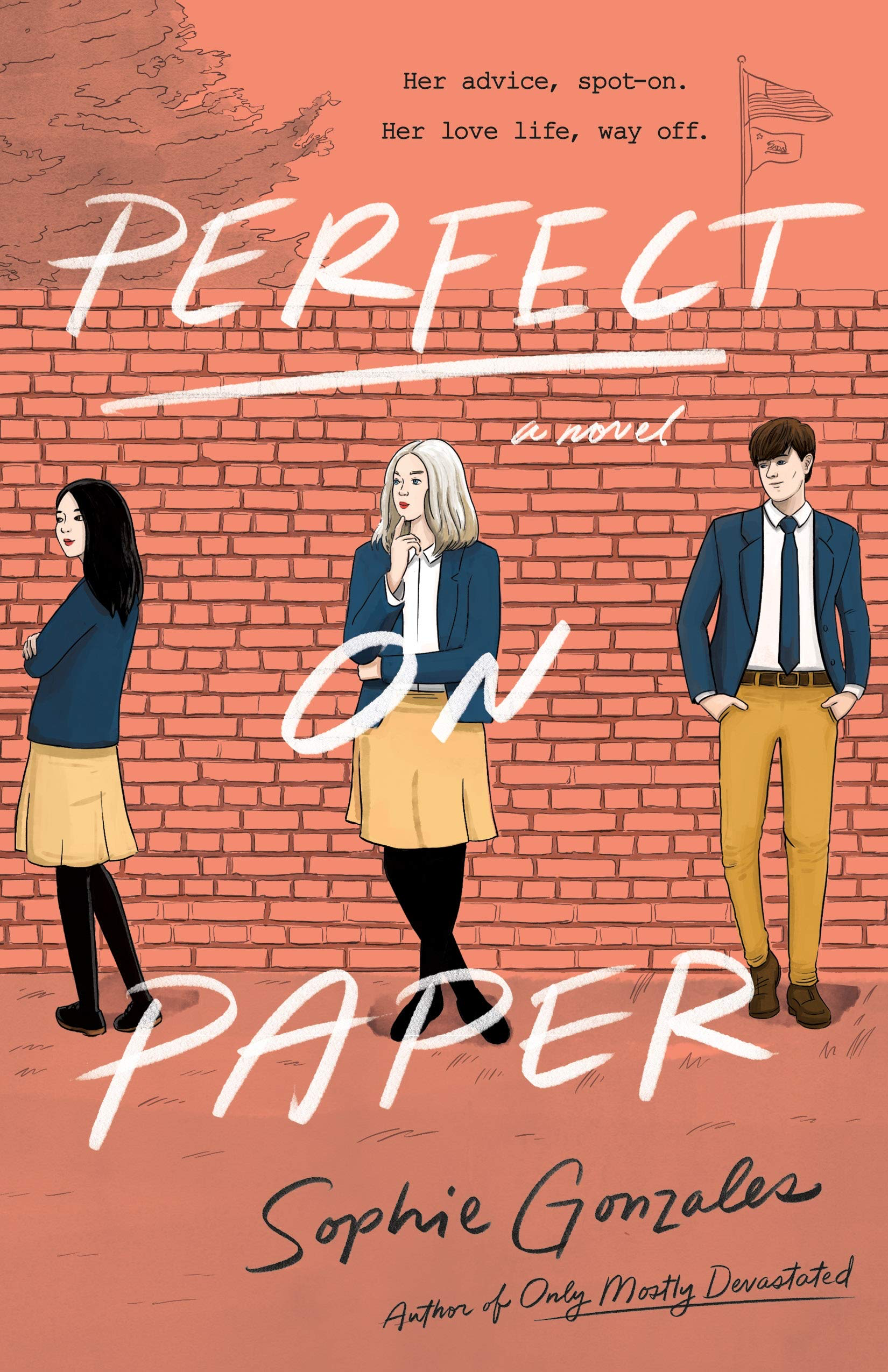
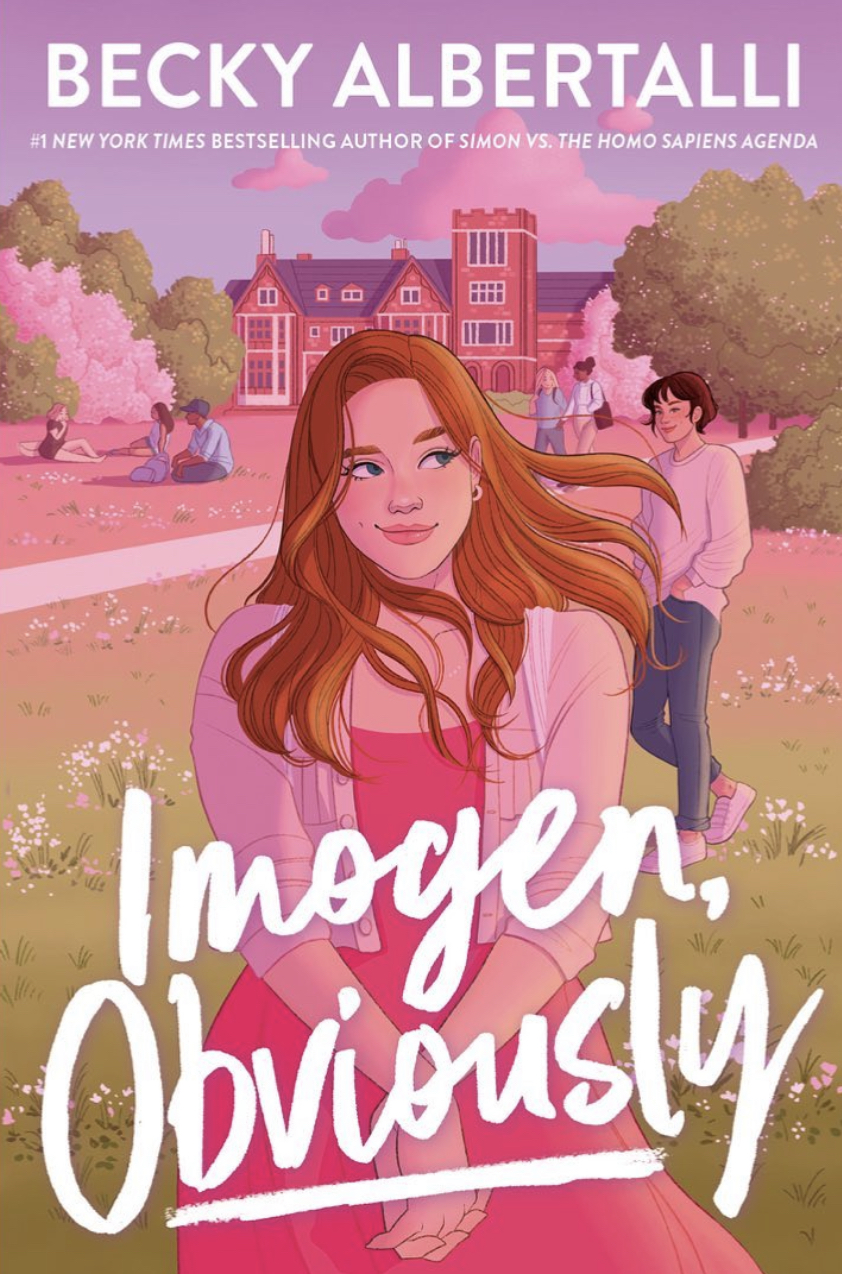
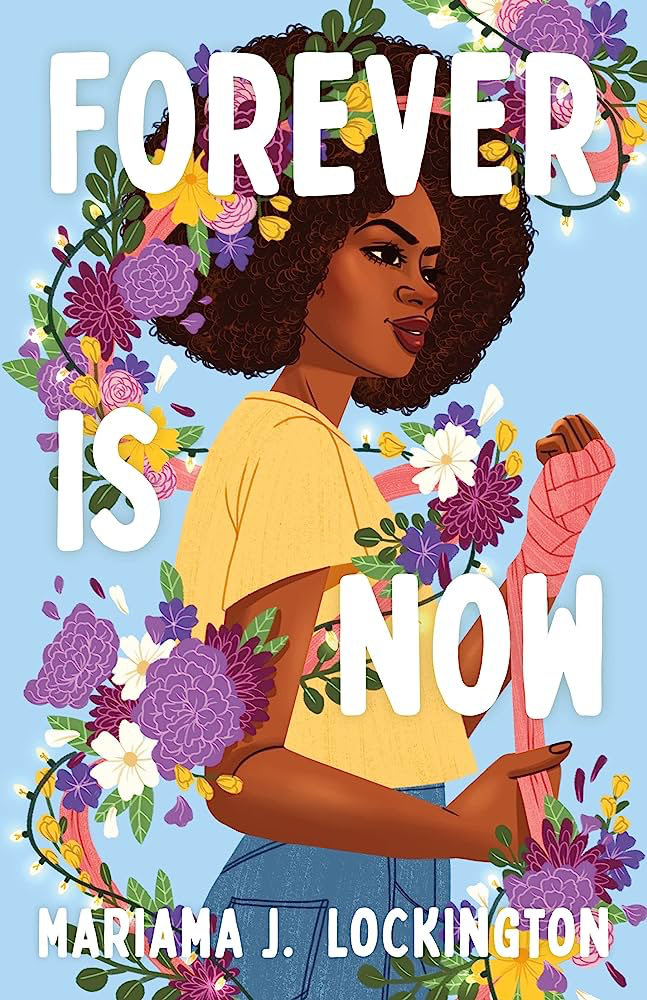
THE BOOKISH MUTANT’S BOOKS FOR BISEXUAL VISIBILITY WEEK (2023 EDITION)

CONTEMPORARY/REALISTIC FICTION:

PARANORMAL:

FANTASY:

TELL ME WHAT YOU THINK! Have you read any of these books, and if so, what did you think of them? What are your favorite bisexual books? Let me know in the comments!

Today’s song:

loving this album

That’s it for this year’s bisexual visibility week recs! Have a wonderful rest of your day, and take care of yourselves!

Posted in Uncategorized

Book Review Tuesday (7/25/23) – A Song of Salvation

Happy Tuesday, bibliophiles! Everybody say happy birthday to Hobbes, who turns 7 today:

I’ve been following Alechia Dow ever since The Sound of Stars was a 5-star read for me way back in 2020; I’ve loved reading her brand of hopeful, queer YA sci-fi with Black characters at the forefront, and so I was so excited to hear that A Song of Salvation was set in the same universe as her first two books! Unfortunately, I found it to be more lackluster than her first two books, but that doesn’t mean that I still enjoyed it.

Enjoy this week’s review!

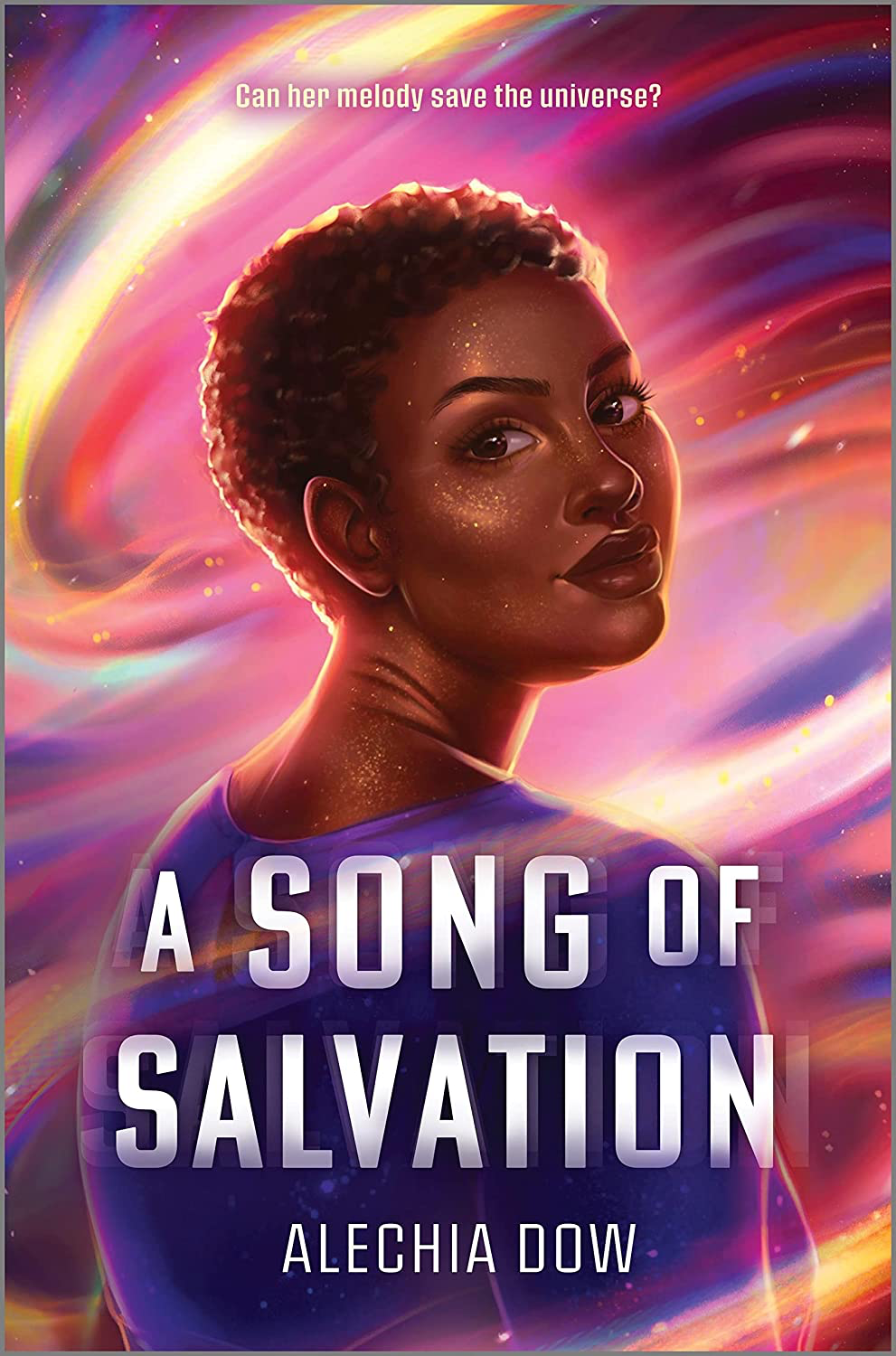
A Song of Salvation – Alechia Dow

Zaira Citlali knows her purpose. As the reincarnation of the goddess Indigo, she has been granted with their powers—but cannot seem to harness them. What’s worse, her mortal enemy, the destruction god Ozvios, remains at large, and as he creates war all across the galaxy, he’s eyeing Zaira as a prime sacrifice. But Zaira won’t go down without a fight, even if it means rushing to control her powers. With the help of Wesley, a disgruntled smuggler who just wants to get the job done, and Rubin, a celebrity podcaster that Wesley definitely doesn’t find ridiculously attractive, she must find her way to Terra, the center of intergalactic conflict, to ensure that the song of the universe remains intact.

TW/CW: themes of war, genocide, colonialism/imperialism, murder

I liked this book. But I wanted to like it so much more. Ever since The Sound of Stars, I’ve been trying to get my hands on every Alechia Dow that comes out—normally, I love her special brand of sweet, vibrant sci-fi with Black, queer characters at the forefront. But putting this book next to The Kindred has made me realize that I’m liking her books less and less with each one that comes out. And that makes me really sad. It almost makes me scared to re-read The Sound of Stars, which was a 5-star read for me, just out of fear that it won’t be as impactful for me now as it was back in 2020. All that is to say that A Song of Salvation was still a solid read, but a visible downgrade from both The Sound of Stars and The Kindred. It doesn’t feel like her best work at all.

I’ll start with the positives: if anything, A Song of Salvation was still fun and well-crafted. Dow’s space opera universe where queer characters of color are in charge of their own destinies and get to star in their own star-crossed romances is always a treat to step inside of. The new context and worldbuilding that Song adds to this already vibrant world made it even more fleshed out and real, and Dow was adept at handling all of the intergalactic politics as war descended upon the universe. It’s all richly layered and detailed, with no stone left unturned in terms of the eccentricities of everything going on. And of course, sci-fi with high(ish) stakes but with ultimately hopeful and happy resolutions are always a win. Before I get into my main gripes, I should clarify that I did enjoy the book—it was still a fun read, and better than a fair portion of YA sci-fi—but having read Dow’s other novels, it left me wanting more.

What was endearing to me about The Sound of Stars and The Kindred (the latter to a lesser extent) were the characters—Ellie and Morris felt so resonant, and Felix and Joy, even if they were slightly less so, were still a joy (no pun intended) to be around. Given that Dow’s books have leaned more on the side of character-driven, I expected Song to have the same kind of characters and character development, but unfortunately, I found it lacking. Zaira, Wesley, and Rubin were all fun characters, in the abstract, but it felt like Dow didn’t give them the same love and care that she did for her other characters. They all seemed to have a baseline personality trait each: Wesley is grumpy, Rubin is flamboyant, etc. There wasn’t a whole lot to Zaira, either—it genuinely saddens me to say this, but she feels like every single “reincarnated god/goddess/has the power of a deity” kind of character, whose only traits seem to be that they’re overpowered. And for all of the “I can’t control my powers :(” talk, she seemed to miraculously save the day most every time? That’s not to say that they weren’t all at least entertaining, though; they had a good group dynamic, and Wesley and Rubin were cute together. (Did anybody else feel like Rubin was a toned-down, YA version of Ruby from The Fifth Element? The name and everything…I can’t be the only one to see that…)

Plot-wise, A Song of Salvation struggled to remain relevant for at least half of the book; it felt like a lot of running about with no consequence to the story (and, y’know, the looming intergalactic war?). The second half more or less suffered from the same problem, but it hinged so much on the cameos from the previous books. Don’t get me wrong—it was really sweet to see Ellie, Morris, Joy, Felix, and all of the others, but the more that they showed up, the more it felt like they were being used as crutches to keep longtime readers interested in the story. And for such endearing, well-developed characters, having them used like this was such a shame. They were too well-written to just be cameos. It really felt like such a shame.

All in all, a fun addition to Alechia Dow’s sci-fi universe, but one that relied too much on the wondrousness of its predecessors to stand on its own. 3.5 stars.

A Song of Salvation is the companion to Alechia Dow’s other YA sci-fi novels, The Sound of Stars and The Kindred; they are not a concrete trilogy, but they are all set in the same universe, and can be (and probably should be, just to understand everything) read as such. Dow is also the author of the forthcoming middle grade novel Just A Pinch of Magic (slated for release this October) and All’s Fair(y) in Love & War (slated for release in 2025).

Today’s song:

haven’t been able to stop listening to this gaaaaah

That’s it for this week’s Book Review Tuesday! Have a wonderful rest of your day, and take care of yourselves!
Posted in Uncategorized

YA Book Recommendations for Pride Month (2023 Edition) 🏳️‍🌈🏳️‍⚧️

Happy Monday, bibliophiles!

Here we are again in pride month! It certainly is a joyous time of year, but in the past few years, it’s been a difficult one, too. All across the country, we have seen waves of anti-LGBTQ+ legislation, and the rhetoric that queer people are unnatural and wish to convert your children has spread like wildfire. We’ve also seen a dangerous increase in book bans—particularly by queer authors and authors of color. Books with diverse perspectives aren’t harming children—depriving children of these books is the dangerous part. Now more than ever is it important to read diversely: there’s never any harm in seeing a different perspective through literature. And if you’re really that concerned about “protecting the children,” maybe you should advocate for stricter gun laws instead of worrying about drag queen story hour.

In past years, I’ve split this post up into multiple (organized by genre), but I decided to make it all one post this year to keep it all more organized.

For my previous pride month lists, see below:

KEY:

  • MC: main character
  • LI: love interest
  • SC: side character

Enjoy this month’s Pride Month book recommendations!

🏳️‍🌈🏳️‍⚧️THE BOOKISH MUTANT’S YA PRIDE MONTH RECOMMENDATIONS (2023 EDITION)🏳️‍🌈🏳️‍⚧️

CONTEMPORARY, REALISTIC FICTION, AND NOVELS IN VERSE:

SCIENCE FICTION:

HISTORICAL FICTION:

FANTASY, MAGICAL REALISM, AND PARANORMAL:

TELL ME WHAT YOU THINK! What are your favorite queer reads that you’ve read recently? Have you read any books on this list, and what did you think of them? Tell me in the comments!

Today’s song:

That it for this year’s pride month recommendations! Have a wonderful rest of your day, and take care of yourselves!
Posted in Book Review Tuesday

Book Review Tuesday (4/18/23) – The Spear Cuts Through Water

Happy Tuesday, bibliophiles!
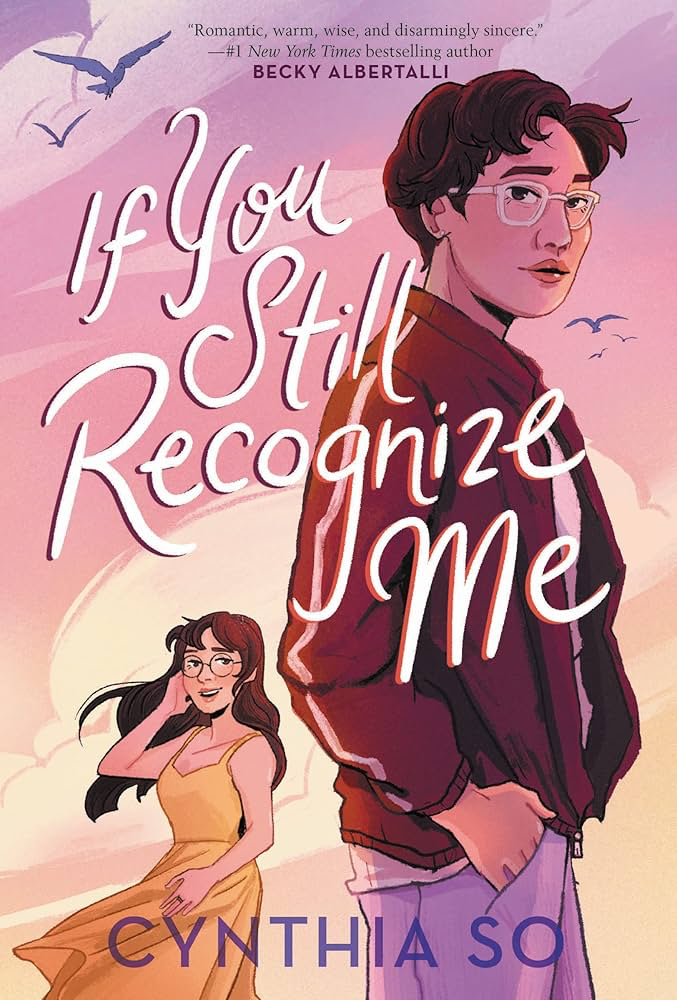
I was in a fantasy mood recently, so I decided to pick up The Spear Cuts Through Water after hearing some rave reviews from other bloggers. The gorgeous cover only added to the sell. But in the end, this novel ended up being a major disappointment—a murky, 500+ page slog that was only enjoyable for fleeting moments. I really need to stop setting myself up for disappointment with all these overly long high fantasy books…

Enjoy this week’s review!
The Spear Cuts Through Water – Simon Jimenez

The Emperor of the Moon Throne has terrorized the land of the Strangled Throat for centuries, aided by his three reckless sons, aptly dubbed The Terrors. But like everything else that he has seized, the Emperor’s power comes from an age-old moon god who has been locked under the palace against her will. But a god is not meant to be kept in captivity.

So she escapes. Aided by Jun, a disgraced palace guard, and Keema, a warrior from a distant, mysterious land, she sets off on a journey to find her freedom. But the Moon Throne will not let go of her so easily…

TW/CW: ableism, cannibalism, child abuse, murder, body horror, substance abuse, mentions of sexual assault (off-page), torture, loss of loved ones

This is one of those instances where I feel like I’ve read a completely different book than all of the 5-star reviewers. I really wanted to like it—and there were a few things that I did like—but ultimately, it felt like a 20-minute prog-rock song in book form: well-written, but so unneccesarily convoluted and full of itself that it became insufferable.

Before I go on my tirade, I will acknowledge that there were some wonderful, very bold and skilled parts of this novel. Jimenez’s writing had moments of being both beautiful and insightful—there were a few anchors to pull me through the slog, and his prose had moments of being incredible. 2nd person is always a bold choice, but unlike other aspects of this novel, it was executed very well, succeeding at being both immersive and fresh without feeling like it was bold just for the sake of being so.

“Bold” is generally I word that I could ascribe to most of this book. A lot of it was written in a fresh, nontraditional way, and I appreciated its execution in some sections. But a lot of it just felt like showing off—having unconventional chapter breaks and an infuriating structure just for Jimenez to show that he was capable of doing so. Most of these ended up being to the novel’s detriment. The random “chapter” breaks (there really weren’t any chapters in this book?), which mostly just ended up being sized-up font that was, essentially, what should have just the first sentence of the paragraph. And since they were all just first sentences of the paragraph, there were 2-3 of these breaks per page. POVs got switched without warning and without explanation, making the reading experience overcomplicated where it could’ve been an easy fix. It just felt like it was biting itself in the foot in the name of art—it could have been a beautiful story, if it wasn’t so intent on showing off how “different” it was.

As a result, so much of this novel got lost. Even though I was fairly lost trying to discern whose POV is it this time, I did notice one thing while reading The Spear Cuts Through Water—where’d the worldbuilding go? Other than the vague notion of a fantasy world (gods and goddesses, some talking animals/spirits, etc.), I had no idea of the layout of the world, the regions of the world, any kind of cultural cues or conventions, any kind of magic system…it just wasn’t there. At all. The same goes for the characters—they were all but cardboard, moved around like pawns for seemingly no reason. (I get that they were under oath by the Moon God, but the point still stands. They didn’t need to be that stiff.) Other than the reveal about Keema, nothing compelled me about either of them, or any of the other passing side characters. This novel was just so intent on chasing itself in circles that it forgot the essential elements that a novel needs.

All in all, a fantasy with great potential, but that ended up losing itself under layers of attempts to be daring and new. 2 stars.

The Spear Cuts Through Water is a standalone, but Simon Jimenez is also the author of The Vanished Birds.

Today’s song:

LOVE this album, this feels like a perfect match for “There’s No Other Way”

That’s it for this week’s Book Review Tuesday! Have a wonderful rest of your day, and take care of yourselves!