Posted in Book Review Tuesday

Book Review Tuesday (6/3/25) – The Death I Gave Him

Happy Tuesday, bibliophiles!

Here’s a continuation of my recent sci-fi mood…I’ve been looking to add more sci-fi to my TBR, because I seem to exhaust my supply faster than I can keep up. The premise of The Death I Gave Him being a queer, sci-fi/thriller retelling of Hamlet enticed me, but sadly, this novel didn’t deliver—not on the retelling front, and not entirely on the thriller part either.

Enjoy this week’s review!
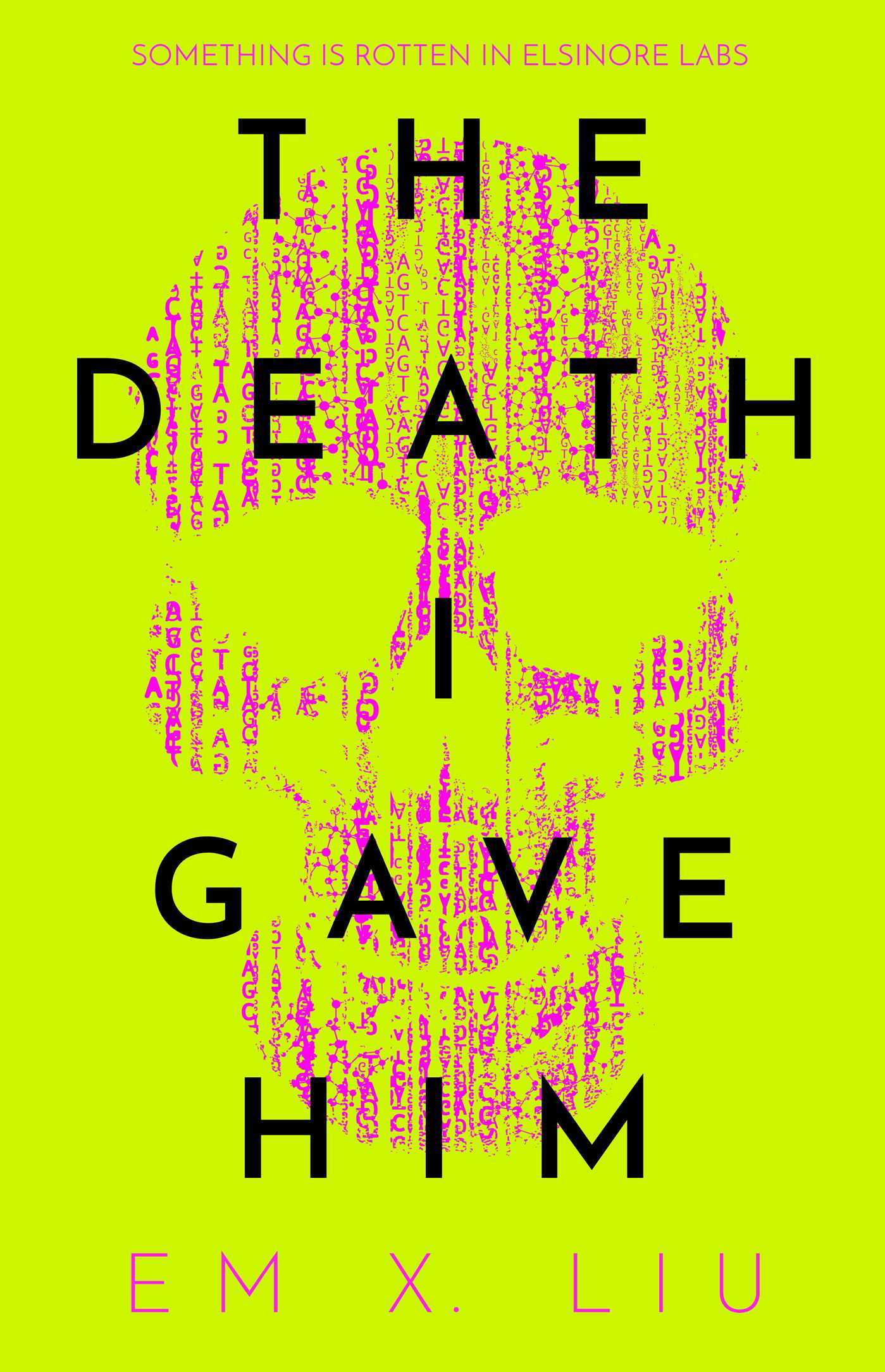
The Death I Gave Him – Em X. Liu

Hayden Lichfield is intent on carrying out the mission that his father is pioneering—the Sisyphus Formula, a substance that could one day reverse death itself. Enticed by immortality and down on his luck, Hayden throws himself into his work. But when his father is found murdered in Elsinore Labs, Hayden has no idea who to turn to—and who wanted to murder the man who wanted to beat death. Trapped in his room with only his AI, Horatio, to trust, Hayden scrambles for answers, and everyone around him is a suspect. But is it not just Hayden’s friends, but his father that have been lying to him all along?

TW/CW: murder, blood, descriptions of injury, suicidal ideation, grief, death of a parent

Trying to describe whether or not The Death I Gave Him qualifies as a retelling feels like the Ship of Theseus. If all of your characters’ names allude to Hamlet and you set your story in Denmark, but not much else relates to Hamlet, is it still a Hamlet retelling? How much Hamlet does one need to remove for it to still feel like a retelling? Sadly, Em X. Liu is proof that there is a limit to how much you can remove before it stops feeling like a retelling. It’s Hamlet in name only.

Having read Hamlet less than a year ago, I went into The Death I Gave Him with a fairly fresh memory. However, if not for the more obvious name changes (Hamlet becomes Hayden, Polonius becomes Paul, etc.) and the fact that it’s set in Denmark, I really wouldn’t have thought that this was a Hamlet retelling. I’m fine with loose retellings, but I don’t think it should’ve been billed as such. The whole Denmark setting definitely felt like very a “see? This is Hamlet, I promise!” move and wasn’t relevant to the plot whatsoever. I’m fine with loose retellings, but I feel like the similarities end with what I just described above. I’m not sure if this even qualifies as a retelling so much as people named after characters in Hamlet. Also, none of these people were nearly crazy enough to be in a Hamlet retelling. You’ve got to have someone go at least a little insane to have a proper Hamlet retelling. Hayden got a wee bit depressed and existential towards the end, but there wasn’t nearly enough “something is rotten in the state of Denmark” insanity to make it feel like a true tribute to Shakespeare. It just felt like a rather emotionally stunted novel even though it’s based off of something so dramatic. Some tonal liberties are inevitable for any given adaptation, but these ones just didn’t feel true to Hamlet, which made the more obvious Hamlet references feel more like preventative measures to make sure that people remembered that this was a Hamlet retelling.

Having mixed formats (interview excerpts, security camera footage, etc.) can be a great tool to add some additional context—and a unique flavor—to a novel, and I think it works especially well with thrillers, which The Death I Gave Him partially was. However, I don’t think Liu properly executed this format. Granted, it’s difficult to pull off, but when it’s executed well, it adds another layer of mystery to what is hopefully another layer of mystery. The problem Liu seemed to have is that, with the exception of the security camera footage, all of the other perspectives sounded exactly the same. All of the interviews, document excerpts, and “fictional” interludes by Horatio were in the same tense and the same POV, which basically rendered the format useless. Beyond that, these interviews and whatnot were from multiple people, but they all had virtually the same narrative voice. By the end of the novel, it didn’t even matter where the excerpts were coming from—they all sounded the same. If you’re going to pull off this kind of format, you have to make each component sound unique—if everything sounds the same, what’s the point in specifying which chapter is an interview and which one is a fictional account?

Also, none of the characters seemed to have much of a purpose outside of being props, aside from Hayden, Horatio, and maybe Felicia if I’ve being generous. Even though we get a significant portion of the novel through her interviews and written segments, I never even got a specific read on her voice since it was so similar to every other character’s. Paul, Rasmussen, and Charles were just there until they conveniently weren’t. The timeless fun of Hamlet comes from seeing everybody scheming against each other and different motives clashing against each other, but everybody was just rendered into very similar characters with too similar motives to each other for the mystery to really be worth it.

The same was true of the plot. I was committed to The Death I Gave Him because I was excited by the premise and wanted to see how the plot unfolded. I will say that Liu did a great job of setting the scene and cramming us in said locked room of this locked-room mystery. However, very little happened in said locked room—other than a handful of scattered moments, the place was quite slow, and the ratio of information that was revealed to the amount of pages it correlated to was way off—it felt like we only got significant revelations every 100 pages, and The Death I Gave Him is a little over 300 pages. There needed to be much more intrigue and complicating factors and clashing motives for this novel to work as a mystery; what we had was quite lackluster.

All in all, a sci-fi retelling of Hamlet that missed the mark on its source material and its new plot. 2 stars.

The Death I Gave Him is a standalone, but Em X. Liu is also the author of the novella If Found, Return to Hell and several short stories in various anthologies and magazines.

Today’s song:

That’s it for this week’s Book Review Tuesday! Have a wonderful rest of your day, and take care of yourselves!

Posted in Book Review Tuesday

Book Review Tuesday (11/26/24) – Countess

Happy Tuesday, bibliophiles!

I try not to let my lizard brain take over when it comes to my TBR these days (that’s how it got to almost 1,100 books back to high school…that took some serious pruning). That being said, at this point, I’ve accepted that the phrases “space opera,” “queer,” and “anti-colonial” strung together activate me like some kind of sleeper agent. Thus, Countess found its way onto my TBR and swiftly onto my Kindle. It excited me even more that Countess was Caribbean-inspired and that the author is Trinidadian-Canadian (!!!!), so my expectations were high. Though it wasn’t perfect, Countess was a raw and brutal novella—hardly a page was wasted.

Enjoy this week’s review!

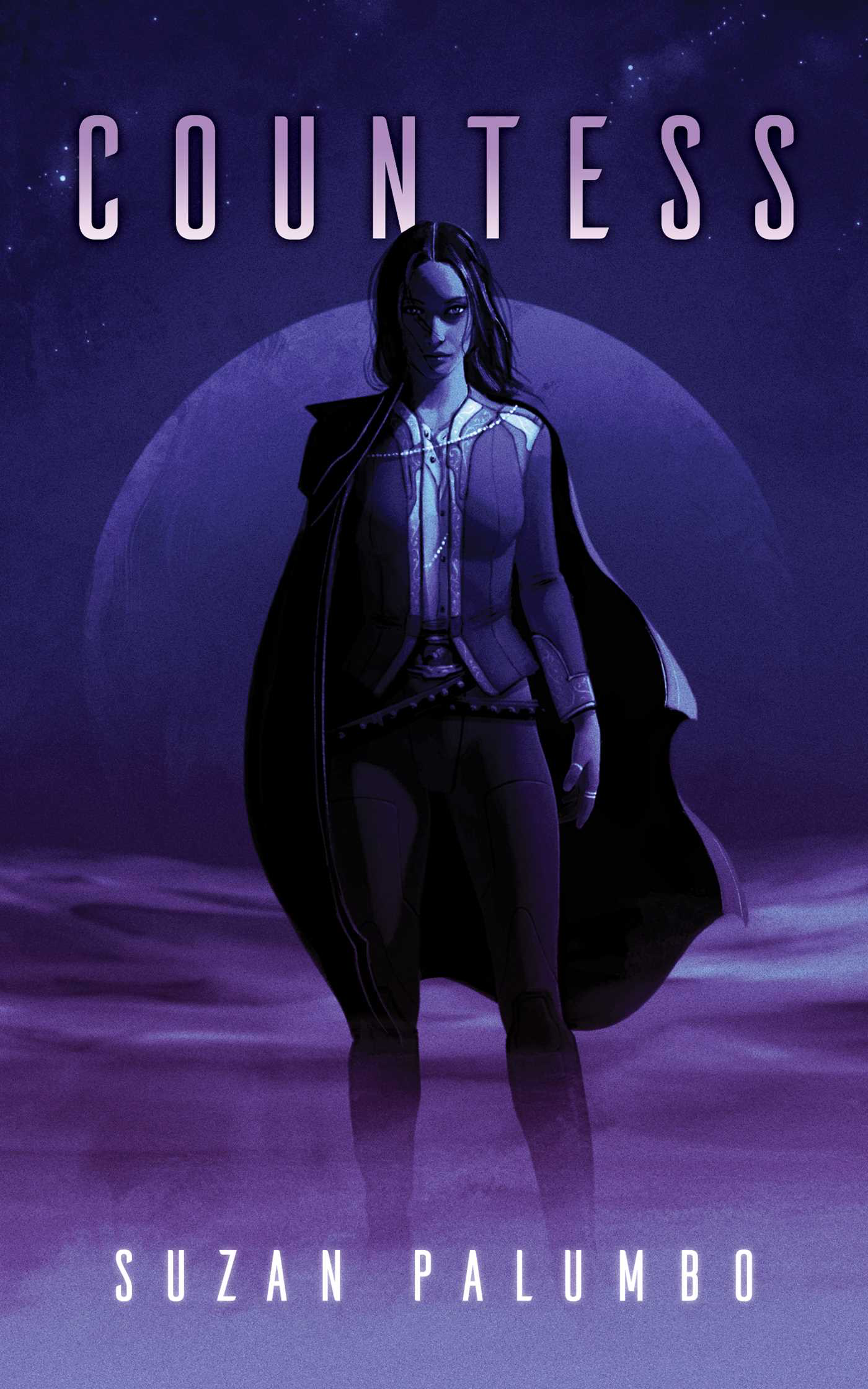
Countess – Suzan Palumbo

Centuries after the British colonized islands in the Caribbean, an evolution of their iron fist remains in space. Under the harsh rule of the Æcerbot Empire, planets and moons are stripped of their resources and their inhabitants left with the paltry choice to enter an immigration lottery to find work or make a meager on their exploited homeworlds.

Virika Sameroo has sworn her life to the empire, loyal to their army for years. But just as she attempts to ascend to a higher position, her captain mysteriously dies—and the imperial authorities frame him for his death. Imprisoned and alienated from the empire that brainwashed her, Virika becomes an unlikely figure for a galaxy-wide revolution—but will she survive long enough to see the Æcerbot empire fall to its knees?

TW/CW: colonization/imperialism themes, torture, murder, descriptions of corpses, blood, self-harm, attempted suicide, sexual assault

how it feels to enjoy a retelling when a bunch of the reviews say that it doesn’t follow the source material (I’ve never read The Count of Monte Cristo):

Of course, regardless of whether or not I’ve actually read The Count of Monte Cristo, I think it’s worth saying that a retelling doesn’t have to stick to every plot line to a T. I get going into a retelling and being disappointed on that front, but even if the setting is wildly different (as Countess is), I don’t think it’s a crime to tweak many of the plot points. In this case, having a vastly different setting kind of necessitates the plot being different, but from what I can gather, Countess is more inspired by The Count of Monte Cristo than it is a direct retelling. That’s fine, in my book. No pun intended.

As a whole, Countess was a fantastic read, but its one weak point was the writing. In a way, the writing style, even if I disliked some of it, worked for the story—and the character—that Palumbo was telling. It picks up at the halfway point, once the plot rockets into a breakneck pace in terms of both action and stakes, but for the first half, the prose felt very bare-bones. Even in this new, expansive empire in the stars full of political intrigue, there wasn’t much to embellish the prose—it was all very quick and to the point, with language that took the quickest routes to explain how we got from point A to point B. This is my first experience with Palumbo’s writing, so I’m not sure if it’s just her style, but either way, it works in connection to Virika; she’s been groomed to be a perfect, obedient soldier, so I doubt she’d be one to mince words or get into excessively flowery prose. For some of the scenes where Virika is in prison and a decade blurs by in only a handful of pages, it makes complete sense. Yet I needed some more descriptive prose to get me immersed in the setting—and in the other characters outside of Virika.

I’m all for having gentler books about resistance, but that doesn’t mean that narratives centered around brutal realities have no place. In fact, in stories like that of Countess, I’d argue that they’re necessary. This is a novella about the horrors of imperialism, down to the most minute aspects. For me, it didn’t go full grimdark, but it was because there was realism to it; grimdark is, for the most part nothing but suffering and pain with no real basis, but the events of Countess, horrendous as they are, were logical byproducts of the crushing weight of a colonialist empire with the galaxy under its colossal thumb. Palumbo pulled no punches with the depictions of what Virika goes through (especially the sequences in prison…please pay attention to the trigger warnings); some of it bordered on gratuitous, but this is a slim novella, and all of it was in service of the theme that the crimes under imperialism are many, varied, and real.

As I’ve said so many times, I see the phrases “queer,” “space opera,” and “anti-colonial” and I’ll run towards the book like I’m a bull that’s just seen the tiniest sliver of red in my peripheral vision. What grabbed me about Countess in particular was that it was Caribbean-inspired—particularly Trinidadian. My grandparents on my mom’s side are from Trinidad, and I’ve seen hardly any literature—much less speculative fiction—that incorporates these cultures. Admittedly, I’m more than a little distanced from that part of my heritage, but I’ve been learning thanks to the tireless research of my amazing artist mom, who is in the process of making a Caribbean oracle deck of her own! It’s thanks to her that I caught a lot of the Trini and generally Caribbean references (the fact that there’s a rebel ship called the Pomerac was gold), and there are plenty scattered throughout the novella—I’m sure I didn’t catch all of them, but what I recognized, I loved. I’ve loved witnessing the shift towards marginalized voices in speculative fiction, but one of the reasons it feels particularly beautiful to me is because for so long, our communities have been denied a place in the collective imagination, a place in a distant future among the stars. So thank you to Suzan Palumbo for this novella, and thank you to my wonderful mom for being the reason that I got these references.

In these kinds of stories (and in life in general), I always try to look for a glimmer of hope, even if it’s foolish of me. Make no mistake: Countess is a tragedy, one of the many (forthcoming) ones that Palumbo has written, according to her Goodreads bio. This novella is a very realistic depiction of how revolutions often make martyrs of their figureheads, and that was Virika’s fate from the start. Palumbo does make you feel the wasted potential of her life as she falls, but I couldn’t help but see the swell of revolution that she ushered in as the ultimate form of revenge—and an assurance of a better tomorrow, at least for a short time.

All in all, a brutal and bold—if not rote in periods—novel of revolutionary change and one woman’s struggle to break free of imperialism. 4 stars!

Countess is a standalone novella, but Suzan Palumbo is also the author of the anthology Skin Thief: Stories and several short stories in various magazines.

Today’s song:

finally got around to listening to Songs Of A Lost World!! this was my favorite—the whole album tended to be repetitive, but it was great nonetheless.

That’s it for this week’s Book Review Tuesday! Have a wonderful rest of your day, and take care of yourselves!
Posted in Book Review Tuesday

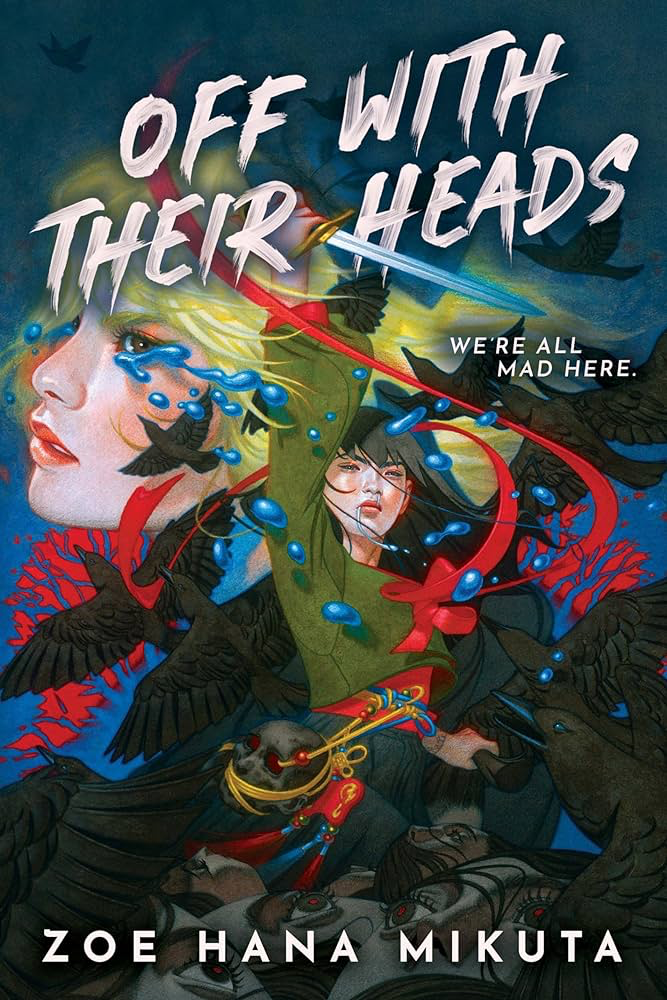
Book Review Tuesday (5/7/24) – Off With Their Heads

Happy Tuesday, bibliophiles! I’ve returned from finals hell!

I’ve been a massive fan of Zoe Hana Mikuta ever since I fell in love with her Gearbreakers duology a few years back. Off With Her Heads is her most recent novel, having just come out in late April, and even though I would’ve read it no matter what genre it was in, the idea of her writing a novel loosely based on Alice in Wonderland intrigued me—and it did not disappoint.

Enjoy this week’s review!

Off With Their Heads – Zoe Hana Mikuta

Wonderland is full of monsters.

After a deadly plague ravaged the land, most of the remaining witches and magic-users have transformed into monstrous Saints: bloated, bloodthirsty beasts that scour the land looking for fresh meat. Carousel Rabbit and Iccadora Alice Sickle were brought up in a world of predators and plague, orphaned at a young age and eventually escaping their decrepit orphanage together, madly in love with each other. But their obsession tore them apart, and their paths diverged.

Now, Caro has become the Red Queen’s royal butcher, killing Saints and watching as the Queen stitches together Saints of her own through dark, flesh-binding magic. Alice has been on her own for years, slaughtering Saints to get by. With every Saint that she kills, she treads closer and closer to the Red Queen’s throne—and to Caro, who Alice will stop at nothing to bring down to size. But what she finds in the Red Queen’s palace may be even greater of a threat than the love that once tore her to shreds…

TW/CW: loss of loved ones (past), murder, graphic violence, body horror, disease, blood, gore

Dark fairytale (or fairytale-adjacent) books used to be everywhere on the YA landscape. It’s the kind of stuff I ate up from about ages 12 to 16, to various degrees of quality. What they had in common, however, were universally horrible covers. God. They’ve circled back around to being hilarious now, but you could just snag any book off of the YA fantasy shelf at Barnes & Noble, and it would have a cover with an airbrushed white girl with flowy hair and an equally flowy gown either spinning gracefully or fixing your stare with a photoshopped smolder. And the gown was usually melting into…I don’t know, feathers or blood or some shit. It was all very emo. Since then, this subgenre has slowly begun to die down in popularity (or maybe not? My tastes have probably just shifted). Whether or not Off With Their Heads is the slow beginning of that subgenre’s resurgence in YA remains to be seen, but either way, I’m glad that we’ve got much prettier covers for the next generation of budding YA readers. It’s what they deserve. (Give it up for Tran Nguyen’s gorgeous cover art!)

After the Gearbreakers duology, I figured that I would read just about anything that Zoe Hana Mikuta writes. Even if Godslayers was a bit of a lackluster series concluder, it was still a fun read. Even if it isn’t her best work, you’re going to have a good time reading it regardless. Gearbreakers got a fair bit grim, as dystopias are wont to do, but Off With Their Heads is the darkest that Mikuta has ever gone (so much so that it almost borders on new adult and not YA), and she writes it with a unique talent. Whether or not the urge was pent-up, this novel revels in the “dark” of the “dark fairytale retelling,” drenching Alice in Wonderland in bloodlust, obsession, and backstabbing. However, what a lot of the dark fairytales of yesteryear interpreted darkness as was just being edgy; most everything was for shock value and appealing to the “what if this fairytale was………BAD and EVIL” urge that ropes in all the 13-year-olds and it didn’t go far beyond that. But this genuinely feels like horror, and not being an edgelord for edginess’ sake. It’s gory, it’s grim, and it’s bloody, but more in the interest of horror than shock—these characters are surviving a truly horrific world, and it turns them into horrific people for understandable reasons. There’s a distinction to be made there, and Mikuta certainly recognized it. (Also, it’s worth noting that Off With Their Heads is unflinchingly queer, which, given that most of said older fairytale retellings only added in queerness when it was a side character that would inevitably die, is a vast improvement. The bar is low, but it’s noteworthy that it’s being exceeded nonetheless. Let’s go, lesbians!)

I’ve seen a lot of reviews call Caro and Alice “morally gray,” and…I have some thoughts. I almost see it. Almost. But if they were gray, it would be an incredibly dark gray, if anything. Maybe they were morally gray at the beginning, but by the time we get to the present timeline, they’ve both become such awful people that they’re nearly indistinguishable from the one evil person that they’re respectively allured by (Caro) and disgusted by (Alice)—the Red Queen. To paraphrase Obi-Wan Kenobi (hey, I missed my chance on May 4th), they’ve both become the very thing they swore to destroy. They’re both just despicable people, but their differences are written in such a way that their different breeds of horridness play off of each other fascinatingly; Caro’s become this world’s version of a class traitor and idolizes the pinnacle of evil, while Alice has become so consumed with revenge that she’ll justify just about anything. Add in the fact that the root of their personal vendettas lie in their past romantic relationship, and you’ve got a dynamic that was delicious to pick apart for all 400+ pages of the novel. Again, it all makes sense for the truly cutthroat circumstances they were brought up in—they’re products of their surroundings, in the worst possible way.

Even as someone who doesn’t engage with a ton of horror media in general, I know that the key to executing it is making the suspense feel real, especially if the threats in your world are entirely fictional and alien to the audience. Mikuta had a multitude of ways that kept the suspense palpable, and all of them hooked me over the course of the novel. I’m not sure why it is that the “There are [x] remaining Saints” count excited me so much at the beginning of each chapter, but it was a failsafe way to keep track of both the danger and the kill count of the various characters—the tangible effects of the butchering they’re described as doing. Having those numbers up front also provided a sense of scale; in the present timeline, the Saints numbered in the thousands, giving an idea of just how dangerous being in Wonderland truly is—you can’t go for a walk in the woods without encountering a bloated, bloodthirsty, and quite possibly engineered monstrosity on the prowl for flesh. It’s a constant danger—and Mikuta make it feel much more dangerous just by having a chapter subheading.

However, what brought down some of my suspension of disbelief was the worldbuilding. Clearly, there was attention to detail, but only in the ways that Mikuta saw fit. There were tidbits here and there that I wished were expanded on—I loved the concept of the original Alice dreaming being this world’s creation myth, but we never got anything more out of that past the prologue. Outside of things like the Saints and the royal lineage, the worldbuilding was rather messy. I get that Off Their Heads is a very loose retelling at best—just using Alice and Wonderland and its characters as a jumping-off point for the setting—but there were so many convoluted and contradictory bits that I wasn’t completely invested. It’s mentioned that there’s a Jabberwocky court amongst the gentry of Wonderland who are described as humanoid, and yet the girls find a Jabberwocky in the woods described monstrously that has clear intention to kill them. Either that was a poorly-described Saint, or there’s some inconsistencies that need to be addressed. The reworking of Alice in Wonderland-related names into the characters were also a bit sloppy and corny; I get that there’s got to be some signal to the source material, but they were often so obvious, and barely related to the original character that they just made me cringe. I expected more from Mikuta on this front—slapping on character names just to remind the reader that, yes, this is a retelling, doesn’t seem like her style. I almost think it would have worked better if all of the Alice in Wonderland pretense was stripped away and made into a dystopian fantasy world.

Overall, an unflinchingly horrific retelling that displays Mikuta’s love and talent for suspense and obsessive sapphics—but her pitfalls in worldbuilding. 3.75 stars, rounded up to 4!

Off With Their Heads is a standalone, but Zoe Hana Mikuta is also the author of the Gearbreakers duology (Gearbreakers and Godslayers), and an untitled novel slated for release in 2025.

Today’s song:

That’s it for this week’s Book Review Tuesday! Have a wonderful rest of your day, and take care of yourselves!
Posted in Book Review Tuesday

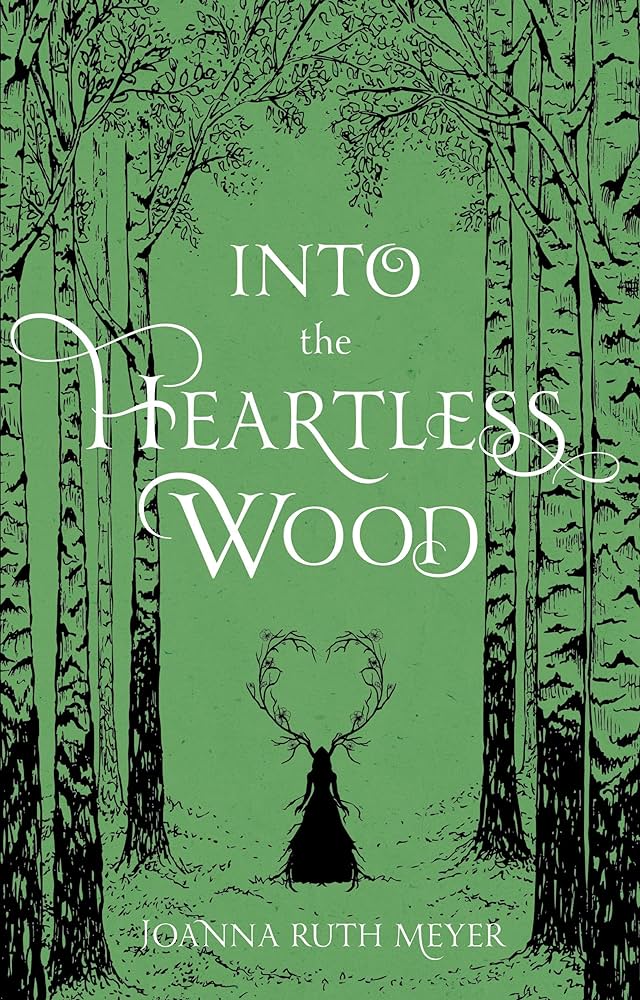
Book Review Tuesday (1/2/24) – Into the Heartless Wood

Happy Tuesday, bibliophiles! First post of the year, phew…

I went into Into the Heartless Wood with no expectations—it was the very end of the year, and I just happened to be in a fantasy mood, mostly brought on by The Siren, the Song, and the Spy and The Stardust Thief. I’m glad I had zero expectations, because Into the Heartless Wood was deeply beautiful and emotional, and it had just the right elements to make for a modern fairytale.

Enjoy this week’s review!

Into the Heartless Wood – Joanna Ruth Meyer

Owen Merrick knows better than to venture into the witch’s wood. The forest within is where the tree-sirens dwell, monstrous creatures capable of tearing down cities and ensnaring even the most sensible people with their fatal song. The woods took Owen’s mother when he was young, and ever since, he’s vowed never to return. But after his little sister wanders into the wood and incurs the wrath of the tree-sirens, one of them spares their lives. Owen and the tree-siren both begin to feel a pull towards each other. In secret, Owen visits the tree-siren, but their relationship is one that may spell disaster for the human and siren kingdoms. A war is brewing, and they may be caught in the middle.

TW/CW: blood, gore, child endangerment, suicide, torture, vehicle crash/derailment, war themes

Into the Heartless Wood was just something I picked up because I was in an extended fantasy mood for most of last week, but it blew me away at how emotional and heartbreakingly tender it was. I thought I’d given up on Beauty and the Beast retellings, but to be honest, I had no idea that this was a retelling until after I’d finished the whole thing, and maybe that’s what made it so memorable. All it stuck to was the central theme of the story—everything else was Joanna Ruth Meyer, and that everything else was beautiful.

This is more of a general statement on fantasy/supernatural romances in general, but it feels like every pairing in it ends up where the woman is human, and the man is the non-human creature or monster. It’s on most of the shirtless dude (but this time he’s a werewolf/vampire/etc.) romances that I see advertised, and it’s in a lot of popular YA fantasies. It’s always the king or prince of the fae that the otherwise practical human girl falls for. And even though it’s my favorite movie, The Shape of Water fits too. You get the idea. We hardly ever let women be monsters. Not to get real College with it, but there’s something to be said for the fact that we can’t stand to make women monsters—and therefore unattractive in some way—because otherwise, they wouldn’t be tidy little sex objects anymore. Women are hardly ever in the position of the monstrous character because a lot of writers can’t stand the thought of a woman’s characteristics or redemption arc not being tied to her beauty.

That’s part of why Into the Heartless Wood stood out to me so much. Something as simple as a gender-swap has done this novel an immense service. Seren, the tree-siren love interest, is monstrous in the basic sense, but her inner conflict and the history that led up to who she is was written in such a painfully tender way. Even if she wasn’t meant to be the love interest, you would still feel so deeply for her. The way that her POV chapters switched from verse to prose depending on her circumstances was so artfully subtle, and Meyer had no trouble navigating between the two, even as Seren herself struggled to separate herself from the woods. The conflict between Seren and her sisters, as well as the inner conflicts of her place in the world and the struggle to become something more than a pawn of her mother, made her not just fleshed-out, but a character I was rooting for from page one. (I always feel sympathetic towards the monsters, but the point still stands.) Owen was the perfect match for her—his sensitivity and fearful yearning for something beyond the ordinary fit Seren’s search for meaning beyond the wood perfectly.

The Kingdom of Tarian was also fleshed out just right! I’m assuming most of it was Welsh-inspired, judging from the names of places and characters, but I liked the integration of the industrial aspect of Tarian, and not automatically opting for a medieval setting, as most fantasies tend to do. (It’s all well and good, but it gets tiring once 95% of the high fantasy books you’ve read end up with the same setting with minor tweaks.) The industrialization enhanced the nature/mankind conflict that the novel sets up; from the beginning, there’s a stark contrast between the human world of steam trains and semi-modern warfare and the wood, with its wild, man-eating tree witches, and it made the central, generational conflict between the Witch of the Wood and the king of Tarian seem even more grave, even if the lives of both protagonists and their families weren’t at stake.

What wrapped all of this together was both the prose and verse of Joanna Ruth Meyer. Both ways, her writing was truly lyrical, achingly poetic in even the most fleeting of scenes. The emotion that was baked into the fiber of this story made the almost Romeo & Juliet-like romance of Owen and Seren feel all the more revolutionary—teenagers always feel like their love stories are what make the world go ’round, but Meyer made you believe every word of it and root for the lovers every step of the way. Every bit of both love and heartbreak was heartstring-tugging—there’s nothing like a story of lovers giving each other the courage to break away from the mold set by the world(s) around them. Works like a charm.

All in all, an achingly romantic and heartbreaking fantasy that had me hanging on every word. 4.5 stars!

Into the Heartless Wood is a standalone, but Joanna Ruth Meyer is also the author of the Echo North series (Echo North,Wind Daughter, and the companion Wolf Daughter & The Oldest Magic), and the Beneath the Haunting Sea series (Beneath the Haunting Sea and Beneath the Shadowed Earth).

Today’s song:

big thank you to my brother for sending me this one!!

That’s it for this week’s Book Review Tuesday! Have a wonderful rest of your day, and take care of yourselves!
Posted in Book Review Tuesday

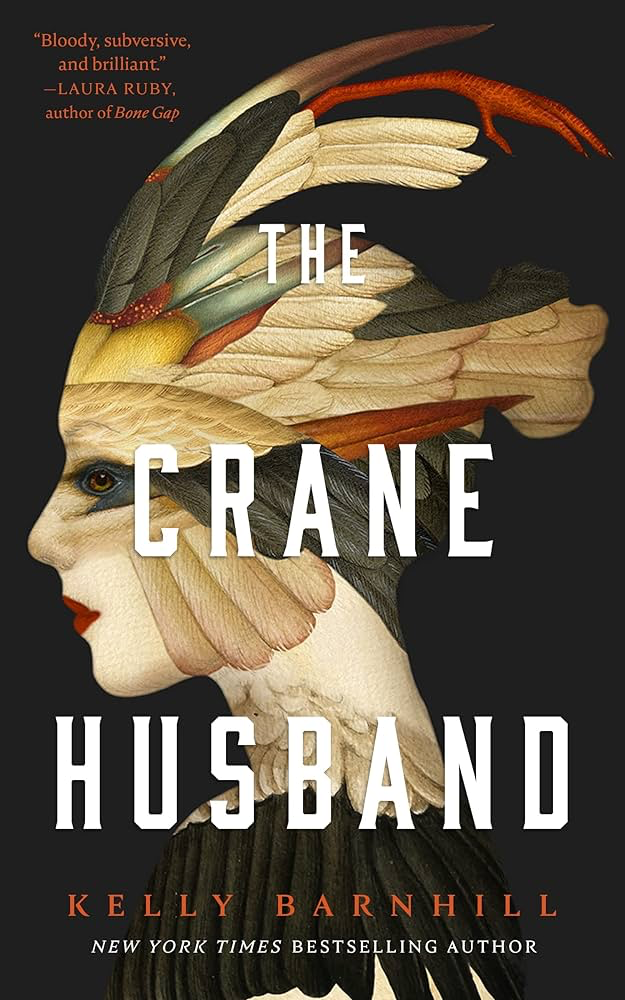
Book Review Tuesday (11/14/23) – The Crane Husband

Happy Tuesday, bibliophiles!

Brief rant: don’t you love it when Goodreads posts the nominees for the “YA Fantasy & Science Fiction” category and…there’s no science fiction books on the list? Not a single one? Thank you Goodreads 🥰

It’s been years since I’ve read anything by Kelly Barnhill; I read a fair amount of her middle-grade novels when I was younger, and there were hits (The Girl Who Drank the Moon) and misses (Iron-Hearted Violet). But either way, the road has taken me back to her adult novella, a chilling retelling of “The Crane Wife” that I thoroughly enjoyed.

Enjoy this week’s book review!

The Crane Husband – Kelly Barnhill

In a distant future, a fifteen-year-old girl lives on one of the few remaining farms in the United States, growing cloned crops in order to make a living. Her father passed away when she was young, and now she manages the farm with her mother and takes care of her six-year-old brother, Michael. But when her mother brings home a new suitor, the girl is appalled to find that the suitor happens to be a giant crane—a crane intent on working her mother to the bone in order to produce tapestries to sell. As her mother succumbs to the wills of the crane and her family grows poorer, the girl knows that the only way out is to rid the house of the crane—and she’ll do anything to make sure the bird is out of the farm.

TW/CW: death of a parent, blood, abuse, animal death, child endangerment

It’s been at least seven or eight years since I’ve read anything by Kelly Barnhill, and I was pleasantly surprised to find that when faced with the (quite large) jump from stylistic choices between age groups, she does so with eery grace! The Crane Husband was a disturbing treat, quick but chilling.

I only had a vague notion of the original Japanese folktale of the Crane Wife that this book subverts, but even without that background, Barnhill weaves a haunting, dystopian fairytale like no other. It’s that lovely kind of book that falls into science fiction, but has just enough trappings of other genres to pass as something else. The magical realism element is heavier than the rest, and it rules the book—rightfully so, given the subject matter. But like a good fairytale, Barnhill’s ability to suspend disbelief made The Crane Husband all the scarier—scenes that would have otherwise seemed charmingly quirky or absurd were downright horrifying under her lens.

Barnhill’s writing was what sold how horrific the events of The Crane Husband truly were. The way she captured the voice of the unnamed, fifteen-year-old protagonist as she had to take her livelihood into her own hands in the face of the invading crane husband had such a tangible desperation, making the conflict feel real as all get out. Tension crept out from every word, and I found myself keeping my Kindle in a vice grip as I read. And that tension never wanes—in only 118 pages, Barnhill built up monumental tension that books three times the length have failed to uphold. The Crane Husband really was nail-bitingly eerie, and it was worth it all the way.

The way that Barnhill used this tangibly uncomfortable atmosphere to drive the point of this folktale’s subversion home was also masterful. The main twist in this iteration is, hence the title, that the protagonist’s mother brings home a giant crane who she takes as her husband. And instead of the crane wife wasting away to produce beautiful tapestries, it’s the human mother being forced by the crane husband to churn out tapestries like a machine. Abusive relationships were the main theme of the novella, and Barnhill’s depiction of abuse through this lens felt as authentic as it could be, from the strained, forced silence of the women of the family and the lack of support that the protagonist finds when she tries to seek help. Beyond that, The Crane Husband’s message about suffering for art was equally powerful and important; the emphasis on how the protagonist’s mother works to the point of near-death in order to create something that people will think of as “transformative” was commentary that I wasn’t expecting from the novel, but enjoyed wholeheartedly. Needs to be said.

That being said, my only major problem with this novella was that it directly referenced the original folktale that it’s retelling. Though it was in a flashback scene, it felt tacky and unnecessarily meta to hand it to you right there—and not only that, but basically delivering the twist right at your doorstep. I will admit that I loved the line about cranes making other creatures do the work for them, but at that point, it isn’t even foreshadowing anymore—it’s just whacking you over the head with the twist that it’s supposed to be hiding from you. It made me more than a little mad, but the rest of the novella was so good that I could almost let it slide. Almost.

All in all, a timely and truly disturbing retelling that packed a stinging punch with an impressively short page count. 4 stars!

The Crane Husband is a standalone; Kelly Barnhill is also the author of many books for children, including The Witch’s Boy, The Girl Who Drank the Moon, and Iron-Hearted Violet. She is also the author of When Women Were Dragons, her first full-length novel for adults.

Today’s song:

NEW SMILE ALBUM IN JANUARY EVERYBODY STAY CALM

That’s it for this week’s Book Review Tuesday! Have a wonderful rest of your day, and take care of yourselves!
Posted in Book Review Tuesday

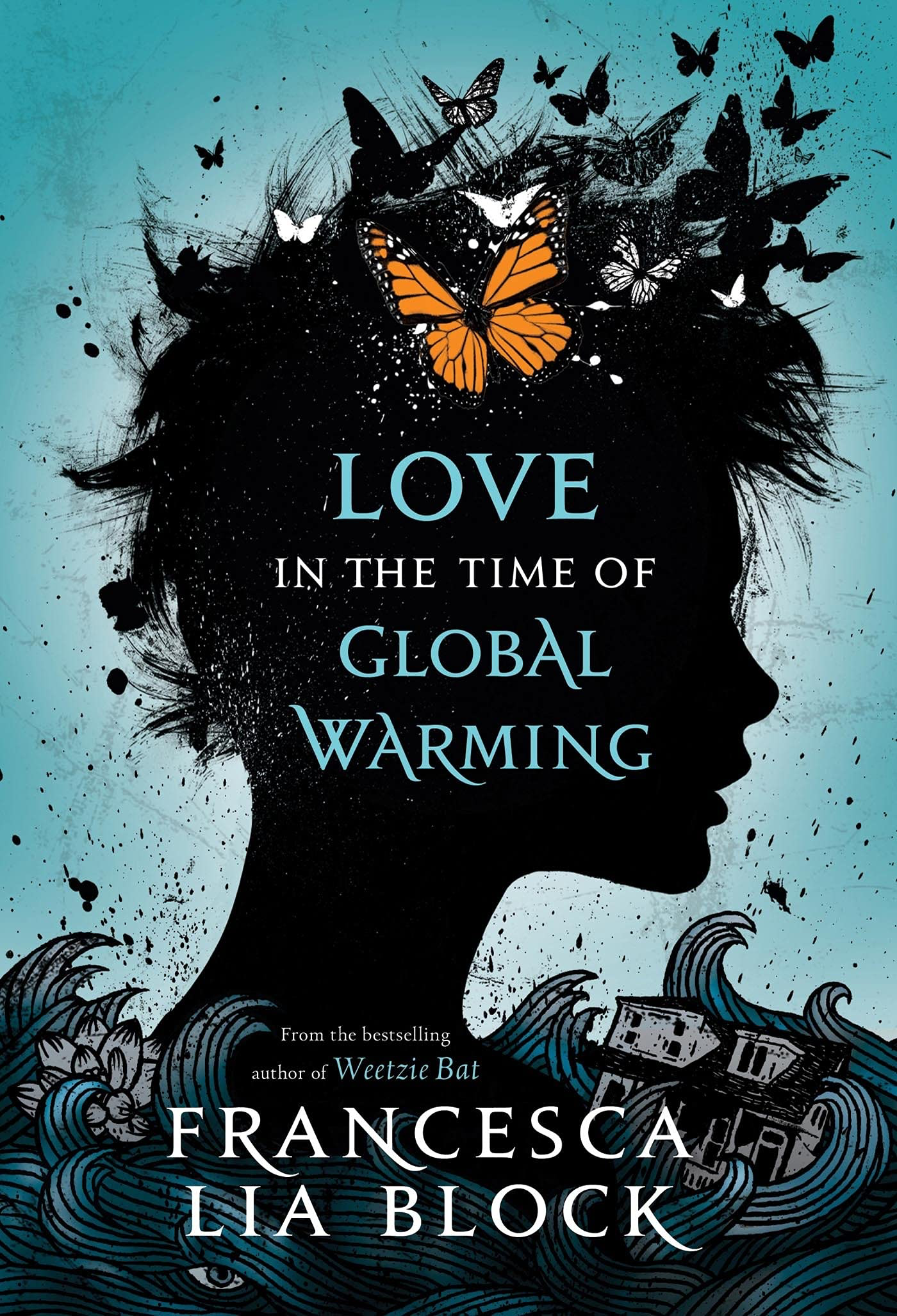
Book Review Tuesday (3/15/22) – Love in the Time of Global Warming

Happy Tuesday, bibliophiles!

As a bi person, I’ve been on the hunt for more bisexual representation in literature for years. Love in the Time of Global Warming popped up on a whole bunch of lists of YA books with bisexual characters, and the premise intrigued me, so I gave it a go. This one has a lot of bad reviews, but to me, it was a beautifully-written and inventive retelling of The Odyssey!

Enjoy this week’s review!

Love in the Time of Global Warming – Francesca Lia Block

Human civilization has been reduced to its barest remnants after a cataclysmic event known only as the Earth Shaker set the apocalypse in motion. After her house is raided by mysterious men, Pen sets out into the wasteland of what was once Los Angeles in search of her missing mother and brother. Along the way, she meets a cast of strange, lost characters who join her on her quest. But their path is plagued by giants and mad scientists, and they must search the ends of the Earth for what they seek.

TW/CW: sexual content, descriptions of death/murder, past descriptions of abuse/homophobia, use of a trans character’s deadname

Bonus points have been preemptively awarded for the TV on the Radio reference. To Francesca Lia Block—if you see this review, I’m just here to tell you that you have great taste.

I initially picked up this book because I’d seen it show up on loads of lists of YA books with bisexual protagonists, and now that I’ve read it, I’m so glad I did! Most of the reviews I’ve read aren’t too positive, but for the most part, I enjoyed this one quite a bit.

A lot of the complaints about Love in the Time of Global Warming were centered around Block’s writing style. I can usually get on board with more flowery, dreamlike prose, and that’s certainly how Block seems to write. I loved her lush descriptions; the hazy, mystic atmosphere of it made it feel all the more like a retelling, especially one of The Odyssey. Even though Love in the Time of Global Warming was strictly dystopia/sci-fi at its core, Block’s writing gave it a magical feel, which, for the story she was trying to tell, meshed perfectly.

As far as retellings go, Love in the Time of Global Warming was loose, but there were still enough callbacks to The Odyssey to make it feel like a retelling. Pen’s quest did have an odyssey-like feel to it, and some of the parallels (Circe, the cyclops, etc.) were clear, although the addition of Hex reading The Odyssey as they went along felt borderline ham-handed, as though to say “guys! GUYS! Guess what!!! This!!! Is a retelling!!!!1!!” However, Love in the Time of Global Warming was inventive in its brand of apocalypse, which made the setting—and the feel of the retelling itself—a lot more enjoyable. Having giants created by a mad scientist gave the book a fantastical feel without being a fantasy book, which I found to be a very creative move. With Block’s descriptive prose added to that, it made for a very creative retelling.

Another highlight for me was the fact that all of the main characters were casually LGBTQ+! It’s always great to see lots of queer representation in a story, and there is no shortage of queer and trans characters in Love in the Time of Global Warming. Plus, I loved having a brave, unique heroine like Pen be bisexual—always warms your heart to see yourself represented, isn’t it? Certainly warmed mine. Plus, I loved the little jab that they have about being told all their life that they’d be going to hell for being queer, and yet it’s them—not the homophobes—who survive the apocalypse. Call it comeuppance.

However, though most of the LGBTQ+ representation was positive and well-written, I do have a few issues with how parts of Hex, a trans man, was written. Take this as you will, since I’m cis, but there were definitely some parts that rubbed me the wrong way. After Hex comes out as trans, his deadname and old pronouns are used…frequently? Most of it’s in flashbacks, but even still, it’s generally accepted that using a trans person’s deadname and old pronouns after they’ve come out as trans is not the most considerate thing to do. I doubt there was any harm meant by it, but it was a little uncomfortable that Block wrote him this way.

All in all, though, a strange, dreamlike, and unapologetically queer retelling of The Odyssey. 4 stars!

Love in the Time of Global Warming is the first book in Francesca Lia Block’s Love in the Time of Global Warming duology, followed by The Island of Excess Love. Block is also the author of Weetzie Bat, The Rose and the Beast: Fairy Tales Retold, Echo, Witch Baby, and several other books for teens and young adults.

Today’s song:

That’s it for this week’s Book Review Tuesday! Have a wonderful rest of your day, and take care of yourselves!
Posted in Goodreads Monday

Goodreads Monday (11/22/21) – Into the Heartless Wood

Happy Monday, bibliophiles! Feels so good to be able to sleep in again…

Goodreads Monday is a weekly meme created by Lauren’s Page Turners. All you have to do to participate is pick a book from your Goodreads TBR, and explain why you want to read it.

It’s been a little while since I’ve read a solid fantasy retelling, and this one sounds promising—plus, the cover looks gorgeous!

Let’s begin, shall we?

GOODREADS MONDAY (11/22/21) – INTO THE HEARTLESS WOOD by Joanna Ruth Meyer

Into the Heartless Wood by Joanna Ruth Meyer

Blurb from Goodreads:

The forest is a dangerous place, where siren song lures men and women to their deaths. For centuries, a witch has harvested souls to feed the heartless tree, using its power to grow her domain.

When Owen Merrick is lured into the witch’s wood, one of her tree-siren daughters, Seren, saves his life instead of ending it. Every night, he climbs over the garden wall to see her, and every night her longing to become human deepens. But a shift in the stars foretells a dangerous curse, and Seren’s quest to become human will lead them into an ancient war raging between the witch and the king who is trying to stop her.

So why do I want to read this?

FINDING MYSELF | Rain gif, Dark forest aesthetic, Mystical forest

Into the Heartless Wood seems like just the kind of fantasy I would like—atmospheric, with notes of fairytales woven throughout. I haven’t been able to find what fairytale this is specifically a retelling of, but a lot of reviews have said that it has threads of both Beauty and the Beast and The Little Mermaid, so I’m already intrigued. There was even a review that said that it had similar vibes to The Shape of Water, which…OKAY, 100% PICKING THIS UP NOW. MY FAVORITE MOVIE. GAAAAH.

Other than that, I love the idea of this wicked forest and the tree-sirens (tree-sirens??) that inhabit it. Seren’s storyline seems very reminiscent of The Little Mermaid, but it’s from a human boy’s perspective. I’m interested to see how that perspective affects the story—plus, a lot of the reviews have been saying that Owen is a great character.

Pin by June Coker on gifs | Rain and coffee, Nature gif, Aesthetic gif

Today’s song:

just listened to this whole album for the first time yesterday…pretty great! definitely a lot better than no burden.

That’s it for this week’s Goodreads Monday! Have a wonderful rest of your day, and take care of yourselves!

Posted in Books

YA Reads for Latinx Heritage Month (2021 Edition)

Happy Friday, bibliophiles! Would you look at that…this post isn’t a Goodreads Monday or a Book Review Tuesday…shocking…

Anyway, I thought I’d make a special post today because here in the U.S., Latinx Heritage Month started on September 15! I’m half Latina myself, and celebrating this part of my heritage in the form of literature has been something I’ve loved to do more recently. Representation matters, and there’s nothing like the giddy feeling of seeing part of yourself represented in a book. I did a post like this last year, but I decided to do another one this year to showcase some of the fantastic Latinx books I’ve read lately.

If you want to check out my post from last year, click here!

Let’s begin, shall we?

Latina Hispanic Heritage Month Sticker by Fabiola Lara / Casa Girl for iOS  & Android | GIPHY

THE BOOKISH MUTANT’S YA BOOKS FOR LATINX HERITAGE MONTH – 2021 EDITION

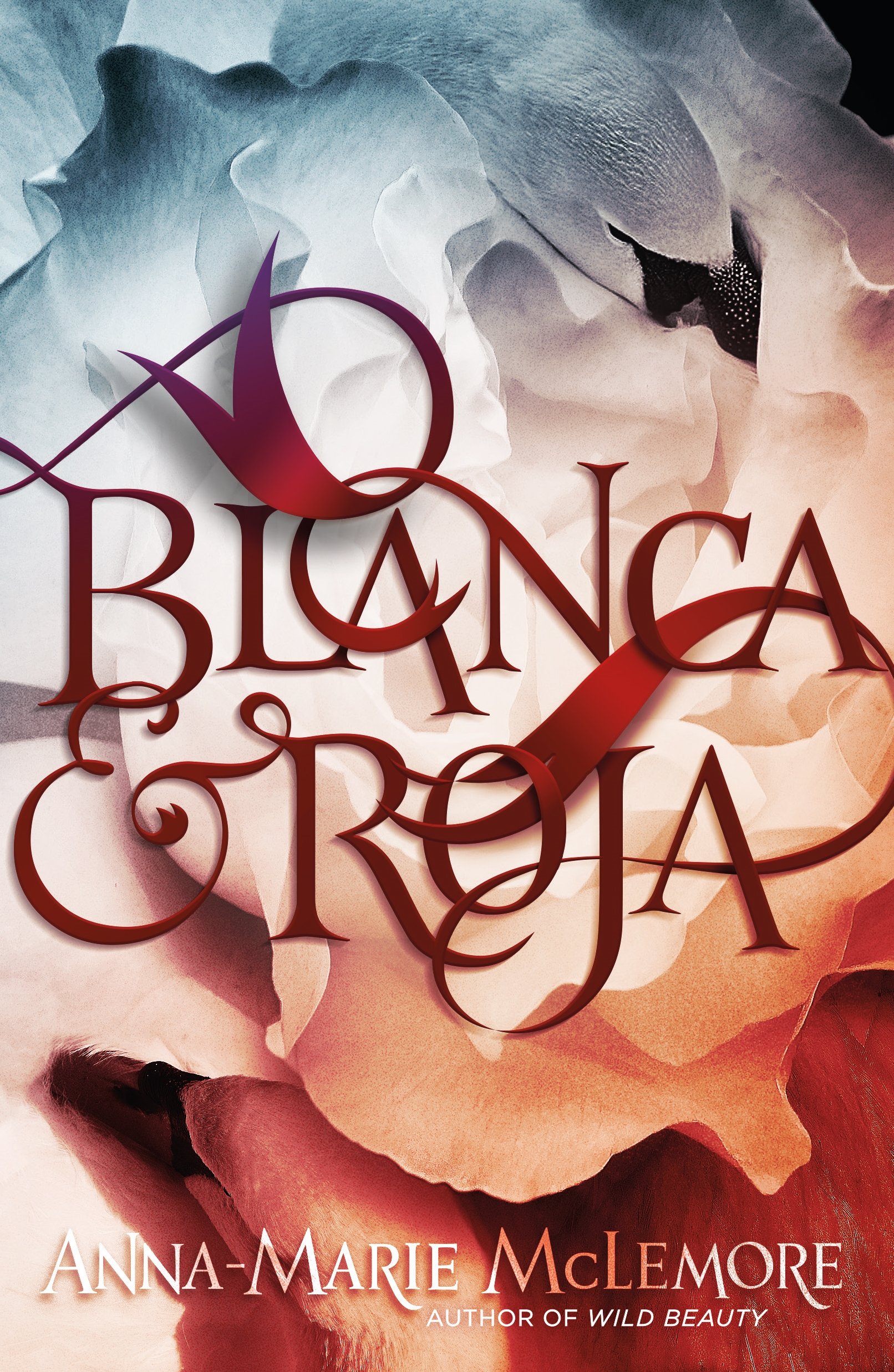
Blanca & Roja, Anna-Marie McLemore

Amazon.com: Blanca & Roja: 9781250162717: McLemore, Anna-Marie: Books

GENRES: Retellings, fantasy, magical realism, LGBTQ+

MY RATING: ⭐️⭐️⭐️⭐️

At this point, I’m convinced that Anna-Marie McLemore is the once and future master of magical realism. Their writing never disappoints, always luscious, immersive, and blooming with flowers. Blanca & Roja was no exception!

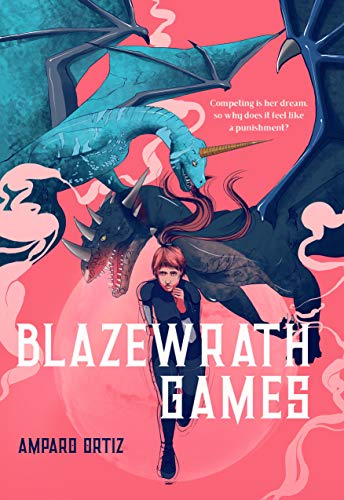
Blazewrath Games, Amparo Ortiz

Amazon.com: Blazewrath Games eBook : Ortiz, Amparo: Kindle Store

GENRES: Fantasy, urban fantasy, LGBTQ+

MY RATING: ⭐️⭐️⭐️

If your favorite part of the Harry Potter series was the Triwizard Tournament and all the dragons, then you HAVE to pick this one up! Perfect for readers who love competition-centered books. Plus, dragons. Need I say more?

Sanctuary, Paola Mendoza & Abby Sher

Sanctuary by Paola Mendoza

GENRE: Dystopia, fiction

MY RATING: ⭐️⭐️⭐️⭐️

This one’s a gut-wrencher, but it should be required reading. Just like Internment, it shows an all-too plausible world where xenophobia and hatred runs even more rampant than today.

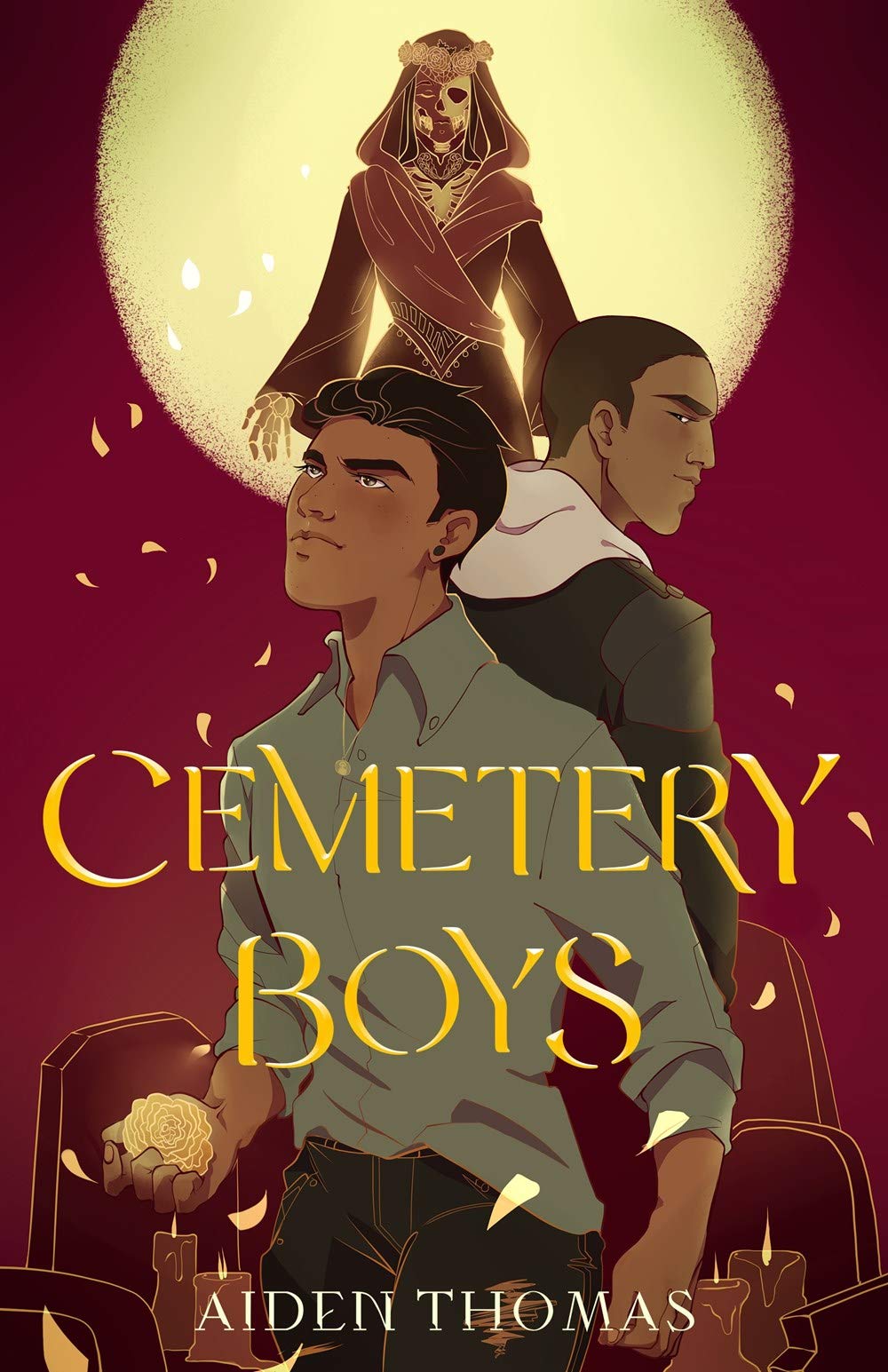
Cemetery Boys, Aiden Thomas

Amazon.com: Cemetery Boys: 9781250250469: Thomas, Aiden: Books

GENRES: Paranormal fantasy, romance, LGBTQ+

MY RATING: ⭐️⭐️⭐️.5

I didn’t like this one quite as much as everybody else seemed to, but it was still a fun read! LGBTQ+ Latinx rep is always super important, and it’s refreshing to see some of the rep in this novel. Plus, one of the few YA books I’ve read with Colombian-American rep!!

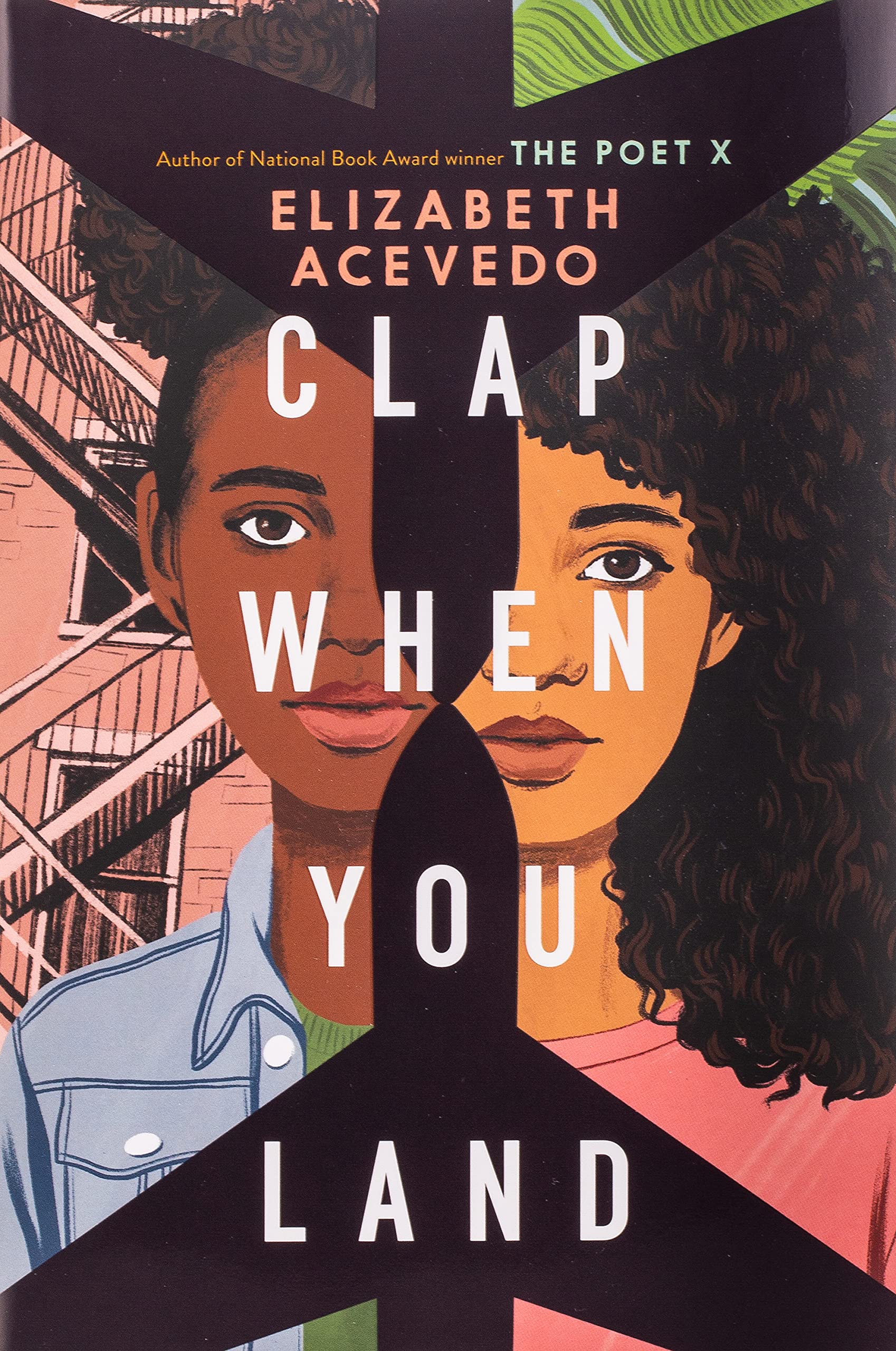
Clap When You Land, Elizabeth Acevedo

Amazon.com: Clap When You Land: 9780062882769: Acevedo, Elizabeth: Books

GENRES: Novels in verse/poetry, fiction, LGBTQ+, contemporary

MY RATING: ⭐️⭐️⭐️⭐️

At this point, Elizabeth Acevedo can do no wrong. Clap When You Land is just as much of a force of nature as her other novels, and her writing never fails to stir all kinds of emotions up in me.

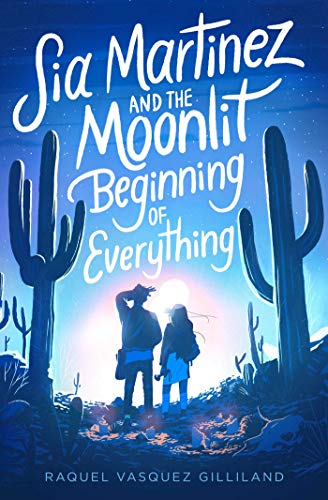
Sia Martinez and the Moonlit Beginning of Everything, Raquel Vasquez Gilliland

Amazon.com: Sia Martinez and the Moonlit Beginning of Everything eBook :  Gilliland, Raquel Vasquez: Kindle Store

GENRES: Fiction, contemporary, magical realism, science fiction

MY RATING: ⭐️⭐️⭐️⭐️⭐️

This was an unexpected 5-star read for me! A textbook example of what a good genre-bending novel should be; the sci-fi, realistic, and fantasy elements blended together seamlessly for an unforgettable book.

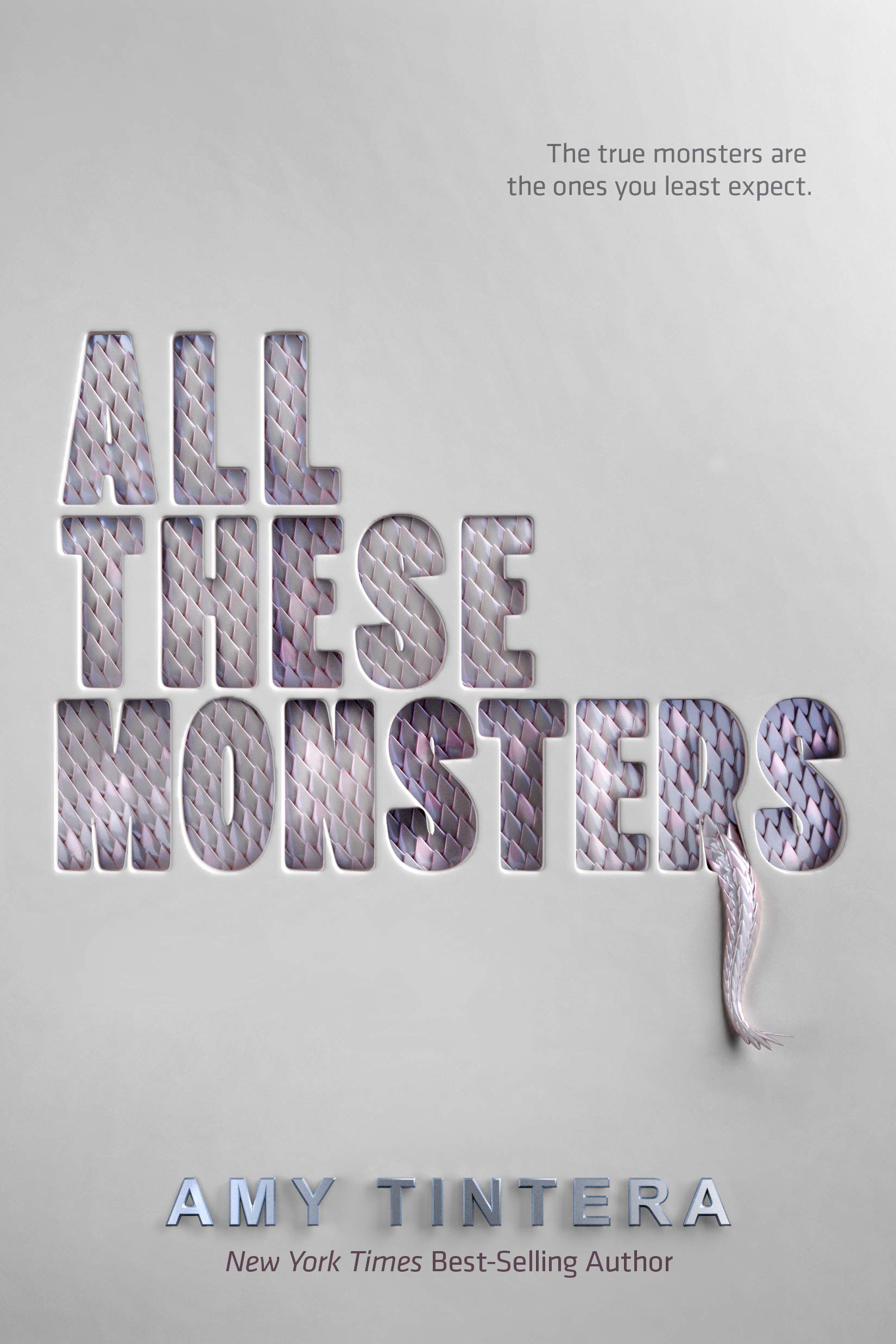
All These Monsters, Amy Tintera

Amazon.com: All These Monsters: 9780358012405: Tintera, Amy: Books

GENRES: Dystopia, paranormal fantasy, science fiction, romance

MY RATING: ⭐️⭐️⭐️⭐️

If finishing the B.P.R.D. comics left an empty space in your heart, what are you doing? PICK UP THIS BOOK! All These Monsters satisfied all of my paranormal needs, and it also has a half white, half Latina protagonist! Seeing characters like me represented always fills my heart with joy.

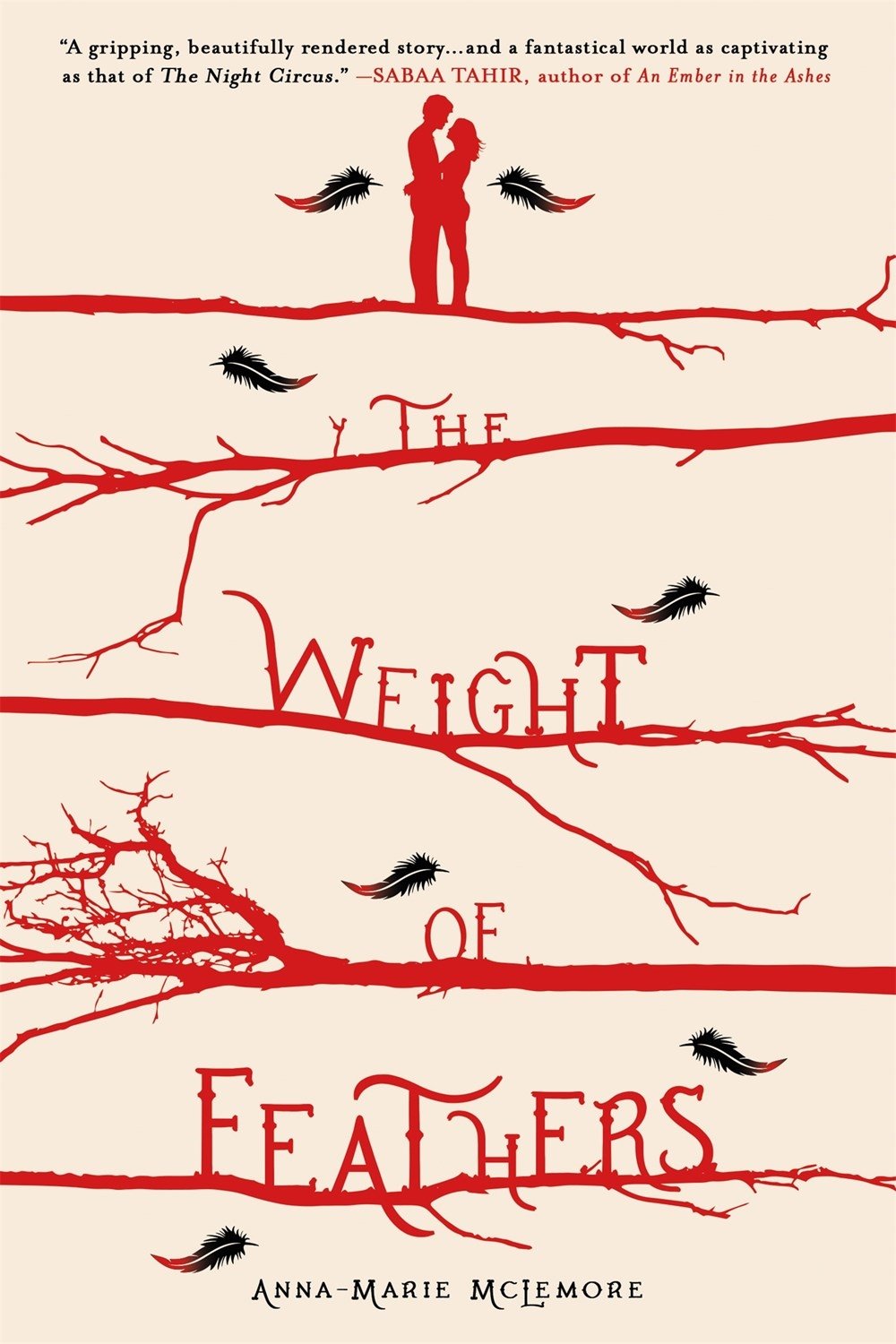
The Weight of Feathers, Anna-Marie McLemore

Amazon.com: The Weight of Feathers: A Novel: 9781250058652: McLemore,  Anna-Marie: Books

GENRES: Magical realism, retellings, fiction, romance

MY RATING: ⭐️⭐️⭐️⭐️

Beginning and ending with an Anna-Marie McLemore novel because a) they never disappoint, and b) people need to read their books more! Their debut novel is no exception.

TELL ME WHAT YOU THINK! What are your favorite YA books by Latinx authors? Any recommendations for me? Tell me in the comments!

Happy Latinx Heritage Month Latina GIF - Happy Latinx Heritage Month Latinx  Latina - Discover & Share GIFs

Today’s song:

That’s it for this post! Have a wonderful rest of your day, and take care of yourselves!

Posted in Book Review Tuesday

Book Review Tuesday (9/7/21) – Curses

Happy Tuesday, bibliophiles!

I’ve been a fan of Lish McBride’s for a few years now, ever since I fell in love with Firebug back in middle school. So when I found out that she’d come out with a new book, I was OVERJOYED. I immediately put it on hold at the library, and I’m pleased to say that it didn’t disappoint in the slightest!

Enjoy this week’s review!

Curses by Lish McBride

Curses – Lish McBride

Merit Cravan is cursed. After refusing to marry the prince her mother wanted her to marry, a fairy godling cursed her to be a carnivorous beast. The curse can only be broken if she marries a man her mother chooses by her eighteenth birthday.

Tevin comes from a family of conmen, and after his mother blunders and gets on the wrong side of Lady Cravan, he’s traded to them in exchange for her mother’s freedom. He befriends Merit, and learns of her curse, but as her eighteenth birthday creeps ever closer, they discover that the way to break it is closer than either of them could have imagined.

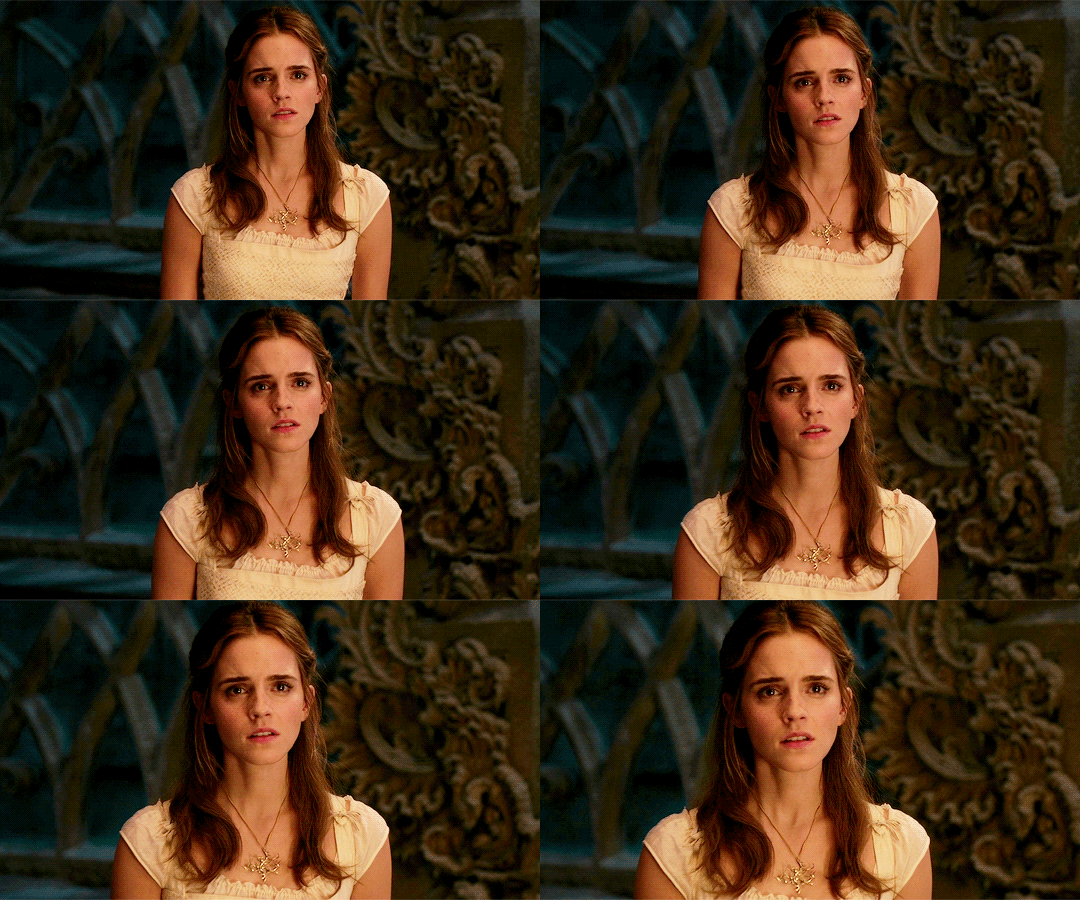
Disney Live Action — Emma Watson as Belle BEAUTY AND THE BEAST (2017),...

TW/CW: gore, grotesque transformations, body horror, animal death, violence, drugging

I know, I know. Beauty and the Beast retellings have long seen their day in YA. We’ve all suffered through countless awful ones. But I am BEGGING you to read this one. You’ll love it, trust me.

I really missed reading Lish McBride books. Her wry sense of humor and genre subversion have never failed to capture my heart, and Curses was no exception. Not only does Curses flip the traditional aspects of Beauty and the Beast on their heads, it does so in the most over-the-top, tongue in cheek way possible. It’s a fairytale retelling that regularly laughs at itself. And I loved every minute of it.

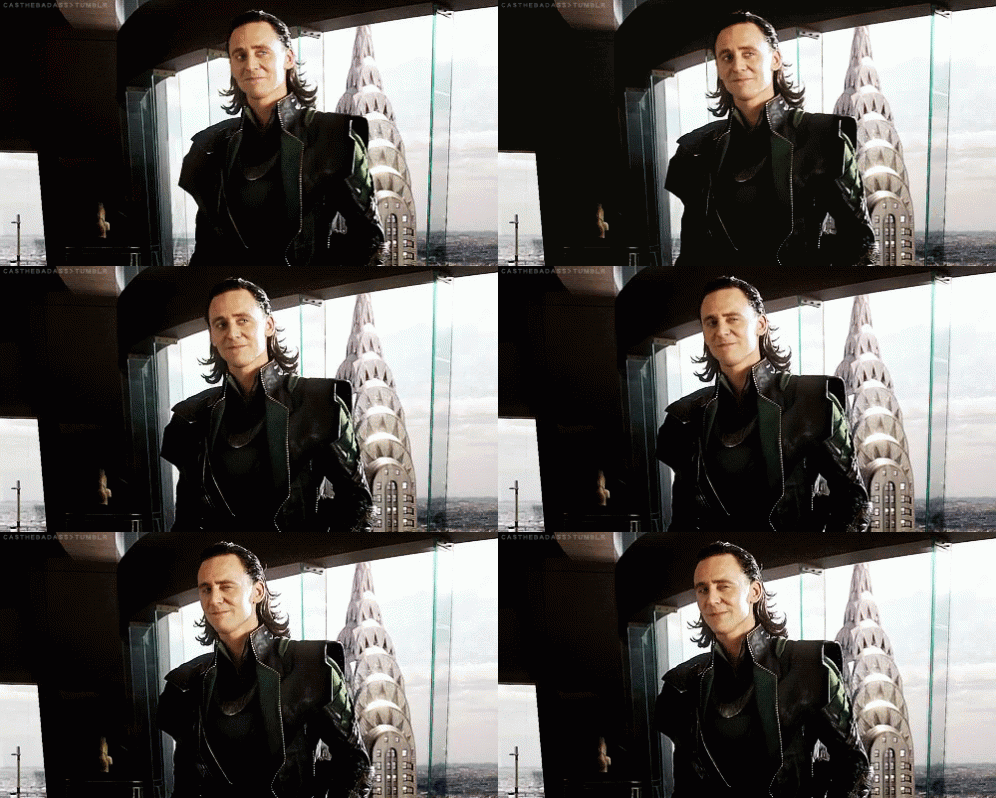
The majority of the characters were compulsively lovable, and if they weren’t, they were so over-the-top that it was impossible not to have a laugh at their expense. Tevin was my favorite by far; he struck me as a very Loki-like character, but behind the magical charm and and conniving, he was a strikingly complex character. Merit was also a great protagonist! I loved her independent spirit, and the way that her curse was explored was fascinating. (Also, I loved all of the other weird curses that the side characters got – very Courtney Crumrin…no, no, wait, I think that was frogs, not snakes…anyways)

660 My prince twice over ideas | tom hiddleston loki, tom hiddleston,  thomas william hiddleston

But what I loved best about Curses is that it’s the lovably campy, comedic antithesis of every YA Beauty and the Beast retelling of the last decade or so. It’s the cure to a subgenera that has tried to take itself far too seriously, trying too hard to make itself “edgy” in order to appeal to The Teens™️. (For reference, see: Beastly, Of Beast and Beauty, A Curse So Dark and Lonely, etc.) Everything had to be all dark and gritty, or else it wouldn’t be marketable. It got old quickly. And I’m not sure if Lish McBride had this in mind while writing Curses, but this book is the perfect cure to all of that. Like I mentioned earlier, there’s plenty of laughs at its own expense, and it’s simultaneously a unique, well-written piece of art and the perfect counter to edgy retellings past. I’m 100% for pushing back against the notion that art has to be dark or edgy to be considered “deep” or worthy of praise, and if you agree, this is the book for you.

My only complaint is the worlldbuilding. It seemed complex at first glance (what with all the different types of faeries), but the more I read, the more surface-level it seemed. There’s a timestamp given, but what does that mean? Is this an alternate history? Is it just a year according to the world of Curses? Does it pertain to actual human history? I could’ve used some answers. But it’s my only complaint, really. I loved almost everything else.

All in all…well, it’s a gender-swapped Beauty and the Beast retelling, what more could you possibly want? 4.25 stars!

Loki Gif - GIFcen

Curses is a standalone, but Lish McBride is also the author of the Firebug series (Firebug and Pyromantic), the Necromancer series (Hold Me Closer, Necromancer and Necromancing the Stone), and several other novellas.

Today’s song:

AAAAAAAAAAAAAAAAAAAAAA

That’s it for this week’s Book Review Tuesday! Have a wonderful rest of your day, and take care of yourselves!

Posted in Book Review Tuesday

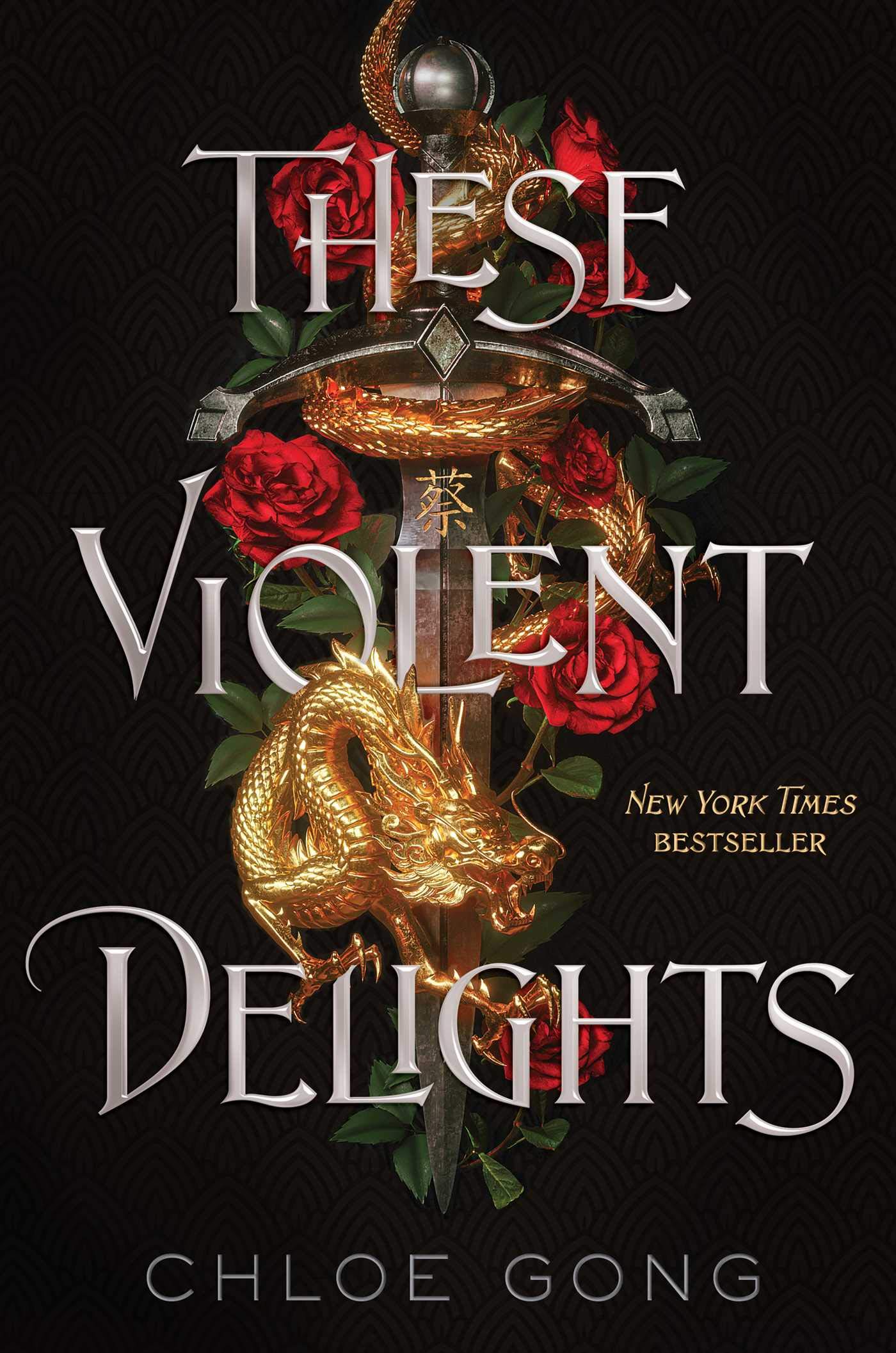
Book Review Tuesday (4/13/21) – These Violent Delights

Happy Tuesday, bibliophiles!

A bit of good news before I begin; for one, I got the SAT over with today! I actually feel fairly confident on the math portion, for once. And this afternoon, I got my first dose of the COVID-19 vaccine! I’ll be getting dose 2 in a few weeks, and I’m so relieved.

Anyway, this book has been on my radar for a while, what with it generating mountains of hype before and after its November 2020 release. It finally came to the library recently, and I’m so glad I got to read it! Not 100% worth the hype, but a truly inventive retelling.

Enjoy this week’s review!

Amazon.com: These Violent Delights (9781534457690): Gong, Chloe: Books

These Violent Delights (These Violent Delights, #1) – Chloe Gong

My library copy ft. a cool filter and one of my bookshelves

Shanghai, 1926. A war between the Scarlet Gang and the White Flowers is brewing, and a gruesome illness and rumors of monsters run amok in the city. Caught in the middle are Juliette Cai, heiress of the Scarlet Gang, and Roma Montagov, her ex-lover and sworn enemy. As members of both gangs fall ill to the gory malady, they must set aside their pasts and work together before they fall prey to it.

Fever Ray Rose GIF - Find & Share on GIPHY

TW/CW: graphic violence, body horror, abuse, gruesome descriptions of illness, substance abuse, blood

The hype made my expectations for this one pretty high, but I’m glad to say that These Violent Delights lived up to a good portion of it! Not a perfect novel, but one I enjoyed a whole lot.

First off, can we give a round of applause to Chloe Gong for putting such an inventive twist on Romeo & Juliet? I LOVED the setting, first off; it’s both a time period and a place that don’t usually turn up in YA, and the descriptions made me feel as through I was walking in Juliette’s footsteps. The discussions of racism and colonialism gave another layer of darkness to the setting as well, which made it feel a lot more authentic, especially when we saw it through Juliette’s eyes. The gang rivalry set the perfect scene for an R&J retelling, and a lot of the related scenes gave me some slight Fargo (Year 4) vibes, which is always a resounding YES in my book. And to top all that wondrousness off, supernatural vibes! The fantasy element of the plague and the monster in the river were woven in seamlessly with the historical setting, making for a world that felt lush and wonderfully fleshed-out.

As for the characters, Juliette was probably my favorite; she had a refreshing amount of agency, and she was full of drive and wit. I didn’t like Roma quite as much, but his backstory seamlessly fed into his character and made him feel more authentic. And I LOVE LOVE LOVED Benedikt and Marshall! They had such lovely chemistry, and Benedikt especially (my favorite behind Juliette) had such distinct qualities that truly set them apart in this story. It was also loads of fun to make connections back to Shakespeare’s original work, although…I had one problem: Tyler. I get it that he was supposed to be the Tybalt-surrogate, but…Tyler doesn’t seem like a 1920’s name at all. I get it that most of the Chinese characters in the novel had Westernized names, and I get that Tyler and Tybalt are very similar, but when I think of the name “Tyler,” I think more of 1990’s-2010’s, not 1920’s. I looked it up, and it seems like it was a fairly uncommon name at the time, but I could suspend my disbelief a little bit.

My other problem with the novel was with a certain aspect of the writing. For the most part, it was stellar; like I said, lush descriptions, gripping action, amazing prose. Thing is, there were a lot of metaphors that got stretched out far beyond their use. If some of the metaphors remained at one sentence, it would’ve been fine. However, some of them got dragged out to…entire paragraphs, which…mmm, nope, not my cup of tea. [gets out a pair of gardening shears to trim the purple prose down] Lots of drama in the writing department, but it fit with the story, for the most part. It was a lot to handle sometimes, but given…well, everything about the plot, I can see the point of most of it.

All in all, a high-stakes, high-drama retelling of Romeo and Juliet full of action and authenticity. 3.75 stars, rounded up to 4!

rabbi milligan Tumblr posts - Tumbral.com

These Violent Delights is Chloe Gong’s debut novel, and is the first novel in the These Violent Delights duology. Its sequel, Our Violent Ends, is slated for release in November 2021.

Today’s song:

NEW DANNY ELFMAN ALBUM IN JUNE THIS IS NOT A DRILL

That’s it for this week’s Book Review Tuesday! Have a wonderful rest of your day, and take care of yourselves!