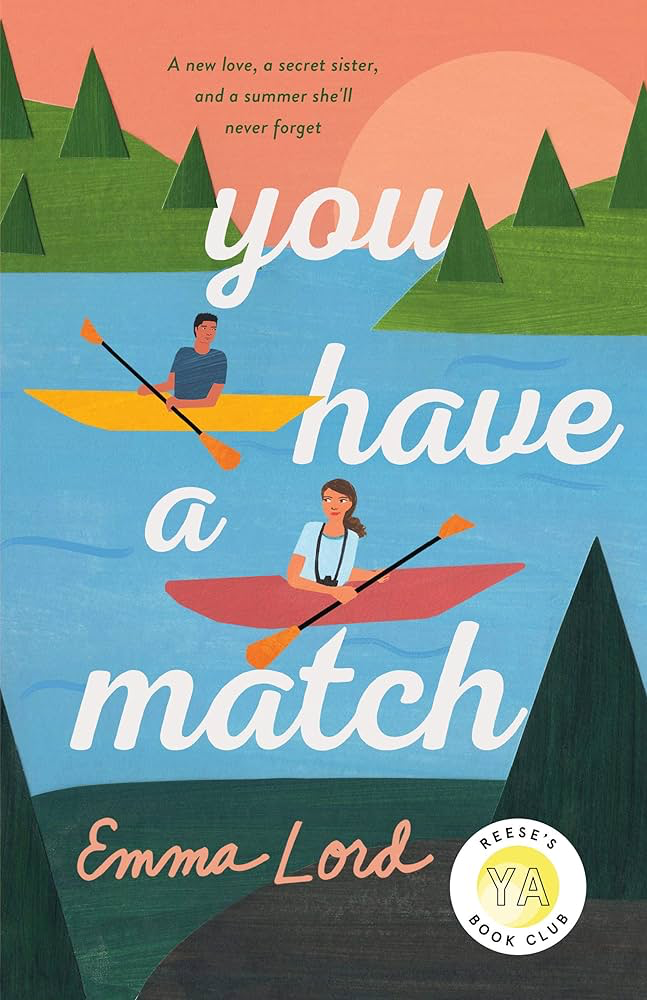
Ever since I read Tweet Cute and loved it about three years back, I’ve been meaning to read Emma Lord’s follow-up, You Have a Match, for ages. I’m not sure if I can just chalk it up to “I shouldn’t read anything that’s languished on my TBR for more than 3 years” because it seems like most of the Goodreads reviewers I’m seeing found it just as disappointing, but either way, this one was a miss for me.
Abby mainly decided to give a DNA service a go as a joke. But the results tell her that she has a secret sister—Savannah Tully. And Savannah isn’t just an ordinary sister—she also happens to be an influencer with a seemingly perfect life. Desperate to find out about the sister her parents hid from her, she hatches a plan to meet up with her at summer camp. But distractions from Leo, her best friend (or something more?) and co-chef at the camp, and drama between her and Savannah threaten to throw a wrench in her plan to find out why her parents separated her sister.
TW/CW: grief/loss, mentions of substance abuse, anxiety, mentions of abandonment, brief descriptions of injury and illness (broken bones, pneumonia)
I was banking on You Have a Match being at least decent just because of the memory of how good Tweet Cute was, but I really should’ve run for the hills the minute I saw the Reese’s YA Book Club sticker on it. But whether or not I’m looking at Tweet Cute through rose-colored glasses or if Emma Lord just took a dip in quality, You Have a Match was not nearly as sweet—or even enjoyable—as its predecessor.
The main issue with YouHave a Match was that it didn’t seem to know what it wanted to be. The premise (and partially the title, although it definitely applies to both) was advertised mostly as a kind of coming-of-age story of sisterhood, but the book itself also wanted to shove a fully-developed romance plot in between it all. The thing is, both of these stories could have been great as separate books—one about finding your lost sister, one about falling in love at summer camp. And I really believe that Lord could’ve succeeded with both of those stories. But even though it could have been possible to merge the two, You Have a Match felt like it didn’t know where to put the emphasis. As a result, the story felt like it needlessly jumped all over the place, making both of the plots cease to be cohesive. It really feels like a case of Lord biting off far more than she could chew.
As a result, the romance that was supposed to happen between Abby and Leo definitely suffered. So much attention was brought to the plot with Savannah and her friends that there was no room for their chemistry to develop, and by the end of the novel, none of the romance felt fleshed out in any way. All of it hinged on the reader believing the information that was very much told (certainly not shown…) that they’d had a beautiful friendship for years, and even that wasn’t enough to save the absolutely lukewarm romantic aspects of this book.
The pacing of You Have a Match didn’t help either of these issues—in fact, it was probably the reason that they were exacerbated. Once the characters got to camp, none of the timing made any sense. It felt like we were just being bounced along like a pinball from subplot A to subplot B without any room to breathe or make sense of what was happening. Everything felt transient and borderline pointless; 309 pages (for the Kindle edition) isn’t that short of a page count, but some points really did feel like filler. This is probably what could have solved the “this book doesn’t know what it wants to be” issue—cut all the filler and focus on developing the relationships between the characters, and chances are, I would’ve enjoyed it so much more.
Part of what endeared me to Tweet Cute was that the social media parts rarely came across as a Gen X author trying too hard to sound “hip.” As much as it can be, it felt real enough that the humor and romance could come through via that aspect. However, whatever internet savviness that Lord had was lost somewhere in the dust between Tweet Cute and You Have a Match. Maybe it was the shift in focus from Twitter to the whole mess that is the concept of Influencers, but it felt incredibly shallow in comparison. Despite her (eventual) redeeming qualities, Savvy came across as the most unoriginal, cardboard-cutout idea of an influencer (fit, makes green smoothies, immaculate hygiene, does yoga, etc.), but Lord could have easily subverted that idea with something that set her apart. All of the nuance came down to “influencers are people too, my life isn’t always perfect :(” and never went any further. Especially with the fact that Abby and Savvy were sisters all along, I feel like this could’ve gone so much deeper—or, at least, in a more interesting direction.
All in all, a coming-of-age, summer camp rom-com that wasted almost all of the potential that it had. 2 stars.
You Have a Match is a standalone, but Emma Lord is the author of several other novels, including Tweet Cute, Begin Again, When You Get the Chance, and the forthcoming novels The Break-Up Pact and The Getaway List.
Today’s song:
if I listen to this enough time, will I just forget that winter exists?
That’s it for this week’s Book Review Tuesday! Have a wonderful rest of your day, and take care of yourselves!
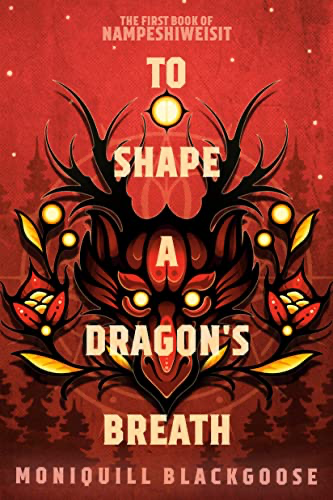
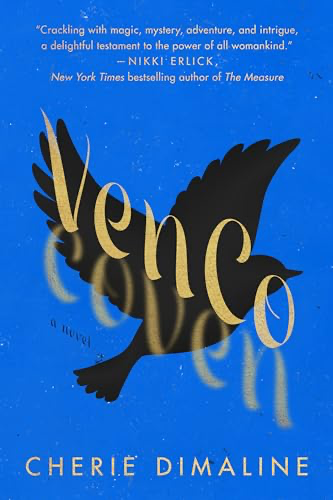
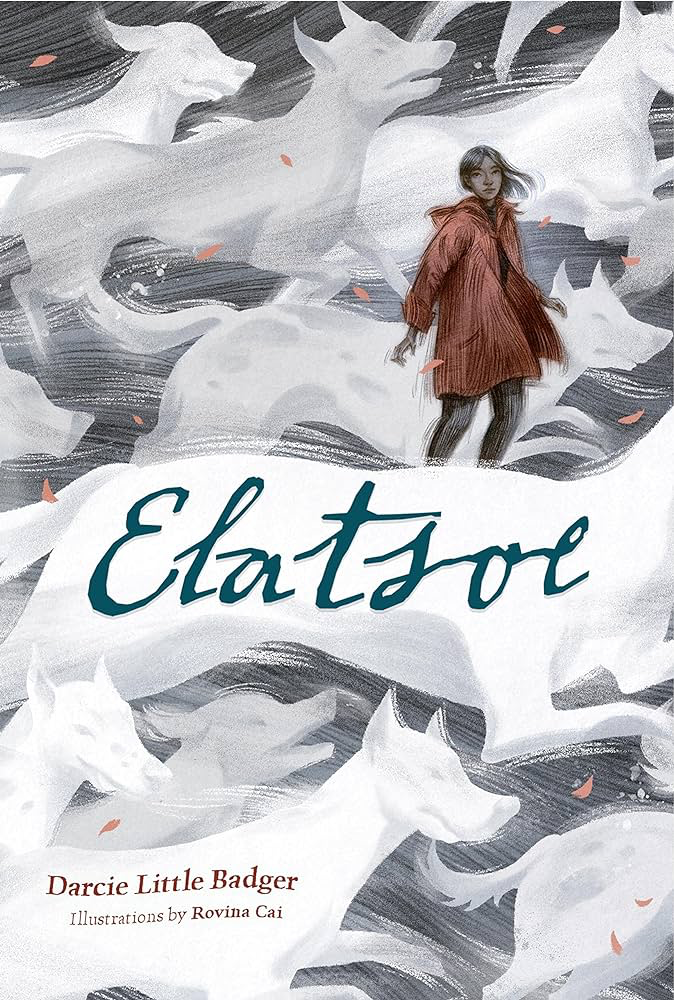
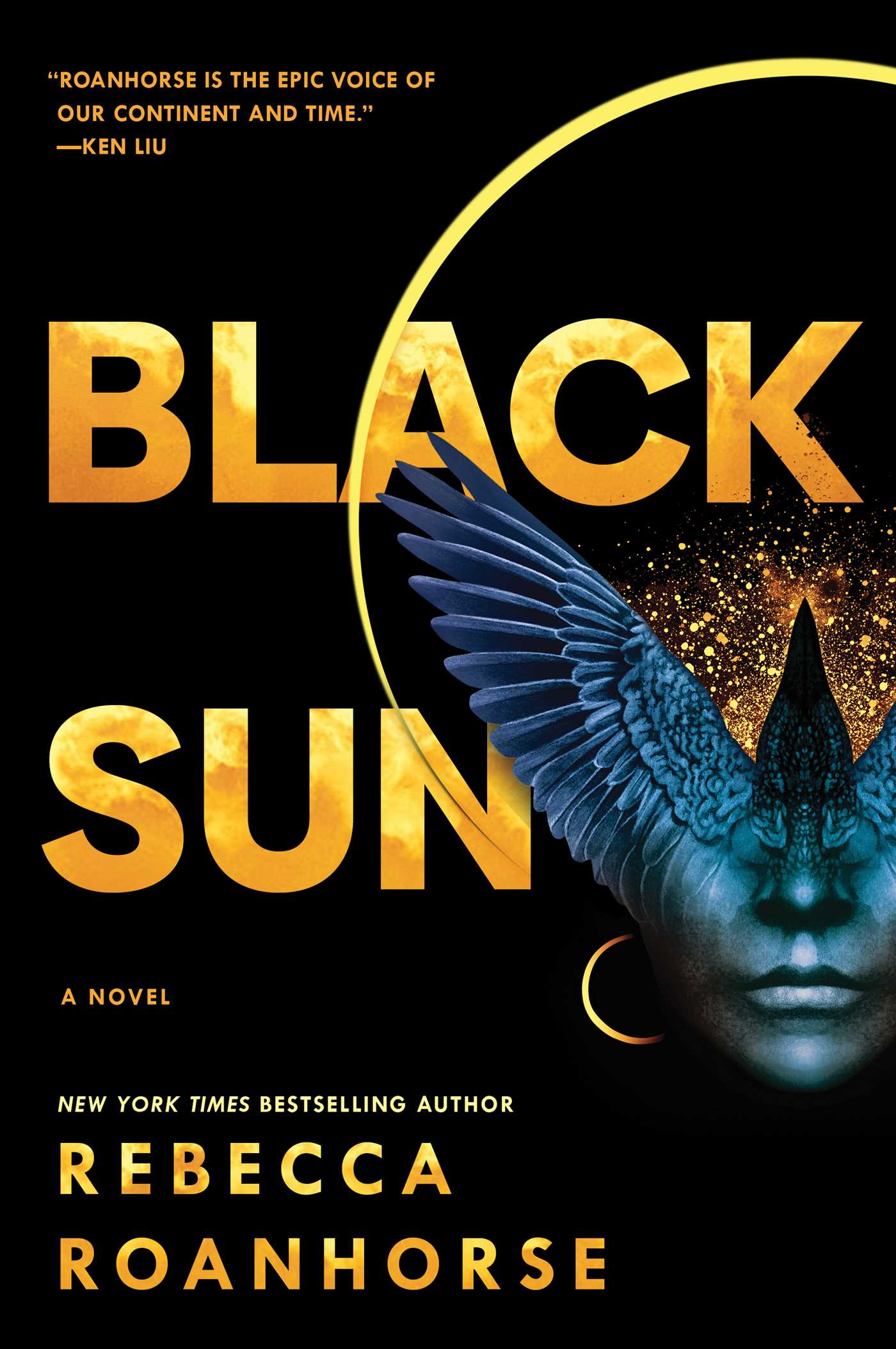
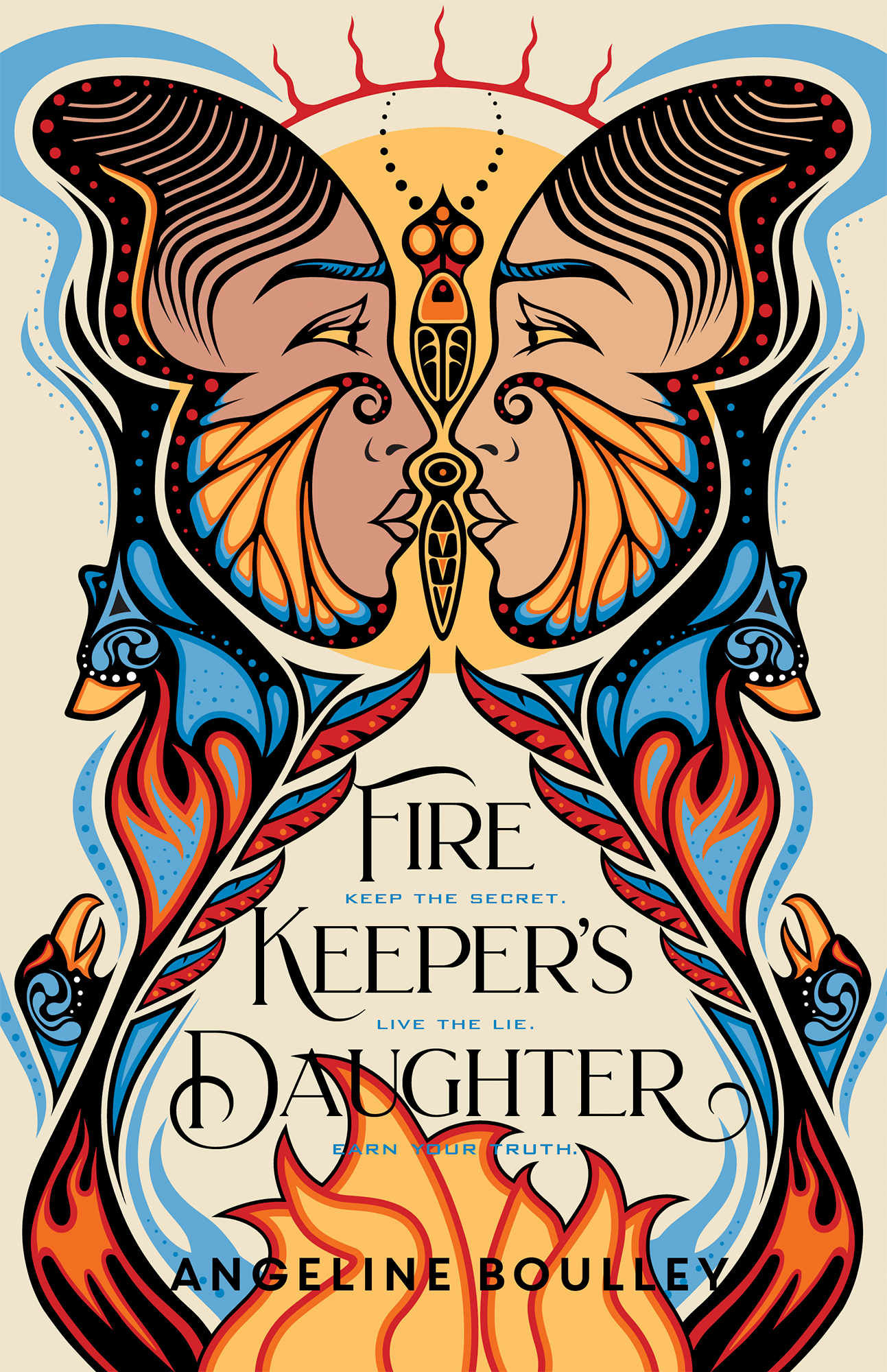
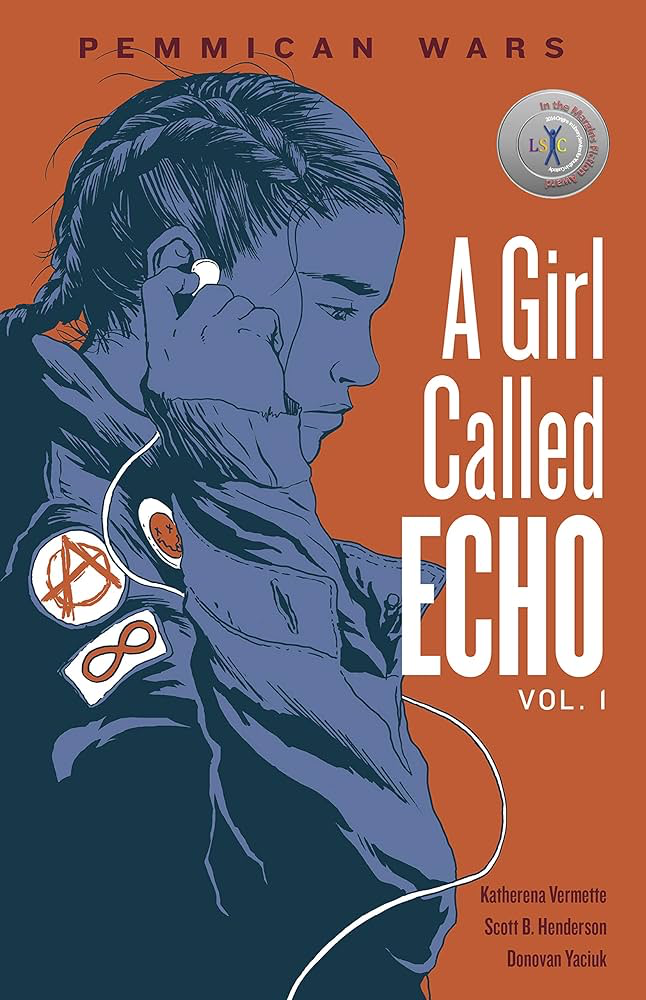
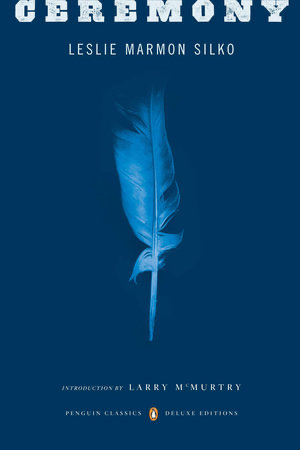
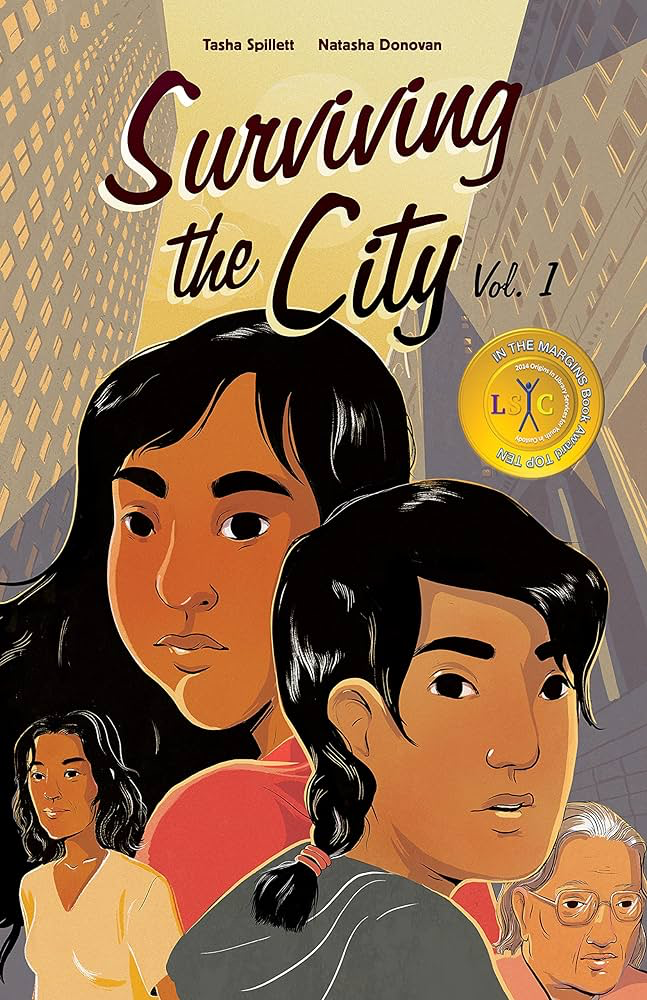
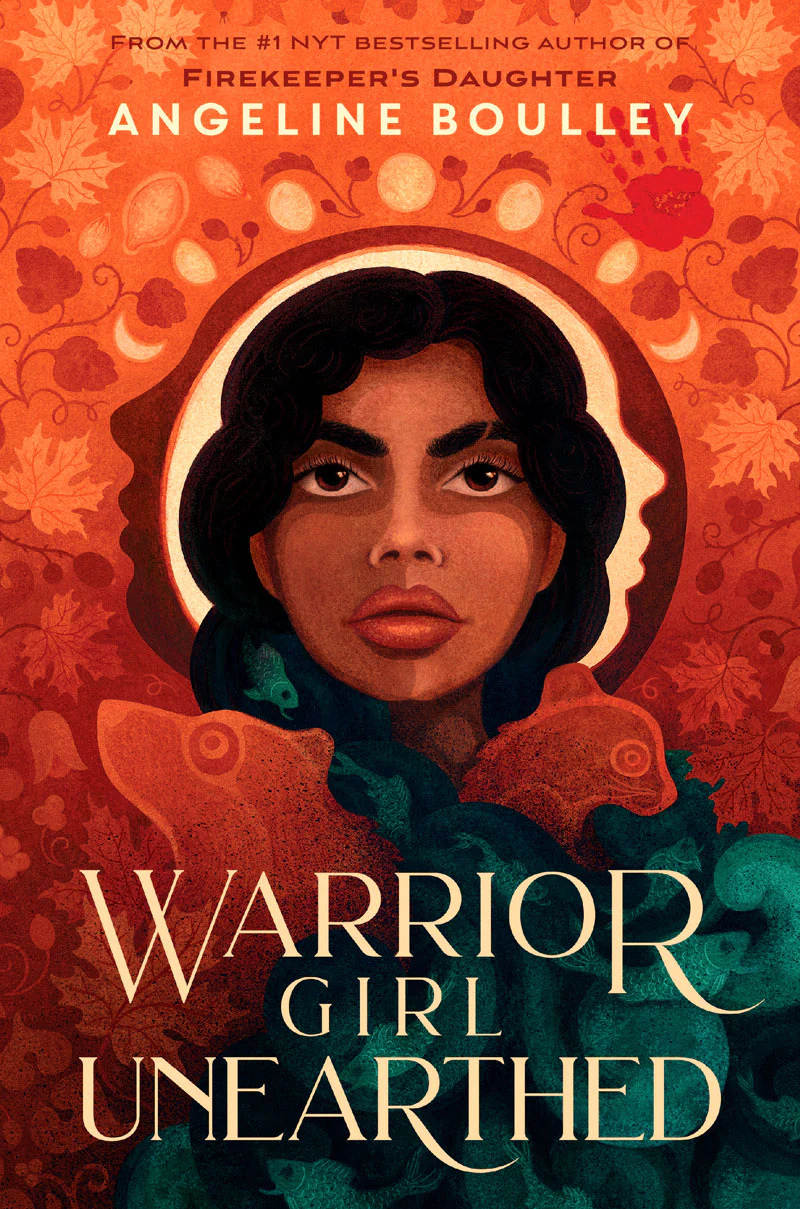
Here in theU.S., November is Native American Heritage Month! I’m surprised that I haven’t compiled a list for the occasion yet, but to be fair, November tends to be a busy month for me. But now that I’m a few days away from break, I figured I would use that time to make this list.
Despite the wonderful boost in diversity in YA and adult literature in the past decade or so, I’ve seen very little of that diversity focused on Indigenous characters and stories. It could be just me, from an outsider perspective, but diversity means boosting all voices—not just the few that you can think of off the top of your head when you think of the word “diversity.” And as an American, I know full well that we are and always have been living on stolen land, so it’s important to read outside of what our history books teach us. So I’ve compiled some of my favorite books by Native American, Indigenous, and First Nations authors for the occasion.
Let’s begin, shall we?
THE BOOKISH MUTANT’S BOOKS FOR NATIVE AMERICAN HERITAGE MONTH
TELL ME WHAT YOU THINK! Have you read any of these books, and if so, what did you think of them? What are your favorite books by Indigenous authors? Let me know in the comments!
Today’s song:
That’s it for this recommendations post! Have a wonderful rest of your day, and take care of yourselves!
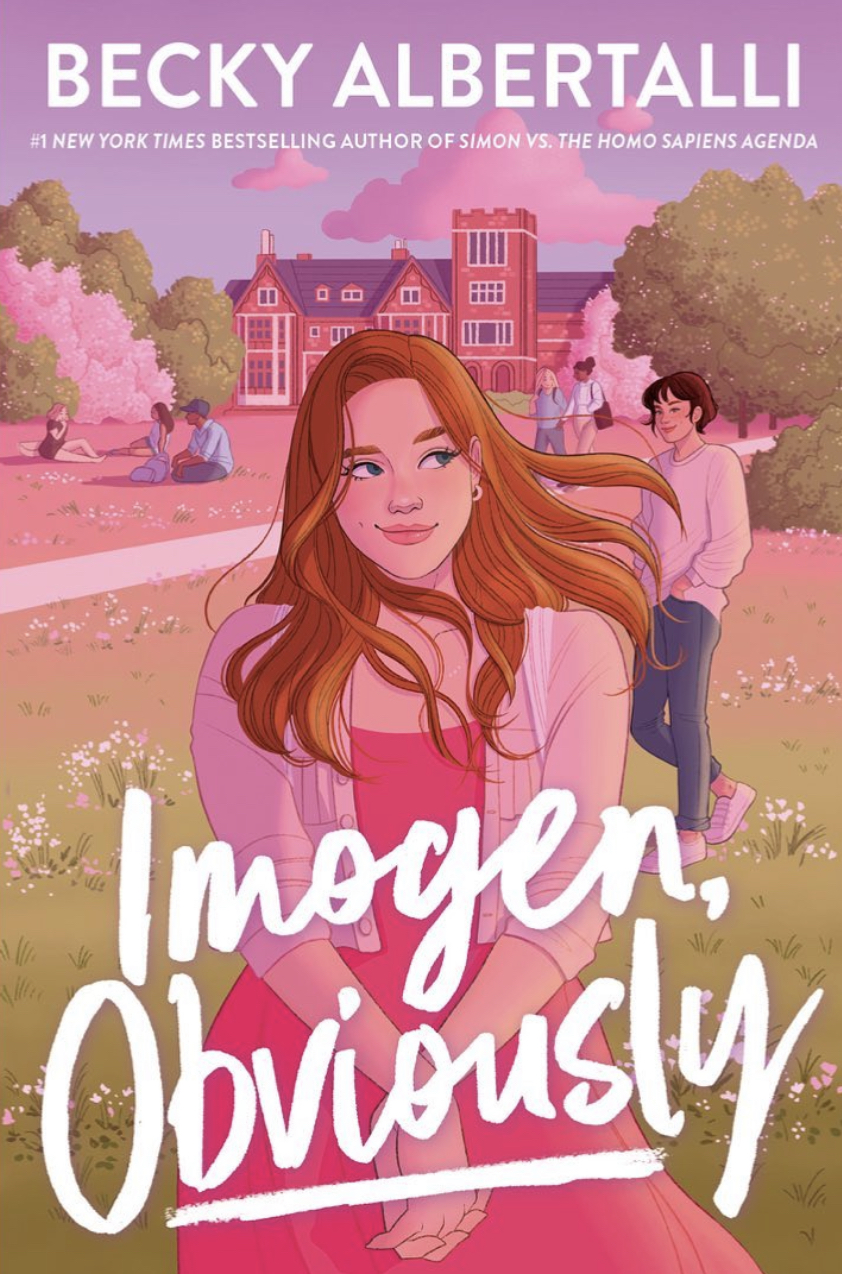
I’ve been reading Becky Albertalli’s YA books since middle school, and they’ve always had a special place in my heart. Although some of them have been hit-or-miss, I was looking forward to reading this one—it seemed so deeply personal to her, and I was so excited for the bisexual rep! And although it wasn’t perfect, it was such a deeply authentic depiction of the bisexual experience.
Imogen Scott knows her place—the token ally amongst her very queer friend group. She knows the nuances of queer culture and discourse in and out, but she’s confident in her heterosexuality. But all of that changes when she stays with her best friend Lili at her new dorm in college. Lili, who happened to tell everybody that Imogen was her ex in an ill-thought-out lie. Imogen is happy to keep up the ruse, but when she meets Tessa, one of Lili’s new (and very cute) friends, she begins to question whether or not it’s the role of “ally” that’s the lie after all.
From the start, I knew that Imogen, Obviously was going to be a deeply personal book for Becky Albertalli. That’s exactly what it was, and that’s exactly what it should have been. Even though it wasn’t without its flaws, Imogen, Obviously is an incredibly important book in that it shows us a narrative of bisexuality that isn’t portrayed as much, and that there is no one true narrative of how bisexuality is in the first place.
As a bisexual reader, Imogen’s story resonated so much with me, even if our coming-out journeys were different. And the fact that Imogen has a coming-out journey that deviates from a lot of the bisexual representation in media in general is a breath of fresh air; along her path of self-discovery, there’s some fantastic discussions about how we internalize stereotypes, the pressure to be “queer enough,” internalize biphobia and feeling like you don’t belong in queer spaces, and so much more. (And I’m glad that somebody’s talking about how random bisexual “traits” that float around social media…I once saw one that said “you may be bisexual if winter is your favorite season”…huh? What does that have to do with anything?) It’s a love letter to those who who feel like exceptions from the norm in a place that’s already populated by outsiders.
Adding onto that, what makes Imogen, Obviously such an important book to me is that it has such an important message about bisexuality, and about queerness in general: there is no one way to be bi, and that the entire queer experience doesn’t have to be entangled with suffering. We watch Imogen struggle with feelings of imposter syndrome in the queer community and repeatedly being put down by a “friend” who feels like she has the ultimate queer authority because she’s experienced quite a lot of homophobia, and it serves as an important reminder: we can’t exclude queer people from their own community just because they “aren’t queer enough” by some arbitrary measure. Again, it speaks to the personal element of this book, what with Albertalli’s own recent forced outing, but it’s a message that needs to be loud and clear.
Apart from the many wonderful messages that this book spreads, I loved watching the relationship between Imogen and Tessa develop! It really felt accurate to having your first queer crush in real time, with all of the stomach butterflies and shy conversations. They were a lovely match for each other, and although I was cheering for Imogen for every page, the two of them made my little bi heart so happy. Their romance really was a resonant and joyful one, something that Albertalli has nearly mastered writing.
All that being said, I had some issues with the writing that prevented me from giving Imogen, Obviously the full four-star treatment. I don’t remember enough about her other books to say how they were written (it’s been a while), but the way that she wrote these high school and college characters just felt so…off. She just peppered in all of the gen z slang into her dialogue whenever possible, and none of it felt natural or genuine. It felt like somebody observing gen z and/or TikTok from a distance, then trying to employ said slang from memory. It all felt so clunky, and at times, as much as I hate to say it, painful. I’m pretty sure that nobody says “discoursing” as a verb for discussing discourse. As fantastic as the rest of the book was, the cringy nature of the writing put me off from fully enjoying it.
All in all, a beautiful and necessary depiction of bisexuality that was hindered by its attempt to capture gen z speak, but excelled in every other department. 3.75 stars, rounded up to 4!
Imogen, Obviously is a standalone, but Becky Albertalli is also the author of the Simonverse (Simon vs. the Homo Sapiens Agenda, Leah on the Offbeat, and Love, Creekwood) and Kate in Waiting. she is also the co-author of What If It’s Us and Here’s to Us (with Adam Silvera) and Yes, No, Maybe So (with Aisha Saeed).
Today’s song:
That’s it for this week’s Book Review Tuesday! Have a wonderful rest of your day, and take care of yourselves!
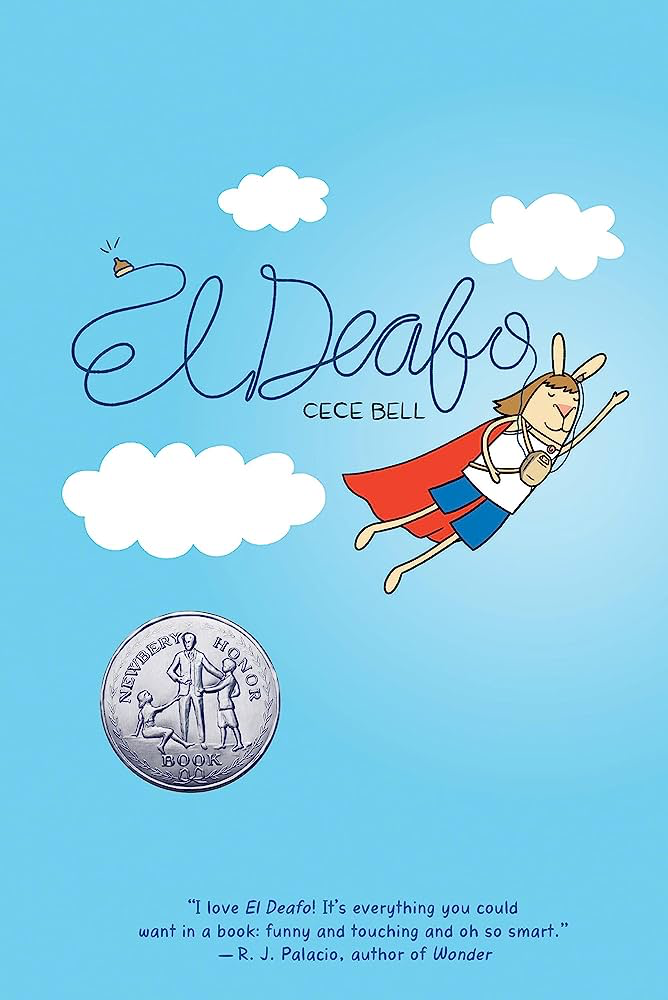
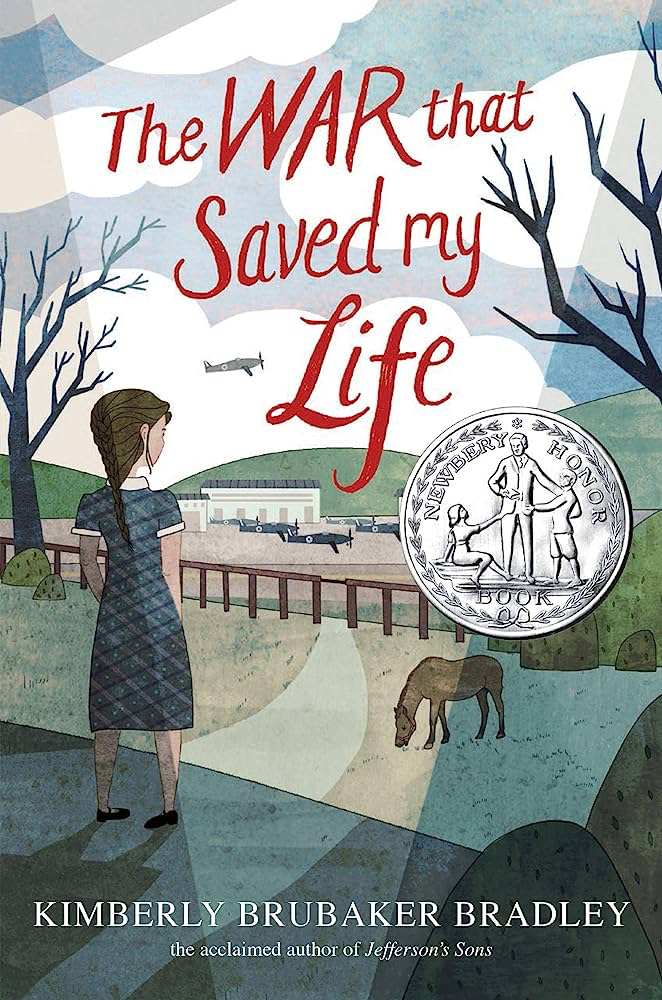
Here in the U.S., July is Disability Pride Month! Although I’ve seen some more recognition for it in the past few years, I find myself saying this over and over—disability issues are left behind in intersectional feminism far too often. The larger representation in media of disabled people as otherwise white and cishet, the lack of accessibility at many pride events, and the hurdles that most disabled students have to go through in order to get accommodations at school is proof. And yet, around 27% of Americans have some sort of disability—myself included. As the literary world has slowly shown more stories with disabled characters, it’s more important than ever to uplift disabled voices.
Like some of my other themed lists this year, I’ve decided to expand it beyond YA, because I’d be remiss if I didn’t include some of the amazing Adult and MG reads with disabled rep over the years. I’ve separated all of these recs by age group, and included their genres, my rating, and the type of disability rep.
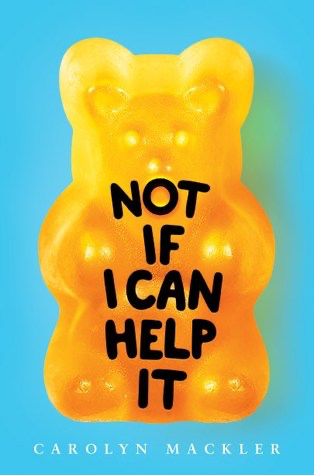
(SHOUTOUT TO NOT IF I CAN HELP IT, I FINALLY HAVE A MORSEL OF SPD REP)
for my lists from previous years, click here:
2022 (+ on having SPD and the lack of representation)
TELL ME WHAT YOU THINK! Have you read any of these books, and what did you think of them? What are your favorite books with disabled rep? Let me know in the comments!
Today’s song:
That’s it for this year’s Disability Pride recs! Have a wonderful rest of your day, and take care of yourselves!
Here we are again in pride month! It certainly is a joyous time of year, but in the past few years, it’s been a difficult one, too. All across the country, we have seen waves of anti-LGBTQ+ legislation, and the rhetoric that queer people are unnatural and wish to convert your children has spread like wildfire. We’ve also seen a dangerous increase in book bans—particularly by queer authors and authors of color. Books with diverse perspectives aren’t harming children—depriving children of these books is the dangerous part. Now more than ever is it important to read diversely: there’s never any harm in seeing a different perspective through literature. And if you’re really that concerned about “protecting the children,” maybe you should advocate for stricter gun laws instead of worrying about drag queen story hour.
In past years, I’ve split this post up into multiple (organized by genre), but I decided to make it all one post this year to keep it all more organized.
TELL ME WHAT YOU THINK! What are your favorite queer reads that you’ve read recently? Have you read any books on this list, and what did you think of them? Tell me in the comments!
Today’s song:
That it for this year’s pride month recommendations! Have a wonderful rest of your day, and take care of yourselves!
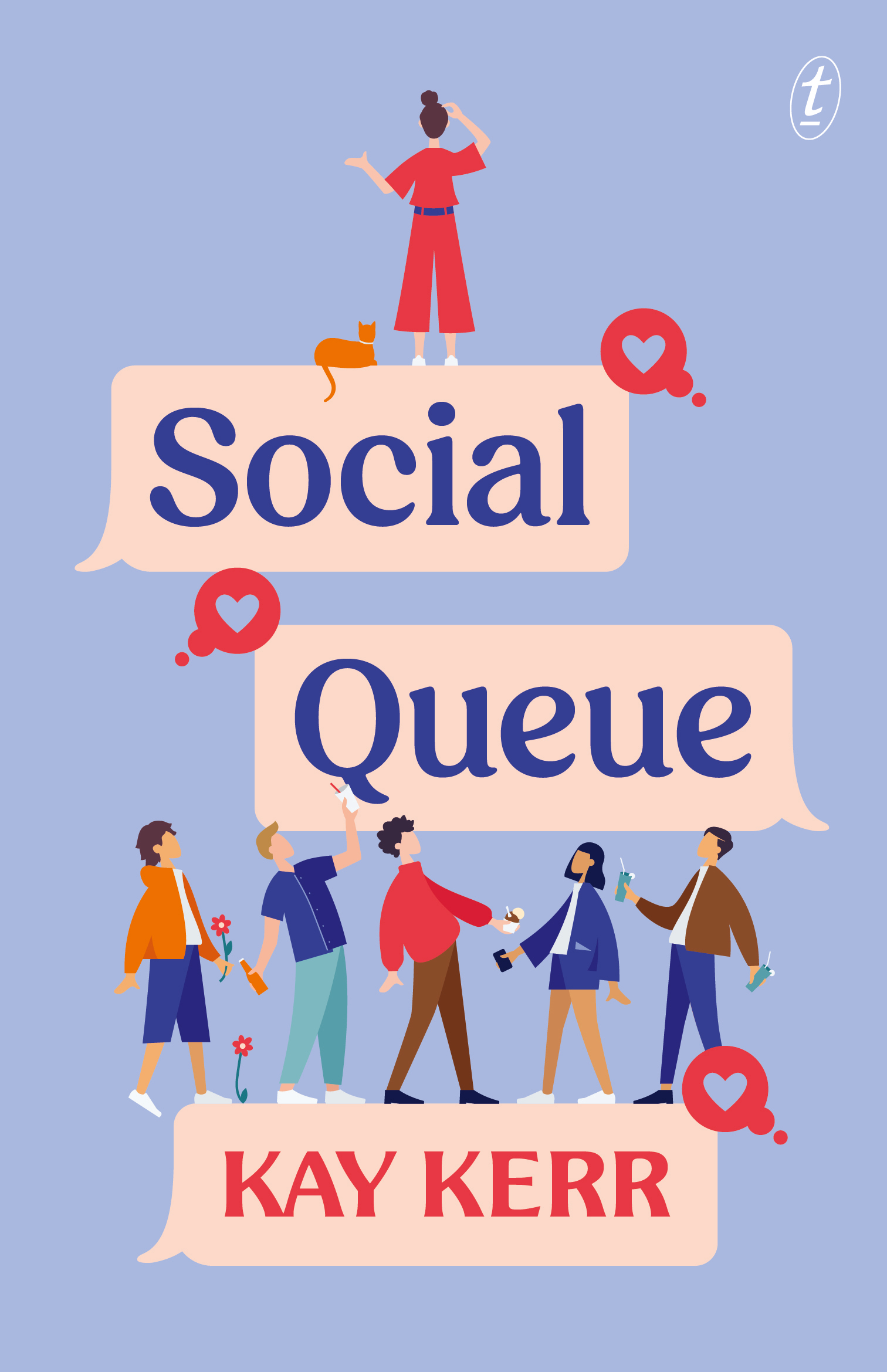
Earlier this month, I was looking for some books with autism rep for Autism Acceptance Month. I stumbled upon this one on a Goodreads list, and it seemed like a fun read. And while I did have some problems with the writing style, it was a solid romance through the lens of a young Autistic woman!
18-year-old Zoe is determined to turn over a new leaf. After a string of bad experiences in high school, she lands an internship at an online media company, where she writes pieces about her dating experiences—or lack thereof. But when these pieces get noticed by some of her old high school classmates, Zoe must reassess her idea of romance—and if taking second chances is worth it at all.
I found this one mostly on a whim (the quest for good disability rep never ends) and figured that it would be a good read for Autism Acceptance Month this year. And…I’ve come out of it with mixed feelings. I did like it, and I’d say it was a solid read. But I just had such a hard time getting into the writing, and while I loved all of the discussions around autism and disabled identity in general, they often came out very forced.
Let’s start with the good stuff. Zoe was a great protagonist, and she was the perfect fit for this kind of story. Although I wished we could have seen some more personality from her, I loved the journey of self-love and acceptance that she goes on over the course of this book. She had great character development, and her interactions with the other characters felt authentic and genuine. I can’t speak to how accurately her autism was depicted, but as a neurodivergent person, a lot of it felt very authentic, what with the sensory overload and whatnot. Either way, it’s always incredibly refreshing to see disabled characters/stories actually being written by disabled authors, so Kay Kerr deserves a thank you just for that.
There were some great conversations about autism and about disability in general as well in Social Queue! Zoe’s experiences—especially with her well-intentioned but ultimately harmful coworker trying to write about disabled issues—were so important to have in a book, and Kerr handled all of them very well. I loved the emphasis on restructuring the language we use around disabled people, especially removing the context of disability automatically being synonymous with suffering and doing away with the narrative of “overcoming” one’s disability. Social Queue raises so many questions that are so often left out of conversations about disability (and in feminism in general), and even as a piece of fiction, it works as a good primer for somebody looking into disabled issues.
That being said, some of the situations which Kerr tried to implement said conversations about disability came off as forced to me. For instance, early on in the novel, Zoe witnesses an instance of police brutality directed at an Autistic man. While this is a great starting point for conversations about disability and police brutality, it felt…blatantly like a plot device, like this horrifying instance of police brutality was set up just so that these conversations could be had in the book. Even though said conversations stemming from it were worth having, the placement and writing of it just made such a horrifying thing into nothing more than a conversation starter. Didn’t leave the best taste in my mouth.
I think part of why that instance didn’t work was because of Kerr’s writing style. Just like the cover, which looks like it was made in 15 minutes on Canva, nothing about it felt very distinct; none of the characters had unique voices, and most of the descriptions of the plot were mostly concerned with going from point A to point B without much embellishment. I’m not saying that Kerr should’ve gone headfirst with the purple prose, but the writing felt so dry that it needed some kind of embellishment, anything to make it more interesting. Even though Zoe was a solid character, this writing made for a significant amount of disconnect between her and some of the other characters that we were supposed to sympathize with.
Additionally, the romance aspect was iffy for me. I loved the premise of Zoe reconnecting with people from her high school and exploring her sexuality, but since the writing was so bland, most of said love interests were interchangeable to me. The only distinguishing factor was a) one of them was a girl (we love to see characters questioning their sexualities, though!! good stuff), and b) that one of them was a creep. That was pretty much it. Also, the fact that Zoe ended up with Gabe after all that infuriated me. I get forgiving and forgetting, but if a guy makes a WHOLE CLASS PRESENTATION about how you’re “so inspiring” just because you’re disabled, I WOULDN’T EVEN CONSIDER GIVING HIM A SECOND CHANCE. WHY. Apologies aren’t even enough at that point. That’s just disgusting. And I’m glad that they did cover that, but…Zoe. Bestie. You can do so much better than him. There was a lot of “he was mean to you because he had a crush on you, so it’s fine” action in Social Queue as a whole too, which rubbed me the wrong way, but Gabe was the most offensive for me.
All in all, a romance novel that did a good job of representing disabled and Autistic issues, but was let down on several occasions by its bland writing. 3 stars.
Social Queue is a standalone, but Kay Kerr is also the author of Please Don’t Hug Me and Love & Autism.
Today’s song:
BABE WAKE UP NEW PALEHOUND JUST DROPPED
That’s it for this week’s Book Review Tuesday! Have a wonderful rest of your day, and take care of yourselves!
As some of you may know, April is Autism Acceptance Month here in the U.S.! I don’t think I’ve highlighted a book list for the occasion, but in my ongoing quest for disability rep in general, I’ve come across many great books with Autistic protagonists and stories. If you’re looking to diversify your reading, it’s always important to uplift every kind of marginalized voice, and disability rep in general often gets left in the dust. So I’ve compiled a list of books by Autistic (with one exception—the author is still neurodivergent, just not Autistic) for this month.
NOTE: some of the older books on this list may still use the term Asperger’s, but in recent years, the term has since been renamed to Autism Spectrum Disorder (ASD) in the DSM-5, in part because of its association with Hans Asperger, who was involved with Nazism. Some people still use the term, but it is still important to acknowledge the history behind the term.
Enjoy these book recs!
THE BOOKISH MUTANT’S BOOKS FOR AUTISM ACCEPTANCE MONTH
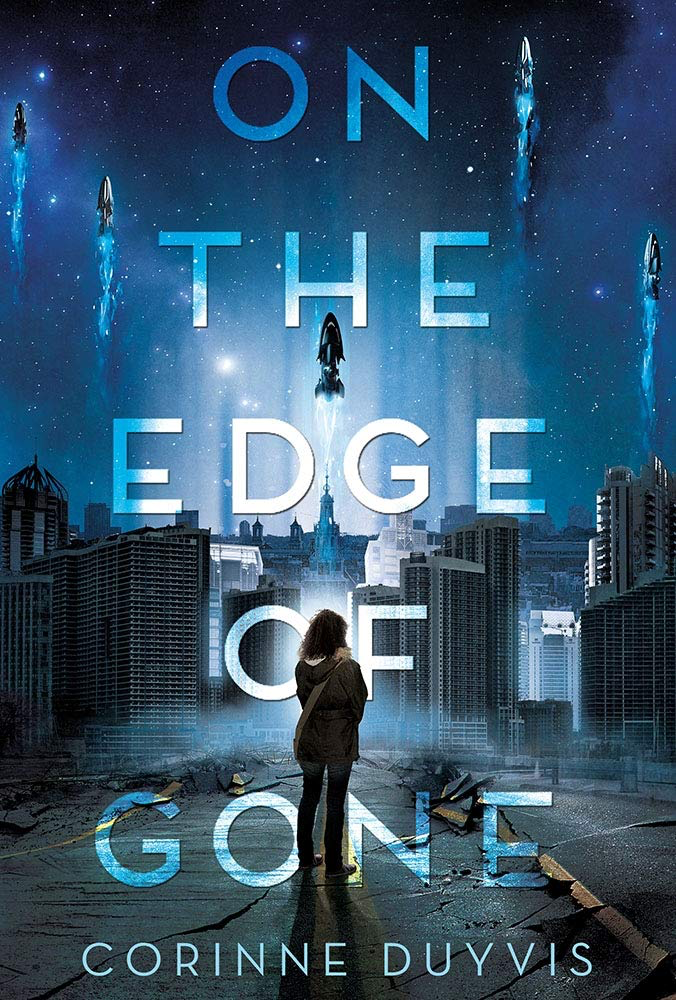
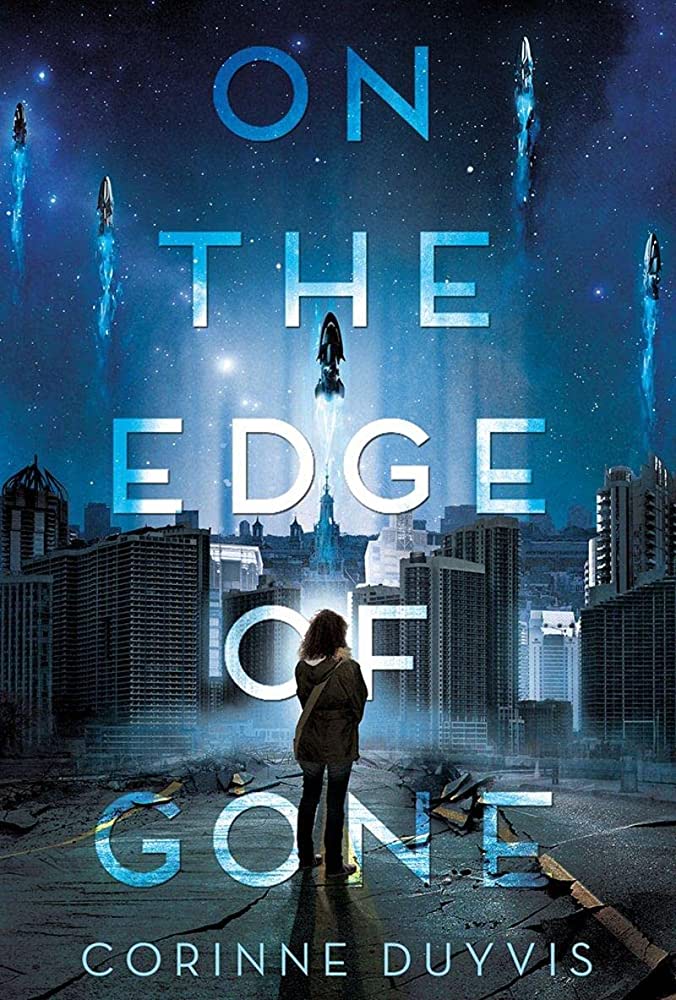
On the Edge of Gone – Corinne Duyvis: (YA, Sci-fi) a harrowing, dystopian vision of the world moments after a comet’s blast changes a girl’s life forever. | ⭐️⭐️⭐️.5
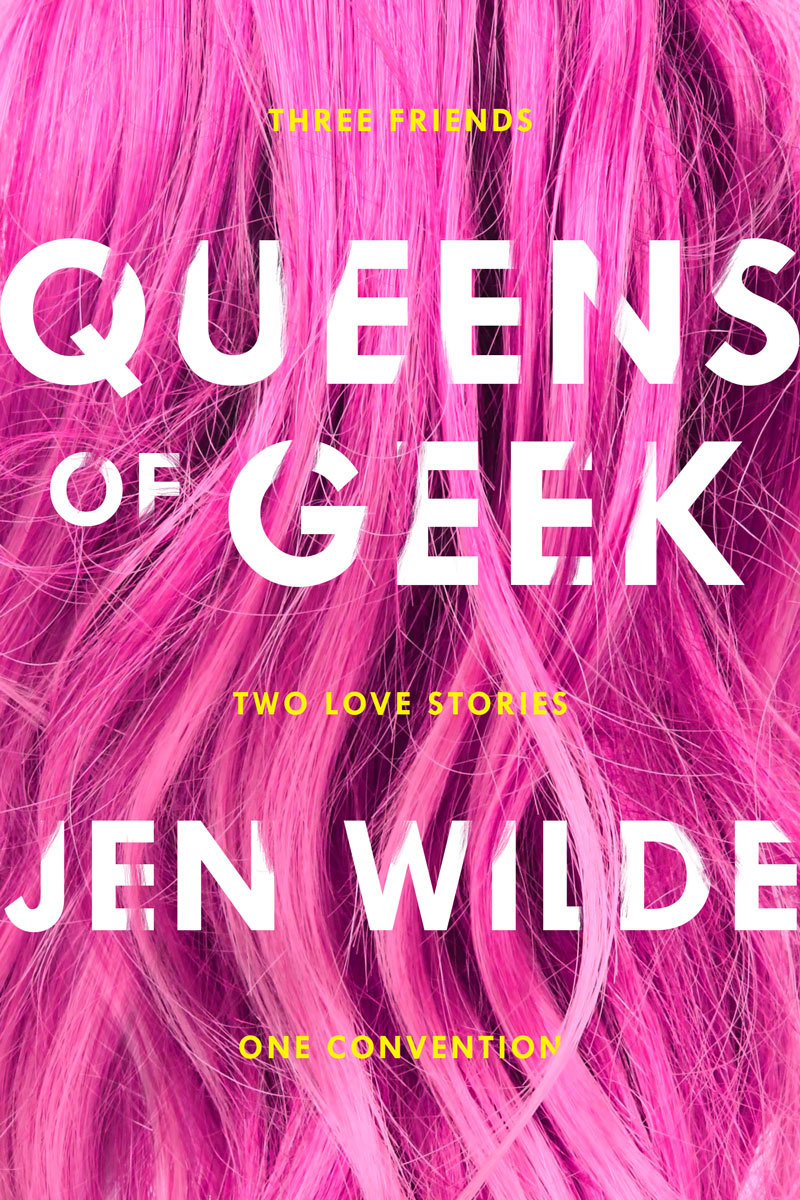
Queens of Geek – Jen Wilde: (YA, Fiction) a fun love letter to comic cons, fandom, and geek culture! | ⭐️⭐️⭐️⭐️
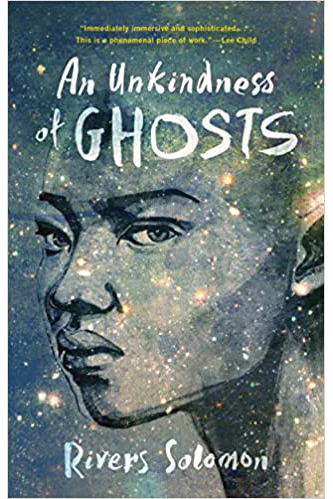
An Unkindness of Ghosts – Rivers Solomon: (Adult, Sci-fi) the raw, unforgettable story of a colony ship structured like the Antebellum South, and one woman’s quest to change things for the better. | ⭐️⭐️⭐️⭐️
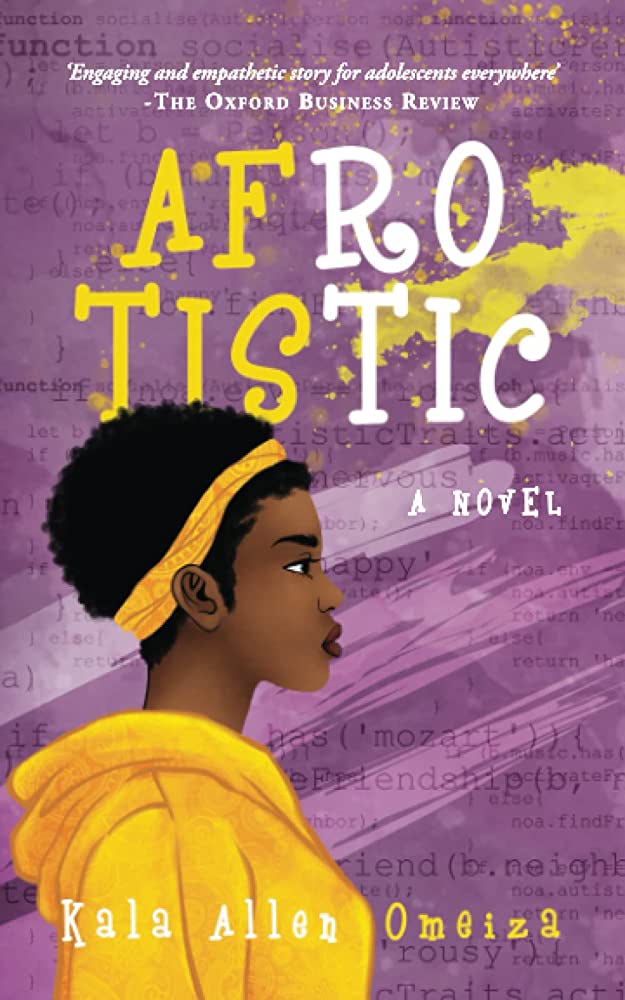
Afrotistic – Kala Allen Omeiza:(YA, Fiction) I love that this novel centers a young Black Autistic girl—it’s so refreshing to see disability rep that isn’t just white!
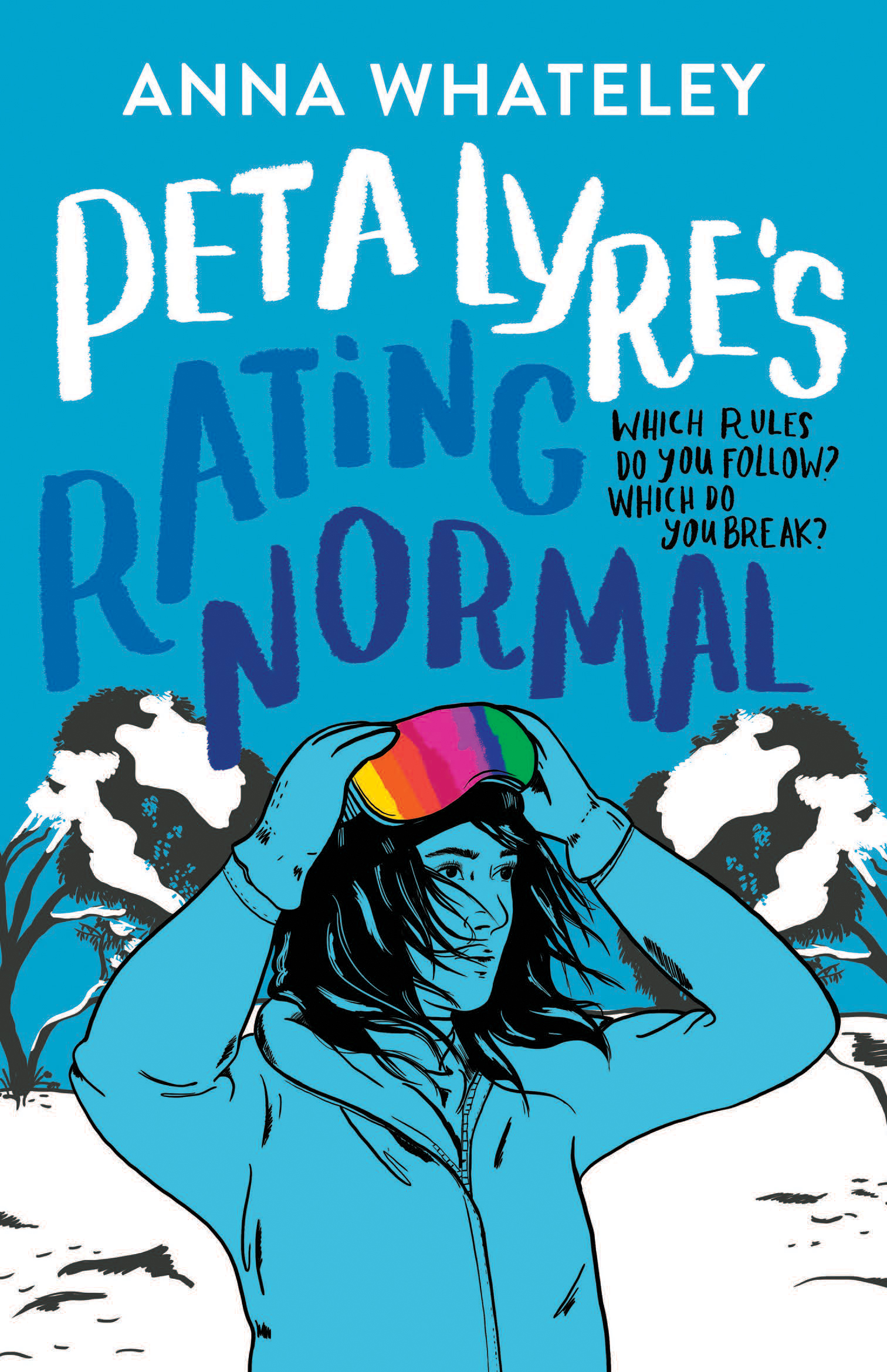
Peta Lyre’s Rating Normal – Anna Whateley: (YA, Fiction) I’m a woman of simple tastes. I see queer and neurodivergent rep, and I click “want to read” without a second thought.
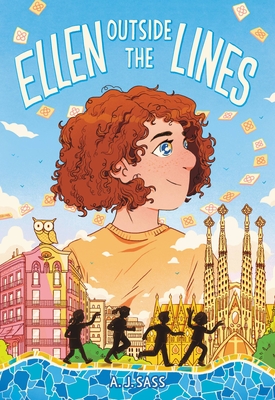
Ellen Outside the Lines – A.J. Sass:(MG, Fiction) I don’t read much MG these days, but I’m excited about the queer and Autistic rep in this one!
Social Queue – Kay Kerr:(YA, Fiction) I just started reading this one—I’m excited to see how it explores autism and dating!
TELL ME WHAT YOU THINK! Have you read any of these books, and if so, did you like them? What are your favorite books with Autistic rep? Let me know in the comments!
Today’s song:
That’s it for this list of recommendations! Have a wonderful rest of your day, and take care of yourselves!
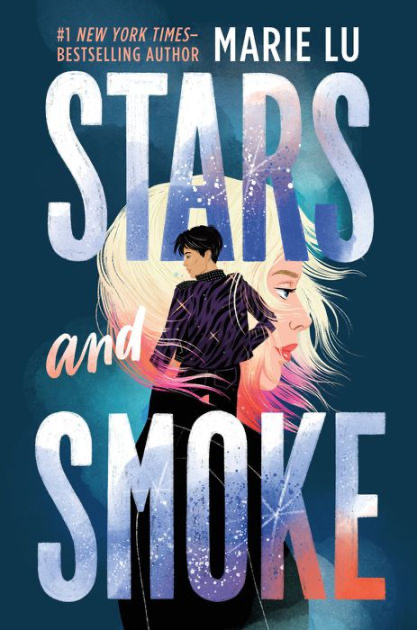
Here’s the thing—I’m not sure if I would read this book if it weren’t for Marie Lu. It’s not the kind of story that I would normally pick up, but if I’ve learned one thing as a longtime fan, it’s that she’s deft at writing for a variety of different genres. After finishing Stars and Smoke, it proved my point—I probably wouldn’t have read it otherwise, but it was still a fun read.
Winter Young is on top of the world. The former backup dancer has had a meteoric rise to fame with his solo career, with sold-out tours and chart-topping albums every year. But his talents are wanted elsewhere—as a spy.
For Sydney Cosette, Winter is the key to taking down Eli Morrison, a prominent crime boss. After Morrison’s daughter, Penelope, requests a private concert for her birthday, Sydney and her colleagues recruit him for the Panacea Group, a spy organization willing to do the dirty work that most won’t do. Winter is the perfect opportunity to infiltrate Eli Morrison’s rank—and take him down for good. But sparks are flying between Winter and Sydney—sparks that could compromise the mission itself…
TW/CW: poisoning, murder, loss of loved ones
I’ve been a fan of Marie Lu since middle school, and she’s become an autobuy author for me, no matter the story—in my experience, she’s shown herself to be incredibly versatile when it comes to hopping genres. When I saw the description for this book, I knew one thing: I probably wouldn’t have read this book had her name been on it. It didn’t seem like my type of story. And although that’s still true, Marie Lu gave it her best shot at that magic touch that she applies to every novel she writes.
Lu said that in the acknowledgements that after the pandemic and all of the chaos and awful things that have happened as of late, this book was meant to be a piece of light escapism to distract from it all. Given how dark some of her works have gotten, I really respect creating a book just for that purpose—some days you can’t swallow a whole, literary masterpiece full of emotional turmoil. And as with every other novel she’s written, Lu achieves that goal perfectly. Stars and Smoke is pure fun—it’s the YA version of an action-packed blockbuster, filled with fun and romance. Lu keeps the plot and pace going steadily, and I never found myself getting bored.
However, even though most of the book hinged on the premise of said romance, it barely felt fleshed out. In the last 2-3 years, I’ve seen the “enemies to lovers” trope being slapped on advertisements and blurbs for books as a selling point from its popularity from both fan fiction and BookTok. Listen—I adore the dynamic when it’s done well, but the trope has become such a buzzword that a lot of authors seem to have forgotten what it’s really about. All too often, the stretch between “enemies” and “lovers” is virtually nonexistent, making for a half-baked romance that ends up feeling like it has no chemistry—going to complete disgust to head-over-heels in love in no time at all.
Stars and Smoke, unfortunately, fell into this trap as well, which is frankly surprising, since Marie Lu has done enemies-to-lovers (and romance in general) well before. Winter and Sydney seemed to have hardly any chemistry at all—they seemed to go from “eh, I really don’t want to work with [x]” (and vice versa) to “excuse me while I write a chart-topping love confession for [x]” in a very short span of time. The “enemies” part was very understated too—not that I’m complaining, but if anything, it was more “mild annoyance to sorta lovers, I guess” than anything. Again: enemies to lovers has become a complete buzzword. Trope terms are helpful, but love is often more complicated than that, and the key to getting them right is to recognize the nuance beyond the basic premise of the trope.
All in all, a light, fun novel that lacked in the romance department, but delivered in the pure escapism that it promised. 3.5 stars!
Stars and Smoke is the first in a planned duology, concluding with an as-of-yet unnamed sequel set to be released sometime in 2024. Marie Lu is also the author of the Legend series (Legend, Prodigy, Champion, and Rebel), the Young Elites trilogy (The Young Elites, The Rose Society, and The Midnight Star), the Warcross duology (Warcross and Wildcard), the standalone Kingdom of Back, the Skyhunter duology (Skyhunter and Steelstriker), and many other books for children and young adults.
Today’s song:
criminally short
That’s it for this week’s Book Review Tuesday! Have a wonderful rest of your day, and take care of yourselves!
As some of you may know, last week (March 20-27) was when the #TransRightsReadathon was hosted in response to a dangerous increase in anti-trans legislation across the U.S. Created by Simi Kern, the goal of the readathon was to give the spotlight to as many trans books and authors as possible to bring them awareness and support in light of the rampant transphobia across the country and beyond. It’s been frightening and heartbreaking to see what’s happening in other states, and I want to support my trans siblings in any way possible. So I’ve decided to include shorter reviews of all of the trans books I read this week—all of which were good!
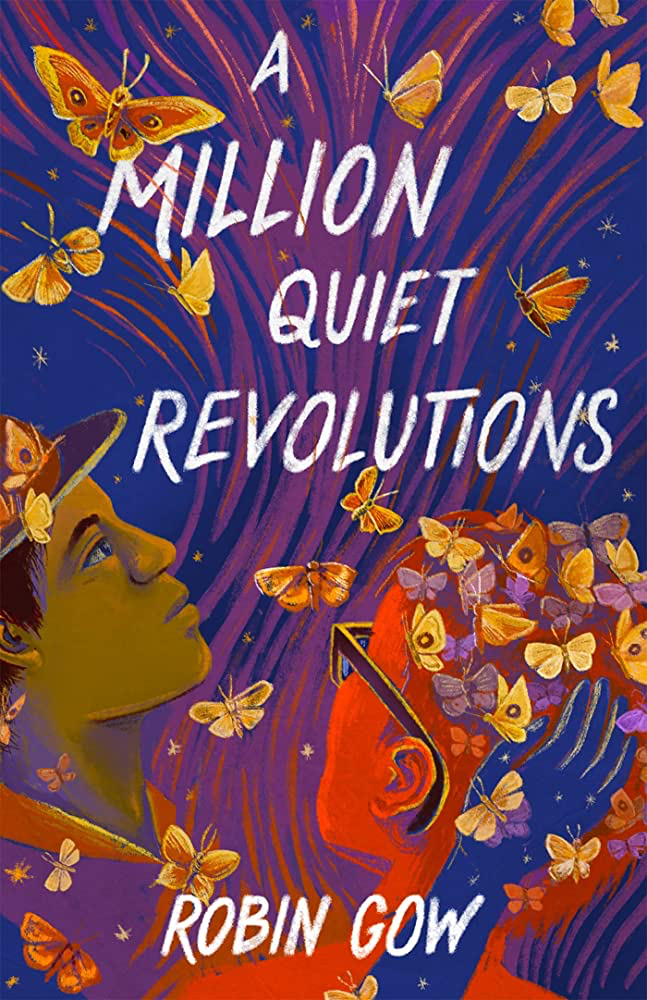
For as long as they can remember, Aaron and Oliver have only ever had each other. In a small town with few queer teenagers, let alone young trans men, they’ve shared milestones like coming out as trans, buying the right binders–and falling for each other.
But just as their relationship has started to blossom, Aaron moves away. Feeling adrift, separated from the one person who understands them, they seek solace in digging deep into the annals of America’s past. When they discover the story of two Revolutionary War soldiers who they believe to have been trans man in love, they’re inspired to pay tribute to these soldiers by adopting their names–Aaron and Oliver. As they learn, they delve further into unwritten queer stories, and they discover the transformative power of reclaiming one’s place in history.
TW/CW: transphobia, dysphoria, misgendering/deadnaming, homophobia, off-page sexual assault, religious bigotry
Novels in verse always get me when they’re done well, and A Million Quiet Revolutions was no exception. The story of Aaron and Oliver is one that was essential to be told, and it resulted in a beautifully poignant piece of verse!
The growing relationship between Oliver and Aaron felt so genuine, and the combination of pseudo-epistolary format (oh god, that sounded pretentious…) with verse emphasized the way that their relationship transcended barriers of both place and time. The interweaving of the past with the present gave me an insight into a queer part of history that I’m almost embarrassed that I didn’t consider until reading this—better late than never, I suppose. Their voices both leapt off the page, and the easy flow of Gow’s verse made the reading experience feel effortless, drifting like wind—good poetry, to me, doesn’t quite feel like poetry; the rhythm remains, but it doesn’t feel like going line by line in such a rote way.
Above all, the message of this novel in verse is one that’s so important, especially in a time where the narrative of LGBTQ+ people being trendy and new is being pushed so often—queer people have always been here, and we will always be here. Aaron and Oliver’s journey of researching their trans namesakes—cross-dressing soldiers in the Revolutionary War—was one that’s so necessary for understanding our own roots. The key to belonging is realizing that you have always been a part of history, no matter how many pains historians have taken to ignore or deliberately erase the queerness and transness that has always been there. For me, that’s why A Million Quiet Revolutions is such an important read.
Brimming with history and rich verse, A Million Quiet Revolutions is an ode to discovering your own roots, and finding solace in hidden histories. 4 stars!
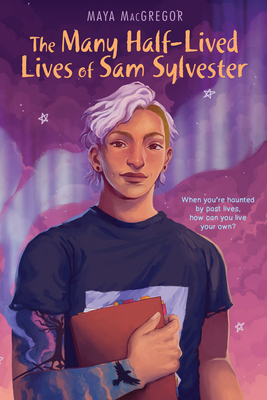
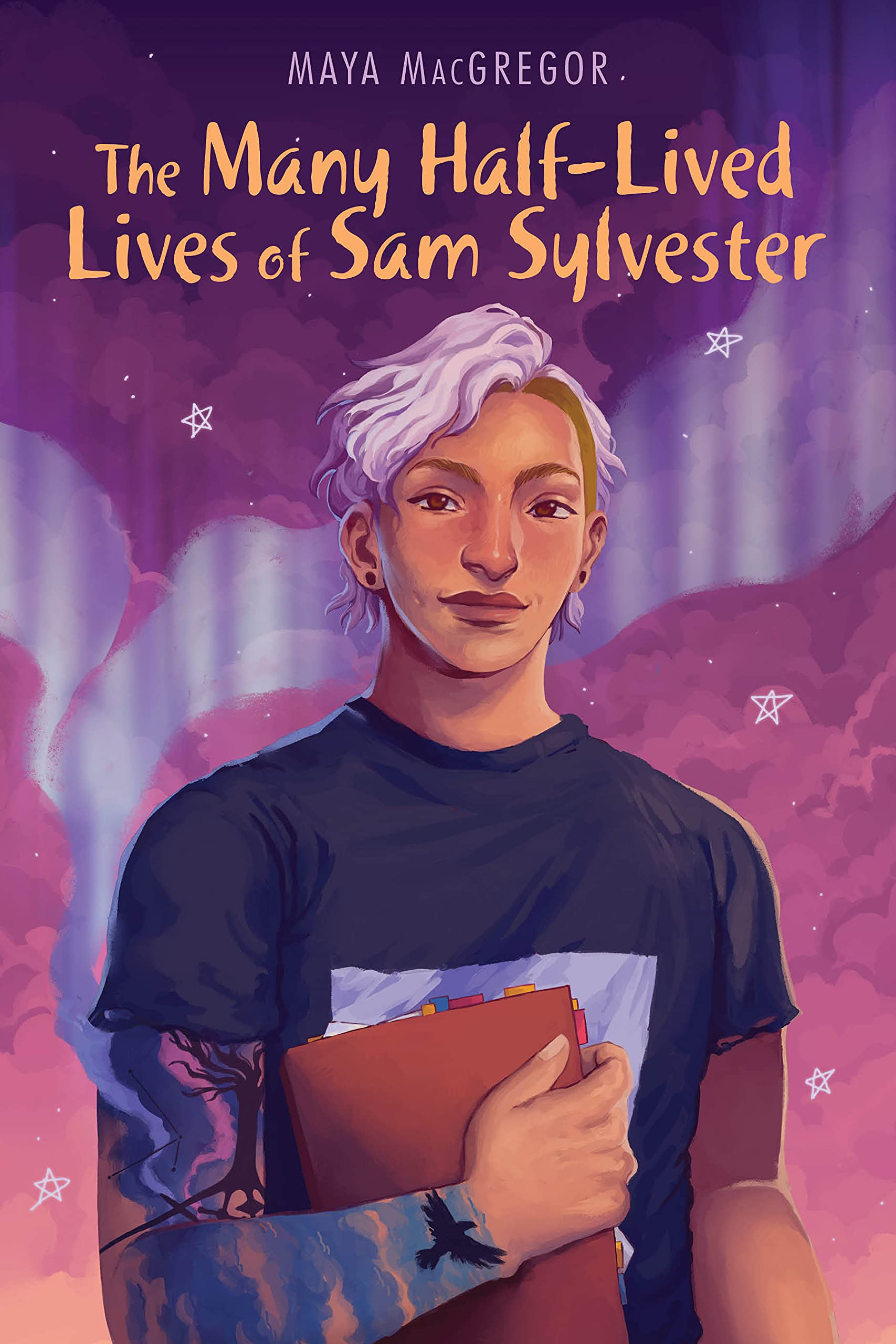
In this queer contemporary YA mystery, a nonbinary teen with autism realizes they must not only solve a 30-year-old mystery but also face the demons lurking in their past in order to live a satisfying life.
Sam Sylvester’s not overly optimistic about their recent move to the small town of Astoria, Oregon after a traumatic experience in their last home in the rural Midwest.
Yet Sam’s life seems to be on the upswing after meeting several new friends and a potential love interest in Shep, the pretty neighbor. However, Sam can’t seem to let go of what might have been, and is drawn to investigate the death of a teenage boy in 1980s Astoria. Sam’s convinced he was murdered–especially since Sam’s investigation seems to resurrect some ghosts in the town.
Threatening notes and figures hidden in shadows begin to disrupt Sam’s life. Yet Sam continues to search for the truth. When Sam discovers that they may be closer to a killer than previously known, Sam has a difficult decision to make. Would they risk their new life for a half-lived one?
My ultimate hope was that this book would be as well-crafted as its cover, and for the most part, it lived up to my expectations! The Many Half-Lived Lives of Sam Sylvester deftly toes the line between a coming-of-age story and a decades-old mystery, buoyed by a diverse and lovable cast.
Sam Sylvester has a batch some of the most diverse representation I’ve seen in a realistic fiction/mystery novel in a while—aside from having a nonbinary, asexual, and Autistic protagonist (more neurodivergent protagonists, please!!), there were so many different characters that were incredibly intersectional—queer, POC, and disabled characters all across the board, and not just the teen characters too! All of these identities were woven so well into the story, and I loved the journey of self-acceptance and reckoning that Sam experiences throughout the novel as they unravel the mystery of the boy who died in their room 30 years ago.
That being said, although I liked most every aspect of this novel, this really feels like a novel that’s going to date itself. I enjoyed a handful of the references (always extra points for David Bowie), but a lot of the more recent ones—the references to Tumblr, Gen Z slang, internet culture, and a Steven Universe gag every other page, read as very hackneyed and stilted. As authentic as the rest of Sam Sylvester was, those parts dragged down what would have otherwise been powerful and realistic dialogue. Most of the writing did its job and did it well, but the attempt to ground it in the present day only ended up making a novel that’s going to date itself far quicker than it was probably intended to.
Despite that, I’d say that Sam Sylvester is still a must-read—for the excellent representation, for the mystery, and for the coming-of-age story. 3.75 stars, rounded up to 4!
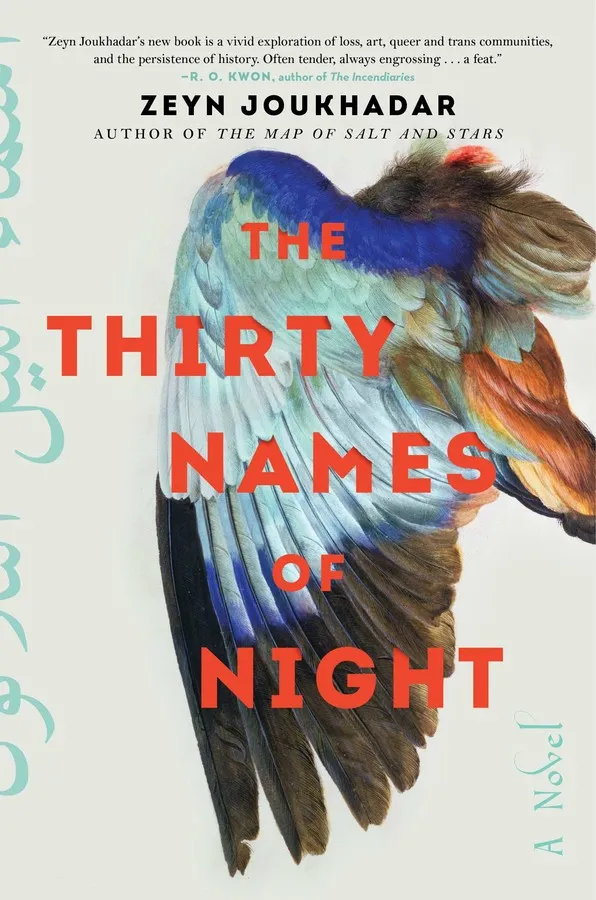
The author of the “vivid and urgent…important and timely” (The New York Times BookReview) debut The Map of Salt and Stars returns with this remarkably moving and lyrical novel following three generations of Syrian Americans who are linked by a mysterious species of bird and the truths they carry close to their hearts.
Five years after a suspicious fire killed his ornithologist mother, a closeted Syrian American trans boy sheds his birth name and searches for a new one. He has been unable to paint since his mother’s ghost has begun to visit him each evening. As his grandmother’s sole caretaker, he spends his days cooped up in their apartment, avoiding his neighborhood masjid, his estranged sister, and even his best friend (who also happens to be his longtime crush). The only time he feels truly free is when he slips out at night to paint murals on buildings in the once-thriving Manhattan neighborhood known as Little Syria.
One night, he enters the abandoned community house and finds the tattered journal of a Syrian American artist named Laila Z, who dedicated her career to painting the birds of North America. She famously and mysteriously disappeared more than sixty years before, but her journal contains proof that both his mother and Laila Z encountered the same rare bird before their deaths. In fact, Laila Z’s past is intimately tied to his mother’s—and his grandmother’s—in ways he never could have expected. Even more surprising, Laila Z’s story reveals the histories of queer and transgender people within his own community that he never knew. Realizing that he isn’t and has never been alone, he has the courage to officially claim a new name: Nadir, an Arabic name meaning rare.
As unprecedented numbers of birds are mysteriously drawn to the New York City skies, Nadir enlists the help of his family and friends to unravel what happened to Laila Z and the rare bird his mother died trying to save. Following his mother’s ghost, he uncovers the silences kept in the name of survival by his own community, his own family, and within himself, and discovers the family that was there all along.
TW/CW: transphobia, xenophobia, racism, Islamophobia, miscarriage, grief, sexual assault, animal death, loss of a parent
I didn’t go into The Thirty Names of Night with any expectations, but I was stunned by the writing! This novel is one of the best magical realism novels I’ve read in recent years, with writing as rich as a tapestry and a story that’s just as well-woven.
Joukhadar’s writing style was the star of Thirty Names; this is the first of his novels that I’ve read, but he has such a unique talent for finding unlikely comparisons and weaving them into the richest, most obvious but out-of-sight metaphors imaginable. I would never have compared the gray sky on a foggy day to the color of a kitchen knife, and somehow, it was right in front of me. His talent for metaphor suited the emotional depth of this story, as well as the almost fantastical element of the birds in New York—I will never claim to be the expert on him, but if there was any story that was suited for Joukhadar to tell, it’s this one.
That writing also made the emotional core of this story possible. There’s so much to Thirty Names: gender identity, grief, heritage, family, and the body itself, but all of it was handled with such grace and aplomb that made the story feel really, truly real. I might’ve even passed the aspect of the birds by as something that could feasibly happen with how this story was written. Every part of this novel is deeply moving, raw and beautiful, and the prose flows as smoothly as air over a bird’s wings.
All in all, a beautiful, literary tale of connections—to family, to gender, and to the world around us at large. 4.25 stars!
“If you control our sleep, then you can own our dreams…And from there, it’s easy to control our entire lives.”
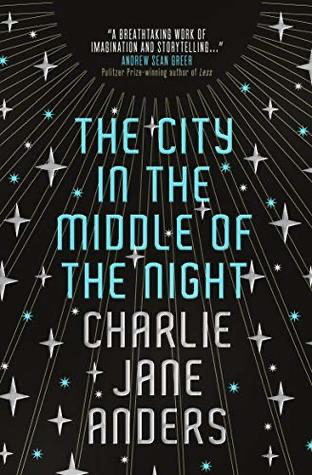
From the brilliant mind of Charlie Jane Anders (“A master absurdist”—New York Times; “Virtuoso”—NPR) comes a new novel of Kafkaesque futurism. Set on a planet that has fully definitive, never-changing zones of day and night, with ensuing extreme climates of endless, frigid darkness and blinding, relentless light, humankind has somehow continued apace—though the perils outside the built cities are rife with danger as much as the streets below.
But in a world where time means only what the ruling government proclaims, and the levels of light available are artificially imposed to great consequence, lost souls and disappeared bodies are shadow-bound and savage, and as common as grains of sand. And one such pariah, sacrificed to the night, but borne up by time and a mysterious bond with an enigmatic beast, will rise to take on the entire planet–before it can crumble beneath the weight of human existence.
TW/CW: animal attack/animal death, police brutality, body horror
Alright, so the only explicitly stated Latinx characters, specifically of Mexican ancestry, are named…Carlos and Maria? So most everybody else gets semi-unique names, but not them? It’s like Cho Chang all over again…[LOUD INCORRECT BUZZER}
If I hadn’t read Victories Greater Than Death beforehand, I would’ve been more suspicious, but it seems like Anders has gotten a lot better with diversity on that front, but…still iffy. Just saying.
That aside, The City in the Middle of the Night was one of the more inventive dystopias that I’ve read recently, but it fell victim to very convoluted writing. It’s obvious from every page that Anders put so, so much work into creating a fleshed-out world with an equally fleshed-out history—that was a riotous success on her part. The premise of society being divided by a tidally-locked planet felt eerily feasible, and I absolutely ADORED all of the alien life forms on the night side of January—the Gelet were obviously my favorites, but I would’ve liked to have seen more creatures. ALWAYS MORE CREATURES.
However, Anders’ writing choices ended up making parts of The City in the Middle of the Night something of a struggle. The story itself ended up being rather convoluted and tangled, and I found myself getting lost and confused about wait, which side of the planet are we on again? Why are we here in the first place? The additions of a boatload of characters that ended up having very little consequence to the plot at large didn’t help either. This story had the potential to be incredible, but it ended up getting so lost in itself that it became an ordeal to figure out where I was.
All in all, an inventively-conceived dystopia that excelled in worldbuilding but floundered in its writing. 3.25 stars.
Tell me what you think! Did you participate in the #TransRightsReadathon, and if so, what books did you read? What do you think of these books?Let me know in the comments!
Today’s song:
That’s it for this week’s Book Review Tuesday! Have a wonderful rest of your day, and take care of yourselves!
Happy Wednesday, bibliophiles, and more importantly, Happy International Women’s Day!
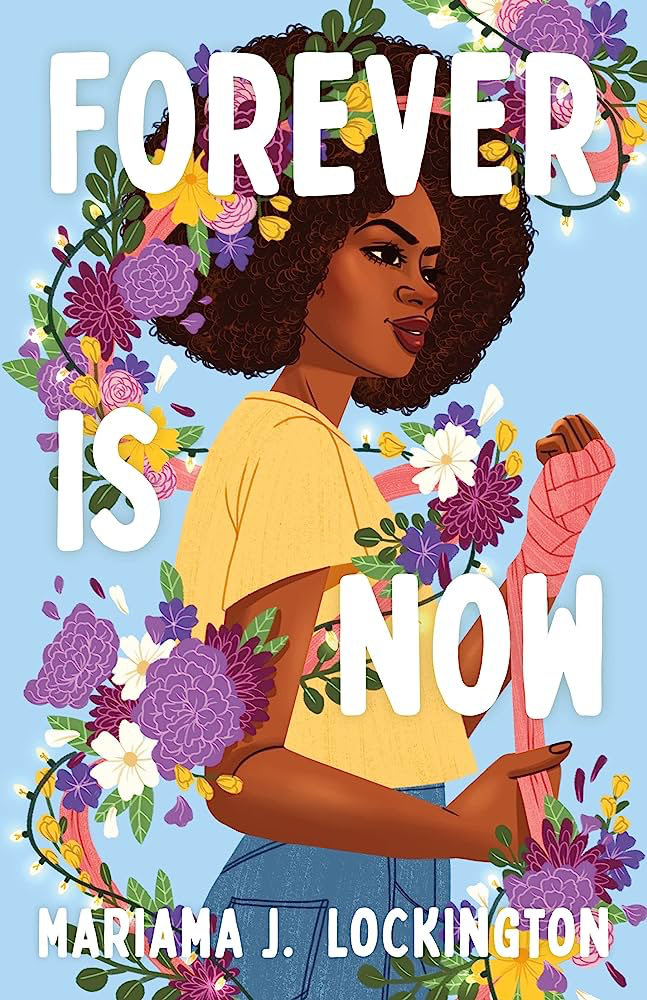
Aside from that, the month of March in the U.S. is Women’s History Month! These past few years have been tumultuous for women here in the U.S. and elsewhere, with the attacks on bodily autonomy being some of the most violent in recent years. But despite it all, we cannot lose hope—by lifting each other up, we can foster an environment that respects women as equals. And as I’ve always said, literature is resistance: it isn’t just real-life heroes that can inspire us to incite change—fictional heroines can have just the same effect. So for the occasion, I’ve gathered even more feminist YA book recommendations.
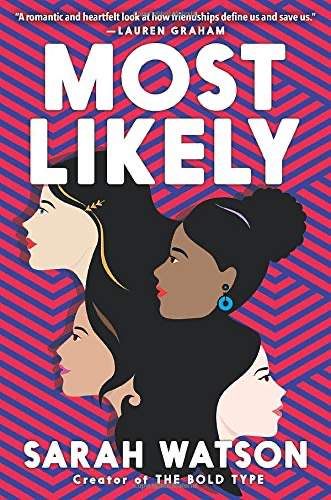
An intersectional story that weaves together the lives of four girls in their senior year of high school—one of which will become the president of the United States.
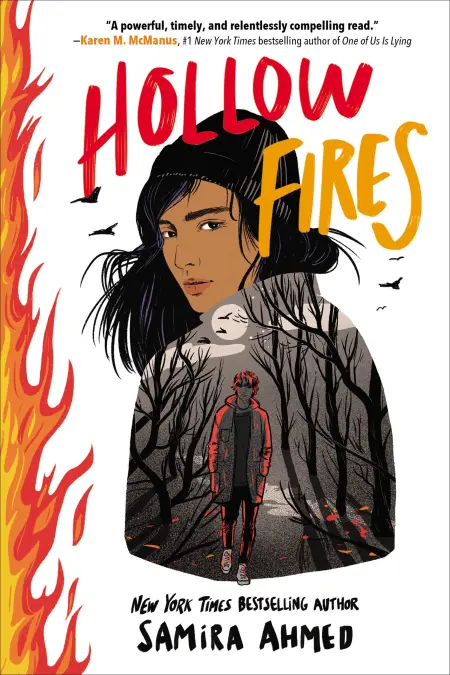
Samira Ahmed always ends up showing up on these lists, and for good reason—she’s never missed with any of her raw and fiercely feminist novels, and Hollow Fires is no exception.
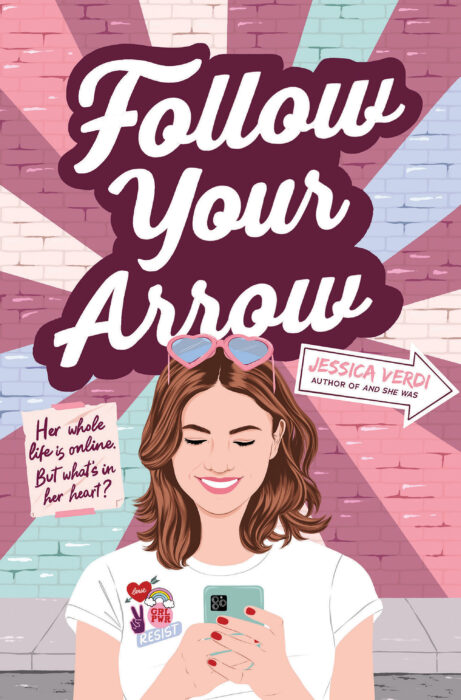
Though this book was far from perfect, I think it’s still worth it to put on this list; the writing and romance weren’t great, but Follow Your Arrow has plenty of timely discussions around bisexuality and how we treat queer women.
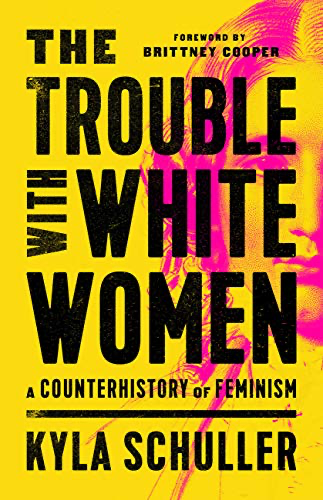
Although this list was intended to be just for YA and fiction, I’d be remiss if I made a post about feminism and didn’t include this book. The Trouble With White Women presents a view on feminism that is necessary for moving past simply white feminism, and presents the feminist movement through those on the margins, such as Frances Harper, Pauli Murray, and Alexandria Ocasio Cortez. It’s seriously one of the best nonfiction books I’ve read in ages—on any subject matter.
TELL ME WHAT YOU THINK! What did you think of the books on this list? What are your favorite feminist YA books? Let me know in the comments!
Today’s song:
Most of the Warpaint I’ve heard hasn’t done much for me (aside from their great cover of “Ashes to Ashes”), but I love the quietness of this one!
That’s it for this list of recommendations! Have a wonderful rest of your day, and take care of yourselves!






 The Bookish Mutant