Posted in Book Review Tuesday

Book Review Tuesday (8/15/23) – Nightbirds

Happy Tuesday, bibliophiles!

I’ve seen this novel around a fair bit ever since it came out, both in the blogosphere and from our queen Amie Kaufman, who co-hosted the podcast Pub Dates with Kate J. Armstrong. It seemed like a more unique YA fantasy concept, and the 20’s-inspired setting intrigued me, and…okay, who wasn’t looking at that gorgeous cover? Now that I’ve read it, I can say that I enjoyed it, but I came away with mixed feelings—Nightbirds was a well-crafted fantasy in terms of worldbuilding, but its characters and general fence-sitting about what it wanted to say slightly put me off.

Enjoy this week’s review!

Nightbirds (Nightbirds, #1) – Kate J. Armstrong

In Simta, no one is more sought after than the Nightbirds. Long ago, these girls from the Great Houses were bestowed with the magic of witches, and with a kiss, they can grant that power to anyone who wishes to wield it. Matilde, Sayer, and Æsa are this season’s Nightbirds, but they have already learned that they will only ever be seen and treated as disposable. Yearning for something more to life, they stumble upon an underground networks of witches—witches whose powers come fro outside of the Great Houses, and are hidden from sight from the government. With the knowledge that their power will not be suppressed, the three Nightbirds set out to make things right.

TW/CW: misogyny, fantasy violence, murder, death, past mentions of torture, near-death situations

I came to this book mainly from the word of Amie Kaufman, who also happened to release a 1920’s-inspired YA fantasy this year. And while I did enjoy Nightbirds as a whole, the more I thought about it, the more drawbacks I found. If you’re torn between the two, stick with The Isles of the Gods.

Let’s start with the best part of the novel, though: the worldbuilding at the atmosphere! The Jazz Age inspiration was heavy, but it was executed incredibly; the worldbuilding, from the hidden magic to the forces trying to suppress it, was impeccably-crafted, with not a single stone unturned in terms of the intricacies of Simta and Armstrong’s world as a whole. It was a world that felt genuinely fun to be in—there was so much to explore along with the three main characters, and I enjoyed every minute of it.

All that wouldn’t have been possible with Armstrong’s atmospheric writing. There were other markers about Nightbirds that signaled it as a debut novel (more on that later), but for a first novel, the writing in this novel was fantastic! It’s the kind of writing that doesn’t just immerse you in the world, but dunks you headfirst into it with its vivid, vibrant imagery. Armstrong’s writing was so clear that I could visualize the world of Nightbirds almost cinematically, every scene played out like it already had a screen adaptation. The steady pacing added to that effect as well—it had a great balance of political intrigue, action, and down time to keep me intrigued for most of the novel.

However, the multiple POVs were an issue for me for most of the novel. The worst crimes that a multi-POV book can commit is not marking which POV the chapter is from, and switching POVs without warning in the middle of a chapter. Nightbirds was guilty of both. With these kinds of books, it’s often a struggle to pick out one character’s voice from another, but the third-person POV remedied that slightly. Even so, it was maddening trying to feel my way through the chapter and remember whose POV was being focused on. And speaking of the characters, they were in some serious need of being fleshed-out. Other than Matilde, whose personality was being entitled and stubborn, I could barely get a read on both Sayer and Æsa beyond what the synopsis said about them. Aside from Matilde, they had hardly any distinctive features, personalities, or traits, which made the whole multiple-POV mess all the more maddening. All of it could have been prevented with some chapter headers and giving the characters more life—it really wouldn’t have been all that hard of a fix.

And for a book that was advertised as being a feminist fantasy, Nightbirds really didn’t seem to know what it wanted to say. For a plot centered around an archaic system built on exploiting teenage girls, you would think that there would at least be some commentary on it. All we really got was a hollow, vague sense of taking back power, but there was no real call to action to do just that; aside from the revelation of the underground network of witches whose magic hasn’t been suppressed by the fantasy patriarchy, there’s hardly any real questioning of the system or realizing that there is a way to reform it and break away from it entirely. It’s like the book equivalent of thinking that you’re a feminist just because you post some instagram infographics on your story every once in a while and do nothing else. It’s saying “smash the patriarchy!” and then sitting comfortably and doing nothing. That’s basically what Matilde’s “character arc” ended up being, honestly. I know there’s probably better words to describe it, but the one that comes to mind is just…white woman-y. I guess I missed the queer rep (WHERE??? I saw no indication of any queerness 😭), but except for that and the conveniently described token side character of color, there was no hint of intersectionality. And no, I’m not saying that every book has to have an impeccably diverse cast, but for a book that billed itself as feminist and supposedly centered around tearing down oppressive systems, I feel like intersectionality should be taken far more into consideration. Nightbirds just came off as more white feminism than actual feminism.

All in all, a fantasy debut with stunning worldbuilding, but that was dragged down by its lack of fleshed-out characters and hardly any hint of the feminist messaging that it advertised. 3.5 stars.

Nightbirds is the first in the Nightbirds duology, which continues with the forthcoming sequel Fyrebirds. Nightbirds is Kate J. Armstrong’s debut novel.

Today’s song:

this is just such a GROOVE

That’s it for this week’s Book Review Tuesday! Have a wonderful rest of your day, and take care of yourselves!

Posted in Book Review Tuesday

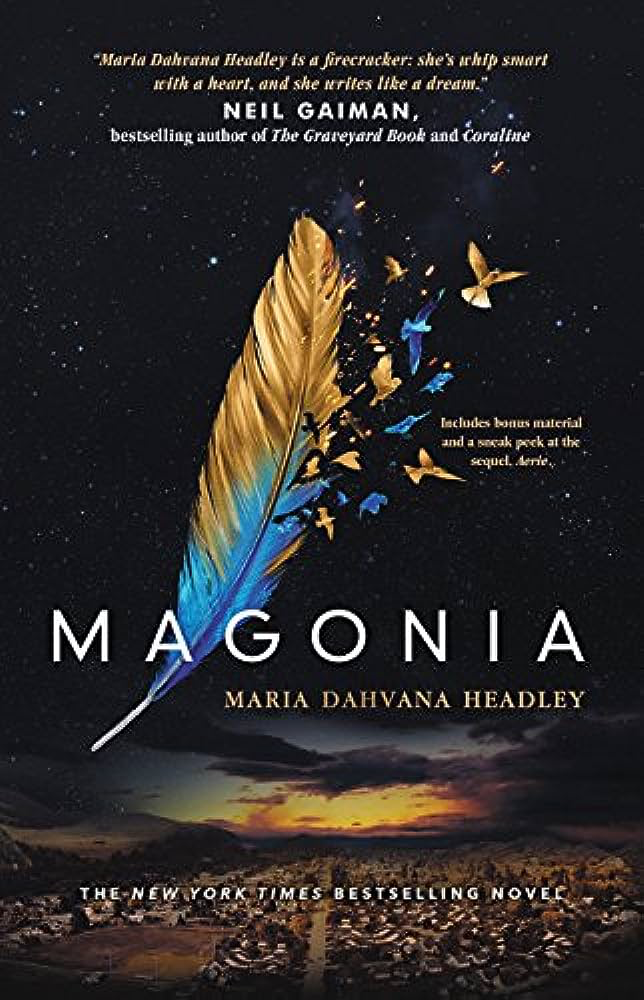
Book Review Tuesday (8/1/23) – Magonia

Happy Tuesday, bibliophiles, and happy August! I always look forward to my birthday month, but…I could do without everybody posting that one Taylor Swift song (sorry swifties my neighbors blasted it over and over when I was in school and I can’t take it any longer 😭)

This book has been on and off my TBR over the years; I feel like I put it on my list when I first got Goodreads, lost interest in it a few years later, then got it recommended to me by a friend who saw it on another list. The reviews don’t lie: Magonia really was a strange book, but despite some of its flaws, its strangeness was 100% its strength.

Enjoy this week’s review!

Magonia (Magonia, #1) – Maria Dahvana Headley

All of her life, Aza Ray Boyle has had a mysterious lung disease, incapable of being diagnosed by all kinds of doctors. She can barely breathe or speak without assistance, even with the copious medications prescribed to her. But recently, Aza has begun to see giant ships in the sky. Her parents chalk these visions up to her medication, but Aza knows that something in the sky is waiting for her—and it is. But after a freak accident leads her family to believe that she is dead, Aza is swept up into the world of Magonia, a world of skyfaring ships where she can finally breathe. But as she discovers her hidden Magonian heritage, she discovers that this idyllic world in the clouds is not as peaceful as she once thought—and that the world below may be in danger…

TW/CW: fantasy violence, death/funeral, themes of grief

To put it plainly, Magonia was a weird book. For a YA book that was published in 2015, it feels a lot more daringly weird than most YA books got back then and still do today. Magonia was Maria Dahvana Headley’s first YA novel, and it shows, but not necessarily in a bad way; despite its flaws, it was a refreshingly quirky addition to the pantheon of early to mid-2010’s YA.

I’ve seen this book shelved as having disability rep, and that’s part of why I decided to pick it up again. Aza has a lung disease, but it’s fictional; all of her life, doctors cannot seem to diagnose her, until it is discovered that the disease happens to be a whole bird growing in her chest that factors into the book about a third of the way through. And…I’m torn on whether or not to call it disability rep. On the one hand, the descriptions of Aza’s life before the bird revelation match a lot of other stories I’ve read about people and fictional characters with breathing-related illnesses and disabilities, what with being constantly in and out of hospitals and struggling to fit in with one’s peers. And on the other hand…it feels a little strange, as a disabled reader, to categorize having a fictional ailment of bird growing out of your chest as a disability, especially since the problem resolves itself almost immediately once Aza arrives in Magonia. My issue isn’t that this plotline exists—it’s the category of others labeling this as disability rep that feels questionable to me.

That aside, Magonia was a refreshing novel to read! Especially for a YA book published in 2015, when the industry was so mired in self-serious Hunger Games rip-offs, the unapologetic weirdness of this novel felt like a breath of fresh air, even almost a decade later. We need more whimsy like this in YA—it shouldn’t just be reserved for middle grade. The whimsy doesn’t just die when you hit the age of 13! (Or, at least, it shouldn’t.) I loved the world that Headley created, full of winged people, whales that swim through the sky and giant bats (CREATURES YEAAAAAAAH) and massive frigates that patrol the skies. Headley put so much love into this part of the worldbuilding, and it shone through in every page. It did not hold back in its magical fun, and I am so much better for it.

I’ve seen a lot of reviews saying that they didn’t like how Aza’s voice was written, and to a point, I can understand it. From the looks of it, most of Headley’s body of work is aimed at adults, so it makes sense that she felt as though she had to tone it down and write Aza in a certain, “teenagery” way. But for the most part, I feel like it worked—Aza really did read like she was really 15 going on 16: despite her circumstances, she was still an angsty teenager, but that wasn’t her whole personality. She reacted to her situation as a real teenager would, had her priorities set where a teenager would have them. Aza really was a teenager, and teenagers tend to over-exaggerate things sometimes. It wasn’t all over-exaggeration, though—it was just the right amount of drama and realistically being frightened by everything going on around her, because who wouldn’t be?

However, as engrossed I was with the whimsical fantasy worldbuilding, I found the ending to be quite messy. I get that it’s the first book in the series, but Magonia could have been wrapped up in a much neater and more cohesive way. Details that were only given in the last 50 pages suddenly had utmost importance to the plot, all of the loose ends got even looser, and everything felt generally rushed. Looking back on how much I enjoyed the worldbuilding, it feels like a case of paying too much attention to that and not enough to how the plot would actually play out. Everything felt crammed together and sped through in such an unceremonious way. It’s why I felt like I couldn’t quite give this novel a full 4 stars; the ending made the rest of the intricacies earlier into a rushed mess.

All in all, a refreshingly weird YA fantasy that excelled in its whimsical worldbuilding, but failed in the messy pacing of the ending. 3.75 stars, rounded up to 4!

Magonia is the first in the Magonia series, followed by Aerie. Maria Dahvana Headley is also the author of The Mere Wife, Queen of Kings, Some Gods of El Paso, and many other novels and short stories. Headley also translated a modern version of Beowulf in 2020.

Today’s song:

NEW WILCO JUST DROPPED?????

That’s it for this week’s Book Review Tuesday! Have a wonderful rest of your day, and take care of yourselves!
Posted in Books

The Bookish Mutant’s Books for Disability Pride Month (2023 edition) ♿️

Happy Friday, bibliophiles!

Here in the U.S., July is Disability Pride Month! Although I’ve seen some more recognition for it in the past few years, I find myself saying this over and over—disability issues are left behind in intersectional feminism far too often. The larger representation in media of disabled people as otherwise white and cishet, the lack of accessibility at many pride events, and the hurdles that most disabled students have to go through in order to get accommodations at school is proof. And yet, around 27% of Americans have some sort of disability—myself included. As the literary world has slowly shown more stories with disabled characters, it’s more important than ever to uplift disabled voices.

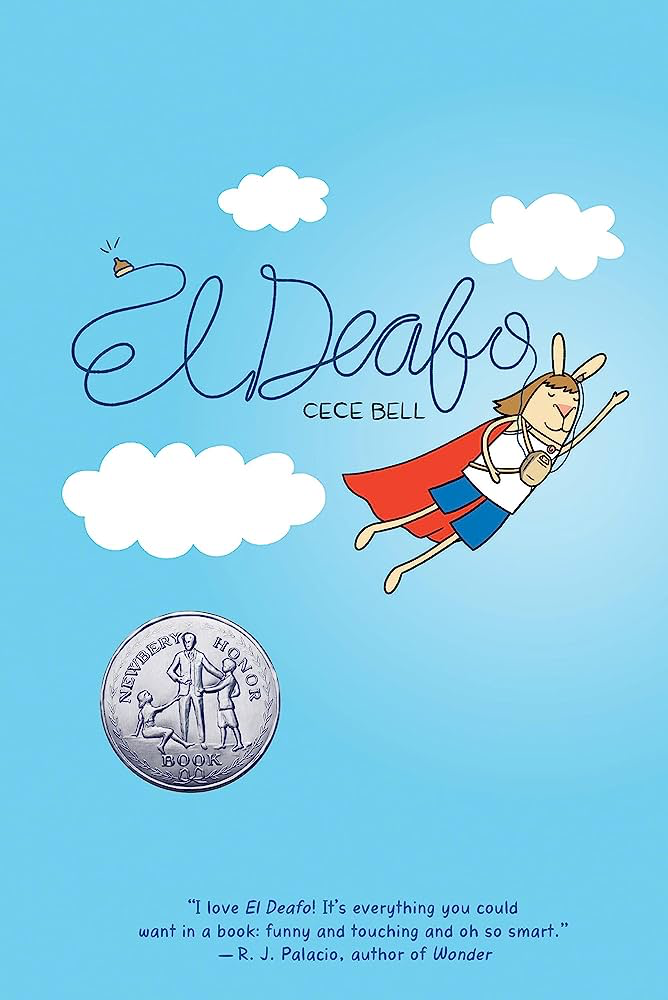
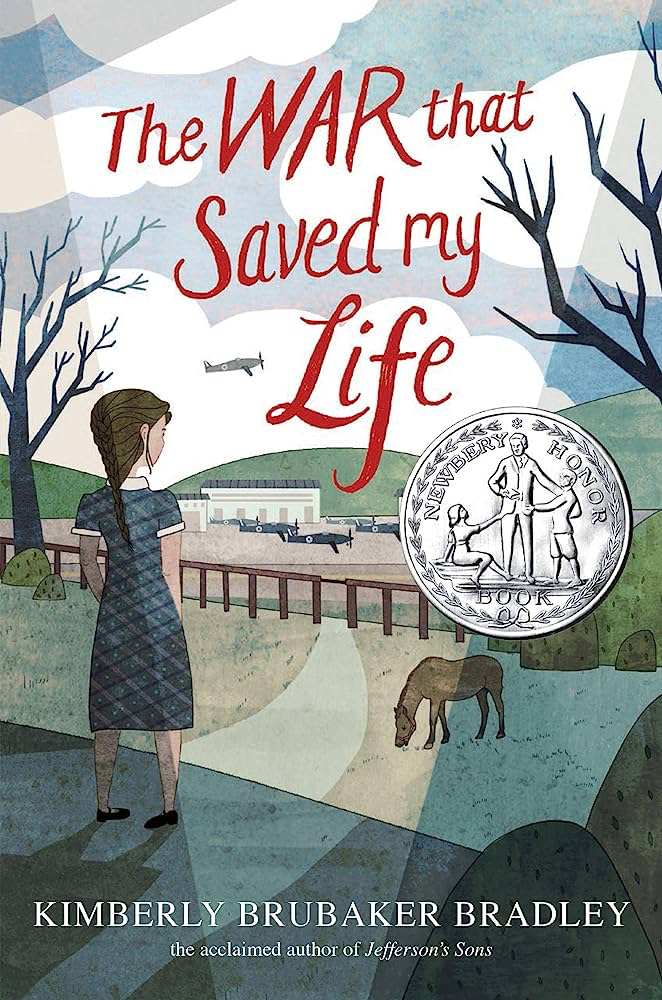
Like some of my other themed lists this year, I’ve decided to expand it beyond YA, because I’d be remiss if I didn’t include some of the amazing Adult and MG reads with disabled rep over the years. I’ve separated all of these recs by age group, and included their genres, my rating, and the type of disability rep.

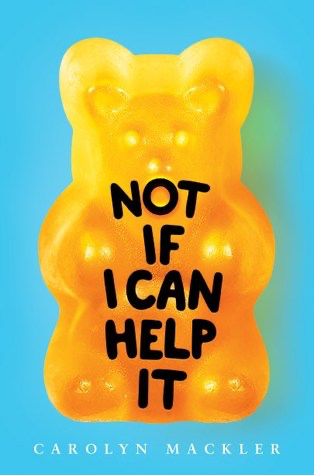
(SHOUTOUT TO NOT IF I CAN HELP IT, I FINALLY HAVE A MORSEL OF SPD REP)

for my lists from previous years, click here:

  • 2022 (+ on having SPD and the lack of representation)
  • 2021

Let’s begin, shall we?

THE BOOKISH MUTANT’S BOOKS FOR DISABILITY PRIDE MONTH (2023 EDITION)

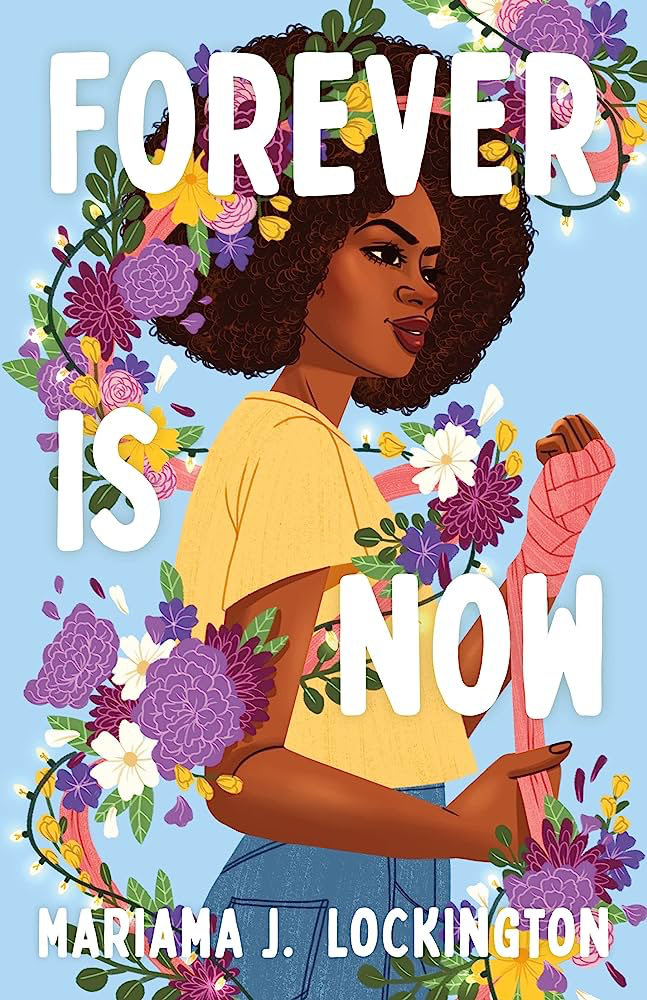
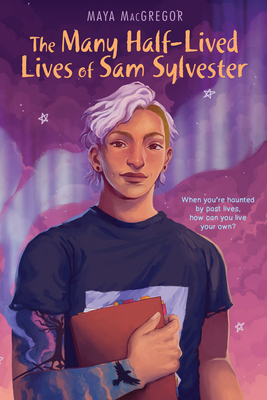
YA:

ADULT:

MIDDLE GRADE:

TELL ME WHAT YOU THINK! Have you read any of these books, and what did you think of them? What are your favorite books with disabled rep? Let me know in the comments!

Today’s song:

That’s it for this year’s Disability Pride recs! Have a wonderful rest of your day, and take care of yourselves!

Posted in Book Review Tuesday

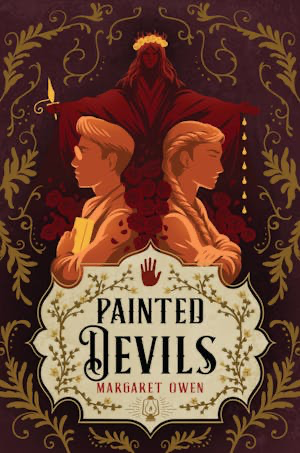
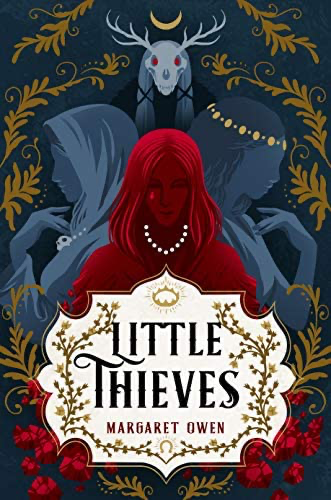
Book Review Tuesday (7/4/23) – Painted Devils (Little Thieves, #2)

Happy Tuesday, bibliophiles, and happy…Tuesday. The fact that the Fourth of July comes so close on the heels of the Supreme Court releasing the results of all of their major rulings has significantly soured most attempts I’ve tried to have at patriotism (especially since we have the incredibly unfortunate conservative majority controlling far more than they should), especially in our post-Roe era. None of that puts me in a particularly patriotic mood. But, as always, criticizing your country and pushing for change that will make it better is, to me, is the best kind of patriotism. And if nothing else, I get the day off work today. I’m not about to complain.

That aside, I’ve got an exciting review today! Ever since I devoured Little Thieves back in January, I’ve been itching to read the sequel, which came out this May. After a few failed attempts to get it on Libby, I finally got a physical copy from the library and ate it up as quickly as I did its predecessor. And although I liked it slightly less than book 1, Painted Devils retained its spirit—delightful from start to finish.

Now, tread lightly! This review may contain spoilers for book 1, Little Thieves, so if you haven’t read it and intend to do so, skip over this review.

For my review of Little Thieves, click here!

Enjoy this week’s review!

Painted Devils (Little Thieves, #2) – Margaret Owen

Vanja Schmidt may have succeeded in breaking a godly curse and finding love with Emeric, but that doesn’t mean that her conniving days are behind her. In fact, they’re very much alive—and proved when she fabricates a god to get out of a slippery situation. Problem is, the townsfolk have now accepted Vanja’s Scarlet Maiden as their god, and started a cult in her name. And the Scarlet Maiden demands a sacrifice in blood—a sacrifice that Vanja can’t afford to make. While Emeric goes on a hunt to verify the Scarlet Maiden’s existence, Vanja must find a way out of the sacrifice before time runs out—and before her fraud is exposed.

TW/CW: abuse (physical and verbal), fantasy violence, blood, body image issues, abandonment, animal death, cult imagery

Seeing the phrases “we live in a society” and “scrimblo” within 100 pages of each other in a medieval-inspired fantasy book felt like being hit by a train, to say the least, but the fact that Margaret Owen very nearly pulled it off is nothing short of a miracle. I’m still reeling just thinking about it.

My months of waiting and searching are finally over—I managed to get Painted Devils in my hands, and I’m so happy for it! Although it wasn’t quite as cohesive as Little Thieves was, it was nevertheless a delight from start to finish—being back with Vanja on her chaotic adventures was nothing short of a joy in a sea of YA fantasy novels that take themselves a little too seriously, even though their protagonists are only 16.

I’ll quickly start off with my one major gripe—the reason that I docked it down from book 1’s 4.5 stars to 4.25. Painted Devils, as much as I adored it, definitely fell into the curse of book 2: all of the good elements were still there, but they lacked the cohesion that the first book had. It was all fun, but a good portion of the middle felt like the characters were running around for no reason, without much consequence to the plot. Some of it felt like filler, and for a book that was almost 500 pages long, it didn’t feel altogether necessary.

Other than that, it’s hard to find any nitpicks or problems with Painted Devils! Even though Vanja has always been the main character, this book really felt more about her—it was wholly her story, about what happens when your storied past catches up to you, and how to reckon with your past to become the person you are today. Even amidst the near-constant humor that these books have relied on, Owen manages to tackle so much of Vanja’s character with incredible aplomb, balancing her bouncing-off-the-walls personality with some genuinely heartbreaking and wholly important discussions about familial manipulation and abuse. For a series that’s often been defined by its levity, Vanja’s journey towards self-love and acceptance was unexpectedly heartfelt. It’s exceedingly difficult to balance those two aspects, but Owen made it look easy.

Beyond that, I loved seeing the relationship between Emeric and Vanja develop, both romantically and platonically! They continue to be perfect foils for each other—a physical representation of the grounded and humorous qualities of this novel, and how they complement each other. Their personalities have started to bleed into each other in the sweetest way—Emeric starting to loosen up, and Vanja reluctantly trying to do the opposite—and every moment they shared together was a delight to read. Plus, the discussions about consent are always welcome, and a refreshing break from the years of 500+ year old fantasy love interest that we’ve all had to slog through in the last decade or so.

Owen’s writing, of course, continues to be the star. It’s rare that an author can make a character whose main trait is being “chaotic/morally gray” into something that goes above and beyond the buzzwords—Vanja continues to be impressively fleshed-out, and my life is all the better for it. Some of the more meme-y humor, like the previous book, continues to be jarring in places, but Owen’s other points of humor makes for a wonderfully charming read. There’s really not much else in the world of YA fantasy that succeed like Little Thieves and Painted Devils do: bringing the joy back to a magical, fairytale-inspired world, and balancing it with the reality and darkness that every bad, gritty fairytale retelling missed by a mile. Even with the frustrating ending, I’m so eager to see where the conclusion takes Vanja, Emeric, and all the rest.

I really feel like the world needs a 2D animated adaptation of these books. Just saying.

All in all, a sequel that was a delight to read, even with its lessened cohesion. 4.25 stars!

Painted Devils is the second book in Margaret Owen’s Little Thieves trilogy, preceded by Little Thieves and concluded by an untitled book slated for release in January of 2024. She is also the author of the Merciful Crow duology (The Merciful Crow and The Faithless Hawk).

Today’s song:

XYLOPHONE SOLO

That’s it for this week’s Book Review Tuesday! Have a wonderful rest of your day, and take care of yourselves!
Posted in Book Review Tuesday

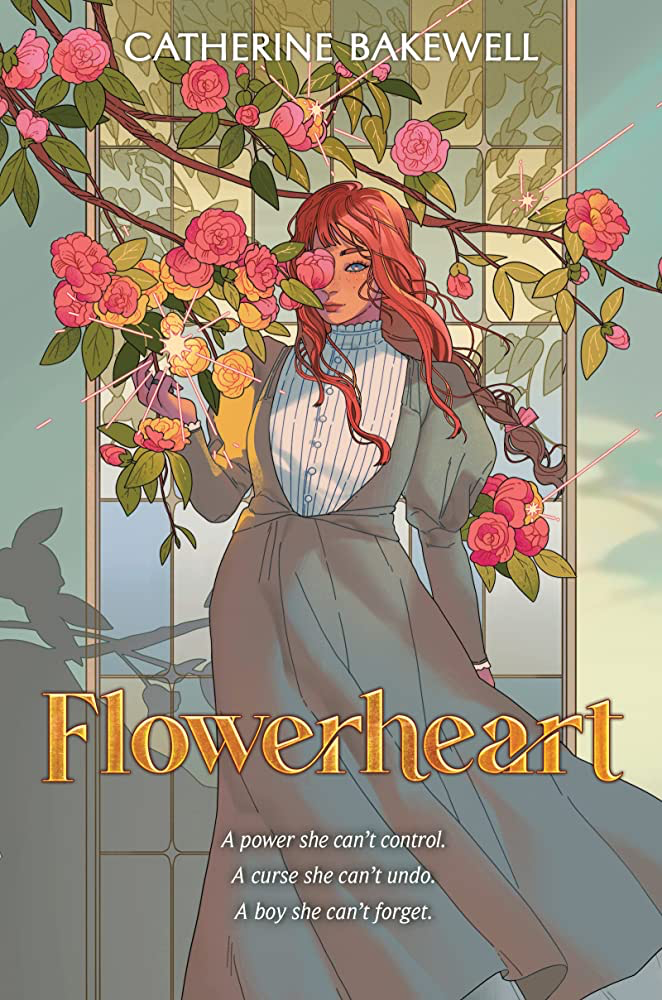
Book Review Tuesday (6/27/23) – Flowerheart

Happy Tuesday, bibliophiles!

Here’s some queer fantasy for my last review of Pride Month 2023. I’m so glad that cozy sci-fi/fantasy as a subgenre is slowly multiplying nowadays, and that’s exactly what drew me to Flowerheart. I borrowed it from the Kindle library and ate it up in a few hours flat—though it wasn’t without its flaws, it was a charming, sweet palate-cleanser with lots of flowers and queer rep!

Enjoy this week’s review!

Flowerheart – Catherine Bakewell

Clara has a gift—she can summon flowers at will, making them grow in any space she focuses on. But she’s only 16, and her flower magic is uncontrollable—and sometimes dangerous. When she accidentally causes poisonous flowers to grow in her father’s chest, Clara is distraught—and in desperate need of someone to heal his ailment and help her hone her magic. But the best magician for the job just happens to be Xavier, her former best friend who she can’t quite hide her feelings for. With Xavier hiding secrets and Clara racing against the clock, can they heal her father—and rein in her wild magic?

TW/CW: body horror, substance abuse (fantasy), absent parent, sick parent, mental illness, emetophobia

I love the title of this book as much as the next person, but I’m not gonna pretend that it isn’t a valid Warrior Cats name. Just saying. I’ll bet you money that it was somebody’s OC from 2014.

Flowerheart has a 3.58/5 average rating on Goodreads at present. I have a thing where I’ll see ratings in the 3.5 range and think “oooh, this could be a disappointment,” and then I’ll finish the book and realize that it was just about right on the money. It makes sense. I can see why several people loved it, but a good amount of people felt lukewarm about it or disliked it. For me, I’m sort of in the middle—it was a charming, sweet palate-cleanser, but the holes in the story and some of the writing style prevented me from enjoying it all the way.

The main selling point for Flowerheart seemed to be its coziness—setting aside the annoying, clearly BookTok marketing tactic to put “cottagecore” in the actual description, Bakewell passed with flying colors in terms of this book’s coziness! Other than a brief moment of fantasy body horror (said Flowers growing from Clara’s dad’s Heart), there’s very little that’s stressful. The book also has a strong emphasis on embracing your emotions and learning to love them (as opposed to suppressing them), which is always a win in my book (no pun intended). The queer-normative world was also a delight alongside of that—Clara is bisexual and in a straight-passing relationship, and there are several trans and nonbinary side characters! I ate this book up fairly quickly, but it was a delightful world to stay in, however short the stay was.

That being said, I really wanted more from the world. There really isn’t much to chew on other than the fact that everybody has a unique type of magic, there’s a ruling council of magicians that keeps everybody in check, and that most of the names have a vaguely European root or origin. Other than that, there was almost nothing to hold up the worldbuilding—if it were a house on stilts, the stilts might as well have been popsicle sticks. Where does the magic come from? What is the technology level of this world? Why are they letting 16-year-olds onto this magician council that makes all of the important decisions? Where even were we in the first place? Was there even a name for the place that Flowerheart was set in??? Cozy sci-fi/fantasy and expansive worldbuilding can coexist (see: anything by Becky Chambers), so the subgenre isn’t the issue. I didn’t need a huge, elaborate picture of the world of Flowerheart, but it was sadly clear that Bakewell did the bare minimum in terms of worldbuilding. I really did want more.

Aside from that, my main issue (if you can call it that) was the writing style. On its own, I liked it a lot—it had the perfect, charmingly over-the-top kind of style to it, and it suited the story very well. I saw another review that compared it to Harry Potter, and it made a lot of sense—it did sound very distinctly British. But Harry Potter is mostly middle-grade, and Flowerheart tended to skew the same way in its voice; Clara’s voice read more as a 12-14 year old than a 16 year old. Again: it’s not the coziness and relatively low stakes that made it feel more middle-grade, but the way that the characters were written. Not much of an issue, but I really feel like this would’ve been more successful if Clara was a few years younger.

All in all, a cozy fantasy that was filled with quite a few holes, but still sweet enough to enjoy. 3 stars.

Flowerheart is a standalone, but Catherine Bakewell is also the author of the middle-grade novel We Are the Song.

Today’s song:

ughhhhhh this album is so good

That’s it for this week’s Book Review Tuesday! Have a wonderful rest of your day, and take care of yourselves!
Posted in Uncategorized

YA Book Recommendations for Pride Month (2023 Edition) 🏳️‍🌈🏳️‍⚧️

Happy Monday, bibliophiles!

Here we are again in pride month! It certainly is a joyous time of year, but in the past few years, it’s been a difficult one, too. All across the country, we have seen waves of anti-LGBTQ+ legislation, and the rhetoric that queer people are unnatural and wish to convert your children has spread like wildfire. We’ve also seen a dangerous increase in book bans—particularly by queer authors and authors of color. Books with diverse perspectives aren’t harming children—depriving children of these books is the dangerous part. Now more than ever is it important to read diversely: there’s never any harm in seeing a different perspective through literature. And if you’re really that concerned about “protecting the children,” maybe you should advocate for stricter gun laws instead of worrying about drag queen story hour.

In past years, I’ve split this post up into multiple (organized by genre), but I decided to make it all one post this year to keep it all more organized.

For my previous pride month lists, see below:

KEY:

  • MC: main character
  • LI: love interest
  • SC: side character

Enjoy this month’s Pride Month book recommendations!

🏳️‍🌈🏳️‍⚧️THE BOOKISH MUTANT’S YA PRIDE MONTH RECOMMENDATIONS (2023 EDITION)🏳️‍🌈🏳️‍⚧️

CONTEMPORARY, REALISTIC FICTION, AND NOVELS IN VERSE:

SCIENCE FICTION:

HISTORICAL FICTION:

FANTASY, MAGICAL REALISM, AND PARANORMAL:

TELL ME WHAT YOU THINK! What are your favorite queer reads that you’ve read recently? Have you read any books on this list, and what did you think of them? Tell me in the comments!

Today’s song:

That it for this year’s pride month recommendations! Have a wonderful rest of your day, and take care of yourselves!

Posted in Book Review Tuesday

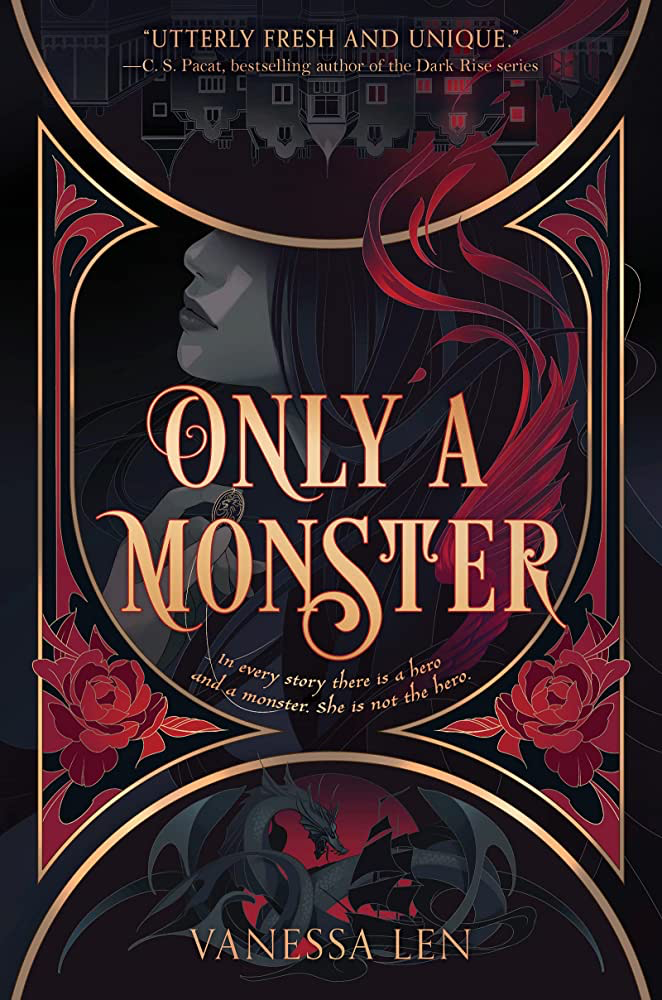
Book Review Tuesday (5/23/23) – Only a Monster

Happy Tuesday, bibliophiles!

This book has been on my radar for quite some time—I’m always up for a good urban fantasy every once in a while, and the V.E. Schwab comparison had me hesitantly optimistic. I figured it would be a good read for AAPI Heritage Month, but…alas, it was such a mess, and ultimately not worth my time.

Enjoy this week’s review!

Only a Monster (Monsters, #1) – Vanessa Len

Joan is set to have the perfect summer. She’s staying in London with her late mother’s side of the family, amidst historical buildings, a steady job (with a handsome co-worker, Nick), and the smell of magic in the air. But when a disaster leaves most of her family dead, Joan is confronted with an ugly truth—she comes from a long line of time-stealing monsters. Worse still, the handsome Nick comes from a long line of monster hunters. Can Joan hone her powers before the monster hunters track her down?

TW/CW (from Vanessa Len): murder, violence, blood, loss of loved ones (on & off-page), substance abuse, xenophobia (fantasy), racism, interrogation, brainwashing, weapon use

DNF at 27%.

Before I get into my rant: I’ll always appreciate how much time and love it takes to write a book and put it out there. Any kind of creative output like this is highly admirable, and I can give this novel a certain degree of slack knowing that it’s Vanessa Len’s debut novel. That being said, Only a Monster really wasn’t it for me, and sometimes 1-star rants can be good for the soul as long as they aren’t actively hurting anybody. Gotta air it all out sometimes.

I went into Only a Monster expecting for it to be a nice break from some of the denser books I’d just read—something fun, something charmingly over-the-top. And…well, the over-the-top element was very much present, but not in a good way at all. From what I read of this novel, it was really just a mess that lacked any sort of nuance whatsoever.

We had the setup right from the start—a monsters versus monster-hunters conflict, “Joan is not the hero of this story,” et cetera, et cetera. Before reading this, I figured a lot of that language was just going to be for the sake of putting a nice hook on the front cover and other marketing purposes; I assumed that the book was going to get into some of the morally gray (as much of a buzzword that’s become with books these days) aspects of that conflict, but…no. From the get-go, we’re hit over the head with a comically large sledgehammer that JOAN IS NOT THE HERO OF THE STORY!!! and that BEING A MONSTER IS BAD BAD BAD!! and that MONSTERS AND HEROES!!!! DO NOT MIX!!! EVER!!! It’s not so much a theme so much as it is a metal pipe that gets painfully shoved down your throat. It got to the point where I felt like it was insulting my intelligence—I didn’t need to be told all this over and over. I really didn’t. Jeez. It could’ve been developed somewhat compellingly, but….no.

Beyond that, I didn’t know going in to Only a Monster that there was going to be a dreaded love triangle, which…[EXTREMELY LOUD INCORRECT BUZZER]

If there’s anything that can instantly ruin a book, it’s that. THERE’S NO NEED. And the setup wasn’t even anything that hasn’t been done before—each love interest is on one side of the conflict (monster and monster-hunter), and while I didn’t care to stick around to find out how it was resolved, I had a feeling that it would end up as a trash fire. What I did manage to get, however, was the description of Nick as “stupidly good-looking.” Can we please, as a society, get rid of this? Please? It’s starting to become just like “she let out a breath she didn’t know she was holding” at this point. Again: zero nuance.

All in all, a bitter disappointment of a book that lacked the creativity and nuance that the blurb and reviews promised. 1 star.

Only a Monster is the first in Vanessa Len’s Monsters trilogy, which will continue with Never a Hero (slated for release this August) and an untitled third book.

Today’s song:

WE LOVE THE MAGNETIC FIELDS IN THIS HOUSE

That’s it for this week’s Book Review Tuesday! Have a wonderful rest of your day, and take care of yourselves!
Posted in Book Review Tuesday

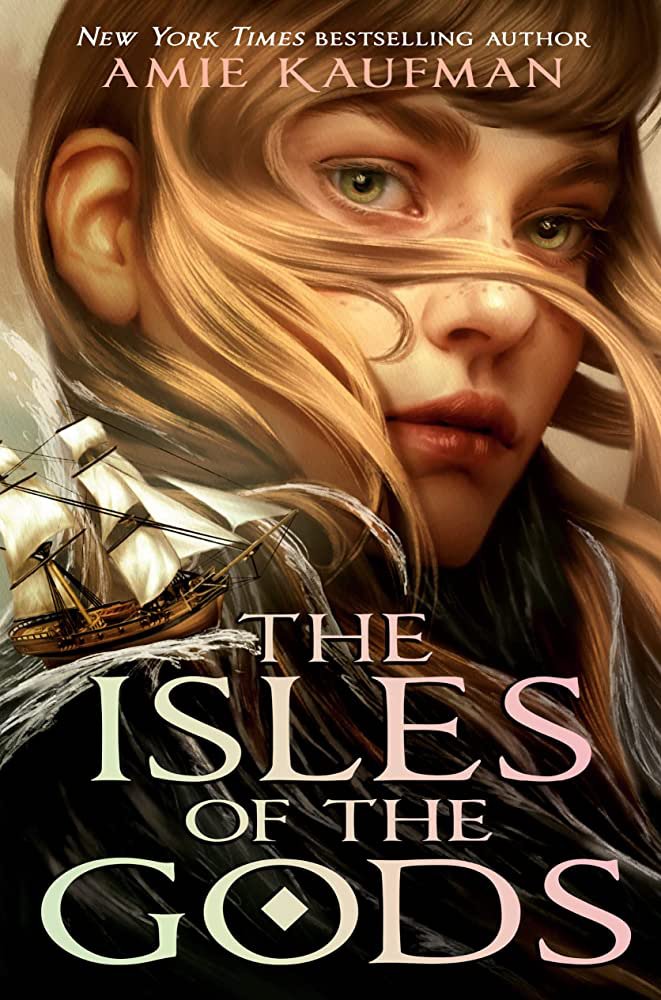
Book Review Tuesday (5/16/23) – The Isles of the Gods

Happy Tuesday, bibliophiles!

If my constant blabbing about Aurora Rising from the past four years should bring you to any conclusion, it’s probably that I’m a massive Amie Kaufman fan. So when I heard that she was making her solo YA debut this year, I was BEYOND excited!! I immediately preordered, and it came right when I’d just finished up my first year of college—the perfect present! And even though I’ll always pick sci-fi over fantasy, if anybody can make a fantasy that I’ll give 5 stars, it’s Amie Kaufman.

Enjoy this week’s review!

The Isles of the Gods (The Isles of the Gods, #1) – Amie Kaufman

Selly has the ocean in her blood.

She’s been tagging along with her father on the high seas since she was a baby, but now, he’s left Selly to her own devices in the port town of Kirkpool. Intent on tracking him down, she tries to set sail, only for her plans to go awry at the hands of Prince Leander, who wants to hitch a ride for his own gain—to seek out the storied Isles of the Gods, where the ruling deities of her world are fabled to be laying in a restless, dormant sleep. But when a disastrous assassination attempt leaves Selly and her crew stranded, she has no choice to trust Leander—and make it to the Isles no matter the cost.

isles ft. some rainy trees

TW/CW: murder, graphic violence, abandonment, assassination, fatal vehicle explosion

From what I can tell, The Isles of the Gods is a book around a decade in the making, a passion project that Amie Kaufman had been crafting relentlessly in between releasing some of her other collaborative novels. So there’s automatically 10 years of love in this novel—and boy, it really did show.

I’ve preferred sci-fi to fantasy for years, but leave it to Amie Kaufman to craft a fresh setting that kept me turning the page for hours! I’m already a sucker for pirates in fantasy, and that aspect was executed with just the right balance of campy fun and nail-biting stakes. And after parsing through all of the rich facets of the world that Kaufman created, it’s left me with one question: what’s keeping authors from creating more industrial/advanced fantasy settings? Consider me done with fantasies with automatically medieval settings, can we do more 1920’s-inspired fantasies that don’t just focus on the jazz age stuff? I didn’t know I could possibly yearn for the melding of magicians and old-timey cars quite this much, but I’ll say it once and I’ll say it again: if anybody can do it, IT’S AMIE KAUFMAN.

Kaufman’s writing, as it always is, was the real star of the show in The Isles of the Gods. There’s something instantly transporting about her prose—from the first sentence, I felt dunked headfirst into this lush, rich world, from the gripping prologue to the delightfully suspenseful final sequence. Maybe this is just a consequence of me being so attached to her writing style, but she has such a way of drawing you into the story in record time. Every book is a little world in and of itself, but hers never cease to feel tangible. Reading fantasies with sea settings are always fun for me, being about as landlocked as you can get here in the U.S., but reading this reminded me of a passage from Neil Gaiman’s The Ocean at the End of the Lane, about the protagonist imagining that the rain pattering against his window at night was waves on the hull of a ship. Good thing it was pouring rain when I was reading this book.

And speaking of Kaufman’s writing—now that I’ve seen her solo and collaborative works, I can say with certainty how clever of a writer she is. She sets up common conflicts that threaten to drag down the book, but whips them into cunningly-subverted left turns that kept me guessing all through the novel. A whole bunch of characters that you *can’t* quite tell apart, but are still personally relevant to the protagonist? Oh look, a botched assassination attempt that gets rid of them! Have a lovable but borderline one-note character who hasn’t had the chance to prove themself? Put that sorry little man in a Situation!™️ It may be diabolical, but it made my enjoyment of the book increase that much more—nothing like trope subversion and avoidance left and right to keep you on your toes.

As for the characters, I’m not quite as attached to them as I was with the squad of the Aurora Cycle, for example, but that’s way too high a bar, even if it’s still Amie Kaufman, but I did adore a lot of them! There was clearly so much love and care put into Selly, and it showed—she had a beautiful arc, and she was such a determined and lovable character to root for. Leander’s type of character—the charming, spoiled prince that the protagonist can’t help but fall for—has been done since time immemorial, but Kaufman’s take on the trope resulted in some lovely laughs and a slow-burn romance done right!

And…yes, I felt a little too called out by Keegan. The “bookworm who hasn’t seen the light of day in way too long” was already there, but…dude. I just shaved my head in January. DUDE. AMIE KAUFMAN, STOP PEEKING INTO MY BRAIN LIKE THAT. YOU COME INTO MY HOUSE, AND YOU MAKE A GENDER-SWAPPED CHARACTER OF ME?

Jude and Laskia (especially the former) didn’t get quite as much page time, but they were incredibly intriguing as not-quite-antagonists, but puppeteering each other and subsequently being puppets to political forces beyond their control. I kept getting hints that Laskia was going to turn to Selly/Leander/Keegan’s side, but now that we’ve seen ✨the cliffhanger,✨ the future is uncertain…hmm. I didn’t quite get the promised “squad” vibe that the blurb promised, but I have a feeling that the two camps are going to merge sooner than later…

Also, we love an absolutely Indiana Jones final sequence. NAILED the fantasy brand of campy.

One sidenote—Amie Kaufman said several times that Isles was going to have LGBTQ+ rep, and all we really got was the lesbian couple that appeared for a total of…maybe three pages? Which, yeah, that’s all well and good, but the question that many readers had about said rep was if any of the protagonists were going to be queer, and…so far, nothing? As much as I loved this book, I can’t help but be a little disappointed on that front.

All in all, a gripping, cinematic, and utterly lovable solo venture from one of my favorite authors. 4.75 stars, rounded up to 5!

bonus Hobbes content

The Isles of the Gods is the first in a planned duology, concluding with an unnamed final book slated for release in 2024. Amie Kaufman is also the co-author of the Illuminae Files, the Aurora Cycle (with Jay Kristoff), the Starbound trilogy, and the Other Side of the Sky duology (with Meagan Spooner). On her own, she is the author of the middle grade Elementals trilogy.

Today’s song:

loving this album hnnnnngh

That’s it for this week’s Book Review Tuesday! Have a wonderful rest of your day, and take care of yourselves!
Posted in Books

The Bookish Mutant’s Books for AAPI Heritage Month (2023 Edition)

Happy Wednesday, bibliophiles! I wrote most of this post in advance, but as of now, I’m about to move out of my dorm!! I HAVE SUCCESSFULLY FINISHED MY FIRST YEAR OF COLLEGE!!

Here in the U.S., May is Asian American and Pacific Islander Heritage Month, and I’ve compiled another list of book recommendations for the occasion! Diverse reading shouldn’t be restricted to a single month, but it’s so important to amplify marginalized—in this case, AAPI—voices during this month. My lists serve as guides to read during not just their respective months, but any time you’d like.

However, this year is a little different. Even though I’m too lazy to change the header image (sometimes you’ve gotta be a bit stingy with your media space), I’ve decided to put both YA and adult books on this list. I’ve started to read more adult books in the past few years, and I’d be remiss if I didn’t include some of these books on this list. So it’s a slightly wider pool to choose from this year—read at your leisure!

If you’d like to see my past lists, click below:

Enjoy these recommendations!

THE BOOKISH MUTANT’S BOOKS FOR AAPI HERITAGE MONTH

YA:

ADULT:

TELL ME WHAT YOU THINK! Have you read any of these books, and what did you think of them? What are some of your favorite books by AAPI authors? Let me know in the comments!

Today’s song:

I FEEL LIKE I’VE ASCENDED TO ANOTHER PLANE OF EXISTENCE HELP

That’s it for this list of recommendations! HAve a wonderful rest of your day, and take care of yourselves!
Posted in Book Review Tuesday

Book Review Tuesday (4/25/23) – Social Queue

Happy Tuesday, bibliophiles!
Earlier this month, I was looking for some books with autism rep for Autism Acceptance Month. I stumbled upon this one on a Goodreads list, and it seemed like a fun read. And while I did have some problems with the writing style, it was a solid romance through the lens of a young Autistic woman!
Enjoy this week’s review!

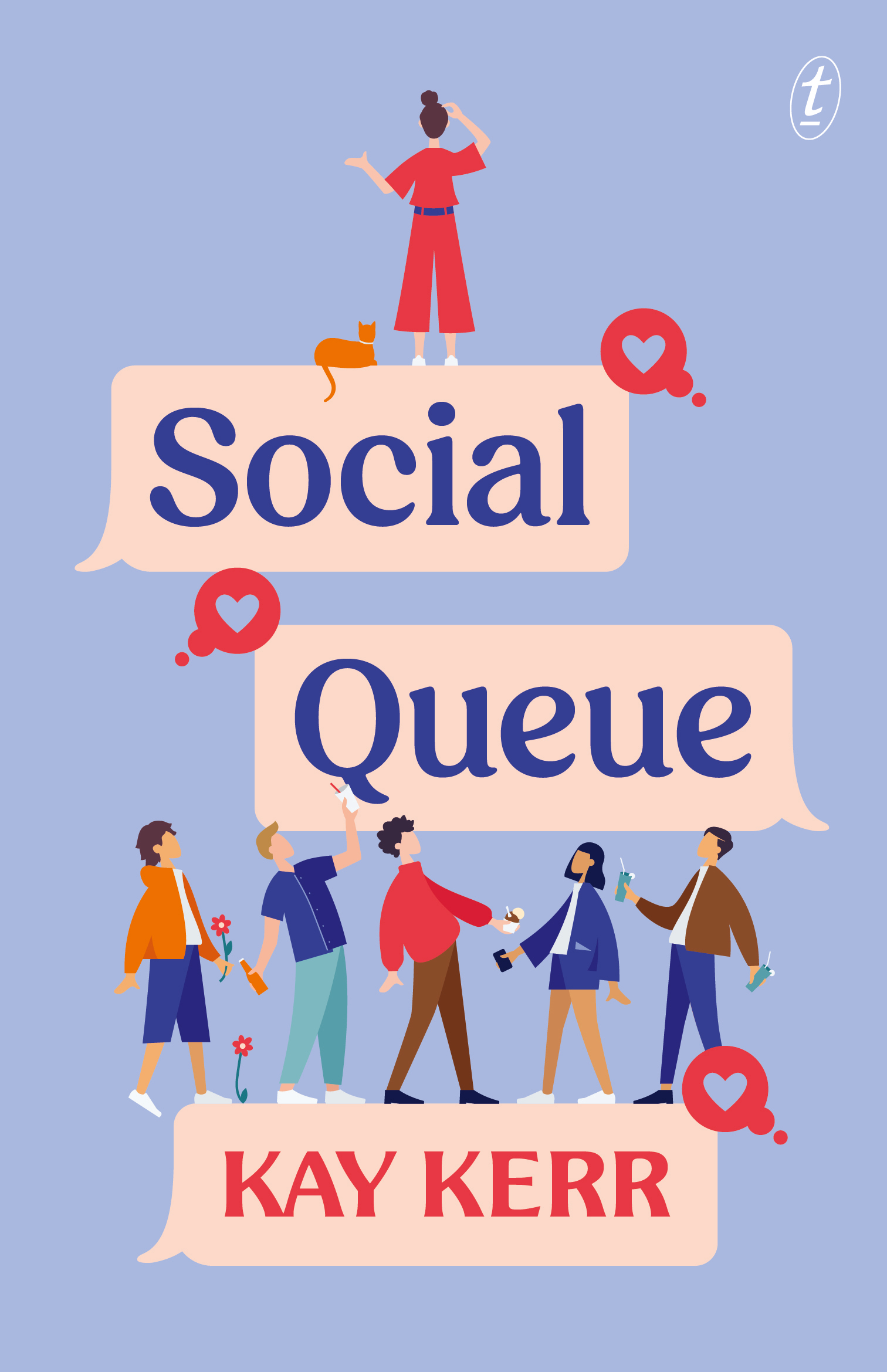
Social Queue – Kay Kerr

18-year-old Zoe is determined to turn over a new leaf. After a string of bad experiences in high school, she lands an internship at an online media company, where she writes pieces about her dating experiences—or lack thereof. But when these pieces get noticed by some of her old high school classmates, Zoe must reassess her idea of romance—and if taking second chances is worth it at all.

TW/CW: ableism, police brutality, bullying, sensory overload, misogyny

I found this one mostly on a whim (the quest for good disability rep never ends) and figured that it would be a good read for Autism Acceptance Month this year. And…I’ve come out of it with mixed feelings. I did like it, and I’d say it was a solid read. But I just had such a hard time getting into the writing, and while I loved all of the discussions around autism and disabled identity in general, they often came out very forced.

Let’s start with the good stuff. Zoe was a great protagonist, and she was the perfect fit for this kind of story. Although I wished we could have seen some more personality from her, I loved the journey of self-love and acceptance that she goes on over the course of this book. She had great character development, and her interactions with the other characters felt authentic and genuine. I can’t speak to how accurately her autism was depicted, but as a neurodivergent person, a lot of it felt very authentic, what with the sensory overload and whatnot. Either way, it’s always incredibly refreshing to see disabled characters/stories actually being written by disabled authors, so Kay Kerr deserves a thank you just for that.

There were some great conversations about autism and about disability in general as well in Social Queue! Zoe’s experiences—especially with her well-intentioned but ultimately harmful coworker trying to write about disabled issues—were so important to have in a book, and Kerr handled all of them very well. I loved the emphasis on restructuring the language we use around disabled people, especially removing the context of disability automatically being synonymous with suffering and doing away with the narrative of “overcoming” one’s disability. Social Queue raises so many questions that are so often left out of conversations about disability (and in feminism in general), and even as a piece of fiction, it works as a good primer for somebody looking into disabled issues.

That being said, some of the situations which Kerr tried to implement said conversations about disability came off as forced to me. For instance, early on in the novel, Zoe witnesses an instance of police brutality directed at an Autistic man. While this is a great starting point for conversations about disability and police brutality, it felt…blatantly like a plot device, like this horrifying instance of police brutality was set up just so that these conversations could be had in the book. Even though said conversations stemming from it were worth having, the placement and writing of it just made such a horrifying thing into nothing more than a conversation starter. Didn’t leave the best taste in my mouth.

I think part of why that instance didn’t work was because of Kerr’s writing style. Just like the cover, which looks like it was made in 15 minutes on Canva, nothing about it felt very distinct; none of the characters had unique voices, and most of the descriptions of the plot were mostly concerned with going from point A to point B without much embellishment. I’m not saying that Kerr should’ve gone headfirst with the purple prose, but the writing felt so dry that it needed some kind of embellishment, anything to make it more interesting. Even though Zoe was a solid character, this writing made for a significant amount of disconnect between her and some of the other characters that we were supposed to sympathize with.

Additionally, the romance aspect was iffy for me. I loved the premise of Zoe reconnecting with people from her high school and exploring her sexuality, but since the writing was so bland, most of said love interests were interchangeable to me. The only distinguishing factor was a) one of them was a girl (we love to see characters questioning their sexualities, though!! good stuff), and b) that one of them was a creep. That was pretty much it. Also, the fact that Zoe ended up with Gabe after all that infuriated me. I get forgiving and forgetting, but if a guy makes a WHOLE CLASS PRESENTATION about how you’re “so inspiring” just because you’re disabled, I WOULDN’T EVEN CONSIDER GIVING HIM A SECOND CHANCE. WHY. Apologies aren’t even enough at that point. That’s just disgusting. And I’m glad that they did cover that, but…Zoe. Bestie. You can do so much better than him. There was a lot of “he was mean to you because he had a crush on you, so it’s fine” action in Social Queue as a whole too, which rubbed me the wrong way, but Gabe was the most offensive for me.

All in all, a romance novel that did a good job of representing disabled and Autistic issues, but was let down on several occasions by its bland writing. 3 stars.

Social Queue is a standalone, but Kay Kerr is also the author of Please Don’t Hug Me and Love & Autism.

Today’s song:

BABE WAKE UP NEW PALEHOUND JUST DROPPED

That’s it for this week’s Book Review Tuesday! Have a wonderful rest of your day, and take care of yourselves!