Posted in Book Review Tuesday

Book Review Tuesday (9/29/26) – Sunward

Happy Tuesday, bibliophiles!

It feels like this is my first time reading William Alexander, but technically it isn’t. My first experience of his writing was ages ago; I picked up his MG novel Goblin Secrets when I was about 10 or 11 (I think? My memory’s hazy on it, to be honest) and didn’t like it. But I wasn’t the best judge of taste back then (even if the average ratings for Goblin Secrets are rather low), and plus, Sunward was his first book for adults, and things are bound to have changed.

For whatever reason, it’s so difficult to find sci-fi books by Latine authors. I don’t know if it’s the publishing industry or some other thing, but I feel like for Latine authors specifically, they’re so few and far between. That’s part of why I was so excited to see Sunward out in the wild. I’m so glad to report that although past Madeline didn’t like Goblin Secrets, Sunward is not to be missed.

Enjoy this week’s review!

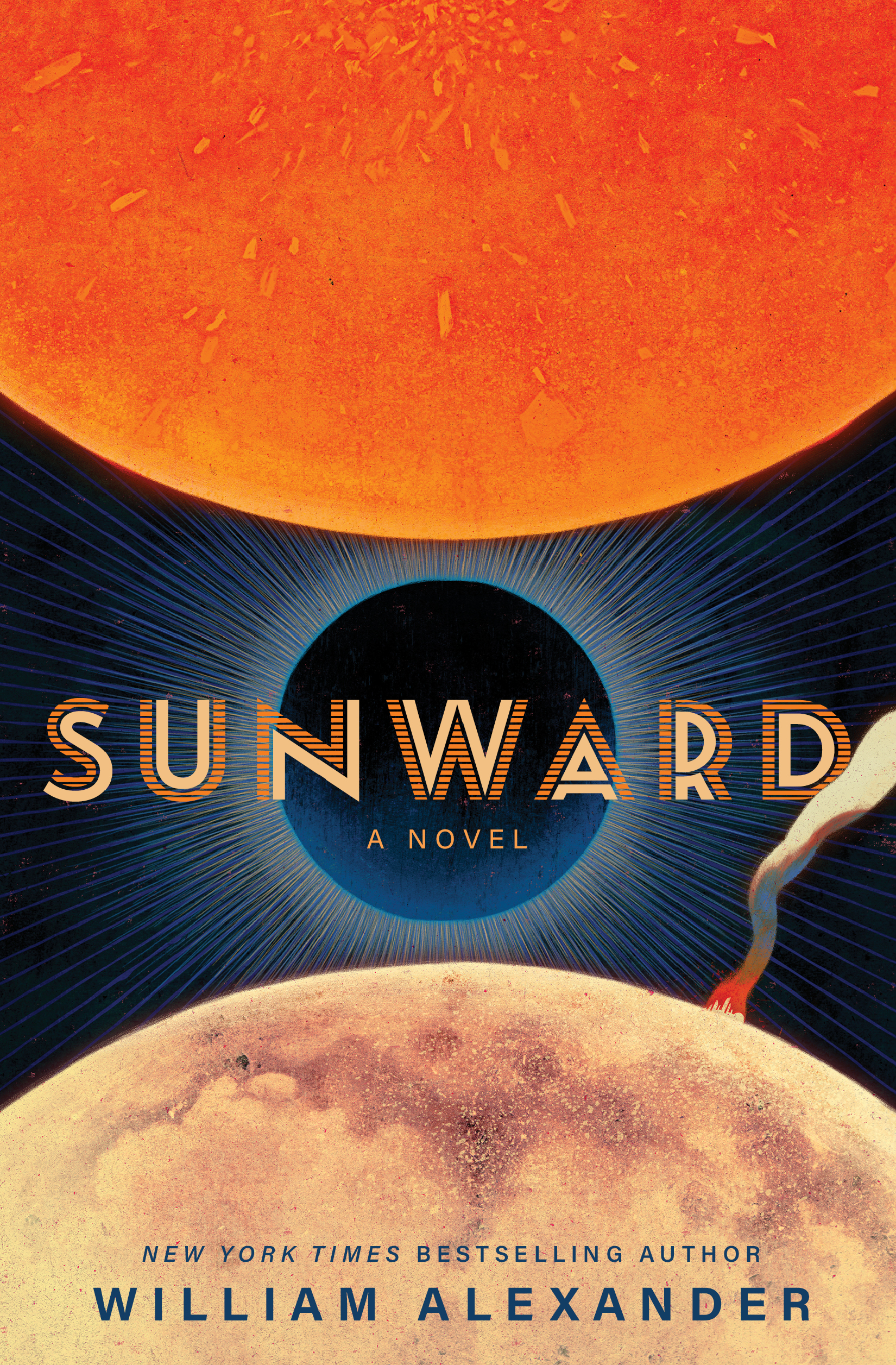
Sunward – William Alexander

When faced with the decision to follow in her parents’s footsteps as interplanetary politicians, Tova Lir chose a quieter life. She works as an interstellar courier, ferrying private communications across the solar system. But her spaceship doubles as a nursery—Tova raises sentient AIs whose consciousnesses are still on the levels of children and teenagers. When Agatha Panza von Sparkles (she named herself), one of her AI wards, experiences the splintering of her consciousness, Tova has to seek answers in the last place that she wants to go: Earth’s moon, where a deadly explosion has been pinned on its robot population. With the help from her former AI wards, Tova must cross the solar system to save Agatha’s mind from disappearing entirely.

TW/CW: racism, child death, descriptions of injury

Sunward clearly felt like a first-time attempt at a sci-fi novel; there’s less emphasis on the hard mechanics of the worldbuilding, and even with the strong AI element, it rarely veers into any grounded science. Even as a certified sci-fi girlie, that’s not a dig at William Alexander in the slightest. In fact, that’s part of why I loved Sunward so much. It wasn’t burdened by any of the rigid genre conventions that some authors adhere to, and it frequently bucked against what sci-fi is “supposed to be.” Alexander was unafraid to make his solar system unabashedly quirky—it almost felt like Wes Anderson’s take on straight-up sci-fi post-Asteroid City, from the precocious characters to the charm of the solar system’s cultures. There’s a sun-based cult on Mercury. The Moon has wacky mushroom architecture. The gang runs into a theater troupe of mostly robots that perform Twelfth Night in sign language. There’s a pretentious poet and her screaming parrot. Some of the more deliberately twee bits (ex. Agatha Panza von Sparkles) did get grating at times, but for the most part, it made for such a delightful novel. It’s just so charming and strange, and I loved every second of being in Alexander’s new solar system.

As a whole, the worldbuilding of Sunward was a mixed bag. But something that Alexander really excelled at in this novel was the cultural aspects of the worldbuilding. Our solar system is flung far into the future, with human settlements on many of the planets familiar to us, but each of them felt so culturally distinct. Alexander did such an amazing job feel like every planet’s people was unique, and even within the planets, giving them different groups and points of conflict. The same goes for his depictions of human-robot relations; they also differed from planet to planet, but different characters had different culturally specific reasons for the positions that they had. In particular, I loved the whole group of people isolated on a spaceship that developed their own sign language after an illness rendered most of the crew Deaf—that was a fascinating aspect, and I loved that unique inclusion in the novel. It was just so clear that there was tons of thought put into this future vision of the solar system, and I loved it.

Of course, you all know that I’m a sucker for found family. It’s old news at this point, but loving stories like this has made me picky about which ones actually feel like family. Sunward, in the end, knocked it out of the park. Tova was such a strong character, and I loved that her stoic outward presence didn’t contradict the love that she had for her robot children and the people around her—in fact, it only enhanced the protectiveness she felt for them. She was a great protagonist, but the side characters made this novel shine even more. Sunward’s dynamic was way more of a dysfunctional found family, which is pretty much par for the course, considering that this novel is basically just a solar system-wide quest to reunite all of Tova’s AI children. Tova’s getting the band back together, and it…doesn’t go to plan. Alexander did a great job of meshing all of the characters’s clashing desires and making this found family painfully chaotic, but still funny. It’s very much “we’ve all been tossed together in this spaceship with a vague common goal, and we all have to tough it out,” but by the end, in spite of all the squabbling, they stick together. That being said, a lot of the characters were too underdeveloped for it to fully feel like a family until the last few chapters. I would’ve loved Sunward to be longer for several reasons, and this was the most prominent one for sure. But for what it was, Sunward’s resonant love for family and sympathy for outsiders made it a tenderly emotional novel.

Unfortunately, that first-time sci-fi writer element that I praised earlier dragged Sunward down in some places. While I was willing to suspend my disbelief for a lot of this novel, there was a complete lack of context for a few too many of the worldbuilding elements. Sunward is set in our solar system, but the only context that Alexander gives us is that we’re “far in the future.” We don’t know the year, how many centuries it’s been since we’ve colonized the stars, and how long that took. Listen—I don’t need all of the answers, but given that Earth has been abandoned for nebulous reasons, we still retain some pop culture from antiquated Earth eras, and there’s some semblance of advanced technology, it would’ve helped to have at least a rough timeline of how we colonized the solar system, and more importantly, why. The same would’ve helped with some context around the human-robot tensions, but that was at least easier to extrapolate from context clues; still, I would’ve liked more than just vibes and ideas that haven’t been hashed over in other robot-related sci-fi. Granted, I thoroughly enjoyed Sunward, but it desperately needed some more ground to stand on in terms of the worldbuilding.

All in all, a heartfelt and quirky vision of our solar system in the future, and the love that brings people together within it. 4 stars!

Sunward is a standalone and William Alexander’s first novel for adults. He is also the author of several other books for children, including Goblin Secrets, Ghoulish Song, Ambassador, Nomad, A Properly Unhaunted Place, and A Festival of Ghosts.

Today’s song:

I’ve finally listened to Cate Le Bon’s entire discography (album-wise)…Me Oh My is my least favorite, but it’s still so fun

That’s it for this week’s Book Review Tuesday! Have a wonderful rest of your day, and take care of yourselves!

Posted in Books

The Bookish Mutant’s Books for National Latine Heritage Month (2026 Edition)

Happy Wednesday, bibliophiles!

Here in the U.S., September 15th-October 15th is Latine Heritage Month! If there’s one thing that living under two rounds of the Trump administration has made abundantly clear, is that the government does not want any marginalized group—especially BIPOC—to feel any sort of pride in themselves or their cultures. Being a part of the Latine community has made that blatantly evident to me. Day after day, Latine people continue to be unjustly detained by ICE and shot in broad daylight. To the people in power, our cultures are not worth celebrating, nor are they worth acknowledging at all, not when we supposedly “don’t belong” here.

That argument obviously doesn’t hold up to anybody with even the most basic knowledge of U.S. history. While the government disparages Latine laborers, they stand on structures that have been built by generations of our labor. ICE agents indulge in cuisine from Latine immigrants, and then detain those same immigrants in the same breath. Our vastly diverse cultures have been embedded in the fabric of this country, and the refusal of the country at large to acknowledge this has led to the thoughtless dehumanization of Latine people of all kinds, simply for the color of their skin or the language that they speak. Even I, with my mixed-race heritage and my decidedly very white-passing skin (and privilege), find it hard not to feel like a squashed bug on the daily having to see the casual disparagement of our rich communities. But what brings me back to earth is to have that pride: to read books from my heritage, to try and cook food from my culture, and to have any sense of pride. To love your heritage—heck, to put any effort into looking into it at all—is to be the very thing that your government wants to suppress. What my queerness has taught me is that being loud and proud isn’t the safest option, and the same logic applies here; all that matters is to foster that pride and curiosity wherever you can.

More than ever, Latine people of all walks of life could use your help in this country. This is a non-exhaustive list, but here are some excellent charities that you can support.

CHARITIES YOU CAN SUPPORT:

This is a non-exhaustive list! I encourage you to look for other options, and let me know of any other great charities supporting the Hispanic/Latine community in the comments.

For my past lists for Latine Heritage Month, click here: 

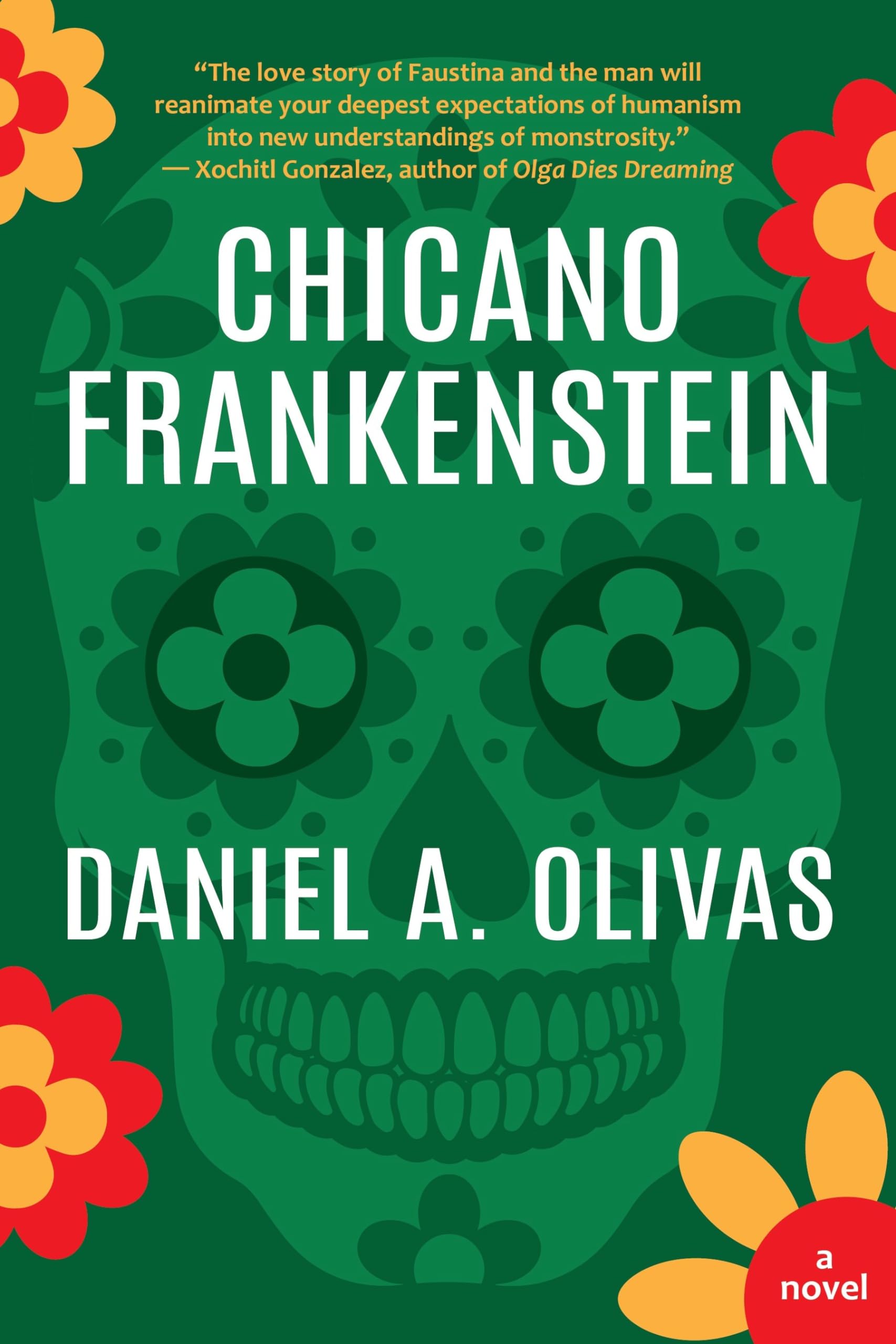
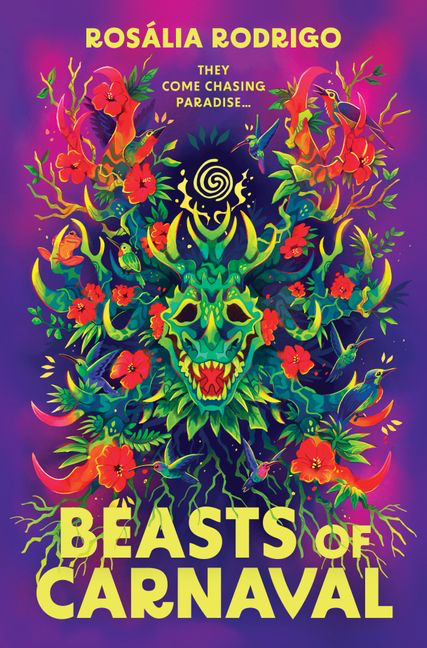
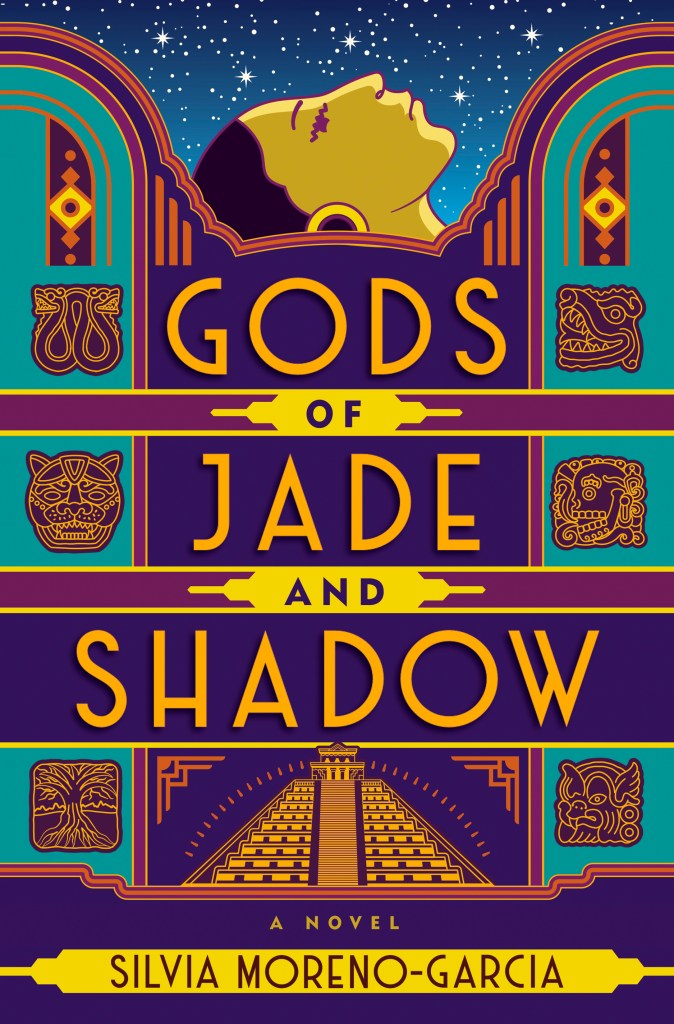
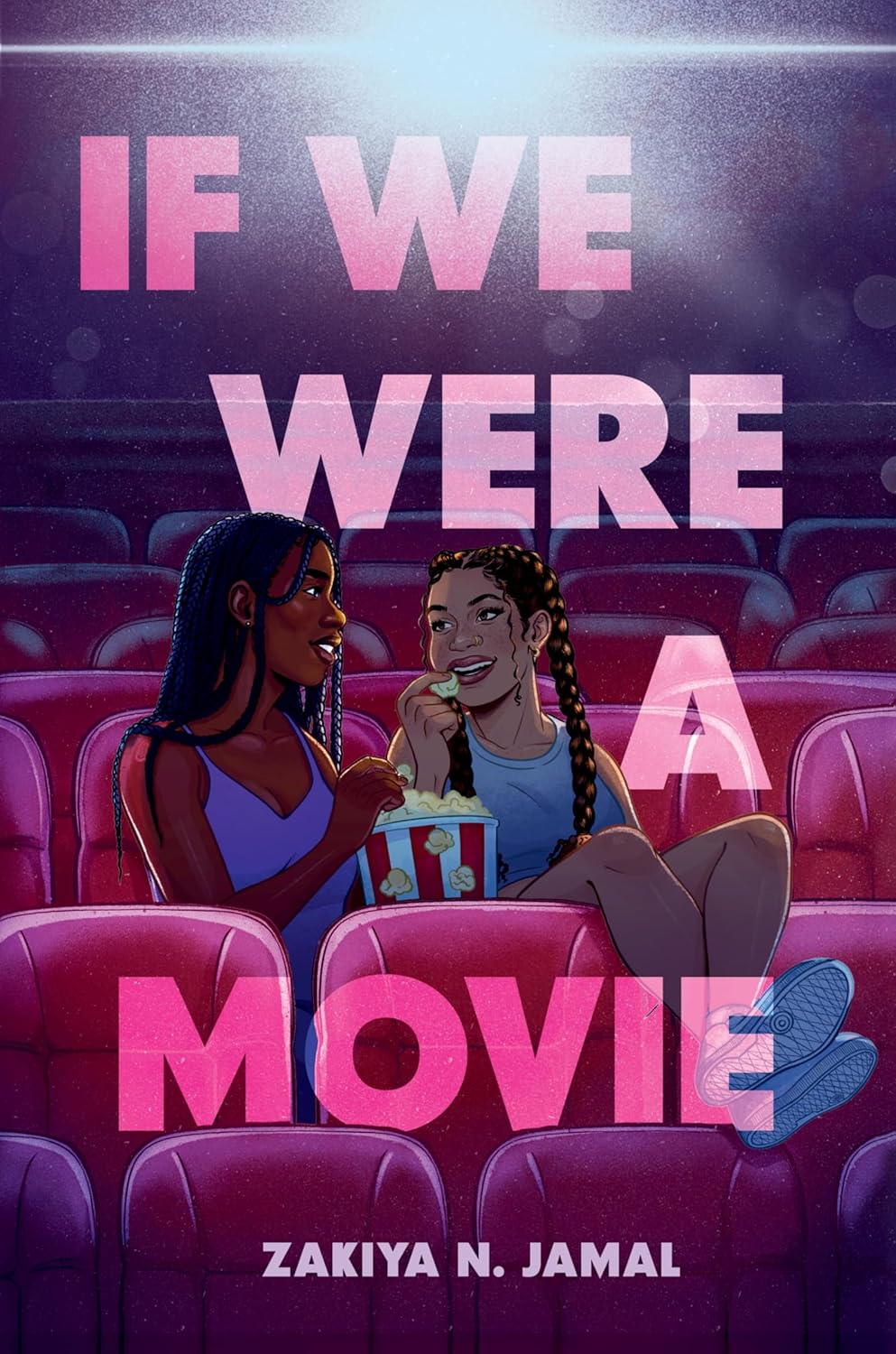
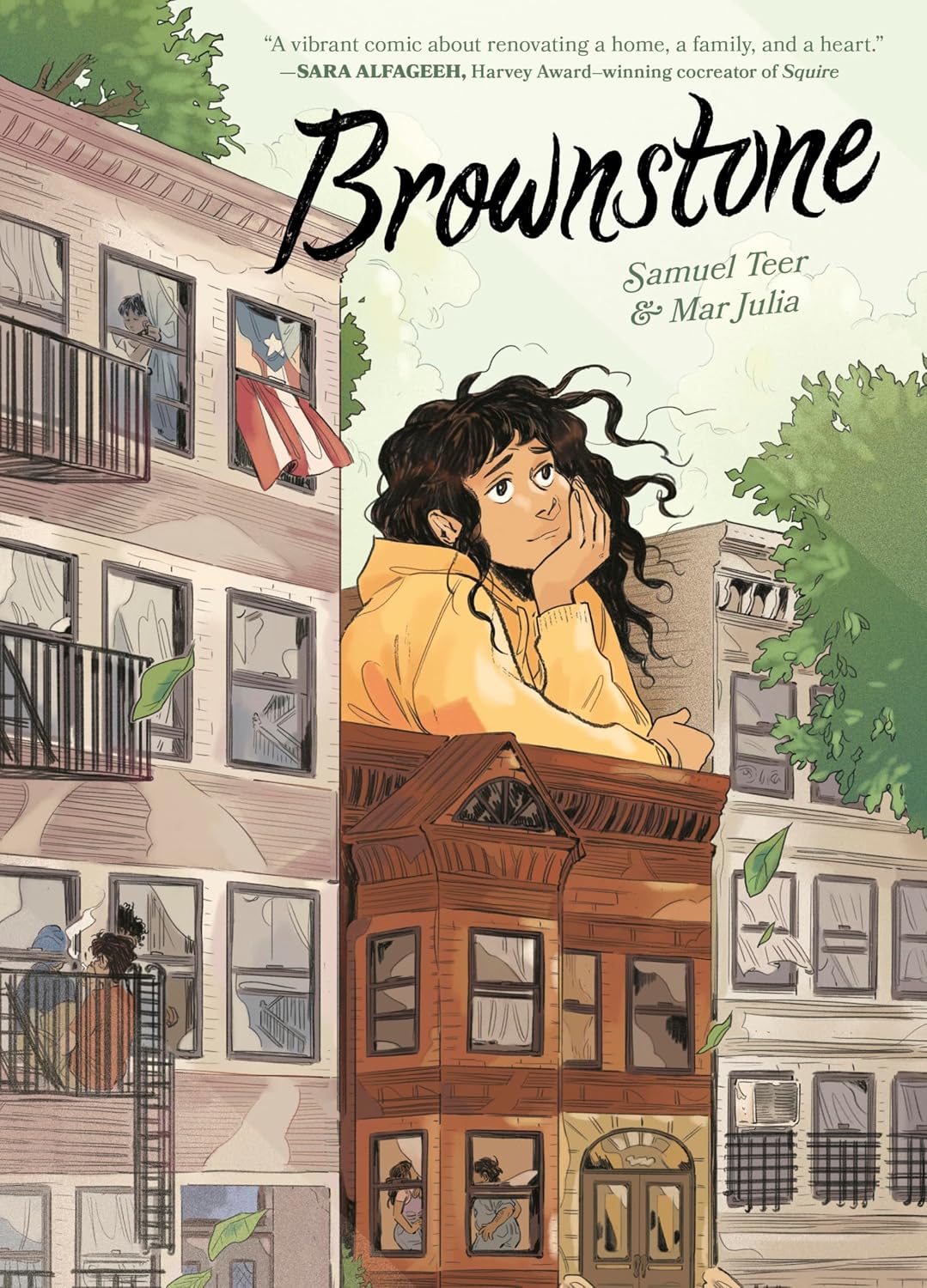
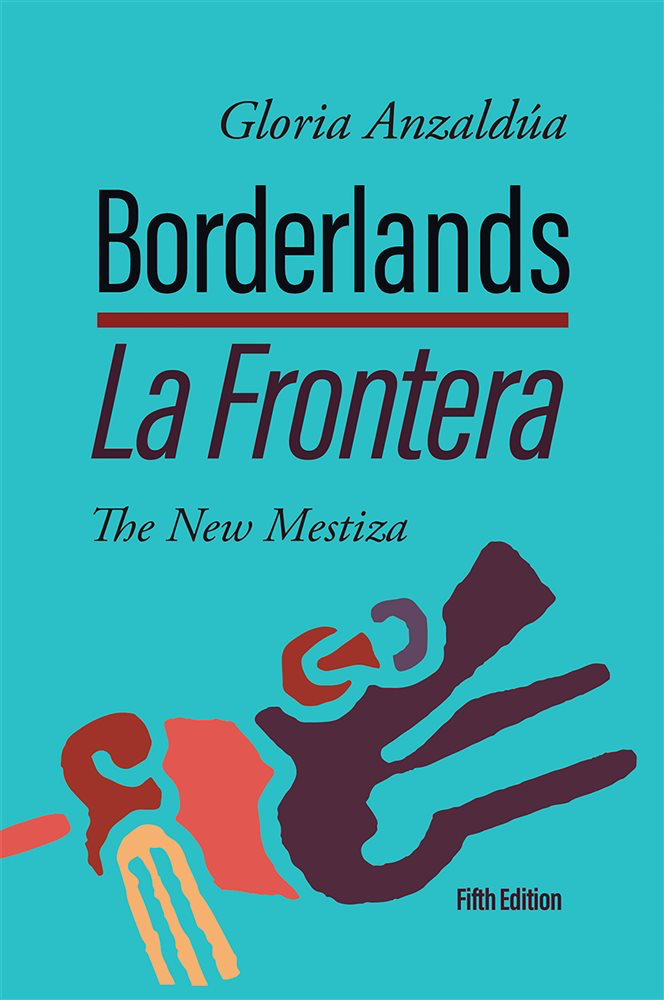
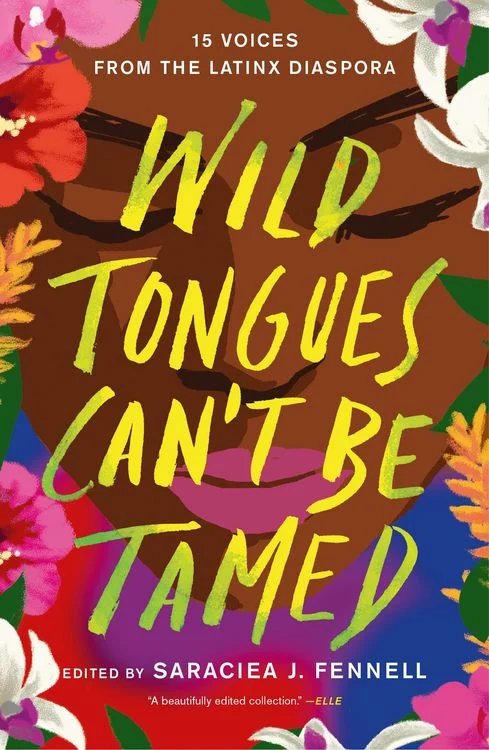
THE BOOKISH MUTANT’S BOOKS FOR LATINE HERITAGE MONTH (2026 EDITION)

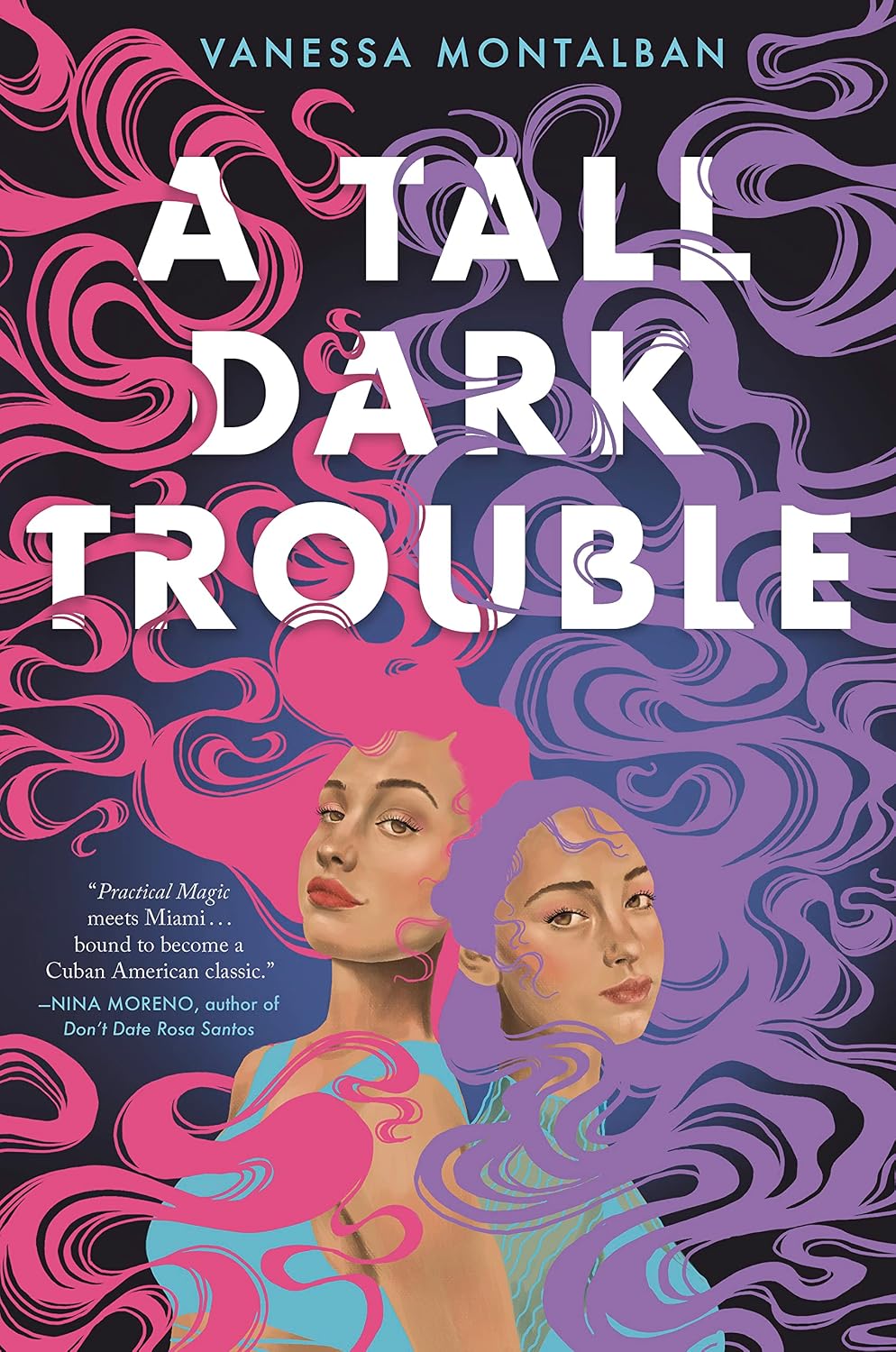
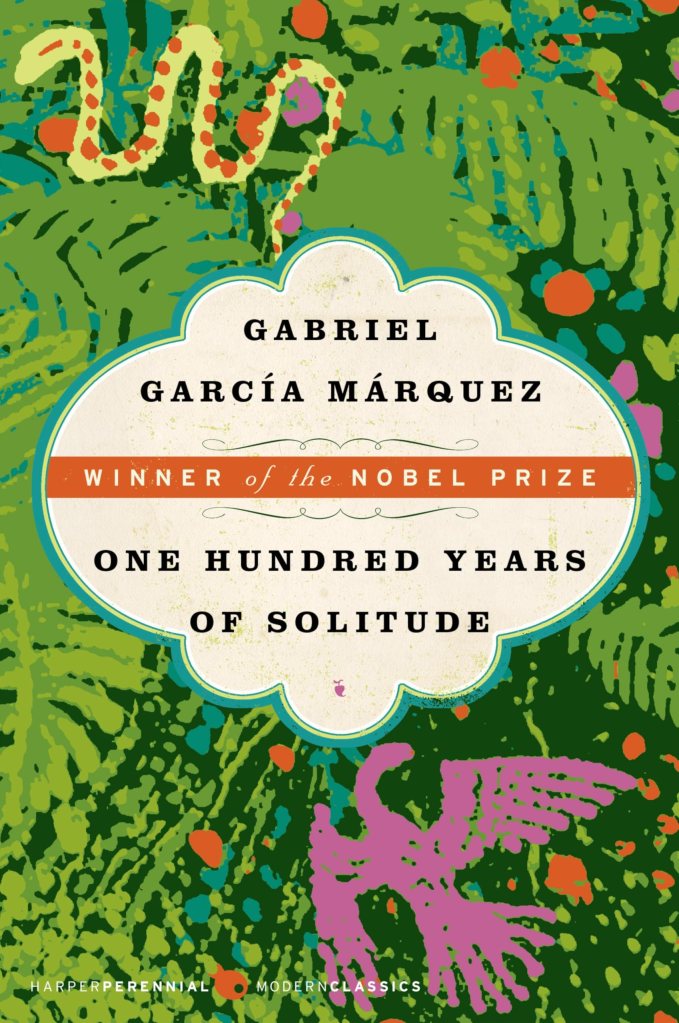
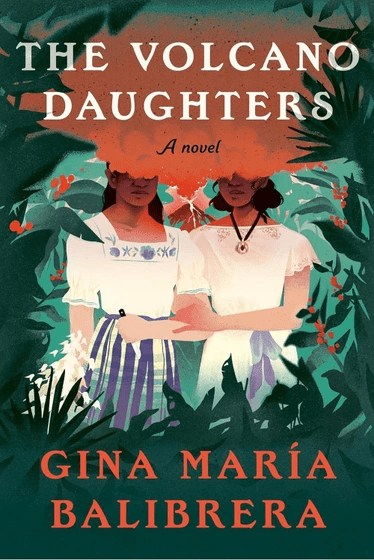
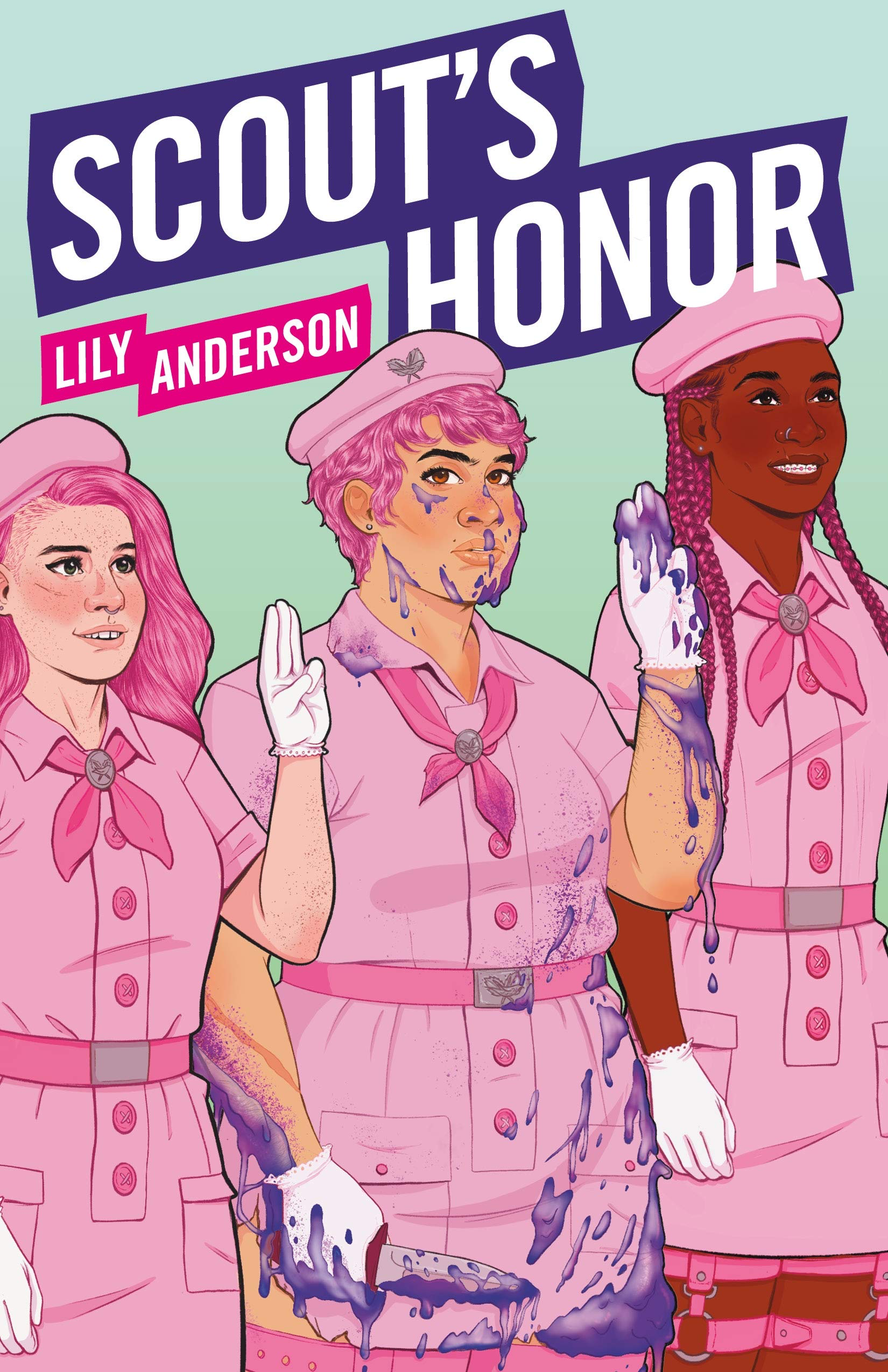
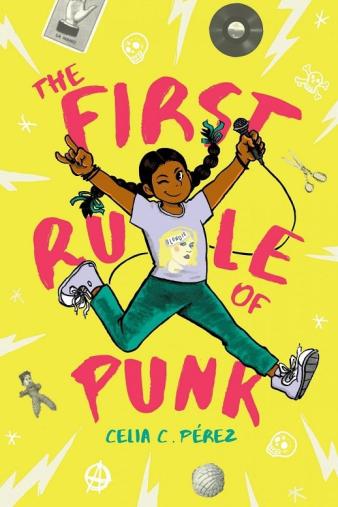
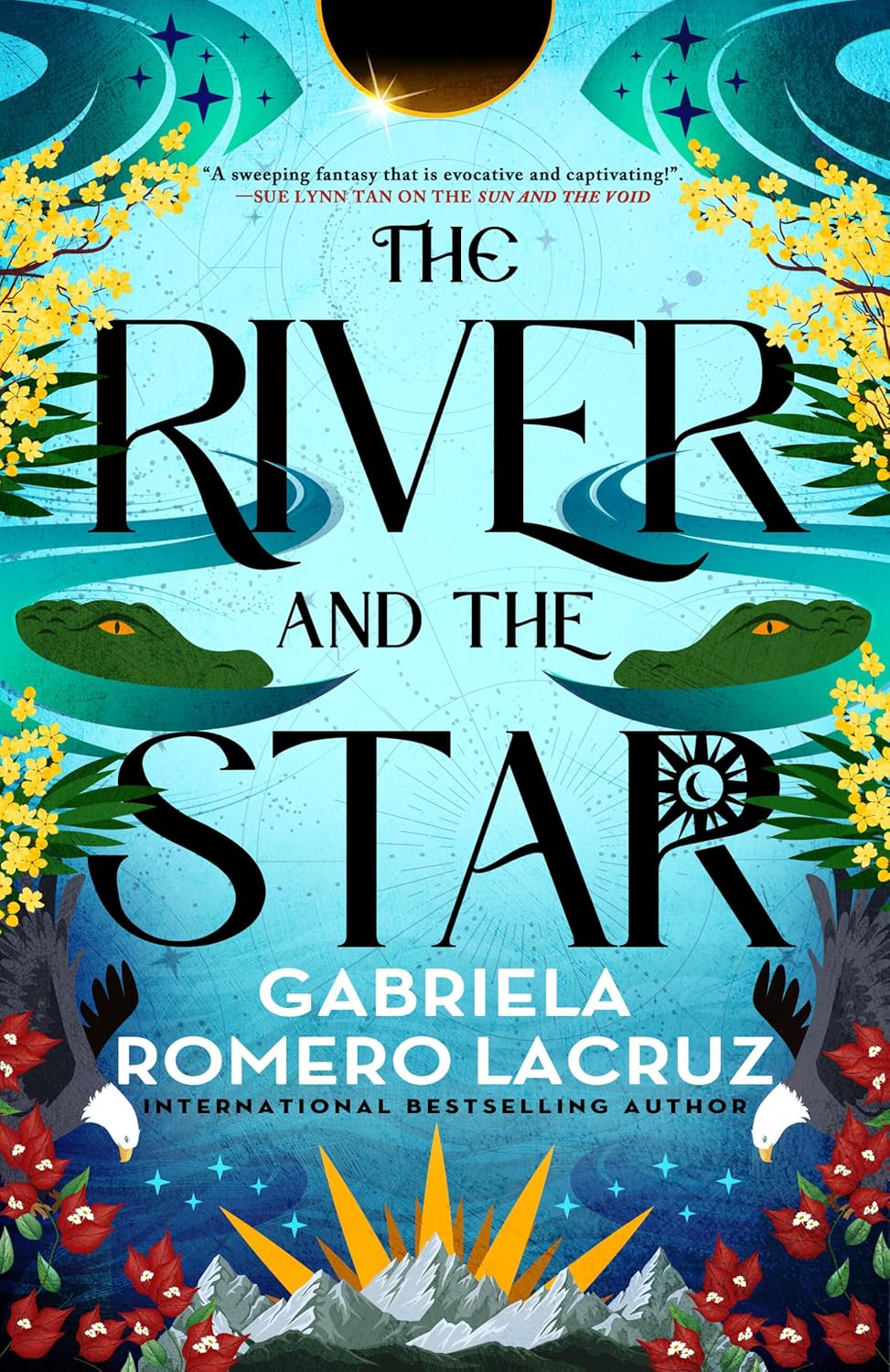
FANTASY AND MAGICAL REALISM:

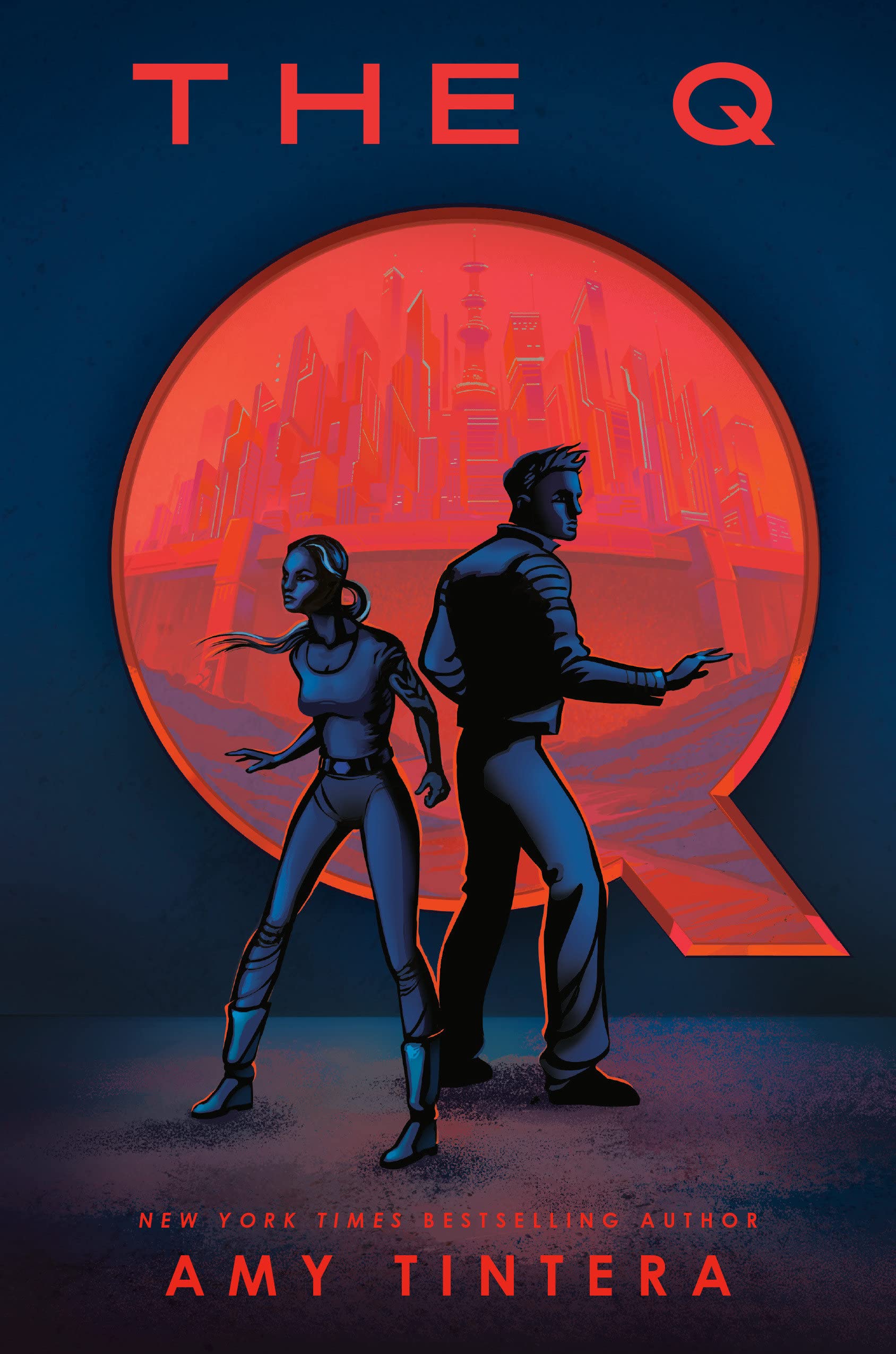
SCIENCE FICTION:

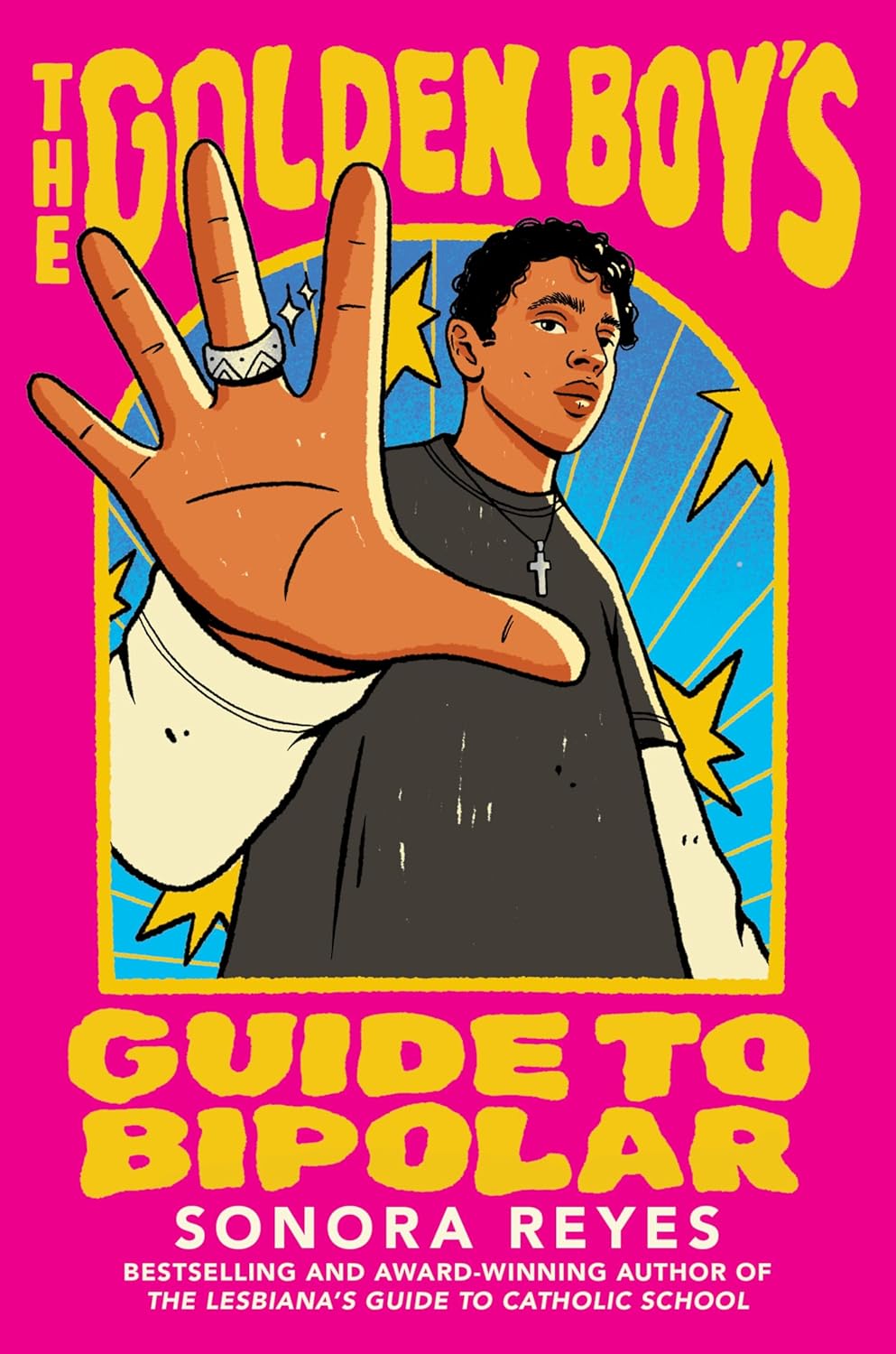
REALISTIC/HISTORICAL FICTION:

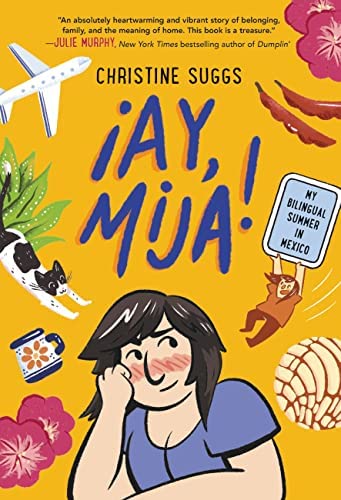
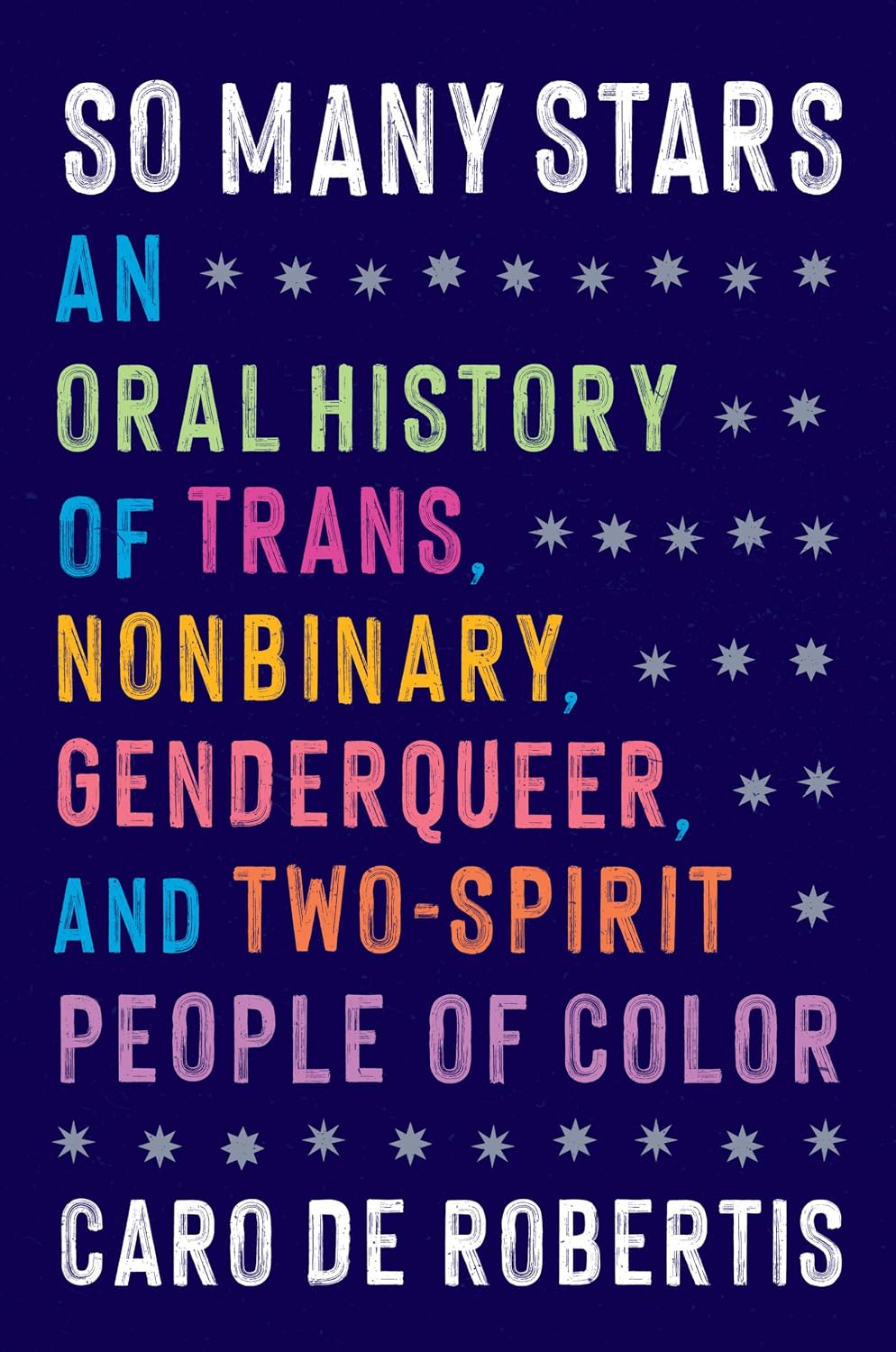
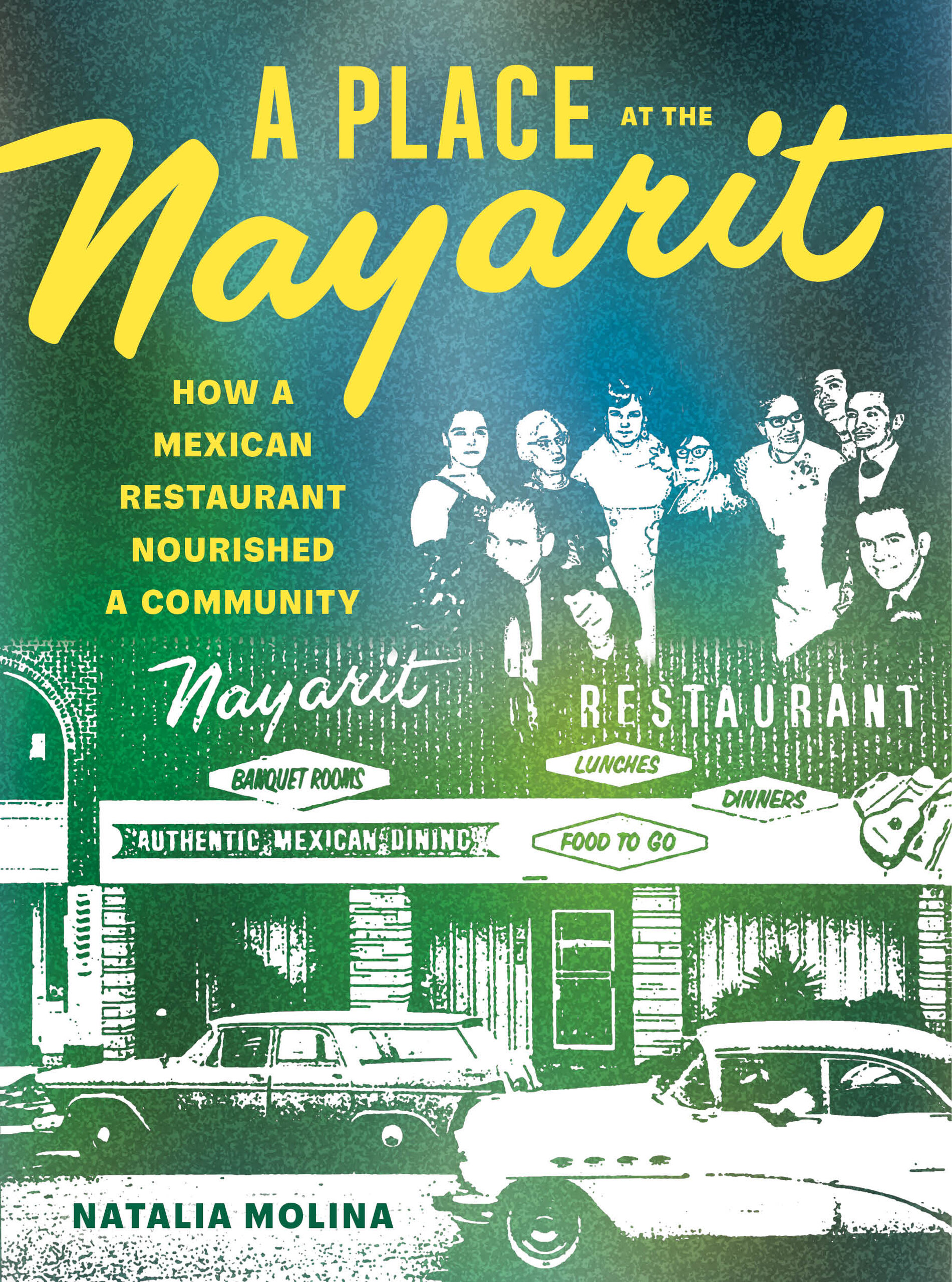
NONFICTION:

TELL ME WHAT YOU THINK! Have you read any of these books, and if so, did you like them? What are some of your favorite books by Latine/x authors? Let me know in the comments!

Today’s song:

That’s it for this recommendations post! Have a wonderful rest of your day, and take care of yourselves!
Posted in Book Review Tuesday

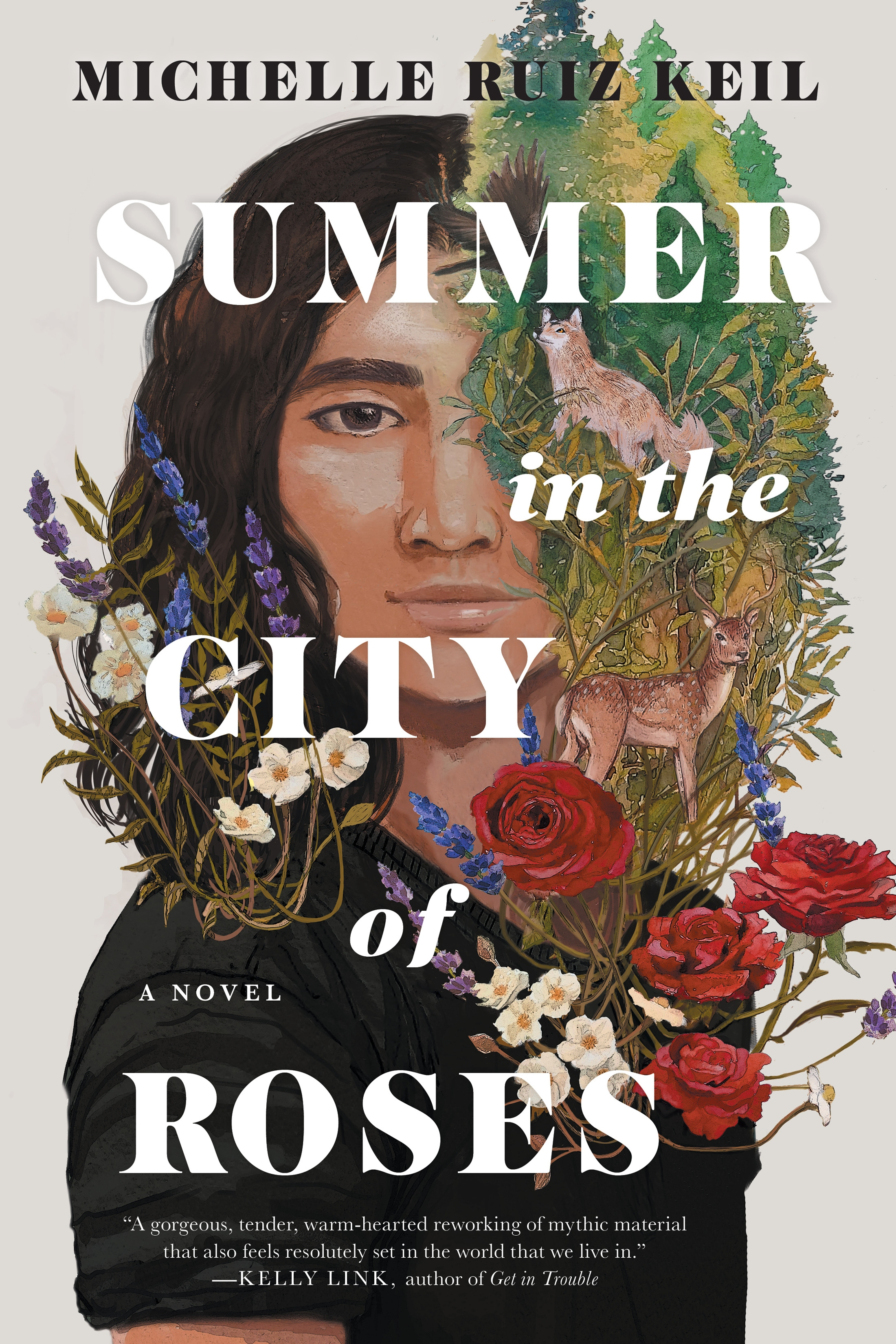
Book Review Tuesday (9/15/26) – Summer in the City of Roses

Happy Tuesday, bibliophiles, and more importantly, happy National Hispanic & Latine Heritage Month!

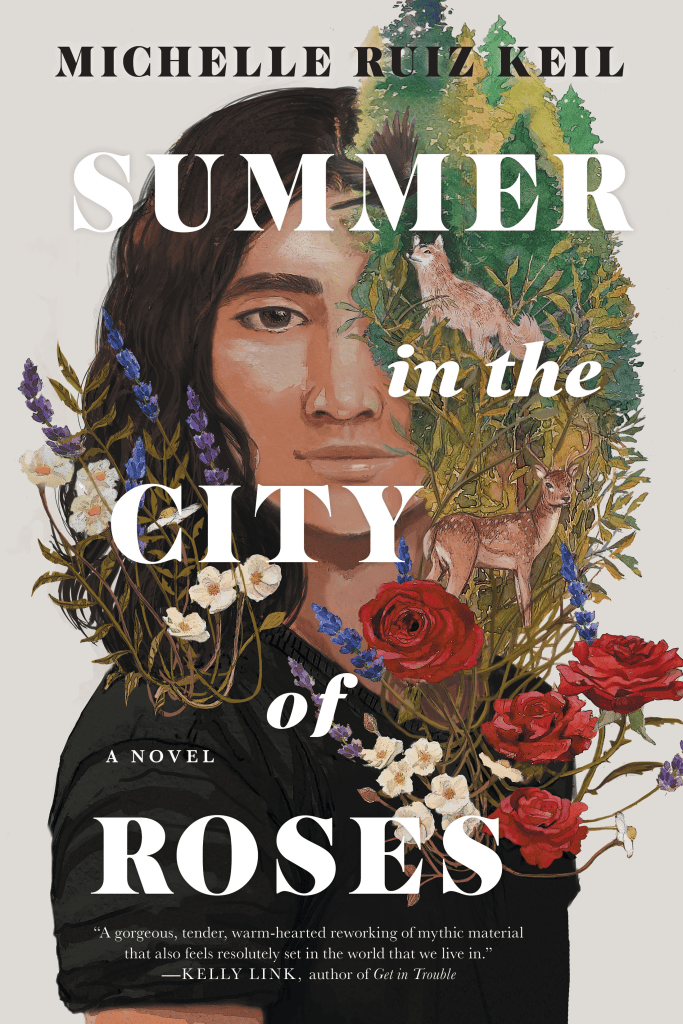
I’m kicking off the occasion with a novel that’s been languishing on my TBR for way too long. I don’t remember where exactly I heard about it, but I was intrigued by the cover and the unusual premise. Though I wasn’t immediately familiar with the myths and fairytales that it drew from, Summer in the City of Roses stands as something uniquely itself, regardless of its inspirations.

Enjoy this week’s review!

Summer in the City of Roses – Michelle Ruiz Keil

Iph and Orr are inseparable. Ever since Orr began showing signs of anxiety, Iph has been his protector, making their way around Portland in the early ’90s together. But when their father sends Orr off to a wilderness camp without Iph’s knowledge, she’s beyond betrayed. Unbeknownst to Iph, Orr snuck off into the woods the minute that he arrived at the camp. Now on separate journeys to find their way back to each other, Iph and Orr will stop at nothing to reunite, no matter the bizarre trials they encounter on the way.

TW/CW: transphobia/deadnaming, kidnapping, substance abuse, animal cruelty, homophobia, domestic violence

First off: this is a weird book. It’s weirder than a lot of mainstream YA dares to get, which I greatly enjoyed. In a publishing landscape dominated by all manner of fairytale and myth retellings, Summer in the City of Roses dared to do something radically new, and while it wasn’t completely successful, it’s a bright spot of individuality in the YA landscape.

I wasn’t familiar with the myth of Iphigenia or the Brothers Grimm’s “Brother and Sister,” the two fairytales and myths that Summer in the City of Roses was based on; once I looked into them more, there were so many fun Easter eggs that were hidden throughout. But even without that context, it felt so much like a fairytale. The strange, winding nature of the plot, as well as the oddball characters that Iph and Orr encounter along their quest, were so archetypal, but beyond that, just pure fun. Ruiz Keil’s prose gave the novel a Wes Anderson feel, especially when it came to the narrative voice and the way the characters acted and spoke. (George felt very Rushmore to me.) There’s a wandering nonbinary Robin Hood type with a mini pitbull, a band of Riot Grrrls, covens of witches from San Fransisco—it’s just unabashedly ’90s and unabashedly quirky, at that. It’s just so charming all the way through. And though I’ve never been to Portland—much less in the early ’90s—Ruiz Keil’s love for the city shone through in every page. There’s a lot of fun references to the pop culture and music scene at the time, as well as past musical movements (BRIAN ENO AND OBLIQUE STRATEGIES MENTIONED!!) It’s a charming, punk fairytale dressed in flannel with the spirit of Riot Grrrl activism and siblingly love. Summer in the City of Roses is seriously one of a kind.

Iph and Orr are at the heart of Summer in the City of Roses, and their relationship was written so tenderly. Iph’s uncertain yet determined spirit was so poignant, and Ruiz Keil captured that feeling of being a teenage girl at the crossroads of life so well. Her experiences with her mixed-race identity, with a Greek father and a Mexican mother who was rather secretive about her culture and past, resonated so much with me as a mixed-race person with Latine heritage. Orr was so wonderful, and his sensitive was dealt with so well; I also loved seeing both Iph and Orr casually come into their queerness. What stood out to me though was that despite there being all of this amazing representation, Ruiz Keil didn’t automatically translate it into modern terms that would’ve been out of place in the ’90s. (She talks in the author’s note about not choosing to use any pronouns for George, as nonbinary identity wasn’t as well known/understood in the mainstream ’90s culture as it is today, although it existed without question.) Iph and Orr are decidedly queer, and Orr is decidedly neurodivergent; a less deft author would’ve inserted all manner of 2020’s therapy/PSA-speak into the narrative, but Ruiz Keil toed the line between modernizing their identities while still respecting them as identities that existed in the ’90s, and have always been a part of history.

Naturally, a book dealing with the Riot Grrrl movement and the punk/activist culture of Portland in the ’90s would deal with a lot of social issues, and Summer in the City of Roses certainly did. Not a lot of YA literature deals with subjects surrounding sex work, especially considering the audience; but I like that Ruiz Keil touches on this, and humanizes sex workers and explains a lot of the rationale behind the activism. There are discussions about homophobia and transphobia, Latine and mixed-race identity, spirituality, and unhoused people, but through it all, what made it so meaningful was that Ruiz Keil took such a great deal of care in humanizing all of the marginalized groups she talks about. That being said, a lot of these discussions are delivered in a kind of PSA style at the worst of times; this style is also applied to any other subject that Iph learns about, which made some of the discussions drag for me. However, this is YA, and for a teen audience unfamiliar with these subjects, it might be more beneficial. Chances are, it was only an issue for me because I’ve aged out of the target audience.

A lot of the reviews for Summer in the City of Roses commented on how jarring the transition in this novel was from fairytale-inspired realistic fiction to straight-up magical realism. To be fair, I saw that it had been tagged on the Storygraph as magical realism, so I had some idea of what I was in for. Once I got to this portion of the story, the genre transition wasn’t that abrupt to me: Ruiz Keil’s writing already had the air of a fairytale, even if the actual fantastical elements didn’t come in until the eleventh hour. My problem was more about their execution. The hard left turn into fantasy was quite messy; it’s clear that Ruiz Keil had a lot of ideas and a lot to say about them, but they all tangled into a jumbled mess at the end. The ending had the potential to be so powerful, but everything was so tangled that the message got lost. I feel like part of the issue is that it needed more time to breathe—50 more pages would’ve done the trick for making sure that this element felt substantially integrated into the narrative. Summer in the City of Roses was just shy of a 4-star read for me, but this mishandled ending was why it didn’t get the full 4 stars from me in the end.

All in all, a daringly weird and ambitious novel with lots of aspirations—most of them fulfilled, but with some unfortunately left in pieces. 3.75 stars!

Summer in the City of Roses is a standalone, but Michelle Ruiz Keil is also the author of All Of Us With Wings and contributed to the anthology Dispatches from Anarres: Tales in Tribute to Ursula K. LeGuin.

Today’s song:

That’s it for this week’s Book Review Tuesday! Have a wonderful rest of your day, and take care of yourselves!