Posted in Book Review Tuesday

Book Review Tuesday (9/29/26) – Sunward

Happy Tuesday, bibliophiles!

It feels like this is my first time reading William Alexander, but technically it isn’t. My first experience of his writing was ages ago; I picked up his MG novel Goblin Secrets when I was about 10 or 11 (I think? My memory’s hazy on it, to be honest) and didn’t like it. But I wasn’t the best judge of taste back then (even if the average ratings for Goblin Secrets are rather low), and plus, Sunward was his first book for adults, and things are bound to have changed.

For whatever reason, it’s so difficult to find sci-fi books by Latine authors. I don’t know if it’s the publishing industry or some other thing, but I feel like for Latine authors specifically, they’re so few and far between. That’s part of why I was so excited to see Sunward out in the wild. I’m so glad to report that although past Madeline didn’t like Goblin Secrets, Sunward is not to be missed.

Enjoy this week’s review!

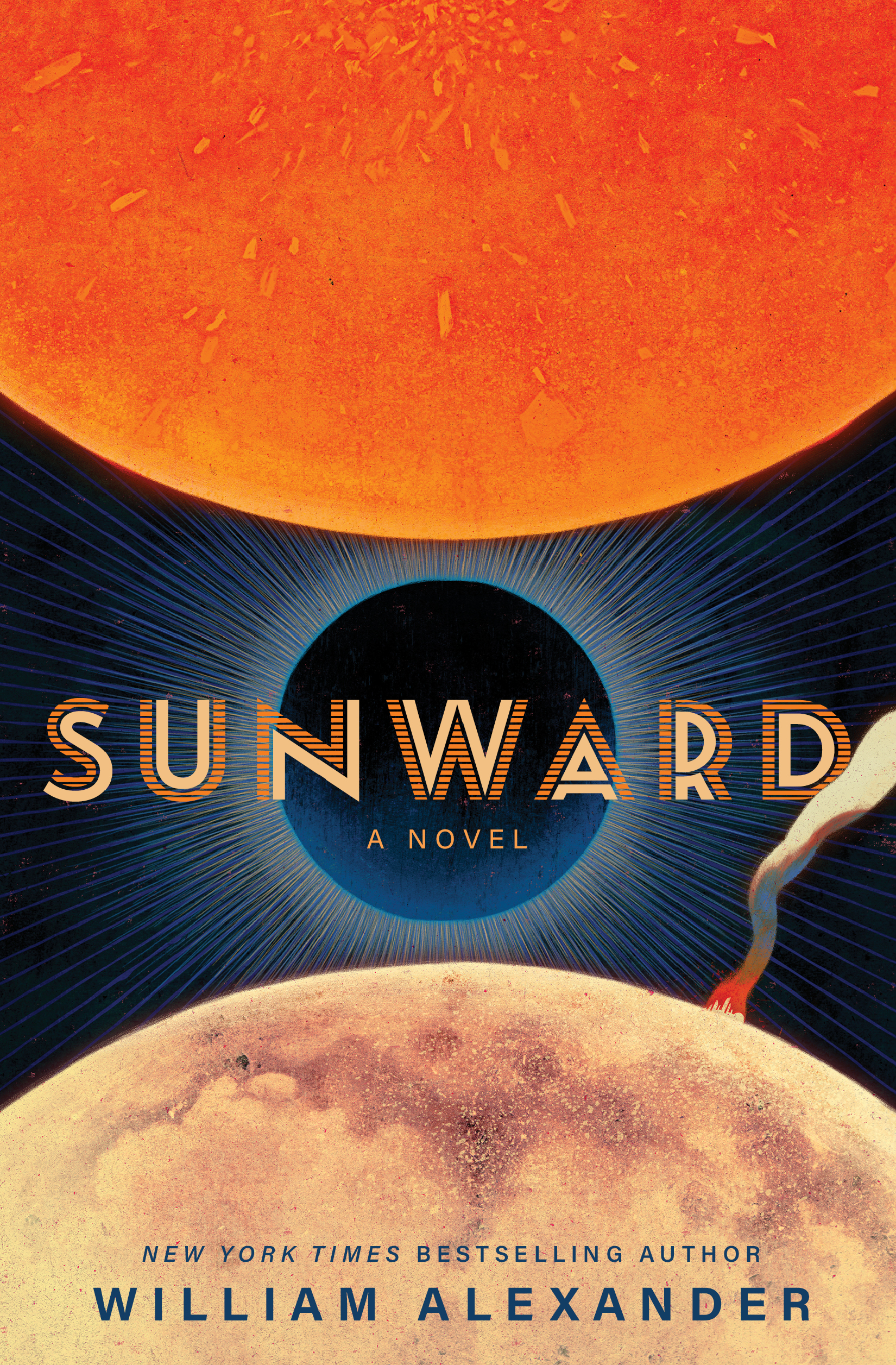
Sunward – William Alexander

When faced with the decision to follow in her parents’s footsteps as interplanetary politicians, Tova Lir chose a quieter life. She works as an interstellar courier, ferrying private communications across the solar system. But her spaceship doubles as a nursery—Tova raises sentient AIs whose consciousnesses are still on the levels of children and teenagers. When Agatha Panza von Sparkles (she named herself), one of her AI wards, experiences the splintering of her consciousness, Tova has to seek answers in the last place that she wants to go: Earth’s moon, where a deadly explosion has been pinned on its robot population. With the help from her former AI wards, Tova must cross the solar system to save Agatha’s mind from disappearing entirely.

TW/CW: racism, child death, descriptions of injury

Sunward clearly felt like a first-time attempt at a sci-fi novel; there’s less emphasis on the hard mechanics of the worldbuilding, and even with the strong AI element, it rarely veers into any grounded science. Even as a certified sci-fi girlie, that’s not a dig at William Alexander in the slightest. In fact, that’s part of why I loved Sunward so much. It wasn’t burdened by any of the rigid genre conventions that some authors adhere to, and it frequently bucked against what sci-fi is “supposed to be.” Alexander was unafraid to make his solar system unabashedly quirky—it almost felt like Wes Anderson’s take on straight-up sci-fi post-Asteroid City, from the precocious characters to the charm of the solar system’s cultures. There’s a sun-based cult on Mercury. The Moon has wacky mushroom architecture. The gang runs into a theater troupe of mostly robots that perform Twelfth Night in sign language. There’s a pretentious poet and her screaming parrot. Some of the more deliberately twee bits (ex. Agatha Panza von Sparkles) did get grating at times, but for the most part, it made for such a delightful novel. It’s just so charming and strange, and I loved every second of being in Alexander’s new solar system.

As a whole, the worldbuilding of Sunward was a mixed bag. But something that Alexander really excelled at in this novel was the cultural aspects of the worldbuilding. Our solar system is flung far into the future, with human settlements on many of the planets familiar to us, but each of them felt so culturally distinct. Alexander did such an amazing job feel like every planet’s people was unique, and even within the planets, giving them different groups and points of conflict. The same goes for his depictions of human-robot relations; they also differed from planet to planet, but different characters had different culturally specific reasons for the positions that they had. In particular, I loved the whole group of people isolated on a spaceship that developed their own sign language after an illness rendered most of the crew Deaf—that was a fascinating aspect, and I loved that unique inclusion in the novel. It was just so clear that there was tons of thought put into this future vision of the solar system, and I loved it.

Of course, you all know that I’m a sucker for found family. It’s old news at this point, but loving stories like this has made me picky about which ones actually feel like family. Sunward, in the end, knocked it out of the park. Tova was such a strong character, and I loved that her stoic outward presence didn’t contradict the love that she had for her robot children and the people around her—in fact, it only enhanced the protectiveness she felt for them. She was a great protagonist, but the side characters made this novel shine even more. Sunward’s dynamic was way more of a dysfunctional found family, which is pretty much par for the course, considering that this novel is basically just a solar system-wide quest to reunite all of Tova’s AI children. Tova’s getting the band back together, and it…doesn’t go to plan. Alexander did a great job of meshing all of the characters’s clashing desires and making this found family painfully chaotic, but still funny. It’s very much “we’ve all been tossed together in this spaceship with a vague common goal, and we all have to tough it out,” but by the end, in spite of all the squabbling, they stick together. That being said, a lot of the characters were too underdeveloped for it to fully feel like a family until the last few chapters. I would’ve loved Sunward to be longer for several reasons, and this was the most prominent one for sure. But for what it was, Sunward’s resonant love for family and sympathy for outsiders made it a tenderly emotional novel.

Unfortunately, that first-time sci-fi writer element that I praised earlier dragged Sunward down in some places. While I was willing to suspend my disbelief for a lot of this novel, there was a complete lack of context for a few too many of the worldbuilding elements. Sunward is set in our solar system, but the only context that Alexander gives us is that we’re “far in the future.” We don’t know the year, how many centuries it’s been since we’ve colonized the stars, and how long that took. Listen—I don’t need all of the answers, but given that Earth has been abandoned for nebulous reasons, we still retain some pop culture from antiquated Earth eras, and there’s some semblance of advanced technology, it would’ve helped to have at least a rough timeline of how we colonized the solar system, and more importantly, why. The same would’ve helped with some context around the human-robot tensions, but that was at least easier to extrapolate from context clues; still, I would’ve liked more than just vibes and ideas that haven’t been hashed over in other robot-related sci-fi. Granted, I thoroughly enjoyed Sunward, but it desperately needed some more ground to stand on in terms of the worldbuilding.

All in all, a heartfelt and quirky vision of our solar system in the future, and the love that brings people together within it. 4 stars!

Sunward is a standalone and William Alexander’s first novel for adults. He is also the author of several other books for children, including Goblin Secrets, Ghoulish Song, Ambassador, Nomad, A Properly Unhaunted Place, and A Festival of Ghosts.

Today’s song:

I’ve finally listened to Cate Le Bon’s entire discography (album-wise)…Me Oh My is my least favorite, but it’s still so fun

That’s it for this week’s Book Review Tuesday! Have a wonderful rest of your day, and take care of yourselves!

Posted in Books

The Bookish Mutant’s Books for National Latine Heritage Month (2026 Edition)

Happy Wednesday, bibliophiles!

Here in the U.S., September 15th-October 15th is Latine Heritage Month! If there’s one thing that living under two rounds of the Trump administration has made abundantly clear, is that the government does not want any marginalized group—especially BIPOC—to feel any sort of pride in themselves or their cultures. Being a part of the Latine community has made that blatantly evident to me. Day after day, Latine people continue to be unjustly detained by ICE and shot in broad daylight. To the people in power, our cultures are not worth celebrating, nor are they worth acknowledging at all, not when we supposedly “don’t belong” here.

That argument obviously doesn’t hold up to anybody with even the most basic knowledge of U.S. history. While the government disparages Latine laborers, they stand on structures that have been built by generations of our labor. ICE agents indulge in cuisine from Latine immigrants, and then detain those same immigrants in the same breath. Our vastly diverse cultures have been embedded in the fabric of this country, and the refusal of the country at large to acknowledge this has led to the thoughtless dehumanization of Latine people of all kinds, simply for the color of their skin or the language that they speak. Even I, with my mixed-race heritage and my decidedly very white-passing skin (and privilege), find it hard not to feel like a squashed bug on the daily having to see the casual disparagement of our rich communities. But what brings me back to earth is to have that pride: to read books from my heritage, to try and cook food from my culture, and to have any sense of pride. To love your heritage—heck, to put any effort into looking into it at all—is to be the very thing that your government wants to suppress. What my queerness has taught me is that being loud and proud isn’t the safest option, and the same logic applies here; all that matters is to foster that pride and curiosity wherever you can.

More than ever, Latine people of all walks of life could use your help in this country. This is a non-exhaustive list, but here are some excellent charities that you can support.

CHARITIES YOU CAN SUPPORT:

This is a non-exhaustive list! I encourage you to look for other options, and let me know of any other great charities supporting the Hispanic/Latine community in the comments.

For my past lists for Latine Heritage Month, click here: 

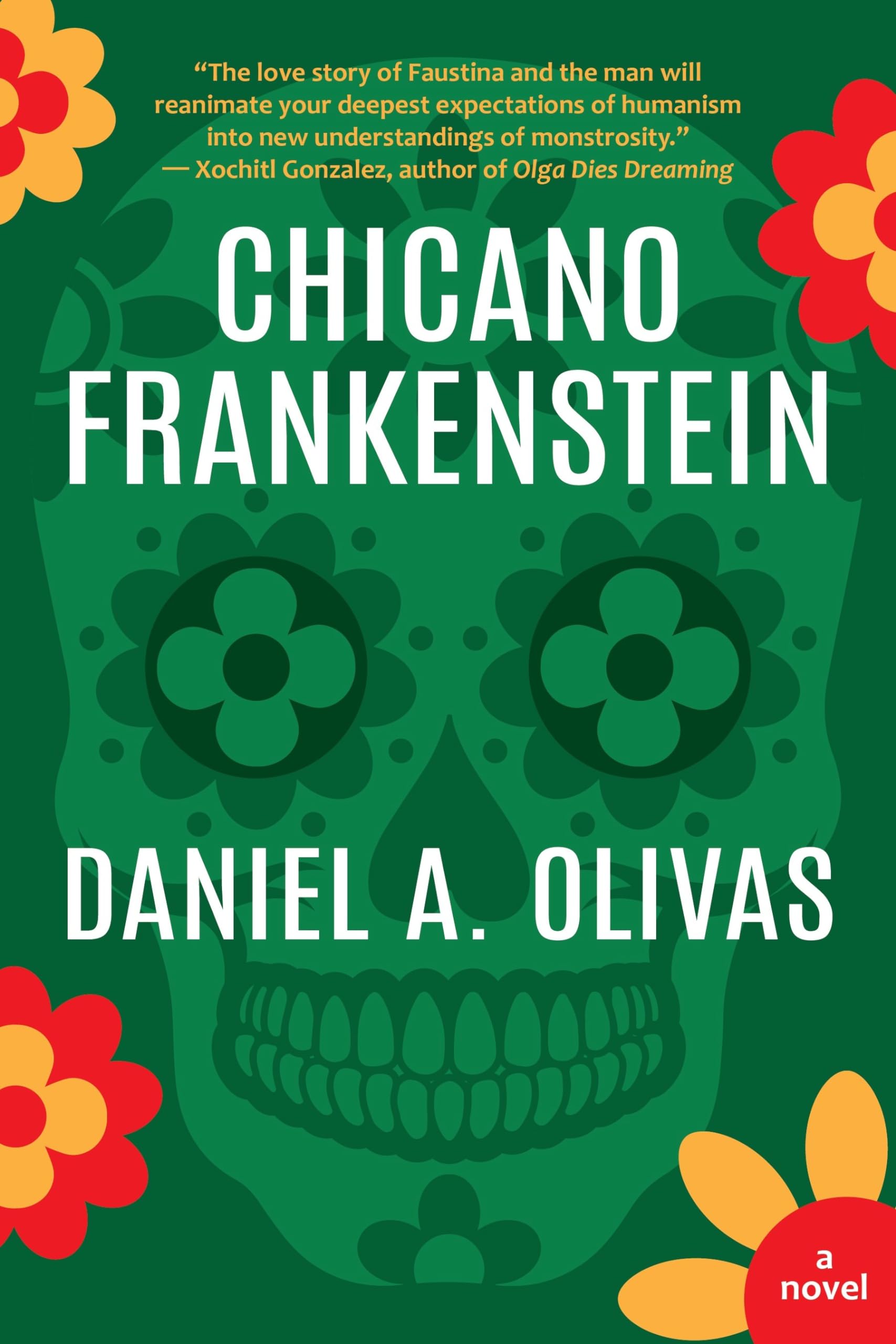
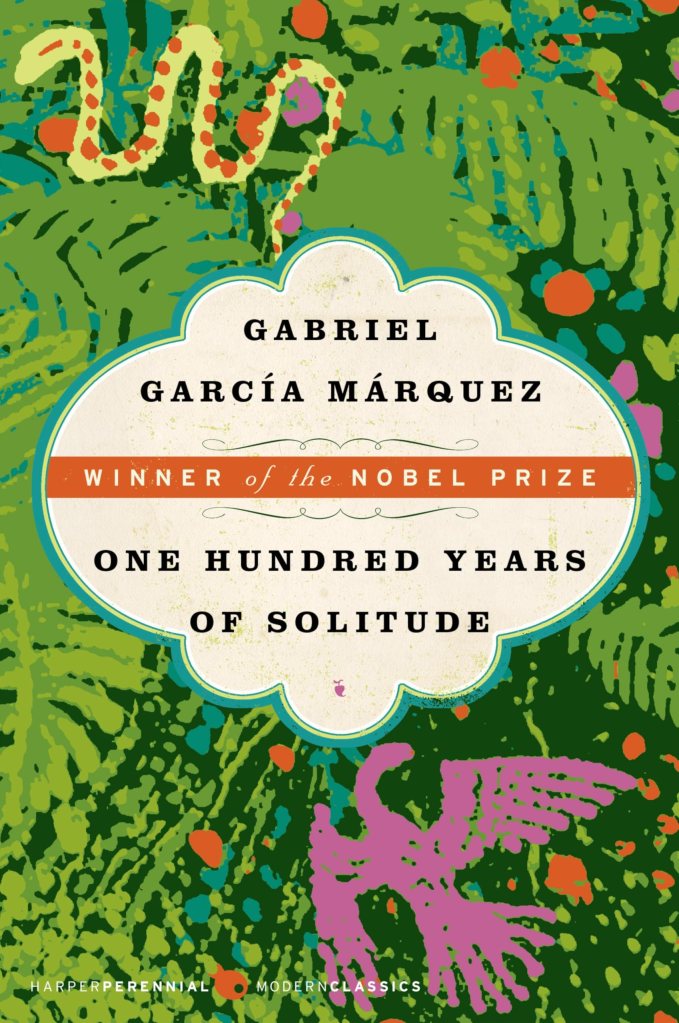
THE BOOKISH MUTANT’S BOOKS FOR LATINE HERITAGE MONTH (2026 EDITION)

FANTASY AND MAGICAL REALISM:

SCIENCE FICTION:

REALISTIC/HISTORICAL FICTION:

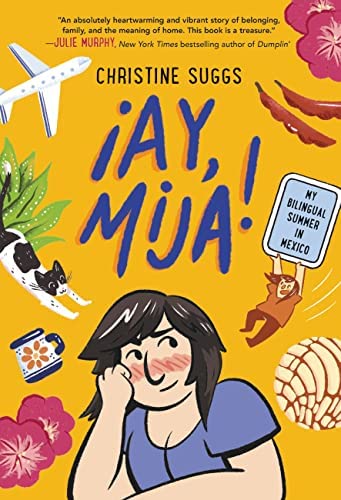
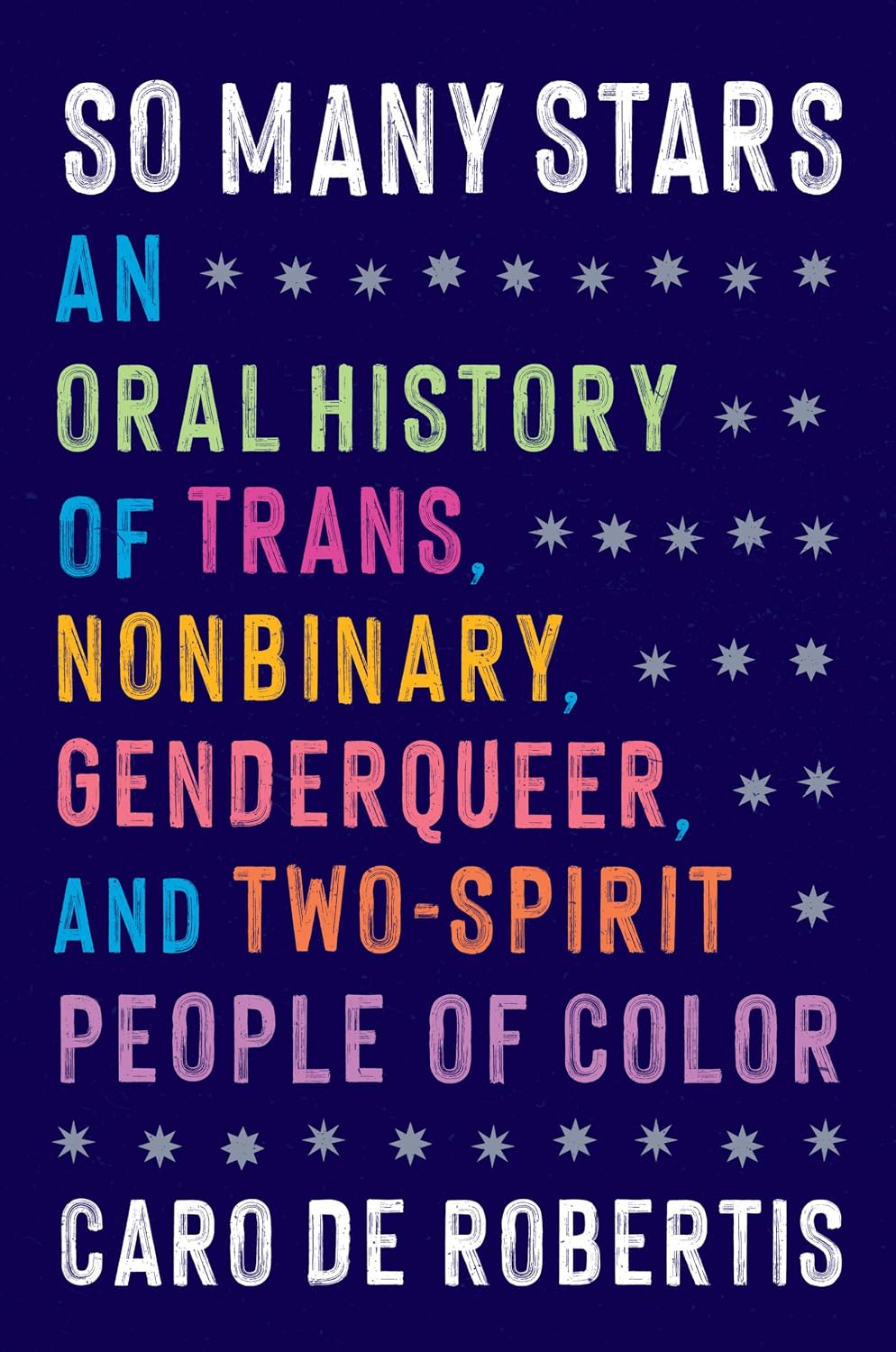
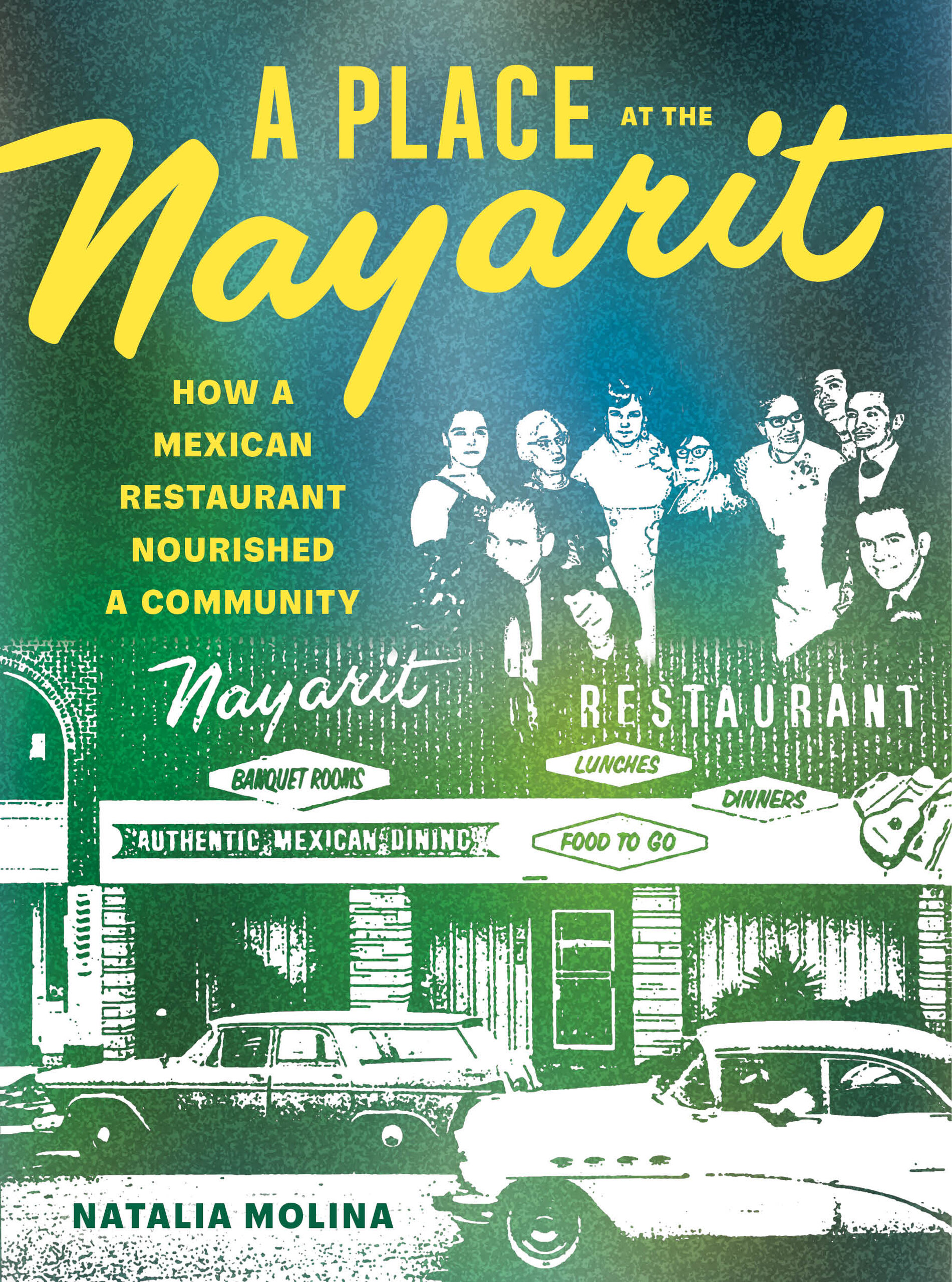
NONFICTION:

TELL ME WHAT YOU THINK! Have you read any of these books, and if so, did you like them? What are some of your favorite books by Latine/x authors? Let me know in the comments!

Today’s song:

That’s it for this recommendations post! Have a wonderful rest of your day, and take care of yourselves!

Posted in Book Review Tuesday

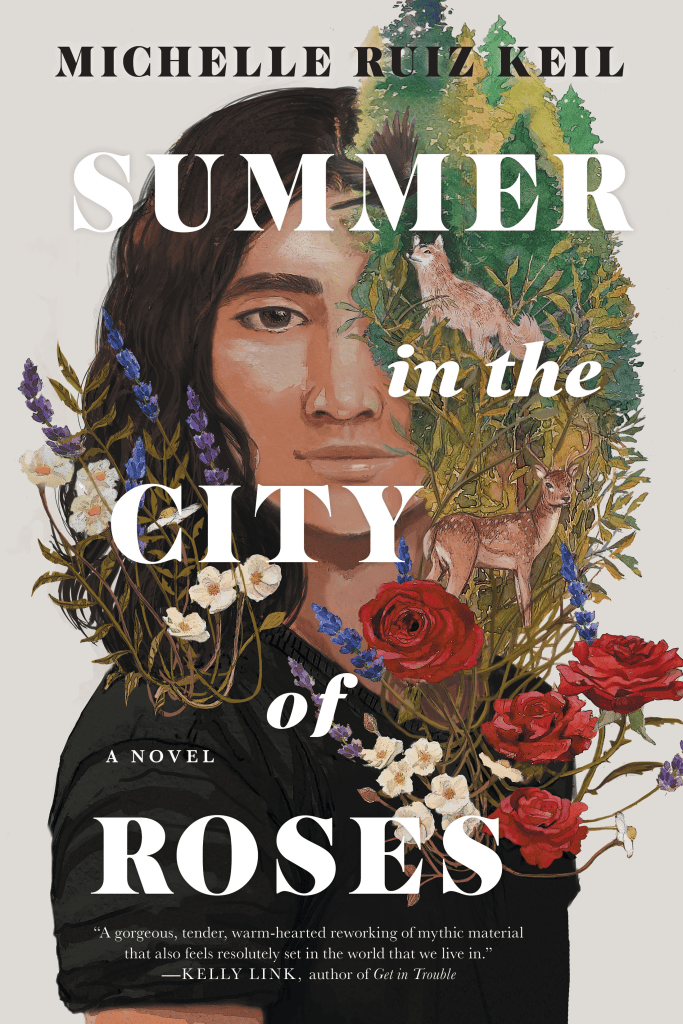
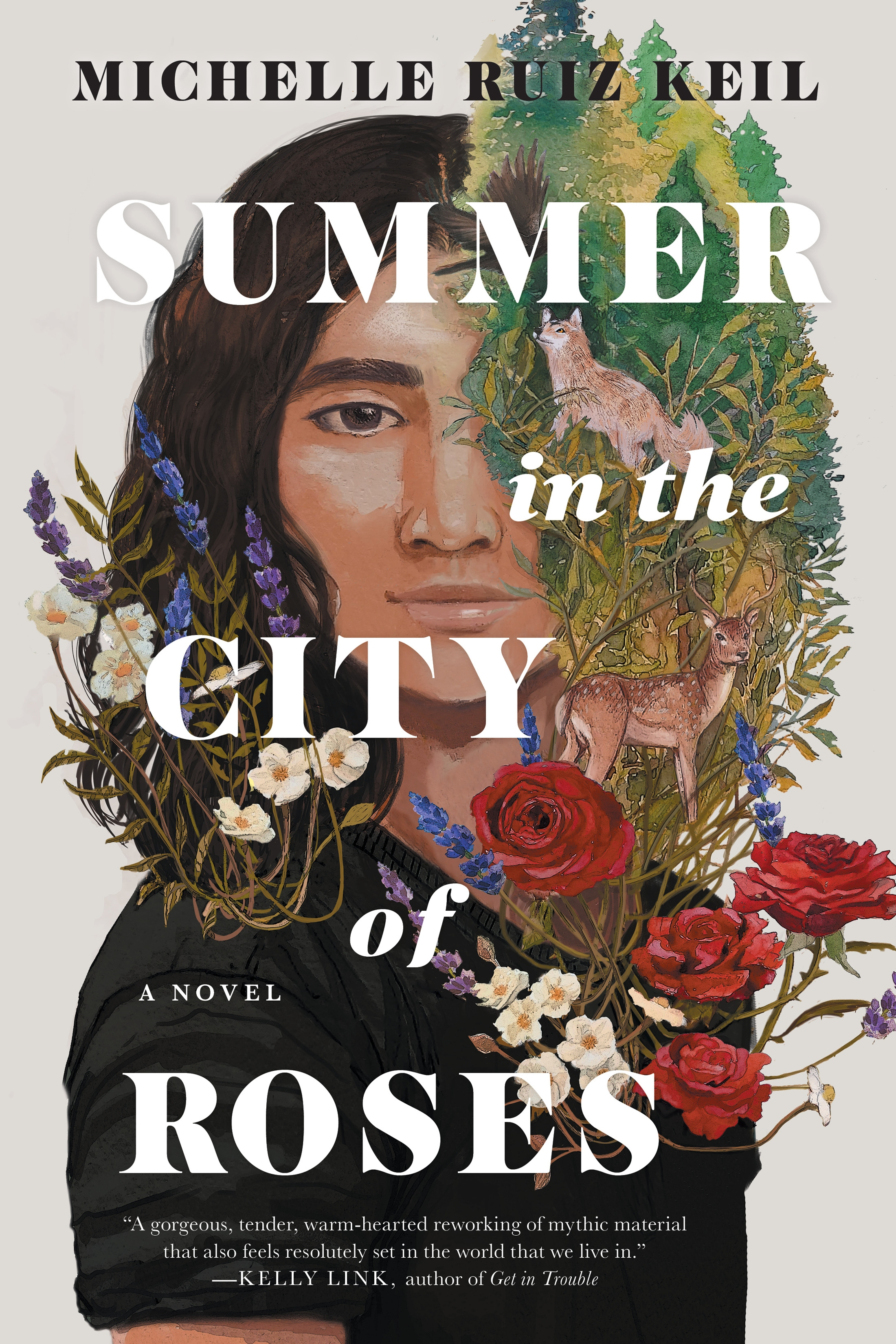
Book Review Tuesday (9/15/26) – Summer in the City of Roses

Happy Tuesday, bibliophiles, and more importantly, happy National Hispanic & Latine Heritage Month!

I’m kicking off the occasion with a novel that’s been languishing on my TBR for way too long. I don’t remember where exactly I heard about it, but I was intrigued by the cover and the unusual premise. Though I wasn’t immediately familiar with the myths and fairytales that it drew from, Summer in the City of Roses stands as something uniquely itself, regardless of its inspirations.

Enjoy this week’s review!

Summer in the City of Roses – Michelle Ruiz Keil

Iph and Orr are inseparable. Ever since Orr began showing signs of anxiety, Iph has been his protector, making their way around Portland in the early ’90s together. But when their father sends Orr off to a wilderness camp without Iph’s knowledge, she’s beyond betrayed. Unbeknownst to Iph, Orr snuck off into the woods the minute that he arrived at the camp. Now on separate journeys to find their way back to each other, Iph and Orr will stop at nothing to reunite, no matter the bizarre trials they encounter on the way.

TW/CW: transphobia/deadnaming, kidnapping, substance abuse, animal cruelty, homophobia, domestic violence

First off: this is a weird book. It’s weirder than a lot of mainstream YA dares to get, which I greatly enjoyed. In a publishing landscape dominated by all manner of fairytale and myth retellings, Summer in the City of Roses dared to do something radically new, and while it wasn’t completely successful, it’s a bright spot of individuality in the YA landscape.

I wasn’t familiar with the myth of Iphigenia or the Brothers Grimm’s “Brother and Sister,” the two fairytales and myths that Summer in the City of Roses was based on; once I looked into them more, there were so many fun Easter eggs that were hidden throughout. But even without that context, it felt so much like a fairytale. The strange, winding nature of the plot, as well as the oddball characters that Iph and Orr encounter along their quest, were so archetypal, but beyond that, just pure fun. Ruiz Keil’s prose gave the novel a Wes Anderson feel, especially when it came to the narrative voice and the way the characters acted and spoke. (George felt very Rushmore to me.) There’s a wandering nonbinary Robin Hood type with a mini pitbull, a band of Riot Grrrls, covens of witches from San Fransisco—it’s just unabashedly ’90s and unabashedly quirky, at that. It’s just so charming all the way through. And though I’ve never been to Portland—much less in the early ’90s—Ruiz Keil’s love for the city shone through in every page. There’s a lot of fun references to the pop culture and music scene at the time, as well as past musical movements (BRIAN ENO AND OBLIQUE STRATEGIES MENTIONED!!) It’s a charming, punk fairytale dressed in flannel with the spirit of Riot Grrrl activism and siblingly love. Summer in the City of Roses is seriously one of a kind.

Iph and Orr are at the heart of Summer in the City of Roses, and their relationship was written so tenderly. Iph’s uncertain yet determined spirit was so poignant, and Ruiz Keil captured that feeling of being a teenage girl at the crossroads of life so well. Her experiences with her mixed-race identity, with a Greek father and a Mexican mother who was rather secretive about her culture and past, resonated so much with me as a mixed-race person with Latine heritage. Orr was so wonderful, and his sensitive was dealt with so well; I also loved seeing both Iph and Orr casually come into their queerness. What stood out to me though was that despite there being all of this amazing representation, Ruiz Keil didn’t automatically translate it into modern terms that would’ve been out of place in the ’90s. (She talks in the author’s note about not choosing to use any pronouns for George, as nonbinary identity wasn’t as well known/understood in the mainstream ’90s culture as it is today, although it existed without question.) Iph and Orr are decidedly queer, and Orr is decidedly neurodivergent; a less deft author would’ve inserted all manner of 2020’s therapy/PSA-speak into the narrative, but Ruiz Keil toed the line between modernizing their identities while still respecting them as identities that existed in the ’90s, and have always been a part of history.

Naturally, a book dealing with the Riot Grrrl movement and the punk/activist culture of Portland in the ’90s would deal with a lot of social issues, and Summer in the City of Roses certainly did. Not a lot of YA literature deals with subjects surrounding sex work, especially considering the audience; but I like that Ruiz Keil touches on this, and humanizes sex workers and explains a lot of the rationale behind the activism. There are discussions about homophobia and transphobia, Latine and mixed-race identity, spirituality, and unhoused people, but through it all, what made it so meaningful was that Ruiz Keil took such a great deal of care in humanizing all of the marginalized groups she talks about. That being said, a lot of these discussions are delivered in a kind of PSA style at the worst of times; this style is also applied to any other subject that Iph learns about, which made some of the discussions drag for me. However, this is YA, and for a teen audience unfamiliar with these subjects, it might be more beneficial. Chances are, it was only an issue for me because I’ve aged out of the target audience.

A lot of the reviews for Summer in the City of Roses commented on how jarring the transition in this novel was from fairytale-inspired realistic fiction to straight-up magical realism. To be fair, I saw that it had been tagged on the Storygraph as magical realism, so I had some idea of what I was in for. Once I got to this portion of the story, the genre transition wasn’t that abrupt to me: Ruiz Keil’s writing already had the air of a fairytale, even if the actual fantastical elements didn’t come in until the eleventh hour. My problem was more about their execution. The hard left turn into fantasy was quite messy; it’s clear that Ruiz Keil had a lot of ideas and a lot to say about them, but they all tangled into a jumbled mess at the end. The ending had the potential to be so powerful, but everything was so tangled that the message got lost. I feel like part of the issue is that it needed more time to breathe—50 more pages would’ve done the trick for making sure that this element felt substantially integrated into the narrative. Summer in the City of Roses was just shy of a 4-star read for me, but this mishandled ending was why it didn’t get the full 4 stars from me in the end.

All in all, a daringly weird and ambitious novel with lots of aspirations—most of them fulfilled, but with some unfortunately left in pieces. 3.75 stars!

Summer in the City of Roses is a standalone, but Michelle Ruiz Keil is also the author of All Of Us With Wings and contributed to the anthology Dispatches from Anarres: Tales in Tribute to Ursula K. LeGuin.

Today’s song:

That’s it for this week’s Book Review Tuesday! Have a wonderful rest of your day, and take care of yourselves!
Posted in Monthly Wrap-Ups

September/October 2025 Wrap-Up 🧙🏻‍♀️🐈‍⬛

Happy Friday, bibliophiles, and more importantly, Happy Halloween! 🎃👻🍬🐈‍⬛

Whew, it’s been an eventful two months, but most of it’s been good. I’m not in a position to complain. I mean…the leaves!!

Let’s begin, shall we?

GENERAL THOUGHTS:

This is usually the time of the year that I start posting more sporadically, but somehow, I’ve actually managed to squeeze in some time to blog and manage my time a little better. I have been trying to curb my social media time for the past year or so…maybe that’s contributed to it? I hope it has. Either way, even when things have gotten busy, it’s been so nice to have this space to come back to, in good times and bad. I’m grateful that the majority of those times have been good. I don’t want to dwell for too long on the really awful part of this two-month stretch, but all I can say is that I love my Evergreen community so dearly. Seeing everything happen in the aftermath of the tragic school shooting on September 10th has really made me realize what it means to be a community, even from afar. I realized just how many people reached out to me, and that I have so many people in my corner, willing to offer support. And even when I’m out of town, I have nothing but love for everyone who has stepped up to offer support to the EHS and Evergreen communities at large. This community and aid is the kind of thing that the government wants to convince you doesn’t exist—even in the face of tragedy, people will always look out for each other. I’m so grateful that both surviving victims are now out of the hospital, and I’m so grateful for our little mountain town.

That aside, I’ve really felt like I’ve been getting used to this apartment thing. I’m so lucky to be in such a lovely town, and such a lovely part of town—I’ve got so many fun restaurants and general locations right near by. It’s encouraged me to really come out of my shell and get out of the house much more. I’ve learned my lesson about self-isolation—this time last year, I was getting into that business big time, unfortunately—so I’ve really been making an effort to get out of my head and be out in the world, even if I’m taking my daily bread quest down to the bakery. Nothing kicks negative thought patterns in the butt like walking back home while nibbling on a free bread sample like a mouse. All this is to say that I’m proud of myself. I’m getting out there, I’m making my own, cozy space, I’m deepening my relationships with my friends, and heck, I’m really having fun.

Fall is always my favorite month, and Halloween is my favorite holiday. I dressed up as an alien, and even though I had the urge to rub all my makeup off the second I got home, I had a blast walking around campus looking all green and spacey. Nothing beats cinnamon tea, crunchy leaves underfoot, blue jays in the red trees by the bus stop, spooky (not scary, mind you) movies, loud makeup (as if I don’t already do that 24/7), and caramel, pumpkin, and cinnamon flavors. I’ve thoroughly enjoyed fall. I visited Vail and got healed from my midterms just from seeing all of the leaves. I stopped in the middle of the sidewalk while walking home with a friend of mine just to admire a massive leaf right in our path. There are always moments of ordinary joy right in front of our faces, if we just take long enough to look.

I’ve learned by now that there’s only so much news I can pay attention to before I go insane, but I’d like to take this opportunity, especially as we reach the holidays, to offer some resources for some of what’s going on in the States and the Caribbean. In the wake of both Hurricane Melissa and the impending SNAP cuts (oh! and they’re using the money to fund ICE and Trump’s ballroom instead! oh, okay! okay…😀), I figured I would share some resources to donate to those in need. Especially as the holidays grow closer, it’s always a good time to give back to the communities who need it most, especially when the government is blatantly neglecting its duty to do just that. If you’re financially able, I’d encourage you to pitch in where you can:

Hurricane Melissa Relief:

https://apnews.com/article/hurricane-melissa-jamaica-where-to-donate-cuba-haiti-red-cross-67f2e4b033d5339fcbe0ec98a719c192

For those affected by SNAP cuts:

https://www.feedingamerica.org

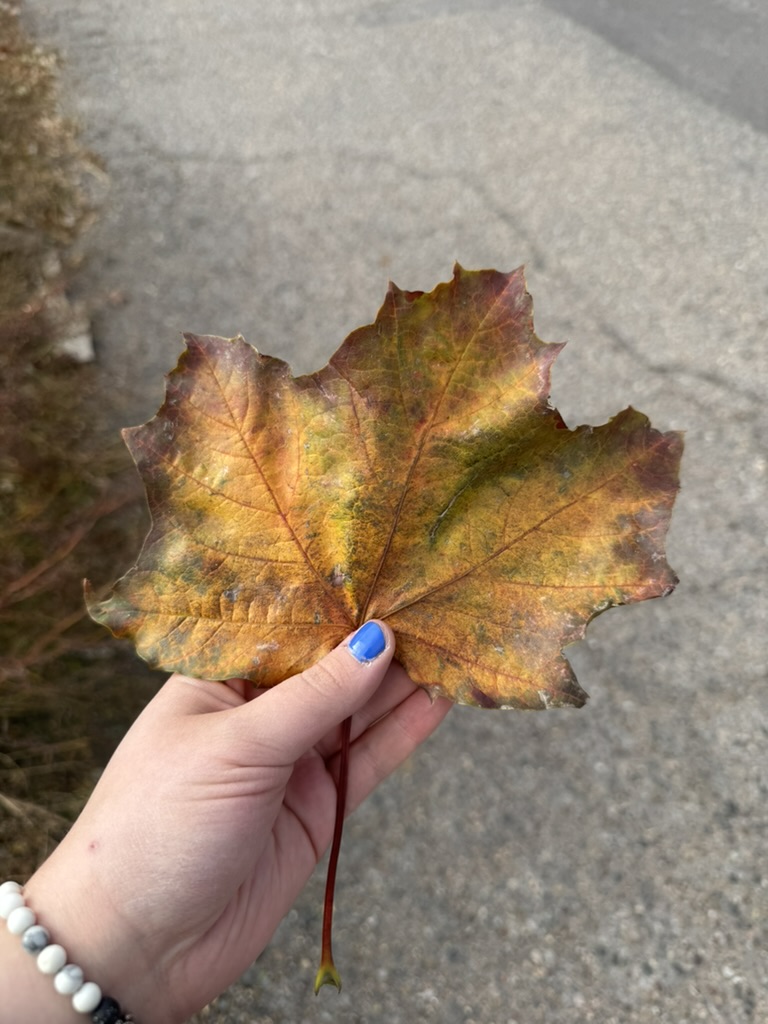
Oh, and because I couldn’t deny you all the pleasure of the leaf…

Like…? Look at this beaut!!

SEPTEMBER READING WRAP-UP

I read 14 books in September! My reading is starting to slow down because school is getting busy, but I managed to squeeze in some solid books, including for Latine Heritage Month and Bisexual Visibility Week.

1 – 1.75 stars:

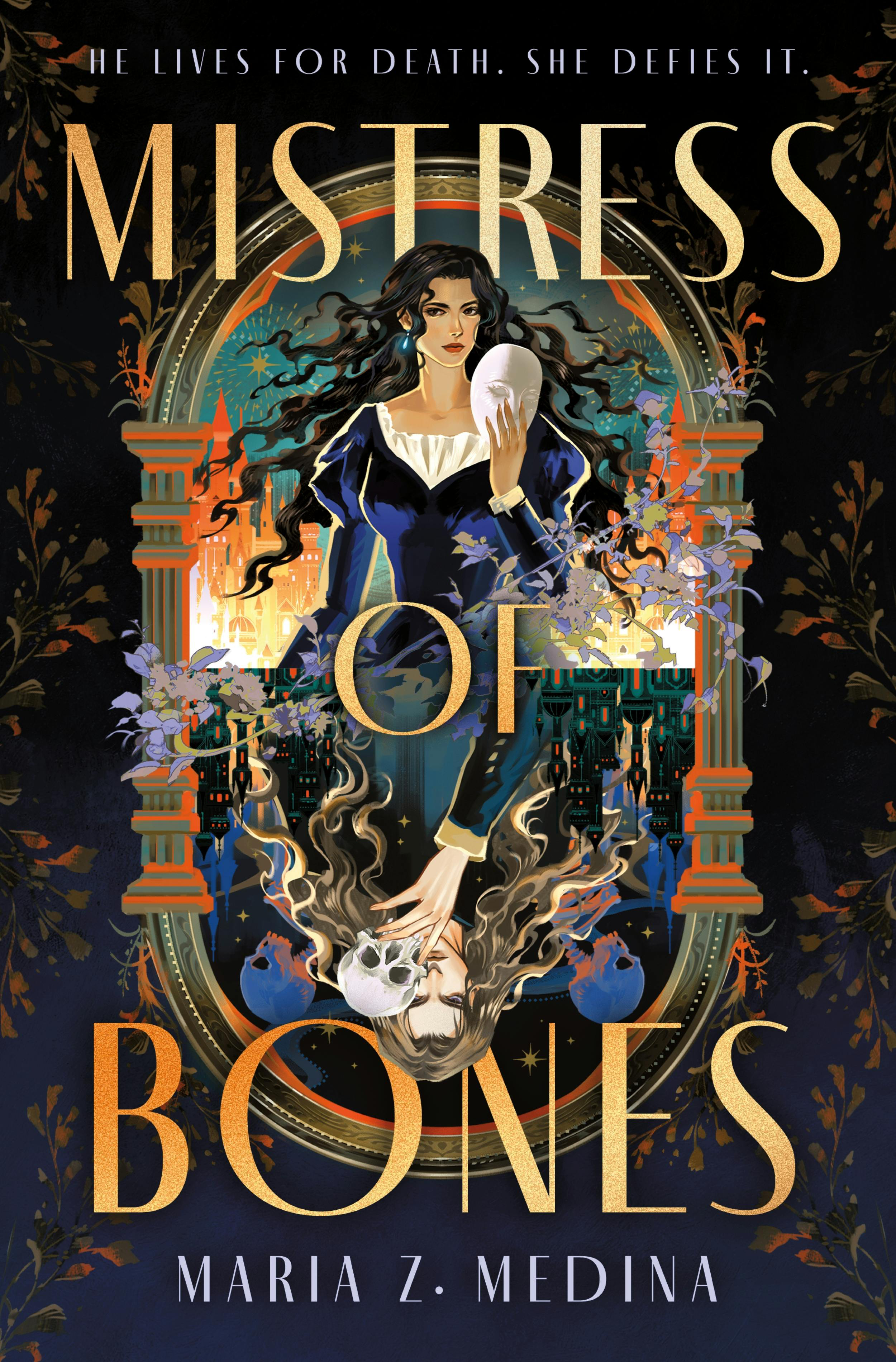
Mistress of Bones

2 – 2.75 stars:

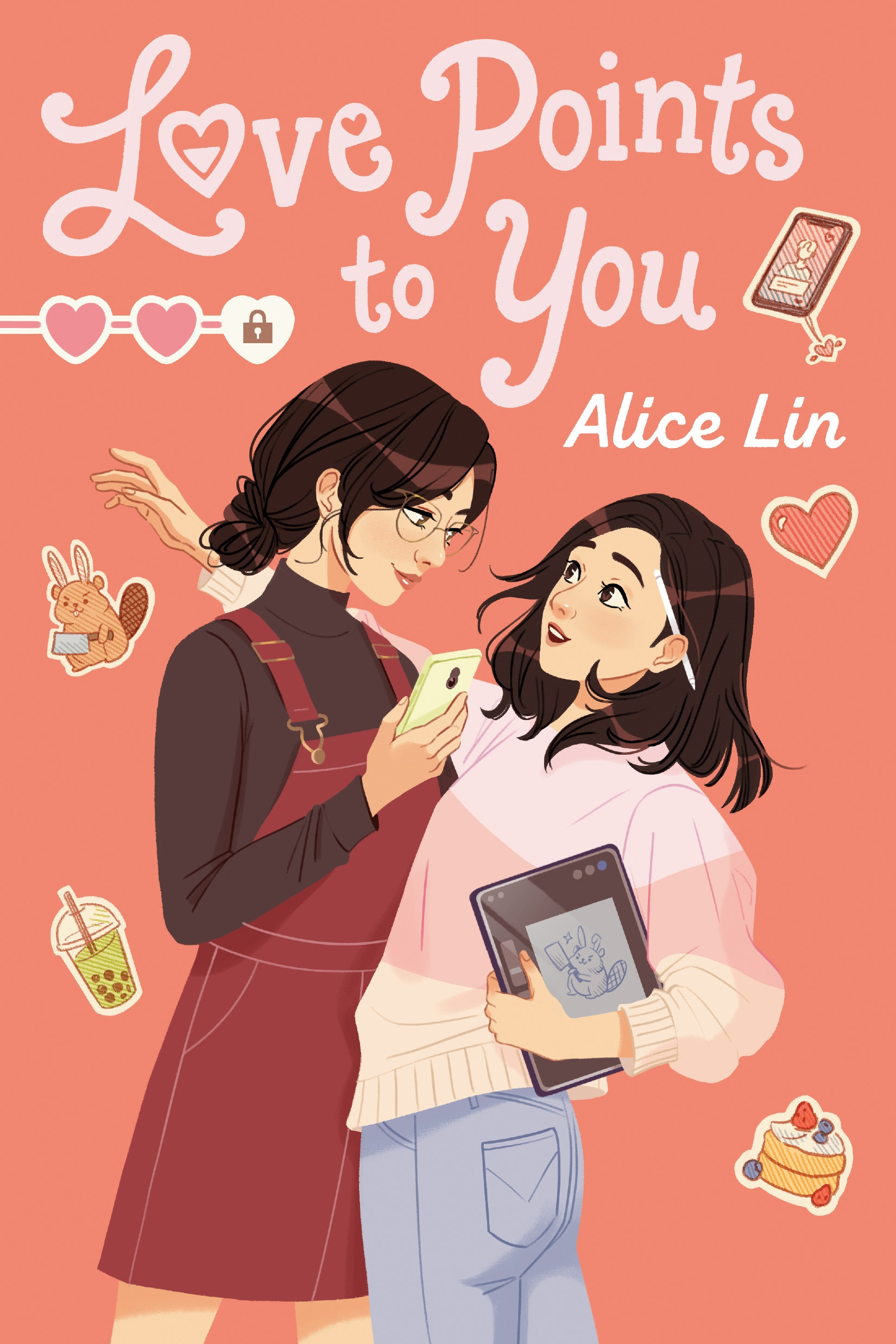
Love Points to You

3 – 3.75 stars:

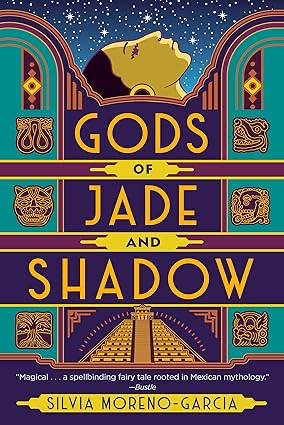
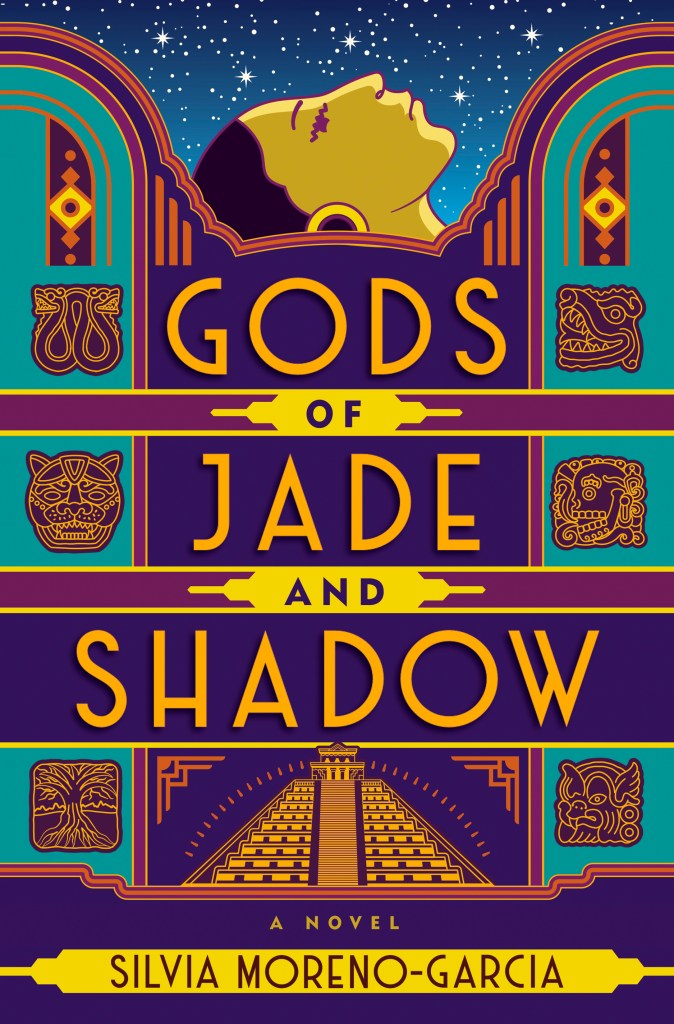
Gods of Jade and Shadow

4 – 4.75 stars:

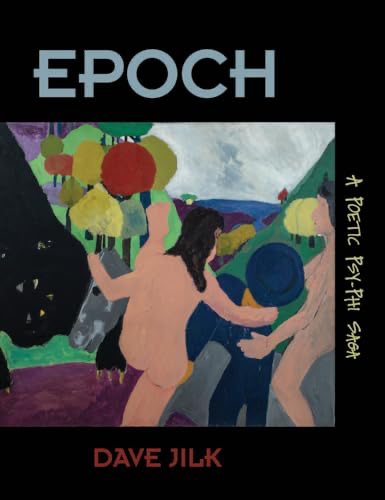
EPOCH

5 stars:

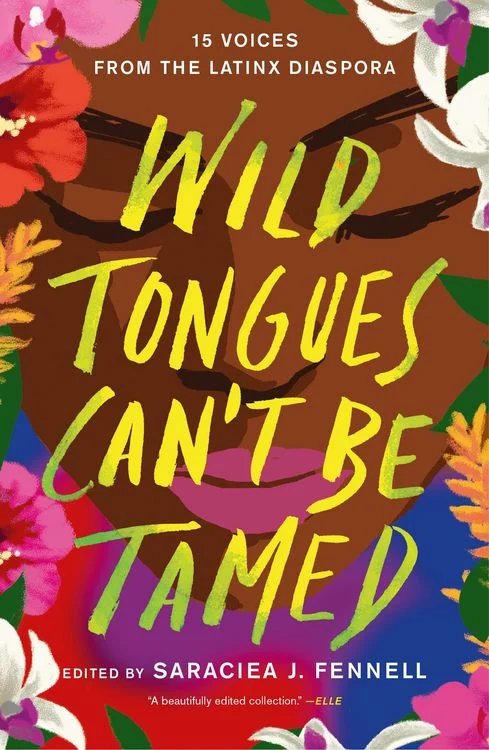
Wild Tongues Can’t Be Tamed

FAVORITE BOOK OF THE MONTH: Wild Tongues Can’t Be Tamed – 5 stars

REVIEWS:

SUNDAY SONGS:

BONUS:

OCTOBER READING WRAP-UP:

I read 17 books in October! It’s been one of my best reading months in terms of quantity, but it’d probably be on the shorter side if not for all of the books I’ve had to read for my classes (especially for a very cool class I’m taking on Russian sci-fi!). For the most part, though, it’s been a solid bunch! (This bit will end up in the future November wrap-up, but I’m also finally getting around to reading Dracula…on Halloween, of course!)

2 – 2.75 stars:

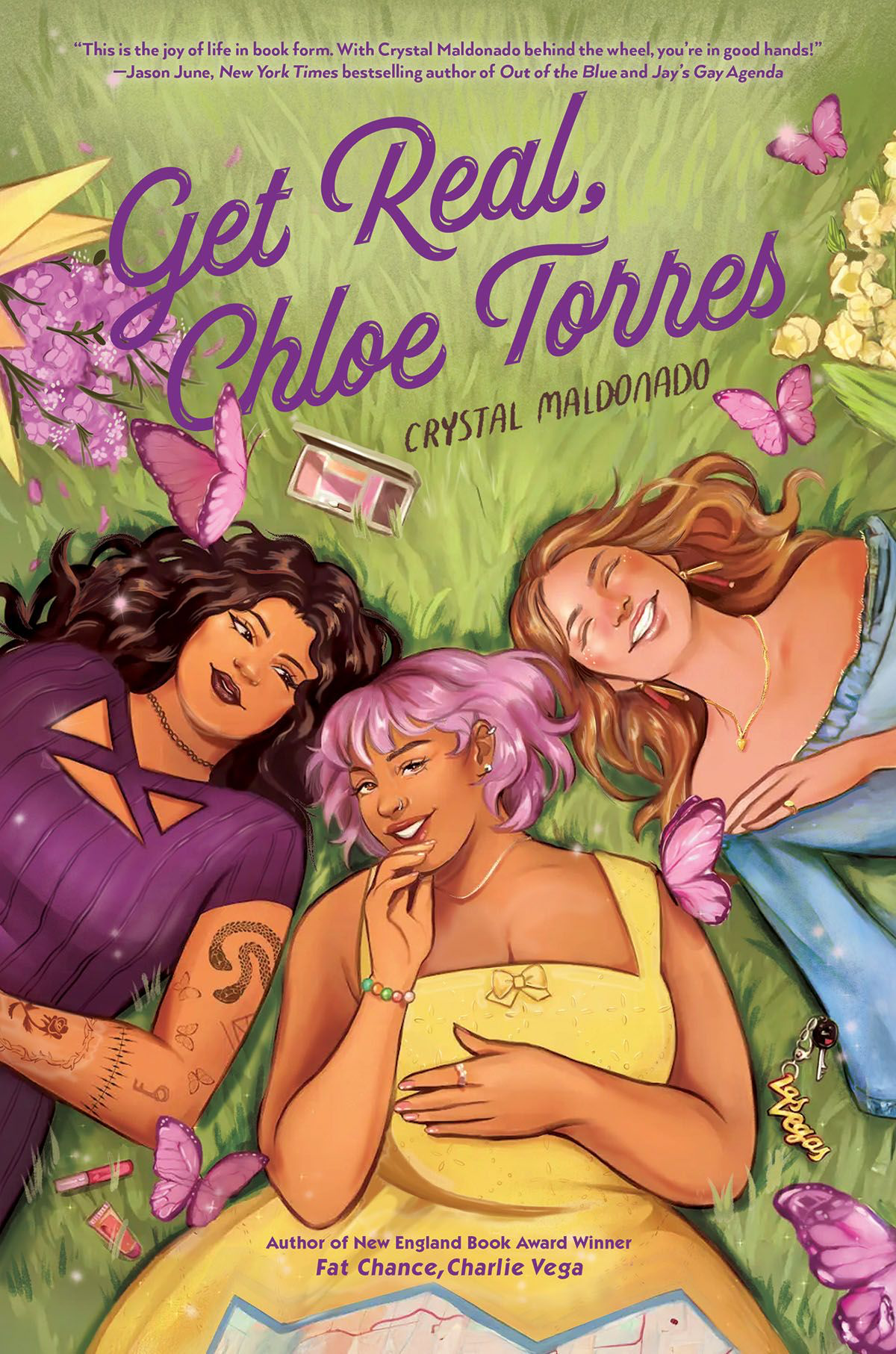
Get Real, Chloe Torres

3 – 3.75 stars:

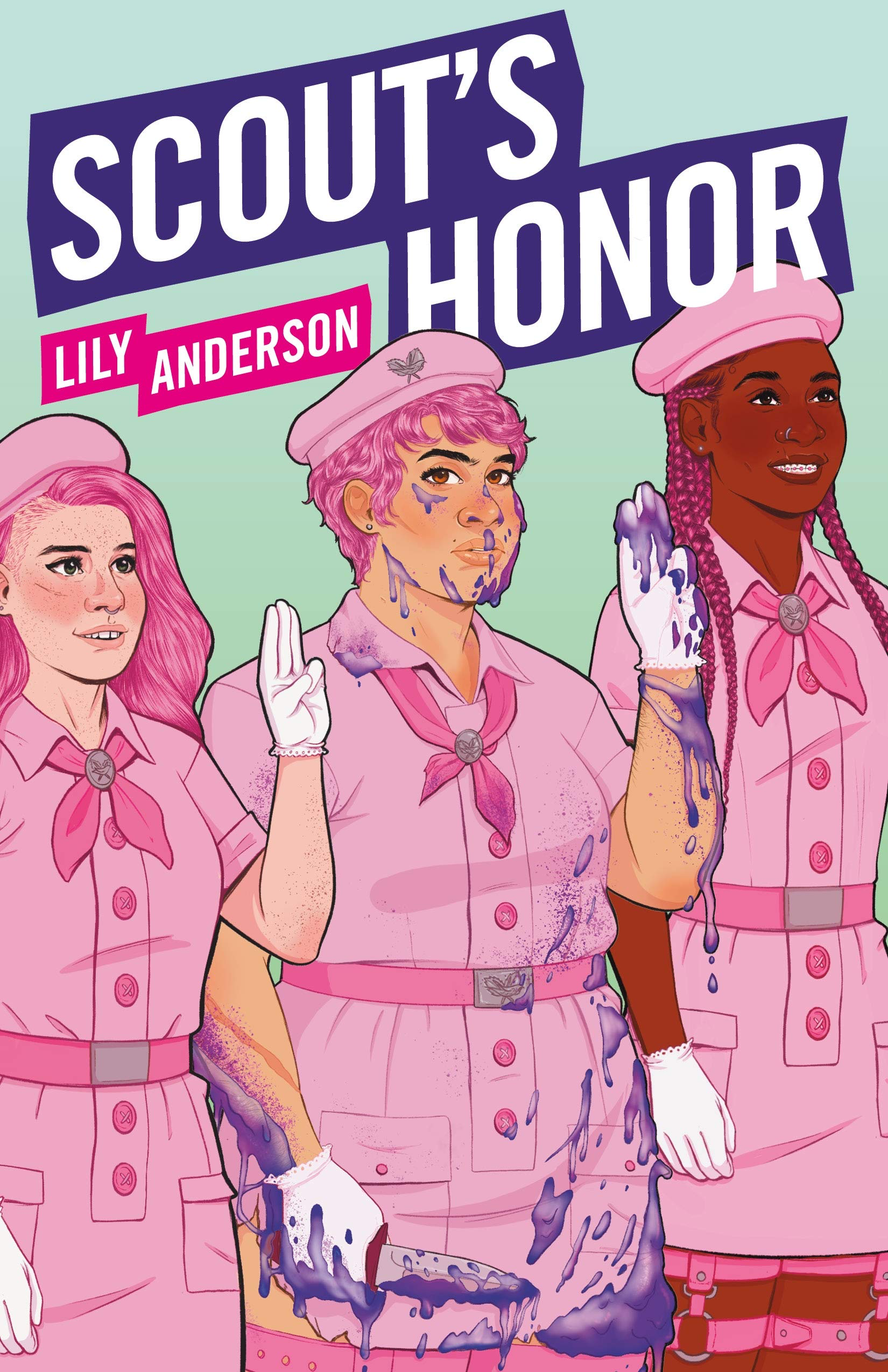
Scout’s Honor

4 – 4.75 stars:

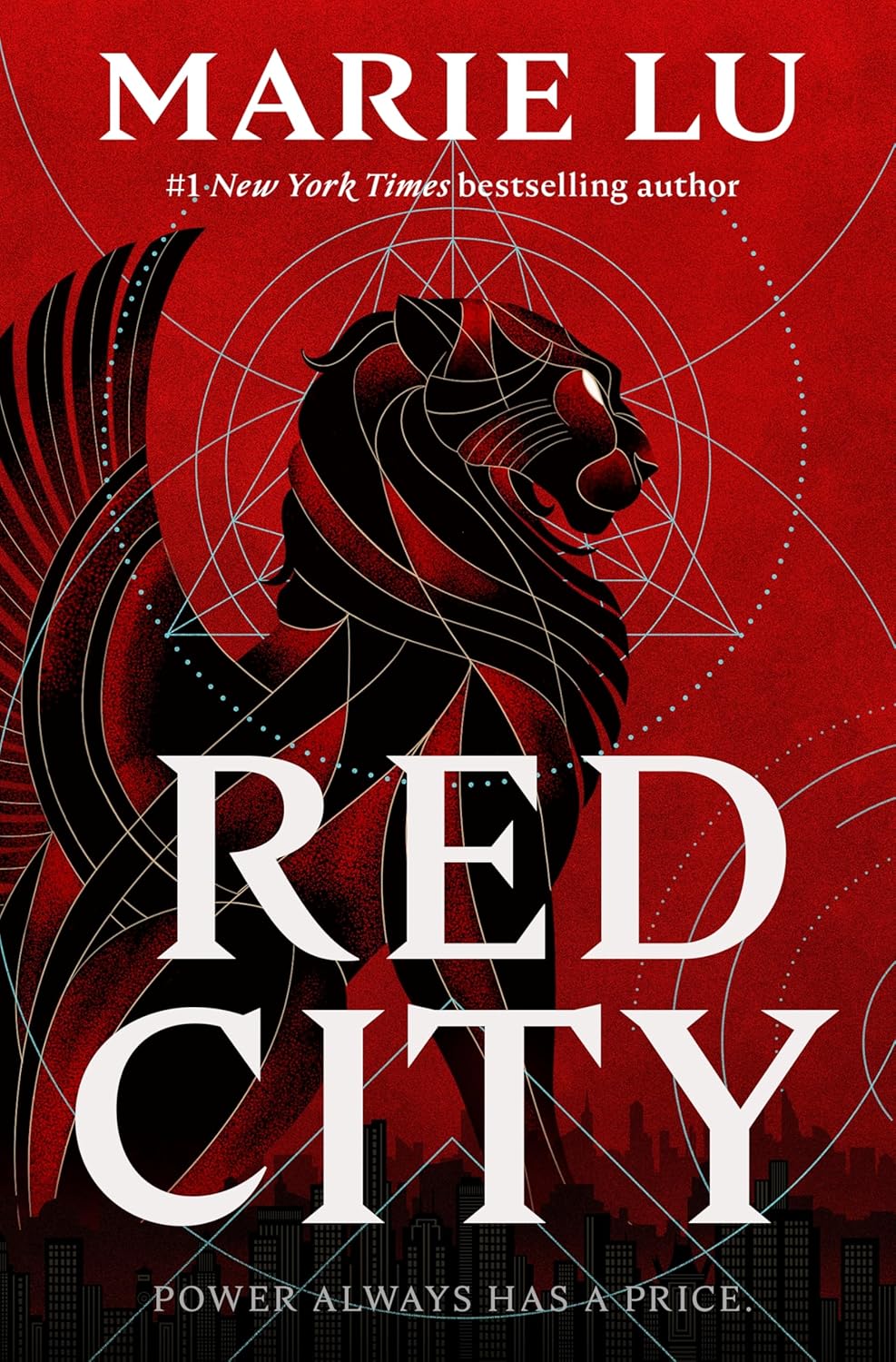
Red City

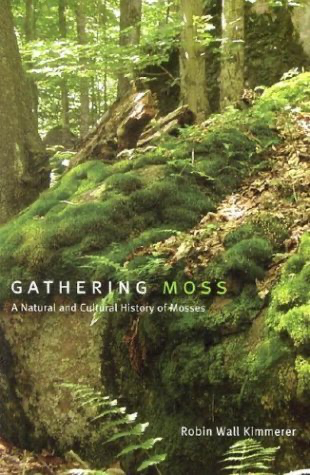
FAVORITE BOOK OF THE MONTH: Gathering Moss: A Natural and Cultural History of Mosses – 4.5 stars

Gathering Moss: A Natural and Cultural History of Mosses

REVIEWS:

SUNDAY SONGS:

Today’s song:

HAPPY HALLOWEEN!!

That’s it for this wrap-up! Have a wonderful rest of your day, and take care of yourselves!

Posted in Book Review Tuesday

Book Review Tuesday (10/14/25) – Scout’s Honor

Happy Tuesday, bibliophiles!

To close out Latine Heritage Month, here’s a novel from an author I haven’t read in years! I’d totally forgotten about Lily Anderson since high school. I remember liking Undead Girl Gang a lot when I was younger, so I figured I might give her (somewhat) newer novel a chance. Scout’s Honor is a novel that leans into both the adventurous and the sensitive, a tale of sisterhood, coming of age, and carnivorous interdimensional monsters.

Enjoy this week’s review!

Scout’s Honor – Lily Anderson

Prue wants nothing to do with her family legacy. A third-generation Ladybird Scout, she is part of an elite circle of women trained to hunt Mulligrubs, interdimensional beasts who feed off of the emotions of humans—and sometimes their flesh, when they get hungry enough. After her friend was killed in a deadly Mulligrub attack, Prue swore off the Ladybird Scouts for good. But when a new crisis pulls her back into the fray, Prue must decide if her legacy is worth preserving—or if she needs to go her own way.

TW/CW: PTSD themes, panic attacks, violence, gore, loss of a loved one

Maybe the real Root is the friends we made along the way, amirite?

Though I can’t speak to the accuracy of the representation (Prue has PTSD), Scout’s Honor had such a deeply sensitive depiction of trauma. If the acknowledgements are anything to go by, Anderson drew a hefty amount of it from personal experience, and that authenticity shone through emotionally on the page. Narratively, you’re only fed breadcrumbs of Prue’s trauma (until you aren’t), but I feel like it mirrored Prue’s difficulties with confronting her past. There’s a lot of detail afforded to how she experiences panic attacks and how her trauma has manifested in the three years since her trauma began. Beyond that, Prue had such a poignant arc, and so much of it revolved around her trauma; the entire reason she returns to the site of her trauma is to find a way to forget it (to physically remove her ability to See the Mulligrubs via a special tea), and yet it shows her that no matter what, she can never forget the past: the only way to truly heal is not to easily overcome it, but to face it. It was such a poignant take on trauma and healing, so kudos to Anderson for that!

I also loved how Scout’s Honor tackled its themes of sisterhood! In an organization like the Ladybird Scouts, where a value like sisterhood is prized above all else, it’s bound to be perverted; any value put on that high of a pedestal is bound to be used for ill intent, which it often is in this novel—case in point with Faithlynn. But I loved how Anderson talked about what sisterhood really is—uplifting difference yet embracing commonality, and truly helping each other when we’re down. There’s Faithlynn’s sisterhood, which is just a word she can toss around while putting down the other girls around her, and there’s Prue’s sisterhood, who accepts the less conventional Ladybird Scouts like Sasha and Avi into the fold and celebrates their individual strengths in order to solve the problems throughout the novel. It’s a heartwarming exploration of the topic and a lovely depiction of how it can so easily be twisted—and an indictment of any woman whose path to success is only built on putting other women down (and in the path of danger).

For the most part, the world of Scout’s Honor was a treat! Though the worldbuilding wasn’t anything groundbreaking, there was so much surrounding the lore and the structure of the Ladybird Scouts that I loved dissecting and exploring. Anderson really nailed all of the idiosyncrasies and minute rules of this organization, from their front in the real world to the work they did behind closed doors. Anderson truly nailed the feeling of being a part of a tight-knit, insular community sworn to secrecy—there were so many laws and bylaws that had to be dodged, almost as much as the Mulligrubs, throughout the novel. Although I enjoyed the classifications of all the different Mulligrubs, I would have liked some more explanation as to how they came to Earth in the first place, and exactly what kind of dimension we’re talking about when Anderson calls them “interdimensional,” but that’s more of a me thing—the novel doesn’t necessarily need it since the worldbuilding of the primary location is already well-established.

My main issue with Scout’s Honor, however, lay in the pacing. Despite most of the emotional sections of the novel landing appropriately, Anderson didn’t seem to know how much time to allocate to certain scenes, which ended up making the pacing quite lopsided. Until the climax, it also lessened the stakes quite a bit; even though the mulligrubs are a very real threat in this universe, almost all of the battle scenes were over in what felt like the blink of an eye. If not for Prue’s trauma surrounding them, I wouldn’t have felt the tangible threat of them at all—aside from the aftermath, the characters seemed to deal with the Mulligrubs, no matter the size or strength, like that. On the flip side, although I love some character building, there were long stretches when not a ton happened, and hardly any of it serviced the plot or character development—there were just long stretches of banter that didn’t show anything that hadn’t already been established. Anderson is a strong writer for the most part, but the pacing dragged Scout’s Honor down for sure. It was really the only thing keeping me from rating it the full 4 stars.

All in all, a novel brimming with heart and heinous monsters, let down by pacing but lifted up by its depictions of trauma and sisterhood. 3.75 stars, rounded up to 4!

Scout’s Honor is a standalone, but Lily Anderson is also the author of The Only Thing Worse Than Me is You series (The Only Thing Worse Than Me is You and Not Now, Not Ever), Undead Girl Gang, The Throwback List, Killer House Party, and several other novels for teens and adults. She has also contributed to the YA anthologies The (Other) F Word: A Celebration of the Fat and Fierce, That Way Madness Lies: 15 of Shakespeare’s Most Notable Works Reimagined and All Signs Point to Yes.

Today’s song:

been unhealthily obsessed w this for the past few days…

That’s it for this week’s Book Review Tuesday! Have a wonderful rest of your day, and take care of yourselves!
Posted in Book Review Tuesday

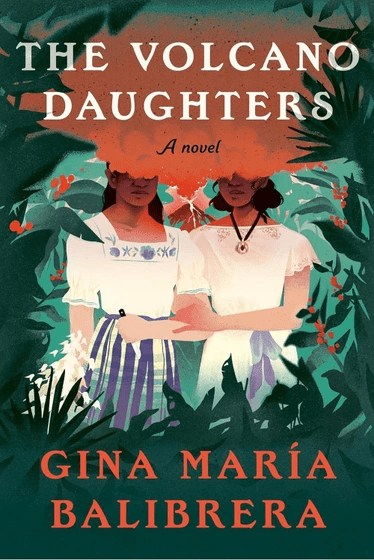
Book Review Tuesday (10/7/25) – The Volcano Daughters

Happy Tuesday, bibliophiles!

Continuing with Latine Heritage Month, here’s a novel that came on my radar last year when it was released. Literary fiction isn’t my go-to, but I do love some magical realism sprinkled in, so I was interested. What resulted was something deeply impacting. The Volcano Daughters pulls no punches, and yet cares so deeply for its protagonists—and for everyone whose voice is silenced.

Enjoy this week’s review!

The Volcano Daughters – Gina María Balibrera

Graciela grew up in El Salvador, among their family of Indigenous women. But when the cronies of a rising dictator steal her away to be his oracle, she’s torn away from everything she knows and loves. In the dictator’s palace, she meets Consuelo, her stolen sister who is also indentured in the palace, made to sit by as the government dabbles in faulty magic and formulates a plan to commit genocide on her Indigenous community. Now young women, Consuelo and Graciela free for their lives, both thinking the other dead.

Darting between America and France, Consuelo and Graciela fight to forge new lives for themselves. But can they ever leave the past behind—or each other?

TW/CW: rape, genocide, colonialism/imperialism themes, racism, misogyny, miscarriage, violence, murder, deportation/kidnapping

My main gripe with literary fiction at large is that it’s a breeding ground for novels that are unrealistically miserable in the thought that misery and depression automatically make it “deep.” I’ve read enough of said books and been in fiction workshops long enough that just the thought of sadness being equated to depth makes me want to throw up in my mouth. Is The Volcano Daughters a sad, literary novel? Yes. And yet the sadness is there to tell a powerful story, not just to sell. It’s the story of silenced women, but also a story of resilience and sisterhood and so much more. It’s what literary fiction should be.

After this novel, I’m sure I’ll read more from Gina María Balibrera, but…god, in the right headspace, for sure. The Volcano Daughters is a heavy novel, and for good reason. I didn’t put these trigger warnings there lightly. But Balibrera’s prose is seriously something to behold. Just as Consuelo and Graciela view the world through the lens of artists, so too does Balibrera. Every detail is truly luscious; the many places that The Volcano Daughters travels through are realized in such vivid detail that I swear I could almost smell the air. No stone is unturned, and no metaphor is treated lightly—Balibrera puts even the most minor details under a microscope and crafts them into the most lush language, almost bordering on poetry in the more metaphorical moments.

There’s something so special about the way that Balibrera treats Consuelo and Graciela as characters. I hesitate to call them fully tragic characters, but their lives are largely dictated by one tragedy after another. Yet no matter what happened to them, I always sensed that Balibrera would have something waiting for them at the end. It wasn’t an ending that was tied up with a nice bow, but it was a speckle of hope on the horizon. They were still suffering, but their justice was just out of reach, but still visible. Had she gone too far in one direction, it would’ve felt like needless plot armor, especially in the climate(s) that Consuelo and Graciela lived in; too far in the other, and it would’ve strayed into trauma porn territory. Balibrera treats her characters in the most realistic and yet the most caring way; though they have endured so much and have so much more to endure, she makes you cling to that sliver of hope, gives you glimpses of incremental lives that they might live in a few years’ time, because it is all that is left. As somber of a book as this is, I did appreciate that there was a very tangible inkling of better days to come.

What seems to hook most readers about The Volcano Daughters is the ghosts, which…yeah, that’s what hooked me too. But it’s one of the most original and compelling aspects of this book; in between the present narrative, the story has frequently interjections from four ghosts: Consuelo and Graciela’s other sisters who were murdered during the genocide. Like the other characters in this novel, they’re so vibrant and full of sass and wisdom in equal measure. Their role is often to come in and drag the reader back to the embarrassing reality when somebody’s inner monologue gets too self-absorbed or when someone’s telling the story wrong. (Nobody can quite agree what’s really right, and that’s what makes them so funny.) At times, the humor didn’t quite land (I found it hard to believe that a ghost who got killed in the ’30s would use “Boom!” as an exclamation like it’s the 2010’s), but they all had such distinct voices that I could almost let it slide. Yet they are also there to be incorporeal forces of justice, metaphysical representations of the voiceless, the forgotten of history who have been brushed aside. They are the deliverers of the justice they never got, and they form the emotional backbone of The Volcano Daughters.

The part that the ghosts emphasize for me is how Balibrera examines the theme of storytelling and whose stories are told—and the power structures that ensure that some stories are either untold or told incorrectly. Names are deeply important: every murdered Indigenous woman is given a specific name, whereas the dictator of El Salvador is only referred to as “El Gran Pendejo”; similarly, El Gran Pendejo’s entire regime operates on stories, ones that are told to reinforce a racist narrative. Graciela acts out stories about marginalized people in order to further the United States’ racist stereotypes of various groups. And yet here are the ghosts, who take the story into their own hands to deliver the complicated, messy, yet real narrative. The ghosts are there to be the voice of every marginalized person who has ever been deliberately erased from history, every marginalized person who has had to bear the pain of having their history warped and their country slandered. Both the ghosts and the central sisters are stars of the novel because they are precisely the kind of people that history forgets. The Volcano Daughters tells us that history surrounds us—and that there will always be someone to tell the truth.

Overall, a deeply moving and emotional novel of sisterhood and distance that serves as a righteous megaphone for those who have had their voices stolen. 4 stars!

The Volcano Daughters is a standalone and Gina María Balibrera’s debut novel.

Today’s song:

I loved her episode of What’s In My Bag? and I love this song!!

That’s it for this week’s Book Review Tuesday! Have a wonderful rest of your day, and take care of yourselves!
Posted in Book Review Tuesday

Book Review Tuesday (9/30/25) – Beasts of Carnaval

Happy Tuesday, bibliophiles!

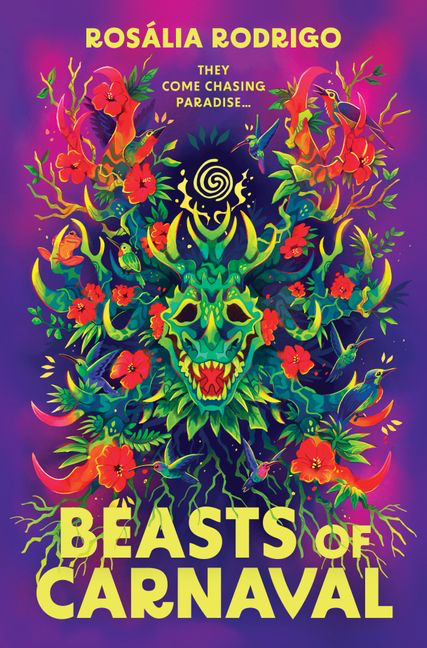
Continuing with Latine Heritage Month, here’s a new release that caught my eye! The cover and premise seemed stunning, and I was intrigued by the inclusion of Taíno mythology. On almost all of those fronts, Beasts of Carnaval delivered instantly—I was hooked from page one!

Enjoy this week’s review!

Beasts of Carnaval – Rosália Rodrigo

Sofía has heard legends of Isla Bestia since she was a child. They say that enchanting performances and mysterious people populate the mysterious island, and those who come there are too entranced to ever return to the real world. Sofía is sensible enough to not believe the rumors. But when her twin brother goes missing, her trail leads to Isla Bestia. There, she’s drawn into a bizarre, luscious world of magic and shifting alliances. Caught up in a tangled web of intrigue, Sofía must keep her wits about her if she wants to find out which of her new allies are men—and which of them are monsters.

TW/CW: colonialism/imperialism themes, loss of loved ones (past), panic attacks, religious bigotry, blood, murder, racism/slavery themes, misogyny

Before I get into gushing about everything I adored about Beasts of Carnaval, I’ll get my one major pet peeve out of the way: fantasy worlds that are named so closely to reality that they basically are reality. Rodrigo’s world is essentially the Caribbean, except that the countries are named slightly differently—their colonizers are Hisperian, for instance. Real-word terms such as mestiza are used, so at that point…I dunno, it’s so close to historical reality, so why not just set it in the Caribbean of the past and just establish that there’s magic and some minor changes? Alternate history, anyone? I guess there’s a ton of fantasy novels that do that for European countries, but honestly, I’ve never liked it no matter the country that inspired the setting.

I dunno, the commentary would come across no matter the setting. Beasts of Carnaval isn’t the first book to have this, but for me, even though it peeved me, it didn’t take away from how lush the worldbuilding was; beyond the real-world hierarchies that were present, I loved the magic in this world, and it was integrated into the real world almost effortlessly. It’s a very fleshed out world rooted in historical themes and cultures, enlivened by vibrant and vivid magic inspired by Indigenous Taíno mythologies.

After reading Beasts of Carnaval, I’m absolutely going to be looking out for anything else that Rosália Rodrigo writes, because the prose of this novel was truly captivating! A Carnaval-inspired setting is bound to have some fun imagery, but Rodrigo wrung every ounce of magic out of it. With her prose, Isla Bestia wasn’t just abstractly a place that nobody wants to leave—she really makes you feel the seductive enchantment of the entire island! From the first description of the hummingbird dancer at the beginning, I was nothing short of captivated—I was hooked from start to finish, and I loved every minute of exploring the world that Rodrigo had crafted!

Compelling prose needs a compelling protagonist, and Sofía was just that! I adored her character, and she just seemed to leap off the page for me. From the start, I loved the many facets of her personality; she was strong-willed, determined, sensible, and sometimes practical to a fault, but I loved watching her adventures. Especially in contrast to the other characters around her, she was so focused on her mission of finding her missing brother that I got sucked in immediately. Hidden beneath her practical exterior, her deep caring for Sol made me root for her instantly, and I loved the way she fought back against the micro (and very much macro)aggressions that she experienced in daily life for being mixed-race. It’s rare that I love a character from the get-go, but Sofía captured my heart immediately!

A part of Sofía’s character that I also appreciated was the discussion of her mixed-race/mestiza identity! As a mixed-race person myself (though I’m very white-passing), I loved the nuanced discussions surrounding her conflicting feelings about her identity and how it positioned her in the highly stratified world around her. Rodrigo also had some excellent discussions about passing privilege and the treatment that Sofía got as this universe’s version of an Afro-Latina woman, especially with her being a former slave; Rodrigo did an excellent job of balancing her pride with the hurt she carries from enduring decades of racism from her peers and having to justify being a part of either of the communities she’s descended from. It was also especially poignant to have her arc revolving around discovering the magic of her Indigenous ancestors, inspired by Taíno mythology! It’s always so fulfilling to connect with one’s culture (speaking from experience), and to have that be physically manifested as healing magic was nothing short of emotional. I couldn’t get enough of it!

Overall, an enchanting and emotional novel that hooked me instantly. 4 stars!

Beasts of Carnaval is Rosália Rodrigo’s debut novel.

Today’s song:

MICHELANGELO DYING MY BELOVED

That’s it for this week’s Book Review Tuesday! Have a wonderful rest of your day, and take care of yourselves!
Posted in Book Review Tuesday

Book Review Tuesday (9/16/25) – Mistress of Bones

Happy Tuesday, bibliophiles!

Guess who’s back/back again…with a negative review. Oopsies.

Yeah, sorry. I feel like this always happens, and I hate that it’s happening a) right when I come back to blogging in earnest and b) at the start of Latine Heritage Month. I swear this has happened so many times. (Don’t worry! I made a whole post about so many more books by Latine authors that are actually worth a read!) But a gal’s gotta review some bad books sometimes, and remember, kids: a book’s diversity doesn’t immediately mean that there aren’t any issues with the writing.

I’ve been hearing about Mistress of Bones around the blogosphere, and the premise seemed like some classic, YA fantasy fun. I regret to inform you that I’ve once again been duped into reading a very lackluster and generic fantasy book. There’s some slack I’m willing to give this novel because it’s Maria Z. Medina’s debut, but god, I haven’t read such a hot mess in quite some time.

Enjoy this week’s review!

Mistress of Bones – Maria Z. Medina

Azul de Arroyo cares for little more in life than her beloved older sister, who had an early death at fourteen. But by channeling the bone magic of her people, she was able to resurrect her at a young age. But when her sister is killed again, she has no choice to journey to the capital city in order to steal back her sister’s bones and return her to life. Soon, Azul has run afoul of the Emissary of Lord Death; her escapades have not gone unnoticed, and he’s got his eye on her. The rules of Death cannot be reversed so easily, and he’ll do anything to stop her—however pulled he is to her. Dragged into a tangled web of dark magic and court intrigue, Azul must do everything in her power to bring her sister back—even at the cost of the world.

TW/CW: animal death, loss of loved ones, violence, gore, murder

DNF at about 60%. I just couldn’t take it. I really tried to make it through this one, but at a certain point, I realized just how fleeting life is, and wanted to spend that life with something other than this novel.

Listen. There’s a certain amount of slack I’m willing to give a novel like this based on a) the fact that it’s a debut novel, and b) how hard it is to get published as a marginalized author. Every novel is, to some extent, a labor of love, and I’m sure this was the truth for Mistress of Bones. I don’t mean to discount the work of Medina and anybody else involved. But god, this was a MESS. Labor of love as writing always is, this needed at least two more rounds of editing. At LEAST.

The problem with the setup of Mistress of Bones wasn’t that it had a nonlinear timeline. I don’t even know if I would call it nonlinear, but there aren’t adequate words to describe…quite what the situation with this novel is. It’s less nonlinear and more just thousands of flashbacks in a trenchcoat posing as a novel. I didn’t mind them in the prologue, and in fact, I did actually enjoy the way the prologue set up the narrative and the tone of the story. It was appropriately spooky and it set up Azul’s character nicely—it got the job done. However, this novel ended up being 50% flashbacks. Mind you, they weren’t just to the same period as the prologue, but jumping to entirely random years in the past. None of it made any logical sense, and not even in a convoluted way—it wasn’t complex, the plot points were just scattered every which way. At that point, if that much of your plot is propped up by taking random detours into the past, there’s something desperately wrong with the plot. Take the flashbacks away, and the plot was just the writing equivalent of a pile of crumpled-up tissues on the ground.

I’m usually one for bombastic dialogue; in fact, I’d like to think that I have a good tolerance, given the steady diet of classic sci-fi novels and ’80s X-Men comics I consumed when I was in high school. If done right, campy dialogue can enhance the atmosphere and the writing style in many ways. But Mistress of Bones missed the mark by miles. The key to its downfall was how self-serious it all was. Once again: I still read a good amount of YA, and there’s a certain amount of drama that you’ve got to accept from the get-go. But Medina constantly had teenagers exclaiming “Bah!” like Romantic English poets and then spouting off the corniest lines of dialogue known to man without an inch of self-awareness. (Thomas Thorne-core, and I don’t mean that in a good way. iykyk.) It was just so self-serious that it defeated the purpose of amping up the drama. What’s more is that all of the characters had the exact same voice. I expected it to be just reserved for the spooky edgelord male YA love interest, but no…they were ALL involved in this. If you’re aiming for drama, you at least have to do it right.

Speaking of the characters…they were also woefully mishandled. I’m wise enough in my older years (read: my early twenties) to know that hardly any YA fantasy book marketed with a Six of Crows comparison delivers. But this was a special kind of mismarketing. First off, only Azul, the Emissary, and Nereida really got any page time. There were a handful of other purportedly important characters skittering about somewhere, but they got so little page time that I lost interest in them and their minimal sway over the plot. Not only that, but even between the main characters, they all had virtually the same voice. They all had that pompous, overly self-serious tone that I spoke about earlier, but there was almost zero variation between any of them. You mean to say that a witch, the emissary of death himself, and a seventeen year old girl would have the exact same speaking voice? It’s almost like they were indistinguishable from each other on purpose—I can’t think of any other explanation for the breadth of how far this hot mess spreads.

Beneath it all, I can’t really say that there was much about Mistress of Bones that grabbed my attention. There were a few quirks in the worldbuilding that kept me reading for a good length, but they were barely sustained. I’m always excited to see Latine-inspired worlds and cultures in genre fiction, but it barely extended past the Spanish-inspired names. I was intrigued by the whole concept of the floating continents and the gods that mandated this seismic shift, but it barely seemed to have any bearing on the plot or the characters. The Emissary of Death should’ve had significant sway over the plot and over Azul’s actions, but the title only served to give him more edgelord love interest points. Looking back, I think this issue boils down most of my problems with Mistress of Bones as a whole: it was all setup with no payoff. We were promised a multilayered, multi-POV fantasy with romance and intrigue, and we only got the bones of those things (no pun intended). It was all skeleton, with no skin or muscle tissue to make the novel into something that could function on its own.

All in all, a novel full of messy, undelivered promises masquerading as a plot. 1.5 stars.

Mistress of Bones is Maria Z. Medina’s debut novel and the first novel in the Mistress of Bones duology; no information is currently available about the sequel.

Today’s song:

GORILLAZ AND SPARKS, THIS IS NOT A DRILL

That’s it for this week’s Book Review Tuesday! Have a wonderful rest of your day, and take care of yourselves!
Posted in Books

The Bookish Mutant’s Books for National Latine Heritage Month (2025 Edition)

TW/CW: there are mentions of gun violence/school shootings as well as deportations/racism in this post. If those are sensitive topics for you, scroll down to the bold, underlined text to see the book recommendations. Take care of yourself!

Happy Monday, bibliophiles! Looks like I’ll be back for the foreseeable future, now that I’ve adequately got my stuff in order life-wise. As much as I can.

I’d like to take a moment before I get into this post to talk about something nobody seems to want to talk about. I hate to start this off on a somber note, but I have to get this off my chest. I was planning on coming back to the blogosphere earlier, but last week happened to be a dumpster fire like no other. On Wednesday, September 10th, Evergreen High School—the high school I attended—was the victim of a school shooting. Yet nobody seemed to care, solely because a certain conservative influencer happened to be louder and more favored by Trump, and therefore more important, than my community. Days after this tragedy hit my community, it seemed to disappear from the headlines, even when it was revealed that the shooter, like so many in this country, had been radicalized by neo-Nazi and white supremacist ideologies online. I’m livid. I’m heartbroken. I’m only just now coming down from the horrific mess of feelings that came about on Wednesday. If you take anything from this part of the post, it’s that none of these shootings are nameless. This happened in the town where I grew up, where I made friends and had crushes and went through awkward high school stages, just like the rest of you. I beg of you: remember that school shootings are neither abstract nor nameless. End gun violence now. To everyone in the mountain community that I’ve called home for so many years, I love you. Take care of yourselves, take care of each other.

If you’d like to help out, the Colorado Healing Fund is taking donations to support repairs for EHS and to help the families whose children have been affected by this tragedy. Please chip in what you can. If not, keep speaking out. Remember Evergreen. Remember every other victim of gun violence.

…

Now, then…here in the U.S., September 15th-October 15th is Latine Heritage Month! Regrettably, I never got around to making a full blown recommendations list like I usually do. September-October is a dicey time as far as getting my stuff together for school, but it is a little embarrassing, given that I’m half Latina. But there’s no time like the present.

Though I’m proud as ever of my heritage, I can’t help but find difficulty in being celebratory now, as with…well, any other specific identity-based post I’ve made in the past year. But this one feels especially raw, given how wantonly carelessly this country has treated its Latine diaspora for the past decade. It’s never stopped, but the fire has only grown greater this year, what with the inhumane ICE raids disproportionately targeting Latine immigrants. Just a week ago, the Supreme Court ruled that it was constitutional (if that word means anything anymore) to racially discriminate, especially against Latine individuals, during immigration stops. Somehow, our country has come to a place where powerful people can casually suggest that the entire Latine population of the United States be fed to alligators and face no consequences. It’s hard to be celebratory when a key part of my heritage and community is under attack, continually without consequences.

But as with any marginalized community, even in times of such strife as these, we must resist the fact that our lives are defined only by suffering. Every time I learn more about my Colombian heritage, I feel fuller. More me. Even though it’s only a half of me, I feel like I’m discovering more of myself. And that brings me so much joy. Reading beautiful books by Latine authors brings me joy. Eating food from my culture brings me joy. If nothing else, we must remember that joy is an act of resistance. No amount of slander and hurt from the government will make us less Latine. They can never erase us. So I hope we can come together and celebrate what makes us fuller and celebrate the joy of community, because that can never be extinguished.

For my past lists for Latinx Heritage Month, click here: 

NOTE: I’ve switched to using “Latine” as opposed to “Latinx” from now on, as there have been criticisms that “Latinx” is more Westernized; though Spanish is a gendered language, the suffix -e is frequently used to denote gender neutrality. Personally, I use Latina to refer to myself since I’m a cis woman, but I generally use Latine to refer to the community at large. If you’re in the community, use whichever language suits you best. I’m just too lazy to change my header…oops.

THE BOOKISH MUTANT’S BOOKS FOR NATIONAL LATINE HERITAGE MONTH (2025 EDITION)

FANTASY:

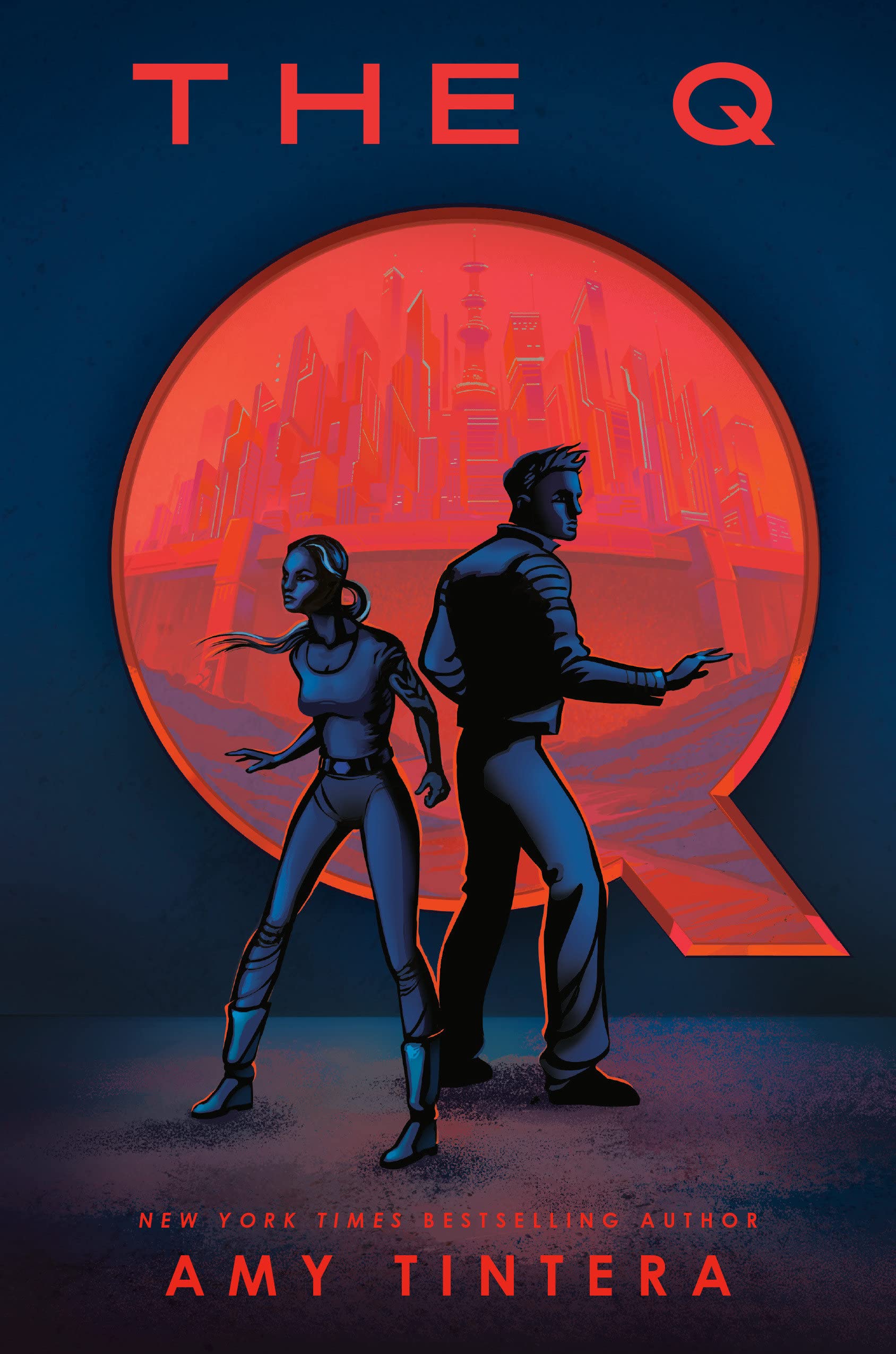
SCIENCE FICTION:

REALISTIC FICTION:

TELL ME WHAT YOU THINK! Have you read any of these books, and if so, did you like them? What are some of your favorite books by Latine/x authors? Let me know in the comments!

Today’s song:

That’s it for this recommendations post! Have a wonderful rest of your day, and take care of yourselves!