Posted in Book Review Tuesday

Book Review Tuesday (10/21/25) – Failure to Communicate

Happy Tuesday, bibliophiles!

I found out about this book earlier this year while looking for more sci-fi with queer and/or disabled rep (as I always am). This book seemed to have nearly the perfect premise—I just can’t get over how genius it is to have an autistic protagonist who’s had to study human behavior her whole life study alien behavior as well in order to initiate First Contact. I ended up buying it for Bookshop.org’s recent Anti-Prime Sale, and I ate it up in a handful of days. Though not without its flaws, Failure to Communicate delivers almost completely on its remarkable premise, full of political intrigue, aliens, and heart.

Enjoy this week’s review!

Failure to Communicate (Xandri Corelel, #1) – Kaia Sønderby

Xandri Corelel has spent her life studying everyone around her, be they people or aliens. She’s been forced to, after centuries of eugenics has made her one of the few autistic humans left in the universe. She uses these skills as a Xeno-Liaison, negotiating with all sorts of aliens on behalf of the Starsystems Alliance. But when presented with a potentially hostile species possessing one of the most powerful weapons in the universe, Xandri faces the most difficult negotiation of her career—one that may chance the face of interspecies relations forever.

TW/CW: ableism, xenophobia (fictional), violence, blood, genocide themes, slavery, animal death

“Autistic person spends entire life trying to understand human behavior, doesn’t fully understand it, then spends her entire career understanding alien behavior instead” has to win the gold medal for the best sci-fi premise I’ve heard in years. (Also, felt.) And though not all of it delivered on said premise, Failure to Communicate is a hidden gem for sure.

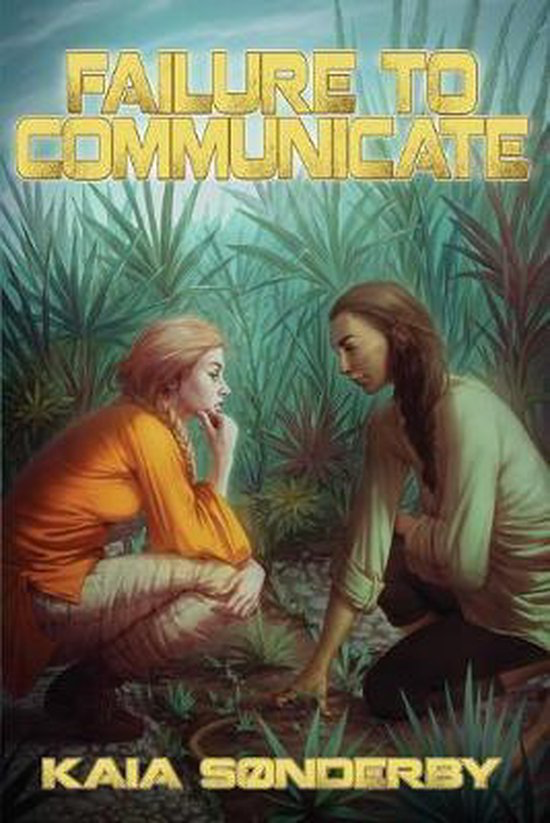
Now, I’m reviewing a space opera book which features a whole host of alien species, which means it’s time for my obligatory creature design rant. The aliens in Failure to Communicate are…a complicated case, for sure. The majority of them are basically larger, intelligent versions of real-world animals (with some brief exceptions), but Sønderby is self-aware of the fact; for instance, the Psittacans (a name that Xandri gave the species and didn’t develop on its own, thankfully) basically look like giant parrots, but Xandri explains that in-universe, all of their parrot-like features aren’t anything like what we would call, say, feathers, but evolved in such a way that they looked exactly like Earth parrots independently of Earth. This same explanation is given to pretty much all of the other species in the book, which is a bit too convenient to apply to 90% of the aliens in the novel. As for the Anmerilli, though I’m not disparaging the cover artist in any way, I feel like the cover didn’t do justice to their more alien features—and man, was I relieved that these aliens weren’t just humans with extra steps. Well…if you boiled it down, they kind of were, but there were enough traits that they at least got to the level of a decently compelling Star Wars humanoid. (Also, Sønderby’s descriptions of the Zechak also made me picture them as genocidal Piglins, which was…uh, interesting, for sure.)

But what almost made up with that for me was the in-depth explanations of their respective cultures. In the end, Failure to Communicate wasn’t necessarily a book about biology—it was a book about politics, anthropology, culture, and communication. That, at least, was incredibly fleshed out and much more thoroughly thought-out—as it should’ve been. Dissecting some of the alien cultures was one of the best parts of the novel. These cultures and the conflicts between them formed the backbone of the novel. Though until the end, Failure to Communicate is somewhat light on action, Xandri’s experiences with navigating the intricacies of dozens of alien cultures was nothing short of compelling—Sønderby has the mind of an anthropologist, and there was truly no stone left unturned. I loved that she didn’t shy away from depicting the discomfort that comes with interacting with other cultures for the first time and having one’s own values brush up against theirs—it’s bound to happen with First Contact, and it’s bound to happen in a lot of novel, multicultural interactions. There were some places where I felt there needed to be more nuance (ex. the whole situation with the Zechak; yes, they’re genocidal, but it verged too close to “this entire species consists of genocidal, cold-blooded killers,” which Xandri tries to self-correct, but isn’t emphasized enough. I’d find that hard to believe), but overall, I loved Sønderby’s cultural explorations.

Sønderby’s commitment to not shying away from discomfort was one of the best parts of the novel, and that was made manifest in her main character, Xandri. There was a ton about her that I loved—her keen eye for cultural quirks, her inner monologues about the idiosyncrasies of the neurodivergent world, and her unflappable sense of justice. However, she was far from a perfect character—even being in a world populated with aliens, she harbored her own unconscious biases and prejudices, which she frequently had to come to terms with throughout her mission. She lashed out, she made rash decisions—she was imperfect. And though she was easy to root for, she had plenty of flaws, a balance that is difficult for any author to strike.

Failure to Communicate isn’t an action-heavy book, which I’m all for—waiter! More cozy sci-fi, please! However, I hesitate to call this novel “cozy,” especially considering the moment when shit hits the fan during the last third of it. Everything that happens then swiftly merits the “cozy” title being unceremoniously ripped off. Nonetheless, Sønderby takes some cues from cozy sci-fi’s best; I loved how she let the plot meander in the more interpersonal conflicts as opposed to the big and showy ones, and let the often messy character dynamics take the lead. The ending was also messy and bittersweet, but not in a way that lacks resolution—it is a resolution, just a very complicated one with quite a lot of uncomfortable implications for Xandri. Another example of Sønderby not shying away from making things complex. I do like that it ended on a very hopeful note, as much of a wreck as some things ended up being.

Being neurodivergent, the subject of disability was part of what drew me into Failure to Communicate. I’ve mentioned on here that I have SPD, which shares some similarities with autism, and I related to Xandri’s lifelong mission to study and understand the neurotypical people around her in order to try and piece together how their world worked. She deals with a hefty dose of ableism (both from well-intentioned and malicious people) throughout the book, which was quite rough, but I loved that she never compromised her pride in being autistic. Sønderby takes the trope of futuristic societies erasing disability as a sign of progress to task, which amplifies Xandri’s struggles as an autistic woman into the struggles of possibly being the only autistic person in the entire galaxy. Which…yeah. The ableism is inevitable at that point. The only disability aspect that I’m not so sure about was having the twist that Marco was also disabled (specifically, he has bipolar disorder); I do appreciate that Sønderby uses it as an opportunity to show that almost identical conditions can produce a hero as well as a villain and that the pressures of ableism drove him to betray the team, but I really don’t think the latter had enough nuance to it. Not that disabled characters can’t be evil, obviously, but it felt too much like making a mentally ill character automatically a villain simply because they’re mentally ill. I’m willing to give Sønderby the benefit of the doubt because she handled all of the other disability-related topics so wonderfully, but it still didn’t sit completely right with me.

Also, I just have to mention that this book is so, so queer. BLESS. First off, I loved that Xandri was bisexual, but I appreciated that she was polyamorous too—there’s hardly any depictions of polyamory out there that don’t make their characters the butt of a joke or a fetish, so this was a breath of fresh air, for sure.

All in all, a wholly unique space opera about communication, culture, and collision. 4 stars!

Failure to Communicate is the first novel in the Xandri Corelel series, followed by Tone of Voice and preceded by Testing Pandora, a prequel novella. Kaia Sønderby is also the author of the YA fantasy novel Damsel to the Rescue.

Today’s song:

That’s it for this week’s Book Review Tuesday! Have a wonderful rest of your day, and take care of yourselves!

Posted in Book Review Tuesday

Book Review Tuesday (10/1/24) – Death’s Country

Happy Tuesday, bibliophiles, and happy October!

Since today is both in the middle of Latinx Heritage Month and the start of spooky season proper, I figured I would deliver on both fronts. I’d heard a lot of buzz about this one, especially the fact that it had polyamorous representation—something I rarely see in literature, much less in YA. Genre fiction written in verse is also uncommon, so I had to pick up this book since it combined both of them. The result was something that was inventive at every turn.

Enjoy this week’s review!

Death’s Country – R.M. Romero

Andres Santos is ready for a new start. After moving to Miami from São Paulo, he’s keen on leaving his past behind—especially his brush with mortality after nearly drowning and seeing the face of Death itself. He barely escaped by making a deal with Death for a second chance at life. Now, he’s a part of a happy, poly triad, deeply in love with spunky photographer Renee and joyous dancer Liora. But when a car crash puts Liora in a coma, Andres and Renee know that the only option is to confront Andres’ past—by returning to the Underworld where he once bargained for his very life.

TW/CW: car crash/coma, emotional abuse, suicide, self harm, eating disorders, fantasy violence

The minute that David Bowie was mentioned, I tried so hard not to go headfirst into liking this novel. My expectations were average, and I wanted to be surprised. And then “Space Oddity” became a recurring motif. You know me, I ate that up.

For the most part, I’ve rarely seen genre fiction and novels in verse mix. The latter is usually reserved for telling realistic fiction stories and occasional historical fiction, though I’ve only seen one or two examples of the latter. But using this method outside of fiction is something that, now that I’ve read Death’s Country, I feel should be utilized more often. Poetic language lends itself to describe the dark, fantastical setting of this novel and fantastical settings in general, and Romero’s is no exception; even if it doesn’t fill up the entire page, the flowing language renders the setting in luscious detail. Given that romance is also at the beating heart of this novel, Romero’s decision of putting it in verse made the romance feel all the more like the center of the narrative. Once more, her language didn’t just put the spotlight on it—the sparsity of the amount of words on the page truly made it feel like the center of the universe.

Even with the leaps and bounds that literature, mainly YA, has made in terms of queer representation, I’ve seen hardly any with polyamorous representation. (The only other one that I can remember is Iron Widow, which I also recommend!) What I liked about how Death’s Country handled it was that it was a polyamorous story, but that it wasn’t necessarily about polyamory; those stories have a place, but sometimes, the most powerful representation comes from seeing yourself in fantastical stories usually reserved for white, cishet, etc. protagonists. There are great discussions about the stigmas surrounding polyamory (cheating, slut-shaming, etc.), but they were only a part of the story, not the whole. The more that I think about it, a poly triad makes this story work in a way that it might not have with a couple; having two people, not just one, braving the Underworld for their girlfriend in a coma, presented a unique twist on a story that’s been retold countless times, and presented an opportunity to explore multiple perspectives of love under duress.

I went into Death’s Country expecting a meditation on death (obviously), but what I didn’t expect was such an insightful metaphor about how we idealize those we love in death. The Underworld in Death’s Country is almost a vehicle for reproducing what people deem most memorable about them: not just how they die, but how they were seen in death. Liora, who was adored unconditionally by both Andres and Renee, has been molded into a romanticized version of herself that, upon closer inspection, barely resembles the real Liora. Most of that is thanks to the manipulation of The Prince, but we later find out that even he is a reflection of the dark side of Andres’ love—that kind of unquestioning idealization that strips a real person into a glowing facsimile of who they once were. This provided an insight into these kinds of retellings (Death’s Country is a loose retelling of the myth of Orpheus and Eurydice) that they don’t normally touch on; death changes the people you love physically, but also mentally—in the perceptions of others that come to define them once their physical body is gone.

However, I feel like Death’s Country could have used a dual POV to execute the emotion to its absolute fullest. The only perspective we get is Andres, while we never get into the headspace of Renee, who is journeying with him through the underworld alongside him for the entire book. I wasn’t as big of a fan of Andres as a protagonist (I found him to be on the abrasive side at worst), but Romero’s writing of him was never sloppy or badly-executed in a technical sense. I just had the strongest sense that Renee had just as much of a story to tell as him! I get that Andres was specifically the one who made a deal with Death for another shot at life, but Liora isn’t just his girlfriend—she’s Renee’s girlfriend too. She needed more backstory, but I have a strong feeling that Death’s Country would have been enhanced if she’d also had more of a voice.

All in all, an inventive, fantastical novel-in-verse with plenty of fresh twists on otherwise well-trodden literary ground. 4 stars!

Death’s Country is a standalone, but R.M. Romero is also the author of The Dollmaker of Krakow, The Ghosts of Rose Hill, A Warning About Swans, and the forthcoming novel Tale of the Flying Forest.

Today’s song:

A NEW CURE ALBUM?? what a time to be alive

That’s it for this week’s Book Review Tuesday! Have a wonderful rest of your day, and take care of yourselves!

Posted in Books

🏳️‍🌈🏳️‍⚧️YA Pride Month Recs (2022 Edition) – Sci-fi🏳️‍⚧️🏳️‍🌈

Happy Friday, bibliophiles!

Once again, happy pride month! I hope all my fellow queer folks are taking care of themselves this month (and all the time) and finding tons of wonderful queer stuff to read. If nobody’s told you this lately, you are loved, you are valid, you are beautiful, and nobody has any say in your identity except for YOU.

For the past few years, I’ve been compiling YA recommendations of LGBTQ+ books for pride month; back in 2020, I was able to go by genre (click the links for sci-fi, contemporary, fantasy, and historical fiction), but last year, I just compiled my favorites I’d read since then in one post (click here for 2021’s recs). I was planning on doing the same thing as 2021, but my list got so long that I’ve decided to stagger it by genre again. So first off, here are my recs for queer YA sci-fi!

Let’s begin, shall we?

🏳️‍🌈THE BOOKISH MUTANT’S 2022 YA PRIDE MONTH RECS: SCI-FI 🏳️‍🌈

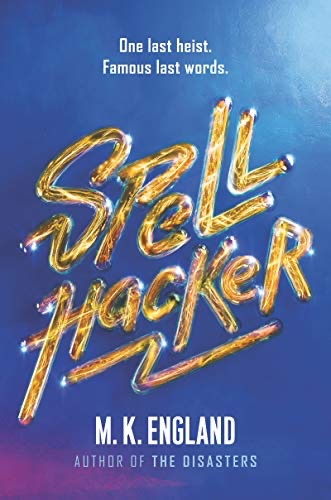
Spellhacker, M.K. England

LGBTQ+ REP: queer MC, nonbinary LI, several wlw and mlm side relationships

MY RATING: ⭐️⭐️⭐️⭐️.5

This one technically could’ve gone in fantasy or sci-fi, but it leaned more to the latter for me, which is to say this is a fascinating mix of genres! Perfect for readers looking for a book like Six of Crows or The Gilded Wolves with a more futuristic twist.

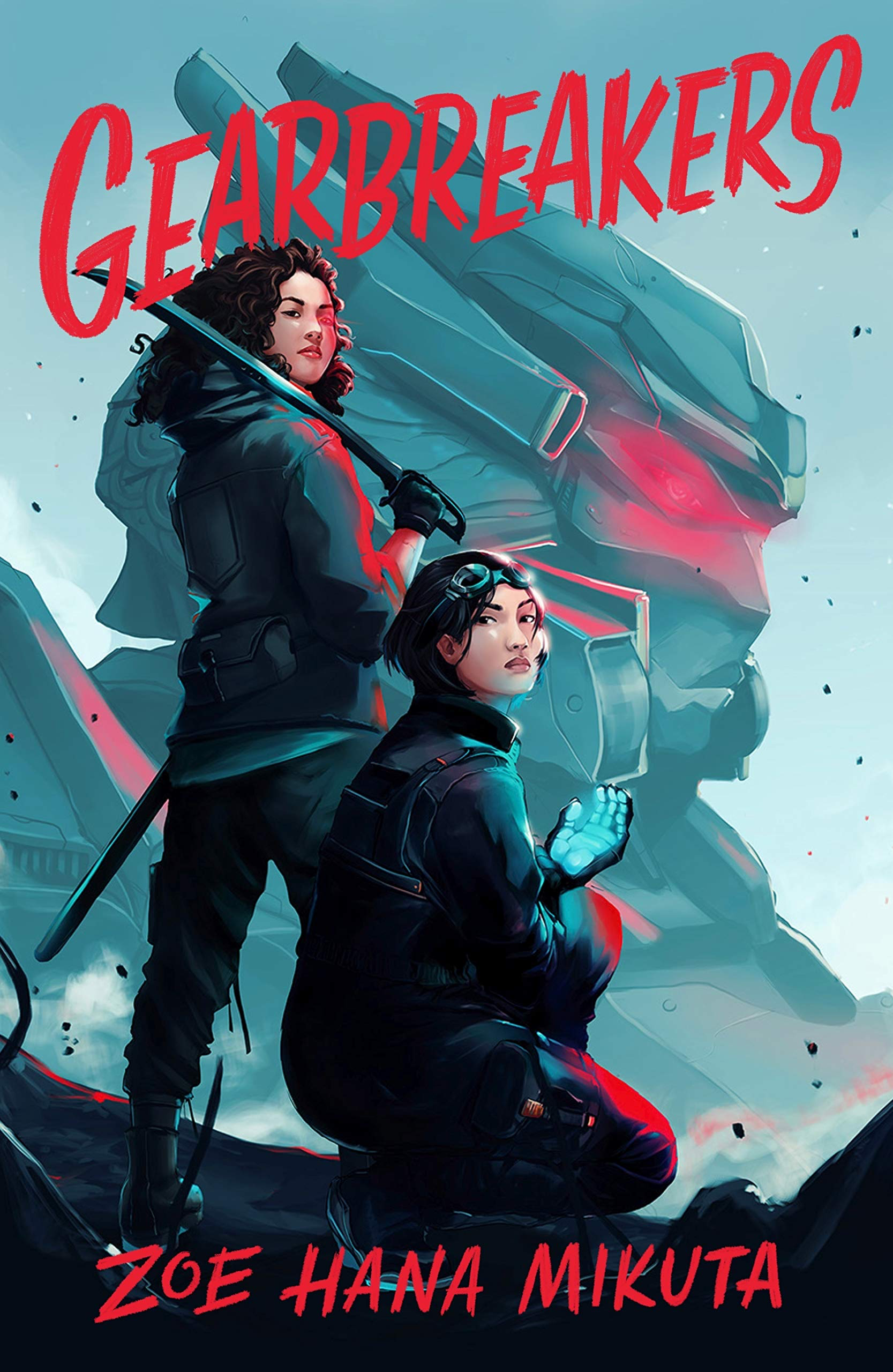
Gearbreakers, Zoe Hana Mikuta

LGBTQ+ REP: Both MCs are sapphic, wlw relationship

MY RATING: ⭐️⭐️⭐️⭐️.5

Queer cyborg girls taking down a tyrannical empire and falling in love—what’s not to love? I can’t wait to read the sequel!!

The Darkness Outside Us, Eliot Schrefer

LGBTQ+ REP: Queer MC (doesn’t use labels), gay love interest, mlm relationship

MY RATING: ⭐️⭐️⭐️⭐️⭐️

One of my absolute favorite reads from last year—mind-bending, suspenseful, and above all, an infinitely potent testament to the power of love.

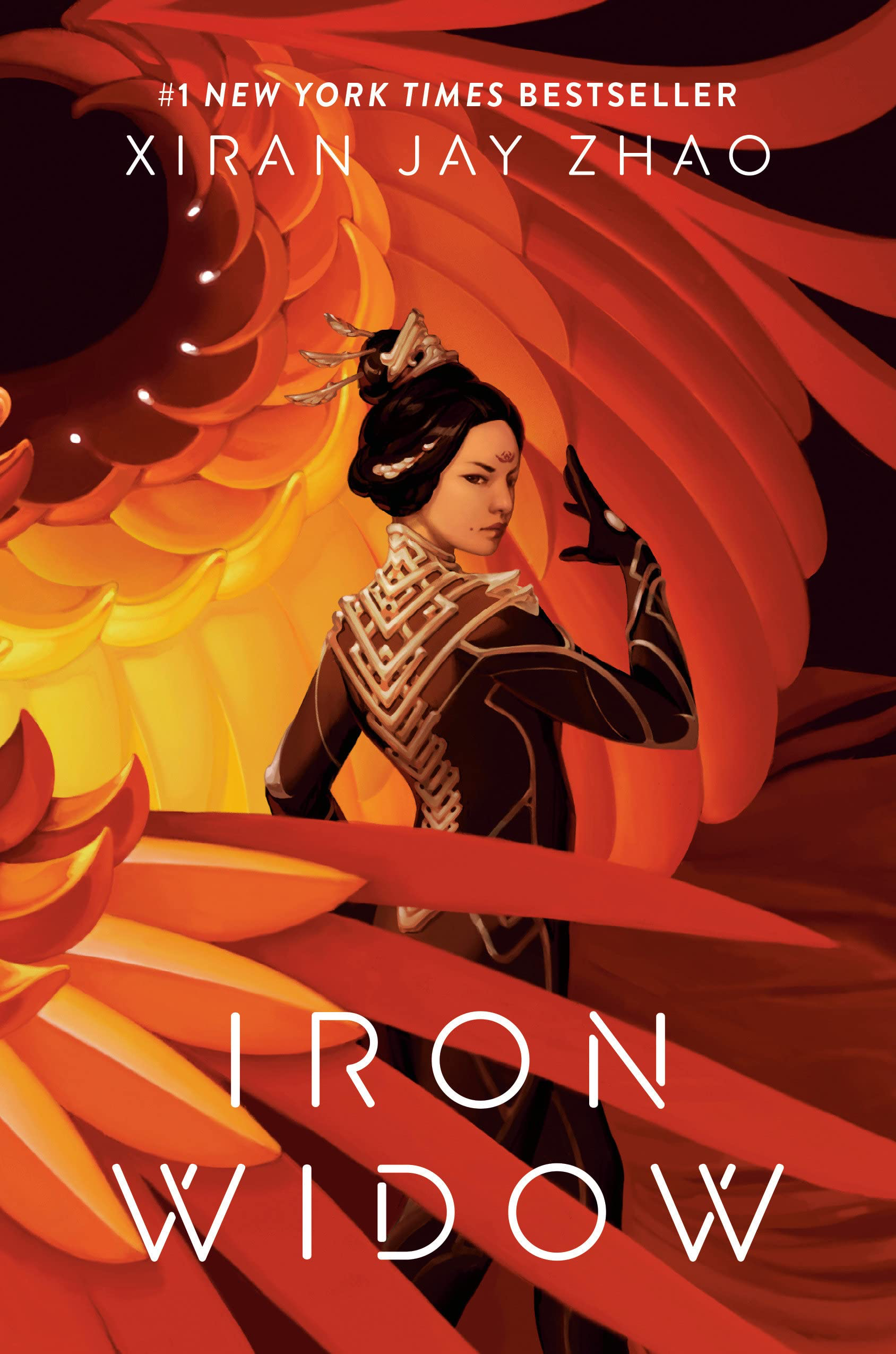
Iron Widow, Xiran Jay Zhao

LGBTQ+ REP: Queer MC and love interests, polyamorous relationship

MY RATING: ⭐️⭐️⭐️⭐️

I know I’ve gone on and on about this book ever since I read it, but if patriarchy-smashing via robots doesn’t entice you, then I’m not sure what will. Go read it!

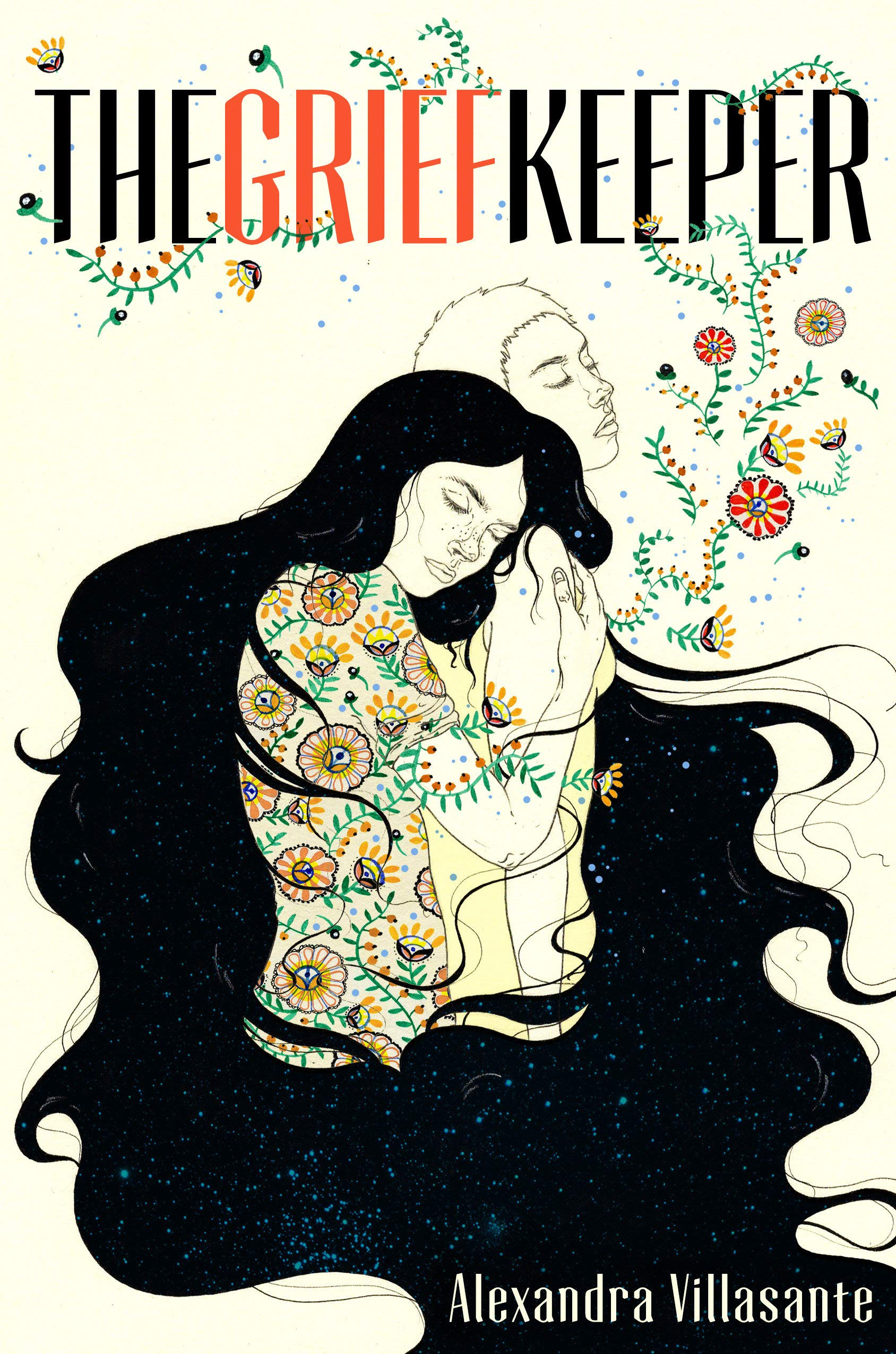
The Grief Keeper, Alexandra Villasante

LGBTQ+ REP: Lesbian MC, sapphic love interest, wlw relationship

MY RATING: ⭐️⭐️⭐️⭐️

The Grief Keeper is so many things, and all of them are wonderfully well-written—a commentary on how the U.S. treats its immigrants, an exploration of grief, and a beautiful queer coming-of-age story.

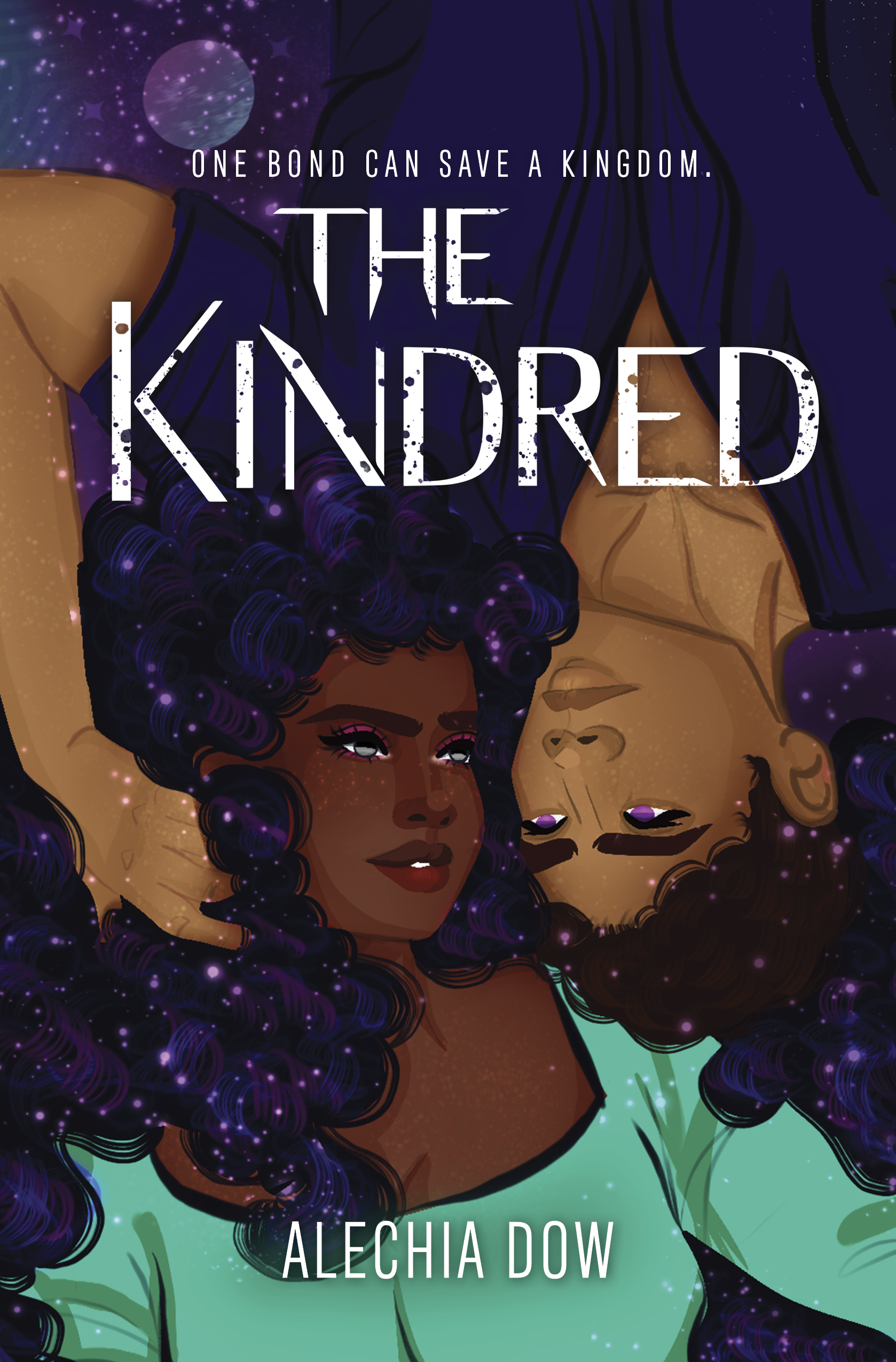
The Kindred, Alechia Dow

LGBTQ+ REP: Demisexual/asexual MC, queer MC

MY RATING: ⭐️⭐️⭐️⭐️

Alechia Dow always delivers for diverse sci-fi stories with tons of heart, and this book is no exception!

TELL ME WHAT YOU THINK! What are your favorite queer YA sci-fi books? Any recommendations for me? Let me know in the comments!

Today’s song:

not a single bad song on this album

That’s it for this post! Have a wonderful rest of your day, and take care of yourselves!
Posted in Book Review Tuesday

Book Review Tuesday (10/5/21) – Iron Widow

Happy Tuesday, bibliophiles!

This novel came on my radar a few months ago, and I just had to put it on my TBR–what could go wrong with giant robots, aliens, and patriarchy-smashing? What more could a reader want, really? I preordered it, and I’m glad to say that it didn’t disappoint–and it got me out of a week-and-a-half-long reading slump too!

Enjoy this week’s review!

Iron Widow (Iron Widow, #1) by Xiran Jay Zhao

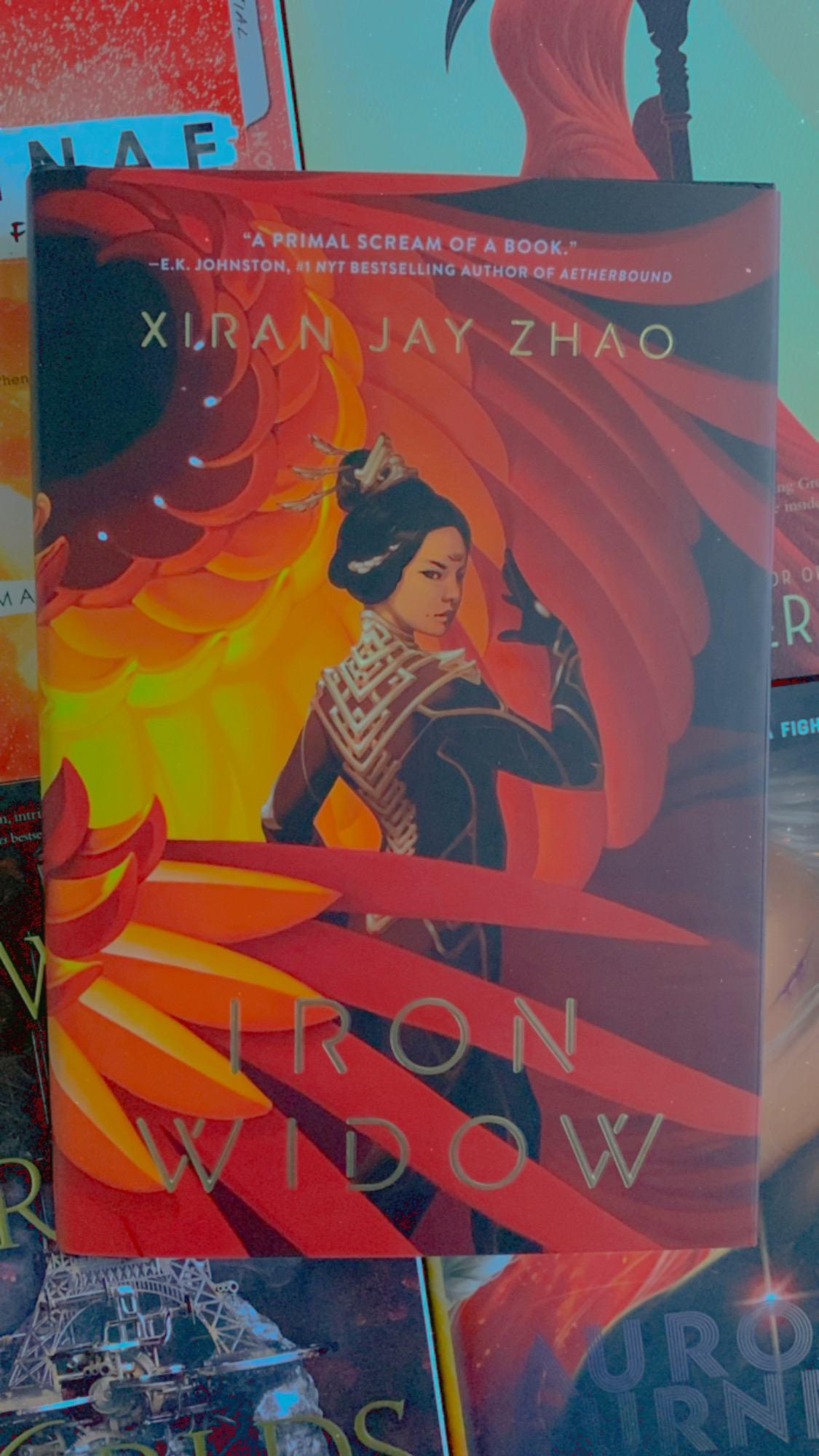
Iron Widow (Iron Widow, #1) – Xiran Jay Zhao

my copy ft. a nice filter and some more red and orange books

Hordes of aliens are invading Huaxia. Their last hope lies in the Chrysalises, supersized robots piloted by the best young boys that the country has to offer–and powered by girls, who inevitably die from the exertion.

It’s not a dream that most of the girls of Huaxia would entertain. But for 18-year-old Zetian, there’s more to the job than certain death. There’s a chance of revenge, specifically for her older sister, who was sacrificed by a Chrysalis pilot. Her murder successful murder plot garners her the rare title of Iron Widow, a role reversal where she pilots the Chrysalis and can only sacrifice boys. With her newfound title, Zetian has one more mission–tear the misogynist foundations of Huaxia’s army to shreds.

What Do You Want Jean Grey GIF - What Do You Want Jean Grey - Discover &  Share GIFs

TW/CW: misogyny, rape, graphic violence, death, past loss of loved one, alcoholism/substance abuse, withdrawal, torture

I’m ashamed that we didn’t think of this solution earlier…DESTROY THE PATRIARCHY WITH ROBOTS

After a long slump, Iron Widow was just what I needed. Even if I’d been on a string of amazing books beforehand, though, this book would have been just as much of a wild ride as it was when I read it. Unapologetically feminist and action-packed, Iron Widow is sure to please sci-fi fans and those new to the genre.

The feminist aspect of Iron Widow is what stood out the most for me. Throughout, there’s unapologetic commentary on the harshest treatment of women in society, from the constraints of the gender binary to rape and institutionalized misogyny. Sure, we have hordes of aliens attacking the country in droves, but the rampant sexism and misogynist violence is the real antagonist here. Xiran Jay Zhao did an excellent job of showing all the facets of misogyny–and then having a character like Zetian tear them down little by little.

Zetian was the perfect protagonist for Iron Widow, and she’s a near textbook-perfect example of a flawed but sympathizable character. She’s ruthless, she’s fierce, she’s fiery, but what’s more important than her traits is why she became the way she did. It’s a perfect example of how oppression can shape a person’s character–Zetian might not have been so blindsided by revenge and filled with self-doubt were it not for the ingrained misogyny of Huaxia’s culture. Her character was such a well-crafted exploration of this theme.

On top of that, Zetian’s character made for the perfect catalyst to drive the plot forward! There was no shortage of drama or action that she either caused or that came in her wake, rocketing an already action-packed novel at a fast but consistently entertaining pace. The combination of Zetian and military drama, robots, and aliens made for a novel that never slowed down–in the best way possible.

Another aspect that Zhao handled well was the balance of plot elements. There’s more than a few heavy topics discussed in this book (see the TW/CW at the top), but they depicted their realness while also reveling in the more fantastical plot elements. I hesitate to call the latter “levity,” but there wasn’t an imbalance of either of those sections of the novel.

Now, I’m a little torn on the worldbuilding. For the most part, I loved it, especially the Chrysalises. Each one was based off of a creature from Chinese-inspired mythology, and I was so excited to see all of them come to life. Zhao also did a great job explaining the whole qi system without info dumping–there were just the right amount of evenly-spaced tidbits of information that I wasn’t deluged with anything, but by the time that these elements came in, I was able to go “oh, right, I understand how that works.” I just wish the same care was put into the Hundun aliens! Although I can’t wait to see how the twist with them is resolved in the next book, all of the details about them were so vague that I could hardly picture them.

Also, a big selling point about Iron Widow was that there was a love triangle solved by polyamory. I was so excited to see it come into play, but…it never seemed to happen? Maybe I missed something (is it just going to be slow-burn?), but I swear there was only some romantic undertones with both Li Shimin and Yizhi and the three of them haven’t been together for a very long time. Again, maybe I missed something, but I was a little disappointed by that. Maybe it’ll appear in book 2…

All in all, a raw and unapologetically feminist piece of YA sci-fi. 4 stars!

Iron Widow is Xiran Jay Zhao’s debut novel and the first in the Iron Widow series. The series will be continued by an as-of-yet untitled sequel set for release in 2022.

Today’s song:

That’s it for this week’s Book Review Tuesday! Have a wonderful rest of your day, and take care of yourselves!