Posted in Sunday Songs

Sunday Songs: 9/6/26

Happy Sunday, bibliophiles! I hope this week has treated you well.

This week: these grooves are out of fashion, these beats are…ancient? So is nature.

Enjoy this week’s songs!
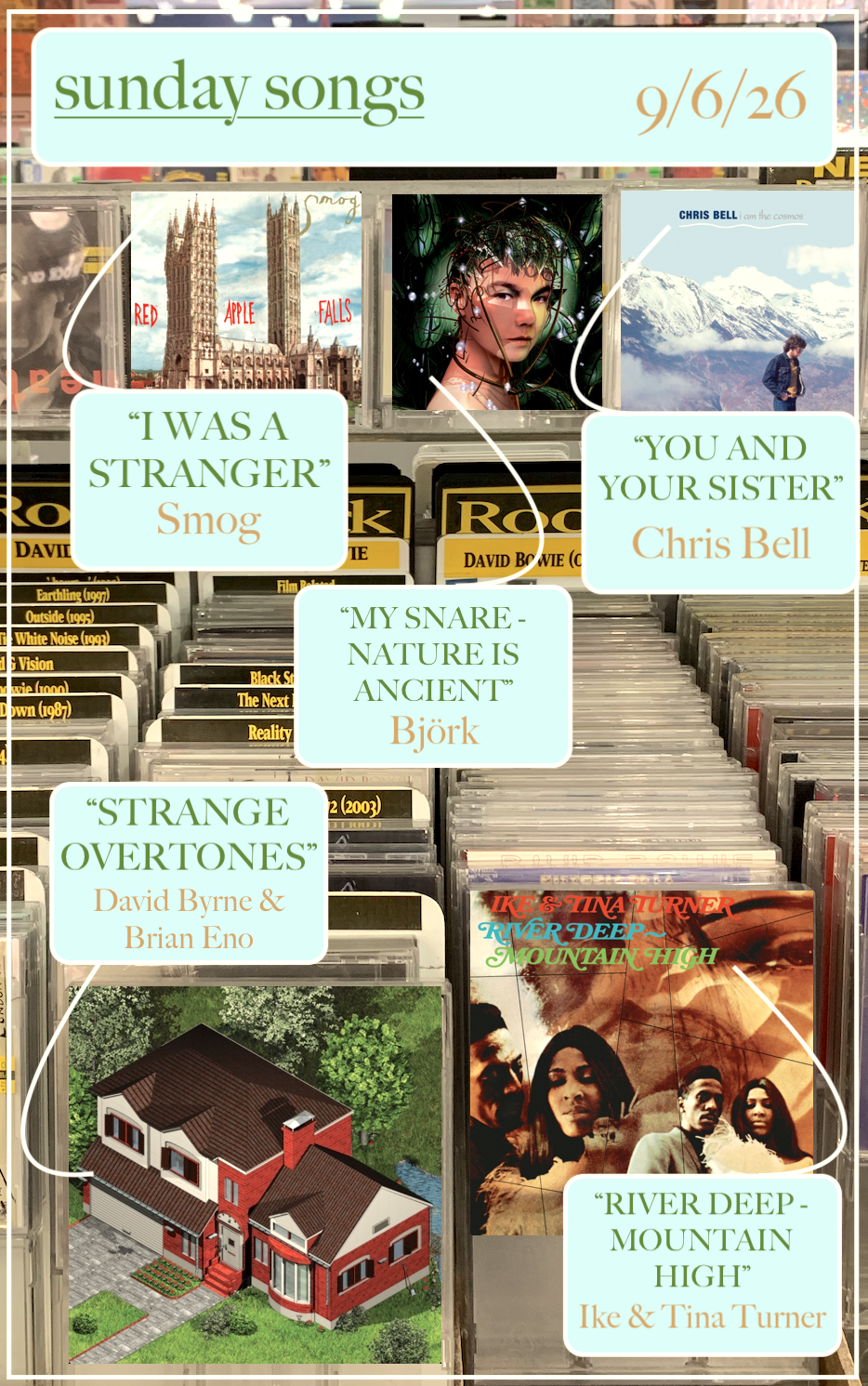
SUNDAY SONGS: 9/6/26

“Strange Overtones” – David Byrne & Brian Eno

You thought it was over? Surprise, bitch, I still won’t shut up about Brian Eno. David Byrne’s just joined the party. We’re still Eno-maxxing over here.

There are special songs that come once in a blue moon that touch you without you even knowing why. You just know it’s one of your songs, something that clicks itself into the ever-changing jigsaw of your soul. I mean, again. It’s Brian Eno, so it was bound to do that in some capacity. But I’ve now spent several mornings with my headphones on, dancing to “Strange Overtones” on repeat while making my tea. There’s a kind of easy optimism to it, like sprouts stretching out their leaves and waking up, ready to soak up the newborn sunlight. Something in David Byrne’s voice urges you on, gently ushering you like a parent with a child at the top of a waterslide. It’ll be fine, the water’s warm at the bottom, it seems to say. Take the plunge.

That quality of “Strange Overtones” endeared me from the start. But it was the specificity of the plunge that made this track thousands of times more meaningful. Eno described “Strange Overtones” as “a song about writing a song,” and that’s as evident as ever, as the narrator paces around an apartment, cherrypicking ordinary but wondrous vignettes from around their surroundings: the cold weather, a neighbor singing, small gestures of kindness between strangers. As a whole, Eno described this collaborative album as “a picture of the human trying to survive in an increasingly digital world.” Ah, there we are. That’s why it resonated so much with me. No wonder!

Everything That Happens Will Happen Today was released in 2008, but nearly 20 years later, it’s more immediate than ever. Artificial intelligence is encroaching on our sense of creativity, encouraging us to give up the slow, laborious things that give us life in favor of convenience and enshittification, touting itself as the inescapable, inevitable future (by techbros that have sunk all their money into it). But “Strange Overtones” is a celebration of that slow, contemplative life and the frustrating but worthwhile endeavor of creativity. As the narrator struggles to string their song together, words of encouragement steer them towards new paths: a change of key, a new chorus, 20-year-old beats. The end of the chorus doesn’t necessarily seem all that encouraging at the first glance (“It is strong and you are tough/But a heart is not enough”), but I think it speaks to the inherent labor of creativity, of sticking with it even when you’re mired in writer’s block, or whatever else. Your heart is not enough, and you have to put in the work—but the work is the fun of it. Byrne and Eno described “Strange Overtones” as a kind of gospel song, and it makes sense: it worships the act of creativity, and the rocky yet rewarding journey of sticking with an idea.

BONUS: as if this song couldn’t get any better, here’s David Byrne performing it with St. Vincent, featuring the latter attempting a casual lean on the saxophone player, for some reason:

…AND A BOOK TO GO WITH IT:
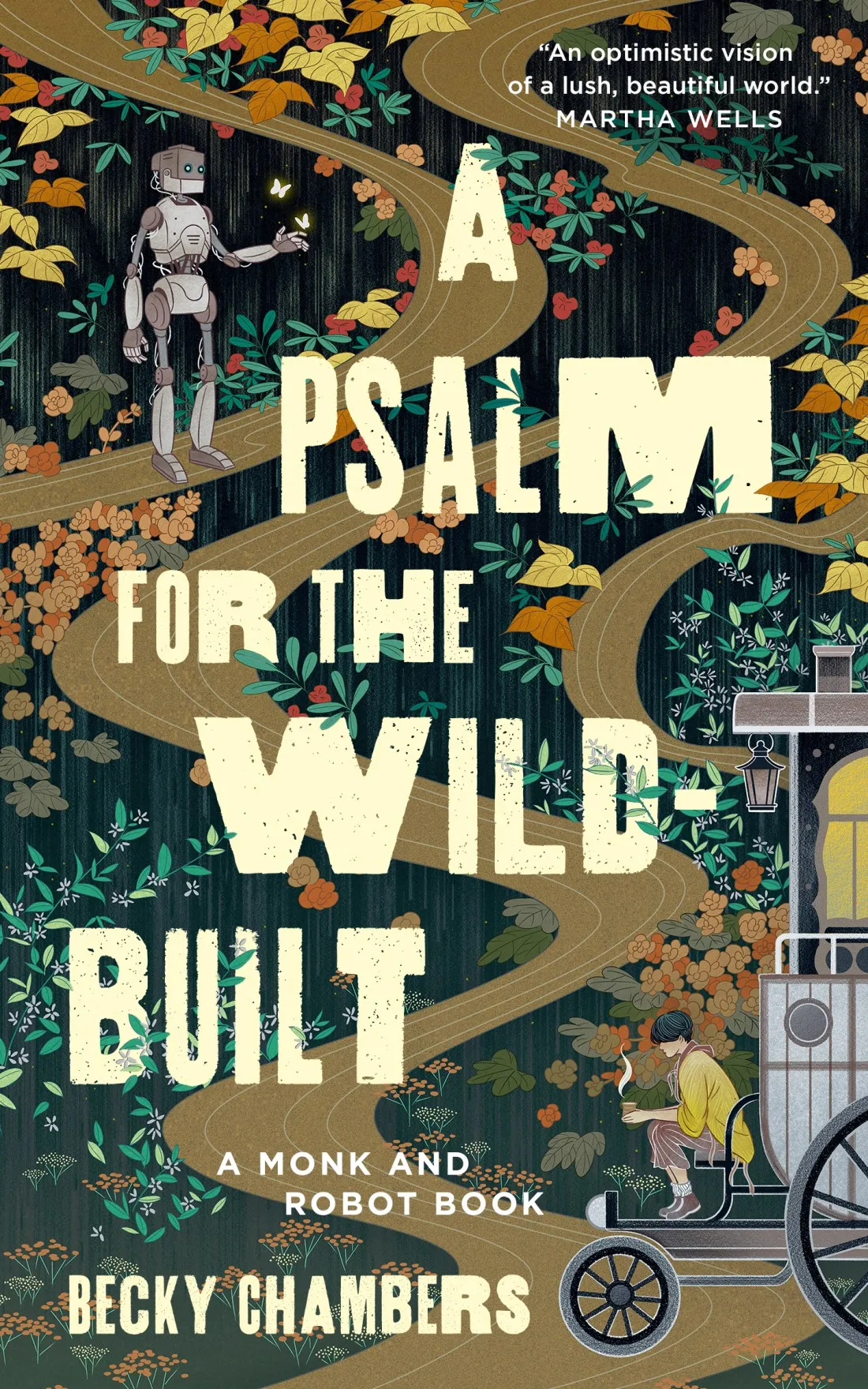
A Psalm for the Wild-Built (Monk & Robot, #1) – Becky Chambers“Strange overtones in the music you are playing/I’ll harmonize/It is strong and you are tough/But a heart is not enough…”

“River Deep – Mountain High” – Ike & Tina Turner

Here’s a music history fact that blew me away when I first heard this song: apparently, it underperformed and barely charted when it was released in 1966. There’s probably more eloquent ways to say this, but when confronted with a song like “River Deep – Mountain High,” all you can really say is “what the fuck?” There’s no accounting for taste.

I talked about Erasure’s cover last week, and how, as fantastic of a cover as it is, it doesn’t quite capture how infectiously joyful the original is. There are few songs that are quite this convincing about just how deeply, hopelessly in love Tina Turner is. It’s just so exuberant, but you believe every single note of it—Turner’s breathless, using every metaphor for loyalty in the toolbox, and she convinces you of every single one: like a robin loves to sing, like a schoolboy loves his bag, you bet that she will love you. Unfortunately, as with…well, an unfortunate amount of songs at the time, “River Deep – Mountain High” has the misfortune of being attached to some of popular music’s most notorious scumbags at the time (that being Ike Turner and Phil Spector), especially since the latter forced Tina Turner to do a frankly inhumane number of vocal takes for this track, to the point that she was “drenched with sweat. I had to take my shirt off and stand there in my bra to sing.” I really don’t want to credit them with anything, but even from a more objective standpoint, it really is Tina Turner that makes “River Deep – Mountain High” this monumental and timeless. With the sheer power of her voice, she manages to overtake Spector’s signature Wall of Sound, and I think that’s exactly why this song is so spectacular. You just feel it rising, rising, with an unstoppable momentum, deep in your chest, and you feel the lyrics, like a flooding river about to break free of its banks.

…AND A BOOK TO GO WITH IT:
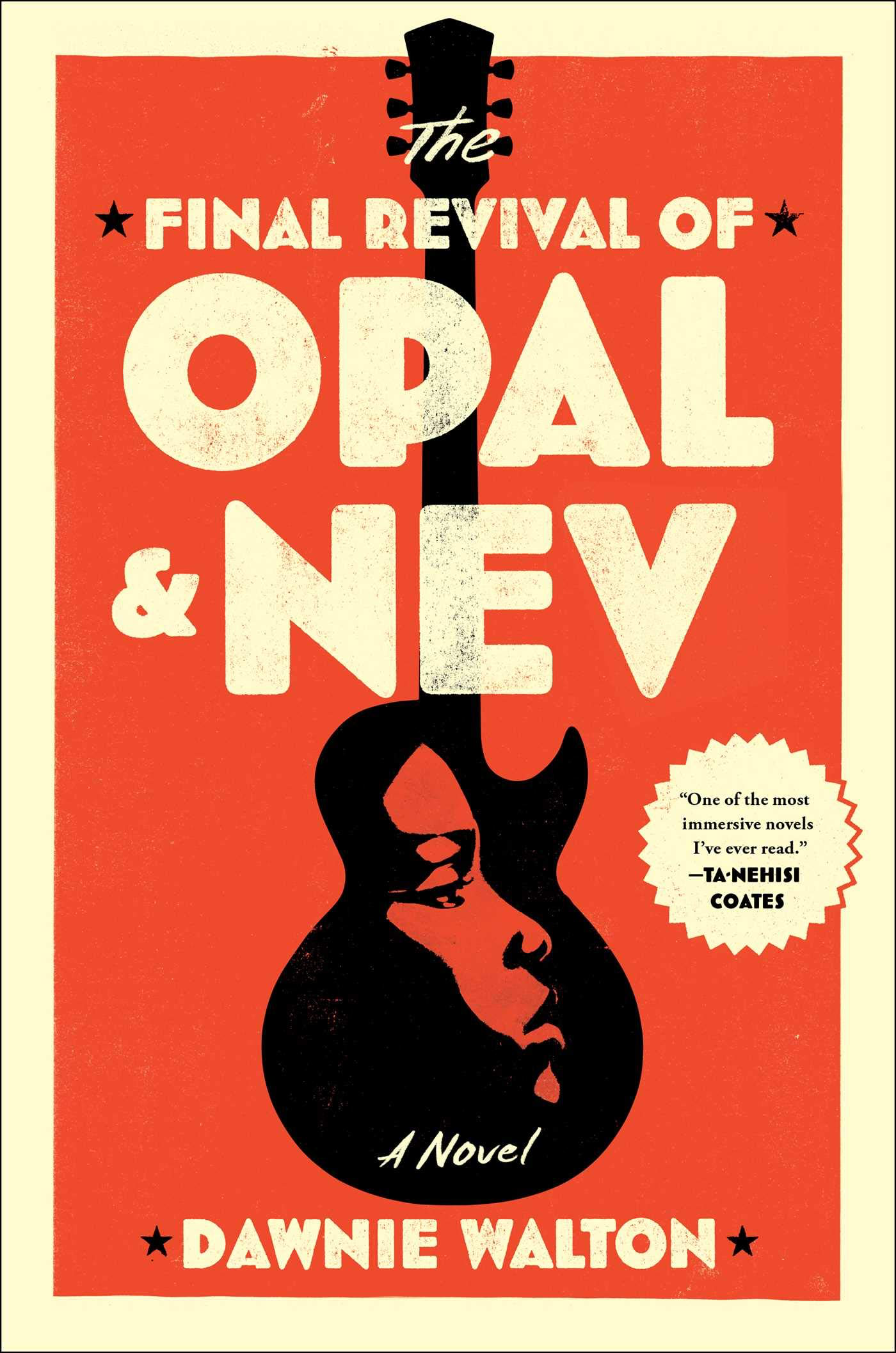
The Final Revival of Opal & Nev – Dawnie Waltonthe music history threaded throughout this book calls back to the climate of the ’60s and ’70s—it definitely reminds me of songs like this, at least in the early bits of this book.

“I Was a Stranger” – Smog

Jesus. Between this and “Ex-Con,” Bill Callahan really must’ve been going through it while recording Red Apple Falls. “Ex-Con” was at least upbeat, even though it belied a deep-seated sense of alienation. “I Was a Stranger” mines just as deep into the feeling, but makes its costuming more desolate, much more somber. That thread of isolation carries into an obscured tale playing on tropes of old Westerns and cowboy stories: Bill Callahan is now the stranger kicking open the saloon doors and casting a long shadow. Normally, I’d cue the whistling and the tumbleweeds, but there’s no air of mystery here, just a man desperate to be left behind but mystified that these new people are willing to embrace him, despite all that he’s done: “Why did you believe/All every word I said/Why did you believe/Believe a stranger?” The tinges of country instrumentation add an innate sort of melancholy to this track, barely filling in the spaces left by Callahan’s profound isolation, one that separates you from yourself, but convinces you that you don’t deserve to be believed—or embraced in any sort of way. All these touches really do make you feel utterly alone, staring at an empty horizon as the sun goes down.

…AND A BOOK TO GO WITH IT:
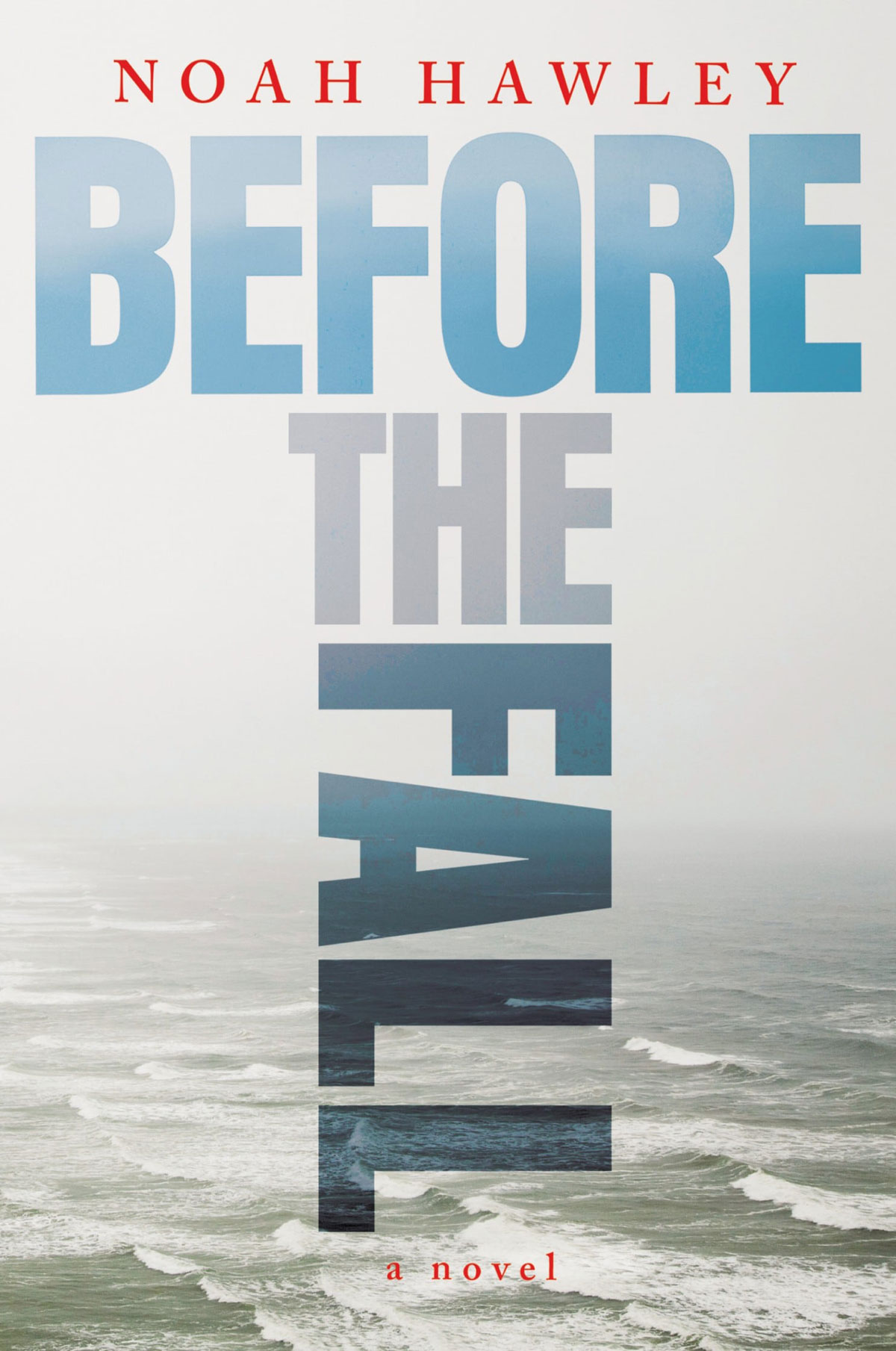
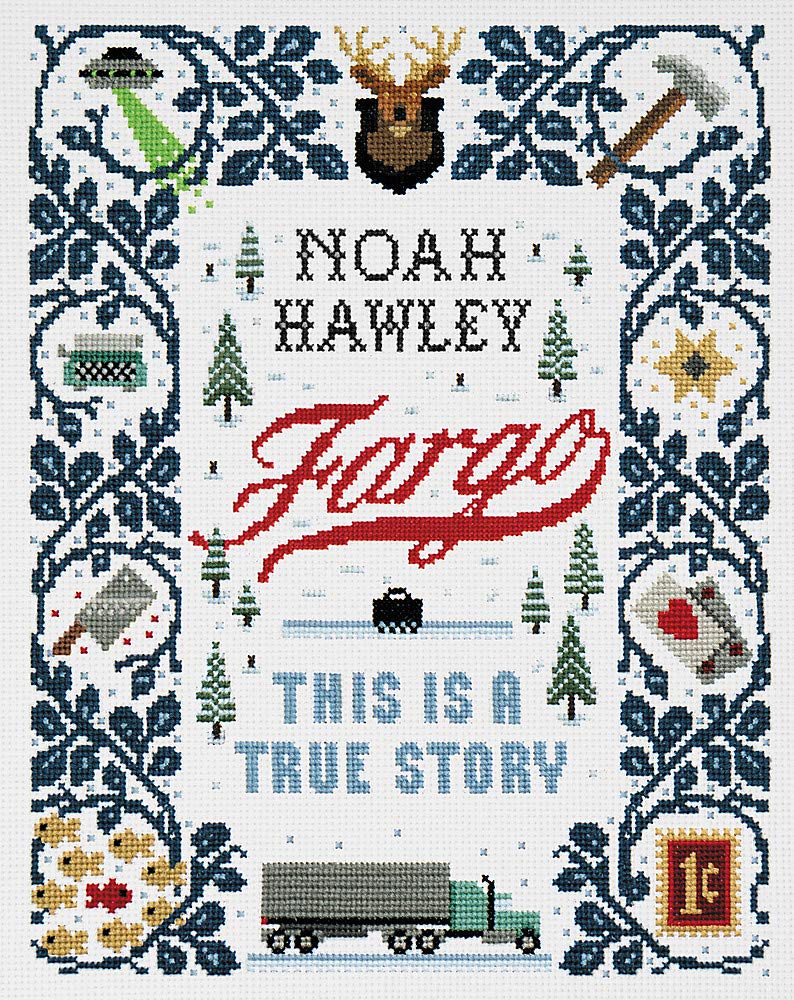
Before the Fall – Noah Hawley“In the last town/You should have seen what I was/If I was a stranger/I was worse than a stranger/I was well-known…”

“My Snare – Nature is Ancient” – Björk

Take my hand, we’re getting out of the sad Smog times. Let’s go frolic in the woods, yippee!

Behind every incredible album is a bunch of singles that inexplicably didn’t make the cut. “Nature is Ancient” (later renamed “My Snare”) was recorded during the sessions for Homogenic, and sonically, it has that same slick futurism, imbued with hope, that made that album so iconic. But I can’t help but think that “Nature Is Ancient” feels like a Post track dressed in Homogenic‘s clothes. Its awestruck, upbeat descriptions of the nature of the natural world (no pun intended) feels like a sister to “The Modern Things” or “Isobel”—no matter the robotic dressing of the album, Björk will forever be a woman gleefully skipping through the woods and stopping to look at every flower and toadstool.

“Nature Is Ancient” is very primordial to me. The wet pulsations of the synths feel like the closest thing I can imagine to how it sounds when cells divide. I can imagine this track soundtracking the earliest evolution of life itself, watching single-celled organisms consume each other and evolving into multicellular life, wiggling around and developing eyes and feelers. With mischievous glee, Björk delivers the lyrics like she’s some sort of alien sprite giving a lesson to a lost traveler: “It’s wet in the middle/With a shell around it/It’s called ‘life’/It goes wherever it wants to/Don’t try to predict it/Then you’d offend it/It’s meant to surprise.” In spirit, it feels like the common ancestor of later, more naturalistic albums like Biophilia or Medúlla, but that reverence for nature and its mercurial qualities have been part of Björk’s DNA from the beginning.

…AND A BOOK TO GO WITH IT:
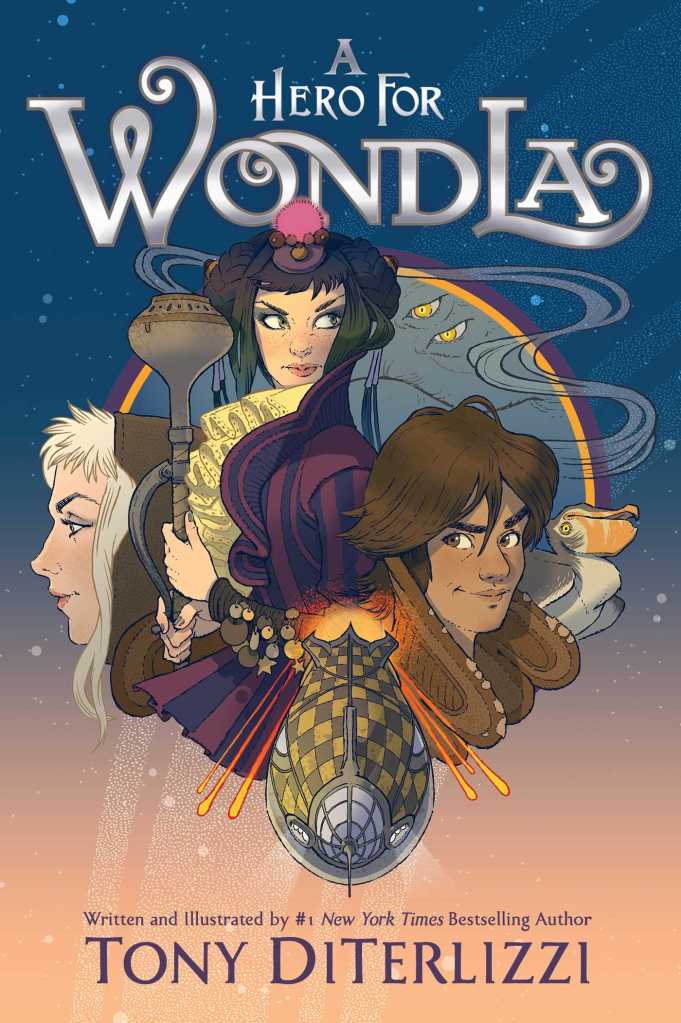
A Hero for WondLa (The Search for WondLa, #2) – Tony DiTerlizzitell me this isn’t what it sounds like inside of the Heart of the Forest with the Vitae Virus Generator…

“You and Your Sister” – Chris Bell

First things first: absolutely nothing against Chris Bell, but Kim Deal’s version with This Mortal Coil is better than the original. Here’s the thing: “You and Your Sister” is approaching perfect song territory, but you know what will instantly push a song even further in that direction? Kim Deal. You just can’t compete with Kim Deal. That’s just a fact.

That’s not to say that Chris Bell’s version wasn’t stunning on its own, though. I listened to the This Mortal Coil cover to death when I was in middle school, and I remember looking up the original, and being real put off by Bell’s voice. Sure, it’s not exactly conventional on this song—there are times when his rasp works better with more upbeat, louder songs with Big Star. But 10 years later, having been reintroduced to this song by surprise by my dad (as usual), something stuck me right in the ribs. I’m still not 100% warmed up to Bell’s voice, but half the time I hear “You and Your Sister,” I start getting misty. It’s just…pure. It’s been stripped down to the bone, leaving only the most essential, warm feelings of the romantic experience. The composition is, again, very simple, but everything is so impeccably placed: a swell of strings here, harmonies with Big Star bandmate Alex Chilton here, the flutter of a flute there. It’s innocent, but it doesn’t make an effort to be innocent: it just is. Between the ragged cracks in Bell’s voice and the stripped-down production, it feels as sincere as a love song can get: unafraid to sound unfinished to some, but wholly genuine as the sum of its unassuming parts. It’s just beautiful—there’s no two ways about it.

…AND A BOOK TO GO WITH IT:
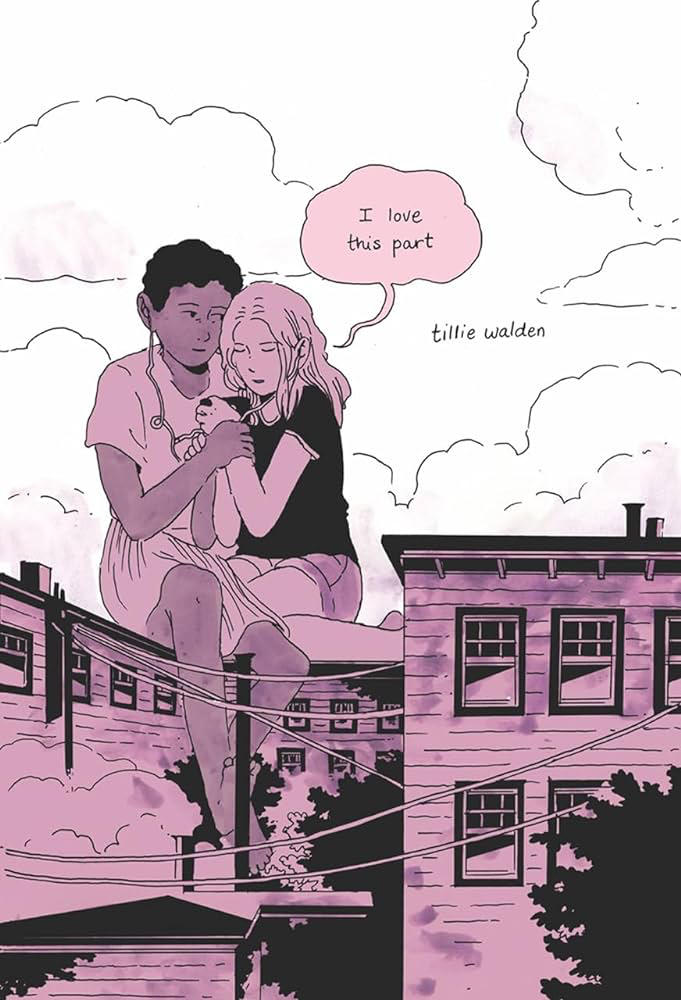
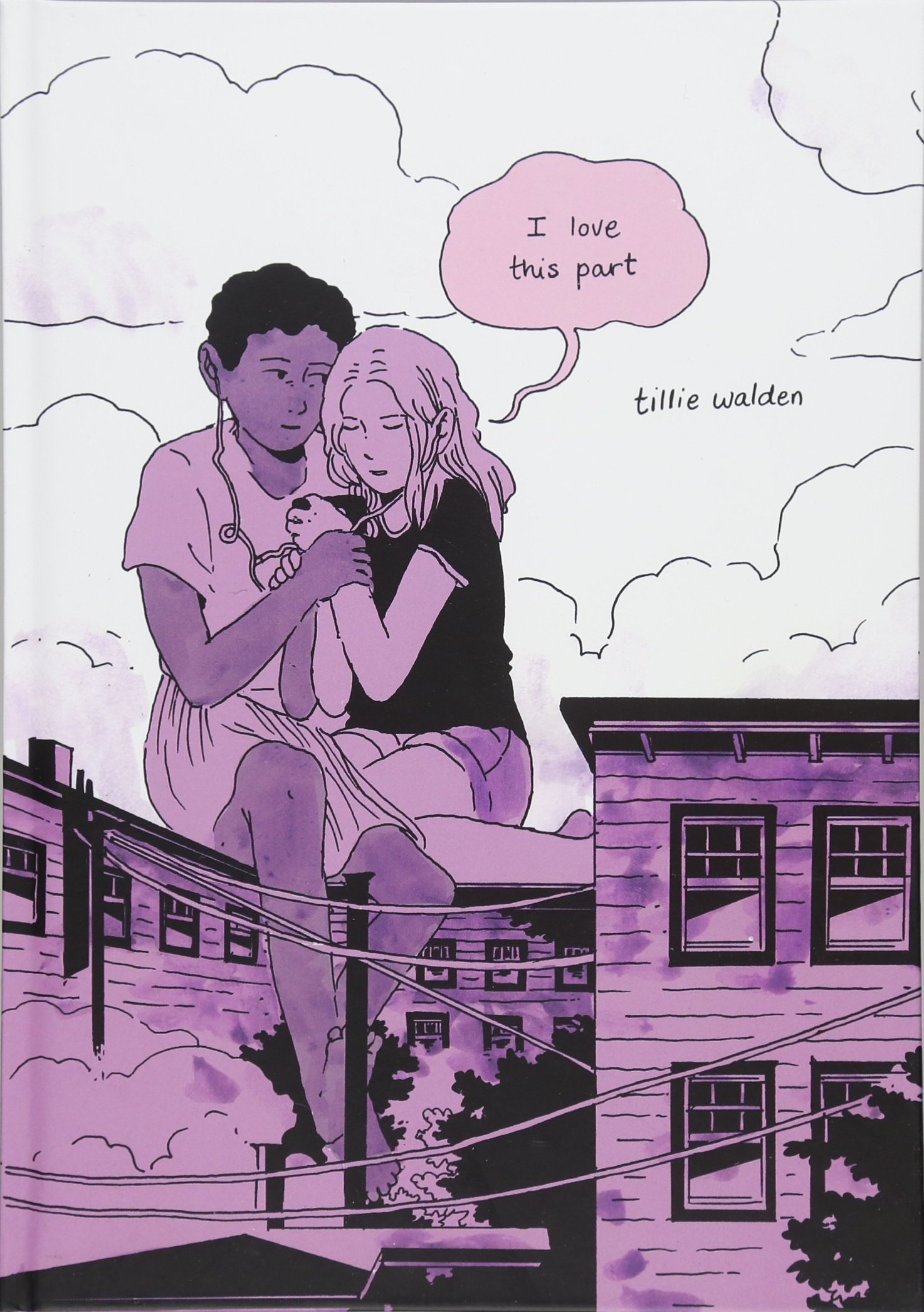
I Love This Part – Tillie Waldensimilarly, a portrait of blossoming love that finds quiet profundity in the simple and mundane.

Since this post consists entirely of songs, consider all of them to be today’s song.

That’s it for this week’s Sunday Songs! Have a wonderful rest of your day, and take care of yourselves!

Posted in Sunday Songs

Sunday Songs: 7/21/24

Happy Sunday, bibliophiles! I hope this week has treated you well.

This week: music for pretentious weirdos (me), music for animation, and music that makes me cry on the regular.

Enjoy this week’s songs!

SUNDAY SONGS: 7/21/24

“Dirt on the Bed” – Cate Le Bon

I came into Pompeii with plenty of curiosity, having finally gotten around to listening to Cate Le Bon after hearing her work producing Wilco’s latest album, Cousin, and her vocal feature on St. Vincent’s “All Born Screaming.” Vaguely remembering the buzz and air of weirdness around Pompeii, I decided to listen to it first.

Pompeii and “Dirt on the Bed” have reminded me of why a spectacular album intro can be both a blessing and a curse. If nothing surpasses the first track, then the rest of the album can never recover—or at least reach the heights of the first song. You can enjoy yourself, but never as much as you did after one song. Just one. It’s a horrible dilemma. Pompeii was fantastic from the start, but after the first four songs, nothing’s quite the same—great, but like my experience with R.E.M.’s Green, nothing tops the back-to-back splendor of the first four songs. And that splendor is set in motion by the crawling intro, “Dirt on the Bed.” As the title suggests, it has the dread of something unclean creeping into the house, like a nun on the scent of sin in a shuttered Catholic girl’s school. An off-kilter, stumbling chorus of brass blooms in moldy bursts, an airborne sickness pulsating through each thrum of the bass. Now I know exactly why St. Vincent chose to work with Le Bon—”Dirt on the Bed” is especially evidence of this, but all I could think of during Pompeii is that it felt like St. Vincent had remained lyrically and instrumentally in Actor, but slowly adorned her music with synths. They’re so similar to each other, down to their folkier, precocious indie beginnings that blossomed into full-on devotion to strangeness. This is modern art pop at some of its best, unabashedly weird and precise in every flourish. “Dirt on the Bed” makes even more sense when you see it as a product of a pandemic-produced album; it paces listlessly, putting on a smile as it tries to scrub every trace of illness and dread from a spotless house. Even as calmly as Le Bon sings each lyric, foreboding seeps through every misty horn blast.

That’s how an album intro is done. After several more listens, I’d say that nothing comes quite as close to it, but “Dirt on the Bed,” “Moderation,” “French Boys,” and “Pompeii” is SUCH an undefeated stretch of songs. Pompeii is worth a listen just for that, as is the album’s very St. Vincent closer, “Wheel.”

…AND A BOOK TO GO WITH IT:

Drunk on All Your Strange New Words – Eddie Robson“Sound doesn’t go away/In habitual silence/It reinvents the surface/Of everything you touch…”

“Poor Song” – Yeah Yeah Yeahs

…okay, I can’t possibly be normal about this because I cry a little every time I hear it. Either way, there’s an undiluted purity about this song that makes any kind of analysis feel like ten steps in the wrong direction. It’s a paramount example of how easily beauty and simplicity can intertwine, and it cuts more deeply than some songs I know with hundreds of metaphors.

It’s very nearly perfect. Karen O tends to do that.

…AND A BOOK TO GO WITH IT:

I Love This Part – Tillie Waldenquiet and gentle teenage romance.

“It’s A Wonderful Life” – Sparklehorse

One of the first times I remember hearing this song was in the car with my dad, as I come across many a good song. Looking back, since I was so young, it must have been a trip back into Sparklehorse’s catalogue shortly after Mark Linkous’ tragic passing. But as we drove home that night, the windows buffeted by snow or sleet, my dad made a wry remark about the lyrics: “he’s not feeling too good, huh?”

With every emotion comes an infinite number of ways to express it, not just confined to song. There’s the kind of songwriting that outright says that you’re sad, while others cloak it in metaphor. Neither is better than the other, but what Mark Linkous did feels like a category all its own, albeit closer to category #2. Many of the lyrics of “It’s A Wonderful Life” (if there was ever a more sarcastic title) are nonsensical, as his lyrics often are (“I wore a rooster’s blood/When it flew like doves”), but nestled between these impenetrable tidbits, the ones that do make sense land like anvils to the gut. I’ve never heard such sadness and shame articulated in the line “I’m the dog that ate your birthday cake.” Dare I say it’s one of my favorite song lyrics ever? It’s up there, just for such an unadorned, bare line to have such an instantly devastating effect; You can picture that dog, not knowing that it’s not supposed to eat human food and not processing that there’s a child sobbing at their ruined birthday, but being able to detect the shame all the same, but never know the reason why. It cowers, but it doesn’t know why it’s feeling this way. Linkous delivers it with all of that shame, clouded in the atmospheric cage of keyboards that prickle with heat lightning.

With that kind of lyricism, it came as a massive shock that this wasn’t one of his classic pieces of melancholy. In fact, Linkous wrote it as a jab at critics who panned an image of overarching depression over his catalogue: “I got fed up with people in America thinking that my music is morose and depressing and all that. That song is like a “fuck you” to journalists, or people who are not smart enough to see what it is.” And…listen, I’m a guilty party. I still think that Sparklehorse is one of the preeminent purveyors of high-quality sad bastard music, and he had enough strife in his life to justify every tear-jerking lyric. Yet this new light makes the lyrics I thought were nonsensical fall into place. Linkous describes the rest of the song as follows: “In the end, it was more about how every day, you should pick up something, no matter how minuscule or microscopic it is, and when you go to bed, you can say I was glad that I was alive to see that. That’s really what it’s about.” Wearing rooster’s blood when it flew like doves becomes a fleeting, once-in-a-lifetime capture of lightning in a bottle, and being the only one who can ride that horse th’yonder suddenly rings out as a humbly sung badge of honor. It was never sarcastic—it’s a wonderful life. I won’t ever be able to hear “I’m the dog that ate your birthday cake” without the sadness it insinuates, so maybe I’m just as much a part of the problem as the journalists he was taking a shot at, but the main takeaway for me is how versatile of a lyricist he is—if you look closely enough, he makes the absurdities of life both tragic and humbly hopeful.

Either way you absorb “It’s A Wonderful Life,” you can’t deny how otherworldly it sounds. Even years after I first heard and subsequently clung to this song, I can only name maybe one other artist who has ever come close to sounding like this—Lisa Germano, who, whether or not the two knew of each other, has a similar modus operandi of making music that sounded like rotting wood and empty doll’s heads. Lyrically and sonically, almost nobody sounds like Sparklehorse, and I suspect it’ll take a miracle for anyone to come close.

…AND A BOOK TO GO WITH IT:

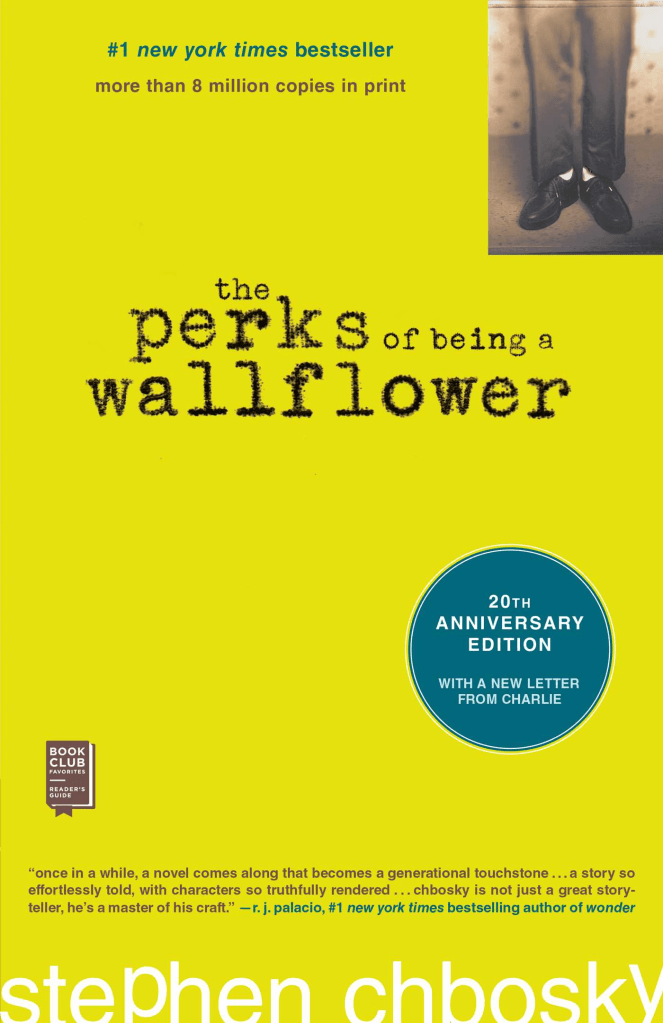
The Perks of Being a Wallflower – Stephen Chbosky Sparklehorse is no “Something,” but the crushing weight of depression and self-loathing comes across similarly.

“Girl from Germany” – Sparks

I’d heard bits and pieces of Sparks before, but like “Future Teenage Cave Artists” last week, I have Horsegirl and their episode of What’s In My Bag? to thank. Love those pretentious (affectionate) weirdos.

It seems I’ve only gotten through one strand in the massive haystack in terms of the INCREDIBLY prolific career of Sparks, which started in 1967 (under several different names) and had its most recent entry last year. Edgar Wright made a documentary about their musical exploits, and the list of artists they’ve influenced seems to span an infinite number of genres, all the way up to Horsegirl in 2023. So, having only heard two of their songs (including this one): hats off to you guys, really! Being that flagrantly weird for almost six decades is nothing short of impressive, and I can’t help but admire their musicianship in that regard.

“Girl from Germany” scratches my eternal itch for early-’70s glam rock, although it’s not all glam—it’s more glam in the sense that Brian Eno was glam at the same time, not quite like Bowie or Bolan were glam. Squeaky-clean, warm guitars as far as the eye can see and a healthy dose of theatricality cloaks this track make for a song that’s deliciously meticulous in every aspect. Russell Mael affects high-pitched vocals that wouldn’t be out of place in The Rocky Horror Picture Show while Ron Mael’s keyboard melodies glitter like light reflected off a glass of wine. And like Brian Eno, they used such a theatrical machine to touch on touchy subjects—in this case, in the climate of the early ’70s, bringing home a German girl to relatives who were mired in the horrors of World War II: “Well, the car I drive is parked outside, it’s German-made/They resent that less than the people who are German-made.” Even if every affectation is theatrical to the core, it’s still a prejudice that resurfaces today—assuming that any given person is an extension of the government and horrors of their homeland, and having to grapple with the cultural fallout of such a simple gesture of love.

…AND A BOOK TO GO WITH IT:

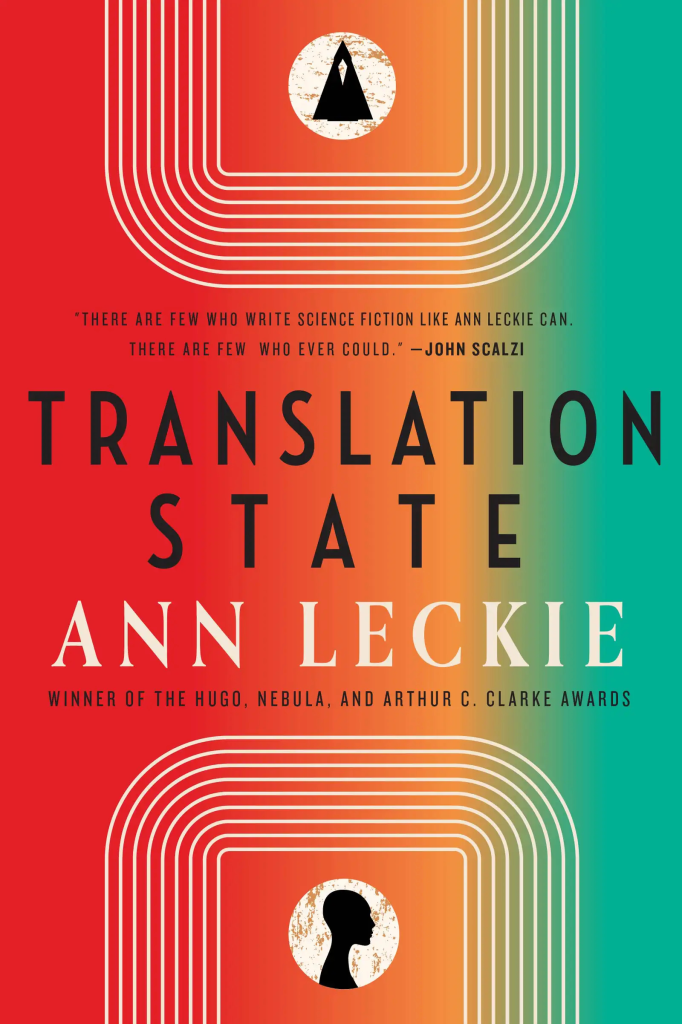
Translation State – Ann Leckie – cross-cultural confusion and characters with heart.

“Hideaway” – The Olivia Tremor Control

Having only heard one song (this one) from Black Foliage: Animation Music, I’ve already logged it into my slipshod mental list of album titles that perfectly describe the music they contain. The Olivia Tremor Control have always been masters of musical density, making soundscapes that unfold like intricate pop-up books, each layer of noise a painted paper cutout in an endless jungle. “Hideaway,” so far, is the pinnacle of that density; with each successive strain of woozy, turn-of-the-century homage to ’60s psychedelia, you’re pulled into a lush forest of plants that unfold just enough to let the tiniest slivers of light through. It’s not just the black foliage that hits the mark so fittingly—the “animation music,” as Will Cullen Hart called it, is “all the stuff floating around…To me, that’s what [animation music] is: sort-of a sound and space, personified—just flying around to greet you in a friendly way.” All at once, the xylophone chimes and trumpet blasts give “Hideaway” the feel of both the colored-pencil animations in Fantastic Planet and the bouncing characters in Schoolhouse Rock!, a papery and breathless expedition into a darkened forest of cartoonish proportions.

…AND A BOOK TO GO WITH IT:

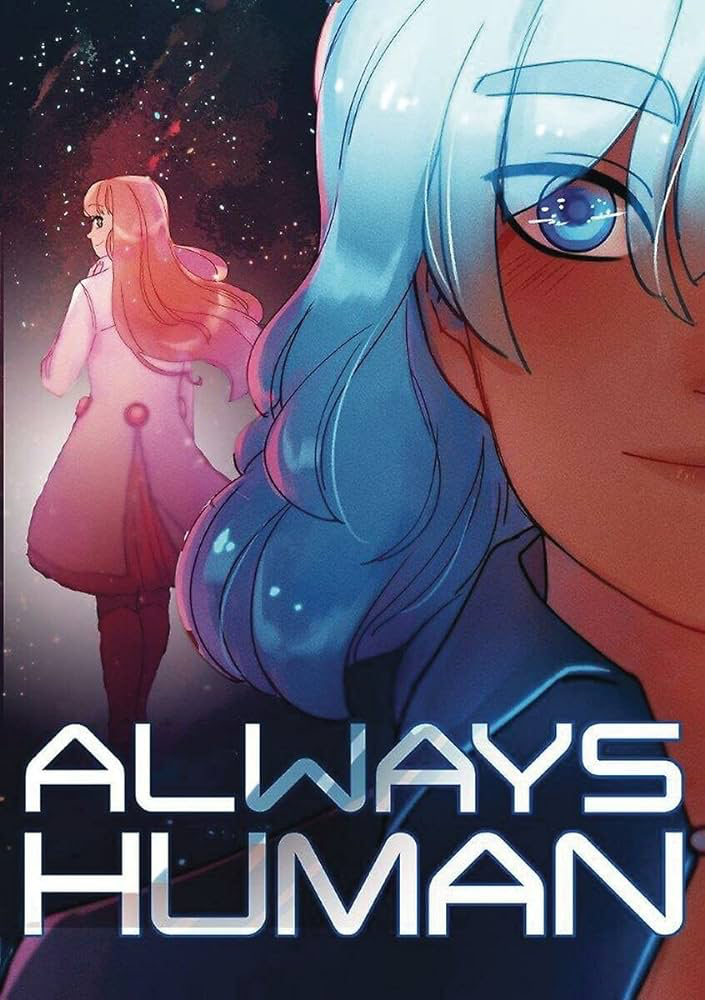
Always Human – Ari North simple, stylized art with vibrant colors—perfect for animation music.

Since this post consists entirely of songs, consider all of them to be today’s song.

That’s it for this week’s Sunday Songs! Have a wonderful rest of your day, and take care of yourselves!

Posted in Sunday Songs

Sunday Songs: 1/7/24

Happy first Sunday of 2024, bibliophiles! I hope the first week of the year has treated you well.

We’re starting off the year with: songs I’ve rediscovered from scattered parts of my childhood, songs that feel like childhood, and more song titles referencing Norway in a single album than anybody bargained for. Certainly not me. Only thought that Kevin Barnes only sprinkled them in three at a time.

Enjoy this week’s songs!

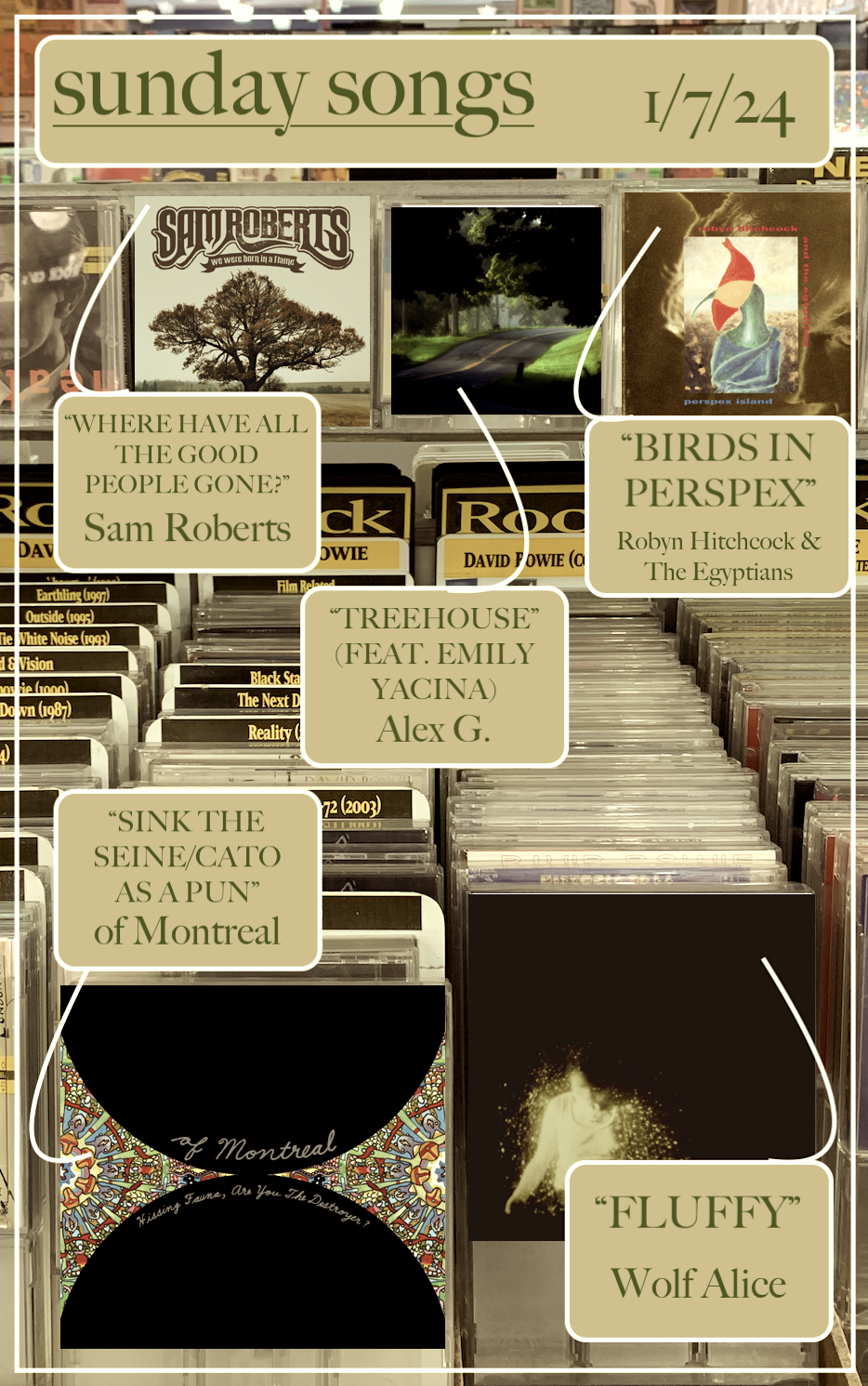
SUNDAY SONGS: 1/7/24

“Sink the Seine/Cato as a Pun” – of Montreal

I don’t know how it took me this long to listen to Hissing Fauna, Are You the Destroyer? given how much of Montreal dominated my taste in my freshman year of high school. Chances are it’s because Radiohead came along shortly after and I never recovered, but it’s still taken me an embarrassingly long time to come back to this album in its entirety. And yes, it’s pretentious as all get out—the album (as well as anything from of Montreal’s catalogue) is full of songs with titles like “Heimdalsgate Like a Promethean Curse,” “A Sentence of Sorts in Kongsvinger” and “We Were Born Mutants Again with Leafling.” (There is a song that’s over 10 minutes long in the mix, how’d you guess?) But aside from the in-built pro that you don’t need to put “of Montreal” after the song titles when you google them (I’d be hard-pressed to find another, completely original song called “Labyrinthian Pomp”), it’s pretentiousness that I can indulge in; there’s no denying that Kevin Barnes is showing off their literary/historical/etc. chops, but it’s both so clever and so catchy that there’s no denying the goodness in it.

Even within an album where almost every title warrants English class-level analysis (and then turns out to be not that deep half the time), there’s always time to dance. (Go back to “Heimdalsgate” and “Sentence.”) If there’s anything that Barnes has mastered in their prolific career, it’s how to make any kind of crisis catchy, be it religious, romantic, existential, or otherwise. I’ve lumped “Sink the Seine” and “Cato as a Pun” together because they’re essentially the same song, but I don’t mean that in a derogatory way at all—although the album is made so that each song smoothly transitions into the other, the brevity of “Sink the Seine” and the underlying themes that bleed into “Cato as a Pun” make it a very singular narrative within the plentiful dirty laundry aired in Hissing Fauna. “Sink the Seine” starts out with an almost fawn-voiced Barnes searching for the person they once knew after distance has grown between them—I’m assuming the Seine they’re referring to is the river, but there’s a desperate drowning that they’re at first willing to do—the impossible task of sinking a river in their quest to find the past in a present form. But by the time “Cato as a Pun” rolls around—and, contrary to the people arguing on lyric websites here and there, is apparently just referring to someone’s cat named Cato—it’s much more bitter and up-front; now, the desperation has grown into wanting this person to “play with [their] head” just to obscure the fact that so much of a gulf has grown between them. Barnes has frequent, literary bangers when it comes to their usually purple prose-y lyrics, but there’s no denying that their talent is no less evident in their undressed lyrics—”What has happened to you and I?/And don’t say that I have changed/’Cause man, of course I have.” Efficacy in getting your message across isn’t a one-way street—just ask Kevin.

…AND A BOOK TO GO WITH IT:

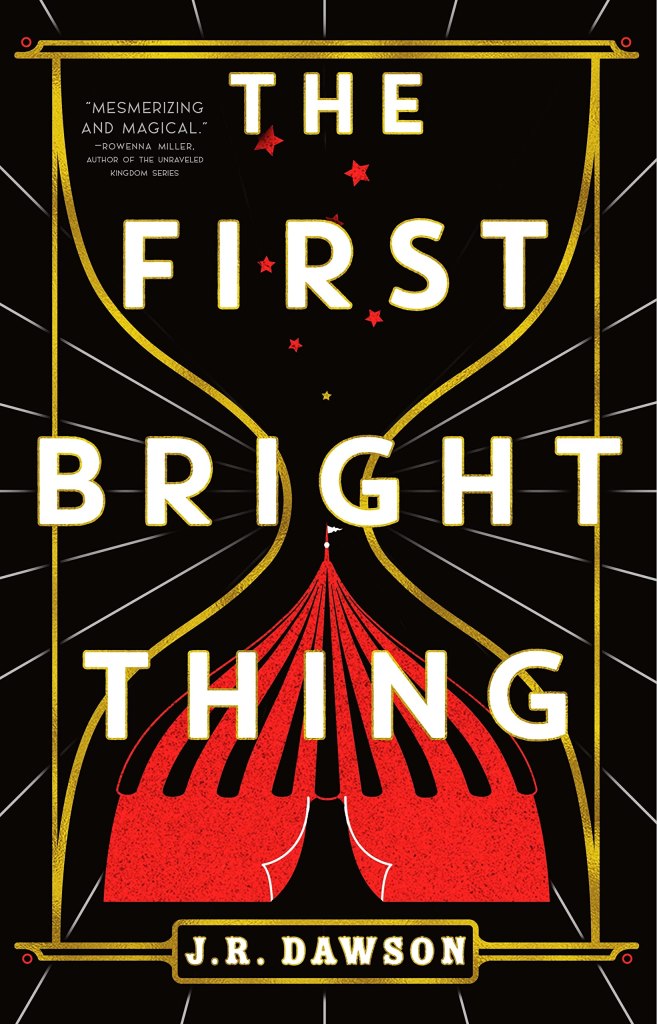
The First Bright Thing – J.R. Dawsonboth of these songs combined bring the complicated relationship between the Ringmaster and the Circus King in this novel—especially the distance and plentiful mind games.

“Fluffy” – Wolf Alice

Nothing like a neutered cat to inspire a song, huh? Or at least the video, at any rate…either way, it’s funny. Pour one out for poor old Fluffy.

I may not be a fan of pop-punk (why does it even exist? It’s like they just said “let’s make punk commercial, even though that’s exactly what punk isn’t supposed to be”), but I’m still a sucker for a loud, screamy song about recklessness and breaking away from the mold. It’s the kind of music that makes for good additions to character playlists. This one’s gonna wind up on one of mine someday, mark my words. Up until this point, my introduction to Wolf Alice was through what seems to be the more disparate ends of their musical spectrum; way back in middle school, I got attached to their indie friendship anthem “Bros” through the radio (and what a joy it was to hear it again in season 2 of Heartstopper), and a few years back, I heard the much more refined, but heavier “Smile,” from their most recent album, Blue Weekend. “Fluffy” is on the heavier side, for the most part, and it feels like one of the better takes on the age-old “I wanna get out of this town” song (see again: pop-punk). It’s got none of the whine that usually comes along with the subject matter, and the jagged, bitter bite that it was missing all along. You really do feel like this song was born in a dilapidated junkyard, or even the rusty back alley that parts of the music video were filmed in. If anyone else did the sarcastic shout of “Sixteen/so sweet!” in the chorus, I’d roll my eyes without a doubt, but Ellie Rowsell gives it the raspy, pent-up rage that many a musician has been going for. And there’s nothing like pounding, crunchy guitars to accompany that. This is angst done right, for sure.

…AND A BOOK TO GO WITH IT:

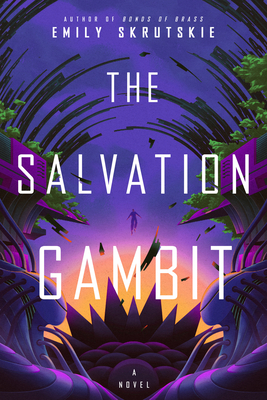
The Salvation Gambit – Emily Skrutskiethe thrill-seeking lyrics, combined with all those crunching guitars, are the perfect fit for Murdock, this novel’s fiery protagonist, in both the past and the present.

“Where Have All The Good People Gone?” – Sam Roberts

Here’s another one I have to thank my dad for—somehow, I find myself missing this song, even though it’s finally in my ears after going so long without hearing it.

“Where Have All The Good People Gone?” was a distant drifter in my childhood—I swear that I have a memory gathering cobwebs in the back of my mind of hearing this song playing from the speaker on our old TV, back when we played our music from my parents’ chunky iPod. And I feel like even if I had known Sam Roberts’ name (and the name of this song) beforehand, I wouldn’t have thought anything of it. Poor dude’s cursed with one of the ultimate “just some guy” names aside from…I dunno, John Smith? When you google his name, this particular Sam Roberts, as far as his solo career is concerned, doesn’t show up until the 5th link. (At least his Sam Roberts Band shows up first. There’s that. Then it’s mostly a radio personality named Sam Roberts??) But it seems like he has plenty of acclaim in his native Canada, so I guess we Americans are most of the ones scratching our heads to try and come up with his name. Even this song didn’t pop out to me as familiar until I heard him sing the chorus—”where have all the good people gone?” And then it clicked. Random childhood memory that I didn’t even know that I’d stored: accessed. Elvis Costello was the comparison that immediately came to mind—it certainly has a much more distinctly 2000’s indie/folk-rock flavor, but lyrics like “Oh, the Milky Way/Has gone a little sour/The leaves dried and the flower fell away” or “The modern world is a cold, cold world/And all I meet are cold, cold girls” (maybe you’re the problem? Kidding, but…) just reek of that practiced tightness that Costello represents for me. But as opposed to the smart suits and sunglasses of Costello (or…the green shirts, even),”Where Have All The Good People Gone?” is all stomping boots, jean jackets, and patches of dust, and not in the country pastiche kind of way. It has no trouble feeling exactly how it wants to feel.

…AND A BOOK TO GO WITH IT:

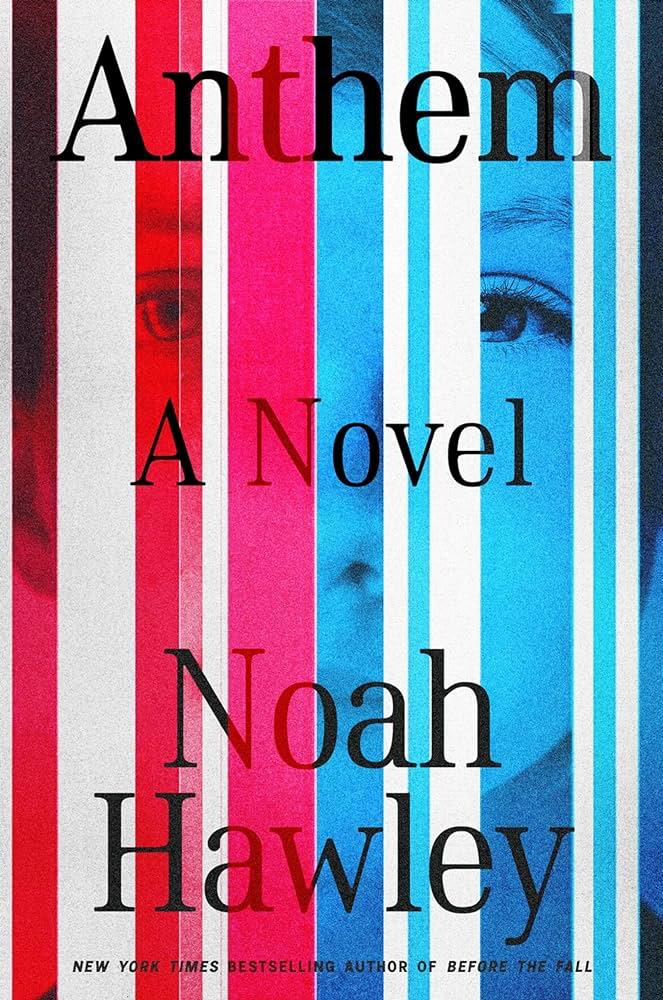
Anthem – Noah Hawleythis book is decidedly leagues more bleak and fatalistic than Sam Roberts seems to be, but at its core, it asks the same question: where have all the good people gone?

“Treehouse” (feat. Emily Yacina) – Alex G.

Somehow, this didn’t surface in the weeklong period in early 2020 where I ferreted through a few Alex G songs on a whim and then forgot about him. He’d always been a specter on my Apple Music—every time I went back to Car Seat Headrest, he was always lurking there in the “similar artists” bar. What I’ve listened to of his sort of gleans that comparison, but from the looks of it, his earlier stuff seems more reminiscent of Car Seat Headrest. Thus why I’m almost a little scared to get in too deep with his music, after the irreparable change in my brain chemistry that happened when I first heard “Drunk Drivers/Killer Whales” on the radio when I was 13. I’m an adult now, I doubt I can have that kind of pure, concentrated angst keeling me over without major consequences…

Yet in spite of all that, this song is one of the most calmingly innocent things I’ve encountered in the past few months. I don’t know how much of it is because Alex G himself isn’t fully at the wheel—all of the vocals are sung by Emily Yacina, and from my limited scope of Alex G, I feel like his flat, indie drawl doesn’t quite fit with the playful, childlike quality of this song, but I guess he recognized that enough to put this song in Yacina’s hands. Somehow, the bedroom construction of this song—nothing but synths and drums machines—distorts Yacina’s voice in such a way that she sounds like she has braces, which makes the song feel even more like a vignette of childhood—”What do you think of my treehouse?/It’s where I sit and talk really loud/Usually, I’m all by myself.” It makes me feel like there should be a slightly off-putting Tim Burton character (probably voiced by Winona Ryder) inviting you into her treehouse and playing games with you; it’s easy to get the feeling that the character in the song is eager to have any kind of friendship. It’s pure, but never in a saccharine way—it’s like someone put some footage from a home video into song, just kids running off into the woods and playing with sticks.

…AND A BOOK TO GO WITH IT:

I love this part – Tillie Waldenlike Jay Som, Tillie Walden’s style of beauty in simplicity lends itself to this kind of doe-eyed bedroom pop.

“Birds in Perspex” – Robyn Hitchcock and the Egyptians

I’m not about to rescind my statement about how of Montreal’s quirky song titles make them much easier to search on YouTube, but they’re not the only ones. Again, I ask: who else has made a completely original song called “Birds in Perspex”?

Over the past few months, I’ve been picking up Robyn Hitchcock songs here and there in an attempt to school myself before I see him at the end of the month (!!). Most of what I end up skimming around, save for his more recent material (he’s been consistently cranking out music with various bands and as a solo artist since the ’70s…absolutely prolific king), ends up turning up as some nostalgic tidbit from my childhood that I’d entirely forgotten about. Riffling about his catalogue almost feels like I did when I was a kid looking for bugs in the yard—there’s something odd and wonderful hidden under every rock. Take “Birds in Perspex.” I clicked on it on iTunes just because of the oddball title, but I didn’t expect for the full force of miscellaneous childhood car rides to come speeding back at me. Like my faint recollection of “Tender” before I heard it again in high school (for at least a decade, all I remembered was the “come on, come on, come on/get through it” part), the tiniest slice of the chorus had been bonking around in my head on and off for years—I recognized “Birds in Perspex” the minute I heard “come alive” in the chorus. Just like most of his songs, there’s a charmer’s whimsy about it that, it seems, has never faded with age; behind the glossy, folky strumming, Hitchcock immediately admits that “Well I take off my clothes with you/But I’m not naked underneath/I was born with trousers on.” Y’know. Just another day at the office. Presumably after a rather eventful encounter with Balloon Man. As the song goes on, it’s so bizarrely romantic that you feel like you’d be seduced if he’d written this song about you. Robyn Hitchcock has the kind of voice fit for a black turtleneck. a cigarette, and love notes stuffed with rose petals, but I’m honestly so much more glad that he stuck with his whimsical weirdo style.

…AND A BOOK TO GO WITH IT:

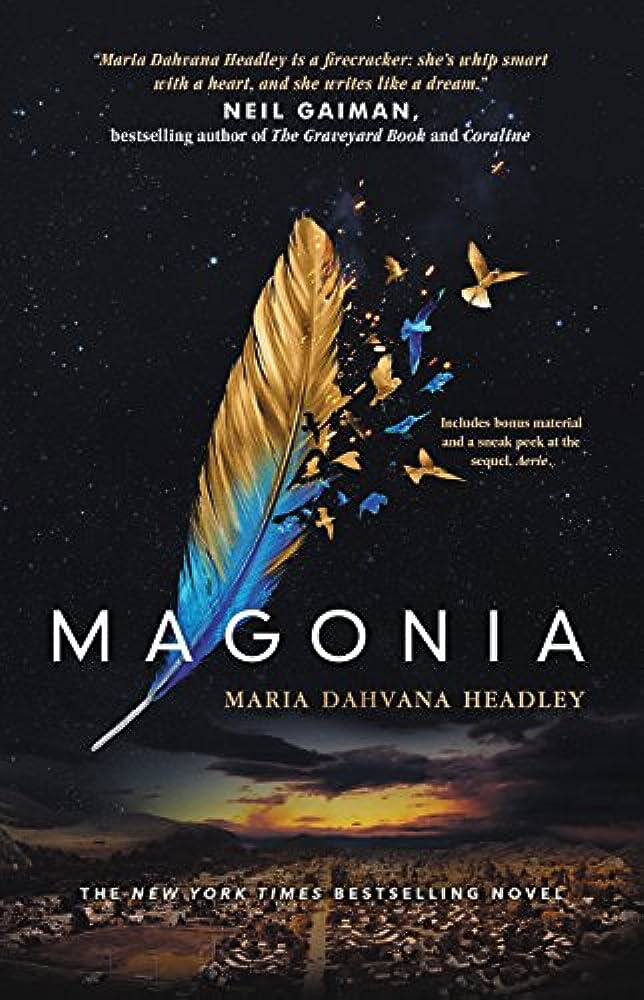
Magonia – Maria Dahvana Headleyan equal amount of confident weirdness and birds to Hitchcock and co. Also, giant bats.

Since this post consists entirely of songs, consider all of them to be today’s song.

That’s it for this week’s Sunday Songs! Have a wonderful rest of your day, and take care of yourselves!

Posted in Weekly Updates

Weekly Update: November 23-29, 2020

Happy Sunday, bibliophiles! I hope this week has treated everybody well. Only one month left in 2020…we can do it…

My Thanksgiving Break was this week, and luckily, only one of my teachers assigned homework, and I was able to get it done last weekend, so that was really nice. I had a lot of time to relax–I picked my Radiohead puzzle back up (I hit a wall with it in October, so I figured that now would be a good time to resume it), and watched Annihilation (AAAAAAAAH), I’m Thinking of Ending Things (excuse me while I internally write a 17-page essay on that one), and the newest episode of Fargo. Thanksgiving dinner was delicious, even though we didn’t have anyone over. And we just got our Christmas tree yesterday, and it smells so nice…🥺

And NaNoWriMo’s almost over! It feels like it’s gone by so fast…but hey, I’m on track to finish my 35,000 words very soon!

I’ve had a bit of a reading slump this week, though…after Clap When You Land, I’ve had a mostly disappointing library haul. So chances are, my Book Review Tuesday next week will *probably* be a bit of rant review…sigh…

But hey, I finished my 2020 Goodreads Reading Challenge! 250 books!

Top 30 Done GIFs | Find the best GIF on Gfycat

WHAT I READ THIS WEEK:

I love this part–Tillie Walden (read twice) (⭐️⭐️⭐️⭐️⭐️)

I Love This Part: Hardcover Edition: Walden, Tillie: 9781910395325:  Amazon.com: Books

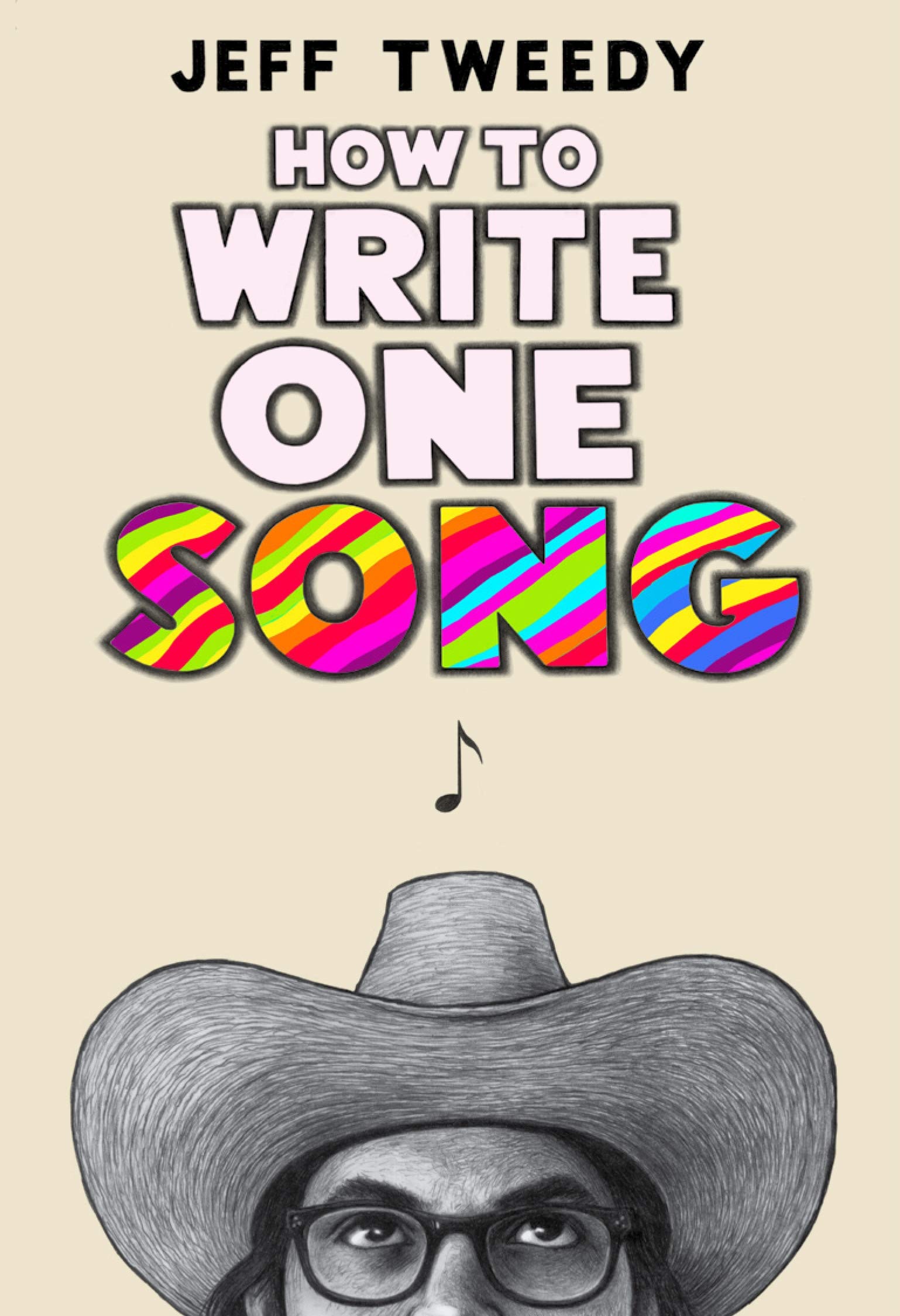
How to Write One Song: Loving the Things We Create and How They Love Us Back–Jeff Tweedy (⭐️⭐️⭐️⭐️)

How to Write One Song: Loving the Things We Create and How They Love Us  Back: Tweedy, Jeff: 9780593183526: Amazon.com: Books

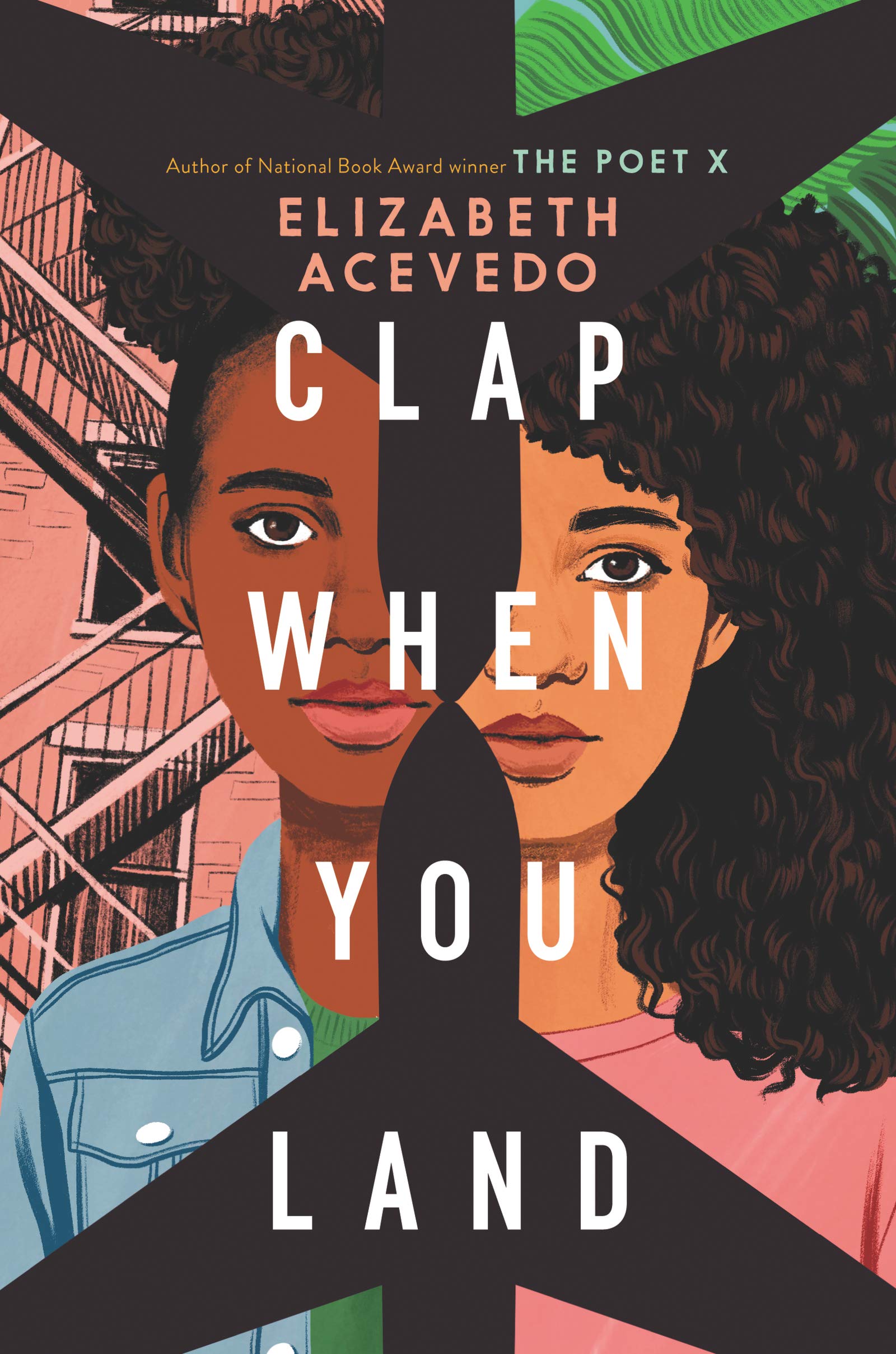
Clap When You Land–Elizabeth Acevedo (⭐️⭐️⭐️⭐️)

Amazon.com: Clap When You Land (9780062882769): Acevedo, Elizabeth: Books

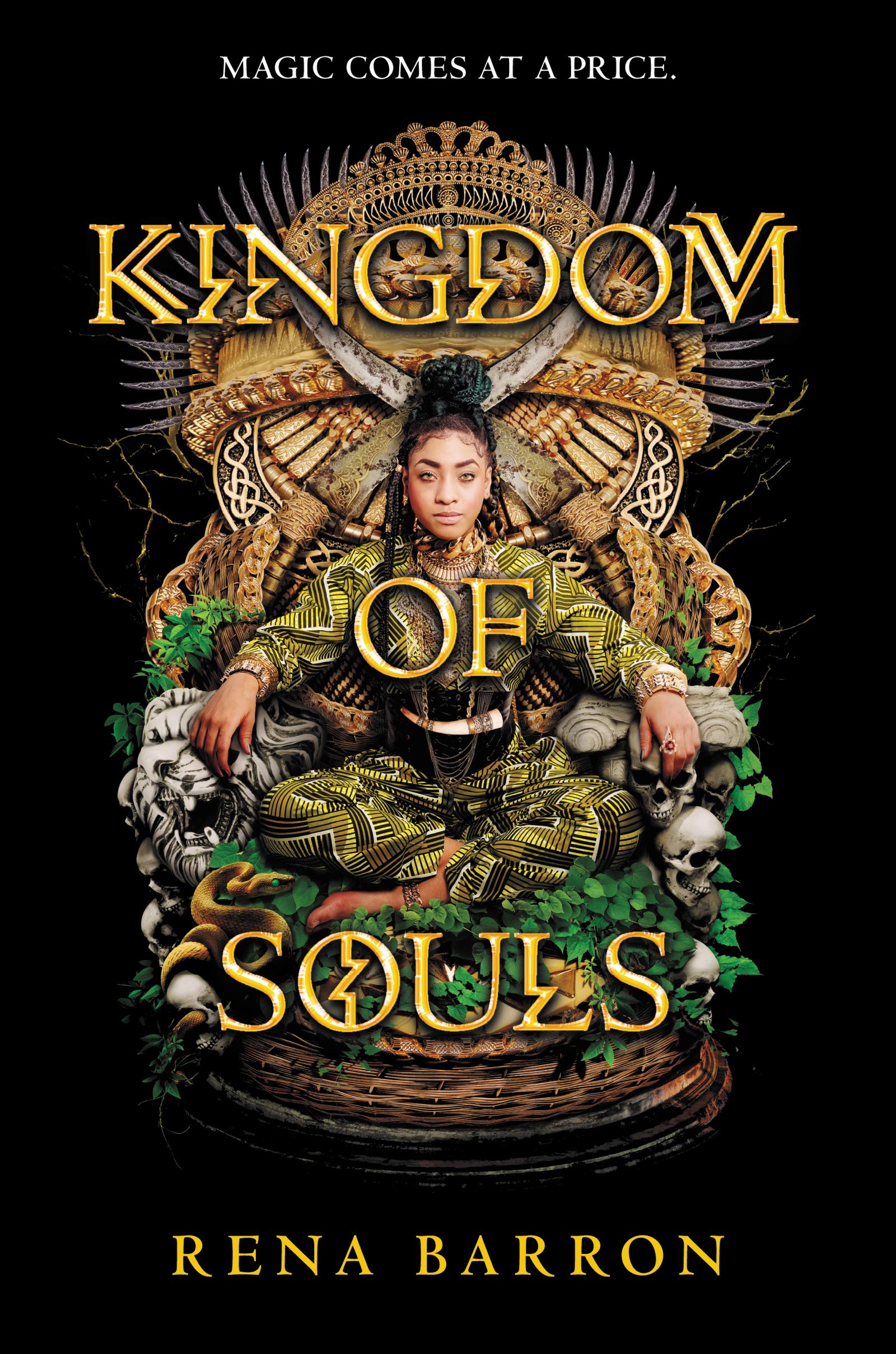
Kingdom of Souls–Rena Barron (⭐️⭐️)

Amazon.com: Kingdom of Souls (9780062870957): Barron, Rena: Books

Music from Another World–Robin Talley (⭐️⭐️⭐️⭐️)

Music from Another World by Robin Talley

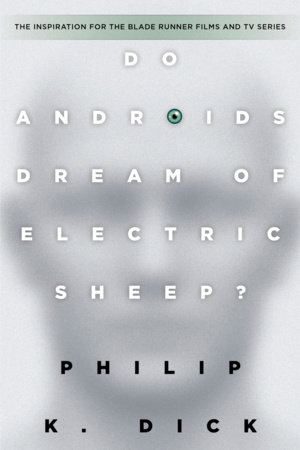
Do Androids Dream of Electric Sheep?–Philip K. Dick (⭐️⭐️)

Do Androids Dream of Electric Sheep? by Philip K. Dick: 9780345404473 |  PenguinRandomHouse.com: Books

Six Angry Girls–Adrienne Kisner (⭐️⭐️.5)

Six Angry Girls by Adrienne Kisner

POSTS AND SUCH:

SONGS:

CURRENTLY READING/TO READ NEXT WEEK:

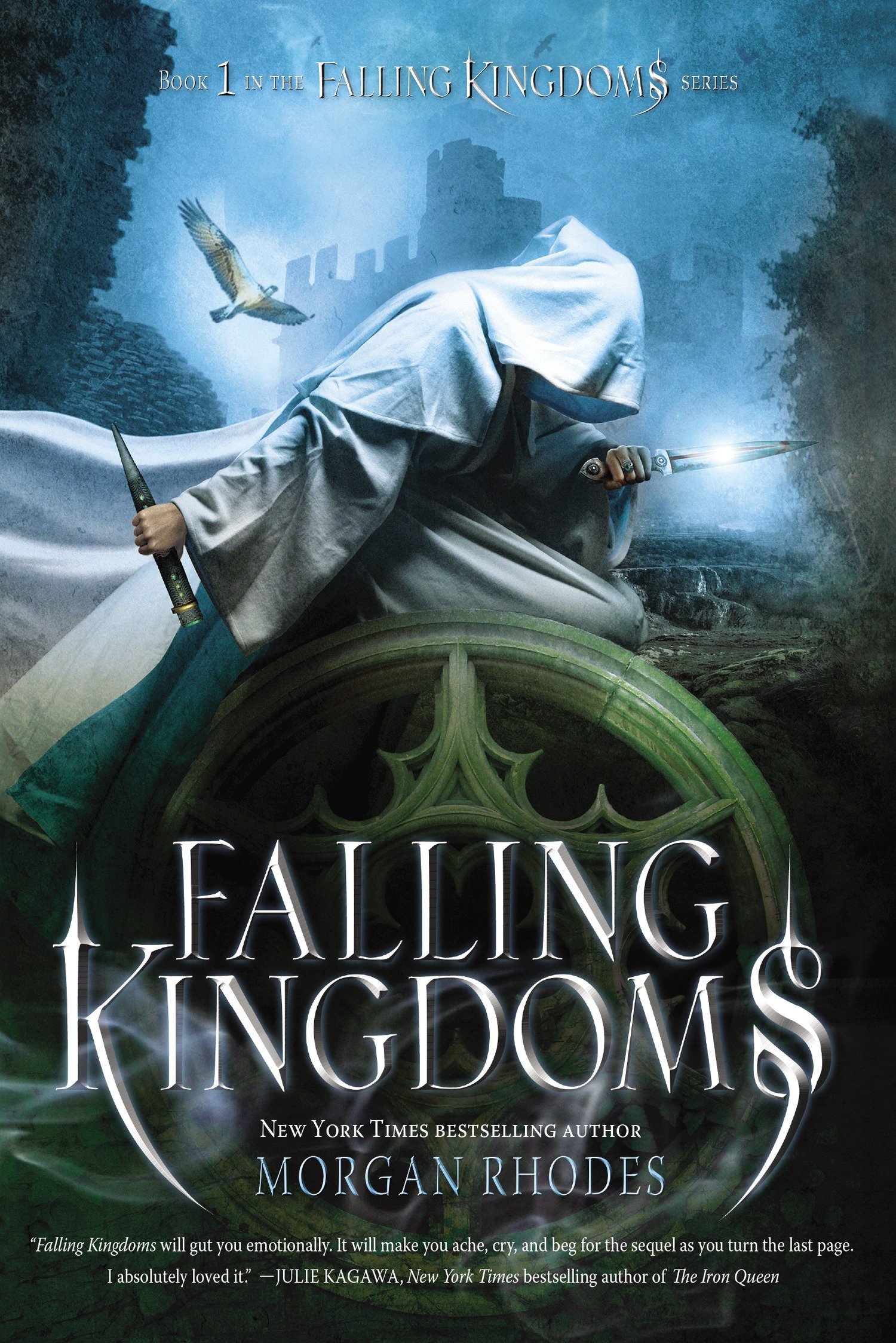
Falling Kingdoms–Morgan Rhodes

Amazon.com: Falling Kingdoms: A Falling Kingdoms Novel (9781595145857):  Rhodes, Morgan: Books

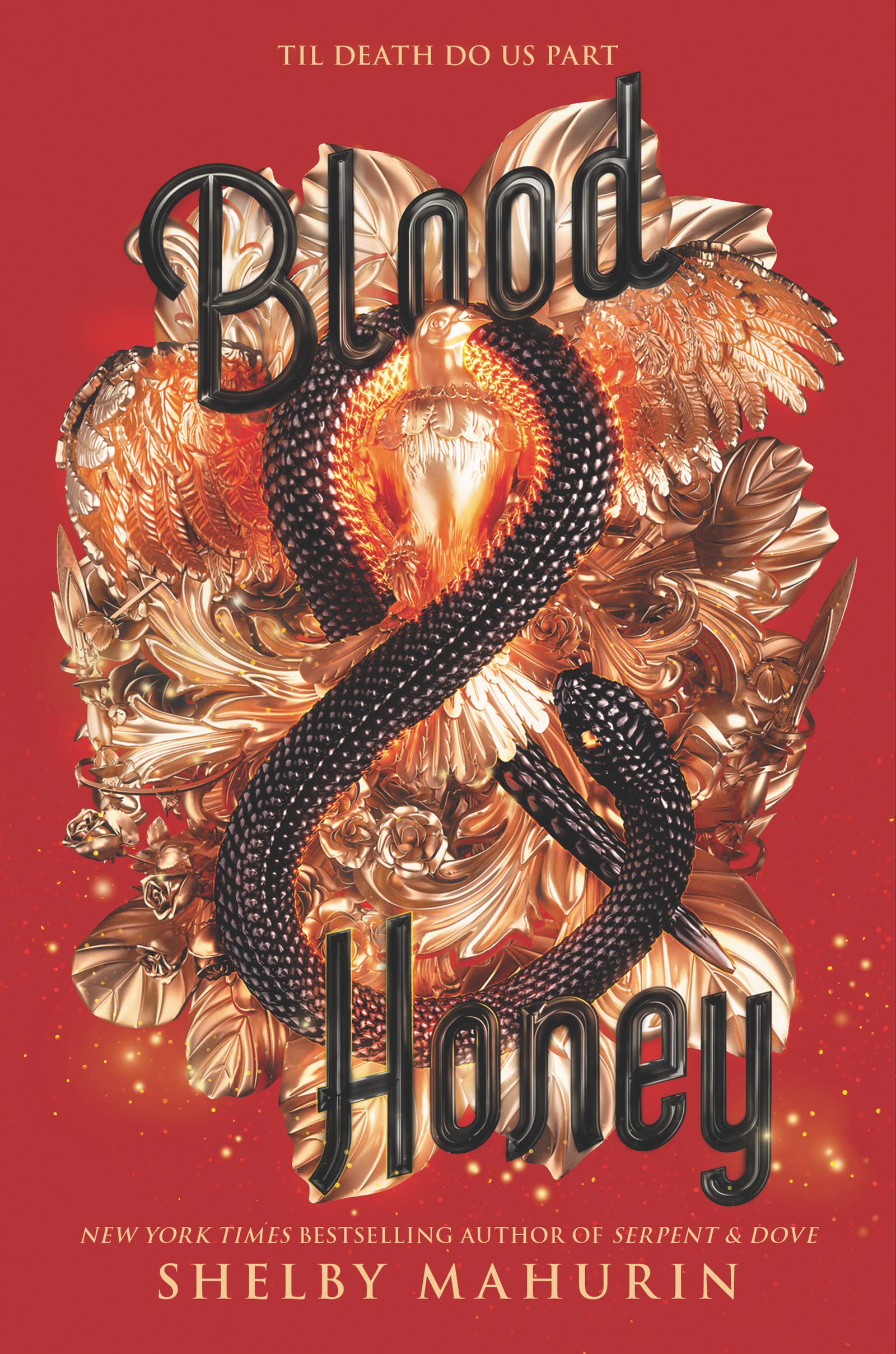
Blood & Honey (Serpent & Dove, #2)–Shelby Mahurin

Amazon.com: Blood & Honey (Serpent & Dove) (9780062878052): Mahurin,  Shelby: Books

The Candle and the Flame–Nafiza Azad

Amazon.com: The Candle and the Flame (9781338306040): Azad, Nafiza: Books

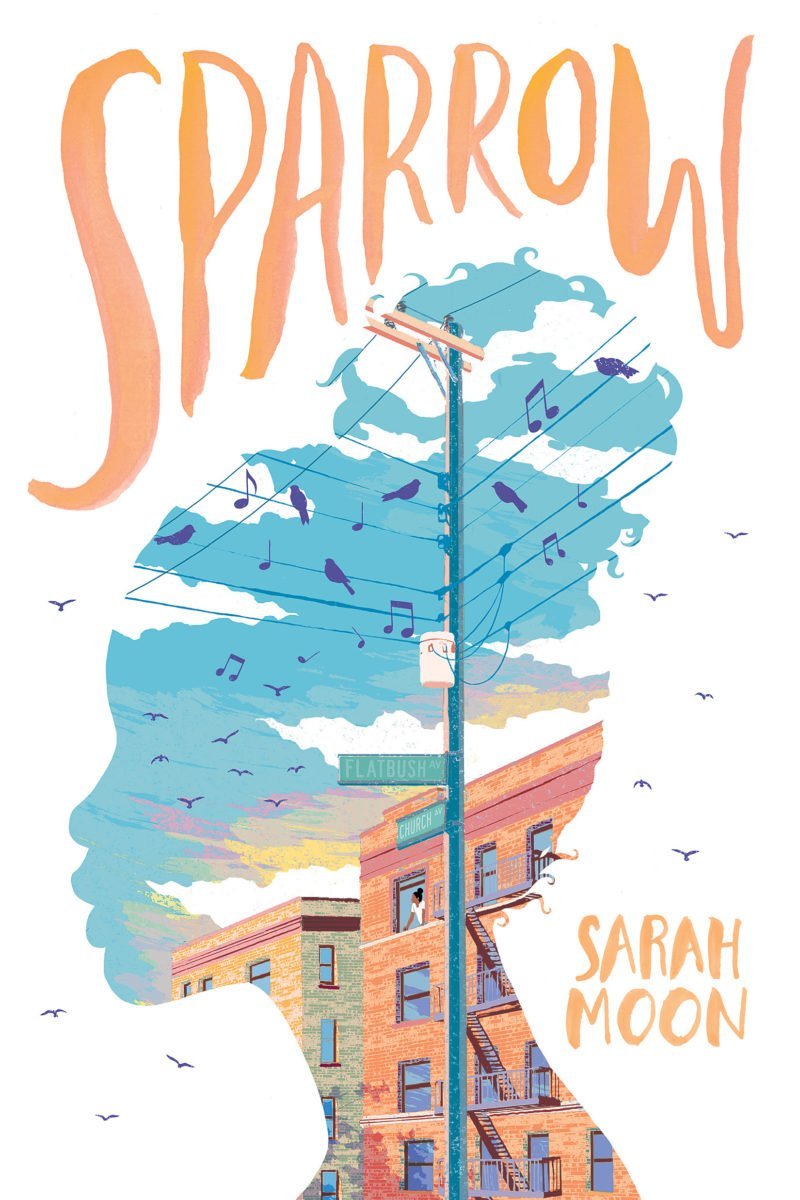
Sparrow–Sarah Moon

Amazon.com: Sparrow (9781338032581): Moon, Sarah: Books

Today’s song:

“Submarine”–The Dook

That’s it for this week in blogging! Have a wonderful rest of your day, and take care of yourselves!
Posted in Book Review Tuesday, Books

Book Review Tuesday (11/24/20)–I love this part

Happy Tuesday, bibliophiles!

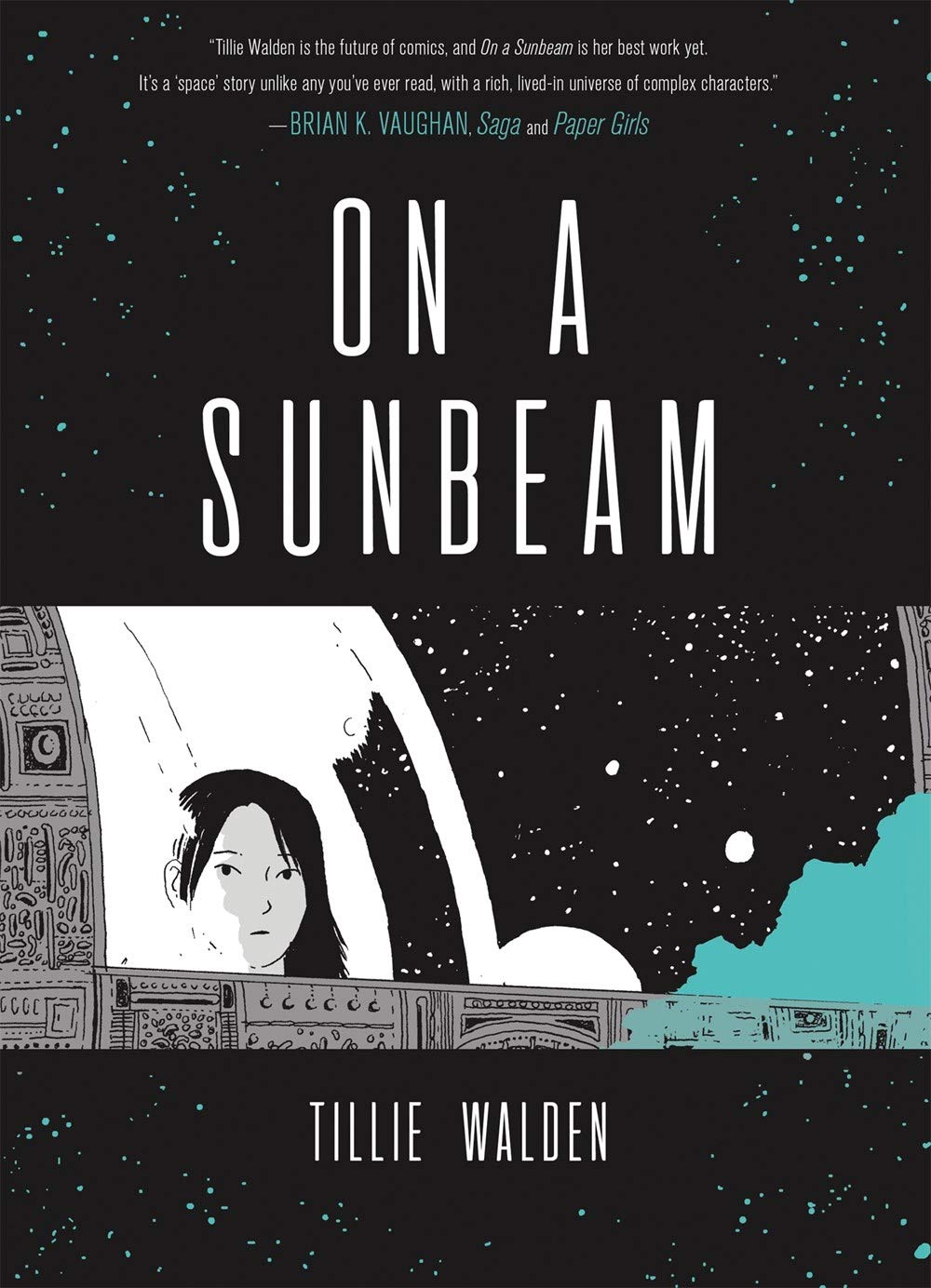
Ever since I read and adored On a Sunbeam back in August, I’ve had all the Tillie Walden I can get my hands on put on my holds or for later shelf at the library. I figured I needed some more Walden in my life for Thanksgiving Break, so I checked this one out. Even though it only clocks in at about 68 pages, I love this part is filled with so much raw emotion and heart.

Enjoy this week’s review!

I Love This Part: Hardcover Edition: Walden, Tillie: 9781910395325:  Amazon.com: Books

I love this part–Tillie Walden

my library copy, ft. an interesting filter and some gingerbread tea ☕️

Two girls, unnamed in a rural town, realize that they have a shared love of music. They gravitate towards each other, and slowly but surely, their friendship develops into something more. But when their relationship begins to crack, they drift apart–but it may be the thing that brought them together that might mend their relationship once more.

In Review: I Love This Part by Tillie Walden – downthetubes.net
art by Tillie Walden. This quote hit me really hard.

Now that I’ve read four of Walden’s graphic novels, I can say with certainty that there hasn’t been a single miss in her catalogue so far. I love this part is no exception–it’s not every day that so much authentic love and emotion can fit perfectly in the span of only 68 pages.

Walden’s art is always stunning; normally, I usually don’t gravitate towards styles that are more simplistic, but she proves time and again that facial detail isn’t always necessary to convey a wide range of emotion. Her use of color was what stood out to me most in I love this part. Most of the graphic novel is rendered in black and white, but splashed with purple. What stood out about it, though, was that the purple was almost symbolic; in the times that the girls were in love, the purple was present, and when they fell out of love, it disappeared, fading to black and white. But even in the black and white panels, there were still hints of purple, if you looked closely–hinting their love never truly died.

Beyond that, I love this part maps out every aspect of falling in love–the joy, the fear, the heartbreak, the yearning. It’s the kind of book that makes you mourn relationships you’ve never even had, but in the best way possible. It’s raw, it’s honest, and it’s vulnerable, but it also brims with hope and love. And at the center of it all, to have a multiracial, sapphic couple in the starring roles? True beauty.

My only complaint? It was too short.

All in all, a triumphant and vulnerable tale of queer joy, love, and heartbreak that resonated on levels that I didn’t even know were possible. Five stars!

I Love This Part” – Multiversity Comics

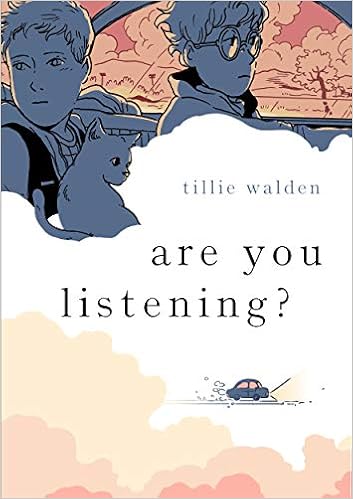
I love this part is a standalone, but Tillie Walden has several other graphic novels out, including On a Sunbeam, Are You Listening?, A City Inside, The End of Summer, and her graphic memoir, Spinning.

Today’s song:

“Pink Lemonade”–Jim Noir (Bandcamp link)

That’s it for this week’s Book Review Tuesday! Have a wonderful rest of your day, and take care of yourselves!
Posted in Book Review Tuesday, Books

Book Review Tuesday (9/1/20)–On a Sunbeam

Happy Tuesday, bibliophiles! I can’t believe it’s already September! All the better, the sooner we get 2020 over with, the better…

But to take your mind off of everything, here’s a review of my most recent 5-star read! I had piled most of Tillie Walden’s graphic novels on my TBR a year or two ago, but after a family friend mentioned Are You Listening?, I looked for everything on my library. On a Sunbeam was available, and I jumped at the chance to check it out. Though I had high expectations, I didn’t expect for it to be such an emotional and atmospheric graphic novel.

Enjoy this week’s review!

Amazon.com: On a Sunbeam (9781250178138): Walden, Tillie: Books

On a Sunbeam–Tillie Walden

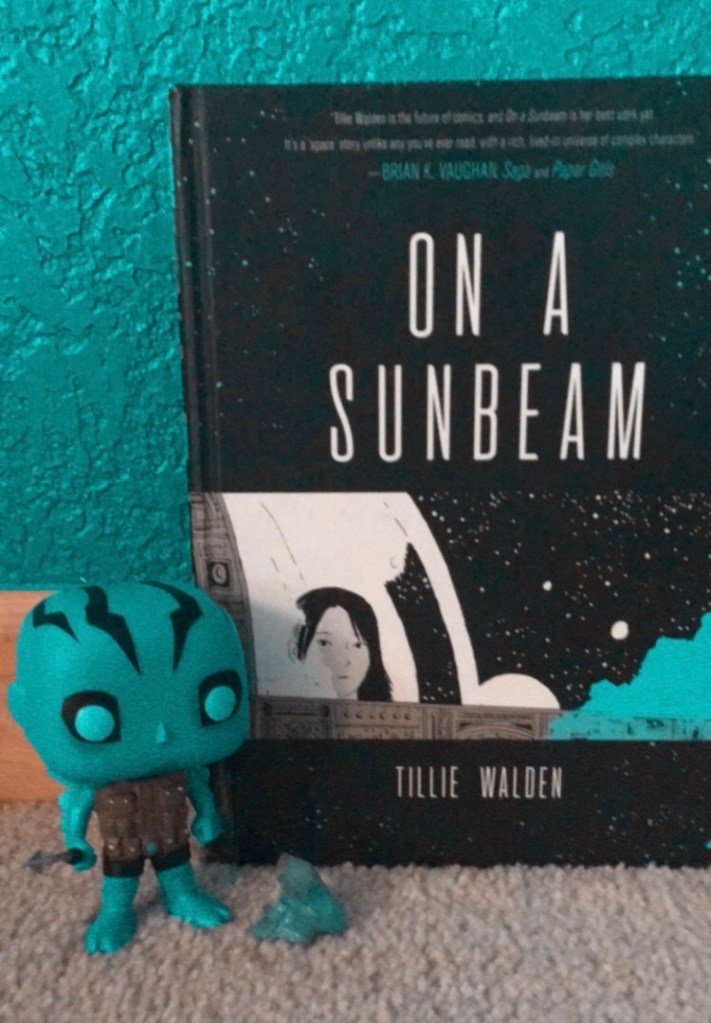
My library copy ft. Abe Sapien and a crystal, because I NEEDED to make all that lovely teal pop

Mia has her reasons for joining the crew of the Sunbeam. It’s an easy job–hopping through the galaxy and restoring structures of all kinds to their original glory. But Mia isn’t here for the money–not completely, anyway.

Her main objective? Find Grace, her long-lost love who she was separated from five years ago. When a job lands Mia and the rest of the crew on Grace’s secretive homeworld, she jumps at the chance to reunite with her girlfriend. But will the rest of the crew be willing to go to such lengths?

Tillie Walden on | Aesthetic art, Art drawings, Cool art
Art by Tillie Walden

On a Sunbeam is the comic equivalent of a Radiohead song; hauntingly beautiful and atmospheric, with a story that will never truly leave your mind. It is “Motion Picture Soundtrack,” it is “Sail to the Moon,” it is “Videotape,” and it is very nearly everything I could ever want in a graphic novel.

I’m not normally a fan of more simplistic art styles like Walden’s, but she makes it work in all the best ways. The character’s facial features are simple, but are able to show such a wide range of expression. There’s so much detail and care put into the backgrounds and settings, with carefully picked color schemes that make for an immersive, lived-in sci-fi world. I kid you not, both the desktop wallpaper of my laptop and the home screen of my phone are both panels from On a Sunbeam now. That’s how much I loved it.

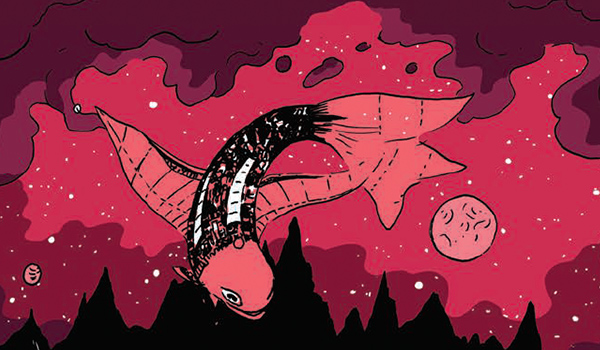
The design of the vast reaches of Walden’s universe is beautifully atmospheric, a sci-fi with a fantastical twist. Each planet that the crew visits is so unique, and I ADORE the design of all of the ships–all inspired by fish! What’s not to love?

On a Sunbeam is a Beautiful Love Story in Space | A Place to Hang Your Cape
WHERE. CAN. I. BUY. ONE.

Beyond the beautiful artwork, On a Sunbeam boasts a tender romance that spans across the stars. It alternates between the past and present fluidly without any confusion, and through both, you come to love the whole cast of characters. And speaking of that cast–there is diversity aplenty here! In the group of main characters, there is not one but two multiracial wlw relationships (including Mia and Grace). Most of the Sunbeam crew is POC (Black, Latinx, etc.), and there’s also a nonbinary character who plays a crucial role. There’s also several background wlw relationships and…not a single man in sight? I simultaneously love that but also recognize that it raises a few questions. Walden makes her cast effortlessly diverse, making On a Sunbeam a tale for the ages.

And now, the moment you’ve all been waiting for…FOUND FAMILY VIBES! The chemistry between Mia and the rest of the crew is impeccable, and I can’t help but adore every single character we come across. Grace was wonderful as well. They were all so distinct, and I managed to love every single one of them.

All in all, On a Sunbeam is a graphic novel that hits all the right spots, whether it be in the worldbuilding, the art, or the characters. Seriously, if you haven’t already read it, you are missing out. 5 stars!
Orson Krennic Star Wars GIF - OrsonKrennic StarWars ItsBeautiful - Discover  & Share GIFs

On a Sunbeam is a standalone, but Tillie Walden has several other graphic novels out, including Are You Listening?, I Love This Part, The End of Summer, A City Inside, and her graphic memoir, Spinning.

Today’s song:

Also, because this was in a meme that brought immeasureable joy to this grim year…

That’s it for this week’s Book Review Tuesday! Have a wonderful rest of your day, and take care of yourselves!