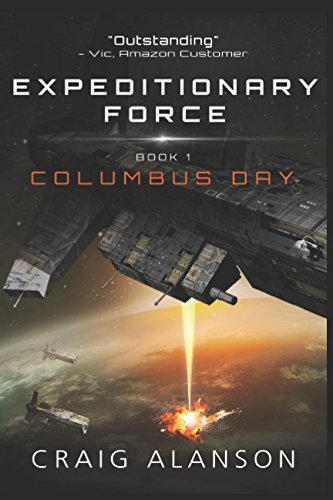
A close friend of mine was the one who recommended this week’s book to me; we’re both sci-fi fans, and she had been listening to this whole series as audiobooks and highly recommended it. Since it was cheap on the Kindle library, I bought it and read it while I was in LA last week. While it certainly wasn’t my favorite sci-fi book I’ve ever read, it wasn’t bad for my first jump into military sci-fi.
Humankind has barely breached outer space, but it’s already in the midst of an intergalactic war.
Caught up in a war between the Ruhar and the Kristang—two alien species with unparalleled interstellar might—Earth creates the Expeditionary Force to fight for themselves on the side of the Kristang, bringing in soldiers from the world’s most powerful militaries to aid in the effort. Joe Bishop, a U.S. army soldier from a sleepy town in Maine, finds himself caught in the conflict when he is whisked off-world to join the Expeditionary Force. Amongst old friends and new enemies, he is entrenched in a war beyond his comprehension. But the more he learns, the more he ponders the question: are humans fighting for the wrong side?
TW/CW: graphic violence, xenophobia, misogyny, sexual content, war, death
I’ve been a fan of sci-fi for years, but I think Columbus Day is one of the only military sci-fi books that I’ve read. (The only other one I can think of might be Ender’s Game, but it’s been a while since I’ve read that one.) After reading this, I wouldn’t say that I was impressed, but I wasn’t fighting the urge to vomit, either. Columbus Day was entertaining, but it got bogged down by a series of flaws that built on top of each other.
Columbus Day largely hinges on the prospect that your average reader knows a substantial amount of military jargon. And there is quite a lot of jargon here; on multiple occasions, I found myself lost in a thick, murky swamp of unexplained slang and technical terms. The same treatment was given to the worldbuilding, which, although it was clearly complex and well thought-out (which was great!), it was delivered in such dizzyingly long chunks that it all felt more convoluted than it was intended to be. The frequent comma splices didn’t exactly help, either. I would’ve gone for a few more rounds of editing on this one.
I found most of the characters to be fairly bland and unlikable, but the one thing I will say in their favor is that they worked as characters in this novel specifically. Joe Bishop was infuriating; he’s the kind of heroic but unknowing everyman who is supposed to appeal to everybody, but falls short big time. There isn’t an original thought that goes through his head, and he’s constantly going on about how “humble” and “down to earth” he is and thinks he’s cooler than everyone else because he can…I don’t know, live off the land, or whatever. He’s a horrible character, to put it lightly, but for this kind of military sci-fi, he almost works. It’s supposed to be centered around soldiers with no control over their lives, so Joe…strangely fits?
The same went for most of the characters; the only depth we got out of any of them (Joe Bishop included) was the prospect of “wait, are we fighting on the right side of this war?” and the concept that nothing is black and white. Most of them came out with the same factory settings, and were then assigned a single personality trait. However, there is one delightful exception to the rule: Skippy! He really stole the show—yeah, he got saddled with all the banter, but the banter was somehow LEAGUES better than any of the other dialogue in the entire rest of the book. I know that it’s way too common for sci-fi to hand all of the comic relief in the entire book to the sassy ship’s AI, but you know why everybody does that? Because it works! And Skippy was certainly a highlight of Columbus Day. Maybe even the best part.
One more thing that I’ll say in Columbus Day‘s favor—it has some pretty solid action scenes. They’re a little drawn out at worst, but Craig Alanson does a great job of throwing in twists and keeping you on your toes when you least expect it. I did enjoy the final battle scene quite a bit, even if there wasn’t a whole lot of substance to it. That’s another thing—Columbus Day is more candy than anything; if you’re looking for a book that muses on the nature of man’s place in the universe or something along those lines, you won’t find it here. But that’s okay! It’s somewhat shallow, but that’s just fine. It’s the perfect book if you’ve just read something heavy and you need something to distract yourself. That’s the merit of these kinds of books—if you’re looking for substance, you’ll be disappointed, so think of it as a 300-page action movie.
All in all, a sci-fi novel that was bogged down with excessive jargon and unlikable characters, but partially made up for it in fast-paced action and sassy AI. 3 stars.
Columbus Day is the first book in Craig Alanson’s Expeditionary Force series, which spans over 12 books (!!) and counting. In addition to Expeditionary Force, Alanson is also the author of the Ascendance trilogy and the Mavericks series, which are Expeditionary Force spin-offs.
Today’s song:
excuse me for a moment [SOBS]
That’s it for this week’s Book Review Tuesday! Have a wonderful rest of your day, and take care of yourselves!
Happy Monday, bibliophiles, and happy first day of November! Can’t believe 2021 is nearly over…
Goodreads Monday is a weekly meme created by Lauren’s Page Turners. All you have to do to participate is pick a book from your Goodreads TBR, and explain why you want to read it.
I haven’t read a whole lot of middle grade in the past few years, but this one caught my eye. I’ve seen a lot of sci-fi books with stranded ships and AI with ulterior motives, but I’m interested to see how it translates to a younger audience!
Let’s begin, shall we?
GOODREADS MONDAY (11/1/21) – ORION LOST by Alastair Chisholm
After a catastrophic Unknown Event leaves the colony ship Orion stranded deep in space, it’s up to thirteen-year-old Beth and her friends to navigate through treacherous and uncharted territory and reach safety. But a heavily damaged ship, a mysterious alien species, space pirates, and an Artificial Intelligence which Beth suspects may be lying to her mean that getting home has never been so difficult.
Hugely gripping, with incredible twists and a fast-paced, action-packed story, this is an unputdownable science fiction adventure – perfect for fans of Mortal Engines and Star Wars.
So why do I want to read this?
Right off the bat, the blurb reminded me a lot of The Loneliest Girl in the Universe; both involve characters who are unexpectedly deserted in the vast reaches of space, faced with the challenge of navigating their way back home by themselves. I’ve seen a lot of YA and Adult sci-fi books with similar plots (I love books like these, full disclosure), but I’ve never seen anything like it in the world of Middle Grade. As 13-year-old Madeline would vehemently attest to, I’ve found that there’s a general dearth of sci-fi—good sci-fi even more so—for elementary to middle school-level readers, so I’m always happy to see something like this pop up on my radar.
Beyond that, every little thing peppered in the synopsis makes me more and more excited to read Orion Lost! Aliens? Shifty AI? Space pirates? Middle school Madeline would’ve been all over this, and I’m all over it now. I’ll have to see if it’s available at the library.
Today’s song:
it’s always a good day when Radiohead releases something new
That’s it for this week’s Goodreads Monday! Have a wonderful rest of your day, and take care of yourselves!
I haven’t done a recommendations post/something other than a book tag or a review in a while, so I figured it would be fun to mix things up a little bit.
Yeah, yeah. I get it. This is a very specific post. But these are the kind of books I love, and I know other people love them too, so I thought I would put this out into the world.
The found family trope is easily one of my favorites in media as a whole; usually, it involves a character, often an outsider, who meets a series of strangers, often outsiders as well, on whatever journey they are on, and these strangers become a family to them. Often, these characters have very different personalities, but their differences are what make them stronger. They come to accept each other no matter what, growing closer than they ever could have imagined. As someone who has been more than a little bit of an outsider over the course of my life, the trope has resonated with me a quite lot; I’m glad now to have found friends that love me for being as weird as I am, and I love them for being weird too. And for those of you who are in the place where I used to be, I promise: someday, you’ll find people who love you and celebrate you for who you are.
In my opinion, sci-fi is the most entertaining genre to see the found family trope in action. Sci-fi has a tendency to throw all of the characters into a life-changing adventure, and if the execution is right, their relationships deepen along the way, making for a tight-knit group of what I love to call “chaotic space misfits.”
Now, the books I’m putting on this list aren’t exclusively space-centric sci-fi. I’ve included a few books from other sci-fi branches, but all have similar found family themes. It’s mostly YA, but I have a few Adult and MG books on the list as well.
So let’s dive in, shall we?
THE BOOKISH MUTANT’S FOUND FAMILY SCI-FI RECOMMENDATIONS
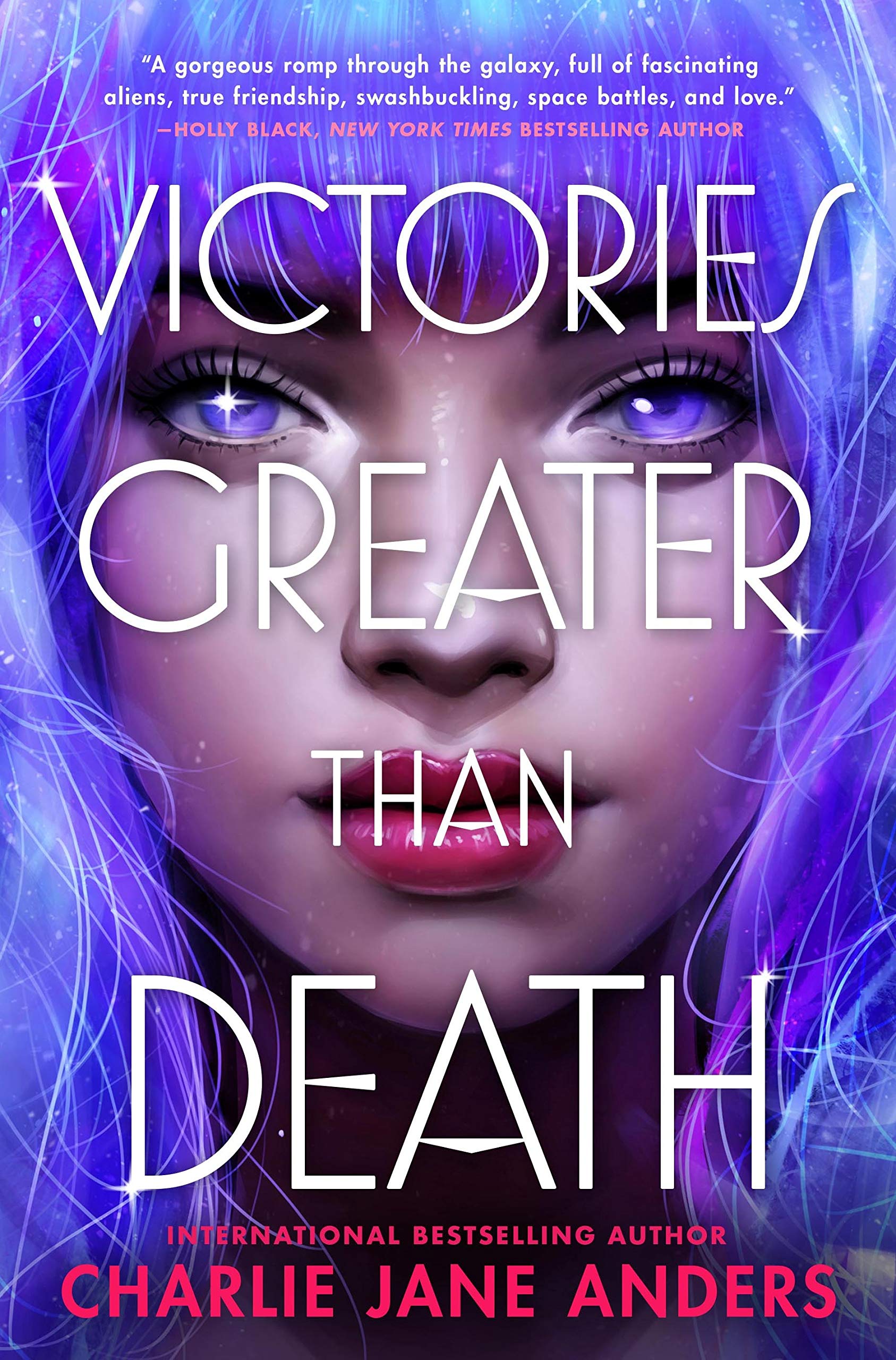
Fast-paced and full of heart, Victories Greater Than Death is a perfect fit for longtime sci-fi fans and readers that are new to the genre! The relationships in this novel are so sweet, and I’m excited to see how they develop in the sequel!
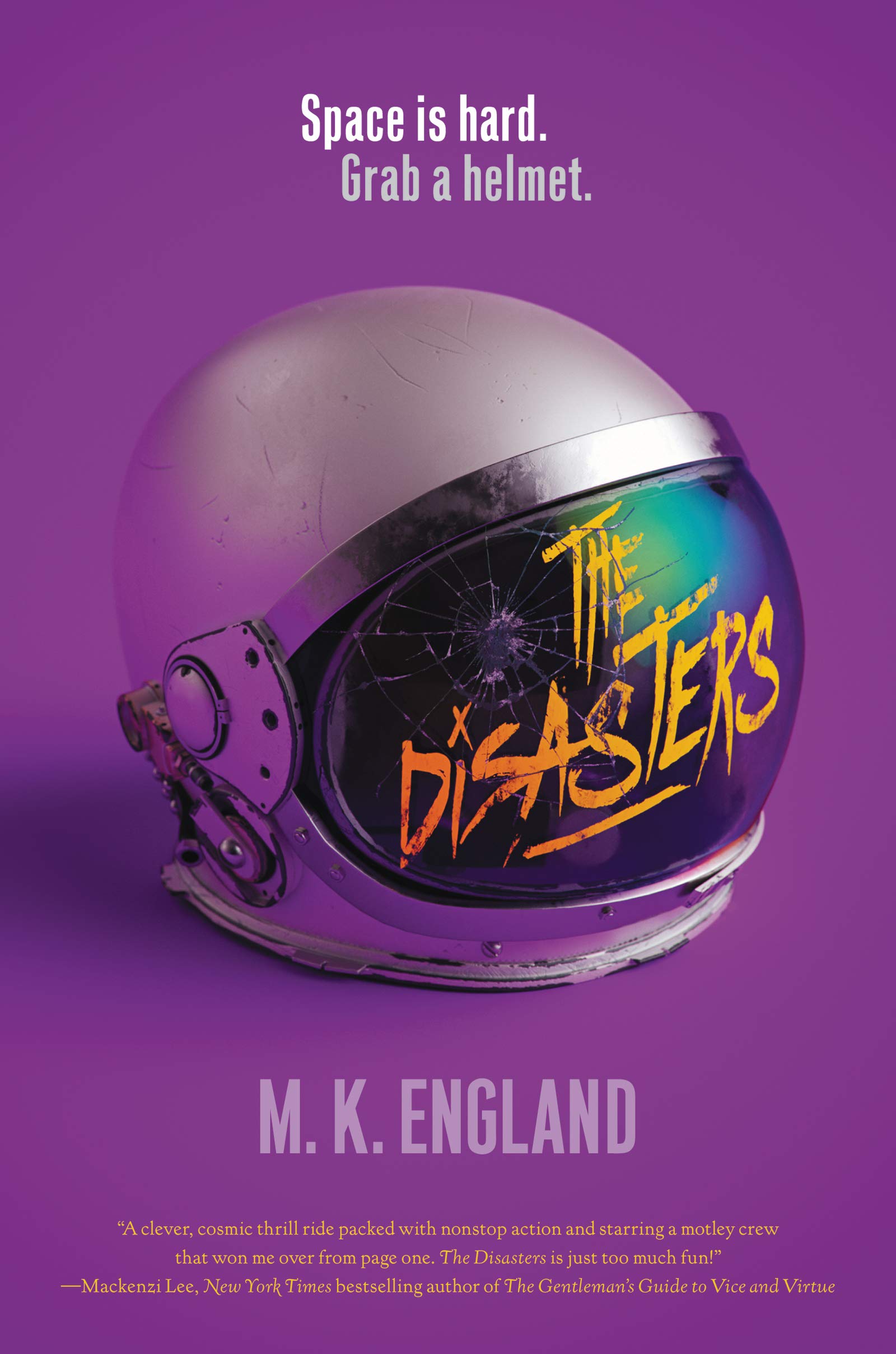
Two YA sci-fi books with purple covers with beautiful and VERY powerful space girls on them? In one post? It’s more likely than you think.
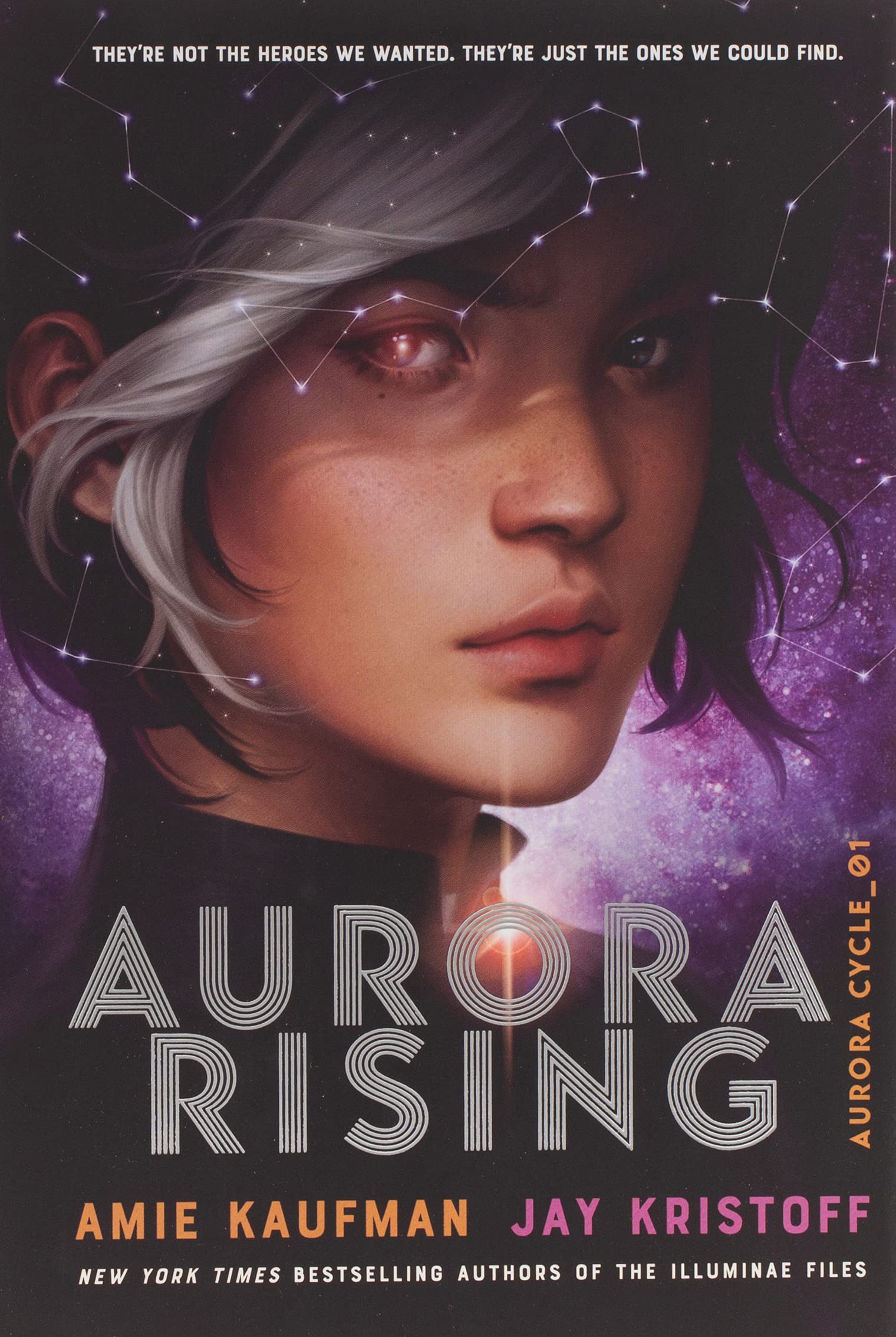
Aurora Rising is, in my opinion, the textbook-perfect example of the found family trope, and both the platonic and romantic relationships within it never fail to make me feel soft and happy inside.
The Disasters is the perfect book for you if you’re a fan of Guardians of the Galaxy-esque characters and banter. This one has action, drama, and misadventures in space aplenty!
Nothing like taking down giant, overpowered robots to bond a couple of people together…
The bonds between all of the characters in Gearbreakers truly shone, and the balance of soft levity, dystopian grit, and brutality were so well-handled!
Continuing on the dystopian train, here’s an action-packed book from one of of my favorite authors! Amidst all of the horror and desolation in Skyhunter’s ravaged world, the relationships between Talin, Red, and the rest of their ragtag gang of Strikers brings hope to a bleak novel. I read it almost a year ago, and it was just the thing that I needed to get through a rough patch in my life.
Looking back, The Search for WondLa wasn’t just my gateway into sci-fi literature—it was probably my gateway to the found family trope as well. This was my favorite series from late elementary school through middle school, and even when I look back through it, I love it just as much as I did when I was younger. Middle school Madeline would be elated to hear that I still highly recommend it; an intricately crafted piece of sci-fi, filled with an immersive world, unique characters, and beautiful illustrations.
Spaceships are often the perfect vehicle for interstellar bonding (and anything interstellar, really), but have you considered…sentient, intelligent spaceships? What’s more fun than having your own spaceship join the found family?
Honor Among Thieves, with its diverse and chaotic cast of characters and intergalactic intrigue, is sure to both capture your heart and keep you on the edge of your seat!
I said earlier that the found family trope often involves the characters bonding over some life-changing adventure, but it isn’t always—and never has to be—the case. It seems to me that Becky Chambers has pioneered the “soft sci-fi” novel, one that’s set in a future universe filled with aliens and strange politics, but there are no cosmic, fate-of-the-world wars or over-the-top conflict. It’s more slice-of-life, but in space. (Oh, look at me and all my hyphens…) Which I love.
The relationships of the crew of the Wayfarer made my heart so happy, and I bet they’ll make you just as happy too!
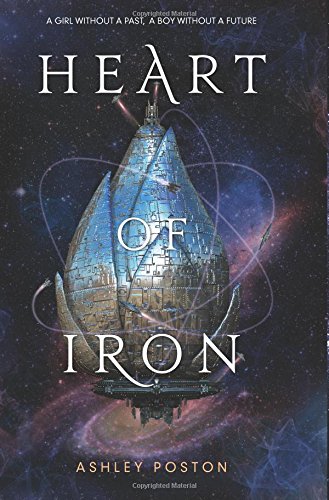
The main cast, along with the rest of the crew of the Dossier are the sweetest, messiest found family, whether they’re human, robot, or alien. If you love retellings, lost chosen ones, and plenty of banter, Heart of Iron is the book for you!
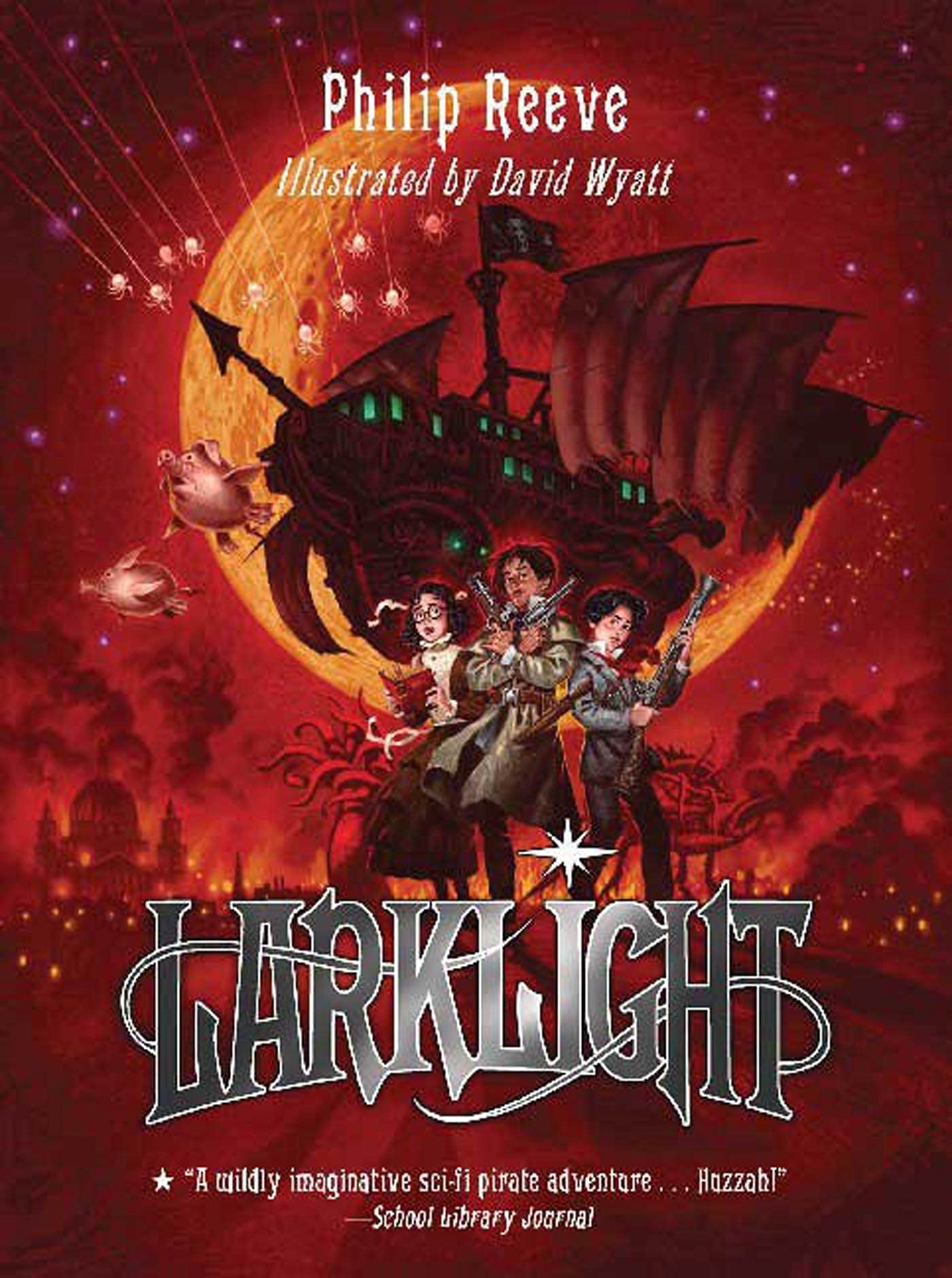
Larklight, from my memory, is imaginative, kooky, and perfect if you’re a fan of steampunk. Never a dull moment if there are pirate ships and floating houses in space, right? Plus, all sorts of odd creatures…
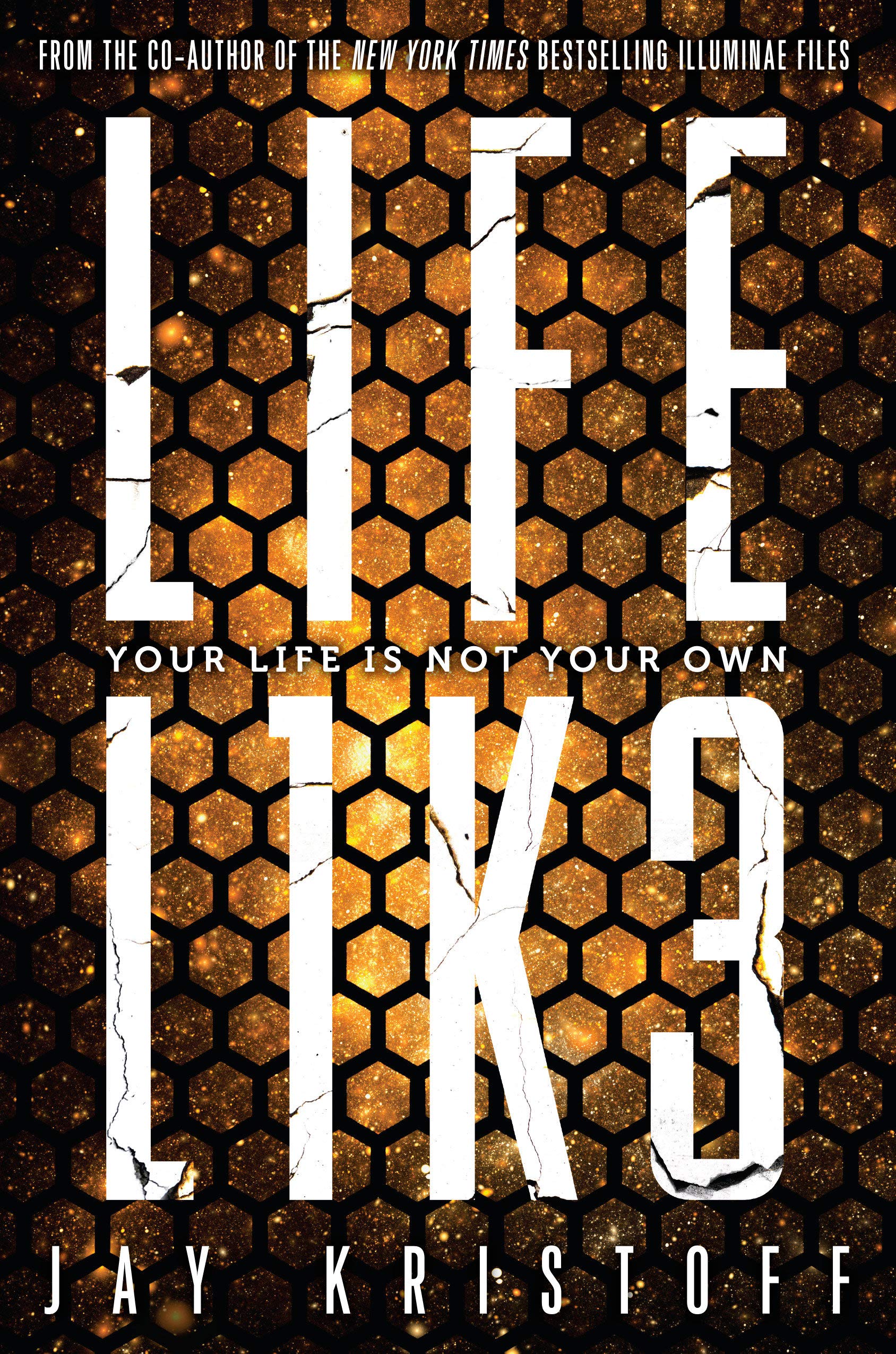
Turning back into dystopian sci-fi, LIFEL1K3 is another fantastic example of a novel that finds the smallest bits of hope in the bleakest (and I mean BLEAKEST) of times. This series HURT me, truth be told, but Jay Kristoff is the master of writing friendships that you want to root for with all your heart.
TELL ME WHAT YOU THINK! What are your favorite books with the found family trope? Have any sci-fi recommendations for me? Tell me in the comments!
Today’s song:
That’s it for this post! Have a wonderful rest of your day, and take care of yourselves!
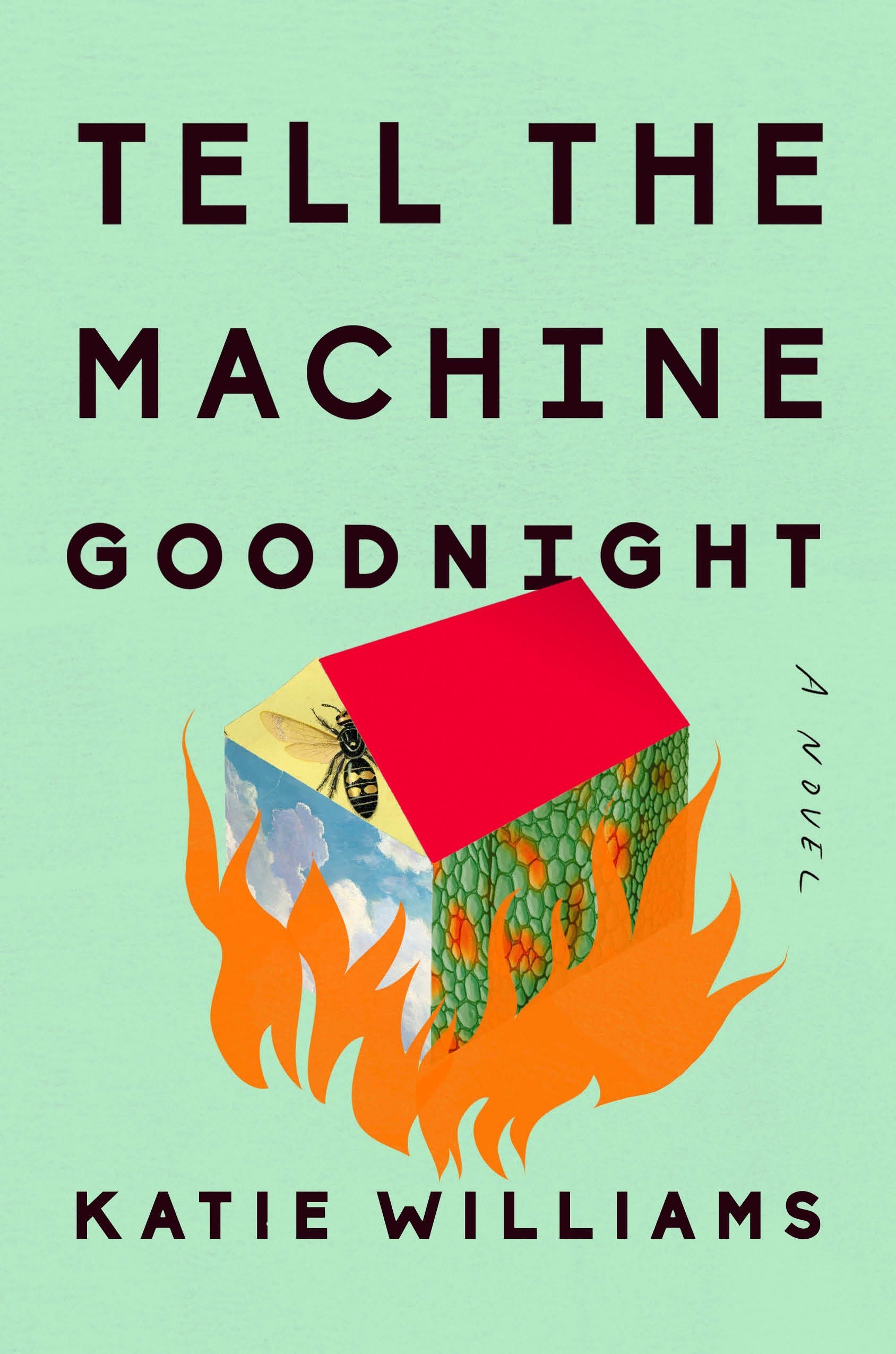
I have my dad to thank for finding the book I’m reviewing today, so thank you! It was in an NPR article that he sent me a month back that talked about the ways that sci-fi literature has changed in the past decade. I’d read or shelved a book or two from the list, but I added Tell the Machine Goodnight after reading it because of how fascinating it sounded. I’m glad to say that I wasn’t disappointed!
In a near-future world, the secret to happiness can be obtained with the click of a button. Apricity is a company that has created a machine that can, with startling accuracy, predict exactly what someone needs to be happy.
Pearl has worked for Apricity for many years, earning her notoriety from her coworkers and her manager. But as she looks out into her life–particularly her teenage son, who rejects happiness above all else–she questions the purpose of the machine. Is “happiness” truly what she sells?
Tell the Machine Goodnight feels like what would happen if Noah Hawley sat down and tried to write a Ray Bradbury novel from scratch. Which is to say, I loved this book.
Everything about this novel felt like a dazzling callback to all of my favorite sci-fi classics. It’s set around 14 years from now, and everything is more or less the same, but there are just some aspects that are fundamentally off. It’s mainly Apricity, among other things, but Katie Williams did a fantastic job of making a world that was simultaneously familiar and unsettling, like something that could feasibly emerge in the next few decades.
I’ve read a lot of reviews that said that they felt that Tell the Machine Goodnight had no plot, but for me, the lack of structure added to the appeal of the narrative. It’s presented as a series of interconnected vignettes of life in Williams’ near-future world, and what society looks like when personalized, surface-level happiness dominates all else. One in particular stood out to me; in one thread, Pearl’s ex-husband creates modern art out of the Apricity suggestions. (One of them was to eat honey, and so he made an art form out of eating honey in excess and then vomiting it out.) Little quirks and stories like these made the world feel all the more fleshed out for me, and I enjoyed every page of it.
To top it off, I firmly believe that good sci-fi should make the reader think, and Tell the Machine Goodnight nails this right on the head! A lot of sci-fi media these days tends to tout that they “comment on the role of technology in our lives,” but I’ve found that very few books/movies/etc. that are advertised as such actually hit the mark. That’s not the case with this novel–it explores some very relevant themes, and does them in creative ways. Throughout the novel, there are themes of the meaning of true happiness, relationships, and our growing reliance on technology that does everything for us. Is computer-generated,temporary happiness truly happiness? It got me thinking, and I’m sure that I’ll be thinking back to it for years from now.
All in all, a modern sci-fi novel that has the feel of a classic and is sure to become a modern classic. 4 stars!
Tell the Machine Goodnight is a standalone, but Katie Williams is also the author of Absent and The Space Between Trees.
Today’s song:
I’M SEEING HER ON THURSDAY NIGHT I’M SO EXCITED
That’s it for this week’s Book Review Tuesday! Have a wonderful rest of your day, and take care of yourselves!
Goodreads Monday is a weekly meme created by Lauren’s Page Turners. All you have to do to participate is pick a book from your Goodreads TBR, and explain why you want to read it.
I put this one on my TBR almost exactly a year ago, and it looks like a fascinating twist on your typical space opera! And if it’s described as being perfect for fans of Star Wars…well, I’ve been led astray by that line maybe one too many times, but I love Star Wars, so I don’t think I’ll stop any time soon.
Let’s begin, shall we?
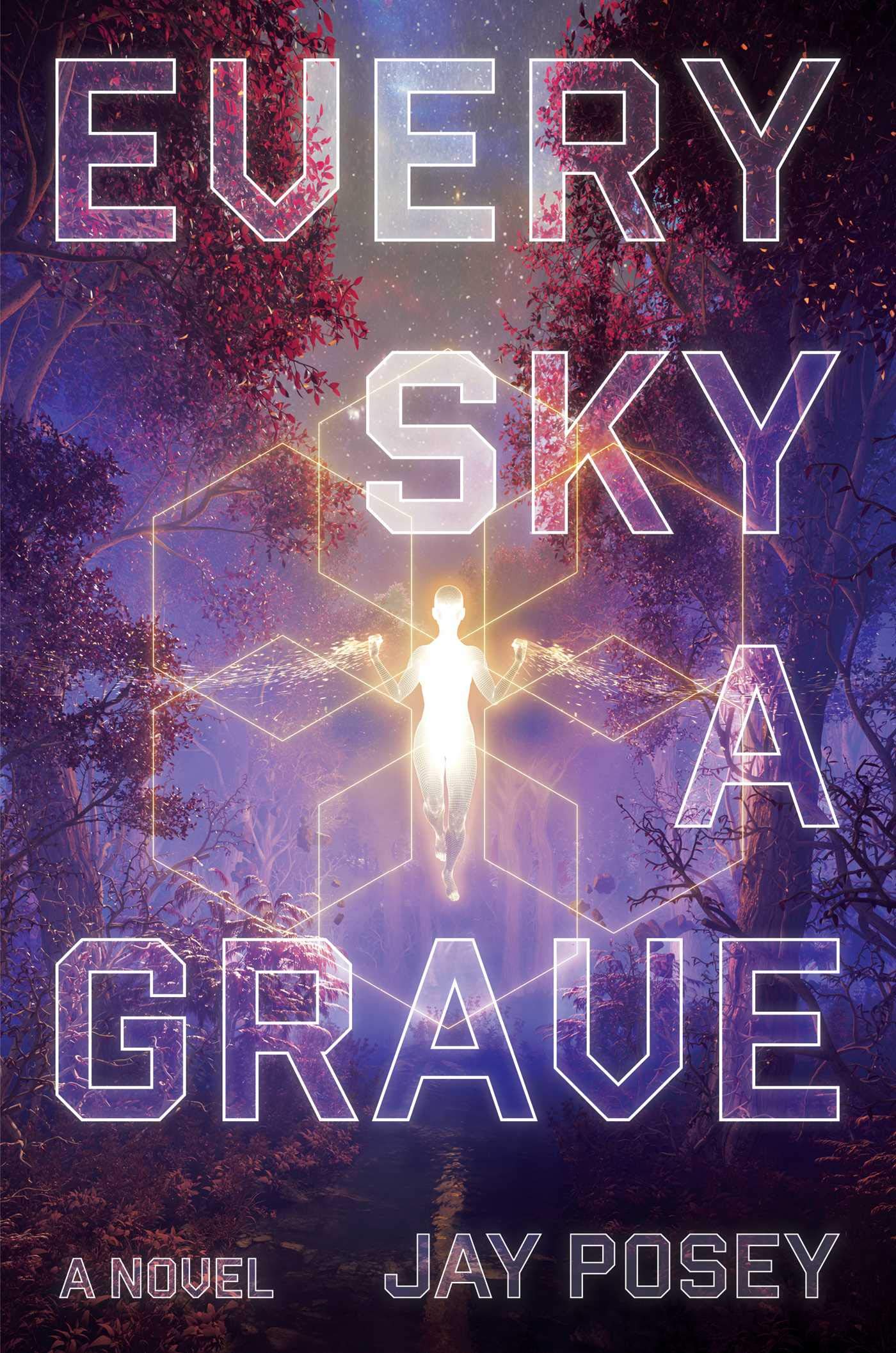
GOODREADS MONDAY (8/23/21) – EVERY SKY A GRAVE by Jay Posey
Mankind has spread out and conquered the galaxy by mastering the fundamental language of the universe. With the right training, the right application of words, truth itself can be rearranged. Language is literally power.
Peace reigns now. Order reigns.
For if a planet deviates too far from what the authorities plan, an agent is sent out to correct that. To quietly and with great skill, end that world.
One such agent is Elyth – a true believer.
But on a clandestine mission to stop an uprising before it can truly begin, Elyth comes to realise she hasn’t been told the whole truth herself. There’s so much she doesn’t know. How can there be people whose truth is different to that of the authorities?
Elyth’s faith in the powers that be is shaken just when she needs it most. While on her mission, a dark and unknown presence makes itself known at the edges of the galaxy – and it cannot be controlled, for nobody knows its name…
So why do I want to read this?
Ooh, the fundamental language of the universe? I’m certainly interested.
All of us sci-fi readers have seen all sorts of intergalactic tyrannies come and go in literature, but I haven’t seen one quite like the one that Every Sky a Grave promises – I’m super interested to see where Posey takes the concept of this fundamental language of the universe and its reality bending powers, as well as the powers controlling it.
Also, Every Sky a Grave is such an eye-catching title! I bet it’s the kind where somewhere along the 75% mark, it’ll appear somewhere in a quote and I’ll have that “oh…OH! They did that! They did The Thing!™️” moment. Hey, it’s the little things in life.
Today’s song:
That’s it for this week’s Goodreads Monday! Have a wonderful rest of your day, and take care of yourselves!
Happy Tuesday, bibliophiles! Wow, already the last day of summer for me…I go back to school tomorrow, bright and early…oh, joy. At least I’ll be able to see my friends again.
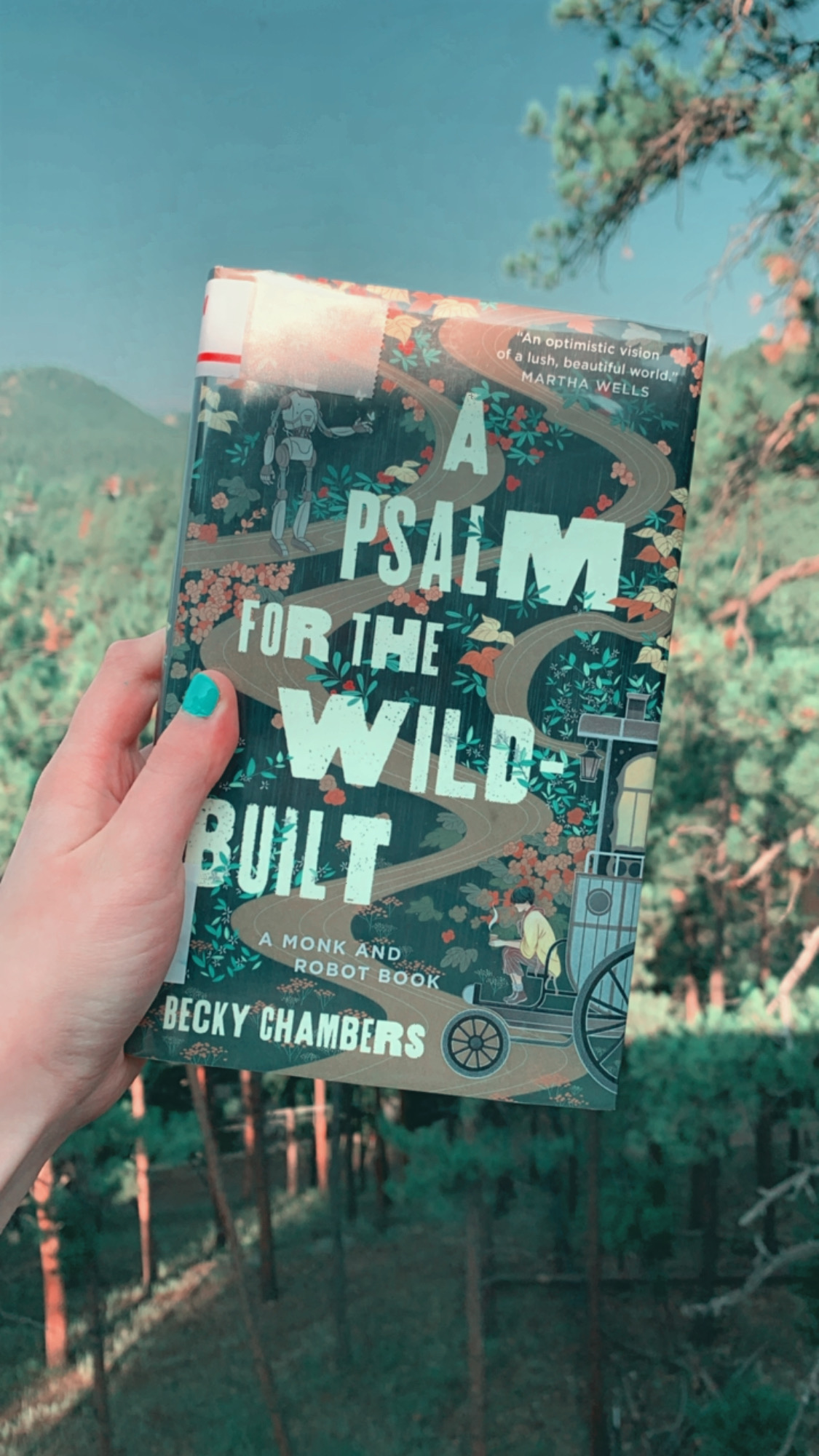
Anyways, here’s one of my library holds from this week that I enjoyed immensely! I found out about it after reading (and loving) the Wayfarers series. I put it on hold and forgot that I had, and it unexpectedly came in the library last week! And I’m so glad that it did – A Psalm for the Wild-Built was just the kind of book I needed: heartwarming, gentle and philosophical.
Sibling Dex is tired of their quiet life as a monk in the city. Insistent on bringing spice into their life, they leave for the rural parts of town to become a tea monk, giving out tea and consolation to those who need it most. But something is still missing, so they take their tea cart into the uncharted woods.
There, they come upon Mosscap, a robot living in the woods who is eager to know about humans and their ways. Robots are the stuff of legends in Sibling Dex’s world; centuries before, they migrated to the woods, never to be seen again, leaving humans to their own devices. Knowing nothing about each other, Dex and Mosscap embark on a journey through uncharted territory, seeking answers – and finding more than they expected.
TW/CW: honestly? I’ve got nothing here, there’s nothing terribly violent, tragic, or graphic in any way here. It’s a gentle book, and honestly? We need more books like this
Okay, this book had no right to be JUST WHAT I NEEDED. I’d already fallen in love with Becky Chambers’ penchant for making sci-fi tender and human in the Wayfarers series, but A Psalm for the Wild-Built was truly the book equivalent of a warm hug.
Everything about this book made me all soft and warm inside. Chambers’ writing made for a beautiful, atmospheric world, filled with lush plant life, factories grown over with vines, and quirky robots wandering the woods. My mind tended to wander back to the Redwoods and Sequoias while picturing the setting – lots of tall trees, bright greenery, and all sorts of little creatures in every nook and cranny. The worldbuilding was spectacular – I was instantly immersed in the world of Dex and Mosscap, and the fact that it was all squeezed into less than 200 pages was even more impressive. It truly felt like a lived-in world, one that I wouldn’t hesitate to grab a tea cart and take a ride through the woods in.
And the characters? I now have an aggressive need to give both Mosscap and Dex hugs. Sibling Dex’s struggles with dissatisfaction and restlessness were all too relatable, and I loved their journey over the course of the novel. And Mosscap? Mosscap was just all kinds of delightful. From the cover, I pictured a shrunk-down sort of Iron Giant with the voice of C3-PO for it. It was such a cheery, eager, and curious character, and it was the perfect match for Dex’s more introspective tendencies. They made the sweetest pair, and I loved exploring Becky Chambers’ world with them.
Through it all, there’s consistent themes of dealing with dissatisfaction and the meaning of life itself. Like I said – A Psalm for the Wild-Built me told me exactly what I needed to hear, and that is that any time you feel dissatisfied, think of how miraculous life itself is – the existence of the universe and consciousness is such a marvel, why not treat it that way? Which, in a world where we’re all fed up and cagey from staying home and living out day after day in constant repetition, is a crucial message for us. I’ll be doing my best to take it to heart.
All in all, easily the sweetest sci-fi/fantasy novel I’ve ever read, equal parts journeying into the unknown and musing on the nature of life itself. 4.5 stars!
A Psalm for the Wild-Built is the first novel in Becky Chambers’ Monk & Robot series, continuing with the forthcoming A Prayer for the Crown-Shy, slated for release in 2022. Chambers is also the author of the Wayfarers series (The Long Way to a Small, Angry Planet, A Closed and Common Orbit, Record of a Spaceborn Few, and The Galaxy, and the Ground Within) and the novella To Be Taught, If Fortunate.
Today’s song:
UGH THE GUITAR IN THIS SONG…this album is magic
That’s it for this week’s Book Review Tuesday! Have a wonderful rest of your day, and take care of yourselves!
Last week, before my trip, I trawled the Kindle library for books to read to tide me over until I could get to the books I bought. I’d had it on hold at the library for a bit, but I realized that it was available on the ebook library, so I checked it out immediately. I was initially excited for it, but I had no idea what I was truly in for; The Darkness Outside Us is more than just a thriller or a sci-fi romance – it’s a heartrending and harrowing exploration of love and grief on a cosmic scale.
After waking up from a strange, deep sleep, Ambrose finds himself on a spaceship with a critical mission – rescuing his older sister, Minerva, who is trapped on a base on Titan. His ship, the Coordinated Endeavor, holds infinite mysteries – it has the voice of his mother, robots with minds of their own, and secrets hidden in every corner. But the most enigmatic of all is Kodiak, his isolated shipmate from a rival country on Earth. Kodiak is bent on keeping distance between them, but when the mission’s true nature becomes clearer, their only choice is to work together.
TW/CW: grief, loss of loved ones, violence, descriptions of illness, death
What can I say other than the fact that I’m truly in awe of this book?
The Darkness Outside Us started out like any other sci-fi thriller. We find Ambrose waking up and slowly realizing his surroundings, and figuring out that things about the Coordinated Endeavor are not what they seem. We witness his developing romance with Kodiak, and all the puzzle pieces seem to come together.
But trust me. Once you hit the halfway mark of the book, you may think you’ve predicted all the plots twists (I thought I did…), BUT YOU WON’T. Just as quickly as everything seems to go disastrously wrong, the real plot starts to come together. I don’t want to spoil anything for this novel, but it’s hard to say anything about what happens next without revealing the last half of the plot, but I’ll try my best. It’s better if you go in blind about this one.
For the first half of the book, I thought that I’d give it a 3-3.5 star rating; the characters were decent, the queer enemies-to-lovers romance was well-done, and the mounting tension was well-written. But the further I got on, the surer I became of my 5-star rating. The Darkness Outside Us is far more than what it was marketed as; yes, there’s romance, and yes, there’s a mystery to be solved in ✨space✨, but there is truly so much more than meets the eye. It’s not every day that I truly feel like a novel is a work of art, but this one was. It’s a testament to life itself, appreciating every minute of it while you still can, and the power of love that binds us and shapes us.
We don’t get enough sci-fi/fantasy novels that delve into these core human emotions quite like The Darkness Outside Us did. And if I’m being honest, I think sci-fi can sometimes be an even better vehicle to explore these kinds of themes. With the dizzyingly cosmic scale that this novel takes place over, there’s a unique opportunity to show the transcendental power that love can span over many years. There’s a bleakness to everything, and most of the last half was heartbreaking to read, what with all the grains of hope that were spread throughout being overturned and crushed in seconds, but Schrefer leaves us with a hopeful ending that nearly brought me to tears.
I’ve said several times that part of what makes a good sci-fi is that it makes you think. The Darkness Outside Us fits the bill in every sense of the word. I had…well [ahem] several existential crises over the course of the last half, but in all seriousness, this novel is deeply introspective and philosophical. It’s all about reckoning with our past choices and the choices of others, of breaking free of cycles that have controlled you for millennia (literally), and the enduring power of love and the complicated nature of relationships. I ended up staying up a *little bit later* than I intended to because I just HAD to see what happened, but all that time, I had the space to ruminate about life. Needless to say, this one had me staring at the ceiling and pondering the meaning of life until I fell asleep, despite my attempts to distract myself.
The Darkness Outside Us is a standalone, but Eliot Schrefer is also the author of the Ape Quarter (Endangered, Threatened, Rescued, and Orphaned), The School for Dangerous Girls, The Deadly Sister, Glamorous Disasters, and many more novels for young adults and children.
Today’s song:
That’s it for this week’s Book Review Tuesday! Have a wonderful rest of your day, and take care of yourselves!
Happy Monday, bibliophiles! I’m finally back from Florida, and it’s so good to be back home. However, it was more than jarring watching the plane go through a layer of wildfire smoke to land…CLIMATE CHANGE IS VERY VERY REAL, FOLKS
[ahem] anyways, Goodreads Monday is a weekly meme created by Lauren’s Page Turners. All you have to do to participate is pick a book from your Goodreads TBR, and explain why you want to read it.
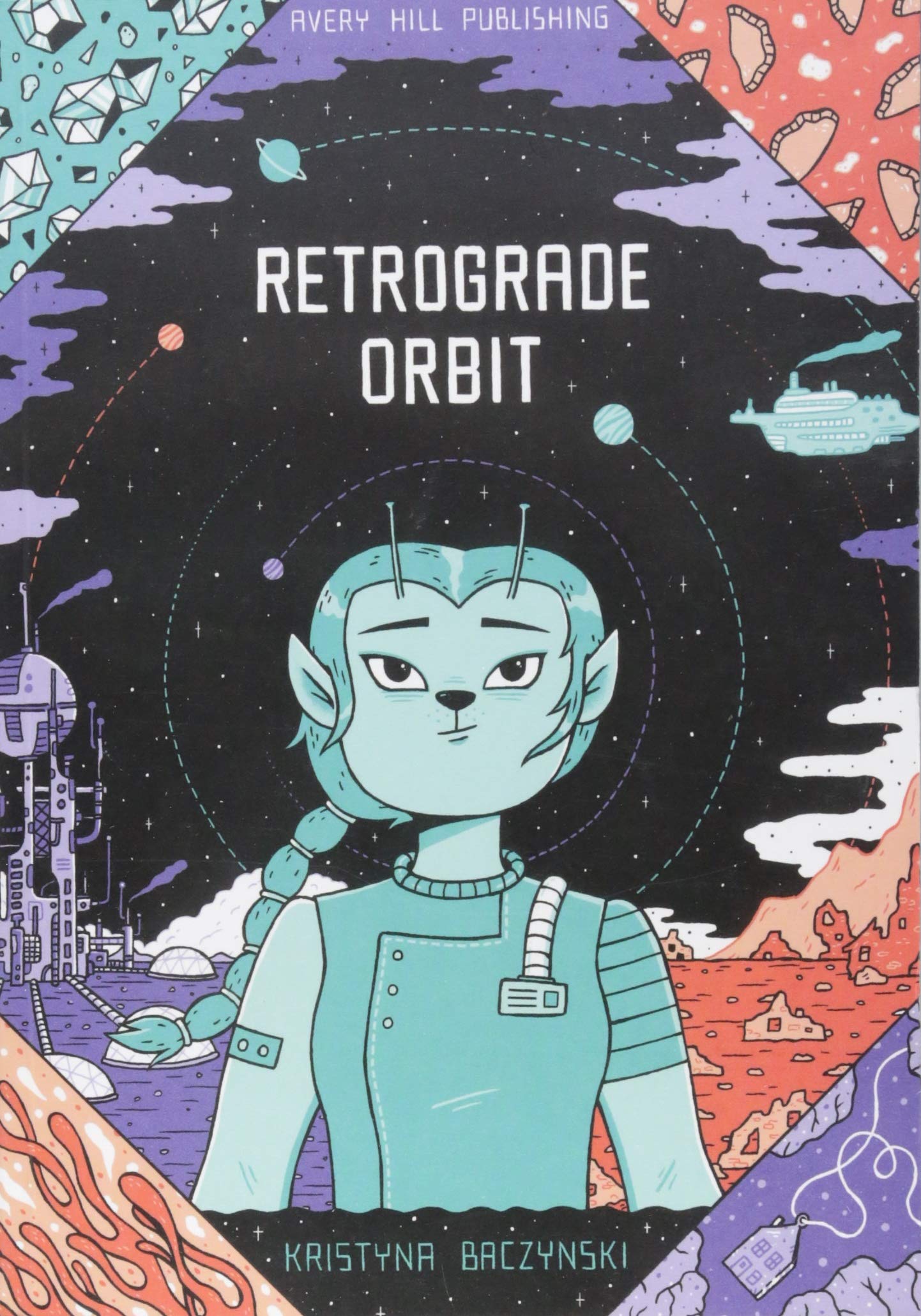
I don’t usually put graphic novels in these posts, but I figured this one would be a nice change. Retrograde Orbit seems like a very unique comic, with a sci-fi aesthetic blended with themes of home and relationships!
Let’s begin, shall we?
GOODREADS MONDAY (8/9/21) – RETROGRADE ORBIT by Kristyna Baczynski
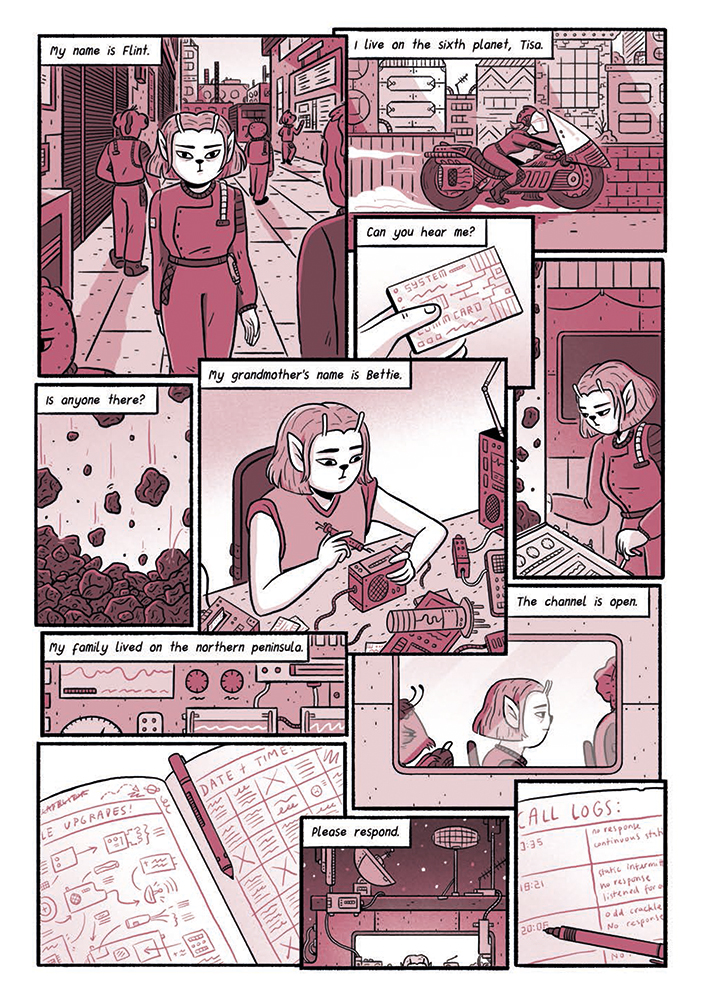
At the outer edge of the solar system, on the mining planet Tisa, Flint and her mother live in the colony of Swift Springs. Displaced by a nuclear event, Flint’s family settled in Swift Springs two generations ago to become miners. Soon Flint will be old enough to begin her apprenticeship at the refinery. But is the home that her family has built for her enough, or will a mysterious, irradiated planet pull her away from them? By following in their footsteps and leaving to forge a new path, is she betraying her family, or honouring their legacy? Exploring notions of home and the desire to leave it, Kristyna Baczynski’s first graphic novel is a story of relationships, of time and of the motion of the universe.
So why do I want to read this?
art by Kristyna Baczynski
When I looked up images of some of the comics panels, I was immediately reminded of Tillie Walden – the monochrome color scheme with colors that shift from act to act, and the simultaneously cartoonish and intricate style of the illustrations. I’m not sure if I like how Flint and all the other aliens design-wise, but I do like Baczynski’s art style.
Beyond that, this sounds like just my kind of quiet sci-fi! We don’t often get sci-fi novels that deal with the softer, more mundane aspects of life; more than not, it’s all big explosions and high drama. Quiet sci-fi and fantasy is something that I really wish would be done more, because even though they’re set on different worlds, it can sometimes be even more impactful to explore everyday things through the eyes of something or someone completely imaginary. Retrograde Orbit looks like it promises a lot of that – a coming-of-age exploration of independence, family, and leaving things behind. I’m on board!
art by Kristyna Baczynski
Today’s song:
wh…why is Damon wearing that hat…why…
That’s it for this week’s Goodreads Monday! Have a wonderful rest of your day, and take care of yourselves!
Goodreads Monday is a weekly meme created by Lauren’s Page Turners. All you have to do to participate is pick a book from your Goodreads TBR, and explain why you want to read it.
I’m always on the hunt for good YA sci-fi, and this one sounds incredible! I forget where I first heard about it, but everything about it hooked me – inspired by Chinese history, giant sentient machines, and a polyamorous relationship! September can’t come soon enough…
Let’s begin, shall we?
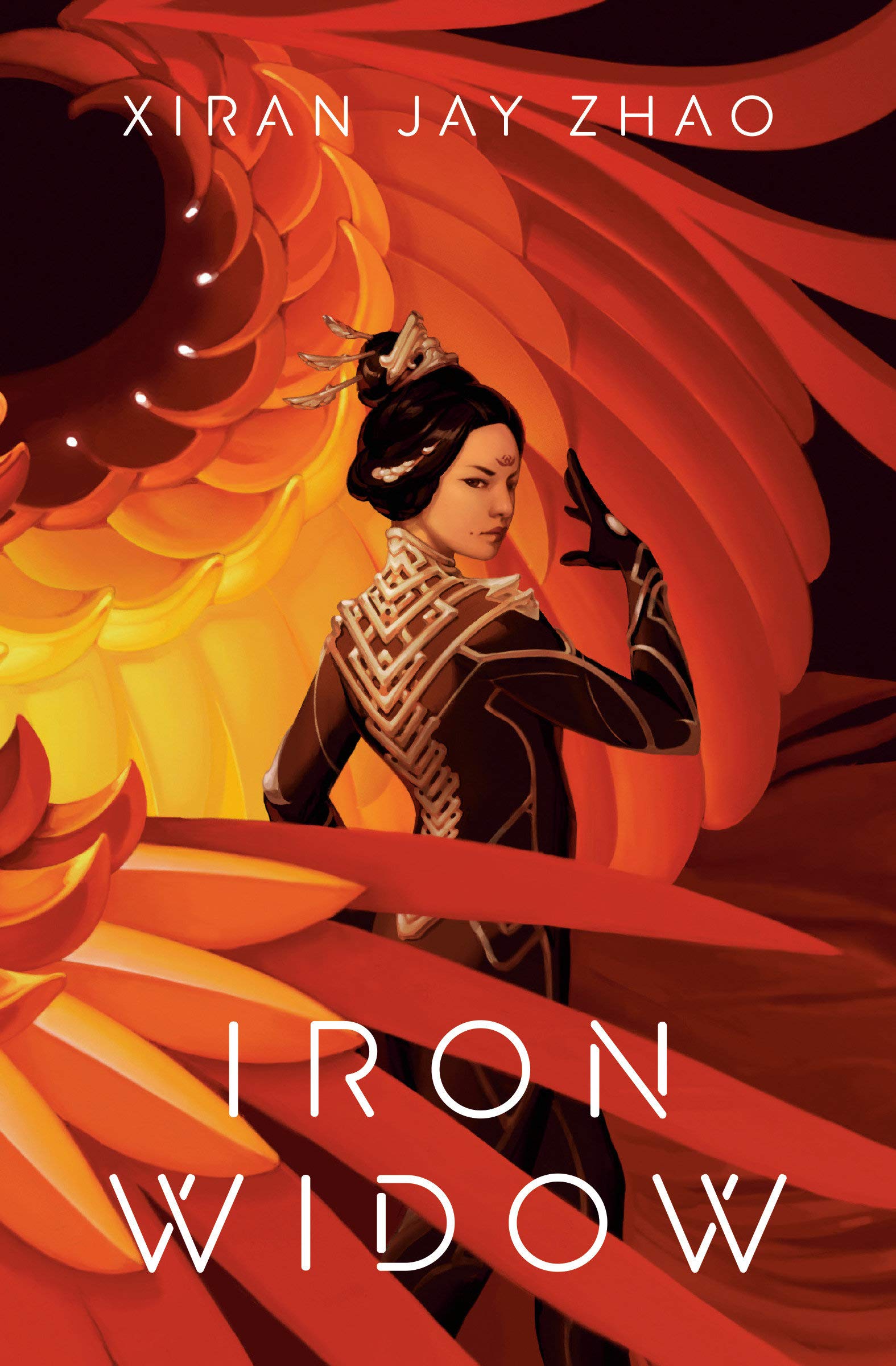
GOODREADS MONDAY (7/5/21) – IRON WIDOW by Xiran Jay Zhao
The boys of Huaxia dream of pairing up with girls to pilot Chrysalises, giant transforming robots that can battle the mecha aliens that lurk beyond the Great Wall. It doesn’t matter that the girls often die from the mental strain.
When 18-year-old Zetian offers herself up as a concubine-pilot, it’s to assassinate the ace male pilot responsible for her sister’s death. But she gets her vengeance in a way nobody expected—she kills him through the psychic link between pilots and emerges from the cockpit unscathed. She is labeled an Iron Widow, a much-feared and much-silenced kind of female pilot who can sacrifice boys to power up Chrysalises instead.
To tame her unnerving yet invaluable mental strength, she is paired up with Li Shimin, the strongest and most controversial male pilot in Huaxia. But now that Zetian has had a taste of power, she will not cower so easily. She will miss no opportunity to leverage their combined might and infamy to survive attempt after attempt on her life, until she can figure out exactly why the pilot system works in its misogynist way—and stop more girls from being sacrificed.
So why do I want to read this?
Okay, WHOA. I haven’t seen a premise like this in YA before…
I LOVE all of the different aspects that are coming together in this novel; according to the author, all of the characters are inspired by figures in Chinese history, and they’re all integrated into an entirely new sci-fi world. I can already tell that I’m gonna love Zetian as a protagonist – strong-willed, independent, and willing to fight for her sister’s honor.
And PATRIARCHY SMASHING! MY FAVORITE! There seems to be a thread of fighting against misogynist institutions in Iron Widow, and I’m 100% here for it. Plus, it’s super cool that instead of having a traditional love triangle, there’s a polyamorous relationship – instead of Zetian having to choose between her love interests, she’s in a relationship with both of them, and the love interests are boyfriends as well! Even though we’ve been making great leaps in LGBTQ+ representation in YA, it’s not often that I see any kind of polyamorous rep, so I think it’s amazing that Xiran Jay Zhao is putting out a novel with that kind of rep.
All in all, sign me up for the patriarchy-smashing, the sci-fi vibes, and the LGBTQ+ rep!
Today’s song:
Alright I just started listening to this whole album…I’m about halfway through and it’s GREAT
That’s it for this week’s Goodreads Monday! Have a wonderful rest of your day, and take care of yourselves!
I’ve been trying to think of more original posts to do, and I figured that this one would be something really fun to explore. I’ve seen a lot of posts talking about tropes, but genre-specific ones are always interesting to think about/discuss, and in much of the YA book fandom, I feel like sci-fi doesn’t get as much love. So I decided to look at six tropes that are specific to sci-fi (for the most part). Sci-fi is my favorite genre, so I got super excited thinking about all of these different tropes, and some (mostly) YA books that use them in different ways.
So let’s begin, shall we?
WARNING: This post may contain some book spoilers (Aurora Cycle & Dare Mighty Things series), so read at your own risk!
🛸SCI-FI TROPES🛸
CRYOSLEEP, BUT FOR WAY TOO LONG
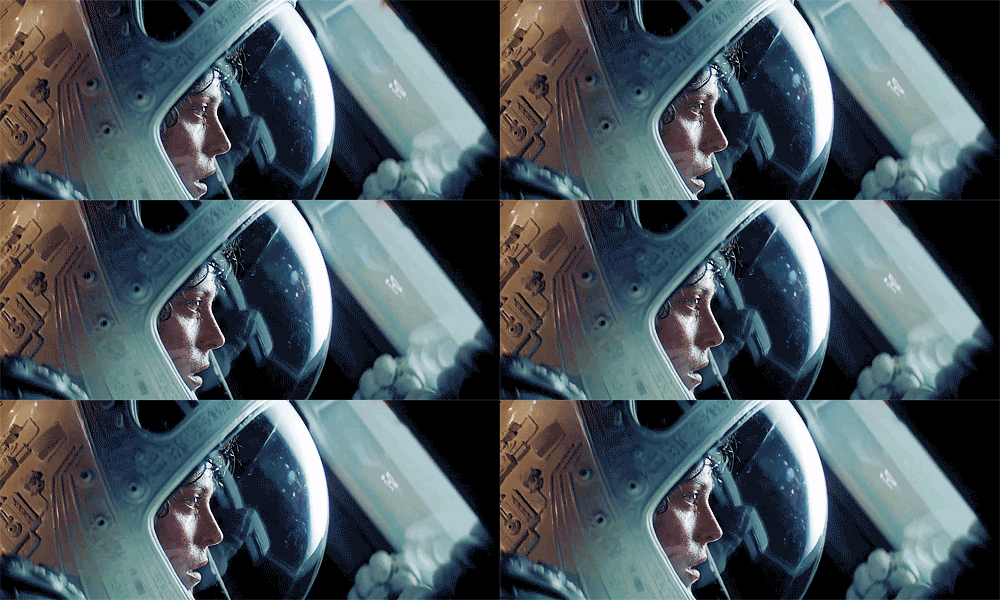
Ellen Ripley – and Aliens in particular – probably set the blueprint for this one, but as the trope gets more popular, authors have started to push the limits on this one, which I think is a really cool move.
It’s most often the protagonist that this happens to – our hero, on the eve of something great, is put into cryosleep for an interplanetary mission, only for something to go terribly awry and stay in cryosleep for longer than they were supposed to. Ripley got an accidental 50 years, Auri from Aurora Risinggot 200 years, and Andra from Goddess in the Machinegot a whopping 1,000 years.
This trope presents two main advantages for writing: a vehicle for exploring the novel’s world through fresh eyes, and internal conflict within the character. If your cryosleep character is completely unfamiliar with the world, seeing it through their eyes gives the reader a more in-depth look at the world than they’d get with a character that’s already familiar with it. They’ll inevitably notice more things and fixate on different things than another character might, which gives the reader more insight about what’s unique about the world that the author has crafted.
As for the internal conflict piece, this part’s always touched on, but in most of the novels I’ve read with it, it’s a lot more shallow than you’d think. There’s the existential crisis that inevitably occurs when the character realizes that everything they know and love is all but gone, but beyond the first few chapters from their POV, they get over it…relatively quickly? It seems like the kind of trauma that would leave lasting psychological scars, and probably physical health repercussions as well. I’ve yet to read any book that explores all that in depth, but it seems like the perfect setup for a sci-fi novel.
So this one’s a trope that can make for a lot of creative choices, but often has a lot of untapped potential.
GOTTEN INTO A SITUATION YOU CAN’T GET OUT OF? TIME TRAVEL!
“Time travel!”
Apparently this one is a lot more common than I thought, but I’ve only started to see it in YA more recently. (Well, there’s Avengers: Endgame, but it took me a while to realize how common of a trope it is…)
This trope has the possibility of ENDLESS freaky hijinks whilst traversing through time. Sometimes it’s just pushing the events of the past so that everything lines up a little bit nicer, and sometimes it’s rocketing back to another time period entirely. It usually happens only with the last book in a trilogy or duology, just so everyone can fix the mess they got into in the first books.
I have mixed feelings on this one; one the one hand, there’s never a dull moment – time travel jokes, fitting VERY badly into a different time period, and very high stakes, most of all. If the first books have followed a similar formula, it might be good to try for something else to end the series with a bang.
On the other, though, something about it almost feels…lazy to me. Often, this trope arises from The Gang™️ getting a situation so bad that there may not be a feasible way out of it, but…maybe they could? If done wrong, it can feel like lazy writing – an easy way out, and one that provides instant comic relief. And often, the means of said time travel are vague, and often reduced to technobabble from The Smart Character™️, which, hey, I don’t know much about the science of it either, but maybe at least put a little time into it?
So this one’s a double-edged sword: instant plot, or lazy writing? The choice is yours!
*this one doesn’t come out until November [screams] but we know that time travel will play a big part in this one, so…
ALIENS THAT BASICALLY JUST LOOK LIKE HUMANS (BUT WITH A FEW MINOR DIFFERENCES)
I know Jean Grey isn’t an alien, but most of the aliens mentioned below have similar powers to her, so…
Most of the other tropes I’m going to be discussing in this post are ones that I like on some level, but…this one gets on my nerves. For the most part.
Far too many times, I’ve fallen into the trap of picking up a sci-fi book that promises aliens, only to discover that the aliens just look like humans, but with either a) unusual eye colors, b) some sort of powers, or c) a combination of both. And of course, they have to be ✨ridiculously attractive✨ as well. 🙄
Now, I completely get making your aliens humanoid (hey, I’m doing it with some of my aliens for my sci-fi WIP), but there’s a certain point where it feels a bit lazy. Unless there’s some way you can back it up, it seems weird to me that in this entire universe, the only other intelligent beings, by some cosmic chance, are similar to us in almost every way.
But I’ve seen some authors use it to their advantage – in particular, One Giant Leap(the sequel to Dare Mighty Things) does this especially well. The main alien civilization there look exactly like humans, but it’s because of genetic modifications performed so that they could survive on Earth. See? That’s actually a really good way of turning the trope on its head, and doing so in a practical way!
For the most part, this trope never ceases to bug me, but there’s a few ways to turn it on its head.
BREAKING: Michael Fassbender Sustains Fatal Back Injuries from Carrying all of the Alien Prequels
For me, at least, this trope is the most fun – and it presents some of the scariest and most formidable antagonists in sci-fi.
Villainous AI are some of the most fascinating characters to explore – they have unmatched power, in some cases, and whether they’re a pre-installed ship AI or an android, it’s always interesting to hear their perspective on all of us puny mortals.
Given that humans trust AI a bit *too* much in most sci-fi novels, they often have a fearsome amount of power at their disposal. AI installed inside of a ship? Access to all the security footage, navigation, communications, and controls of the ship. They know their crew up and down, and have the possibility to play everybody’s weaknesses against each other. They have the power to sabotage anything and everything, and more often than not, they do. WITHOUT HESITATION. A corrupt AI often harbors a hatred or jealousy of human beings, and if it’s not that motivating them, it’s some sort of technologically-stemmed god complex, which is always terrifying to watch play out. (Lookin’ right at you, David…) It’s even more of an interesting development if their moral compass shifts over the course of the series – if there’s one thing I’ve learned from sci-fi, it’s that benevolent robot overlords never stay benevolent for very long.
Corrupt AI as antagonists are often more compelling than human or alien ones (for me, at least) partly because so much is left up to the imagination about the inner workings of their minds. We’ve never developed any kind of artificial intelligence that’s become intelligent enough to have devious tendencies like many sci-fi villains, so a lot of it is the author’s personal choice. There are endless possibilities – but more often than not, they’re all terrifying.
And even if they aren’t main antagonists, the addition of a slight unstable AI as a character is always amusing; for all of its flaws, I loved Gregorovich’s existential musings in To Sleep in a Sea of Stars, and his character added some much-needed flavor to the rest of the cast.
TL;DR: There’s nothing more terrifying than a villain that knows everything about everything, and uses that power for its own gain at whatever the cost.
HIGH-STAKES COMPETITIONS TO GO TO SPACE…WITH SOME SERIOUS ULTERIOR MOTIVES
Scared to send your experienced, highly intelligent scientists to space? Send some teenagers instead!
This one tends to crop up the most in YA, as it’s primed for a book that has a primarily teenage cast. The ones I’ve read do tend to follow a formula, but for the most part, it’s one that’s actually a lot of fun!
The worldbuilding/motives behind it are always a little bit messy (again: sending teenagers into space! What could possibly go wrong?), but often times, you just have to hang in there; it’s a given that whatever program is funding the competition is doing something astronomically shady. (No pun intended.) Part of the fun with this trope is the mystery of it; slowly but surely, the competition starts dropping like flies, and things go very wrong very quickly.
More on the mystery aspect – the mystery that often occurs in these types of novels is very slow-burn, building on itself before the heartstopping reveal at the end (often a cliffhanger). From program superiors lying to scheming androids to deaths under mysterious circumstances, there are endless possibilities for many, many things to go wrong. Add in the not-so-friendly rivalries between the competitors (also scheming, along with everybody else), and you’ve got the perfect recipe for a nail-biting sci-fi mystery.
And once/if they get to space? Everything gets way worse. There’s bound to be aliens, but whether they’re intelligent or just parasitic, things are bound to go way, way south. But there’s never a dull moment – there’s no shortage of suspense, and our protagonist is often at a loss as to how to escape their situation.
Plus, for reasons I’ve yet to figure out, these ones always tend to have the most clever pop culture references. (See: all of the Radiohead songs in the Final Six duology)
EXPLORING OTHER PLANETS GOES VERY, VERY WRONG (Or, “Don’t do intergalactic colonialism, kids”)
Here’s another common – but by no means overdone – trope that’s always open to endless possibilities!
Because our planet was never enough, apparently (or if we destroyed it…probably), there’s a whole host of sci-fi stories that are set on entirely new planets, with the sole goal of making them a new home for humankind. But just like with our planet, it’s always unpredictable, whether you’re dealing with a foreign contagion, carnivorous wildlife, or superiors who aren’t what they seem.
I’m always a nerd for creature design in sci-fi, and life on other worlds presents all sort of possibilities for creatures lurking in the bushes. Whether it’s flora or fauna, exploring these sci-fi worlds along with the characters is an adventure, especially if the author is particularly creative. Of course, most of the wildlife ends up being carnivorous, or malicious on some level, so there’s all sorts of danger lurking.
But beyond that, this trope is often a great commentary on colonialism. Human history is rife with frightening periods of raping and pillaging land that wasn’t ours to begin with at the cost of those who originally lived there; telling the same story on alien planets serves as a particularly potent comment on the malicious tendency of our species to overstep and overstay our welcome. Books like A Conspiracy of Starsand The Pioneer explore what happens when humanity comes in contact with intelligent life and unlawfully sets foot on their land; both of them do an amazing job of exploring the intricacies of the political implications, as well as the tense conflict that results. I think sci-fi as a genre is one of the best mediums for raising commentary on this kind of thing. Exploring new frontiers in space is bound to happen once we get the technology, but we must always ask ourselves if it’s the right thing to do. Just because we can doesn’t necessarily mean that we should. (Let’s be real: I would be SO excited if we found evidence of life elsewhere in the universe, but…let’s not have a repeat of all of human history, okay?)
TELL ME WHAT YOU THINK! What are your favorite/least favorite tropes in sci-fi? Have you read any of the books I listed, and what were your thoughts? This’ll probably be one of several posts on the subject, so I can’t wait to hear your thoughts!
Today’s song:
That’s it for this post! Have a wonderful rest of your day, and take care of yourselves!






















 The Bookish Mutant